Cox-Klemen supplied in 1923-25 six examples for USN of XN-1/XS-2 experimental twin-float scout Seaplanes intended for carriage aboard submarines.
Era
Cox-Klemen TW-2
Cox-Klemen supplied three TW-2 tandem two-seat biplane trainers for USAAS in 1922.
Cox-Klemen Aircraft Corp
USA
Based at College Point, Long Island, NY; supplied three TW-2 tandem two-seat biplane trainers for USAAS in 1922. Followed 1923-25 by six examples for USN of XN-1/XS-2 experimental twin-float scout Seaplanes intended for carriage aboard submarines. Also produced two XA-1 prototype ambulance aircraft for U.S. Army.
Coventry Ordnance Works / COW Biplane
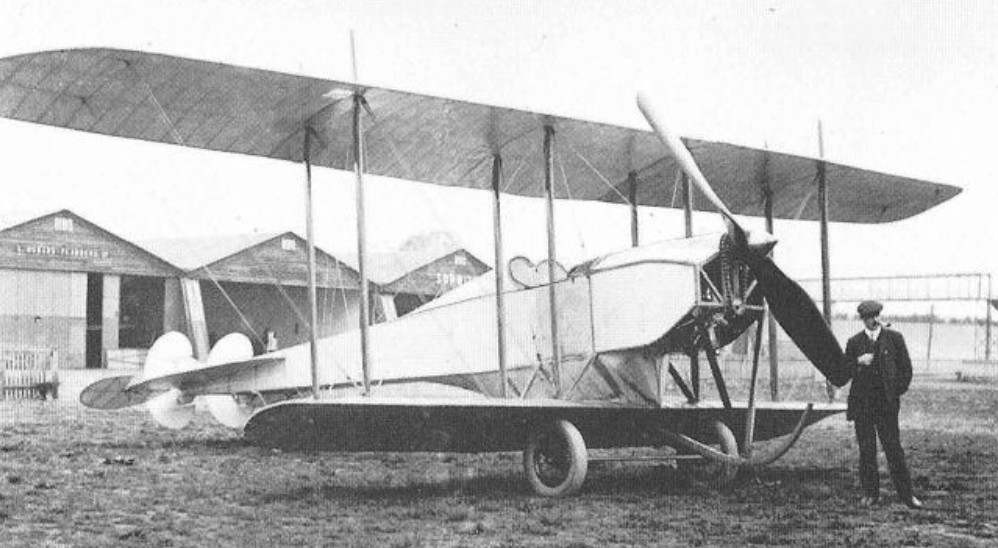
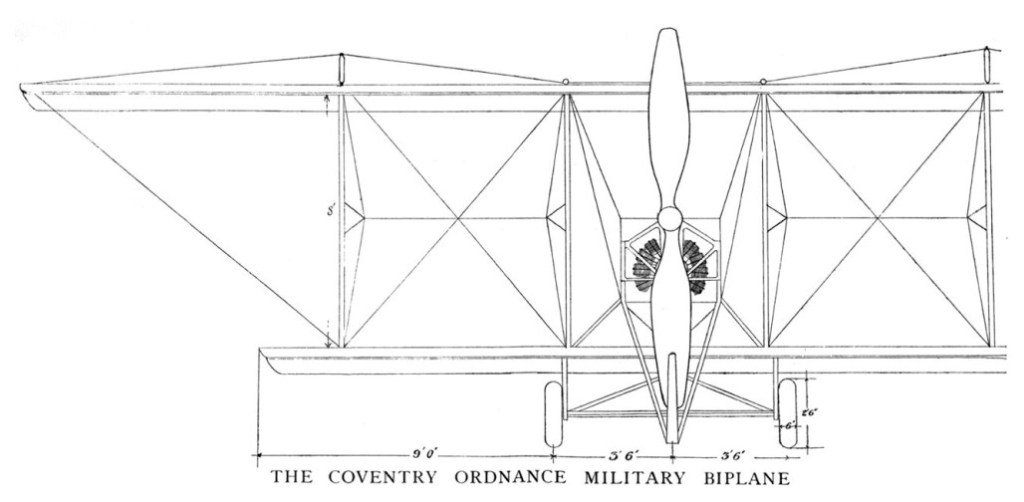
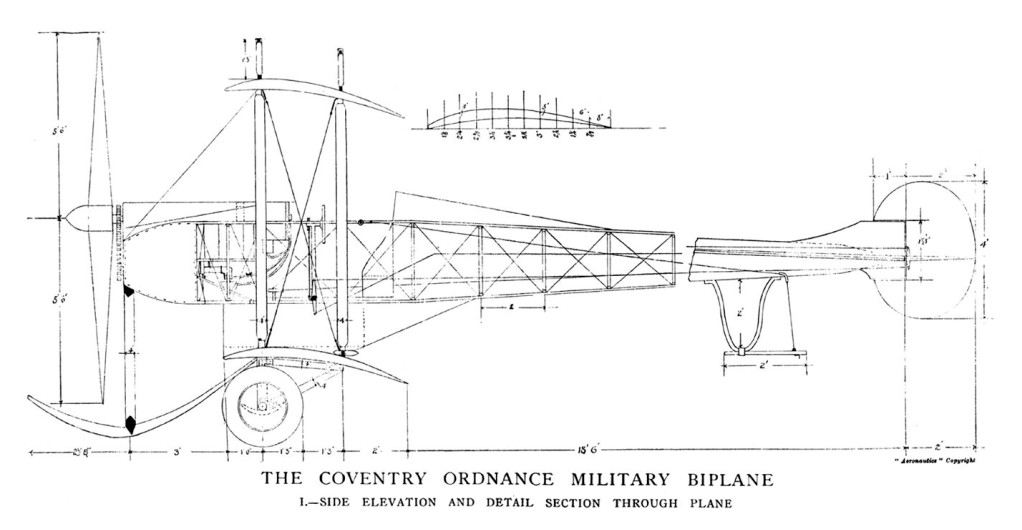
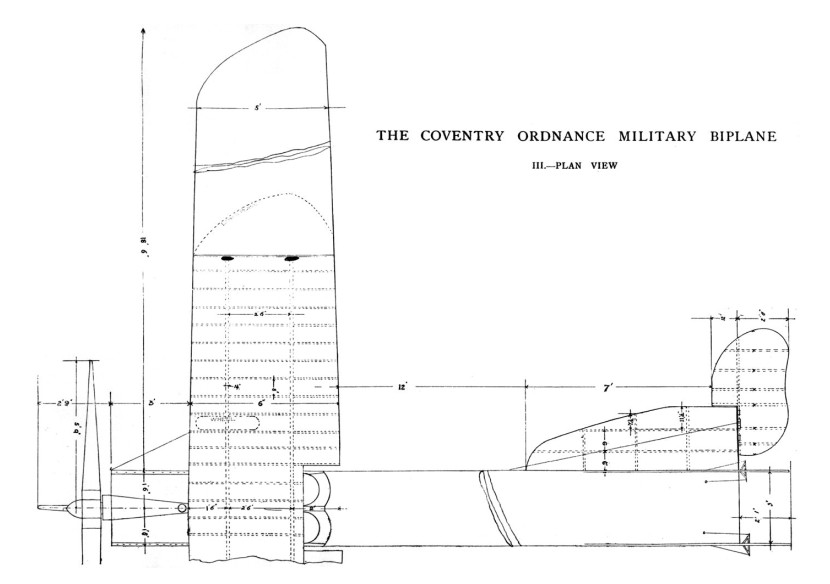
The COW Biplane was a British tractor biplane built to compete in the 1912 British Military Aeroplane Competition.
Coventry Victor

A flat-twin Coventry Victor engine was assembled for participation in the Brussels Meeting (September 16, 1923).
Poncelet mounted a Coventry Victor engine on the Castar, kindly donated by the Belgian motorcycle manufacturer “Jeecy Vea”. But the aircraft has all the trouble in the world to take off and only manages to complete a runway three meters above the ground.

Coventry Victor
two opposed cylinders
680 cc
16 hp at 3500 rpm / 10 hp at 2000 rpm
Couzinet 103
The latest development in the series was the Couzinet 103 with three 135 hp (101 kW) Salmson 9Adr radial engines which could carry two crew (or one pilot and passenger) and four passengers in a separate cabin.
Couzinet 101
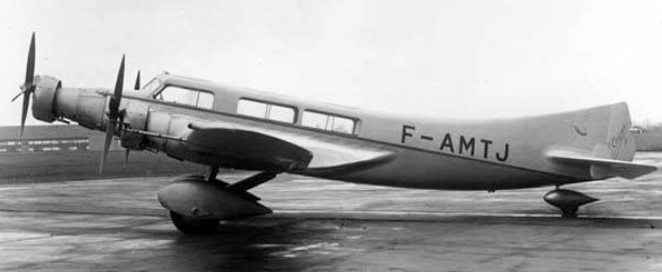
Up until 1937, the year when his last prototype the Air Couzinet 101 flew, René Couzinet very seldom deviated from his original concepts, those on which his reputation was built, and which were adopted by other manufacturers such as Germany’s Claude Dornier.
Couzinet 100
A 3-seat touring aircraft with similar layout to the Arc en Ciel was produced as the Couzinet 100, powered by three 85 hp (63 kW) Pobjoy R radial engines. Bought by the Spanish Republicans in 1936, during the Spanish Civil War the Couzinet 101 became a transport in the Spanish Republican Air Force. It disappeared leaving no trace.
Couzinet 70 / 71 Arc-en-Ciel
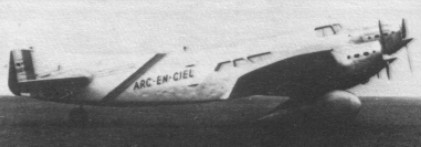
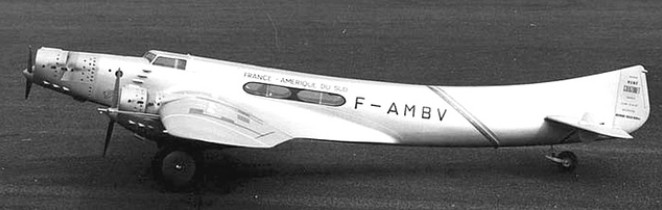
Developed from the Couzinet 30, the Couzinet 70 was also called Arc-en-Ciel and intended for Aeropostale’s transatlantic mail service to South America. The number 3 model designated the Couzinet 70 by the company was completed at the beginning of 1932.
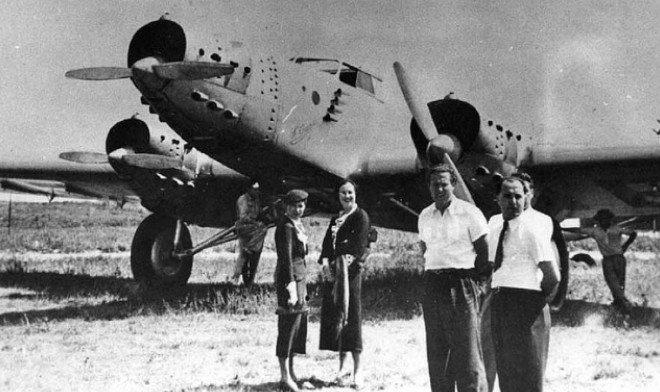
First flown on 11 February 1932, the aircraft was a low-wing monoplane with a fixed tailwheel landing gear. The aircraft was powered by three Hispano-Suiza 12Nb inline piston engines. The two wing mounted engines could be accessed in flight through tunnels in the wing.
Jean Mermoz the famed French pilot would fly it to Buenos Aires a year later with its inventor at his side. Upon their return in France, they would be welcomed and greeted as heroes. At the age of 29, René Couzinet was at the apogee of his glory.
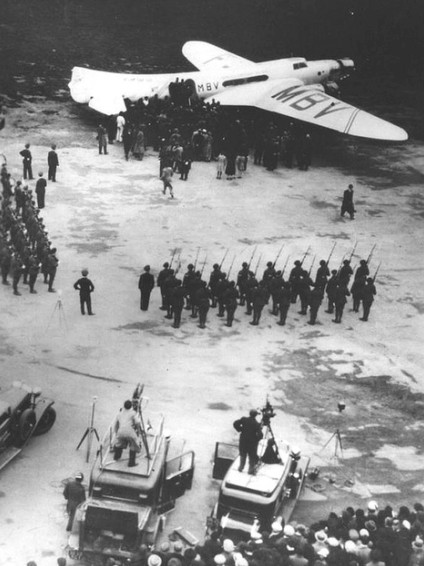
After route-proving flight from Paris to Argentina by Jean Mermoz in January 1933 it was extensively modified as Couzinet 71 and entered regular service in May 1934.
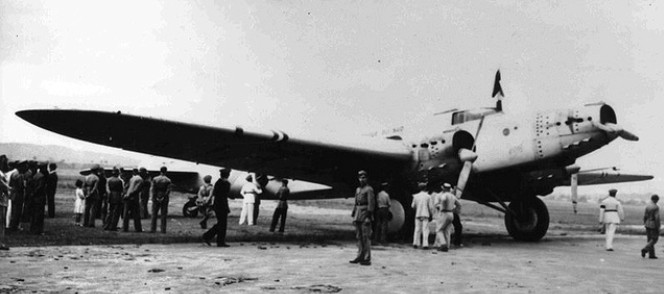
Sold to Air France before being retired in 1937, the Couzinet 70 became model 71 after miscellaneous modifications, and it is the best known of all the airplanes built by Couzinet.
70 / 71
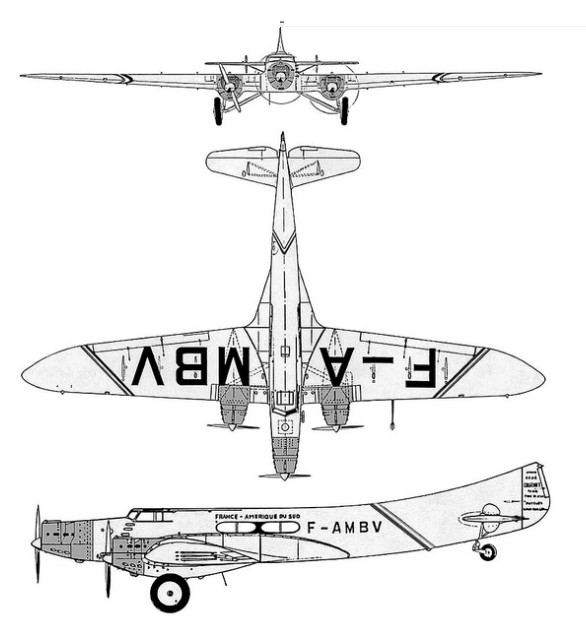
Engines: 3 × Hispano-Suiza 12Nb, 485 kW (650 hp)
Wingspan: 30 m (98 ft 5 in)
Wing area: 90 sq.m (968.78 sq.ft)
Length: 16.15 m (52 ft 11.25 in)
Height: 4 m (13 ft 1½ in)
Empty weight: 7310 kg (16,116 lb)
Gross weight: 16,790 kg (37,015 lb)
Maximum speed: 280 km/h (174 mph)
Range: 6800 km (4225 miles)
Crew: Four
Couzinet 40
A high performance tri-motor built in 1934 but which had a short life.

