Degen 1807 Flugmachine

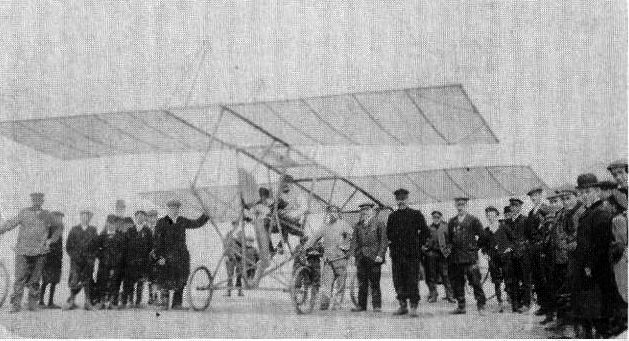
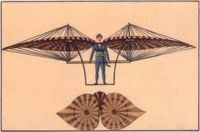
Ornithopter built by Jakob Degen – a Swiss watchmaker living in Vienna – first drafted and published in 1807. Degen made his earliest somewhat successful flights by using a counterweight to assist his lift, indoors at the Winter Riding School of the Spanish Riding School in Vienna on April 18, 1808. That same year, on November 13 and 15, he gave two outdoor performances with his Flying machine at the Wiener Prater using a small hydrogen-filled balloon to aid his ascensions. Later on over the years, three times Degen staged his performance in Paris and is also known to have visited Berlin with his apparatus. These attempts generally resulted in complete failure accompanied with personal injury.
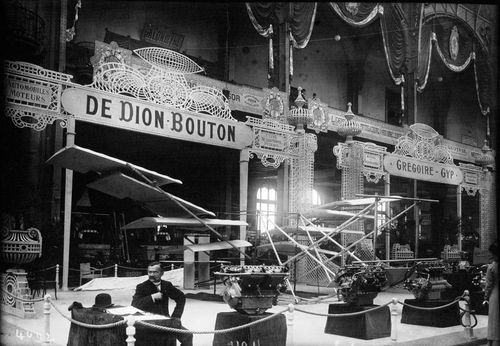
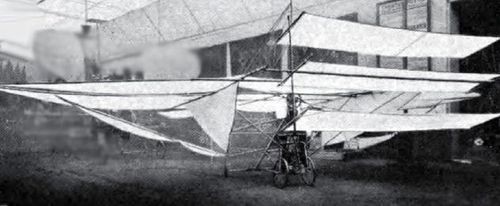
de Dion-Bouton 1909 Multiplane

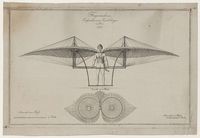
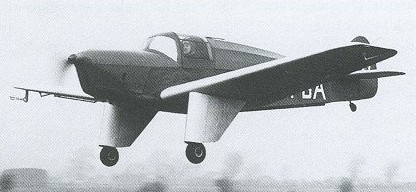
The first of two unsuccessful aeroplanes designed and built by Établissement de Dion-Bouton, the car and motor company. Remotely resembled a Wright Flyer, with twin rudders at the rear, a single small tailplane, and a triplane elevator in front, but instead of wings, each side had four wing-segments set at 30 degrees dihedral. Four propellers were to be employed, driven by a 100 hp engine. Displayed incomplete at the Première Exposition internationale de la locomotion aérienne at the Grand Palais in Paris during September 25 – October 17, 1909, construction and/or testing was likely halted afterwards as nothing more was heard of this flying machine of Jules-Albert de Dion and Georges Bouton.

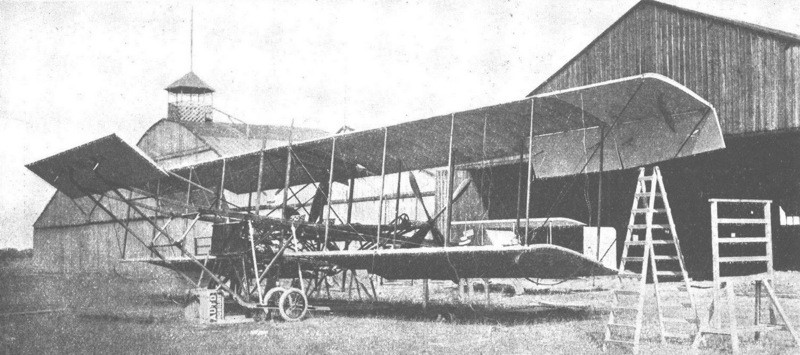
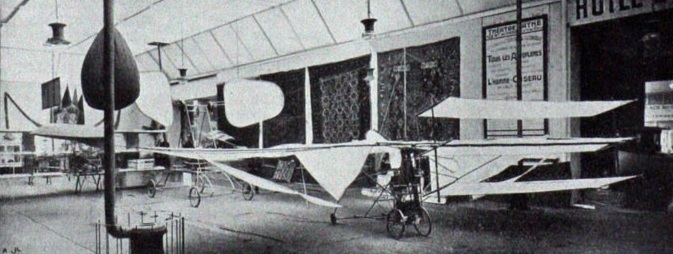
de Crawhez Triplane

The aeroplane of Baron Jean de Crawhez on display at the Eighth Annual Belgian Motor Show, held in Brussels from the 16th through to the 26th of January 1909. In the background of M. Crawhez’s aeroplane is the ornithopter of M. de la Hault, both Belgian machines.

Brussels Motor Show 1909

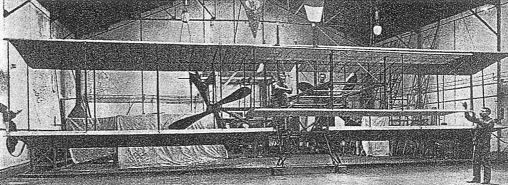
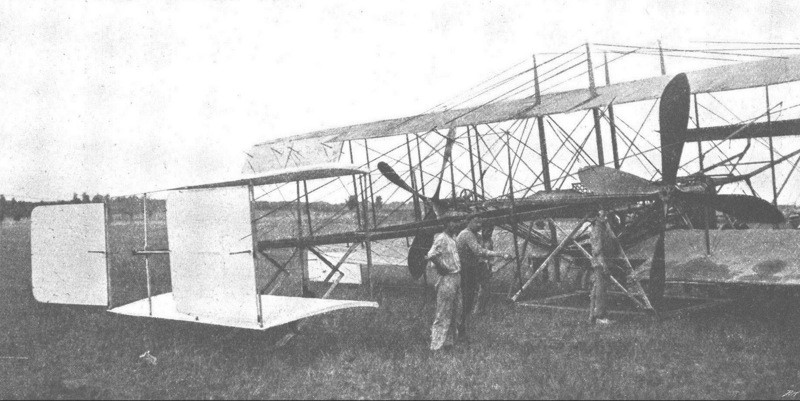
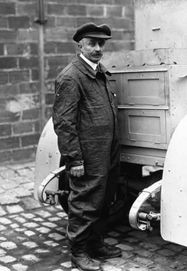
Decommines I

Emmanuel Honoré Decommines, known as Georges Decommines, was born in Ostend, Belgium, on 14 February 1879. His brother Louis Decommines helped him with the construction of this airplane. The tractor propeller was driven by a 25 hp Anzani, which was financed by his aunt. On the first flight attempt, on the morning of May 15, 1910 on the beach of Ostend, Belgium, refused to start and on the second threw a propeller blade through the fuel tank, causing a fire which burned both the plane and the pilot/builder, but both were able to recover and try again. After repair, the machine crashed while attempting to take off. The builder, with minimal damage this time, took the hint and scrapped it, but he would come back with another design the year after.