Essener Flugmaschine

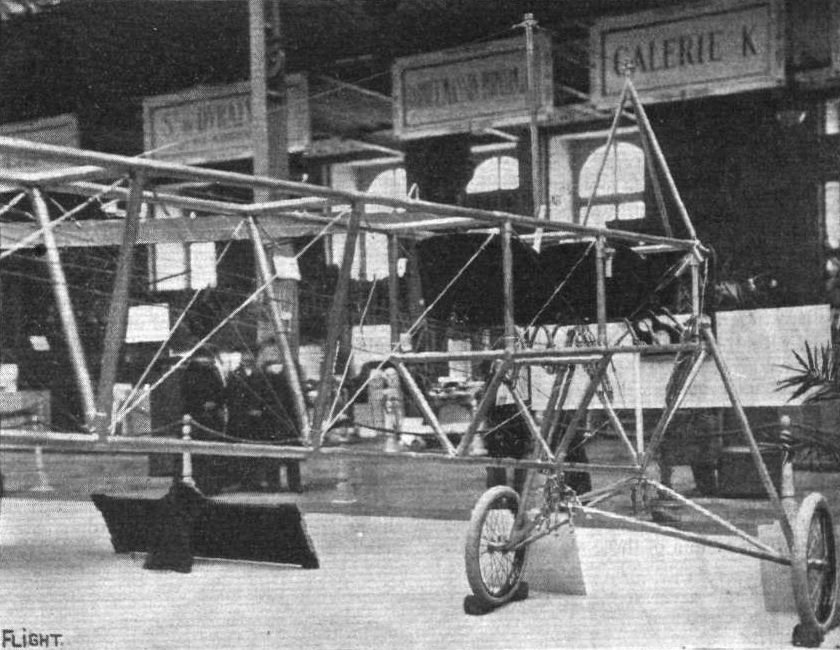
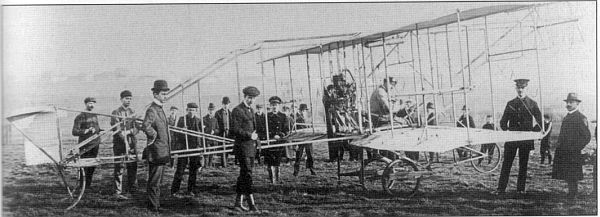
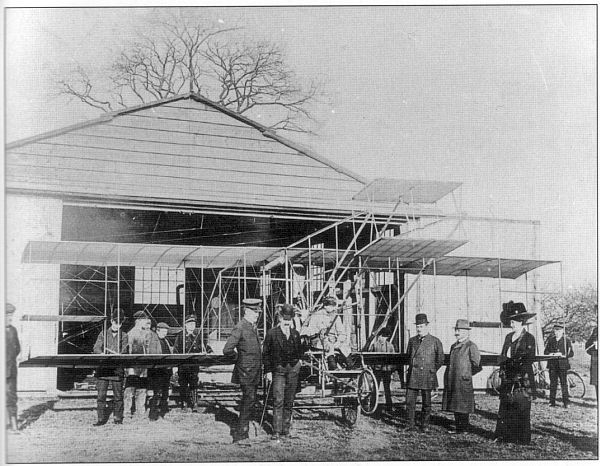
The Essen NVfL “Essener Flugmaschine” Gleiter of 1909 was owned by the Flugtechnische Kommission of Sektion Essen of the flying club NVfL (Niederrheinischer Verein für Luftfahrt). It was designed by a member of the club, Ing. Düll, and built under the direction of Otto Hilsmann at the carpenter’s workshop “Schmetz & Diepenbrock” during 1908/1909. Tests were made by Heinrich Schmetz, flown from a ramp [Flugplatz Holten] that could be turned into the wind.
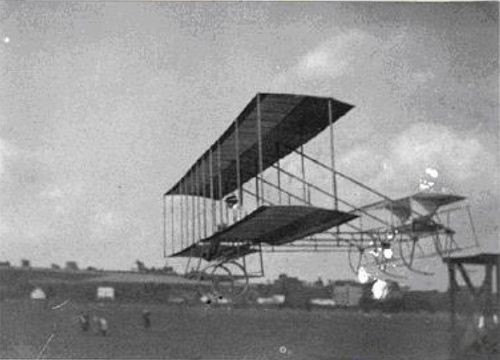
During one of the flight tests in the first half of 1910, the NVfL’s machine crashed when the left wing got ground contact.
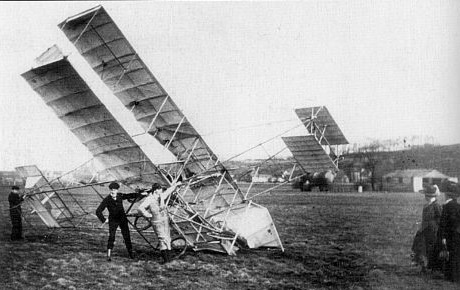
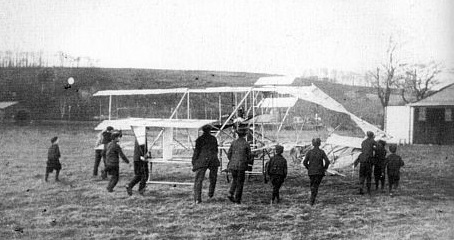
The self-built flying machine was pushed back into the workshop and rebuilt. Flights were then made to Holten Airport (Oberhausen), which had already been built in 1909, as the terrain in the Ruhr meadows was no longer suitable for flight operations.
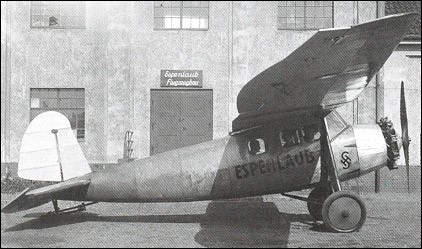
Espenlaub Flugzeubau

Germany
Gottlieb Espenlaub achieved an international reputation in the 1920s building and flying gliders. Company formed at Dusseldorf early in the 1930s to build light aeroplanes as well as gliders. Types included a tailless monoplane, a two-seat high-wing monoplane and a five-seat high-wing cabin monoplane with engine of about 125 hp. During Second World War a Riga subsidiary did stress calculations for Bf 109G wooden tailplane.

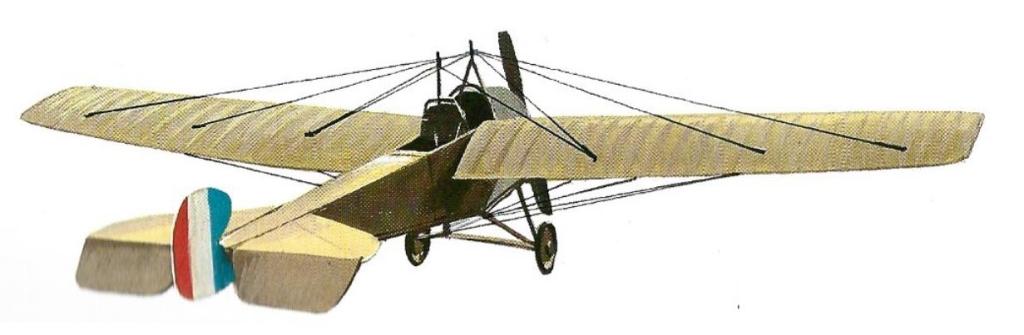
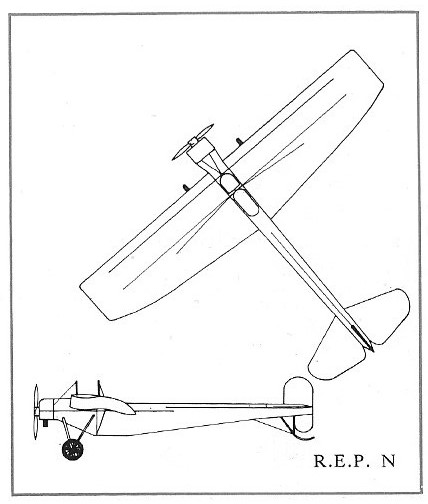
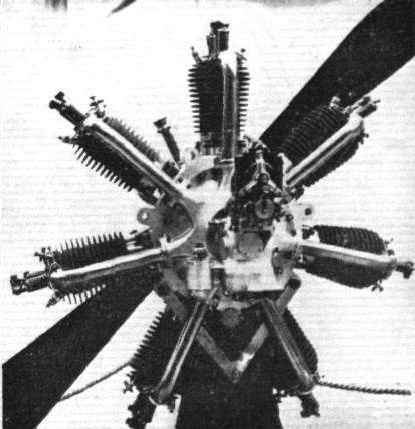
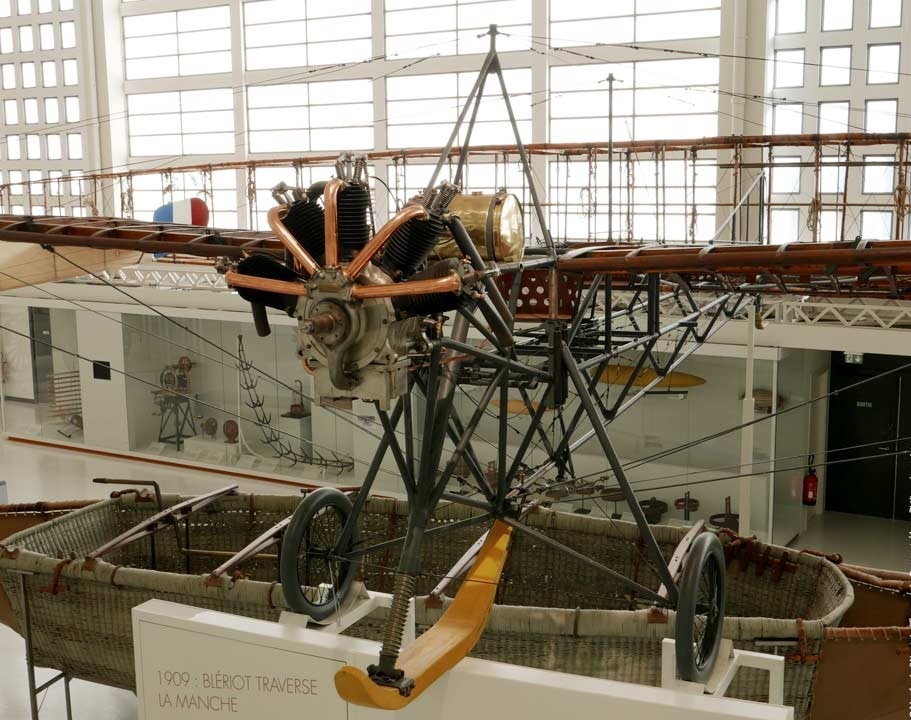
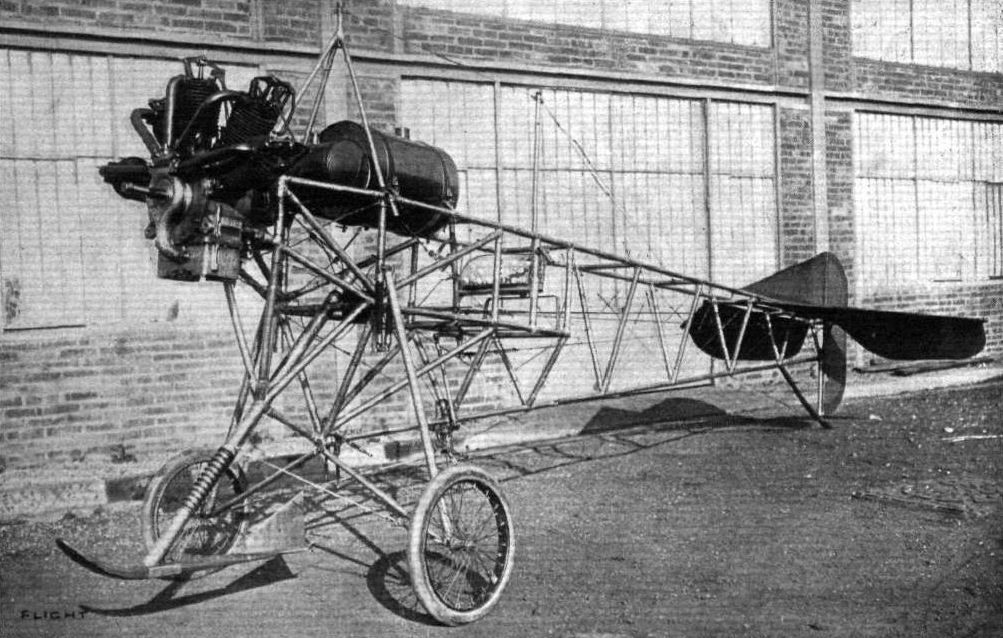
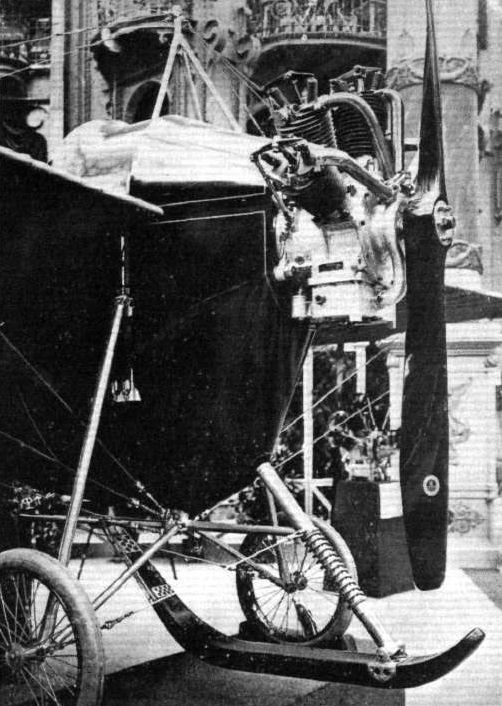
Esnault-Pelterie Type D

Equipped with a 60 hp engine, the REP type D broke several records at the end of 1910 before being ordered by the military aeronautics and produced in series.

The REP Type D was capable of 70 mph or more.

The prototype traveled 530 km in 6 h 29 min, in Buc (Yvelines), on December 31, 1910 piloted by Pierre-Marie Bournique.

Span: 42’8″
Length: 36’1″
Weight: 1543 lb gross
Speed: 56 mph