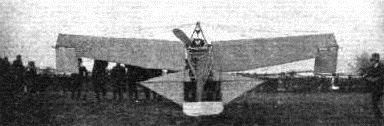
After takeover by Keystone, Loening set up the Grover-Loening Aircraft Company at Garden City, New York, as consultant, and built small amphibian flying-boat XS2L for U.S. Navy in 1931. Delivered XSL-2 experimental submarine-borne version in 1933.
Era
Group Genesis Genesis 2
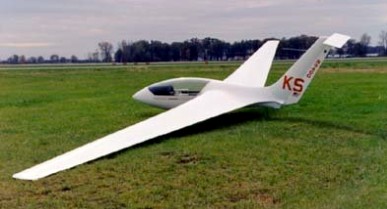
The prototype Genesis 1 flew for the first time in 1993, and various improvements were applied, resulting in the production version, Genesis 2. The later has slightly modified wing geometry, fully retractable landing gear and a ballistic parachute (optional).
The design provides for automatic control hookups, and a ballistic recovery parachute is intended to be fitted as standard. Kits and complete airframes are to be produced by Sportina Aviacija in Lithuania, the builder of the LAK-12. The production version, Genesis 2, is expected to bring empty weight back to close to that predicted for the prototype. Other refinements incorporated as a result of prototype flight testing include a change to the aerodynamic twist to the wing, a modified tip airfoil section and a retractable nose wheel.
The kit price in 1997 was US$27,900.
Wing span: 15.0 m
Length: 4.86 m
Wing Area: 11.15 sq.m
Airfoil: Roncz
Aspect ratio: 20.2
Empty weight: 241 kg
Max. weight: 526 kg
Minimum speed: 67 km/h
Maximum speed: 276 km/h
Stall: 42 mph
Best glide ratio: 44:1 at 97 km/h
Minimum sink rate: 0.58 m/s
Seats: 1
Group Genesis Genesis 1
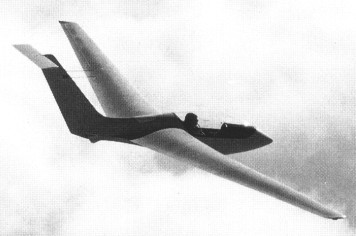
The Genesis I is a standard class glider from Marion, Ohio-based Group Genesis and intended for the homebuilt market.
Chief designer Jim Marske was given a clean sheet and chose a flying wing concept, but with conventional pilot pod and tall vertical stabiliser, topped by a small elevator, not tailplane. Aerodynamicist John Roncz, whose previous work has included the world-circling Voyager, did extensive work with computer modelling to come up with the final shape. The wing is a stable aerofoil with several changes in section and forward sweep across the span, and initial pilot reports (four different pilots flew the prototype within its first dozen flights) indicate high stability and control coordination.
The small horizontal surface found at the top of the Genesis’ fin is used only to control the glider’s angle of incidence. The wing has reverse sweep in order to put the variable masses close to the center of gravity, and incorporates water ballast tanks.
The prototype flew for the first time in 1993, and various improvements were applied, resulting in the production version, Genesis 2.
Specifications are for the prototype Genesis 1 as designed : on completion, empty weight was substantially greater.
Wing span: 15m / 49.2ft
Wing area: 11.19sq.m / 120.5sq.ft
Empty Weight: 227kg / 500lb
Payload: 298kg / 657lb
Gross Weight: 525kg / 1157lb
Wing Load: 46.91kg/sq.m / 9.6lb/sq.ft
Water Ballast: 0
Aspect ratio: 20.2
Speed max: 180 mph.
Cruise: 140 mph.
Stall: 40 mph.
L/DMax: 43 120 kph / 65 kt / 75 mph
MinSink: 0.71 m/s / 53 kt / 61 mph
Airfoil: Roncz G-74S
Structure: GFRP/CFRP/aramid
Seats: 1
Landing gear: single wheel.
Group Genesis Inc
Genesis Group is a team assembled around Jim Marske, Robert Mudd and John Roncz (famous aerodynamicist who collaborated with Burt Rutan, the much renowned designer of “canard” airplanes), and led by Jerry Mercer. The goal of this group was to develop a Standard class high-performance glider, made of composite materials, with a self-stable wing, utilising the latest design and aeronautical construction technology.
1995-2008: 1530 Pole Lane Rd., Marion, OH 43302, USA.
Grosso Aircraft Easy Eagle 1
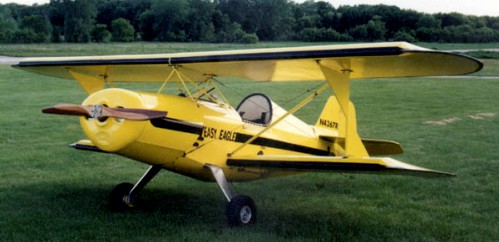
The LSA Easy Eagle I Bi -Plane is an affordable, easy to build aircraft that combines standard aircraft construction methods, steel tubing, wood and fabric covering.
The 4130 steel tube fuselage is wide enough for 44 inch waist line and a 6 foot 3 inch pilot. The 300 pound useful load allows for a 228 pound pilot and 11 gallons of fuel. The low wing loading of 6.7 pounds. per square foot gives the Easy Eagle I Bi -Plane a low stall speed and great glide ratio.
The aluminum 5/8 inch landing gear and 5 inch wheels provide for easy handling either on paved runways or grass strips. With the optional hydraulic brake upgrade, ground handling is superior.
The Easy Eagle I Bi -Plane takes off in only 300 feet and lands in about the same, thanks to 105 square feet of wing area. Climb is 900 feet per minute at sea level.
With a stall at 45 mph or less, a cruise of 100 mph, low building time and simple straight forward construction, all combine to make the Easy Eagle Bi-Plane a single place, affordable bi-plane.
The airframe is rated at plus 4 and minus 3 g-s the Easy Eagle Bi-Plane is capable of doing many sportsman aerobatic maneuvers.
Featuring a fully welded steel frame combined with an all wood wing and a one piece aluminum landing gear, make it a airplane for today. Landing and taking off is made easy with a fully controllable tail wheel.
With a 64 hp VW engine the Easy Eagle cruises at 100mph and has a stall speed of 45mph. The Easy Eagle features a fabric covered fully welded steel frame combined with an all wood wing.
In 2008 the EASY EAGLE was available from:
GREAT PLAINS AIRCRAFT
PO Box 545 Boys Town, NE, USA.
Engine: 1915cc VW 65HP
Span: 18’4″
Length: 14’4″
MTOW: 725 lb
Empty Weight: 454 LBS
Useful Load: 283 LBS
Wing Area: 105 sq.ft.
Seats: 1
Take Off Distance: 450 FT
Stall: 45 MPH
Landing Speed: 55 MPH
Cruise: 95 MPH
Rate of Climb: 700 FPM
Range: 350 sm
Fuel capacity: 12 USG
Seats: 1
Grosso Aircraft
229 Yarrow Hill Dr.,
Cottage Grove, WI 53527
2009: 1530 Pole Lane Rd., Marion, OH 43302, USA.
2009: Grosso Aircraft 400 W Oak St. Cottage Grove, WI 53527, USA.
LSA builder
Gross JG-2
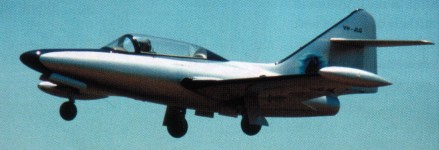
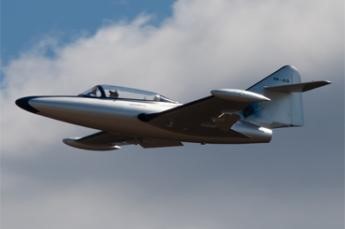
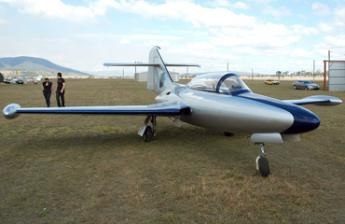
Designer and builder, John Gross, built the 3/4 scale replica Grumman F9F Panther at a Mt Cotton property a few miles south east of Archerfield (Australia).
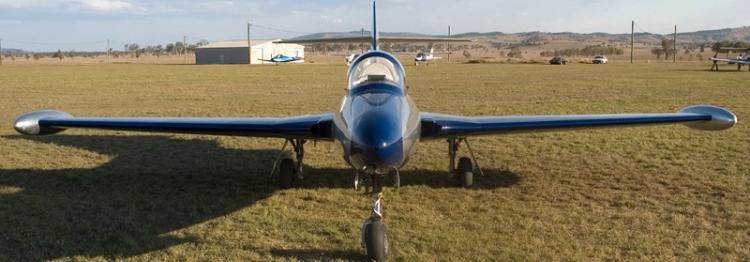
After 8 years of work, the homebuilt JG-2 took-off for the first flight on April 1 2006 at Kingaroy airport.
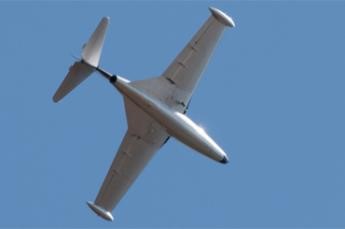
Power is from a GE T58-8F turbojet.
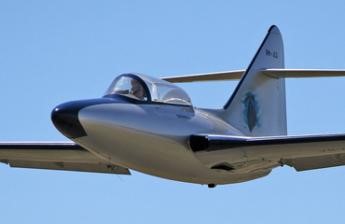
Gross I / II / IV
The Gross I of 1908 was superior in every way to the contemporary British Nulli Secundus, with the British airship being capable of only 13 mph and only able to stay aloft for four hours.
Conversly, the efficient Gross II made a record flight of 13 hours in September 1908, and later the larger Gross IV of 1913 was accepted for service by the navy for use in the Baltic where it performed useful work during the war. The Gross II was frequently moored out to sea anchors, demonstrating its handiness to be speedily dispatched on patrol, and was one of the few airships to successfully make an attack on a British submarine in 1915.
The earlier Gross airships, although used by the army air battalion in a ground support role with the army, were not possessed of any distinctive transferable constructional features and contributed little to the development of the airship itself.
Gross
The German government ordered Major von Gross, the officer commanding the army balloon establishment outside Berlin, to commence the design of a large semi-rigid to match French efforts. Work began in 1906 under conditions of the greatest secrecy, and was to result in the construction of a series of airships distinguished by an envelope of elipsoidal form with a triangular-section, articulated tubular steel keel.
The structure evenly distributed the shear and compressive stresses that resulted from the weight of the cars and other loads, whilst allowing the envelope to retain its shape to the best aerodynamic advantage. The Gross airships were shown to be sturdy and well-engineered craft, the development of which benefited from the availability of almost unlimited resources provided by the German government.
Grose & Feary 1910 Monoplane / Oakington Monoplane
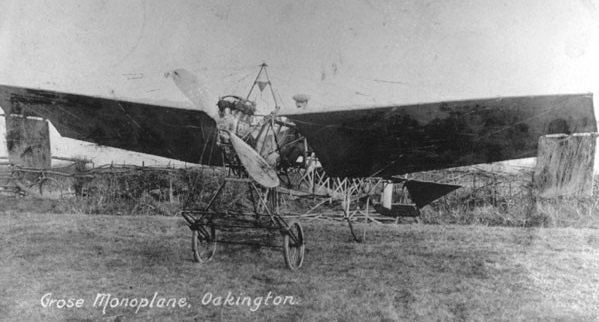
Built in the UK, construction commenced in 1909, and testing took place in April 1910, though no flights were ever reported.