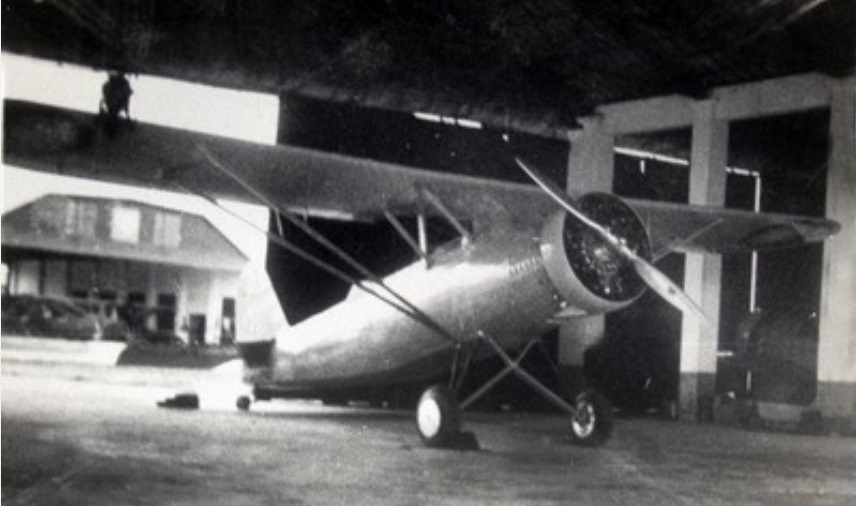
The Guangzhou/Kunming 1st Aircraft Manufacturer built one example of the Yang Ch’eng 78.
The Guangzhou/Kunming 1st Aircraft Manufacturer built one example of the Yang Ch’eng 78.
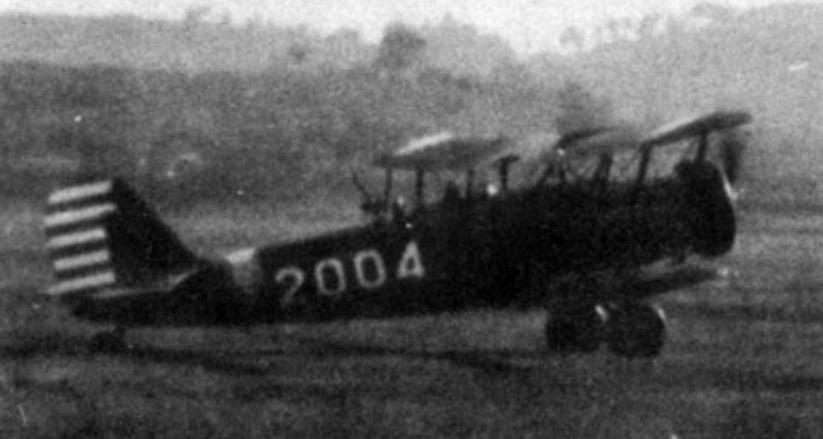
The Guangzhou/Kunming 1st Aircraft Manufacturer Yang Ch’eng 74, 75, 76 and 77 were a modified copy of the Douglas O-2MC-3. The fuselage is shorter than the O-2MC.
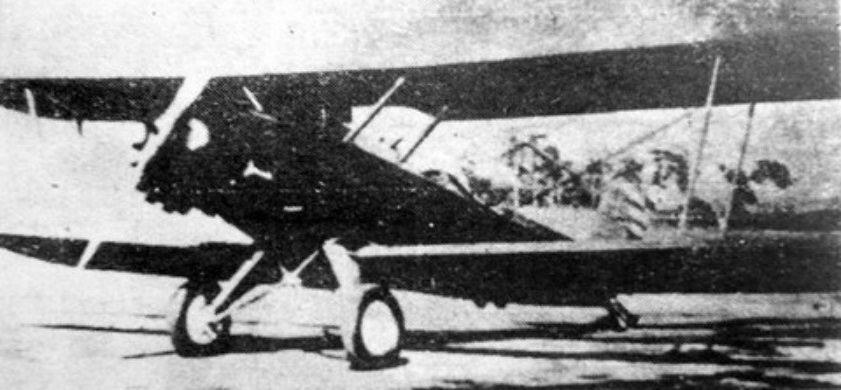
Based on the “Douglas O-2MC” reconnaissance/bomber, the fuselage structure is made of wood, and the cross section is changed from rectangular to oval. The two-wing layout, the shape of the vertical tail and rudder have also been modified.
The first Yangcheng 74 was manufactured on March 16, 1934, and more than 10 were built.
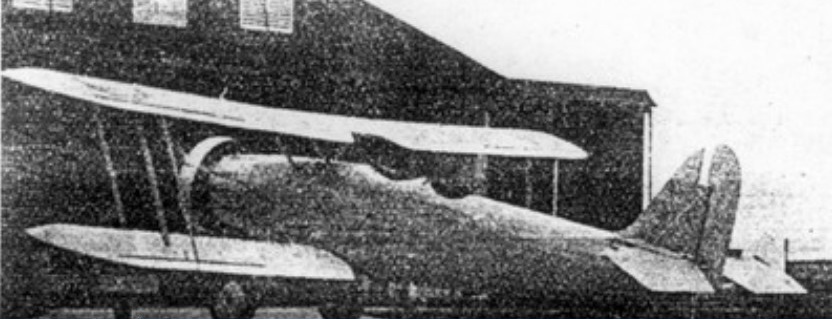
Ten of these aircraft were incorporated into the third and fifth squadrons of the Guangdong Air Force, and they participated in the Red Army operations that encircled southwestern Jiangxi. After the outbreak of the Anti-Japanese War, the performance of the aircraft was completely behind the Japanese aircraft, so it retreated to the second line, used as Yichang shooting training class and parachuting training class, and then transferred to Chengdu Flying Non-commissioned Officer School as a trainer.
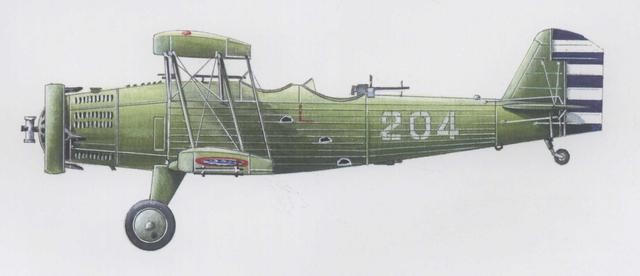
Engine: Pratt Whitney R-690-3 Hornet, 525 hp
Wingspan: 12.19 m
Length: 9.75 m
Height: 3.25 m
Empty weight: 940 kg
Maximum take-off weight: 2022kg
Maximum flight speed: 240 kph
Maximum range: 1126 km
Service limit: 6309 m
Weapons: 2 x 7.62 mm Browning fixed machine gun
Bombload: four x 45kg
Crew: 2 people
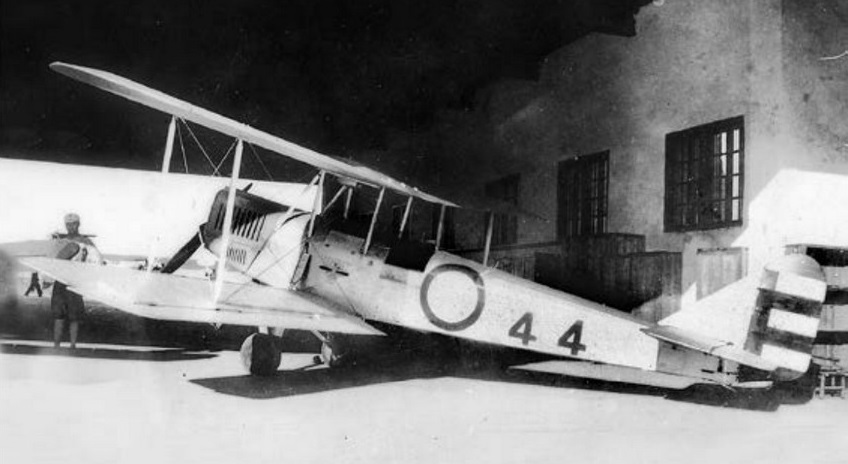
The Guangdong Aircraft repair shops built four modified copies of the Avro 616 Aphrodite as Yang Ch’eng 70, 71, 72 and 73 trainer aircraft.
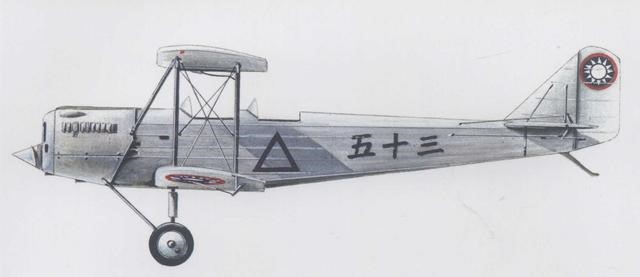
The prototype No. 70-73 “Aphrodite” first flew in 1933.
Engine: ADC Cirrus I, 105 hp
Wingspan: 8.53 m
Length: 7.39 m
Height: 2.59 m
Empty weight: 456 kg
Maximum take-off weight: 691 kg
Max speed: 169 kph
Maximum range: 579 km
Service ceiling: 3800 m
Crew: 2
Armament: Two 7.62 mm Browning nose fixed machine guns
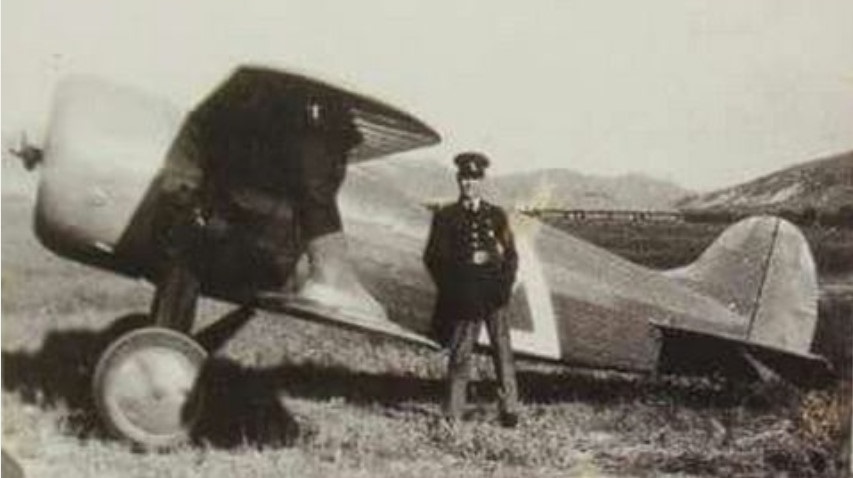
A total of two of this type of aircraft that flew for the first time in 1930 were manufactured by Guangdong Aircraft Repair Factory. They were made in 1931 and were numbered “Yangcheng 58” and “Yangcheng 59” respectively. They were incorporated into the Guangdong Air Force, mostly used as a high-speed reconnaissance aircraft.
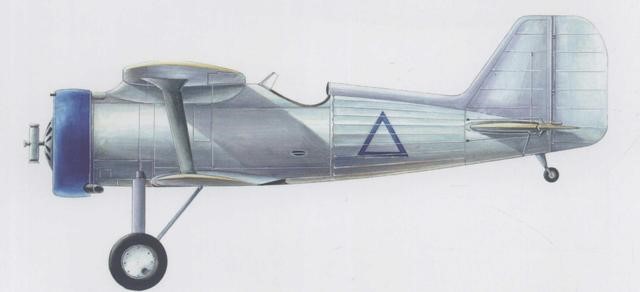
Yangcheng 58
Engine: One Wright R-975-C, 420 hp
Wingspan: 7.82 m
Length: 5.19 m
Height: 2.15 m
Empty weight: 827 kg
Maximum take-off weight: 1120 kg
Max speed: 230 kph
Maximum range: 500 km
Service ceiling: 6000 m
Crew: 1
Armament: Two 7.62mm Browning machine guns
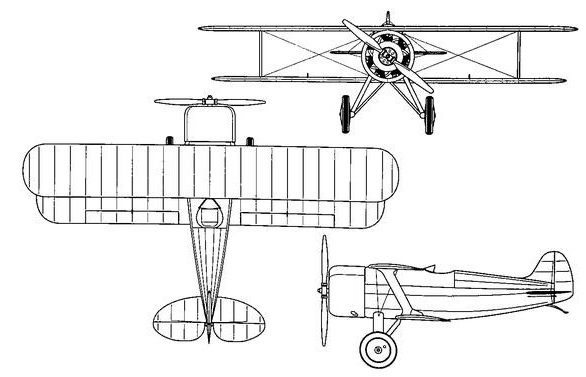
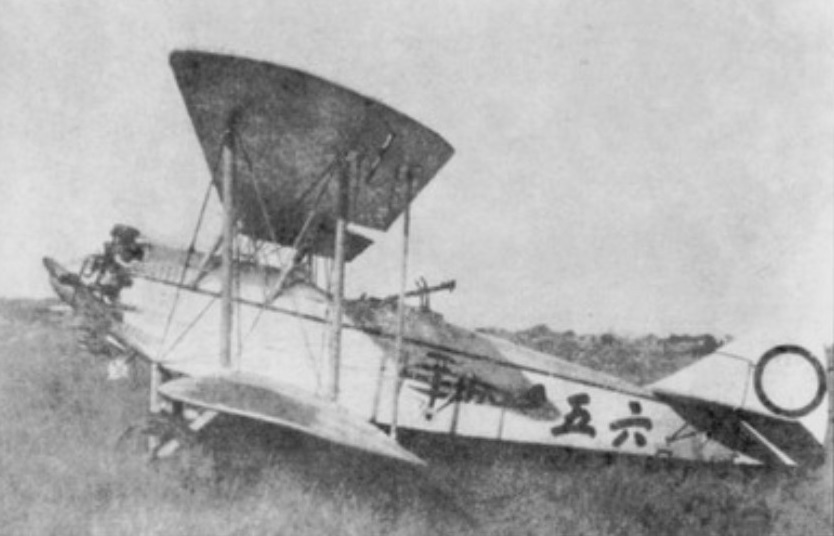
Developed based on the “Yangcheng 54” and “Yangcheng 55”, the Guangdong Aircraft Repair Factory Yangcheng 56 and Yangcheng 57 Nanxiong reconnaissance/bombers first flew in 1930. One each of this type of aircraft were built.
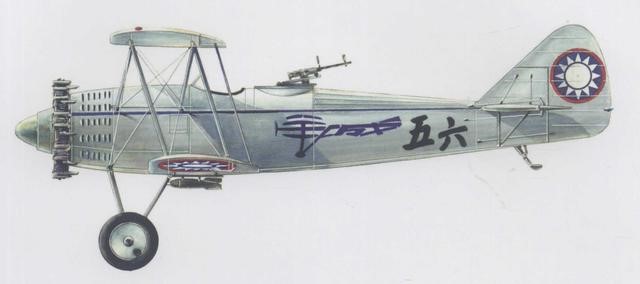
The Yangcheng 56 was equipped with the Waco ATO, dismantled from a crash, and the Yangcheng 57 used a Pratt Whitney Wasp engine. The Yangcheng 56 was built on August 30, 1930, and the Yangcheng 57 was built on September 22, named “Nanxiong”. The test flight was conducted by Ding Jixu and Tan Shou. The test flight found its oil system and manoeuvrability were poor.
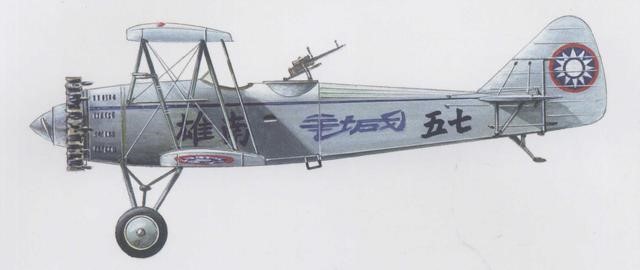
After the two aircraft were made, they were incorporated into the third squadron of the Guangdong Air Force. They were once used for reconnaissance of the Red Army of Workers and Peasants in southwestern Jiangxi.
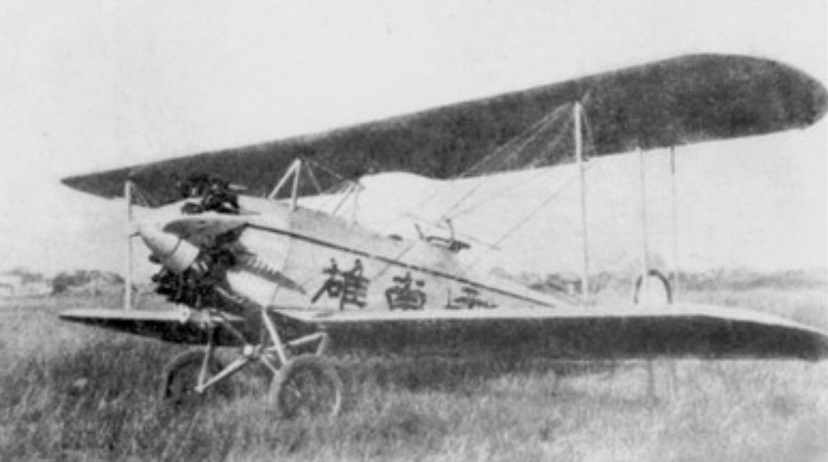
Yangcheng 56
Engine: Wright J-5, 220 hp
Wingspan: 9.82 m
Length: 8.3 m
Height: 3.1 m
Maximum take-off weight: 1497 kg
Maximum flight speed: 225 kph
Crew: 2
Armament: 1 x 7.7mm Lewis machine gun
Bombload: four 22.5kg
Yangcheng 57
Engine: Pratt Whitney Wasp, 200 hp
Wingspan: 9.82 m
Length: 8.3 m
Height: 3.1 m
Maximum take-off weight: 1497 kg
Maximum flight speed: 225 kph
Crew: 2
Armament: 1 x 7.7mm Lewis machine gun
Bombload: four 22.5kg
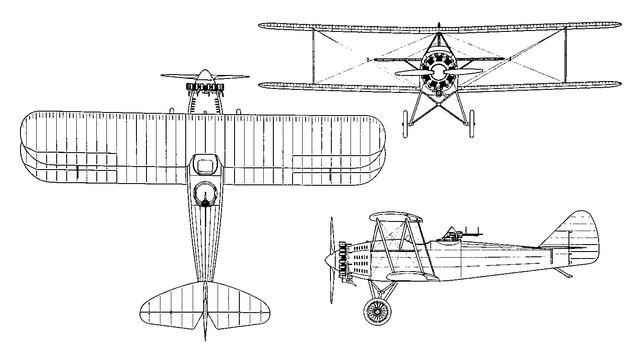
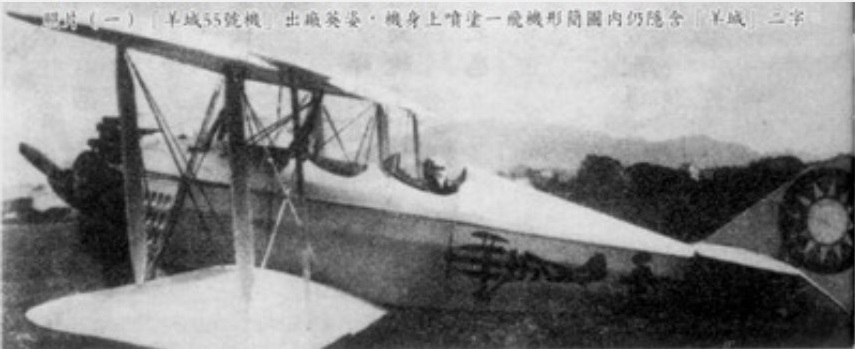
One each of the Yangcheng 54 and Yangcheng 55 trainer that flew for the first time in 1930 were built.
The Yangcheng 54 engine was from a damaged Waco ATO.
The Yangcheng 55 was completed on June 10, 1930. After the completion of the two aircraft, they were incorporated into the third squadron of the Guangdong Air Force. They were once used for reconnaissance of the Red Army of Workers and Peasants in southwestern Jiangxi.
Engine: Wright J-5, 220 hp
Wingspan: 10.98 m
Length: 8.3 m
Height: 3.1 m
Empty weight: 794 kg
Maximum take-off weight: 1497 kg
Maximum flight speed: 201 kph
Service ceiling: 6096 m
Crew: 2
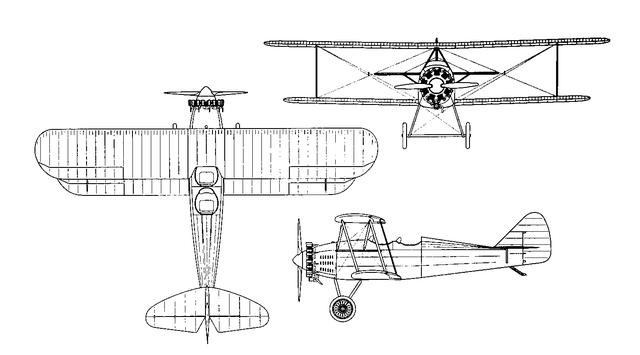
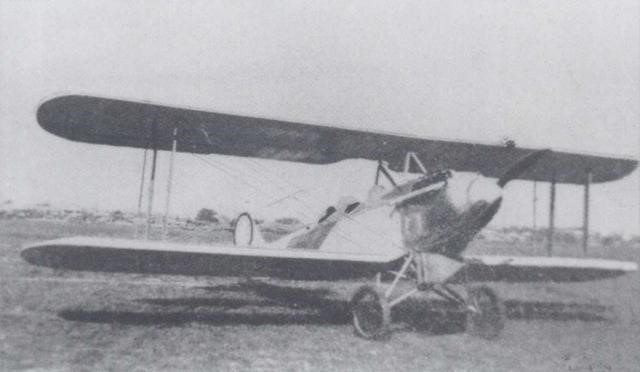
The Yang Ch’eng 53 was developed on the basis of “Yangcheng 51” and “Yangcheng 52”, with a strengthened structure.
The one built first flew in 8 November 1929. The Guangdong Air Force received the aircraft for training use.
Yangcheng No. 53
Engine: Hispano Suiza, 180 hp
Wingspan: 9.82 m
Length: 7.5 m
Height: 2.71 m
Empty weight: 454 kg
Maximum take-off weight: 1089 kg
Crew: 2
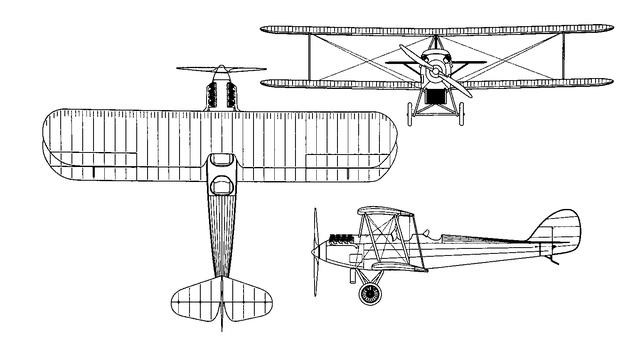
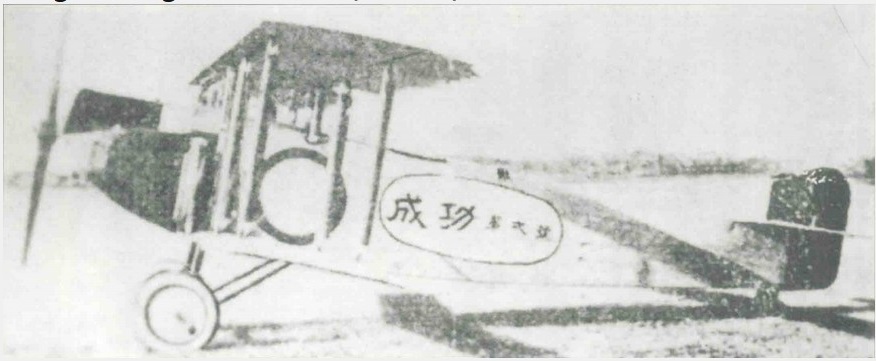
One Yang Ch‘eng 51 成功號 was built by Guangzhou/Kunming 1st Aircraft Manufacturer. The engine came from the crashed Curtis OX-5 trainer. The instruments and other equipment were also from disassembled or refurbished on the crashed plane. Yangcheng 51 was completed in December 1928, and the test flight was successful on December 29. It was named “Success” by the Guangdong Aviation Association and was hailed as “the first aircraft made in China.”
Yangcheng 52 was completed in early 1929. After completion of the two aircraft, they were delivered to the Guangdong Air Force for training.
Engine: Curtis OX-5, 90 hp
Wingspan: 9.75 m
Length: 7.32 m
Height: 2.67 meters
Empty weight: 950 kg
Maximum take-off weight: 1360 kg
Maximum flight speed: 128 kph
Crew: 3
China had during the Interwar era a rather limited knowledge, skills and manufacturing capacity to produce planes. been a unstable country at that time, China was a waste land ruled by a dozen provincial government who’s struggle to control each other.
While the provincial government was often more of warlord than actual part of a government, the most powerful of them was having their own army and air-forces. the Guangdong Revolutionary Government was one of them controlling one of the most important provinces of China.
The Guangdong Revolutionary Government was founding the aircraft repair plant, and was more capable to import rather modern material. Due to the large variety of planes in China, there was a need to build up a few factories capable of repair and maintain the planes in flight condition. One of them, the Guangdong Aircraft Repair Factory, was created.
“Guangzhou” is the city called “Canton” in English. The Aviation Department of the autonomous Canton government set up a factory that built aircraft from 1928-37. They were of various designs and in several cases were based loosely on Western designs.
Late in 1928 the factory built its first airplane, a three-seat biplane called “Chengkung” (Success), powered by a Curtiss OX-5 V-8.
In 1929 the factory built four airplanes, called Yang Ch’eng (“City of the Five Rams”, i.e. Canton) 51-54.
It was with the return of Menongan in 1927, a Chinese engineer who went to study in USA, that the ambitious Yangcheng program was established. this program was to build new planes from whatever spare part they had in hand. The Yangcheng was the first large scale domestic plane family of China, with nearly 60 planes built in different variants from 1928 to 1936, the first was the Yangcheng No. 51 and the last was the Yangcheng Kesai No.108.
In 1930 the factory built another four aircraft, Yang Ch’eng 55-58. Both were powered by 200-hp Pratt and Whitney Wasp radials and carried a single rear-mounted machine gun.
By 1933, about 22 aircraft of various types had been built, including four copies of the Avro Avian called Yang Ch’eng 70-73.
In 1934, the factory built Yang Ch’eng 74-78, loose copies of the Douglas O-2MC.
In 1935, it built at least one parasol monoplane based on the O-2MC (designation not specified).
Due to the success of the “Yangcheng 77” and “Yangcheng 78”, in 1935 Lin Fuyuan succeeded Menongan as the third director of the Guangdong Aircraft Repair Factory and continued to manufacture this type of aircraft.
The Canton government then ordered six two-seat light bombers powered by 200-hp Wasps and resembling smaller Vought Corsairs. These weighed 725 kg empy and 1139 kg loaded.
At the same time, the government ordered a single-seat fighter powered by a 300-hp Wright Whirlwind.
Guangzhou/Kunming 1st Aircraft Manufacturer built the Yang Ch’eng(羊城號) series of 60 aircraft.
The development of the Yangscheng family was halted in 1936 in favor of funding the FuHsing family, who was another indigenous plane built by China.
Production continued in the First Aircraft Factory of Kun-Ming in Yunnan Province in 1938. After a new attack they moved to Loiwing by mid-1939, but the new location was destroyed in the bombing of 26 October 1940 and occupied by Japanese troops on May 1942.
In 1943 the Aircraft Factory was dispersed in several locations, around Kun-Ming, where seven Hawk 75 A-5 and two CW-21 were built using parts recovered from the destroyed factories. The Aviation Research Institute was installed in one Yangling cave, where General Major Chu Chia-Jen designed the new Chinese XP-0 fighter in 1941.
In 1943 the Aircraft Factory was dispersed in several locations, around Kun-Ming, where seven Hawk 75 A-5 and two CW-21 were built using parts recovered from the destroyed factories. The Aviation Research Institute was installed in one Yangling cave, where General Major Chu Chia-Jen designed the new Chinese XP-0 fighter in 1941.
The Gryphon model N of 1932 was an 12-cylinder, horizontally opposed water-cooled aero engine producing 225 hp from 811ci.

