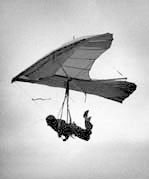
The Razr hang glider was built by Paul Hamilton in 1976.
The Razr hang glider was built by Paul Hamilton in 1976.
USA
Hang glider builder circa 1975-6
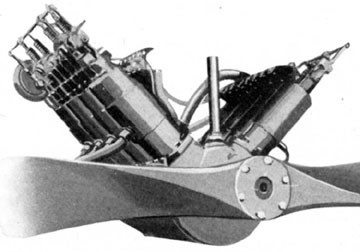
The circa 1920 Hamilton Vee was a water-cooled Vee configuration eight cylinder. The valves in cylinder heads with superimposed camshaft and operating mechanism.
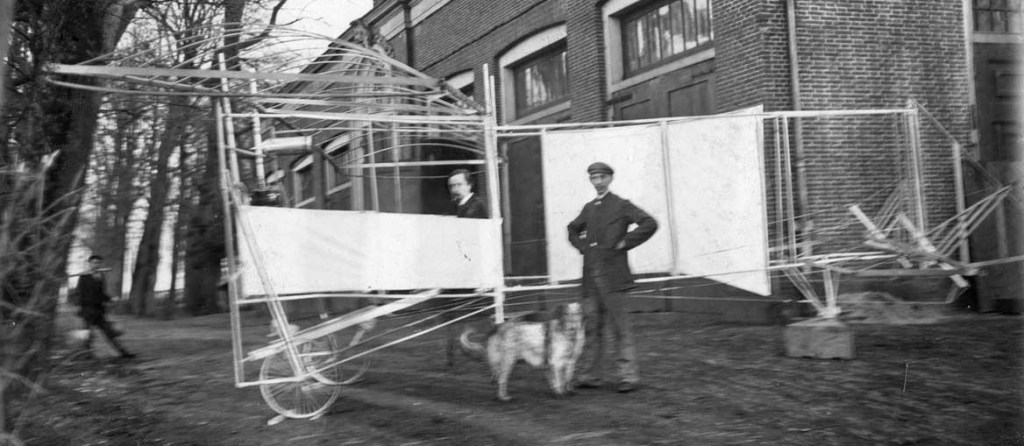
An aeroplane designed and built in 1909 by the Dutch brothers Ph. J. Hamers (architect) and J. Hamers (mechanic) together with the mechanic P. de Roos. They decided to build this plane after experimenting with gliders. The machine was finished in the beginning of 1910 and was ready to fly in February 1910. Flying tests were not successful because of the unreliable and/or underpowered engine, a two-cylinder 20 hp Humber motorcycle unit. As ever money was the problem… The machine was a monoplane, but they saw it as a biplane with one wing in front and one low at the back. Lots of the construction was of steel tubing. The plane was modified in the middle of 1910 and shown on an exposition in Haarlem in August 1910, the heavily modified machine more similar to a Blériot monoplane. After that exposition the work of the Hamers brothers faded into history.
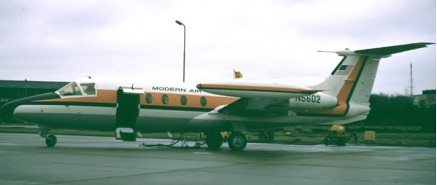
In¬terest in forward swept wing was revived in the early 1960s when the German Hamburger Flug¬zeugbau (HFB) company made market studies on the prospects for business jet aircraft. These studies indicated a potential demand for a seven seater and that a forward swept wing offered advantages for this particular size of aircraft. The HFB chief designer was Hans Wocke. Designer of the war-time Junkers Ju 287, and the commercial sales manager of HFB was Sieffiried Holzbaur, the Ju 287 test pilot.
In the development of the Hansa Hamburger Flugzeugbau GmbH co-operated with several other companies, the Dutch Fokker concern being responsible for the typical forward-swept wing and the Spanish CASA concern for the rear fuselage and tail.
Hamburger HFB.320 Hansa Article
The Hansa 320 is identified by the 15-degree forward sweep of the wings. In addition to providing the low-speed flying characteristics desired, the adoption of forward sweep enabled the wing to be mid mounted, this position permitting the use of a fuselage of optimum diameter (81 in). A mid wing layout is impractical with conventional aft swept wings, as it involves the main spar passing through the cabin. On the HFB 320 Hansa Jet, the cabin is forward of the main spar.
The Hansa Jet prototype D-CHFB first flew on 21st April 1964, for 73 minutes. The wing provided the flying characteristics hoped for. Control during the approach to, and in, the stall was excellent. During trials the aircraft was held in a full stall with an indicated angle of attack of 19 deg., and banked with the normal application of aileron. Warning of stall is consistent and readily evident.
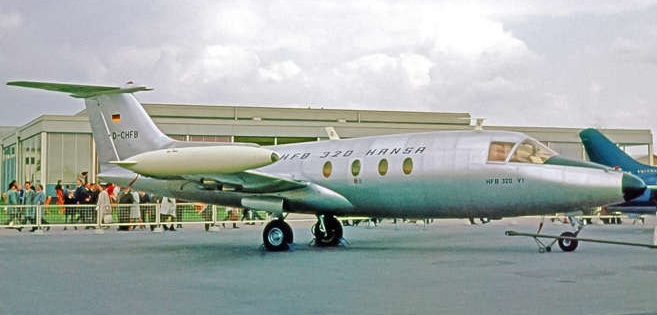
Production of the Hansa was initiated by Hamburger Flugzeugbau and carried the name of Messerschmitt- Bolkow-Blohm (MBB) when the two German aircraft companies merged in 1969. The first production Hansa Jet flew on February 2, 1966, and received FAA certification on April 7, 1967. However, the problem of providing the exceptional wing torsional stiffness required, without excessive weight penalty, was not entirely over¬come. To prevent the main landing gear bay breaking into the vital lower wing skin, the legs are stowed in fuselage fairings, ahead of the forward wing root. This results in a narrow track. To keep the air flowing over the heavily loaded inboard end of the wing, short span slats are fitted to the inner section of the wing. Without such a device, a forward swept wing will generate less lift than one swept aft.
A US test pilot, Loren W. Davis, was engaged for the initial flight programme.
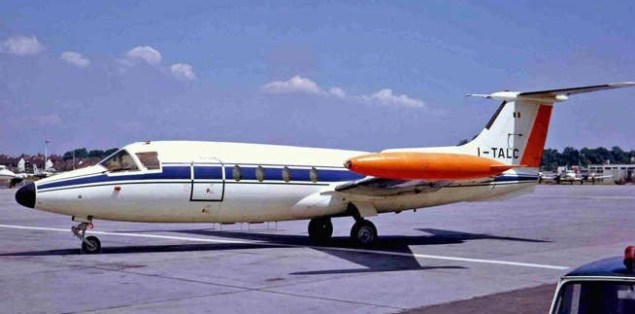
In the second part of 1968, after three HFB-320 were ordered for the RLS, the Hansajet became well known at Groningen-Eelde. HFB directed a number of brand-new HFB-320 Hansa jets to Groningen Airport Eelde in the Netherlands for test flying and training.
In spite of the good low speed qualities, the Hansa Jet did not initiate a business jet fashion. The theoretical aerodynamic advantages were in practice too deeply eroded by the increased wing weight, its complexity and cost.
A parachute brake in the tail is used for short or icy runways. About 50 were built in executive, cargo and quick-change versions.
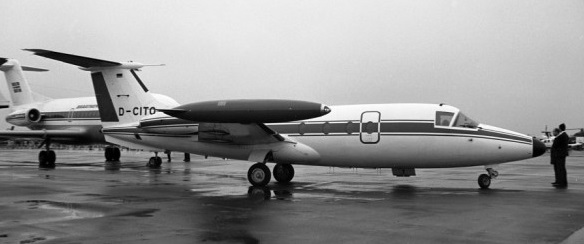
Hamburger Flugzeugbau HFB 320 Hansa Jet
Engine : 2 x General Electric CJ610-1, 12704 N / 1295 kp
Length : 54.462 ft / 16.6 m
Height : 15.748 ft / 4.8 m
Wing span : 47.572 ft / 14.5 m
Max take off weight : 18742.5 lb / 8500.0 kg
Max. speed : 486 kts / 900 kph
Service ceiling : 38058 ft / 11600 m
Range : 1253 nm / 2320 km
Crew : 2+12
Engines two 3,108-lb. s.t. General Electric turbojets.
Gross wt. 20,280 lb.
Empty wt. 11,960 lb.
Fuel capacity 1,099 USG.
Top speed 513 mph.
Cruise 420 mph.
Stall 111 mph.
Initial climb rate 4,250 fpm.
Range 1,472 miles.
Ceiling 40,000 ft.
Takeoff distance (50′) 2,740 ft.
Landing distance (50′) 4,429 ft.
Seats 15.
Formed originally by Blohm und Voss in 1933. Aircraft production resumed 1956 with license manufacture of Nord Noratlas for Luftwaffe. Co-operated in license-production of Luftwaffe Lockheed F-104Gs and assisted with design work of Fokker F28 and Dornier Do 31E V/STOL project. HFB 320 Hansa Jet 6/11 -seat business jet first flew 1964.
Merged with Messerschmitt-Bolkow in 1969 to form MBB.
The Halton Man Powered Aircraft Group at No.1 School of Technical Training, RAF Halton, built the Jupiter man-powered aircraft using the remains of the Woodford MPAG’s machine.
It retained much of the Woodford aircraft’s general appearance.
Jupiter first flew from RAF Benson on 19 March 1972. On 29 June 1972 managed to fly 1171 yards.

By 1928 the Halton Aero Club HAC.1 Mayfly had been converted from a biplane to a parasol monoplane and was renamed the Halton HAC.2 Minus. The lower wings were donated to the Clark Cheetah G-AAJK. There were other minor changes.
It was used again for air racing, being entered in the 1928 and 1928 King’s Cup Races.
The aircraft was dismantled at Halton in 1930.
Powerplant: 1 × Bristol Cherub III, 32 hp (24 kW)
Wingspan: 28 ft 6 in (8.69 m)
Lower wingspan: 22 ft 0 in (6.71 m)
Length: 22 ft 0 in (6.71 m)
Crew: one
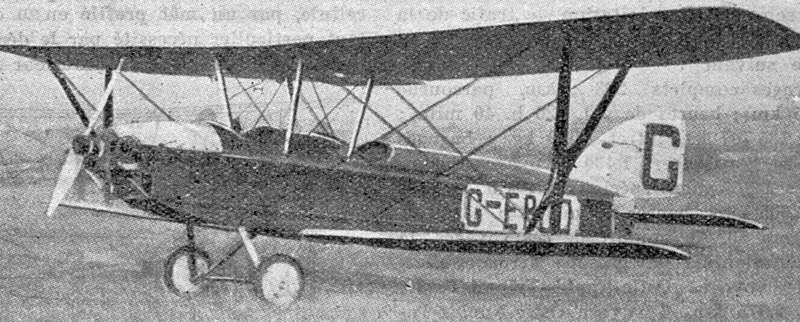
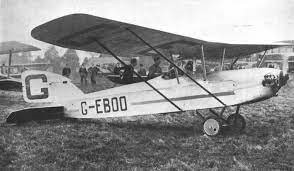
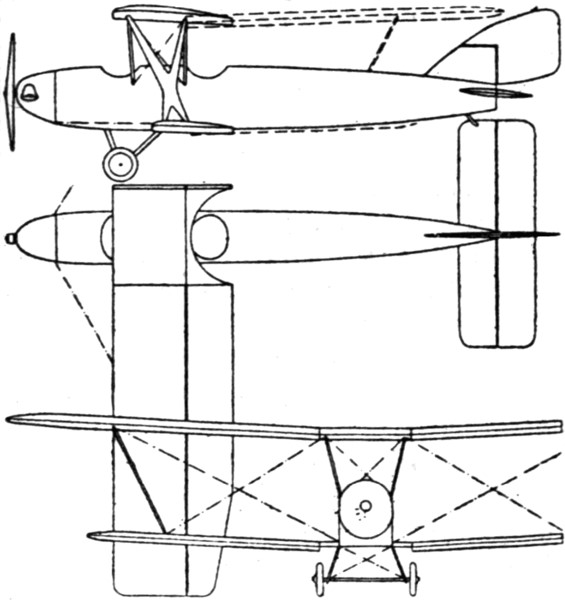
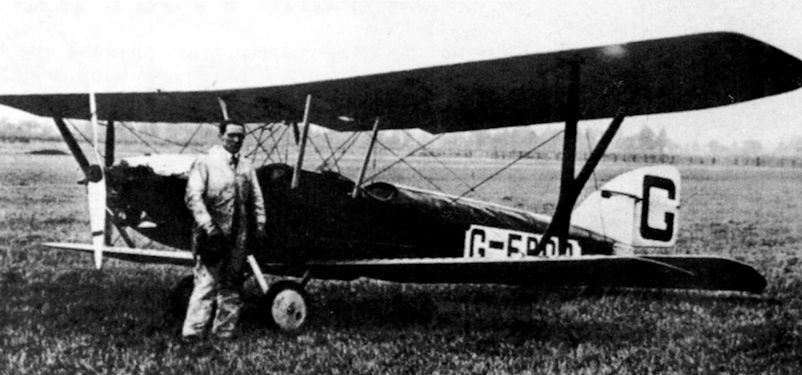
The Halton Mayfly was a British two-seat biplane designed by C.H. Latimer-Needham and built by the Halton Aero Club between 1926 and 1927.
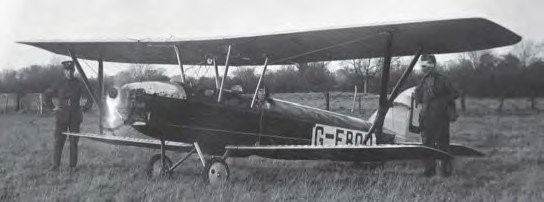
Registered G-EBOO and named the HAC.1 Mayfly it first flew on 31 January 1927.
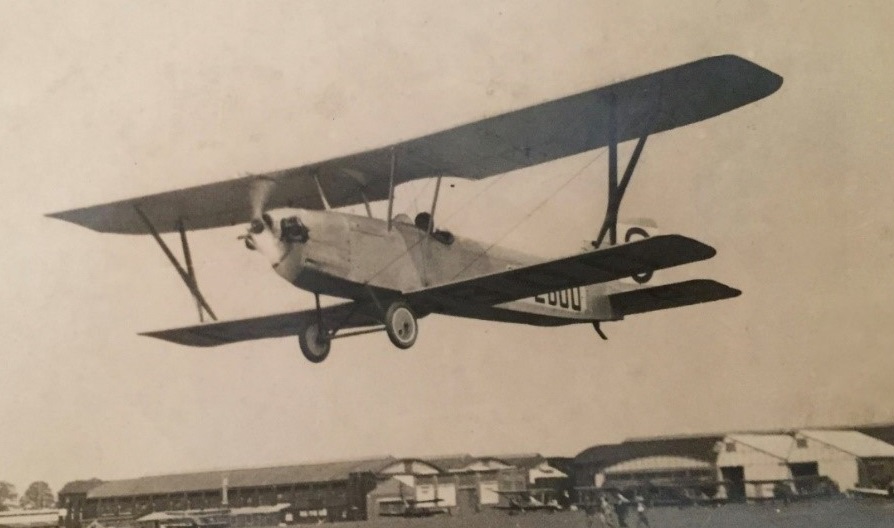
It was converted to a single-seater and was flown in a number of air races including the King’s Cup Race. It was entered in the 1926 Lympne light aircraft trials as No. 8 but failed to arrive in time for the elimination trials.
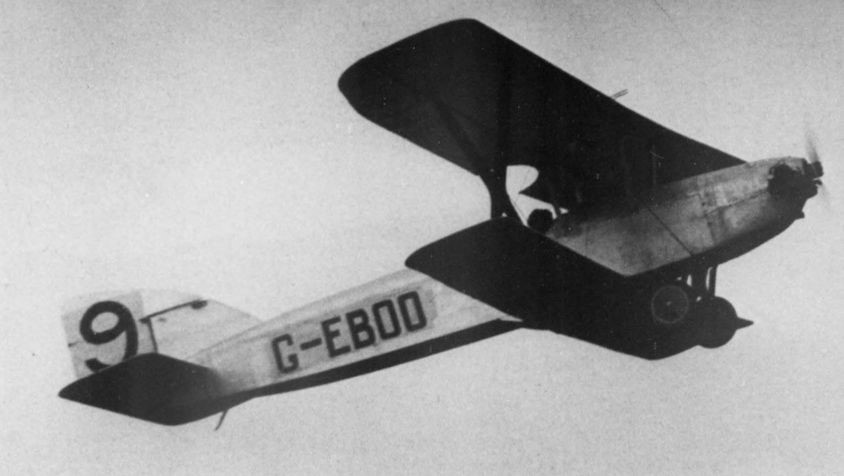
By 1928 the aircraft had been converted from a biplane to a parasol monoplane and was renamed the Halton HAC.2 Minus. The lower wings were donated to the Clark Cheetah G-AAJK.
Powerplant: 1 × Bristol Cherub III, 32 hp (24 kW)
Upper wingspan: 28 ft 6 in (8.69 m)
Lower wingspan: 22 ft 0 in (6.71 m)
Wing area: 195 sq ft (18.1 m2)
Length: 22 ft 0 in (6.71 m)
Empty weight: 480 lb (218 kg)
Gross weight: 920 lb (417 kg)
Maximum speed: 83.5 mph (134.4 km/h, 72.6 kn)
Cruise speed: 75 mph (121 km/h, 65 kn)
Crew: one / two

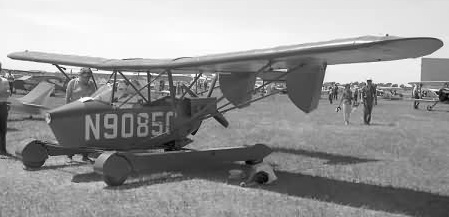
The Aero Car N9085C was built in 1959 by Joseph L. Halsmer of Lafayette, Indiana was one of the numerous attempts at building a roadable aircraft.
Airline captain Helsmer built this machine over a two-year period for $2,300. N9085C was later converted into single-engine Aero Car 3. Halsmer also built a high-wing two-seater with a uni-twin arrangement of two 65hp engines driving two counter-rotating props, registered N12043.

The Aero Car was a high-wing monoplane with two engines in a tractor-pusher configuration, a tri-cycle gear and tail booms. Helsmer built this machine over a two-year period, and later converted into the single-engine pusher Aero Car 3 presented in 1963 powered by a Continental C-85-12 engine.