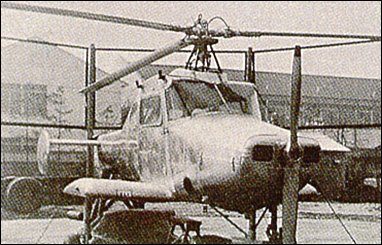
In 1952, Kayaba returned to rotary wing experimentation with the “Heliplane”. This was a compound helicopter fabricated from the fuselage and 180 hp Continental E-180 engine of a Cessna 170 light aircraft, with a rotor mounted above the cabin roof and low-set stub wings to which the undercarriage was attached. The three-blade rotor was fitted with small ramjets which were used for takeoff and landing and the rotor would rotate freely in horizontal flight when the “Heliplane” was being driven by the normal propeller. It first flew in 1954.
Engine: 185 hp Continental E-180 Rotor diameter: 24 ft 3.25 in Fuselage length: 10 ft 6 in Height: 9 ft 2.25 in Seats: 4
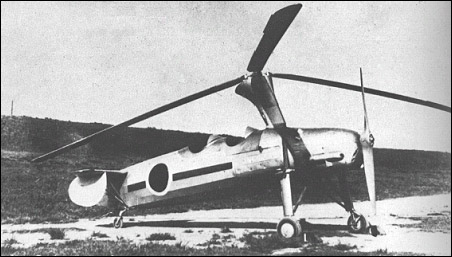
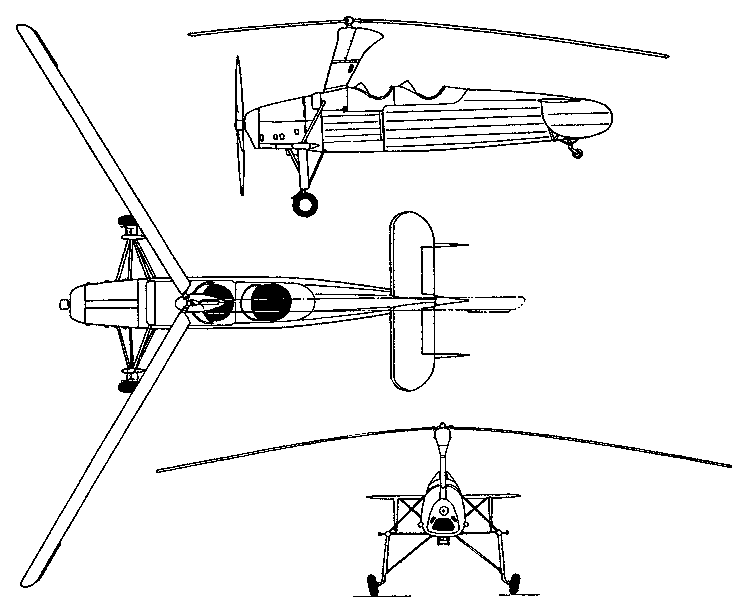
In 1939 the Imperial Japanese Army imported a Kellet KD-1A single-engined two-seat autogyro as an artillery spotter. Powered by a 225hp Jacobs L-4M4 seven-cylinder air-cooled radial, the KD-1A featured an advanced version of the Kellet direct control rotor system. Shortly after its arrival in Japan, the aircraft was seriously damaged during flight trials at low speeds. The Kellet KD-1A had been damaged beyond repair, but the Japanese Army delivered the wreck to K.K. Kayaba Seisakusho (Kayaba Industrial Co Ltd), a small company doing autogyro research, with instructions to develop a similar machine. The Kayaba engineering team developed a two-seat observation autogyro based on the Kellet KD-1A but modified to Japanese production standards, designated Ka-1. The Ka-1 was powered by a 240hp Kobe eight-cylinder inverted-vee air-cooled (licence version of the German Argus Argus As 10c) engine driving a two-blade propeller, and had a three-blade rotor. Completed in May 1941 at the Sendai (Miyagi Prefecture) plant of Kayaba, the first Ka-1 made its maiden flight at Tamagawa on 26 May, 1941. During its flight test programme the Ka-1 performed remarkably well, demonstrating its ability to take-off after running only 30m in still air. By running the engine at full power and holding the nose 15 deg up, the Ka-1 could hover and could also execute a full 360 deg turn while hovering. As maintenance in the field appeared to present less difficulty than anticipated the aircraft was placed in production for service with artillery units. Eventually some two hundred and forty aircraft of this type were built.
A small number of Ka-ls were modified for operation from naval craft as anti-submarine patrol aircraft. As the load-carrying capability of the standard two-seat Ka-1 was too limited, the carrier-borne Ka-ls were operated as single-seaters and carried two 60kg bombs or depth-charges. In this role the Ka-ls operated over Japanese coastal waters and particularly over the Tsugara and Korean channels. The Kayaba Ka-1 autogyro was the first armed autogyro/helicopter to have been used operationally.
At least one of these aircraft, the Ka-1 KAI, was tested with powder rockets on the rotor tips in an attempt to improve its load-carrying capability while another aircraft was fitted with a 240hp Jacobs L-4MA-7 seven-cylinder air-cooled radial. With Jacobs engine the type became the Ka-2.
Kayaba Ka-1 Engine: 1 x Kobe/Argus As 10c, 180kW / 240 hp Main rotor diameter: 12.2m Max take-off weight: 1170kg Empty weight: 775kg Max speed: 165km/h Cruising speed: 115km/h Ceiling: 3500m Range: 280km Armament: 2 x 60kg depth charges
Japan In 1939 a U.S.-built Kellett KD-1A autogiro was exported to Japan. K. K. Kayaba Seisakusho developed Ka-1 along similar lines for Japanese Navy; used for observation, antisubmarine patrol (incl. shipbome), and for testing rocket augmented rotors. Ka-2 was re-engined.
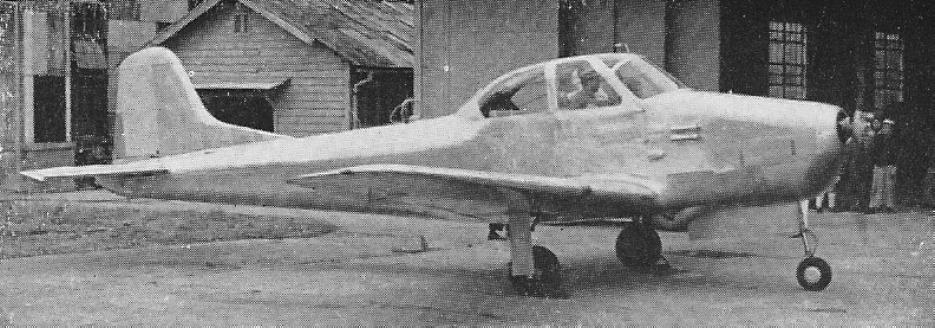
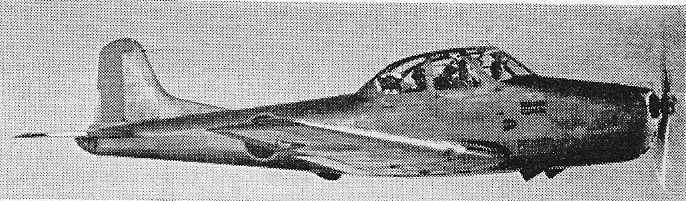
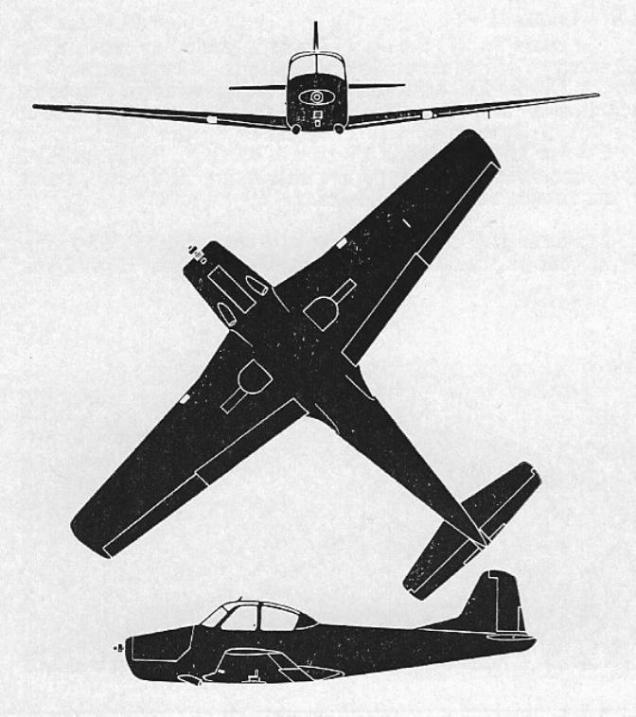
The Kawasaki KAL-2, deigned and built by the Kawasaki-Gifu division of the Kawasaki Aircraft Company, was produced in 1955 as a development of the KAL-1 ns KAT-1.
Of all-metal construction, the KAL-2 seats four.
KAL-2 no.2
An initial order for two was placed by the Japanese Air Self-Defence Force.
Engine: Lycoming GO-435-C2B, 260 hp Span: 39 ft 0.5 in Wing area: 206.66 sq.ft Length: 28 ft 8.5 in Height: 9 ft 6 in Empty weight: 2315 lb Loaded weight: 3527 lb Max speed: 183 mph at 7742 ft Cruise: 112 mph Range: 994 mi Seats: 4
The Kawasaki 440, also called the T/A 440, is a Japanese twin-cylinder, in-line, two-stroke engine that was designed for snowmobiles and produced by Kawasaki Heavy Industries until the early 1980s.
The engine was widely adapted for other purposes, including ultralight aircraft and Formula 500 automobile racing. Kawasaki did not condone or support the use of the engine in aircraft and it was largely supplanted in this role by the similar purpose-designed Rotax 377 aircraft engine.
The engine has two cylinders in an in-line configuration. The single ignition system uses a coil and points. Fuel is metered by a Mikuni 34 mm slide-type carburetor. Starting is by a recoil starter system with electric start as an option.
In its aircraft applications the 440 uses an aftermarket reduction drive system to reduce the maximum 5000 rpm to a speed more manageable for propeller use.
Specifications Type: twin-cylinder, two-stroke engine Displacement: 436 cc (26.61 cu inches) Dry weight: 49 lb (22 kg) Valvetrain: piston ported Fuel system: Mikuni 34 mm slide-type carburetor Oil system: premixed oil and fuel Cooling system: air cooled Reduction gear: aftermarket reduction drive for aircraft use Power output: 38 hp (28 kW) at 5000 rpm
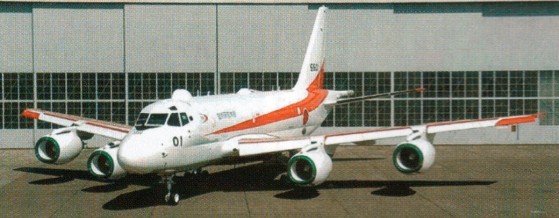
In 2007 the first prototype of the P-X maritime patrol aircraft was rolled out at Kawasaki’s Gifu factory. The P-X is to replace the Japanese Air Self Defence Force’s P-3 Orions.
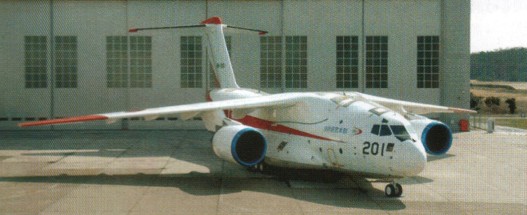
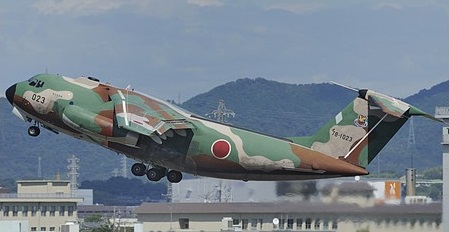
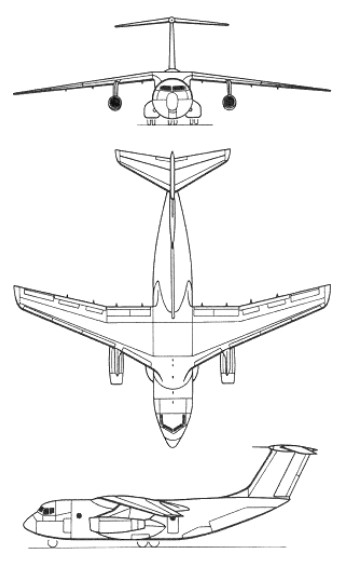
In 2007 the first prototype of the indigenously developed C-X transport aircraft was rolled out at Kawasaki’s Gifu factory. The C-X is to replace the Japanese Air Self Defence Force’s Kawasaki C-1s.
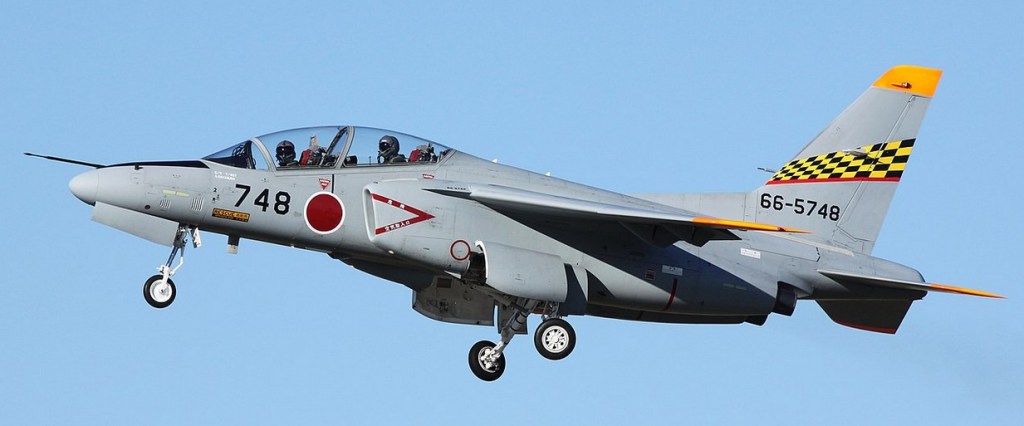
Based on Kawasaki’s KA-850 project, the T-4 was selected as the JASDF’s new advanced trainer in 1981 to replace the T-33 and Mitsubishi T-1. Kawasaki is the prime contractor, with Fuji and Mitsubishi each taking a 30 per cent share of the pro¬gramme. The aircraft is a mid-wing, twin-turbofan design which uses two indigenous IHI XF3-30 engines and is equipped with Stencel ejection seats, a headup display, an air data computer, and five hardpoints for auxiliary fuel and light weapons. Future developments may include a dedicated ground¬attack version. Construction of 32 T.4 advanced trainers has been authorised to 1987, against an even¬tual JASDF requirement for more than 200 aircraft, and production of the first batch of 12 was under way, with initial deliveries due in 1988. Four XT-4 prototypes, the first of which flew on July 29, 1985, were engaged in an intensive test programme which was to be completed by March 1988.
The defence Agency awarded the T-4 a type certificate in July 1988.
XT-4 Engine: 2 x IHI XF3-30 turbofan. Installed thrust: 32.6 kN. Span: 10 m. Length: 13 m. Wing area: 21.6 sq.m Empty wt: 3700 kg. MTOW: 7500 kg. Max speed: M0.9. Initial ROC: 3000 m / min. Ceiling: 15,240 m. T/O run: 549 m. Ldg run: 670 m. Fuel internal: 2271 lt. Range: 1300 km. Hardpoints: 5.
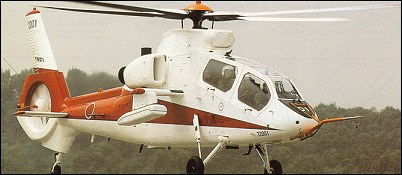
Developed to replace OH-6Ds of JGSDF, the Japan Defence Agency (IDA) awarded Y2.7 billion (US$22.5 million) in FY92 to cover the basic design phase of the helicopter then provisionally designated OH-X. Requests for proposals were issued by JDA’s Technical Research & Development Institute (TRDI) 17 April 1992 and Kawasaki was selected as the prime contractor (60% of programme) on 18 September 1992, with Fuji and Mitsubishi (20% each) as partners. The Observation Helicopter Engineering Team (OHCET) was formed by these three companies, beginning with a preliminary design phase 1 October 1992. A mockup was made public on 2 September 1994 under the Japanese name Kogata Kansoku (new small observation [helicopter]). The programme included six prototypes (four flying, two for ground test), and the first aircraft (32001) rolled out at Gifu on 15 March 1996 and made first flight 6 August 1996, followed by second prototype on 12 November. The OH-1 designation was assigned late 1996. The first two XOH-ls were handed over to JDA on 26 May and 6 June 1997. The third flown on 9 January 1997, at which time the earlier aircraft had accumulated some 30 and 20 hours, respectively. The third was handed over on 24 June 1997. The fourth was flown on 12 February 1997 and handed over 29 August 1997. The prototypes were renumbered by 1999 from 32001-04 to 32601-04. The Japan Defence Agency’s Technical Research and Development Institute was looking to develop an attack version of the Kawasaki OH 1 armed reconnaissance helicopter which in 1998 was at the flying prototype stage. Consideration was being given to replacing the OH 1’s single Mitsubishi XTS1 10 engine with two LHTEC T800 or MTU/Turbomeca&Rolls-Royce MTR 390 turboshafts for the AH 2, together with a new gearbox and rotor system, plus a new integrated sensor targeting and weapon system. The first three production OH-1s were funded FY97 and ordered in 1998. The first prototype was flown with more fuel-efficient TS1-10QT (replacing XTS1-10) engines, on 30 March 1998. By early 1999, four prototypes had flown 450 hours and were due to complete further 450 hours by end of 1999, including operational evaluation at Akeno JGSDF base. The first production OH-1 (32605) flown July 1999 and handed over to JGSDF at Gifu 24 January 2000. Name ‘Ninja’ reportedly given in 2002, but not officially confirmed.
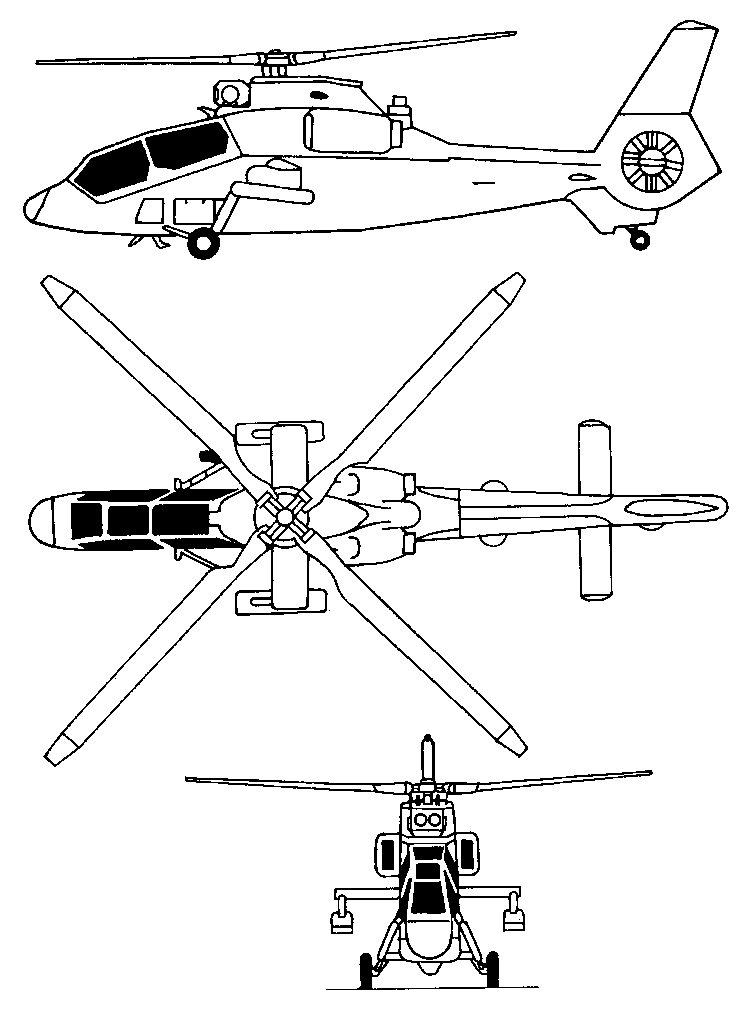
The OH-1 features Kawasaki hingeless, bearingless and 20mm ballistic-tolerant four-blade elastomeric main rotor and transmission system; Fenestron-type tail rotor with eight unevenly angled ‘scissor’ blades (35 and 55 degrees); stub-wings for stores carriage. Active vibration damping system. Flying controls are integrated AFCS and stability control augmentation system (SCAS). The rotor blades and hub are manufactured from GFRP composites; centre-fuselage and engines by Mitsubishi, tail unit/canopy/stub-wings/cowling by Fuji, rest by Kawasaki. Some 37% of airframe (by weight) in GFRP/CFRP. The landing gear is a non-retractable tailwheel type, with provision for wheel/skis on the main units. Power is from twin 662kW FADEC-equipped Mitsubishi TS1-10QT turboshafts (XTS1-10 originally in prototypes), and the transmission has a 30-rninute run-dry capability. Stub-wings can each carry a 235 litre auxiliary fuel tank. The crew of two are on tandem armoured seats (pilot in front) with flat-plate cockpit transparencies, upward-opening on the starboard side for crew access. Armament is four Toshiba Type 91 (modified) lightweight short-range, IR-guided AAMs on pylons under stub-wings for self-defence.
Funding for development, prototypes and flight testing Y2.5 billion in FY92, Y10.2 billion in FY93, Y50.1 billion in bY94 and Y23.3 billion in FY95. Unit costs of first four production lots Y1.924 billion (FY97), Y2.018 billion (FY9S), Y2.229 billion (FY99) and Y2.075 billion (FY00).
The Hiko Jikkentai (Flight Test Squadron) was formed at Akeno with first four production aircraft on 27 March 2001; other deliveries by late 2002 included small numbers to Kasumigaura Bunko, Utsunomiya Bunko and Kyoiku Shien Hikotai (at Akeno), all of which are departments of the Army’s Koku Gako (Aviation School). A total of 20, including prototypes, were ordered by FY02, and at least 12 delivered by late 2002.
OH-1 Engines: 2 x Mitsubishi TS1-10 Main rotor diameter: 11.6m Fuselage length: 12.0m Height to top of rotor head: 3.4m Height over tailfin: 3.8m Empty weight: 2450kg Normal take-off weight: 3550kg Max take-off weight: 4000kg Max level speed: 277km/h Combat radius: 200km Range: 550km
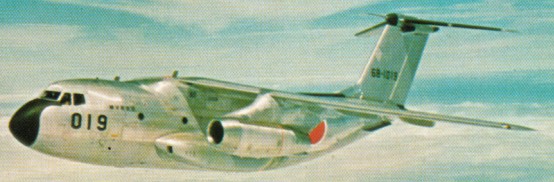
Designed to replace the JASDF’s Curtiss C 46 Commando transport aircraft, the Kawasaki C 1 first flew on 12 November 1970 and was delivered from December 1974.
Power is provided by two 14,500 lb thrust Mitsubishi produced Pratt & Whitney JT8 M 9 turbofan engines and it can carry 60 troops, 45 paratroops, 36 stretchers, or 26,235 lb (11,900 kg) of freight (including vehicles).
Inordinately expensive because of Japan’s relative inexperience in creating this type of airplane, by law the C 1 could not be sold abroad. Production ceased after 31 were built for the Japanese military, by a consortium of companies including Mitsubishi Heavy Industries, Kawasaki Heavy Indus¬tries, Fuji Heavy Industries, Nihon, Shin Meiwa and Sumitomo Precision practically all the companies involved in Japanese aircraft production.
By 1981 the 31 production C-1s had been delivered, including several long-range aircraft with an additional 4,732 litre wing centre-section fuel tank.
Kawasaki has modified a single C-lA twin-jet tactical transport for use in the ECM training role. Serialled 78 1021, the aircraft was fitted with seven radomes. Featuring nose and tail radomes housing elements of the TRDI/Mitsubishi Electrics XJ/ALQ-5 ECM system, the C-1ECM completed trials with the JASDF’s Air Proving Wing in 1986, and is now in service with the Electronic Warfare Training Unit.
Variation: Science & Technology Agency Asuka
C-1 Engines: 2 x P+W JT80D-M-9A, 64.5kN Wingspan: 30.6 m / 100 ft 5 in Length: 29.0 m / 95 ft 2 in Height: 10.0 m / 32 ft 10 in Wing area: 120.5 sq.m / 1297.05 sq ft Max take-off weight: 38600 kg / 85099 lb Empty weight: 23700 kg / 52250 lb Max. speed: 815 km/h / 506 mph Cruise speed: 705 km/h / 438 mph Ceiling: 12200 m / 40050 ft Range w/max.fuel: 3300 km / 2051 miles Range w/max.payload: 1300 km / 808 miles Crew: 5 Passengers: 60