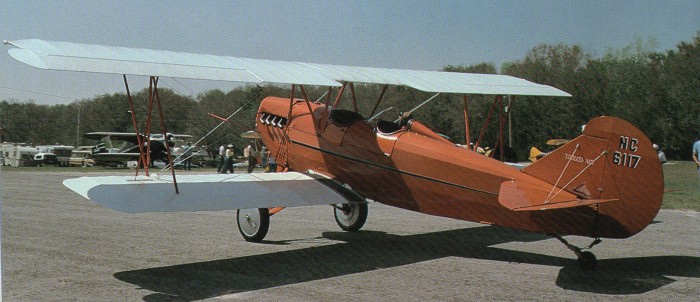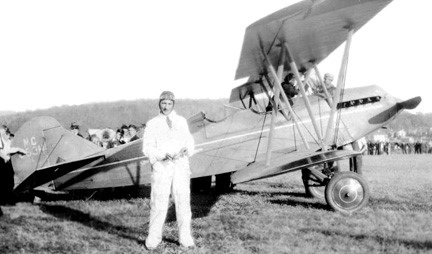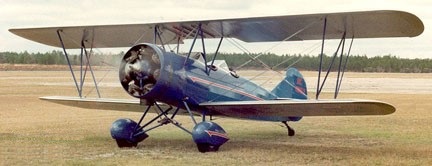
Travel Air 4000 / 4 / 8000 / 9000 / Curtiss-Wright CW-14 Speedwing / Osprey

D-4000

Selling for $7,960, nineteen of the 1929 Travelair 4-D were built (ATC 254) of which two were converted to E-4000. Performance was higher with cowl and wheel pants. Powered by a 220hp Wright J-5, they were also approved for a 240hp Wright J-6 under ATC 2-169 for NC9961 and ATC 2-300 for NC467N.
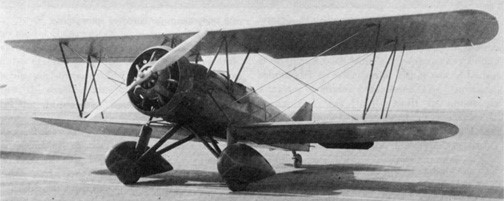
Travel Air 4-D

One model 4-P / 4-PT was built in 1929, NC419N (ATC 280, 2-160), powered by a 140hp ACE La-1 (Jacobs) engine, it was priced at $6,240.
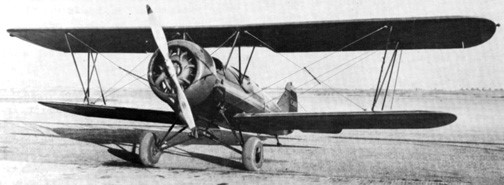
Travel Air 4-P NC419N

The model 4-S NX469N of 1929 was a 4000 with an experimental Powell motor. Only one was built.

The model 4-U of 1930 (ATC 2-432) were conversions of models 2000 and 4000 to 130-160hp Comet engines by O W Timm Aircraft Co of Glendale CA. Sixteen were converted.
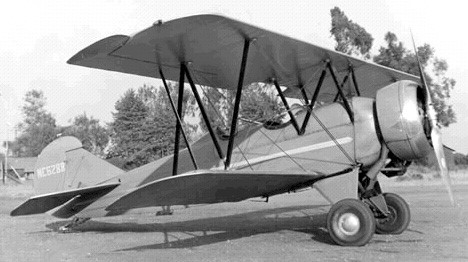
Travel Air 4-U NC5288

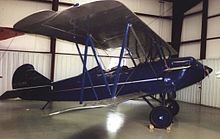
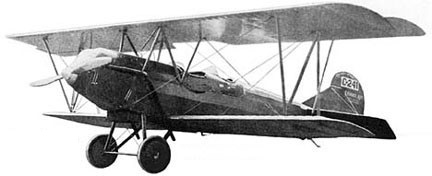
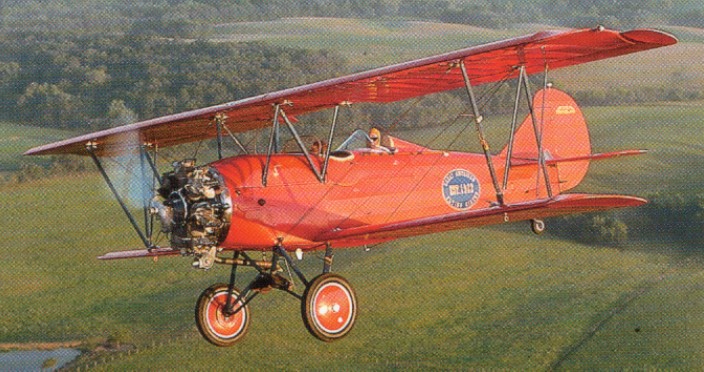
Ninety-nine of the 1926 Travel Air 4000 (ATC 32) were built at $9,800, many of which were conversions of older models. Ring cowls and balloon tires marked later versions.
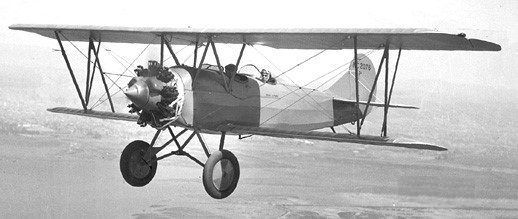
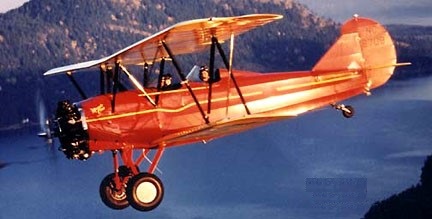
Travel Air 4000 NC2078
Travel Air S-2000 converted to 4000 NC8708

About 25 of the 1920 B-4000 (ATC 146) were built, price at $8,500. They featured a tripodal pneumatic landing gear.
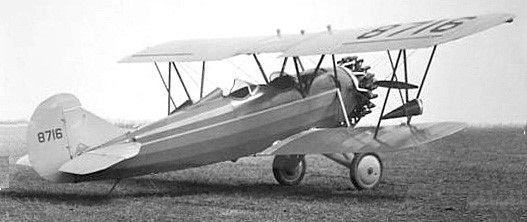
Travel Air B-4000 N8716

The B9-4000 of 1929 (ATC 2-381) was a three seater with a 300hp Wright J-6. Tt least 6, of which some were conversions of earlier 200hp J-5 models, were built.
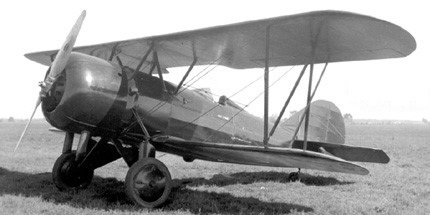
Travel Air B9-4000

The 1929 BA-4000 was a Model 4000 with a 150hp Axelson engine.

The 1929 BC-4000 (ATC 189) was similar to the C-4000 but with tri-gear. Priced at $6,500, one was built and later mounted on floates as the SBC-4000 NC9821 (ATC 2-154).

The 1929 BE-4000 was the same as the E-4000 but with tripod-braced landing gear, and unbalanced ailerons. Twelve were built.
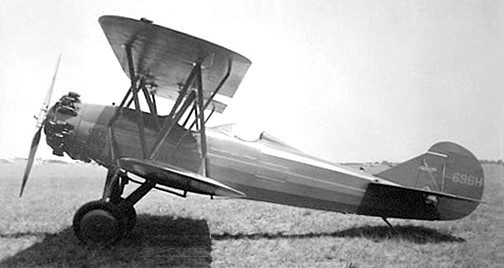
Travel Air BE-4000 NC696H

In 1930, BF-4000 was the initial designation of the Model 4-D.

Seven of the 1929 BM-4000 (ATC 147) were built. They were the B-4000 with a Wright J-5 engine modified as single place mail carriers.

The 1928 C-4000 (ATC 149) was priced at $6,275. Twenty-two were built, plus seven converted from 2000, and 2 from E-2000. Some were the first of the “Speed Wing” models without elephant-ears. They were powered by a 185hp Curtiss Challenger.
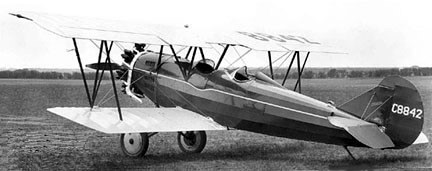
Travel Air C-4000 from A-4000 NC8842

One Model CH, or CH-4000, was built in 1926 as a five place biplane. Four were in the cabin and the pilot sat in an open cockpit. It began the 7000 series.

The SC-4000 could be one of the modified Z-4-D dusters, NR375M.

The 1928 W-4000 (ATC 2-35) was a three-place with a 125hp Warner Scarab engine. The initial production (ATC 2-35) was superseded by ATC 112. Twenty-seven were built, priced at $5,575.

Three Travel Air CW, or CW-4000, were built in 1927. Two with the 200hp Wright J-4 engine, and one with 220hp J-5.
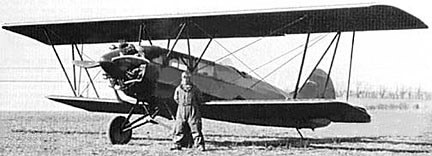
Travel Air CH

The 1930 D-4-D (ATC 2-222) was approval for “Speed Wing” conversions of models 2000, 3000, and 4000 to 240hp Wright R-760 engines. About 10 were converted.
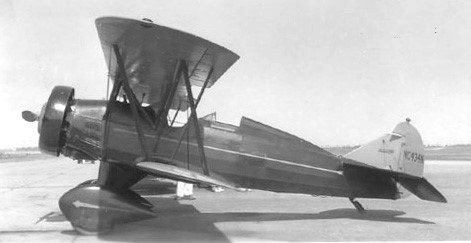
Travel Air D-4-D

The D-2000 of 1929 were single place 2000 with narrower-fuselage competition modification for Art Goebel, named Chaparral. Five were built, later rebuilt as Model 11.

The 1928 D-3000 was a 3000 with a straight wing used for competition.
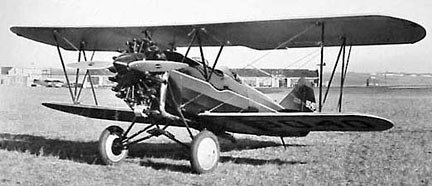
Travel Air D-4000 NC9040

The 1929 D-4000 (ATC 2-84) were 1-3 place “Speed Wing” versions of the J-5 powered 4000. Seventeen were built.

The D-4000 had split axle type landing gear with rubber cord shock absorbers. The wings were all wood spars and ribs, fabric covered. The fuselage, tail surfaces and rudder were welded steel tube, fabric covered. The ailerons were aerodynamically balanced and of wood and metal construction.

The 4000-CAM became the model 8000.

The 1929 D9-4000 was a single place D-4000 with a 300hp Wright J-6 powered competition model for Art Goebel, registered NR481N.

One DC-4000 was built, in 1929, N8843, a “Speed Wing” version of the C-4000.

The 1929 built DW-4000 N6269 was a prototype”Speed Wing” version of the W-4000.
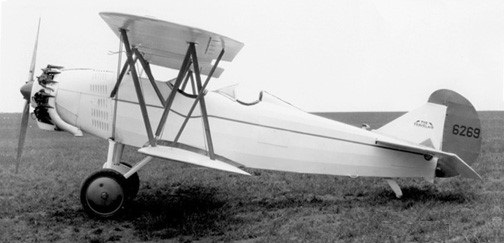
Travel Air DW-4000 N6269

Fifty-nine of the 1929 Travel Air E-4000 (ATC 2-156, later superseded by 188) were built. A few with elephant-ear ailerons on conversions of older models. They sold for $6,425 in 1929 and $5,850 in 1930.

Six of the Model 2000 and 4000 were modified to J4-4000 (ATC 2-243) in 1930, powered by a 200hp Wright J-4.

The K-4000 (205) was built in 1929. Of the seven built, one was converted to model 4-U (NC9963), and one (N8841) was fitted with a “Speed Wing” as model DK-4000. They had sold for $5,000±.
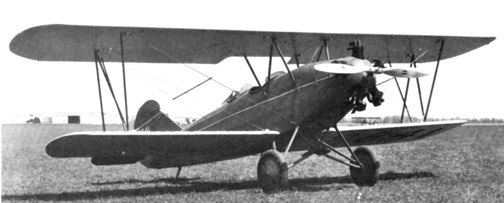
Travel Air K-4000

The Parks Air College repowered at least two of the two place model 4000 225hp Lycoming R-680 engines as flight school planes. Upgraded in 1941, they were designated L-4000 (ATC 2-560).

The 4000-SH became the model 9000.
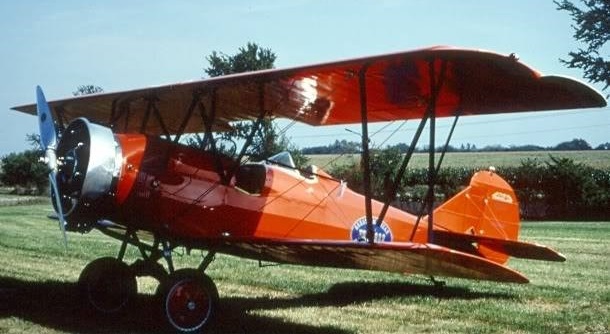
Travelair 4000

Travel Air entered a specially-modified Model 4000 (designated 4000-T) in the Guggenheim Safe Aircraft Competition of 1930, but it was disqualified. The one converted, NX165V, was equipped with a 300hp Wright J-6 engine, Curtiss-built wings, and floating ailerons. It was later converted to model D-4-D.

One Travel Air 4000 was modified with a Ranger engine as Frank Tallman’s “Wichita Fokker” for film work.
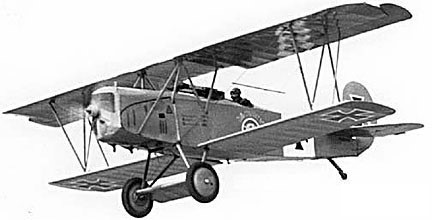
Frank Tallman’s Travel Air 4000 modified with Ranger engine.

The 1930 V-4000 was a model 4000 with a 180-200hp Velie engine.

One D-4000 was competition-modified in 1930 as the single-place W-4-B NR6129. Designed by Ted Wells, it was fully cowled and featured flaps and wing slots and I-struts. Refered to as the Ted Wells Special, it was destroyed in a crash on 10 September 1930.

Two Z-4-D were built in 1930, N410N and NR375M, based on the 4-D, as crop dusters with 300hp Wright J-6 engines. One was possibly exported.

Following Travel Air Manufacturing Company purchase in August 1929 by Curtiss-Wright, the Model 4000 continued in production into the early 1930s as the CW-14, and the range was expanded to include a military derivative dubbed the Osprey.
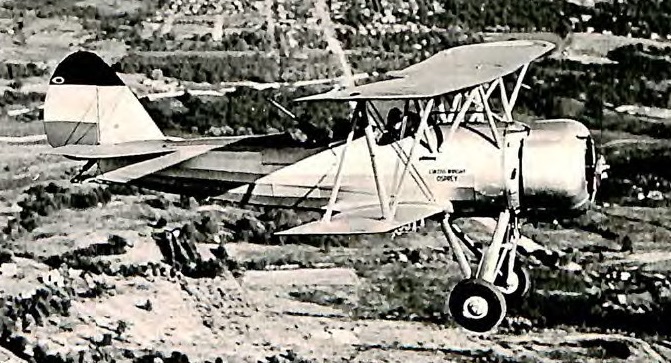
Curtiss-Wright Osprey Whirlwind engine

The Curtiss-Wright CW-13 designation was not used and the next was the CW-14, developed on the basis of Travel Air 4000/4 – it was first designated Speedwing, but later renamed Sportsman. The name Osprey was given a two-seater military model designed for export.
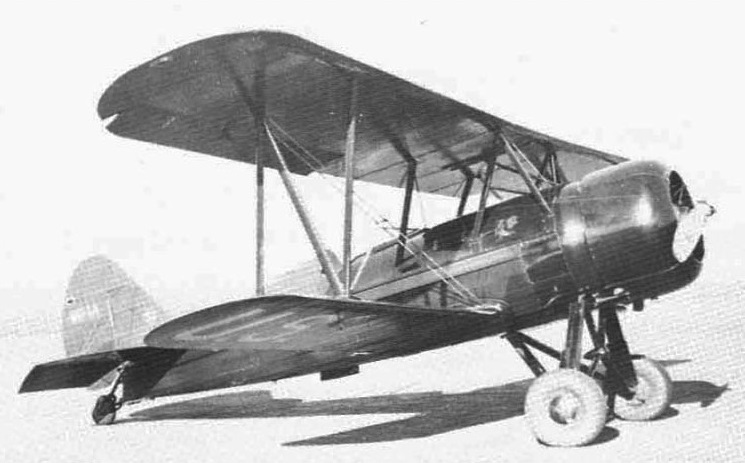
CW-B14B

The CW-B14B Speedwing Deluxe (2 manufactured) had a 300hp Whirlwind J-6-9 (R-975E) engine (224 kW), and the single CW-B14R Special Speedwing Deluxe was powered with a 420-hp turbocharged SR-975E engine (313 kW).
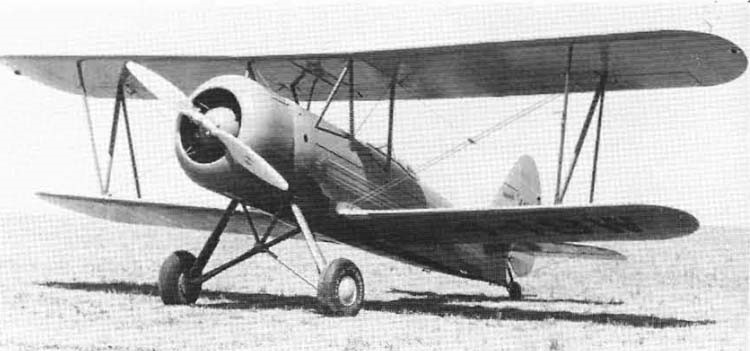
CW-A14D

The military CW-C14B Osprey was powered with a 300 hp R-975E engine (224 kW). This was fitted with bomb racks, a fixed, forward-firing machine gun, and a trainable tail gun. These aircraft were supplied to Bolivia and used during the 1933 Gran Chaco War with Paraguay, which eventually led to Curtiss-Wright’s successful prosecution for supplying these aircraft in violation of a U.S. arms embargo. The rugged, reliable Ospreys were the preferred mounts of the Bolivian pilots—of several competing aircraft supplied. The resulting heavy use led to high losses—half of the original 12 units being lost in accidents or action, another five or so were employed, though precise outcomes are unclear, owing in part to repairs on some of the “lost” aircraft, which were returned to service. However, the action brought favorable publicity and credibility to Curtiss-Wright aircraft.

The only CW-14C prototype was powered by a 185 hp Curtiss Challenger engine (138 kW), followed by the CW-A14D (5 produced) with a Wright Whirlwind J-6-7 (R-760E) engine of 240 hp (179 kW).

The CW-C14R was similar to the CW-C14B, but with the J-6-9 engine. Colombia operated three CW-C14R Osprey from 1932, Ecuador purchased two CW-14Rs in 1931, and Venezuela purchased three CW-14Rs in 1932.

Three 1928 Travel Air 8000 (ATC 37) were built, including N3562 (later converted to Model B) and NC5091. Price at $5,000 an alternate designation was 4000-CAM.
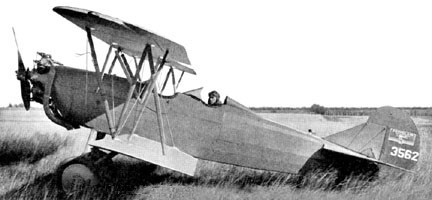
Travel Air 8000 N3562

Four or five 1928 Travel Air 9000 (ATC 38) were built, priced at $5,000, converted from model 3000 and model 4000. An alternate designation was 4000-SH.
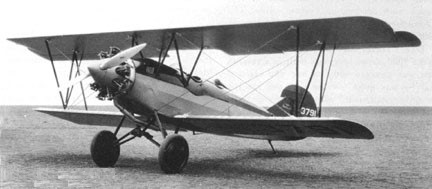
Travel Air 9000 N3791
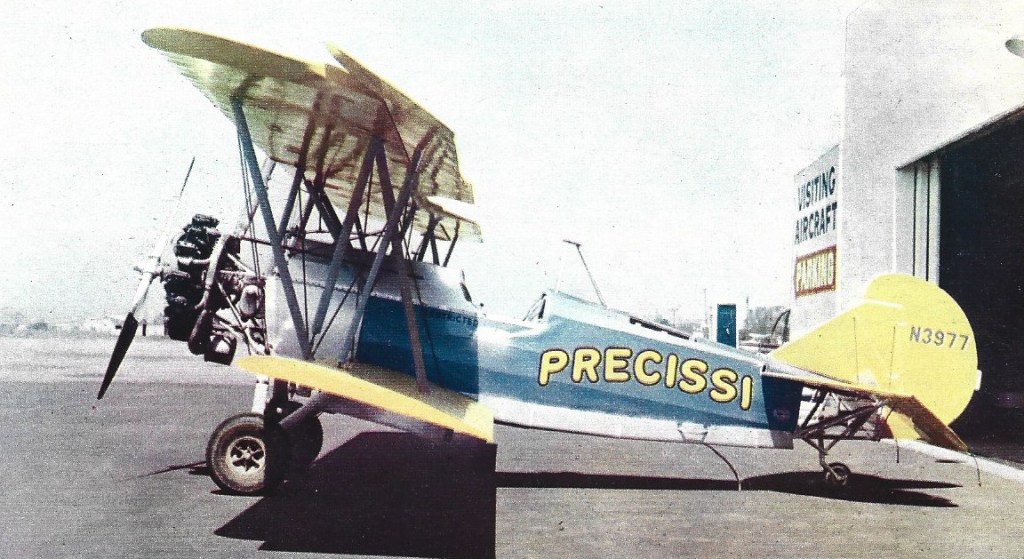
Travel Air 4000 built 1928, crop-dusting 1966

Gallery

Travel Air 4000
Travel Air 4000
Engine: Wright J-5, 220-hp (164-kW)
Wingspan: 34’8″
Length: 23’6″
Useful load: 762 lb
Max speed: 130 mph
Cruise speed: 110 mph
Stall: 45 mph
Range: 525 mi
Seats: 3

A-4000
1929 (ATC 148)
Engine: Axelson (Floco), 120-150-hp (112-kW)
Wingspan: 34’8″
Length: 24’6″
Useful load: 995 lb
Max speed: 108 mph
Cruise: 92 mph
Stall: 47 mph
Range: 550 mi
Seats: 3
Price: $5,750-6,240
No built: 9

B-4000
Engine: Wright J-5, 220-hp (164-kW)
Wingspan: 33’0″
Length: 23’4″
Useful load: 1007 lb
Max speed: 128 mph
Cruise speed: 110 mph
Stal: 52 mph
Range: 530 mi

BC-4000 / SBC-4000
Engine: Curtiss Challenger, 185hp
Wingspan: 33’0″
Length: 24’6″
Useful load: 1007 lb
Max speed: 124 mph
Cruise speed: 105 mph
Stall: 48 mph
Range: 630 mi
Seats: 3
SBC-4000 float conversion

B9-4000
Engine: Wright J-6-9, 300-hp (224-kW)

C-4000
Engine: Curtiss Challenger, 170-hp (127-kW)
Wingspan: 33’0″
Length: 24’6″
Useful load: 1007 lb
Max speed: 124 mph
Cruise: 105 mph
Stall: 48 mph
Range: 630 mi
Seats: 3

CH / CH-4000
Engine: 180hp Hisso E
Seats: 5

CW / CW-4000
Engine: 200hp Wright J-4 or 220hp Wright J-5
Seats: 5

4-D
Engine; 220hp Wright J-5
Wingspan: 33’0″
Length: 23’4″
Useful load: 1043 lb
Max speed: 130 mph
Cruise speed: 110 mph
Stall: 52 mph
Range: 520 mi
Seats: 3

4-P / 4-PT
Engine: 140hp ACE La-1 (Jacobs)
Wingspan: 33’0″
Length: 24’6″
Useful load: 857 lb
Max speed: 115 mph
Cruise speed: 97 mph
Stall: 45
Range: 485 mi
Seats: 3

4-U
Conversions of 2000 and 4000
Engine: 130-160hp Comet

D-4000
Engine: Wright J-5 Whirlwind, 225 hp
Cruise: 110 mph

D-4-D
Engine: 240hp Wright R-760

DK-4000
K-4000 fitted with “Speed Wing”
Engine: 100hp Kinner B-5
Seats: 3
No built: 1 – N8841

E-4000
Engine: Wright J-6-5, 165hp (123-kW)
Wingspan: 33’0″
Length: 24’1″
Useful load: 1007 lb
Max speed: 120 mph
Cruise speed: 103 mph
Stall: 48 mph
Range: 650 mi
Seats: 3

J4-4000
Engine: 200hp Wright J-4
Seats: 3
No built: 6

K-4000
Engine: Kinner B5, 100-hp (75-kW)
Wingspan: 33’0″
Length: 24’8″
Useful load: 940 lb
Max speed: 100 mph
Cruise speed: 88 mph
Stall: 43 mph
Range: 425 mi
Seats: 3

L-4000
ATC 2-560
Engine: 225hp Lycoming R-680
Seats: 2

SBC-4000
floatplane version

W-4000
Engine: Warner Scarab, 110-hp (82-kW)
Wingspan: 34’8″
Length: 24’8″
Useful load: 906 lb
Max speed: 108 mph
Cruise speed: 93 mph
Stall: 43 mph
Range: 500+ mi

W-4-B
Wingspan: 23’8″
Length: 20’2″
Seats: 1

Z-4-D
Engine: 300hp Wright J-6

Travel Air 8000 / 4000-CAM
Engine: Fairchild-Caminez 447, 120-hp (89-kW)
Wingspan: 34’8″
Length: 24’4″
Useful load: 825 lb
Max speed: 110 mph
Cruise speed: 92 mph
Stall: 42 mph
Range: 500+ mi
Seats: 3

Travel Air 9000 / 4000-SH
Engine: Ryan-Siemens, 125-hp (93-kW)
Wingspan: 34’8″
Length: 28’8″
Useful load: 825 lb
Max speed: 112 mph
Cruise speed: 92 mph
Stall: 43 mph
Range: 450 mi
Seats: 3

CW-14C Sportsman
Engine: Curtiss Challenger, 185 hp (138 kW)
1 built

CW-A14D Deluxe Sportsman
Engine: Wright J-6-7 (R-760), 240 hp (180 kW)
Wing span: 9.44 m / 30 ft 12 in
Wing Area: 23,0 m² / 248 ft²
Length: 7.17 m / 23 ft 6 in
Height: 2.78 m / 9 ft 1 in
Empty Weight: 804 kg / 1773 lb
MTOW: 1302 kg / 2870 lb
Maximum speed: 249 km / h
Cruising speed: 208 km / h
Range: 966 km / 522 nm / 601 mi.
Ceiling: 4877 m / 16.010 ft
Seats: 3
5 built
NACA cowling

CW-B14B Speedwing Deluxe
Engine: Wright J-6-9, 300 hp (220 kW)
2 built

CW-B14R Special Speedwing Deluxe
Single-seat racer built for Casey Lambert
Engine: supercharged Wright R-975
1 built

CW-C14B Osprey
militarized version
Engine: Wright R-975E

CW-C14R Osprey
militarized version
Engine: Wright J-6-9

CW-17R Pursuit Osprey
CW-B14B with uprated engine; possibly not built

Travel Air 2000

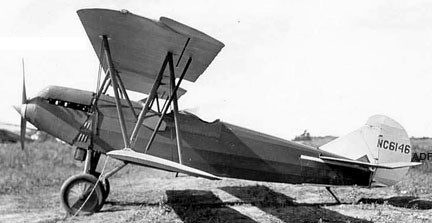
The 1927 Travel Air 2000 was built with ATC 30.

Travel Air 2000 NC6146

The S-2000 of 1927 was a floatplane version of the 2000 with a 102hp Curtiss OXX-6. A few were modified as landplanes.

Travel Air S-2000 NC663H

The 1928 SD-2000 NX6416 was the same as the 2000 model, but with a 150hp Aeromarine B engine. It was later converted to a 4000 model.

The 1929 SC-2000 model (ATC 111) were the same as the 2000 model, but with a 160hp Curtiss C-6 engine. Priced at $4,000, two (NC7574 and NC8110), were built, and possibly one more.

The improved B model sold for $2,950, and $3,677 in 1929. ATC 2-25 was a 120hp Anzani installation and ATC 2-42 for twin EDO floats.

The 1931 model 2000-T (ATC 2-368) was powered by a 115hp Milwaukee-Tank engine. Fifteen were built.

Curtiss-Wright-Travel Air 2000 C-W wing, Continental W-670 NC4952

About 600 were built overall.

Travel Air 2000 with Curtiss OX-5 engine

In 1933 a Travel Air 2000 was modified by George and William Besler where the usual inline or radial gasoline piston engine was replaced by an oil-fired, reversible 90° angle V-twin angle-compound engine of their own design, which became the first fixed-wing airplane to successful fly using a steam engine of any type. The Beslers are thought to have sold the plane to the Japanese in 1937.

Travel Air 2000
Engine: Curtiss OX-5, 90 hp
Wingspan: 34’8″
Length: 24’2″
Useful load: 845 lb
Max speed: 100 mph
Cruise speed: 85 mph
Stall: 40 mph
Seats: 3

Travel Air 2000
Engine: 120hp Anzani
Seats: 3

SC-2000
Engine: Curtiss C-6, 160-hp (119-kW)
Wingspan: 34’8″
Length: 24’2″
Useful load: 941 lb
Max speed: 120 mph
Cruise speed: 102 mph
Stall: 48 mph
Range: 500 mi

2000-T
Engine: 115hp Milwaukee-Tank

Travel Air 1000

Travel Air 1000 “Old #1” NC241

First of the Travel Air line, officially introduced in March 1926 as the Maiden Wichita. First flying on 13 March 1925 piloted by Walter Beech, it was priced at $3,500, rising to $2,195 in 1930.

A full-page company ad in Aero Digest of Aug 1928 featured “Old Number One” as being built in 1924 (the company was formed on 1/26/25), bought by O E Scott of St Louis, with a photo showing a tail number NC241 c/n 1. Since licensing came in 1927, it was obviously licensed and the photo made about that time.

Presently it is in the EAA collection, on display at the Beechcraft Heritage Museum.

Engine: Curtiss OX-5, 90hp
Wingspan: 33’0″
Length: 23’6″
Useful load: 650 lb
Max speed: 97 mph
Cruise speed: 85 mph
Stall: 38 mph
Range: 450 mi
Seats: 3

Travel Air Manufacturing Co

Travel Air Inc

The Winstead Special was derived by the Winstead brothers from an initial metal fuselage frame developed at Swallow by Stearman and Walter Beech, and subsequently discarded by Swallow. The rejection of the metal frame concept, by Swallow president Jake Moellendick, triggered the departure of Stearman and Beech, and the creation of Travel Air.

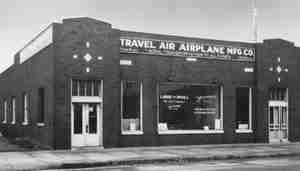
Walter H. Beech formed the Travel Air Manufactuing Company in Wichita, Kansas, USA, in 1924. The Travel Air Manufacturing Company was in essence Waiter Beech, Lloyd Stearman and Clyde Cessna, all backed by Walter P. Innes. In 1926, Stearman quit to go it alone. Cessna followed a year later. Cessna’s bone of contention was that he thought the monoplane was the way to go, while Walter Beech felt there was life left yet in the biplane.

26 Jan 1925:
Travel Air Mfg Co,
471 W First St,
Wichita KS

Noted chiefly for its Model 2000 / 3000 / 4000 / 8000 / 9000 family of commercial and training biplanes of the mid/late 1920s.

Renamed Travel Air Inc in February 1925, the Wichita, Kansas, based company built many famous aircraft with designations starting with No.1 and Model A, through to model 11 and the Model R Mys¬tery Ship. Travelair Model R ‘Mystery Ships’ came first in 1929 Thompson Trophy race and 2nd in 1930, easily beating best U.S. Army and Navy entries.

1926:
535 W Douglas Ave.
Wichita KS

Lycoming Co claims that on 3 Apr 1929 the first appearance of a Lycoming aircraft engine, a 215hp R-680, was used for trial flights on a Travel Air biplane, but on exactly which model was not stated. We’re still searching …

In August 1929, stock changed hands, and the Curtiss Wright Corporation be¬came the controlling power in Travel Air. Travel Air’s production had been one tenth of the total U. S. output of commercial airplanes, so it must have looked like a good buy to Curtiss Wright. That same year was the year of the highly successful Mystery Ship racers.

Around 1930, Walter and one of the designers at Travel Air, Ted Wells, began discussing plans for a high-performance, four place cabin biplane. Both men were firm believers in biplanes and hoped to convince Curtiss Wright that it should build the plane. Wells and his group completed the design, but since the Depression was already upon them, C W was not about to introduce a new airplane and soon was forced to cease all Travel Air production with the Model 16. As the Depression hit, Beech found himself with a pocketful of cash from the sale of his stock in the Travel Air Corporation and a job as sales boss of the Curtiss Wright headquarters in New York. It seemed a good time to quit, and he did.

Travel Airs generally featured overhanging “elephant ears” ailerons on 1000, 2000, 3000, A-4000 and W-4000; round wingtips all others. V-type gear with shock cords on 2000, 3000, A-4000, E-4000, K-4000 and W-4000; knee-type, oleo strut gear all others.

1931:
Curtiss-Wright Airplane Co,
Lambert Field,
St Louis MO.

But Beech believed in the new airplane and wasn’t going to be dissuaded by corporations, depressions or the immutable laws of economics. In 1932, he and his wife and a handful of others started the Beech Aircraft Company specifically to build the Ted Wells design. Continuing with the Travel Air numbering, it would be called the Model 17. Although Beech and Clyde Cessna had philosophical disagreements on biplanes versus monoplanes.

Train 6T

The Train 2T, 4T and 6T were all low power piston engines for light aircraft, produced in France. They were inverted, air-cooled in-line engines with the same bore and stroke, differing chiefly in the number of cylinders.

In the 1930s Train introduced a series of air-cooled, inverted in-line piston engines for light aircraft. The T series all used the same cylinders, pistons, connecting rods, valve trains and ignition system, combined into 2 (2T), 4 (4T), and 6 (6T) cylinder units of the same layout. The number of crankshaft bearings (3, 5 or 7) and throws (2, 4 or 6) naturally depended on the number of cylinders, as did the number of cams (4, 8 or 12) on the underhead camshaft. Each cylinder had a swept volume of 0.5 l (30.5 cu in), so the displacements were 1 l (61.0 cu in), 2 l (122.0 cu in) and 3 l (183.1 cu in) and the rated outputs 15 kW (20.1 hp), 30 kW (40.2 hp) and 40 kW (53.6 hp) respectively. The Train 6D was a variant of the 6T with increased bore of 85 mm (3.3 in).

Variants:
Train 6T
6-cylinders, 80 mm (3.15 in), 3 l (183.1 cu in), 40 kW (53.6 hp)

Train 6D
6-cylinders, 85 mm (3.35 in), 3.4 l (207.5 cu in), 62 kW (83.1 hp)

Applications:
Aubert PA-20 Cigale
Kellner-Béchereau EC.4
Kellner-Béchereau ED.5
SECAT S.4 Mouette
Volland 10

Train 4

The Train 2T, 4T and 6T were all low power piston engines for light aircraft, produced in France. They were inverted, air-cooled in-line engines with the same bore and stroke, differing chiefly in the number of cylinders.

In the 1930s Train introduced a series of air-cooled, inverted in-line piston engines for light aircraft. The T series all used the same cylinders, pistons, connecting rods, valve trains and ignition system, combined into 2 (2T), 4 (4T), and 6 (6T) cylinder units of the same layout. The number of crankshaft bearings (3, 5 or 7) and throws (2, 4 or 6) naturally depended on the number of cylinders, as did the number of cams (4, 8 or 12) on the underhead camshaft. Each cylinder had a swept volume of 0.5 l (30.5 cu in), so the displacements were 1 l (61.0 cu in), 2 l (122.0 cu in) and 3 l (183.1 cu in) and the rated outputs 15 kW (20.1 hp), 30 kW (40.2 hp) and 40 kW (53.6 hp) respectively.

Several International 2-litre Class records were set in 1937 by aircraft powered by the Train 4T. On 7 June 1937 M. Duverene averaged 96.0 mph; 83.4 kn (154.5 km/h) 154.5 km/h (96.0 mph; 83.4 kn) over 1,000 km (621.4 mi; 540.0 nmi) and 95 km/h (59.0 mph; 51.3 kn) over 1,000 km (621.4 mi; 540.0 nmi) in a single engine Kellner-Béchereau E.1. On 27 December 1937 Mme Lafargue reached an altitude of 4,935 m (16,191 ft) in a Tonya, setting both a class and a women’s record.

It also powered aircraft on some notable cross-country flights; on 30 December 1937 M. Lenee flew a Kellner-Béchereau E.1 from Elde to Biarritz, a distance of 1,229 km (763.7 mi; 663.6 nmi); the same day M. Blazy flew a two seat SFAN aircraft from Guyancourt to Champniers, Charente, covering 330 km (205.1 mi; 178.2 nmi).

Six Train 4Ts were used in the 2 seat, 18 m (59.1 ft) span Potez-CAMS 160 flying boat, a 1:2.6 scale model of the large Potez-CAMS 161 aircraft.

Variants:
Train 4T
4-cylinders, 80 mm (3.15 in), 2 l (122.0 cu in), 30 kW (40.2 hp)

Train 4A – variant of the 4T

Train 4E – variant of the 4T

Applications:
Brochet MB.50
Caudron C.344
Chilton D.W.1A
Druine Aigle 777
Kellner-Béchereau E.1
Mauboussin Hémiptère
Morane-Saulnier MS-660)
Nicolas-Claude NC-2 Aquilon
Payen AP-10
Potez-CAMS 160
SFAN two seater
Tonya aircraft
Trébucien Sport

Specifications:
4T
Type: 4-cylinder inline inverted air-cooled
Bore: 80 mm (3.15 in)
Stroke: 100 mm (3.94 in)
Displacement: 2.01 L (123 in3))
Length: 670 mm (26.4 in)
Width: 240 mm (9.45 in)
Height: 516 mm (20.3 in)
Dry weight: 46 kg (101 lb)
Valvetrain: Valves directly operated by cams on underhead camshaft, driven from crankshaft via bevel gears. One inlet and one exhaust valve/cylinder.
Fuel system: single carburetter
Ignition system: Choice of one or two magnetos with one or two plugs/cylinder
Oil system: Pumped under pressure from external tank, feeding main bearings and big ends; little ends and piston walls spray fed. Gravity return. Underhead valve gear in full length oil bath.
Cooling system: air
Reduction gear: None
Cylinders: Machined steel barrels with aluminium-bronze heads containing machined valve seat and secured with long bolts to crankcase.
Pistons: Aluminium alloy. Floating gudgeon pins. Three compression and one scraper ring/cylinder
Connecting rods: Forged duralumin with split big ends.
Crankshaft: 4-throw steel casting with 5 white metal lined bearings. Front ball race thrust bearing.
Crankcase: Aluminium casting in top and bottom halves, with capped crankshaft bearings in the lower part.
Power output: Rated 30 kW (40 hp), actual 33 kW (44 hp), both at 2,300 rpm
Specific power: 16.5 kW/L (0.64 hp/in3)
Compression ratio: 6:1
Specific fuel consumption: 322 g/(kW·h) (0.529 lb/(hp·h))
Oil consumption: 61 g/(kW·h) (0.10 lb/(hp·h))
Power-to-weight ratio: 0.72 kW/kg (0.44 hp/lb)

Train 2T

The Train 2T, 4T and 6T were all low power piston engines for light aircraft, produced in France. They were inverted, air-cooled in-line engines with the same bore and stroke, differing chiefly in the number of cylinders.

In the 1930s Train introduced a series of air-cooled, inverted in-line piston engines for light aircraft. The T series all used the same cylinders, pistons, connecting rods, valve trains and ignition system, combined into 2 (2T), 4 (4T), and 6 (6T) cylinder units of the same layout. The number of crankshaft bearings (3, 5 or 7) and throws (2, 4 or 6) naturally depended on the number of cylinders, as did the number of cams (4, 8 or 12) on the underhead camshaft. Each cylinder had a swept volume of 0.5 l (30.5 cu in), so the displacements were 1 l (61.0 cu in), 2 l (122.0 cu in) and 3 l (183.1 cu in) and the rated outputs 15 kW (20.1 hp), 30 kW (40.2 hp) and 40 kW (53.6 hp) respectively.

Train 2T
2-cylinders, 80 mm (3.15 in), 1 l (61.0 cu in), 15 kW (20.1 hp)

Train

Établissements E. Train
Courbevoie
France

In the 1930s Train introduced a series of air-cooled, inverted in-line piston engines for light aircraft. The T series all used the same cylinders, pistons, connecting rods, valve trains and ignition system, combined into 2 (2T), 4 (4T), and 6 (6T) cylinder units of the same layout.