Fourteen of the 1926 Travel Air 5000 (ATC 2-27) were built. A five place cabin, high wng monoplane, eight wet to Natl Air Transport in 1927 with 200hp Wright J-5 engines.
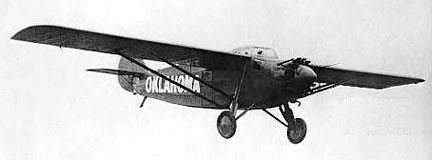
Two were built with 220hp Wright J-5C engines for the 1927 Oakland-Hawaii Dole Race winner Woolaroc (piloted by Art Goebel, NX869), and entrant Oklahoma (piloted by Bennett Griffin, NX911).
The 1929 Travel Air 10-B (ATC 278) was a four place cabin monoplane, effectively a scaled down 6000.
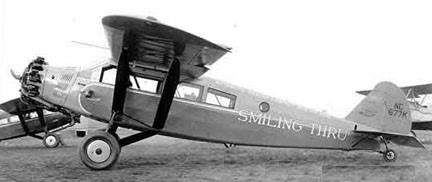
The 10-D of 1929, also ATC 278, was a 10-B N8844 with a 300hp Wright J-6 engine. Eleven were built; NC150V, NC368M, NC374M, NC414N/N416N, NC418N, NC471W, NC676K, and NC693K/N694K.
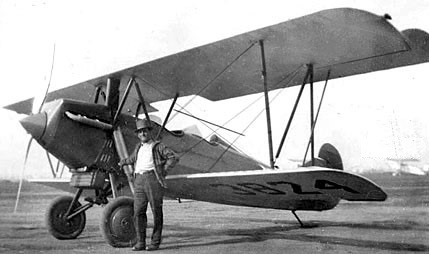
The original Travel Air Model A was engineered chiefly by Lloyd Stearman—with input from Travel Air co-founders Walter Beech, Clyde Cessna, and Bill Snook—largely as a metal-framed improvement of his immediately previous design of the wood-framed, metal-cowled Swallow New Swallow biplane, with elements of the best fighter aircraft of World War I, the metal-framed German Fokker D-VII. Most subsequent Travel Air biplanes were derived, directly or indirectly, from the original Model A.
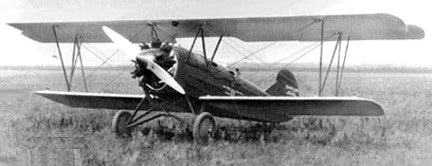
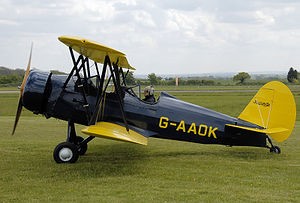
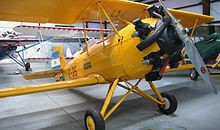
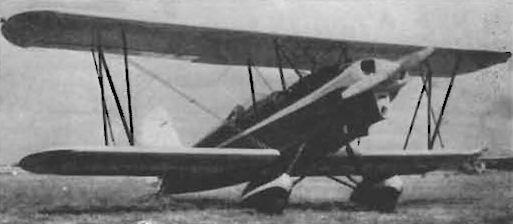
The types shared a common structure of a conventional single-bay biplane with staggered wings braced by N-struts. The fuselage was of fabric-covered steel tube and included two open cockpits in tandem, the forward of which could carry two passengers side-by-side.
Like other aircraft in the Travel Air line, it was available with a variety of different, interchangeable wings, including a wing shorter and thinner than the rest known as the “Speedwing” designed, as the name suggests, for increased cruise speed.
The 1926 Model B was a Travel Air Model A fitted with a Wright J-6 piston engine and divided axle.A three – four seat open cockpit biplane, it became the model 2000. The B-2000 of 1927 was the 2000 redesignated.
Production figures of the 1925 Model A were lumped together with B and subsequent 2000 models and the number built is undetermined.
The 1926 BH N11509 was the same as B, but with 150hp/180hp Hisso A/E engine.
The 1926 BW was the same as the Model B but with a 200hp Wright J-4. The Model BW was the winner of the 1926 Ford Reliability Tour piloted by Walter Beech. The BW became the CW-4000 series.
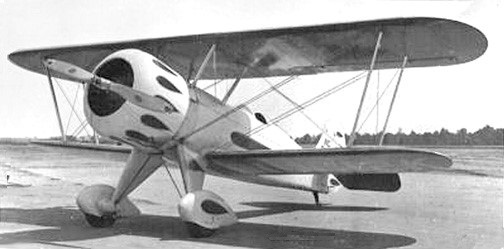
First flying in 1931, the Curtiss-Wright CW-12 Sport Trainer and CW-16 Light Sport (also marketed under the Travel Air brand that Curtiss-Wright had recently acquired) were high-performance training aircraft designed by Herbert Rawdon and Ted Wells and built in the United States in the early 1930s.
Curtiss Travel Air 16E
The CW-12 and CW-16 shared the same basic design as conventional single-bay biplanes with staggered wings braced with N-struts. The pilot and instructor sat in tandem, open cockpits, the forward cockpit of the CW-12 having a single seat, while the CW-16’s forward cockpit could seat two passengers side-by-side. Both versions of the aircraft were available in a variety of engine choices, and some CW-16s were exported as trainers to the air forces of Bolivia and Ecuador. Civil owners were in the USA and United Kingdom.
63 were built.
The Argentine Navy purchased 15 CW-16Es in 1935, with 13 more possibly being built from 1938. The type remained in use until 1949. The Bolivian Air Force purchased three CW-16s in 1934, with the type in use until 1943. The Brazilian Air Force received 15 CW-16Ws, with 125 hp (93 kW) Warner Scarab engines in 1935, the type remaining in service until 1940. The Colombian Air Force received six CW-16s in 1933. The Ecuadorian Air Force purchased six CW-16Es in 1935, with three more CW-16s following in 1936. Three remained in use until 1944.
Travel Air 16 Sport-Modified
Variants:
CW-12K Engine: Kinner K-5 2 built
CW-12Q Engine: Wright-built de Havilland Gipsy, 90 hp (67 kW) Propeller: 2-bladed fixed-pitch Wingspan: 28 ft 10 in (8.79 m) Wing area: 206 sq ft (19.1 sq.m) Airfoil: Clark Y (15%) Length: 21 ft 5 in (6.53 m) Height: 8 ft 10 in (2.69 m) Empty weight: 1,071 lb (486 kg) Gross weight: 1,725 lb (782 kg) Maximum speed: 105 mph (169 km/h; 91 kn) Cruise speed: 88 mph (142 km/h; 76 kn) Range: 390 mi (339 nmi; 628 km) Service ceiling: 12,000 ft (3,700 m) Rate of climb: 600 ft/min (3.0 m/s) Seats: 2 26 built
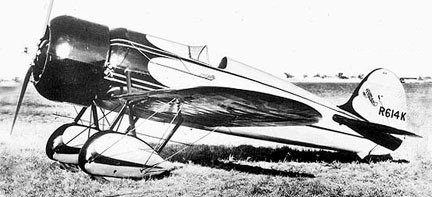
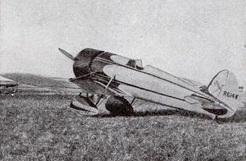
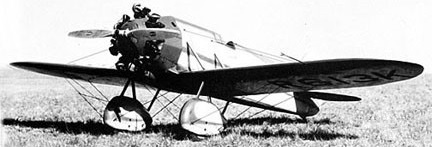
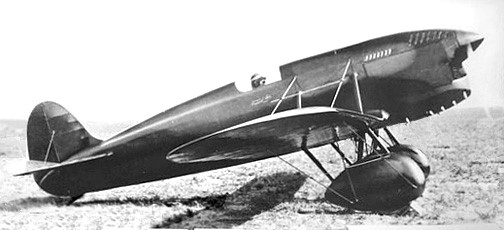
The 1929 Travel Air R Mystery Ship was designed by Walter Burnham and Herb Rawdon. The R became S through a newspaper’s abbreviation of “Mystery Ship” to “Mystery S”.
Five were built, of which 3 were racers; NR614K, NR482N, NR1313. One plane, N11717, with a 300hp Wright, was bought by the Italian government in 1931 “for study”.
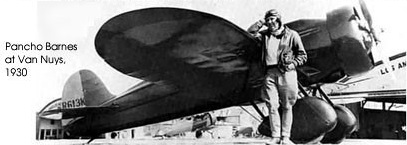
The Mystery Ship held an official record at 236 mph. As Texaco 13 and piloted by Frank Hawks, NR1313 set transcontinental speed record 1929 and was at the time faster than any existant military plane, continued in 1930-32 to establish numerous new intercity speed records in the US and Europe.
Travel Air R-613 NX613K
Mystery Ship NR482N, piloted by Jim Haizlip, reached second place in the 1930 Thompson races.
Travel Air R Chevrolair NR613K
The 1929 R-613 Mystery Ship NX613K was fitted with a 250hp Chevrolair D-6 engine. As NR613K it raced in the 1929 Thompson Trophy piloted by Doug Davis.
Travel Air R-613 NX613K
It was later refitted with a 330hp Wright R-975 for Florence “Pancho” Barnes. At the 1968 Tallmantz auction, word got around that 67-year-old Pancho was there, hoping to buy her plane to restore. When the auctioneer announced a low starting bid, Pancho waved her bid paddle. That was followed by silence. The auctioneer got the message, so he nodded and pointed at her, “Sold!” and the audience applauded.
Mystery Ship sister
Frank Hawks flew to glory in 1930 in a Travel Air Mystery Ship.
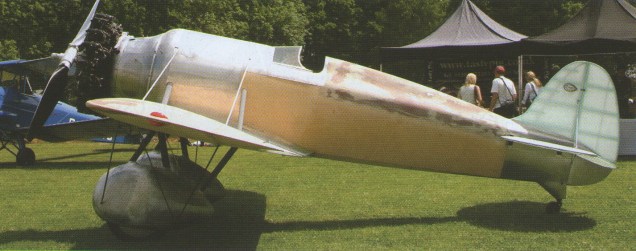
Replica: Aero-Antiques Travel Air R
R Engine: 400hp Wright supercharged Cyclone Wingspan: 29’2″ Length: 20’2″ Useful load: 456 lb Max speed: 235 mph Cruise speed: 150 mph Stall: 70 mph Range: 525 mi Seats: 1
R-613 Mystery Ship Engine: 250hp Chevrolair D-6, later refitted with 330hp Wright R-975 Wingspan: 29’2″ Length: 21’0″
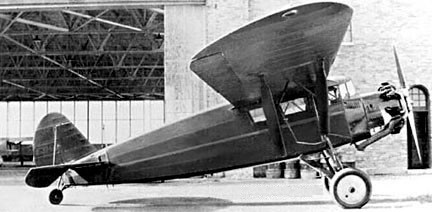
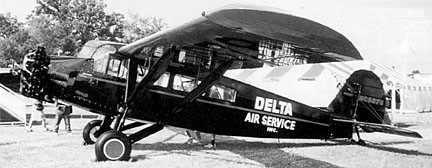
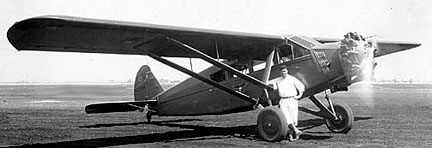
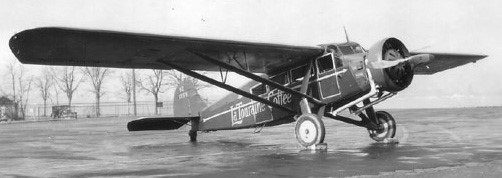
In 1929, the Travel Air Company under Walter Beech’s direction developed the 6000 (ATC 100, 2-28, 2-167, 2-234, 2-296). An improved version of the 5000, it sold for $12,000.
The Travel 6000 six place cabin monoplane was equipped with a Wright J-5 220 hp engine.
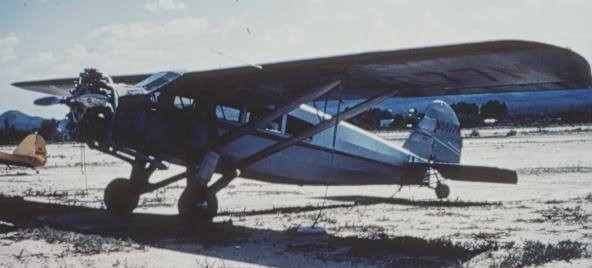
Travel Air 6000B NC8878
The prototype was NX4765 (2-28, superseded by 100).
Travel Air S-6000B NC9914
25 of the 1929 A-6000 were built (ATC 116), priced at $18,000.
Travel Air A-6000A
ATC 2-76 was for eight 7-place conversions, and ATC 2-308 for a 420hp P&W Wasp C version as A-6000-A Special.
Almost all were eventually converted under (2-167, 2-234 and 2-296) to 300hp Wright J-6 as S-6000B.
The 1929 S-6000B, or B-6000 (ATC 130) were six-place with a 300hp Wright J-6 engine. Priced at $13,000 fifty-five were built, including modifications of model 6000. The model evolved into the 6-B and ATC 2-138 was issued for seven-place conversions. ATC 2-153 was for the five-place 6000-B Special, and ATC 2-294 for four-place conversions, with ATC 2-302 for weight adjustments.
The one Model B-6, built in 1925, was a B-2000 with a 160hp Curtiss C-6 engine, and 31’6″ modified wing, without elephant-ears.
In 1930 eight Model 6-B were built which were the 6000-B with a 330hp Wright J-6 engine.
Travel Air 6-B
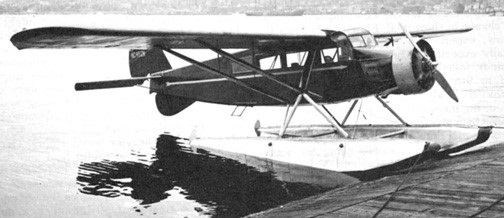
The 1929 SA-6000A (ATC 175) was a six-place pontoon version of the A-6000, priced at $20,000. At least two were built.




 All Aero