Before the war the company built fast metal-skinned transports of original design: Avia 51, 56, and 57.
The Avia 57 (1937) was a three-engined 14 passenger transport aircraft.
Before the war the company built fast metal-skinned transports of original design: Avia 51, 56, and 57.
The Avia 57 (1937) was a three-engined 14 passenger transport aircraft.
Before the war the company built fast metal-skinned transports of original design: Avia 51, 56, and 57.
Before the war the company built fast metal-skinned transports of original design: Avia 51, 56, and 57.
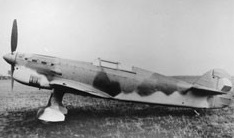
The first prototype Avia B-35 fighter fuselage featured a screwed and riveted steel-tube-structure, covered by fabric. From the cockpit forwards was covered by removable aluminium sheet plates. The wings comprised two wooden longerons, wooden skeletal structure and covered by a thin alclad sheet. Aircraft`s performance was influenced by the fix hooded undercarriage.
The first prototype was flight-tested during September 1938. Sgt. Kavalec lost his life in the first prototype.
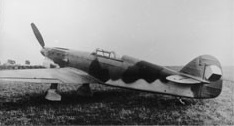
Only three prototypes of the fixed-undercarriage-B-35 fighter attaining a maximum speed of 495 km/p/h were built. The B-135 was the production version of B-35 with metal wing and retractable undercarriage. The B-135 was completed after the Germans occupied the Czech and Moravian Lands on March 15, 1939. Twelve planes of this type as well as the B-135 licence was bought by a Bulgarian-pro-Nazi regime in 1941.
Engine: Avia Hispano Suiza 12 Ycrs, 750 hp
Propeller: two-blade wooden or composite
Maximum speed: 495 kph
Climb rate: 13 m/s
Range: 550 km
Service ceiling: 8500 m
Armament: two synchronized machine guns
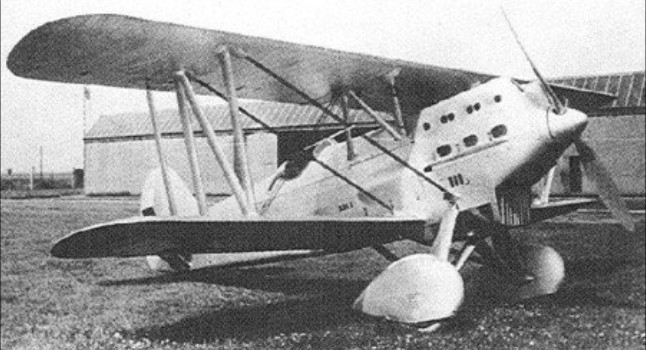
The B 34, designed by Ing Frantisek Novotny, owed nothing to previous Avia single-seat fighters, and was an all-metal fabric-covered single-bay biplane powered by a 740hp Hispano-Suiza 12Nbr 12-cylinder liquid-cooled engine. Flown for the first time in 1932 by Vaclav Koci, the B 34 initially proved disappointing and the prototype was promptly returned to the factory for modifications, re-emerging as the B 34/1 with a new propeller, a redesigned engine cowling in which the face of the underslung radiator bath was cut back, and redesigned vertical tail surfaces. With these changes flight testing was resumed, and a production batch of 12 B 34 fighters was ordered for the Czechoslovak air arm.
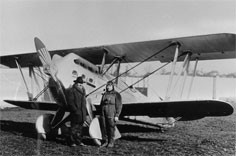
The production B 34 embodied further redesign of the vertical tail surfaces, which were enlarged, and other changes by comparison with the prototype, including narrower-chord interplane bracing struts and the discarding of the streamlined mainwheel fairings. Power was provided by an Avia (Skoda) Vr 30 (licence-built HS 12Nbr) rated at 760hp for take-off, and armament comprised two 7.7mm fuselage-mounted Mk 28 machine guns.
B-34 Prototype
Engine: 1 x 650hp Avia Vr 36
Wingspan: 9.40 m / 31 ft 10 in
Length: 7.25 m / 24 ft 9 in
Max. speed: 315 km/h / 196 mph
Rate of climb: 12 m/s
Range: 600 km / 373 miles
Armament: 2 x 7.7mm
Crew: 1
B-34
Engine: 1 x 760hp Skoda Vr 30
Wingspan: 9.40 m / 31 ft 10 in
Length: 7.25 m / 24 ft 9 in
Height: 3.10 m / 10 ft 2 in
Wing area: 23.90 sq.m / 257.26 sq ft
Max take-off weight: 1730 kg / 3814 lb
Empty weight: 1305 kg / 2877 lb
Max. speed: 315 km/h / 196 mph
Cruise speed: 298 km/h / 185 mph
Ceiling: 8200 m / 26900 ft
Rate of climb: 610 m/min / 2000 ft/min
Range: 600 km / 373 miles
Armament: 2 x 7.7mm
Crew: 1
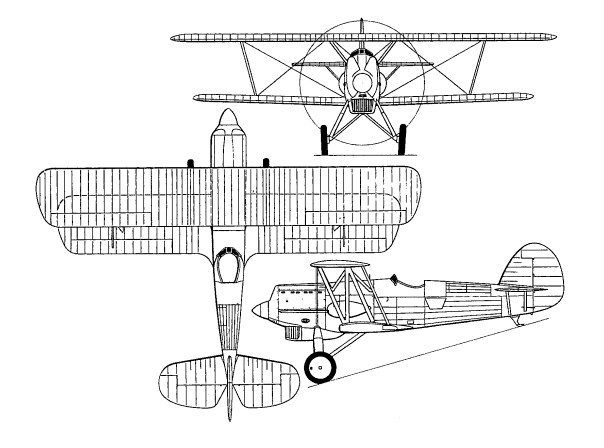
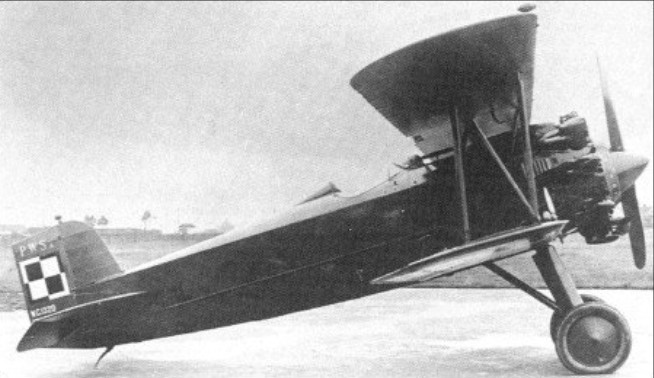
During the course of 1926, Avia tested the Gnome-Rhone version of the Bristol Jupiter nine-cylinder radial air-cooled engine in a BH-21 airframe, and elected to employ this power plant for a new fighter, the BH-33. This, the last fighter design to be produced by Benes and Hajn for the Avia concern, was the first Avia fighter to feature a fixed tail fin from the outset, and commenced flight trials in 1927.
The wood-framed wings and fin were partly covered by plywood and wholly by fabric. A steel-framed fuselage, rudder and elevator were covered by fabric. Sheet metal plated cowling.
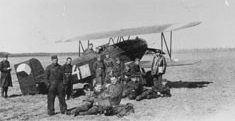
It was ordered into production for the Czechoslovak air arm with a Walter-built Jupiter VI rated at 543hp for take-off, armament comprising two 7.7mm machine guns.
A manufacturing licence for the BH-33 was acquired by Poland in 1928, PZL building 10 pre-production fighters of this type and PWS building some 50 production examples for the Polish Air Force as the PWS A from 1930.
Three BH-33s were supplied to Belgium in 1929.
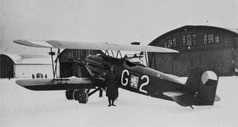
Engine: Walter Jupiter Mk VI, 450 hp
Propeller: two blade wooden
Wingspan: 8.90 m / 29 ft 2 in
Length: 7.04 m / 23 ft 1 in
Wing area: 22.20 sq.m / 238.96 sq ft
Max take-off weight: 1253 kg / 2762 lb
Empty weight: 830 kg / 1830 lb
Max. speed: 285 km/h / 177 mph
Rate of climb: 10.5 m/s
Range: 450 km
Armament: 2 x synchronized 7.7mm
Crew: 1
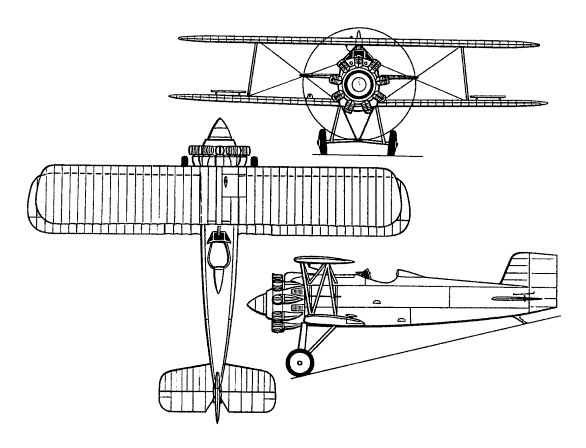
A 1927 single-piston-engine two-seat biplane trainer aircraft
A 1927 single-piston-engine two-seat biplane reconnaissance aircraft. One built
A 1927 single-piston-engine two-seat biplane reconnaissance aircraft
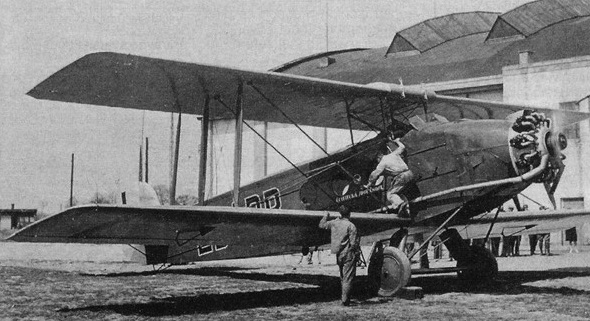
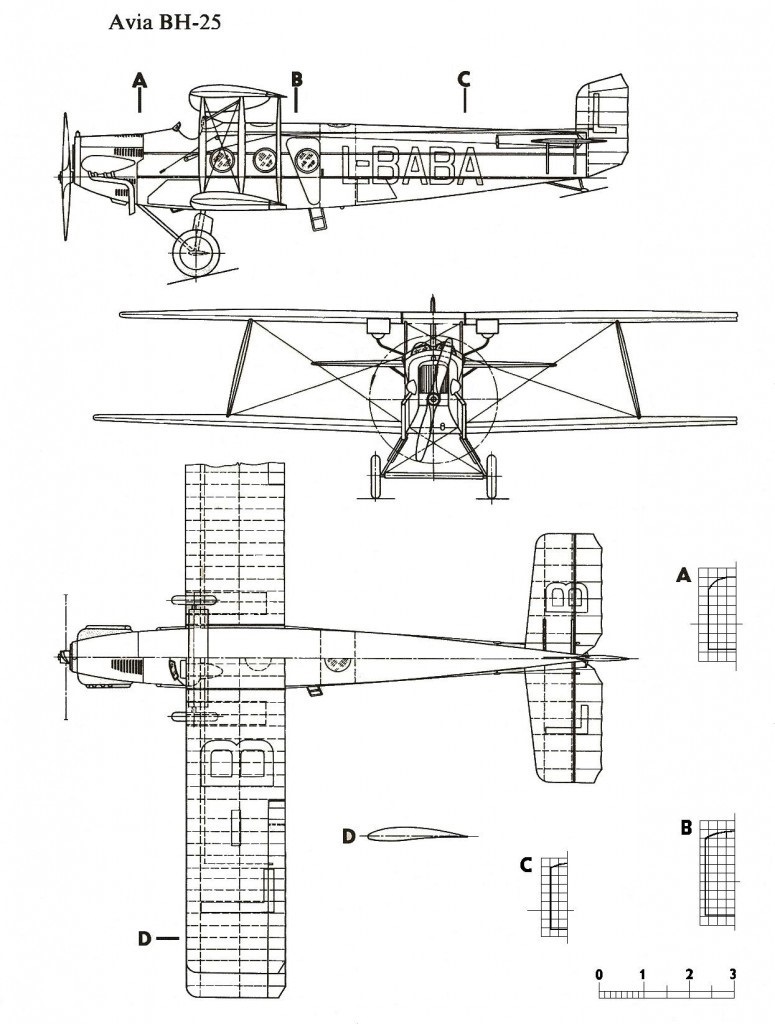
In 1925, a competition was announced for the construction of a transport airplane for the needs of Czechoslovak State Airways. Pavel Beneš and Miroslav Hajn responded to the request of the Ministry of Public Works and the design began in 1925 in the Holešovice offices, where Avia moved from Vysočany.
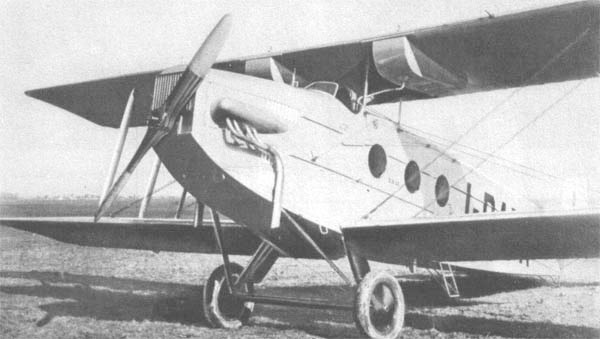
A single-engine biplane was created for two pilots and five passengers. The passengers sat in the wicker seats inside the fuselage, entering through a side door. The pilots were housed in an open cockpit on the back of the fuselage. Of conventional configuration, it was a single-bay biplane of equal span and unstaggered wings, with fixed tailskid landing gear. Power was a Lorraine Dietrich series engine.
In the summer of 1926 the first prototype, designated as BH.25, began tests. Avia failed the competition (CSA bought a competitive Aero A-23), however the prototypes and subsequent Avi series were bought by the Czechoslovak Airline, which put the new Avia on international lines. Here the transport avia successfully served until 1931, when it flew 800,000 km.
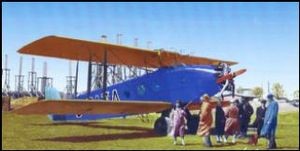
In 1928 trial operation of VN.25 on Czechoslovak airlines began. By this time, the production aircraft, BH-25J, were distinguished by some modifications in the design and replacement of the Lorraine-Dietrich engine by Bristol “Jupiter”. Operations ended at the end of 1936, and in 1937 several aircraft were handed over to the Air Force. Until the full occupation of the country in 1939, they were used for courier purposes and were soon scrapped.
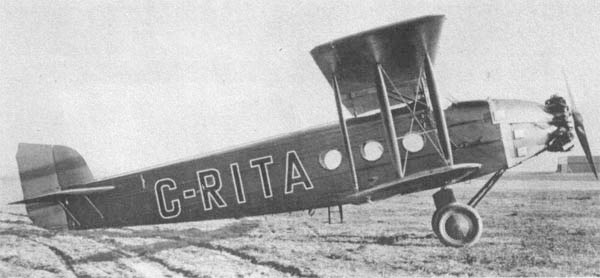
Of the 12 aircraft built, eight remained in Czechoslovakia and were used by CLS. The remaining four BH.25 were sold to the Romanian airline SNNA.
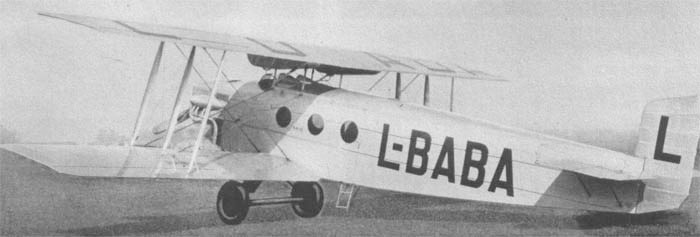
Engine: Lorraine Dietrich 12Cc, 331 kW / 450 hp
Propeller: wooden two-blade
Wingspan: 15.30 m / 50 ft 2.36 in
Wing Area: 62.5 sq.m / 672.74 sq.ft
Length: 12.82 m / 42 ft 0.72 in
Empty Weight: 1950 kg / 4299 lb
Take-off weight: 2970 kg / 6548 lb
Maximum Speed: 180 kph / 111.8 mph
Cruise Speed: 150 kph /93.2 mph
Time to Climb: 20 min to 2000 m / 6562 ft
Service Ceiling: 4000 m / 13,123 ft
Range: 600 km / 372.8 mi
Engine: 1 × Walter-built Bristol Jupiter, 336 kW (450 hp)
Wingspan: 15.3 m (50 ft 2 in)
Wing area: 62.5 sq.m (672 sq.ft)
Length: 12.82 m (42 ft 1 in)
Empty weight: 1,800 kg (3,968 lb)
Gross weight: 2,900 kg (6,393 lb)
Maximum speed: 180 km/h (112 mph)
Range: 600 km (373 miles)
Service ceiling: 4,000 m (13,123 ft)
Rate of climb: 1.7 m/s (330 ft/min)
Cruising speed: 150 km / h
Crew: two pilots
Capacity: five passengers, plus 100 kg (220 lb) of luggage