Stinson R / R-1 / R-2 / R-3

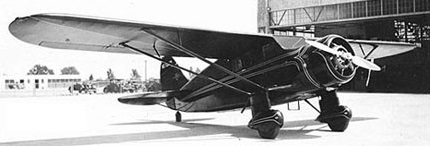
Stinson R NC12153

The Stinson R / R-1 (ATC 457) of 1932 was designed by Robert Ayer and C R Irvine as a four-place cabin high wing monoplane. A deluxe Junior, and forerunner of Reliant, powered by a 215hp Lycoming R-680 engine, the R-1 was to have a retractable gear added, but was never built.

Thirty R-1 were sold, priced at $5,595, including NC436M/440M, NC446M/448M, NC479M, NC10861, NC10874, NC10876, NC12134, NC12139, NC12147/12156, prototype NC12178, NC12189, and NC12197.
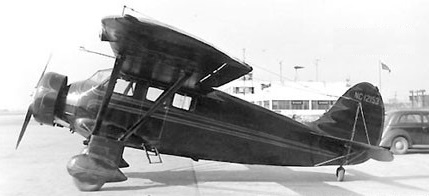
Stinson R NC12153

Eddie Stinson was fatally injured in a crash landing of the prototype R on 25 January 1932.

The 1932 R-2 (ATC 489), powered with a 240hp Lycoming R-680 engine, was advertised for $6,497 with retractable gear modification, but none was produced as such. Three were built; NS40, NX447M, and NX12178 modified from R, and possibly one other.
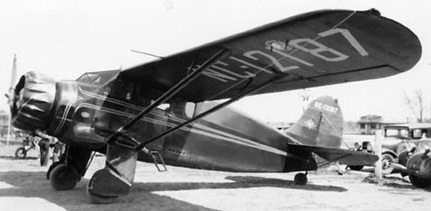
Stinson R-3 NC12187

The 1933 R-3 (ATC 493) was the same as the R-2, but with fixed, non-operating prototypical retracting gear. Three were built; NC449M, NC12131, and NC12187, priced at $5,995. Only one was so modified to operating retractable gear as R-3S

The 1934 R-3S (ATC 539) conversion from R-3 NC449M featured a 245hp Lycoming R-680 engine, controllable prop and other improvements.
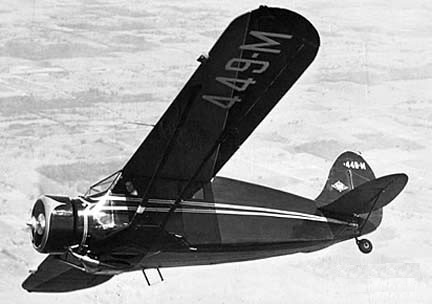
Stinson R-3S N449M

R / R-1
Engine: 215hp Lycoming R-680
Wingspan: 43’3″
Length: 26’1″
Useful load: 1100 lb
Max speed: 130 mph
Cruise: 110 mph
Stall: 52 mph
Range: 450 mi
Ceiling: 12,500′
Seats: 4

R-2
Engine: 240hp Lycoming R-680
Wingspan: 43’3″
Length: 26’2″
Useful load: 1210 lb
Max speed: 138 mph
Cruise: 118 mph
Stall: 62 mph
Range: 550 mi
Seats: 4

R-3
Engine: 240hp Lycoming R-680
Wingspan: 43’3″
Length: 26’2″
Useful load: 1210 lb
Max speed: 133 mph
Cruise: 112 mph
Stall: 62 mph
Range: 450 mi
Seats: 4

R-3S
Engine: 245hp Lycoming R-680
Wingspan: 43’3″
Length: 26’2″
Useful load: 1010 lb
Max speed: 133 mph
Cruise: 112 mph
Stall: 52 mph
Range: 450 mi
Seats: 4
Specs
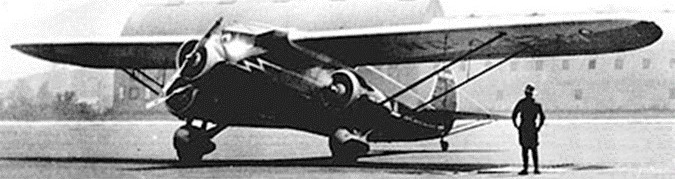
Stinson U

Stinson U Prototype NC432M

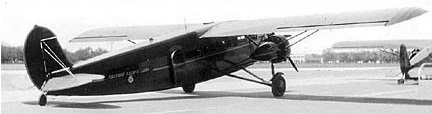
The 1932 Stinson Model U (ATC 484) was a 10-12 seat cabin monoplane, designed by Art Saxon. Almost a sesquiplane with its stub wings on the undercarriage, they were priced at $19,500.

Twenty-three were built for American Airways, including one for competition (NR/NC12127), and one experimental model, NX12132, that crashed on 2 August 1933.

Stinson U Prototype NC432M

ATC 2-413 was for a weight adjustment for prototype X/NC432M c/n 9000.

The 1933 U-1 (ATC 2-437) was an 11 seat Model U with three 285hp Wright R-760 engines. One was built for Eastern Air Transport, NX12129 c/n 9014.

U
Engines: three 240hp Lycoming R-680BA
Wingspan: 66’2″ (stub-wing 14’3″)
Length: 45’3″
Useful load: 3100 lb
Max speed: 145 mph
Cruise: 123 mph
Stall: 60 mph
Range: 450-500 mi
Ceiling: 14,000′
Seats: 10-12

U-1
Engines: three 285hp Wright R-760.
Seats: 11

Stinson SM-4 Junior

The 1929 Stinson SM-4 Junior was a special retractable-gear, high-wing two-place cabin monoplane endurance plane, Sally Sovereign, developed from SM-1 NX9696 and powered by a 300hp Wright R-975 engine. It was damaged in a wheels-up landing after a failed endurance flight, piloted by Eddie Stinson and Randolph Page.

It was rebuilt with fixed gear as K of New Haven for an aborted attempt at a US-Argentina non-stop flight on 7/15/30, when the crew became lost in a fog over Georgia and ran out of gas. They bailed out and the SM-4 crashed to destruction.

Stinson SM-3

One prototype SM-3 was built in 1927 for retractable gear tests. A four-place cabin low-wing monoplane, the SM-3 featured a tapered, strut-braced gullwing, and was powered by a 220hp Wright J-5C engine. Flown in one test by Eddie Stinson, who likened its flight characteristics to “a brick” and cancelled the project in 1928.

Stinson Greyhound

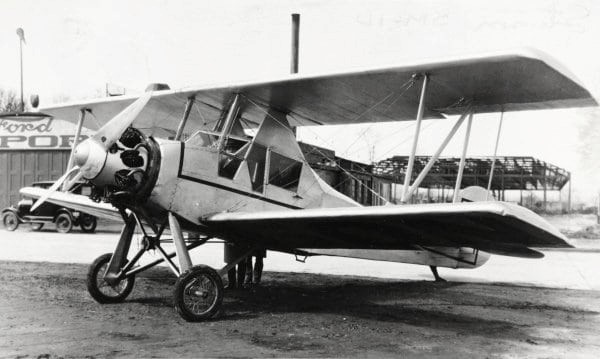
The 1920 Stinson Greyhound was the first Stinson-designed and -built airplane; side-by-side cockpit. Mahogany-lined cockpits, electric starter.

Two were built, N2554 and N352V, but the market was “not quite ready,” so the project was considered a failure.

Engine: 90hp Curtiss OX-5
Wingspan: 34’2″
Length: 22’4″
Useful load: 545 lb
Max speed: 90 mph
Cruise: 65 mph
Stall: 25 mph
Seats: 2

Stinson SB-1

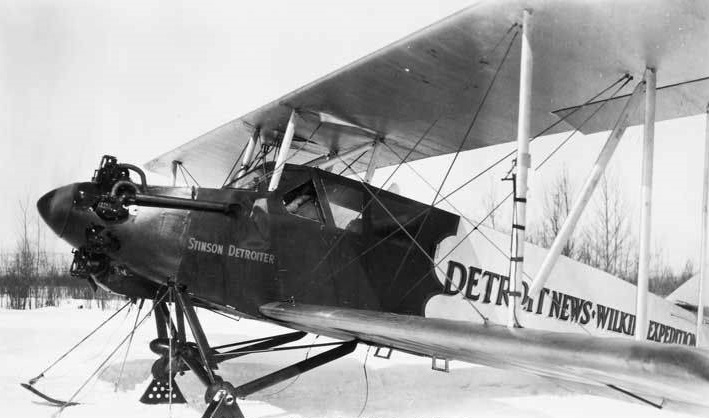
Stinson Detroiter as first built

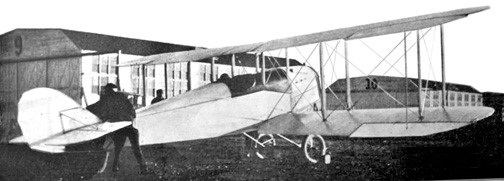
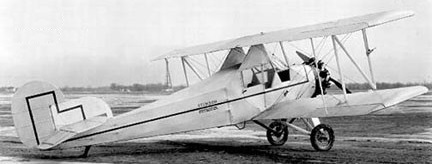
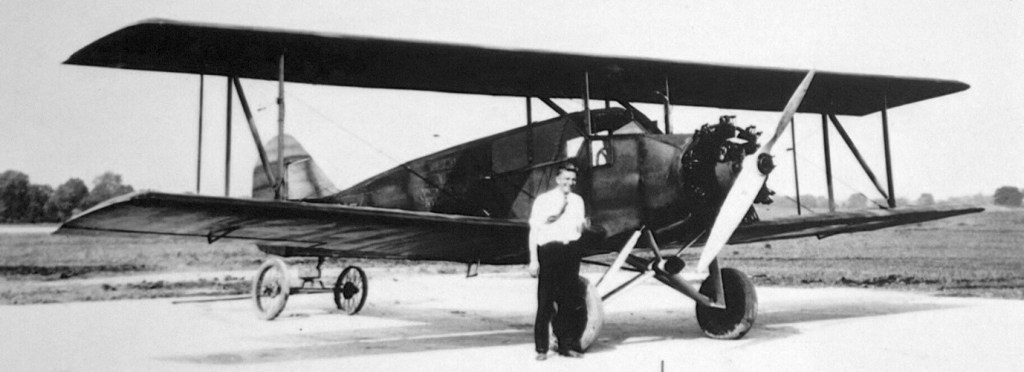
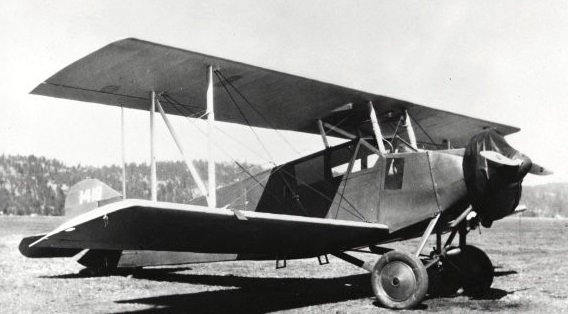
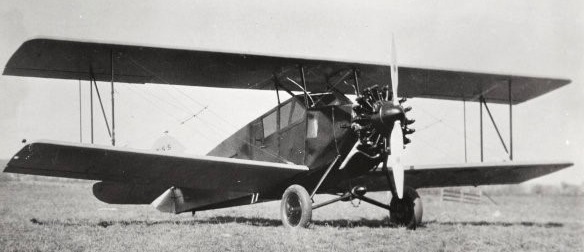
The first design from the Detroit-based Stinson Aircraft Syndicate was the Stinson SB-1 Detroiter, a four-seat cabin biplane with novel features such as cabin heating, individual wheel brakes and electric starter for the nose-mounted 220 hp (164 kW) Wright J-5 Whirlwind engine. The Harley Davidson brakes were demonstrated on a snowy maiden flight requiring wheel chains to be added to prevent skidding.

The prototype sold to Horace Elgin Dodge, first production model sold to John Duval Dodge of Dodgeson.

A 1928 photo of Eddie Stinson in front of an SB-1
Stinson SB-1 Detroiter NC1419 msn 112

The SB-1 was much modified.

Twenty-six SB-1 were built.

This aircraft was soon developed into the six-seat Stinson SM-1D Detroiter, a braced high-wing monoplane version which made its first flight on 25 January 1926.

SB-1

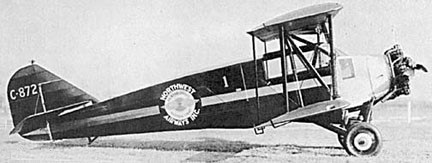
Certified ATC 24, the 1926 SB-1 Detroiter was equipped with electric starter and individual wheel brakes. They sold for $11,000-12,000.

Of the 26 built, the first planes went to Northwest Airlines.

Stinson SB-1 NC872 c/n 1

ATC 2-330 in 1931 was for SB-1 powered by 200hp Wright J-4 as Detroiter Special (3 conversions).

SB-1 Prototype
Wingspan: 35’10”
Length: 28’10”
Useful load: 1470 lb
Max speed: 125 mph
Cruise: 100 mph
Stall: 46 mph
Ceiling: 13,500′
Seats: 4-5

SB-1 Detroiter
220hp Wright J-4
Wingspan: 33’9″
Length: 28’1″
Useful load: 1200 lb
Max speed: 125 mph
Cruise: 105 mph
Stall: 45 mph
Range: 500 mi
Seats: 4-5

Stinson M

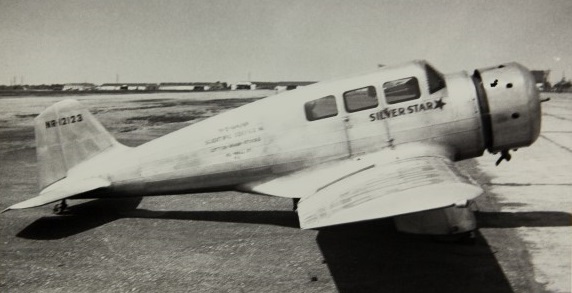
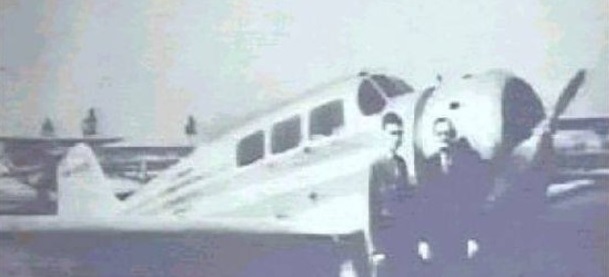
Stinson Model M Serial number 32000, the only one built, was built in August 1932 at Wayne Michigan with a 240 hp Lycoming R-680-BA engine. It was of all metal construction and originally licensed in the Restricted category as NR12123. The engine was at some stage changed to a 220 hp Wright J-5.

Stinson Aircraft used it for making speed tests from Detroit to different parts of United States and Canada.

Stinson sold to the airplane in March 1934 where it was again used in the restricted category for advertising purposes at various air meets and races. The airplane was eventually purchased by William D. Gann (successful mathematician & investment broker) who used it to make crop/commodity survey’s – he named the airplane “The Silver Star”. Repowered with 400hp Wright as Silver Star for competition in the 1934 Nationals, but did not run.

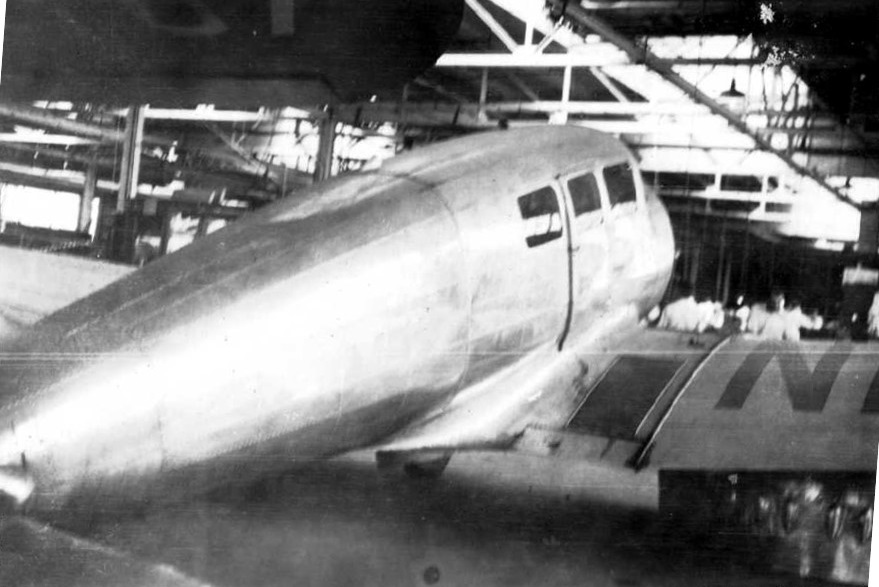
Stinson Model M, NR12123, inside the Stinson Wayne factory 1932-33

Gann ended up in a battle with the Department of Commerce over licensing the airplane since it was never built under a Type Certificate or a Group 2 Approval. The airplane was eventually sold to Santos Melido Marte in Miami (former Secretary of State of the Armed Forces of the Dominican Republic) and flown out of the US (without any US Customs approvals) on 11 August 1937 to the Dominican Republic. There is no record of the airplane after it left the US.

Gallery

Stinson L

The 1934 Stinson L was a four-place cabin, low-wing monoplane with retractable undercarriage. Designed by Robert Hall, after first testing, the experimental taper-wing design was deemed too difficult for average pilot, and was cancelled. Only the one, NX14199, was built, powered by a 225hp Lycoming R-680B engine.