1961: So 18, 2-chrome, Marunouchi, Chiyoda-ku, Tokyo
Successor to Nakajima Aircraft Company, established 15 July 1953 with factory at Utsunomiya City. Built Cessna L-19E Bird Dog observation aircraft under license. Concluded agreement with Beech in November 1953 to manufacture Beech B45 Mentor trainers; total of 124 built, deliveries commencing August 1954. From Mentor Fuji developed LM-1 Nikko four-seat liaison aircraft, first flown June 1955. Similar two-seat KM-2 developed. KM-2B with widened fuselage and tandem seating for two selected as JASDF primary trainer in August 1975. Fuji assembled or built more than 120 Bell 204B/B2 helicopters from 1962. Fuji T-1 two-seat jet trainer was first postwar Japanese jet aircraft. Forty T-1 As built with Bristol Orpheus engines, and 20 T-1 Bs with Japanese engines. FA-200 Aero Subaru four-seat light aircraft first flown August 31,1965 (nearly 300 built). Work on FA-300 twin-engined light transport began 1971, continued as joint venture with Rockwell International, U.S.A., following agreement signed June 28,1974, as Rockwell Commander 700; prototype first flown in Japan on November 13,1974 and 30 delivered before cooperation ended in 1980 (also development of the higher-powered FA-300/Commander 710 then ended). Current programs include production of the T-5 primary/basic trainer for the JMSDF (as turboprop development of the KM-2, with KM-2Kai prototype flying in April 1988) AH-1S attack helicopter, 205B/UH-1J general purpose helicopters (205Bs from 1995, military UH-1s from 1993), participation in the Mitsubishi F-2 program, subcontract work on the Mitsubishi F-15J and Kawasaki P-3C and T-4, manufacture of assemblies for a range of Boeing airliners, production of UAVs, and participation in space programs.
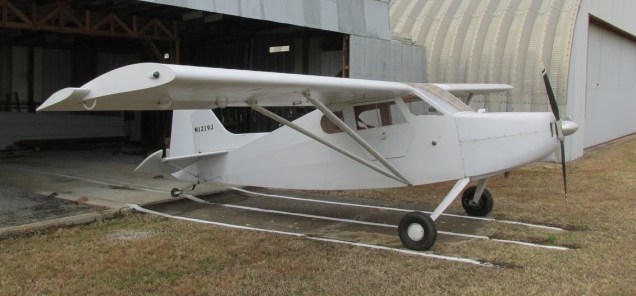
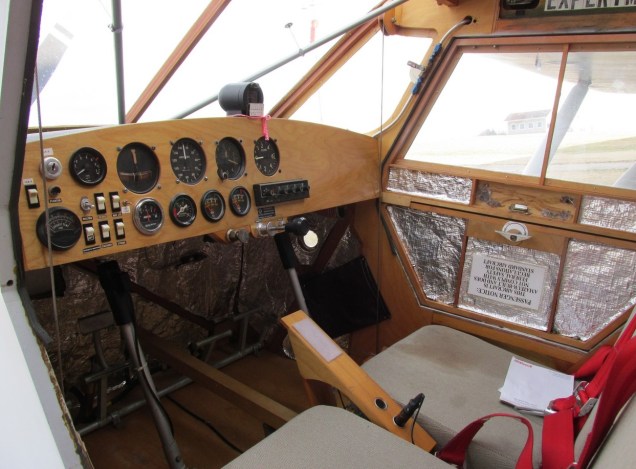
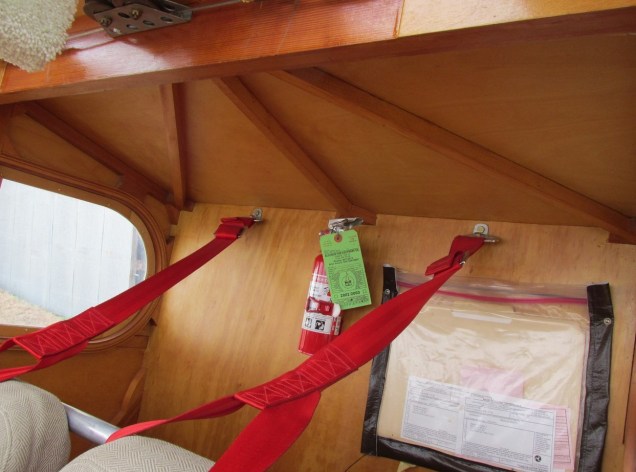
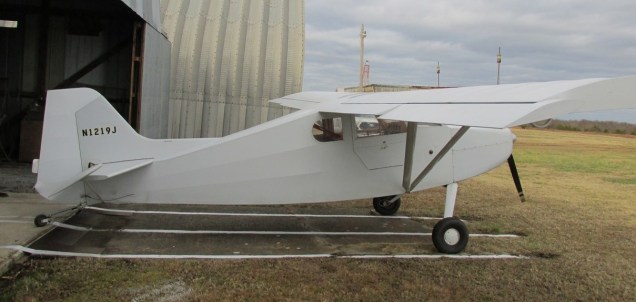
Built in 2003, the Franklin Woodsy 1 N1219J S/N: 1 is an experimental, one of a kind, all wooden, home-built aircraft. A two-seater powered by a Subaru auto engine, the Woodys is very aero-dynamically balanced and has a slow stall speed. The all wood structure has tapered steel rod landing gear and Freise ailerons. Wingspan is 28 ft and cruise 100 mph. It is equipped with two 12 USgallon wing tanks and 3-blade, ground adjustable prop.
In 2020 the Woodsy 1 was for sale with 317 Hours Total Time, engine and airframe. It was located at Wagoner, Oklahoma, USA, and priced at USD$20,000.
Found Brothers Aviation was formed in 1946 to produce a new design by Captain S.R. Found, the Found FBA-1A. The FBA was a four-seat cabin monoplane designed by Captain S. R. Found. The FBA-1 was a high-wing monoplane powered by a 140 hp (104 kW) de Havilland Gipsy Major engine, designed from its inception to be operated on wheels, tundra tires, skis and on floats. The prototype first flown 13 July 1949. Only one was built and it was developed into an all-metal four/five seater, the Found FBA-2.
Developed version designated FBA-2A flown August 11, 1960. It is a high-wing monoplane with a fixed tricycle undercarriage. The production version was to be the Found FBA-2B but the aircraft was produced with a conventional tail-wheel landing gear as the Found FBA-2C.
The first production FBA-2C was a five-seater flown on 9 May 1962. It is powered by an Avco Lycoming O-540-A1D engine and had a slightly longer cabin and enlarged cabin doors than the prototype. Originally, float or ski landing gear was available through third parties, and later became a factory option. Production ended in 1965 to concentrate on building the newer and larger Centennial 100. Thirty-four had been built.
In 1996 the design was acquired by Found Aircraft Development who developed an improved model the FBA-2C2 Bush Hawk-XP. This model was certified by Transport Canada in March, 1999 and by the Federal Aviation Administration in March, 2000. This version was manufactured between 2000-2007, after which it was replaced by a new version of the same basic airframe, designated the Expedition E350 and the Expedition E350XC.
Expedition E350
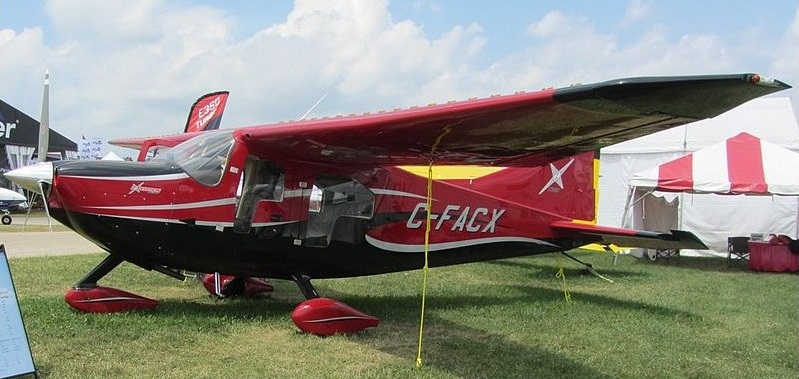
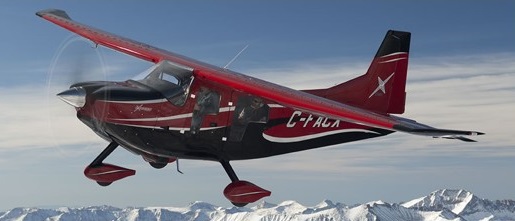
The E350 was a development of the basic FBA-2 aimed at the personal use market. The Expedition E350 was FAA type certified in December 2008. The aircraft can be equipped with four or five seats and has a full fuel payload in excess of 900 pounds. It is powered by a Lycoming IO-580 powerplant producing 315 hp (235 kW). The E350 was designed with rugged landing gear for operating from unprepared surfaces and has STOL performance.
Found Aircraft went into receivership in 2013 and production ended after 68 were built.
New Zealand aircraft manufacturer Pacific Aerospace Limited (PAL) acquired the ownership and manufacturing rights of the E-350 Expedition from Found Aircraft after it went into receivership.
Already FAA-certified, the E-350 was to be manufactured at Pacific Aerospace’s headquarters in Hamilton, New Zealand, from the second quarter of 2017.
PAL launched a joint venture company, Beijing Pan-Pacific Aerospace Technology (BPAT), in Changzhou, China, which will manufacture the P-750 SETP and, in the future, the E-350. Once the E-350 is established in China, there is the option of assembling the aircraft in a brand new facility at Changzhou
The E-350 is powered by a 325-hp Lycoming IO-580 with a turbo-charged engine option. It can carry a full load of passengers, baggage, and fuel for 750 nautical miles.
E-350 Expedition
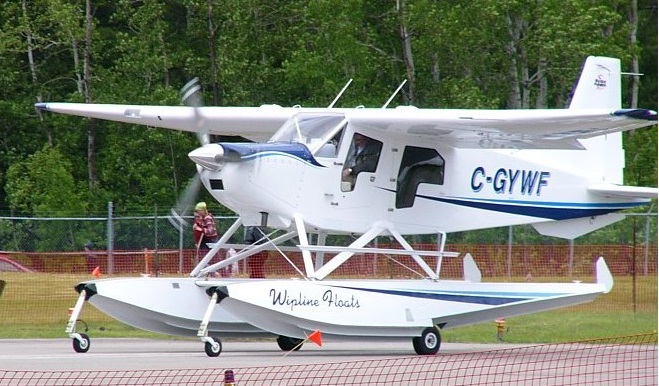
The E-350 Expedition is a five seat design coupled with a four door design, including two large rear cabin doors, allows for easy loading/unloading of people and cargo.
The Expedition cabin is 53 inches and each individual rear seat can be removed quickly and stored easily. Every Expedition comes standard with float attachment kits, so the E-350 can easily be turned into a big payload, high-performance floatplane.
In September 2016, the E-350 Expedition tooling was shipped to its Hamilton, New Zealand plant. Pacific Aerospace planned to relaunch production of the five-seat type in the first half of 2017, but this date was not achieved. It is also planned to produce the E-350 in its joint venture plant in China with Beijing General Aviation Company. The joint venture will be known as Beijing Pan-Pacific Aerospace Technology.
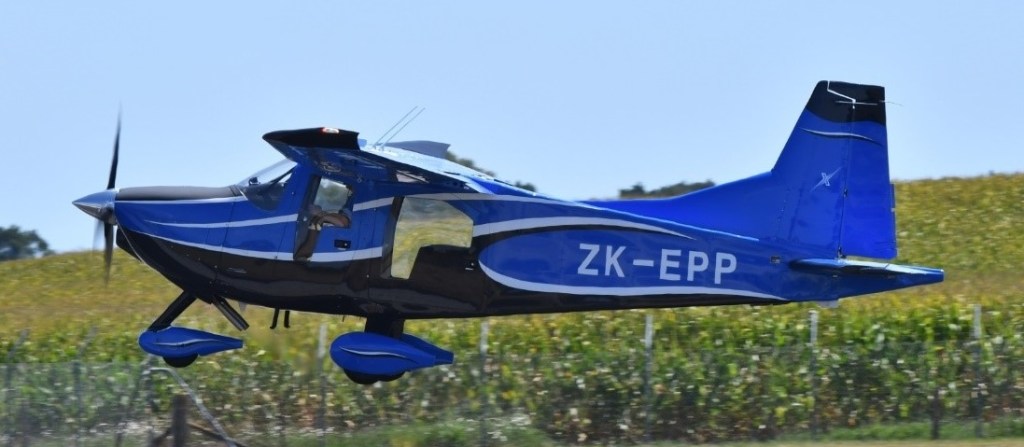
On 3 February 2021, E-350 Expedition #315 made its first production flight, at Hamilton, New Zealand. Piloted by PAL company pilot Ray Long the aircraft was to receive a CoA then be on its way to PAL’s North American dealer Northwest Back Country Aircraft in Boise, Idaho.
E-350 Expedition #315 ZK-EPP
Variants
FBA-1A Engine: 1 × de Havilland Gipsy Major, 140 hp (100 kW) Wingspan: 30 ft (9.1 m) Wing area: 165 sq ft (15.3 m2) Length: 25 ft 4 in (7.72 m) Height: 9 ft (2.7 m) Crew: 1 Capacity: 3 passengers
FBA-2 Prototype, one built.
FBA-2C Initial production variant, 26 built. Engine: 1 × Avco Lycoming O-540-A1D, 250 hp (190 kW) Propeller: 2-bladed Hartzell constant-speed, 7 ft 4 in (2.24 m) diameter Wingspan: 36 ft 0 in (10.97 m) Length: 26 ft 5 in (8.05 m) Height: 8 ft 4 in (2.54 m) Empty weight: 1,550 lb (703 kg) Max takeoff weight: 2,950 lb (1,338 kg) Fuel capacity: 56 imp gal (67 US gal; 250 L) Wing area: 180 sq ft (17 m2) Maximum speed: 147 mph (237 km/h, 128 kn) at sea level Cruise speed: 129 mph (208 km/h, 112 kn) at 5,000 ft (1,500 m) (econ cruise, 60% power) Stall speed: 48 mph (77 km/h, 42 kn) (power off, 35 degree flaps) Range: 610 mi (980 km, 530 nmi) Service ceiling: 16,000 ft (4,900 m) Rate of climb: 1,100 ft/min (5.6 m/s) Crew: 1 Capacity: 4 passengers
FBA-2C1 Bush Hawk 300 Improved variant with a 300hp Lycoming IO-540L, one built.
FBA-2C1 Bush Hawk XP Production variant of the Bush Hawk 300, 31 built.
FBA-2C2 Bush Hawk 300XP Minor changes, 6 built.
FBA-2C3 Expedition E350 Tricycle landing gear first flown in 2006, 3 built.
FBA-2C4 Expedition E350XC Tail-wheel, one built.
FBA-2D Proposed variant powered by a 290hp Lycoming engine, not built.
Canada Established at Malton, Ontario, in 1948 to build four-seat cabin monoplane designed by Captain S. R. Found. FBA- 1A prototype first flown 13 July 1949. Developed version designated FBA-2A flown August 11,1960, and FBA-2C five-seater on 9 May 1962. Six-seat Model 100 Centennial, with 290 hp Lycoming engine flown April 7,1967 and superseded earlier models.
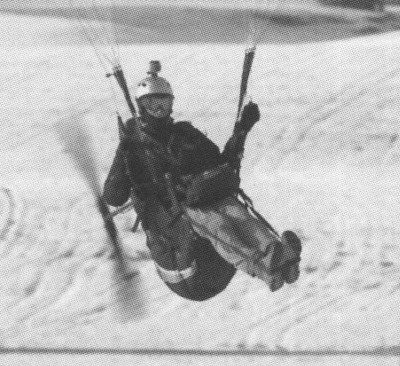
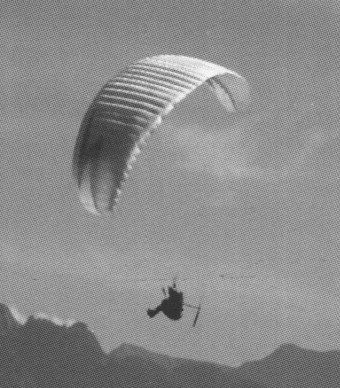
In the northern spring of 2011, a new electric paramotor was introduced. Developed by Werner Eck, Geiger Engineering, Electric Sports, Flytec, and Charly Produkte, the Scott-E uses Flytec’s electric drive system.
The benefits of electric are many; vibration-free, very quiet take-off and flying without CO2 emissions. No fuel and oil Stench during transport. After flight, there are no hot engine parts that dirty your hands or burn your fingers.
The electric drive system, developed by Geiger/Eck and produced by Flytec, has an engine power of approximately l kW per 0.33 kg weight, it achieves an energy conversion efficiency of approx. 94% (a common gas engine is just 5%).
The brushless HM 10 engine is maintenance free. There are no engine parts subject to mechanical abrasion. The complete drive system is protected worldwide by several patent records.
Batteries can be charged from any domestic socket and last for approx 1000 charging cycles.
The Scott-E features an optimised propeller for performance efficiency and it has a minimal noise level which is far below the legal requirements. It is also retractable for the speed range and built for the stresses and strains characteristic for paragliding.
Charly Produkte has designed an innovative all-round harness specifically for to the Scott-E which provides full comfort and safety to the pilot during motor – as well as during free flight use.
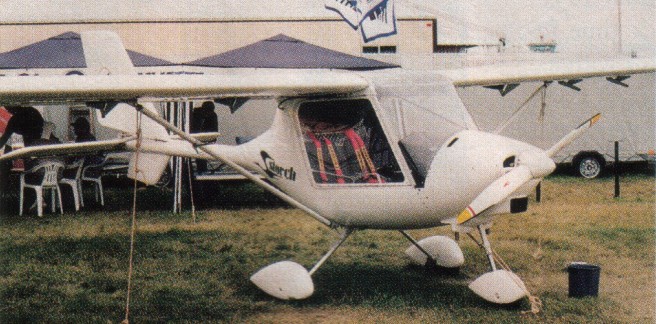
Storch is a composite two seat ultralight, three-axis aircraft. Power can be from the Rotax 503 to a Rotax 912 or Jabiru. The 912 version has carbonfibre wings to keep it inside the weight limit.
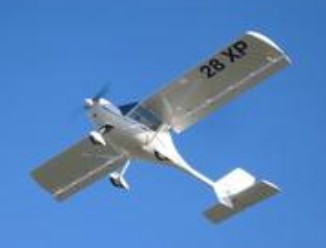
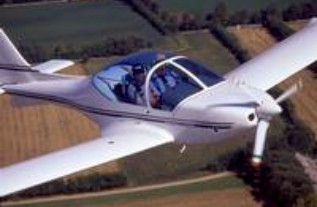
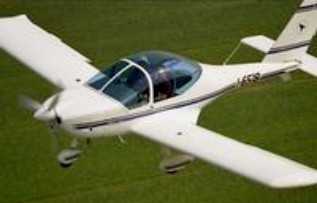
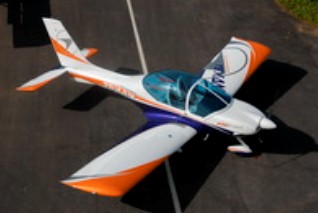
The Texan is a two seat ultra-light plane. As a true three-axis low wing aircraft, it has been designed to get maximum performance when compared to the more traditional aircraft designs. With its high aerodynamic efficiency the Texan is a master at short take-off and landing runs, rapid climbs and fast cruises with modest fuel consumptions. A unique feature of the Texan design is the elevated level of flight comfort for the pilot and passenger alike. With excellent views, extra cabin space and the very low noise level inside the cockpit, occupants can now enjoy comforts usually found only in commercial aircraft. Texan 600 LSA is a two seats, three-axis, low wing, designed to obtain very good performance, maximum comfort, excellent views, very low noise level inside the cabin, elevated standard of quality and construction compared to the traditional designs. It has been designed for the new Light Sport Aircraft category. With its high aerodynamic efficiency the Texan is a master at short take-off and landing runs, rapid climbs and fast cruises with modest fuel consumptions. To strengthen the high value of this project, the aircraft is also very easy to fly, with perfect control even at low speed. Our engineers have designed the Texan to give the owner a durable and low maintenance plane for the life of the aircraft. When it comes to crash safety the Texan has a re-enforced structure ensuring the strongest possible fuselage. The windshield also has a roll over protection bar further increasing occupant safety.
Texan Top Class
The wing is a rectangular type with laminar profile and separate flaps that work independently to the ailerons. Both flaps and ailerons are integrated into the profile of the wing. This configuration allows a wide range of low resistance control due to the wake of the airflow permitted by the use of both features. Each semi-wing is constructed using high tech composite materials. In fact the internal wing structure is made with carbon fiber resin and honeycomb sheets with the advantages being reliability, structural strength and lightness. Ailerons and flaps are fully composite type. The linkages and their relative hinges are fixed directly to the composite structure. Each aileron is hinged on a support fixed to the wing and the movement is directly braked and balanced by counterweights that also prevent flutter phenomena. Each wing is connected to the fuselage through particular anchorage points and the spars are linked with specially designed bolts. The wing is a “wet” type, with fuel tank integrated in the wing shells and with a capacity of 50 lt. of fuel each. The fuselage is integrally constructed in carbon fibers and honeycomb. Five ribs further strengthen the self-supporting structure guarantee the rigidity of the fuselage system. The tail boom is made in carbon fibers materials and it is an extension of the same structure of the fuselage. The front zone of the fuselage is delimited by a firewall made of steel and strong enough to accommodate the engine mounts and associated bolts. The cabin is closed by folding Plexiglas canopy. The Plexiglas thermoformed windshield has been fixed to the cell through screws and allows for very good visibility outside; it has been redesigned with a more aerodynamic shape. The fuselage support the landing gear system and it’s special strengthened absorb vibrations, shocks and bumps that may be experienced during rough take off and landing. The two seats are made with composite matrix structure, fastened directly to the fuselage frame through screws. Each seat is adjustable and upholstered in a soft fabric material or optionally available in alcantara®. Both safety seat belts are securely fastened directly to the structure of the fuselage through bolts. The empennages are constructed entirely in composite materials to guarantee lightness and structural rigidity. The fin is an integral part of the tail boom and is opportunely fixed to the rudder section. Rudder movement is achieved via two metal hinges especially designed and fixed directly to the composite structure. The elevator is a complete extension of the whole surface type and is frontally attached to the stabiliser through an oscillating support that is rigidly connected to the tail boom. The elevator includes a trim on pitch axis that is directly adjustable from the cockpit (optional electric control servo) and that eliminates the need for an anti-tab function. To avoid flutter the elevator have been provided with balancing counterweights. A special lower fin is fitted in the lower part of fuselage boom. The landing gear system is a fixed tricycle type with pivoting forward gear. The main gear is composed by two legs of rectangular section made of aluminium alloy type 2024 T3 and fixed to the fusolage by two bolts . An additional metal structure connects each leg to the longitudinal rib of the fusolage. The front gear is pivoting type, free to rotate during take off , landing and ground manouvres and is composed by a beam of aluminium alloy type 2024 T3 which acts as a spring. The two wheels of the main gear are made by aluminium alloy of the separable split-rim type. Each wheel comes with sealed bearings and tires with air chamber. The brakes are the disk type with hydraulic command positioned in the pedals and acting on main gear wheels. The steering front wheel is achieved by the rudder pedals. The wheel is made by nylon separable split-rim type, with sealed bearings and tire with air chamber. To reduce drag, wheels and legs are covered with fiberglass fairings. The aircraft is governable around three axes by the ailerons, the elevators and the rudder. The cloche, through rigid aluminium push-pull rods, controls the ailerons and elevators. Ailerons is designed to guarantee the differential command using hinges with spherical terminal that synchronises the whole command mechanism, ensuring a low friction and precise movement. Stainless steel cables connected to the pedals control the rudder. The elevator is provided with an automatic anti-servo tab that can be controlled by the trim on the pitch axis. The flaps are situated in the nearest part of the wing root. These are operated through an electric servo actuator and it is also provided with an indicator, positioned on the instrument panel that shows the angle of deflection measured in degrees.
Texan 600
Equipped with the powerful and appreciated Rotax 912 ULS, four cylinders, four stroke, reduction geared propeller with mixed air/water cooling system. TEXAN LSA is supplied in a basic configuration with the followings flight and engine instruments: Airspeed indicator Turn coordination Altimeter Rate of climb indicator Magnetic compass RPM indicator Flap position indicator Two fuel level indicator Two low fuel level warning lamps Generator warning lamp Oil pressure indicator Oil temperature indicator Fuel pressure indicator Cylinders Head Temperature Hour-meter Exhaust Gas Temperature Carburetor air temperature indicator. 2009 Price: 67500 EURO
The factory produced two versions of the Texan Top Class. The Texan Top Class 600 LSA and Texan 550 LSA. The 550 being the MTOW. The 600C comes with a castoring nosewheel and toe brakes.
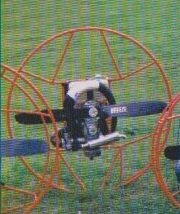
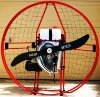
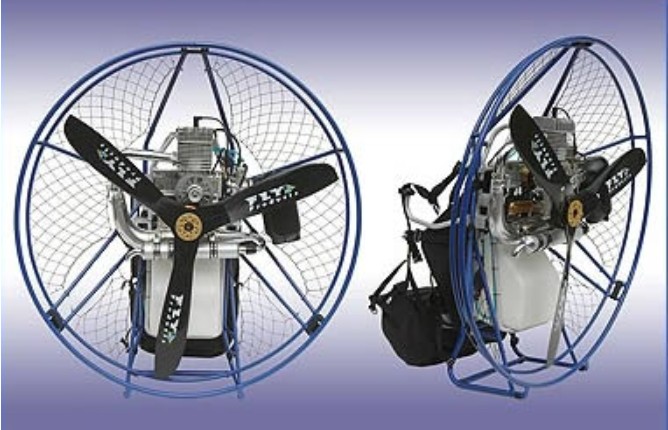
FLY Products Power Gold paramotor has a Simonini 28HP engine and Bing 84 self-adjustable carburetor).
The 2008 Power Gold 115/130 came with electric starter as standard. There was also an over-the-shoulder manual starter option available. This model is winner of Sun & Fun awards as best Powered Paraglider at the show, winner for 3 years of Parastars PPG Convention thrust contest and winner of the Albuquerque American Flyer fly-in thrust contest.
Price included: Simonini G24 engine of 28 HP 200cc, electric starter (optional easy-over-the-shoulder manual starter upgrade available), Bing 84 self-adjustable carburetor (no carburetor tuning required), chromed tune pipe exhaust plus maze silencer, deluxe throttle with low fuel warning light, start / stop switch and adjustable cruise control, deluxe harness with high density foam back protector, quick release buckles and press gate carabiners, distance bars with anti-torque system and weight shift control, aeronautical aluminum frame and 3 piece dismountable double ring cage, stainless steel hardware, 4.5 gallon gas tank for 3.5 hours of flying time, 2 blade wooden propeller (carbon fiber 2 blade propeller, composite 2 blade puzzle type propeller or composite 3 blade puzzle type propeller upgrades available), maintenance tool kit, owner’s manual and 6 month engine manufacturer defect warranty.
Power Gold 95 Engine: Simonini Mini 2 Plus (G24) Cylinders: 1 cc: 206 hp: 28 Dry weight: 64 lb Reduction ratio: 2.4-1 Fuel capacity: 4.5 USG Endurance: 3.5 hr Max pilot weight: 200 lb Prop blades: 2 Prop diameter: 37 in Static thrust: 140 lb Electric start: yes
Power Gold 115 Engine: Simonini Mini 2 Plus (G24) Cylinders: 1 cc: 206 hp: 28 Dry weight: 66 lb Reduction ratio: 2.4-1 Fuel capacity: 4.5 USG Endurance: 3.5 hr Max pilot weight: 245 lb Prop blades: 2 Prop diameter: 45 in Static thrust: 162 lb Electric start: yes
Power Gold 130 Engine: Simonini Mini 2 Plus (G24) Cylinders: 1 cc: 206 hp: 28 Dry weight: 68 lb Reduction ratio: 2.4-1 Fuel capacity: 4.5 USG Endurance: 3.5 hr Max pilot weight: 285 lb Prop blades: 2 Prop diameter:51 in Static thrust: 184 lb Electric start: yes
 All Aero