JAI / Deltaplanos Club Ikar / Ícaro

Delta Plane Club “Ikar” (Russian: Дельтапланерний клуб ХАИ Икар) – Delta flight club created in 1976 at the JAI as a section of the OSKB of Kharkov Aviation Institute.

The Ikar (Ícaro) deltaplane club was created in 1976 as a dependency of SKB JAI. Its objective was to interest students in the process of technical development of aviation in this new discipline that was only just gaining strength in those years. The decision to create the club as an independent unit within the OSKB was taken after the visit of the JHA team made up of Vladimir Selyukov and Igor Katckar at the Soviet Championship held in the USSR in 1976.

It was assigned to the new club and received a space in a workshop behind the Impulsos building, where it continues to operate. At that time students were not afraid to climb their deltaplanes to the second level via a narrow iron staircase with two landings. Nor is that a problem today, despite the fact that the new models have increased their dimensions and weights.

During the years of existence of the JAI Deltaplanes Club, more than 50 deltaplanes of all generations have been built. It is noteworthy that this club during the years of Soviet power was one of the leaders in the projection and construction of advanced deltaplanes. The club’s athletes frequently won awards and medals at Soviet and Republican events. More than 50 JAI students passed through the flight school.
After the fall of the USSR

During the process of the fall of the USSR the club did not cease its activities. Training flights were carried out every Sunday and lectures were given daily and the availability of flight material was maintained. All the weight of the training in the early 90’s fell on two copies of the Slabutich UT type, of which one had to be discharged in 1994, due to its physical condition. In 1998, the Oduvanchik sport deltaplane, designed and built by Sergei Agafonos, was also decommissioned. These deltaplanes in their time proved to be superior to most of the sports models of the time, which allowed JHA athletes to triumph in the USSR championships, Ukraine and those held in Crimea, Alma-Ata and the Caucasus. By the early 1990s, even the Sport-14 and Sport-15 models were already out of date and even with improvements, they were unable to compete with modern types. Maintained with scarce student resources, these devices managed to keep the club’s spirit alive and continue to develop the skills of the club’s new pilots.

It was clear to all that primary education could be achieved on any deltaplane, but once some experience was gained, obtaining a sports master’s degree was only possible using competitive models. With the support of the club members and with the help of several graduates of the institute, it was possible in 1998 to create the first Studient deltaplane , designed by JAI graduate Sergei Serguyev, but the enthusiasm does not generate funds, so the next The specimen could only be built after four years.
Actual state

In July 2002 another Studient was built and by August 2003 another training model could be built, this time with a smaller wing area and intended for light weight pilots.

A new sports model would only appear in October 2003 in the form of the excellent Stealth-JAI device, of which seven copies have been built.
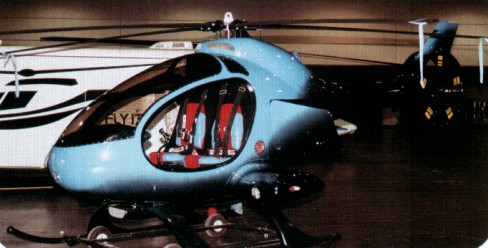
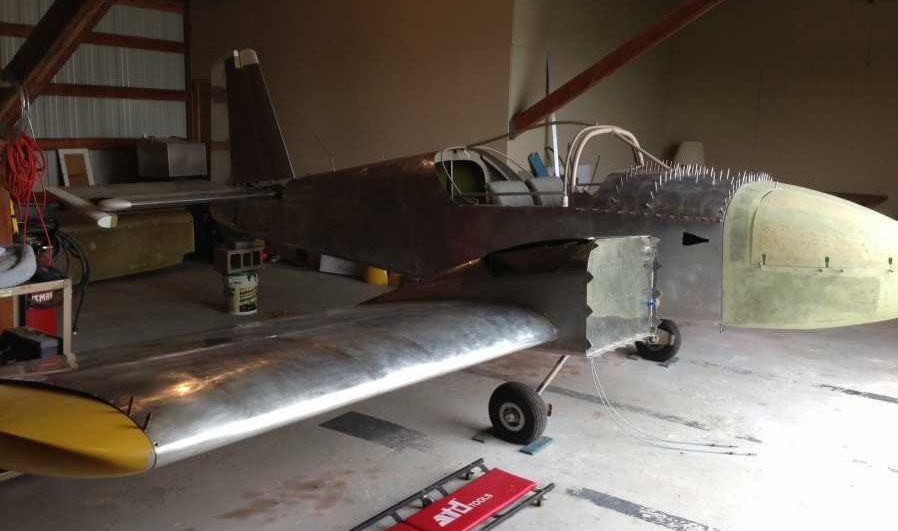
JAG Twin Jag

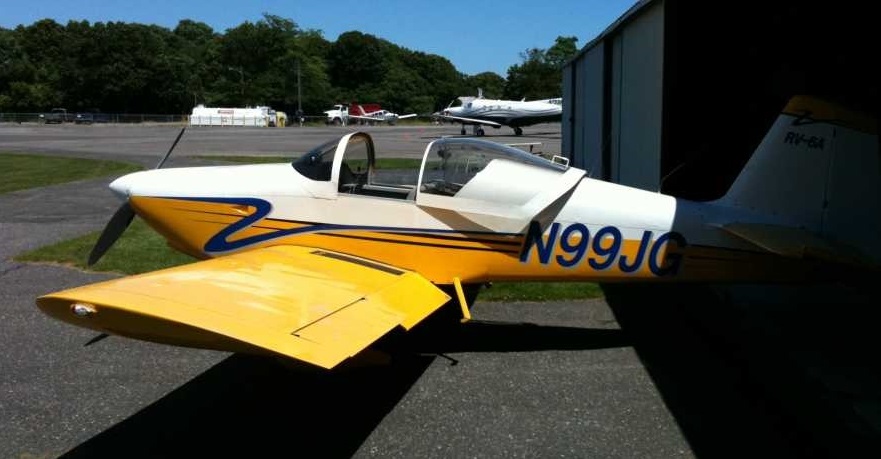
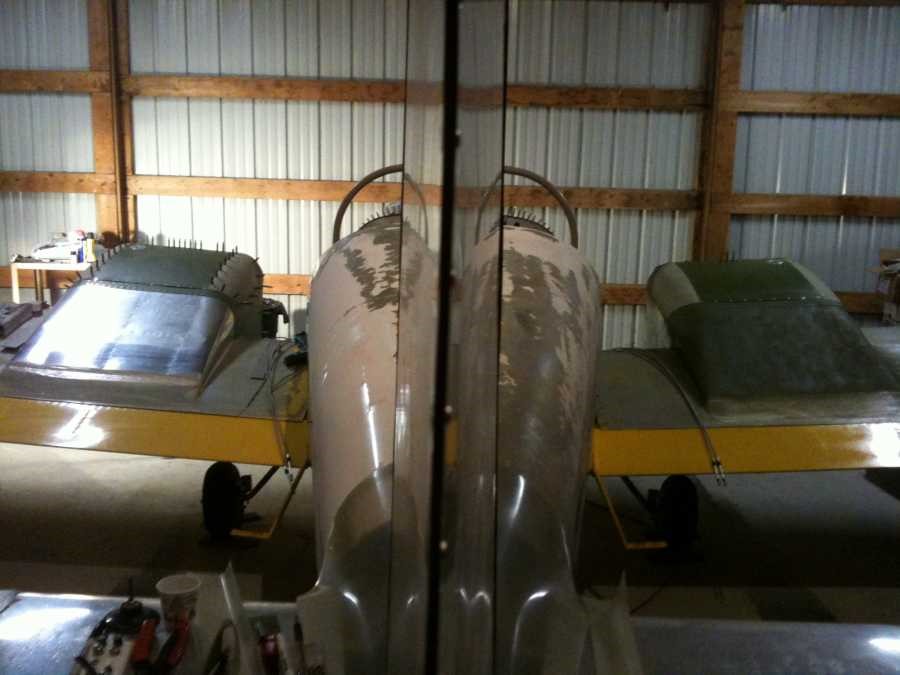
The Twin Jag project started life as a completed RV-6A, which was built and flew for 250 hours.
Some modifications include, but not limited to:

  1. Installing 2 Corvair 3000cc 120hp direct drive with Weseman 5th bearings. Weseman billet crankshafts.
  2. Custom made carbon fiber props.
  3. Unique prop brake system in lieu of constant speed feathering props.
  4. Increased wingspan by 40″.
  5. Installed RV-9 tail.
  6. Re-designing nose gear with 4130 tubular gear & urethane dampening (similar to RV-10).
  7. Many more mods.

The Twin Jag is a side-by-side 2 seat twin-engine cross country aircraft. It will be IFR capable with dual Dynon Skyview EFIS.

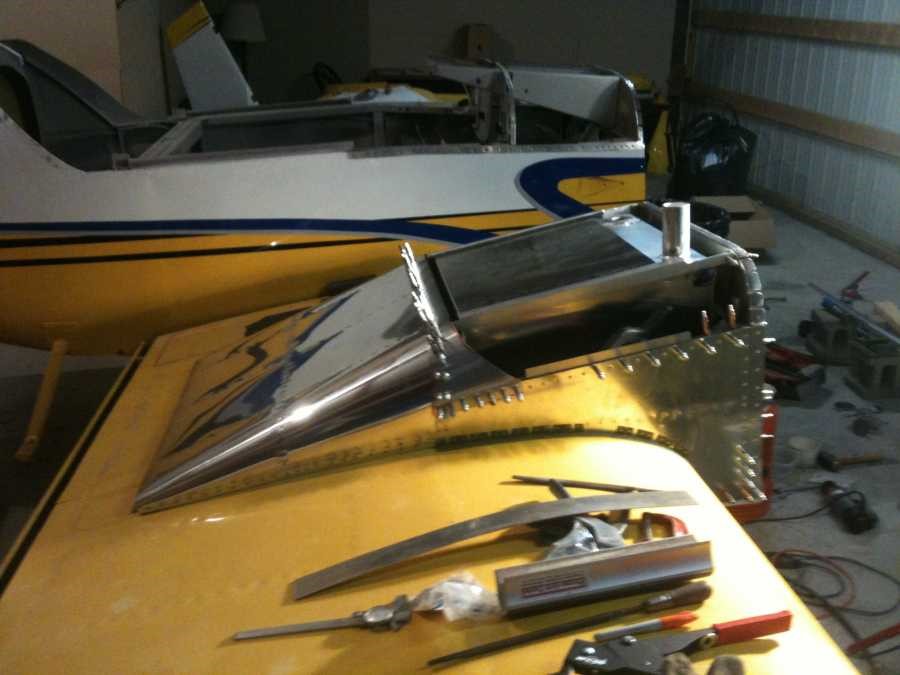
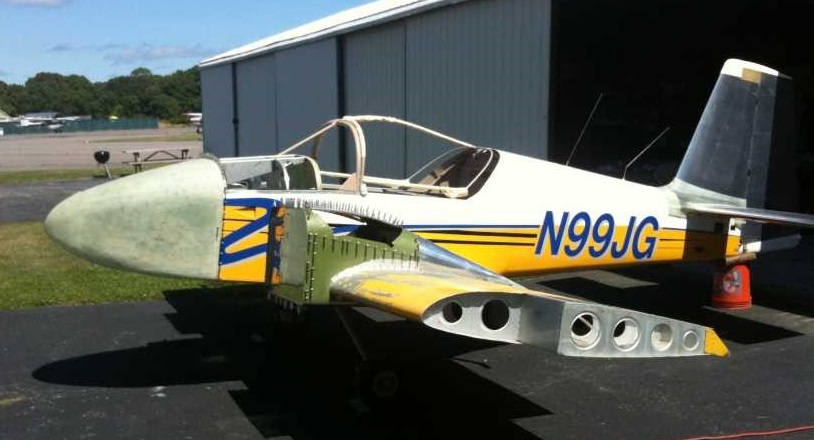
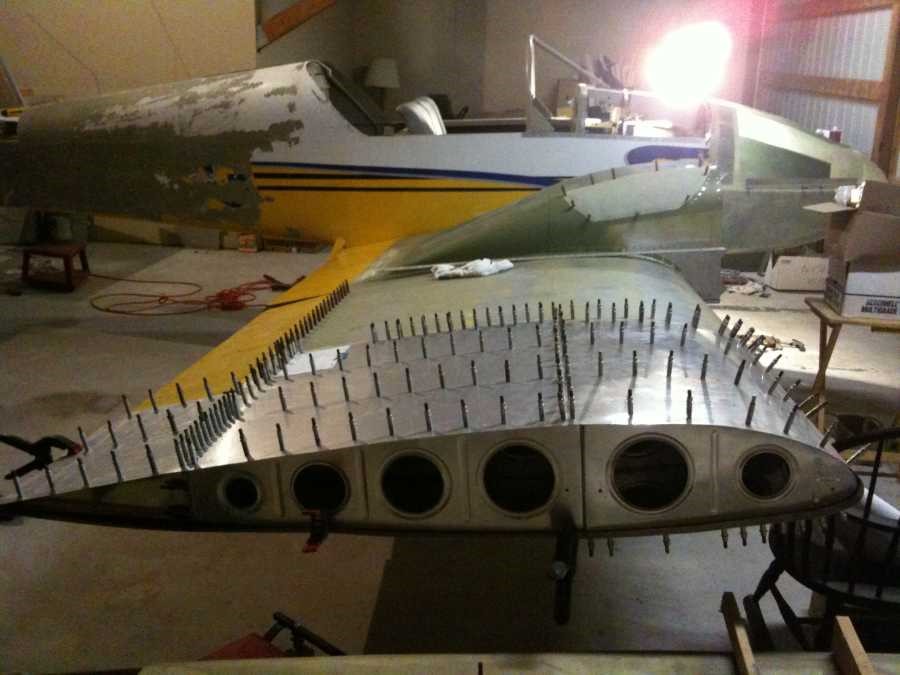
By January 2013, both nacelles complete. Custom motor mounts being fabricated. Riveting right wing extension now, left wing extension riveting to follow. Center console 75% complete. Fabricating nose gear/baggage shelf in next few weeks. All fibreglass work still in rough stages of completion…lots of filling & sanding ahead.

Engines: 2 Corvair 3000cc 120hp

Jabiru 5100

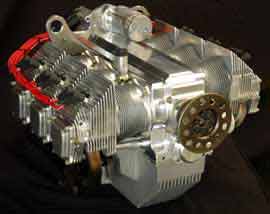
The Jabiru 5100cc Aircraft Engine is a 8-cylinder 4-stroke horizontally opposed air cooled engine. At 257lbs/117kg installed weight the Jabiru 5100 engine is ideal for many of the existing larger homebuilt aircraft such as the RV6/7, Glastar, Lancair & Glasair. The 5100 was in limited production.
Overall dimensions are small. It’s 21.12″/638mm width allows tractor applications with very small frontal areas. The Jabiru engine is designed for either tractor or pusher installation.

Jabiru 3300

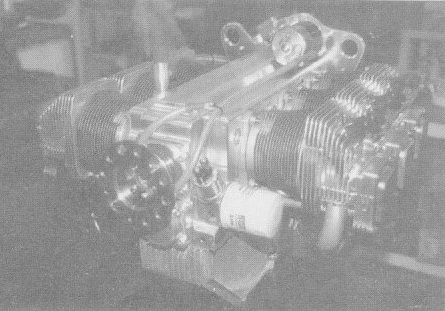
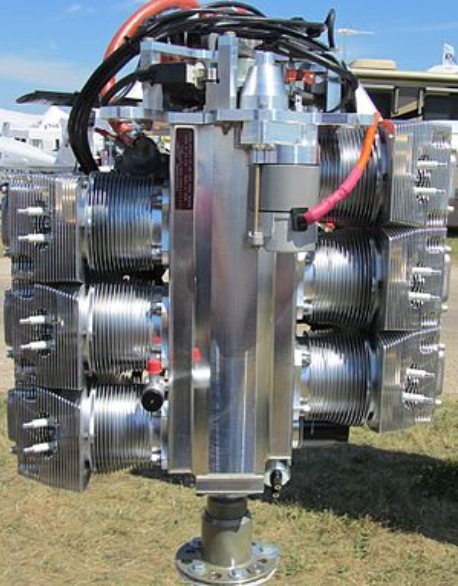
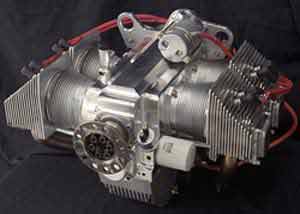
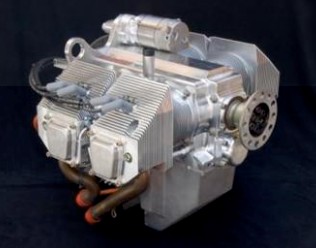
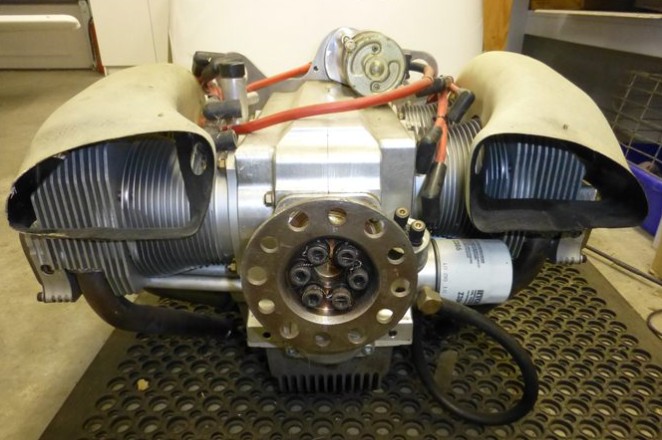
The Jabiru 3300cc Aircraft Engine is a 120hp 6-cylinder 4-stroke horizontally opposed air cooled engine. At 180lbs/81kg installed weight the Jabiru 3300 Aircraft Engine is an ideal replacement for 100-120HP equivalents.

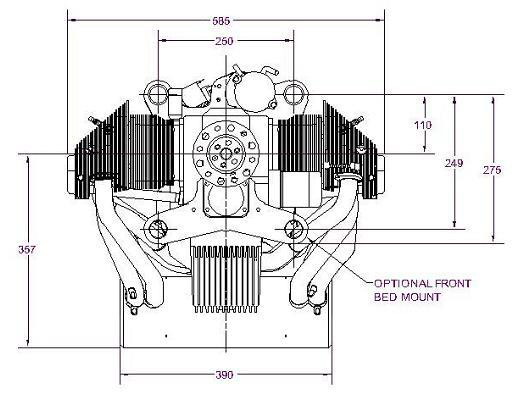
Overall dimensions are small. Its 23.46″/596mm width allows tractor applications with very small frontal areas. The Jabiru engine is designed for either tractor or pusher installation.

The Jabiru 3300 engine features direct propeller drive, 1 central camshaft, push rods, over head valves (OHV), ram air cooled, wet sump lubrication, dual transistorized magneto ignition, integrated ac generator, electric starter, mechanical fuel pump, naturally aspirated – 1 pressure compensating carburetor, and 6 bearing crankshaft.
2010 Price $17,500

Applications:
Aerocomp VM-1 Esqual
Alpi Pioneer 300
Arion Lightning
Australian Lightwing SP-2000 Speed
BRM Argos
Bushcaddy R-120
Creative Flight Aerocat
CZAW Parrot
Fisher Dakota Hawk
Flaeming Air FA 04 Peregrine
Ion Aircraft Ion
Jabiru J230
Jabiru J430
Just Superstol
MySky MS One
Nexaer LS1
Rand Robinson KR-2S
Sonex Aircraft Sonex
Titan Tornado
ULBI Wild Thing

Type: Flat-6
Displacement: 3300 cc (134cu.in.)
Bore: 97.5 mm (3.838″)
Stroke: 74 mm (2.913″)
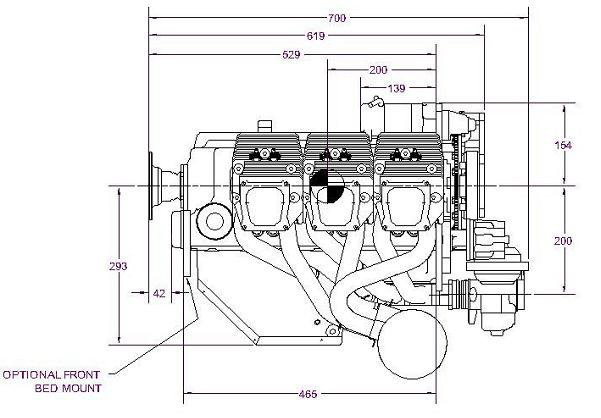
Length: 671 mm (26.42 in)
Width: 582 mm (22.91 in)
Height: 445 mm (17.54 in)
Dry weight: 81 kg (178 lbs) with exhaust, carburetors, starter motor, alternator & ignition system
Compression Ratio: 8:1
Directional Rotation of Prop Shaft: Clockwise – Pilot’s view Tractor applications
Ramp Weight: 178 lbs (81kg) complete including exhaust, carburetor, starter motor, alternator and ignition system
Ignition Timing: 25˚ BTDC fixed timing
Firing order: 1 – 4 – 5 – 2 – 3 – 6
Power Rating: 107 hp @ 2750 rpm continuous, 120 hp @ 3300 rpm intermittent
Fuel system: Mechanical fuel pump
Fuel consumption: 35 litres/h at Takeoff/Max. continuous rating
Fuel Consumption at 75% power: 26 l/hr (6.87 US gal/hr)
Fuel: AVGAS 100/130 or Auto Gas 91 MON (97 RON) Minimum
Oil system: Wet sump
Oil Capacity: 3.5 lt (3.69 quarts)
Oil: Aeroshell W100 or equivalent
Cooling system: Aircooled, Oil Cooling (optional, but usually necessary)
Spark Plugs: NGK D9EA – Automotive

Jabiru 2200

Jabiru 2200

The Jabiru 2200 Aircraft Engine is a 85hp 4-cylinder 4-stroke horizontally opposed air cooled engine. At 132lbs/60kg installed weight it can be installed in an aircraft at the same weight as most popular 2-stroke engines.

Overall dimensions are small. It’s 23.46″/596mm width allows tractor applications with very small frontal areas. The Jabiru engine is designed for either tractor or pusher installation.

It is an ideal replacement for the Rotax 582 2-cylinder 2-stroke; it is the same installed weight as the Rotax 582. It is also a lightweight, smaller-package alternative to all of the VW derivative engines and the Rotax 912.

Jabiru 2200 85 hp engine features 1 central camshaft, push rods, over head valves (OHV), wet sump lubrication, integrated ac generator, electric starter, mechanical fuel pump, dual transistorized magneto ignition, direct propeller drive, and a 6 bearing crankshaft.

2010 Price $13,500

Jabiru 2200 Engine
Jabiru 2200A

Specifications:
Displacement – 2200cc (134 cu in)
Bore – 97.5mm (3.838″)
Stroke – 74mm (2.913″)
Compression Ratio – 8:1
Prop Rotation – Clockwise from pilot view
Ramp Weight – 62.8kg (133lbs) Including exhaust, carburettor, starter motor, alternator, ignition system, regulator, propeller guides, engine mount rubbers, starter solenoid and muffler springs.
Power Rating – 64kW (85hp) @ 3300 RPM
Fuel – AVGAS 100/130, MOGAS >95
Fuel Consumption at 75% power: 15 l/hr (4 US gal/hr)
Oil Capacity – 2.3 Litres (2.2 Quarts)
Oil: Aeroshell W100 or equivalent
Spark Plugs – NGK D9EA Automotive
Ignition Timing: 25˚ BTDC fixed timing
Firing order: 1 – 3 – 2 – 4

Jabiru Engines

Jabiru engines are designed to be manufactured in small batch quantities using Computer Numerically Controlled (CNC) machine tools. The majority of the components are manufactured in Southern Queensland in a network of high technology small companies. The crankcase halves, cylinder, crankshaft, starter motor housings, gearbox cover (the gearbox powers the distributor rotors) and coil mounts together with many smaller components are machined using the latest CNC machine tools. The sump (oil pan) is the only casting.

The cylinders are machined from solid bar 4140 chrome molybdenum alloy steel, with the pistons running directly in the steel bores. The crankshaft is also machined from solid bar 4140 chrome molybdenum alloy steel, the journals of which are precision ground prior to being Magnaflux inspected. The camshaft is provided by a specialist camshaft manufacturer.

The engine is direct crankshaft driven and does not use a reduction gearbox. This facilitates its light-weight design and keeps maintenance costs to a minimum. The crankshaft features a removable propeller flange which enables the easy replacement of the front crankshaft seal and provides for a propeller shaft extension to be fitted, should this be required for particular applications.

Cylinder heads are machined from solid aluminium billet which is purchased directly from one of Australia’s largest aluminium companies, as is all alloy used in the engine, thereby providing a substantive quality trail to material source. Conrods are machined from 4130 alloy steel, the 45mm big end bearings are of the automotive slipper type.
Under a direct supply arrangement with Honda, various components of the engines are sourced. These items include camshaft followers, and the bendix gear in the starter motor. The ignition coils are also sourced from Honda, but are modified by Jabiru for their own particular application.

An integral alternator using rare earth magnets, provides alternating current for battery charging and electrical accessory drive. The alternator is attached to the flywheel and is driven directly by the crankshaft. The ignition system is a transistorised electronic system; two fixed coils mounted adjacent to the flywheel are energised by rare earth magnets attached to the flywheel. The passing of the coils by the magnets creates the high voltage current which is then transported by high tension leads to the centre post of two automotive type distributors (which are simply rotors and caps) before distribution to automotive spark plugs, two in the top of each cylinder head. The ignition system is fixed timing and, therefore, removes the need for timing adjustment. It is suppressed to prevent radio interference. The ignition system is fully redundant, self-generating and does not depend on battery power.

The crankshaft is designed with a double bearing at the propeller flange end and a main bearing between each big end; it therefore does not have flying webs. 48mm main bearings are also of the automotive slipper type. Thrust bearings are located for and aft of the front double bearing allowing either tractor or pusher installation.

Pistons are General Motors aftermarket made in Australia and are re-machined to include a piston pin circlip groove. They are fitted with 3 rings, the top rings being cast iron to complement the chrome molybdenum cylinder bores. Valves are 7mm (stem dia) which are purpose manufactured for the Jabiru engine in England.

The valve gear includes pushrods from the camshaft from the camshaft followers to valve rockers which are CNC machined from steel plate, induction hardened and polished on contact surfaces and mounted on a shaft through an aluminium bronze bush. Valve guides are manufactured from aluminium/bronze, as is found in larger aero engines and high performance racing engines. Replaceable valve seats are of nickel steel and are shrunk into the aluminium cylinder heads. The valve gear is lubricated from the oil gallery.

An internal gear pump, direct mounted on the camshaft and incorporating a small automotive spin-on filter, provides engine lubrication. An oil cooler adapter is provided. Most installations require an oil cooler to meet oil temperature limits.

The standard engines are supplied with two ramair cooling ducts, which have been developed by Jabiru to facilitate the cooling of the engine and direct air from the propeller to the critical areas of the engine, particularly the cylinder heads and barrels. The fitment of these obviate the need to design and manufacture baffles and the establishment of a plennum chamber, which is the traditional method of cooling air-cooled aircraft engines.
The engine is fitted with a 1 kw starter motor, which is also manufactured by Jabiru and provides very effective starting in all conditions. The engine has very low vibration levels, however it is also supported by four large rubber shock mounts attached to the engine mounts at the rear of the engine. An optional bed mount is available.

The fuel induction system comprises a Bing pressure compensating carburettor. Following carburation, the fuel/air mixture is transported to a small plennum chamber in the sump casting, in which the mixture is warmed prior to entering short induction tubes attached to the cylinder heads.

An effective stainless steel exhaust and muffler system is fitted as standard equipment, ensuring very quiet operations, which in the Jabiru aircraft have been measured at 62dB at 1000′ full power flyover (for 2200 engine).

For those owners wanting to fit vacuum instruments to their aircraft the Jabiru engine design includes a vacuum pump drive, direct mounted through a coupling on the rear of the crankshaft.

The Jabiru engine is manufactured within an Australian Civil Aviation Safety Authority (CASA) approved Quality Assurance System to exacting standards

As at October 2013, Jabiru Engines were offering:
2200 (4 cylinder)
3300 (6 cylinder)

Jabiru Twin

Len and Les Alford of Jabiru Aircraft Southern Africa suggested there was a market for a twin engine Jabiru in Africa. Parts of Africa are best flown over at a great height as the prevalence of wild animals and AK47’s tends to make you nervous about outfield landings and the comfort of two engines is hard to replace.

Len and Les completely build the Jabiru Aircraft under licence and service the whole of Southern Africa. The project was always intended to be a joint development and aimed at the South African market.

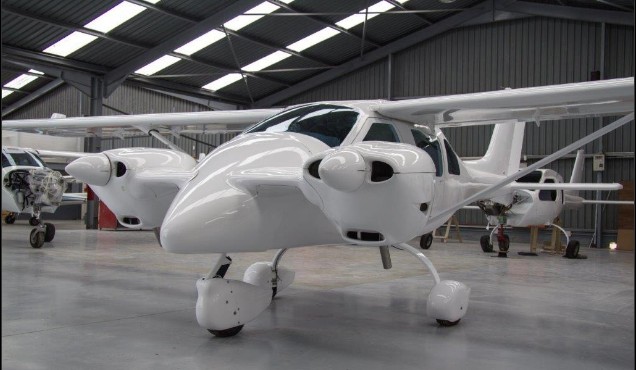
The complexity generated by hanging the engines off the wings. This would have meant going back to basics on wing structure and all the difficulties of fire proofing the wings etc. Another physical difficulty was the engine pods completely obstructed the entry and exit points to the cabin. The idea came of mounting the engines on a short canard mounted on the firewall. The propellers were quite close together to reduce the amount of asymmetric thrust on one engine.

At Jabiru Aircraft Australia, John Farmer made a streamlined nose for a J430 and the two engine pods. Engineer Tom Ferguson was given the task of testing the supporting structure for the engines. This took quite a while to get a structure light enough and strong enough to meet the FAR Part 23 standards. As usual most of the structure was built in composite with aluminium connections to the engines.

The firewall structure of the J430 is unchanged and the nose wheel stays where it is. This is a relatively simple bolt on modification.

When the structure was finished and the moulds were complete the project was shipped to South Africa where Len had to fit all this to a new aircraft and finish all the details to make it into a flying aircraft.

Len had the task to bring this raw prototype to a production item and to negotiate with the South African CAA on its terms of release to the public.

The conversion could be offered as a kit to be fitted to an existing experimental J430.

Jabiru Calypso

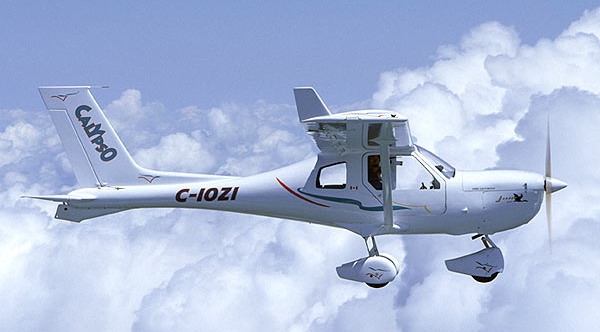
The Calypso Light Sport Airplane is a development of a line of Jabiru aircraft started in the mid 80’s using their design philosophy and construction methods to meet the requirements of the advanced ultralight and sport plane criteria. The New Jabiru Calypso has larger tail fin and elevator than the older Jabiru UL ST3. It has also winglets and higher cruise speed, about 95-100 knots.
The performance is a low 39 knot stall speed, very short take off and high climb rate, but with a good cross country cruise speed of 90 to 100 kts at 12 to 15 litres per hour fuel burn. This performance is due to the light weight composite construction of the airframe and the light weight engines produced by Jabiru.
The aircraft has good stability in all three axis and straight forward stall characteristics. The comfortable seats and 42 inch shoulder width provide the final requirements for a good cross country aircraft.

Calypso 2200
Engine: Jabiru 2200 85 hp
Propeller: 2 Blade Fixed Pitch Wooden/Composite
60″ Diam x 42 pitch
Height: 7’2″
Length: 19’4″
Cabin Width: 42″
Wing Span: 31’4″
Wing Chord: 39″
Wing Area: 100 sq ft
Empty Weight: 572 lbs
Gross Weight: 1,100 lbs
Useable Load: 525 lbs
Wing Loading – Empty: 5.72 lbs/sq ft
Wing Loading – Gross: 11.00 lbs/ft
Power Loading Gross: 13.75 lbs/hp
Flight Load Factor: +4.0 -2.0 G
Structure Tested to: +8.0 -4.0 G
Vne (never exceed speed): 140 mph (122 kts)
Va (max maneuver speed): 103 mph (90 kts)
Cruise speed @ 75% power: 103 mph (90 kts)
Max straight and level speed: 127 mph (110 kts)
Vs (full flap stall speed @ gross): 45 mph (39 kts)
Vso (clean stall speed @ gross): 55 mph (48 kts)
Climb Rate (sea level): 1,000 ft/min
Service Ceiling: 15,000 ft
Take off Distance Ground Roll: 325 ft
Landing Distance Ground Roll: 546 ft
Glide Ratio (engine idle): 14:01
Crosswind Component: 14 kts
Fuel Capacity: 17 gallons
Range: 515 sm (450 nm)
Endurance: 5.0 hrs
Fuel Consumption at Cruise: 3.8g/hr
LSA: Yes
2010 Kit Price: $28,900
2010 Kit Price w/Engine: $42,800

Calypso 3300
Engine: Jabiru 3300 120 hp
Propeller: 2 Blade Fixed Pitch Wooden/Composite
60″ Diam x 53 pitch
Height: 7’2″
Length: 19’6″
Cabin Width: 42″
Wing Span: 31’4″
Wing Chord: 39″
Wing Area: 100 sq ft
Empty Weight: 605 lbs
Gross Weight: 1,100 lbs
Useable Load: 495 lbs
Wing Loading – Empty: 6.05 lbs/sq ft
Wing Loading – Gross: 11.00 lbs/sq ft
Power Loading Gross: 9.16 lbs/hp
Flight Load Factor: +4.0 -2.0 G
Structure Tested to: +8.0 -4.0 G
Vne (never exceed speed): 140 mph (122 kts)
Va (max maneuver speed): 103 mph (90 kts)
Cruise speed @ 75% power: 132 mph (115 kts)
Max straight and level speed: 138 mph (120 kts)
Vs (full flap stall speed @ gross): 45 mph (39 kts)
Vso (clean stall speed @ gross): 55 mph (48 kts)
Climb Rate (sea level): 2,000 ft/min
Service Ceiling: 15,000 ft
Take off Distance Ground Roll: 260 ft
Landing Distance Ground Roll: 546 ft
Glide Ratio (engine idle): 14:01
Crosswind Component: 14 kts
Fuel Capacity: 17 gallons
Range: 451 sm (393 nm)
Endurance: 3.4 hrs
Fuel Consumption at Cruise: 5.6g/hr
LSA: Yes
2010 Kit Price: $29,900
2010 Kit Price w/Engine: $47,300