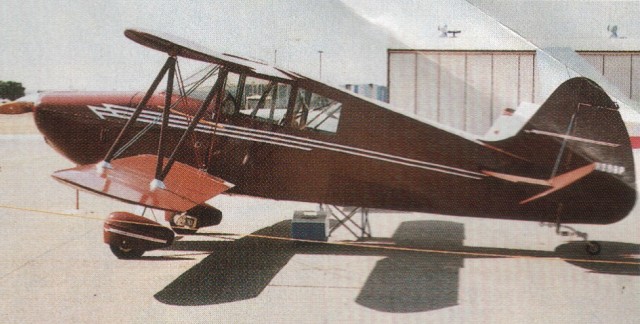
A one-of-a-kind, scratch built homebuilt biplane with reverse staggerwings. First flown in 2002 after eight yeas work, Poping’s Westfall, N99BP, is a side by side two seater fitted with a Lycoming O-320.
A one-of-a-kind, scratch built homebuilt biplane with reverse staggerwings. First flown in 2002 after eight yeas work, Poping’s Westfall, N99BP, is a side by side two seater fitted with a Lycoming O-320.
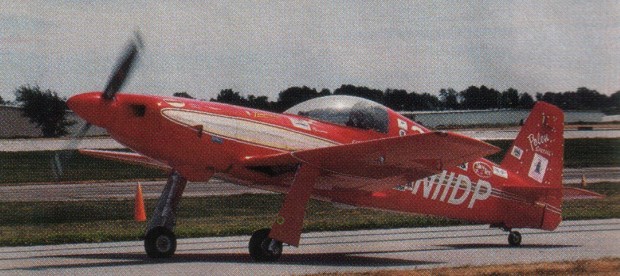
In October 2000, Richard Keyt, in his 30 year old Polen Special, won the Millennium Category at the sixth Annual Copperstate Dash Air Race. He covered the 504 nm course with a course speed record of 249 kts.
In 2001 Keyt unofficially broke a 500 km closed course record at 307.4 mph.
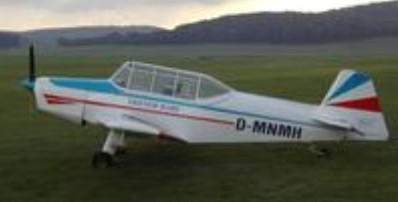
Replica of the Czech Zlin 126 Trener, 2009 Price: 47000 EURO
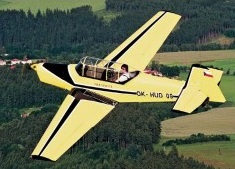
Stall: 35 kt / 40 mph / 65 kmh
Cruise: 86 kt / 99 mph / 160 kmh
VNE: 113 kt / 130 mph / 210 kmh
Empty Weight: 296 kg / 653 lbs
MTOW Weight: 472 kg / 1041 lbs
Climb Ratio: 400 ft/min / 2,5 – 5 m/s
Take-off distance (50ft obstacle): 980 ft / 300 m
Landing distance (50ft obstacle): 980 ft / 300 m
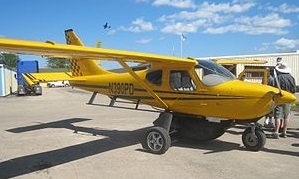
The Plane Driven PD-1 is a modification to the Glasair Sportsman 2+2 to convert it into a practical roadable aircraft. Trey Johnson, a homebuilt aircraft built the PD-1, intended to be an aircraft first, and a car second. The approach uses a mostly stock aircraft with a modified landing gear “pod” that carries a separate engine for road propulsion.
The engine pod carries a separate engine for road travel with its own fuel tank. The wheels are driven through an automatic transmission with a reverse gear. The lightweight fuselage coupled with a low power engine allows 25 miles per US gallon (9.4 L/100 km; 30 mpg imp) fuel economy with 5 US gallons (19 L) of usable fuel. The aircraft is registered in Washington State as a motorcycle due to its 3-wheel configuration.
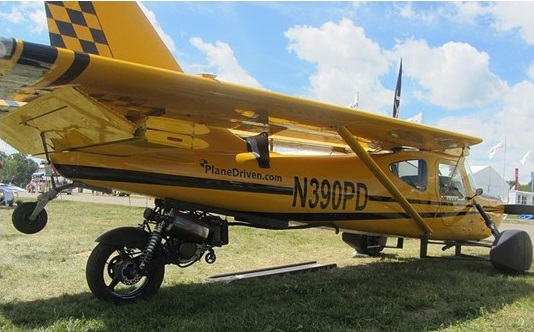
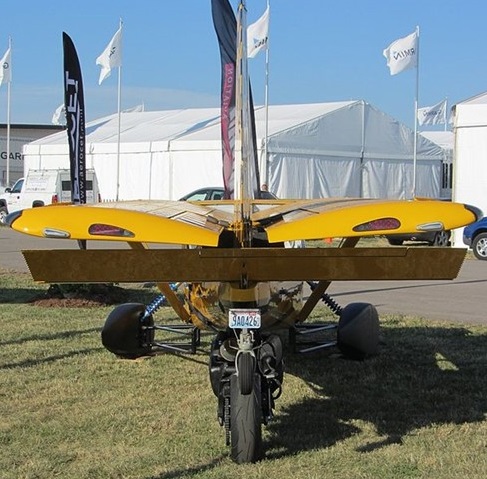
The PD-1’s wings fold along its sides, and the main landing gear and road engine pod slide aft along special rails, creating a driving configuration. The driving configuration compensates for the rearward center of gravity created by the folded wings, and provides additional stability for road travel.
The wings are hinged to allow them to rotate and fold back against the rear fuselage of the plane. The horizontal stabilizer is also hinged to reduce the width of the vehicle in road travel mode.
The prototype was constructed using Glasair’s two weeks to taxi program. It was started on March 29, 2010, and the modified prototype was test flown by July 21, 2010.
The vehicle can cruise at a speed of up to 140 mph in normal flight even with the road engine sitting as dead weight.
The prototype was displayed at the Experimental Aircraft Association Airventure airshow in 2010. The company’s second generation refinement was code named the PD-X, with intention of building a marketable aircraft based on the PD-X test results.
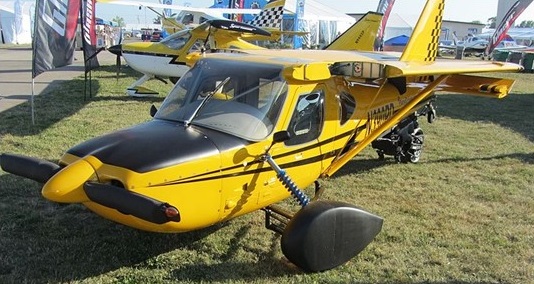
A second generation version of the PD-1 using the same Sportsman airframe as the PD-1, the PD-2, uses two forward mounted wheels with suspension in a conventional landing gear layout. A single rear wheel is mounted aft on the pod containing the second engine for road use. An updated pod was developed using a 50 hp four cycle engine with casters that fits into the baggage compartment. A custom lightweight four-piece carbon-fiber ramp can be used to load the pod without lifting. Gas milage is 24mpg in ground use.
PD-1
Engine: 1 × Lycoming IO-390, 210 hp (160 kW)
Engines: 2 × 500cc Yamaha Phazer 4 Cycle, 80 hp (60 kW) each
Wingspan: 35 ft (11 m)
Wing area: 131 sq ft (12.2 m2)
Aspect ratio: 9.1
Length: 23 ft (7.0 m) 24 feet 8 inches with wings folded
Fuel capacity: 50 US gallons
Cruise speed: 122 kn (140 mph; 226 km/h)
Capacity: 2 persons
An aerobatic two place open cockpit biplane from Pitts constructed at Steen Aero Lab around 2002. Curtis Pitts, at age 90, was actively involved in its construction.
Engine: Vendenyev M14, 400hp
Wing span (upper): 21’6″
Wing span (lower): 20’6″
Empty weight (est): 1500 lb
Gross weight (est): 2250 lb
Max speed est: 190 mph
Cruise speed est: 180 mph
Stall est: 57 mph
Seats: 2

Curtis Pitts began designing the single-seat S 1 in 1942. The 55 hp prototype flew in September 1944, but was repowered with 90hp Franklin and sold to a cropduster, who reportedly was so hard of hearing that one time he didn’t hear the motor quit and crashed—no injury, but the plane was written-off.
A second Special, with 85hp Continental C-85, went to aerobat Betty Skelton in 1947 as Li’l Stinker (NX86401/N22E) (still active in 1975, displayed at NASM 2001).
Black Beauty (built by Pitts for Caro Bailey) started the trend toward more power by packing a 125 hp Lycoming O 290.

The Pitts Special is a single seat, open cockpit, fully aerobatic biplane. The fuselage is made up of a welded steel tube structure to which plywood formers and wooden stringers are fitted, the whole being fabric covered except for the aluminium front panels. Roth wings have solid spruce spars to which are fitted wooden ribs, each wing panel being internally and externally wire braced and fabric covered. The wings are set at 6 degrees sweep back at the quarter chord line, Frise type ailerons are fitted only to the lower wings, which have 3 degrees dihedral. Single faired interplane struts and N type cabane struts are fitted. The wing airfoil section is an M6.The main undercarriage is made up of welded steel tube and utilises rubber cord shock absorption. The tail wheel is steerable. A 16 Imperial gallon fuel tank is located immediately aft of the firewall. Engines of from 100-200 h.p. may be fitted.

The 1960 S1-C or Flatwing incorporated a semi-symmetrical airfoil and lower-wing ailerons with a Continental O-200 engine. The first S1-C was Pat Ledford’s (N8L) and the plans were drawn up as it was constructed. They were redrawn in the ’90s by Steen Aero Lab, incorporating many minor changes, one of which was the inclusion of the slightly-longer S1-S fuselage.
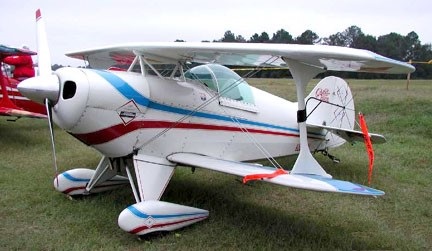
The S-1D is a four aileron version with a modified M-6 airfoil, completely certified. Kits and plans were marketed to home-builders.
The S1-E is an experimental, home-built version of the S1-S, with some crossover in names and parts provided by the factory between the -S and –E. An unknown number of S1-E became certified S1-S.
The S-1S model was first year built in 1974. The price in 1982 was $41,690 as a complete kit, or certified under FAA A8SO.
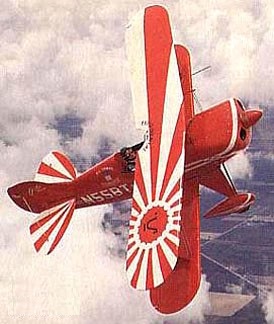
S1-S / Roundwing of 1973 was an S1-D with two different symmetrical airfoils on the upper and lower wings with four ailerons.
S1-S production continued until 1981, when its plans were released for home-builders. Any home-built S1-S predating 1981 was not a true S1-Ss.
S1-SS or Super Stinker Pitts Special used an airfoil and aileron setup derived from the S-1-11/-11B “Super Stinker” aircraft, which was not a Pitts Special nor was it an S1, but a new design meant for world championship aerobatic competition. S1-SS was offered by Steen Aero Lab since the ’90s as supplemental wing plans to fit onto any S1 fuselage.

The 1981 S-1T is a single-seater model which claims roll rates of up to 240 degrees/second. A certified version that superseded the S1-S, with a 200hp engine, constant-speed prop, and new aileron design. Pitts has sold more than 2500 sets of plans for the popular S-1T.

By 1998 the Pitts S-1 was marketed by Aviat Aircraft.
S1 Special
1945
Engine: 55hp Lycoming
Wingspan: 20’0″
Length: 18’3″
Seats: 1
S-1C
Engine: Lycoming IO-360-B4A, 180 hp
Speed max: 147 mph
Cruise: 143 mph
Range: 250 sm
Stall: 64 mph
ROC: 2600 fpm
Take-off dist: 300 ft
Landing dist: 600 ft
HP range: 125-200
Fuel cap: 20 USG
Weight empty: 720 lb
Gross: 1150 lb
Height: 6.25 ft
Length: 15.5 ft
Wing span: 17.33 ft
Wing area: 98 sq.ft
Seats: 1
Landing gear: tail wheel
Engine: Lycoming O-320, 150 hp
Cruise: 150 mph
ROC: 2650 fpm
Range: 300 sm
Span: 17 ft 5 in
Length: 15 ft 6 in
Empty wt: 720 lb
Max wt: 1050 lb
S-1C
Engine: 1 × Textron Lycoming AEIO-540-D4A5, 260 hp (194 kW)
Wingspan: 17 ft 4 in (5.28 m)
Length: 18 ft 9 in (5.71 m)
Maximum speed: 210 mph (338 kph)
Maximum range: 319 miles (513 km)
Service Ceiling: 21,000 ft (6,400 m)
S1-D
Enine: 180hp Lycoming IO-360B
Wingspan: 17’5″
Length: 15’6″
Useful load: 425 lb
Max speed: 145 mph
Cruise speed: 135 mph
Stall: 64 mph
Range: 230 mi
Ceiling: 22,000′
S-1S
First built: 1973
Engine: Lycoming AEIO-360-B4A, 180 hp
TBO: 2000 hr
Prop: Sensenich 2-blade, 72-in
Seats: 1
Length: 15.5 ft
Height: 6.3 ft
Wingspan: 17.3 ft
Wing area: 98.5 sq.ft
Maximum ramp weight: 1150 lb
Maximum takeoff weight: 1150 lb
Standard empty weight: 740 lb
Maximum useful load: 410 lb
Maximum landing weight: 1150 lb
Wing loading: 11.7 lbs/sq.ft
Power loading: 6.4 lbs/hp
Maximum usable fuel: 120 lb
Best rate of climb: 2500 fpm
Service ceiling: 18,000 ft
Maximum speed: 139 kt
75% cruise: 123 kt
55% cruise: 115 kt
Stalling speed: 56 kt
Turbulent-air penetration speed: 134 kt
Fixed tail wheel under carriage
Payload max fuel: 257 lb
Range max fuel/75% pwr: 148 nm/1.2 hr
Range max fuel / 55% pwr: 190 nm/ 1.7 hr
Min field length: 800 ft
Fuel cap: 114 lb
S-IT
Gross Wt. 1150 lb
Empty Wt. 830 lb
Fuel capacity 20 USG
Wing span 17’4”
Length 15’6”
Engine 200-hp AEIO-360-AE1
Top speed 185 mph
Cruise 175 mph
Stall 64 mph
Climb rate 2800 fpm
Aviat Aircraft Pitts S-1
Engine: Lycoming
Wing span: 5.27 m
Wing area: 9.06 sq.m
MAUW: 522 kg
Empty weight: 345 kg
Fuel capacity: 72 lt
Max speed: 222 kph
Cruise speed: 195 kph
Minimum speed: 100 kph
Climb rate: 12.5 m/s
Seats: 1
Fuel consumption: 35 lt/hr
Plan price (1998): US$250
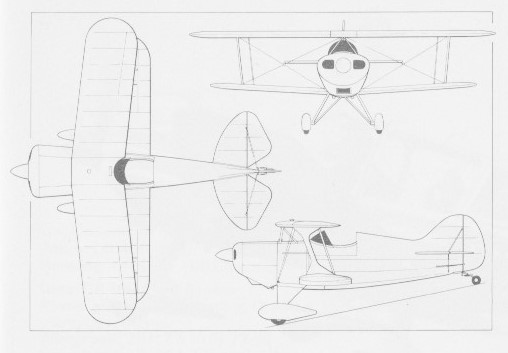
Curtiss Pitts
Pitts Aviation
Pitts Aerobatics
1945: Curtis Pitts, Jacksonville FL.
1945: Pitts Aero Service, Gainesville FL.
1955: Homestead FL.
1967: Pitts Aviation, Homestead.
1969: Pitts Aviation Enterprises, Afton WY.
Pitts Aviation Enterprises founded at Florida to market plans for the Curtis Pitts biplane.
New company formed as Pitts Aerobatics in 1977 at Afton, Wyoming, to continue sales and engineering of the Pitts aerobatic biplane at the same location by Aerotek Inc, which formerly built the Pitts S-2 for Pitts Aviation Enterprises.
c.1980: Pitts Aerobatics (pres: E H Anderson)
Aerotek continued to produce the S-2 for Pitts Aerobatics and the single-seat Pitts S-15 for pilots who did not wish to build their own.
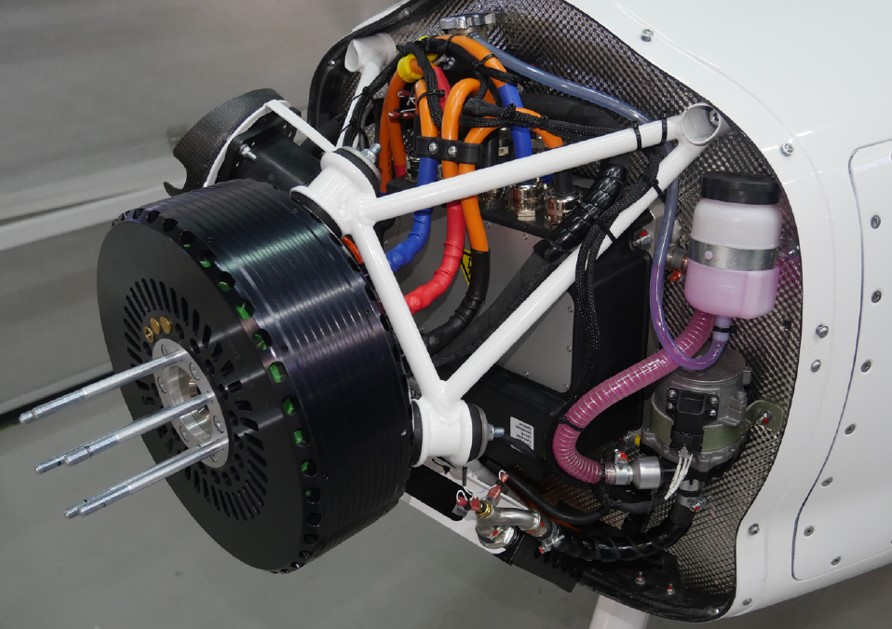
The E-811 is the first electric engine certified for use in General Aviation by the European Union Aviation Safety Agency (EASA).
The E-811 engine combines a liquid-cooled electric motor and a liquid-cooled power controller. Offering 57.6 kW (77 hp) of peak power, and 49.2 kW (66 hp) of maximum continuous power, the E-811 is a powerplant for powered sailplanes, UL, LSA and VLA aircraft, where a Type Certified Engine is required.
The propulsion motor is an axial flux synchronous permanent magnet electric motor. Lighter and more compact, these motors are also more powerful than radial flux motors, making them ideal aviation. The propeller is mounted directly on its rotor.
The associated controller converts direct current (DC) from the batteries to alternating current (AC) for the motor. The controller receives torque command via CAN bus and adjusts the motor current input accordingly through the engine’s high voltage AC bus. The motor reacts instantaneously and without hesitation. The controller also requires a 12-volts power supply.
The motor’s rotation direction is not factory selected and can be easily adapted to any given application as part of the installation. The motor can turn clockwise or counter-clockwise as the default direction of rotation.
The E-811 supports a wide range of propellers. Fixed, ground-adjustable and electric variable-pitch propellers can be mounted on the engine, as long as they are compatible with the flange geometry and screw pattern (6xM8 on 75 mm diameter). Hydraulic governors are not supported. The propeller should have a maximum moment of inertia of 3245 kg-cm2 (7.7 lb-ft2) and weigh less than 5.5 kg. Maximum engine speed is 2500 rpm.
The engine is entirely liquid-cooled through a single cooling circuit with a mixture of 50% water and 50% glycol (automotive grade G12+). The coolant inlet is located on the power controller, it then proceeds to the motor via an intermediate coolant hose. The coolant outlet is located on the motor.
The cooling system is part of the installation and can be provided by Pipistrel. It comprises a coolant pump; a radiator; an expansion tank; an overflow bottle; inlet, outlet and intermediate hoses; and the coolant itself. The circuit shall ensure a coolant temperature at either component of less than 60°C.
In order to control the engine power output, an auxiliary control system should be provided. This can be ensured either by a power lever or a flight control computer, while cockpit indication such as an RPM indicator shall be provided as well.
The engine requires high-voltage DC power to be supplied for propulsive force. Depending on the chosen architecture, the engine will accept DC power from the energy source, which may be batteries connected via a battery management system (BMS), or a generator, or a fuel cell, or combinations thereof. A low-voltage (12 VDC) power connection is also needed.
Installation of the additional equipment depends on the aircraft configuration.
The EASA Type Certificate (No. EASA.E.234) follows the CS-22, Subpart H, Amdt. 2 standard, and the SC E-1 special condition for Electrical Engine for powered sailplanes, LSA or VLA.
Pipistrel’s Electric propulsion system is a true Plug & Play solution for electric aircraft. You receive everything you need: the motor, power controller, battery system complete with BMS and a lightweight airborne charger, complete with an advanced color display cockpit instrument, which provides you with full control. The system also supports propeller positioning and automatic retraction for self-launching glider applications.
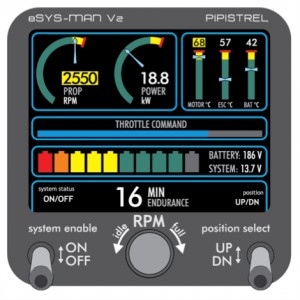
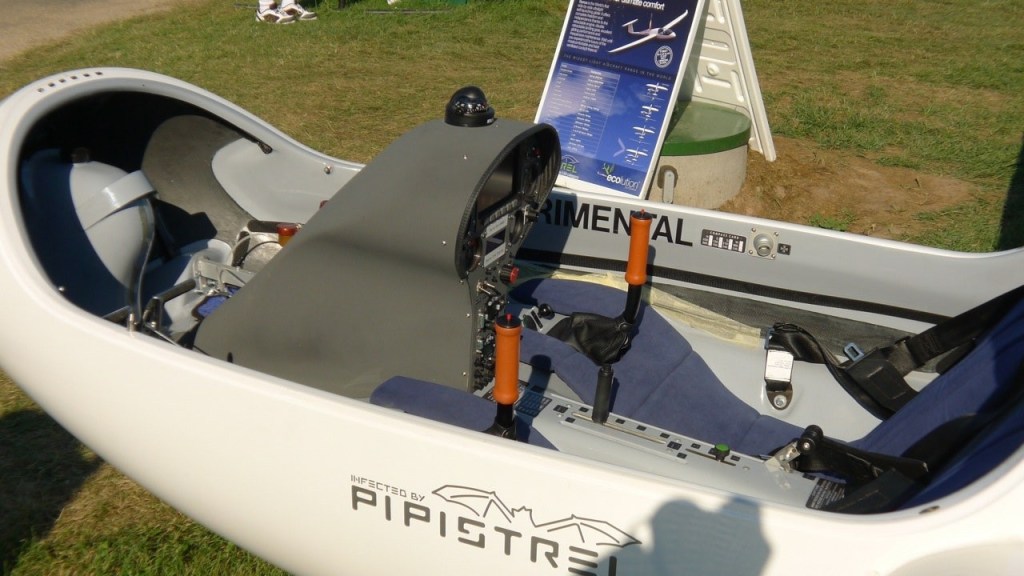
Cockpit instrument is an ESYS-MAN V2 high-resolution 3-inch sunlight readable color display and control interface. Displays all system temperatures, controls RPM/Power with automatic over-temperature protection, charge indicator, charge status overview, battery health overview, visual warnings, system enable/disable and support for propeller positioning and automatic retraction (self-launch gliders).
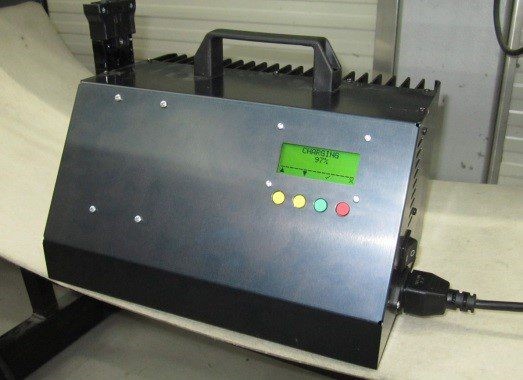
Pipistrel offers several chargers for the Taurus Electro conversion kit, a portable 2 kW world unit, supporting both 110V/60 HZ and 250 V/50 Hz networks. It has a 5 inch display and an intuitive interface, providing information about charge status, battery health overview and system configuration. It supplies 2 kW charge power in a 3 kg package.
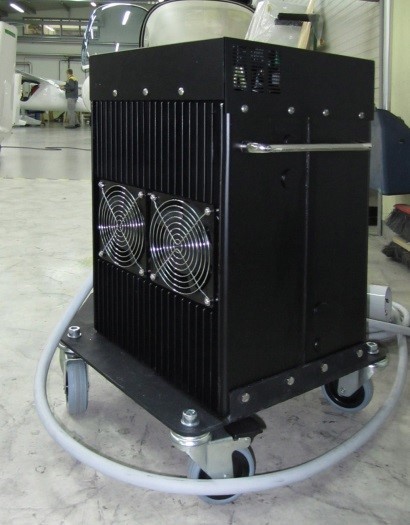
For faster charging we have an 8kW charger weighing just 25 kg.
The cockpit battery, which supports the avionics, power controller and motor extension/retraction, is charged together with the main power battery. This provides an extra layer of safety and allows gliding even with the main battery depleted. The cockpit battery is also charged in flight by the solar panels attached to the aircraft
The propeller is a composite lightweight 2-blade propeller, diameter 165 cm, specially optimized specially to take advantage of the electric motor characteristics.
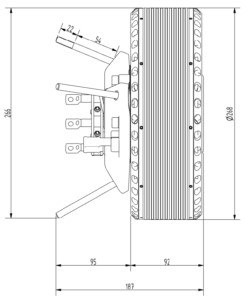
Pipistrel E-811-268MVLC
Type: axial flux synchronous permanent magnet
Diameter: 268 mm (10.55 in)
Width: 91 mm (3.58 in)
Dry weight: 22.7 kg (50 lb)
Maximum take-off power (MTOP) up to 90 sec: 57.6 kW (77 hp) at 2500 rpm
Maximum continuous power (MCP): 49.2 kW (66 hp) at 2350 rpm
Outside air temperature range: -20°C, +40°C (-4°F, 104°F)
Max motor temperature: 110°C (230°F)
Speed limits: 2350 rpm (MCP), 2500 rpm (MTOP)
Torque limits: 200 Nm (MCP), 220 Nm (MTOP)
Coolant flow: > 5.5 l/min
Coolant temperature: < 60°C (140°F)
Pressure drop (over the entire system): < 1 bar
Propeller
Max propeller moment of inertia: 3245 kg-cm2 (7.7 lb-ft2)
Max propeller mass: 5.5 kg (12.1 lb)
Max propeller speed: 2500 rpm
Controller – H300C
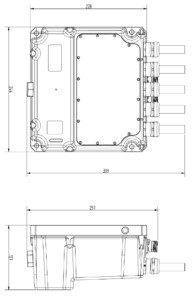
Dimensions: 245 x 126 x 230 mm (9.65 x 4.96 x 9.05 in)
Dry weight: 8.1 kg (17.8 lb) including cables
Max controller temperature: 70°C (158°F)
Input voltage range: 250 – 400 VDC
Max controller current: 311 A
Max continuous current: 226 A
Battery capacity 20 Ah: 4.75 kWh
Battery capacity 30 Ah: 7.10 kWh
Battery capacity 40 Ah: 9.7 kWh
Battery Management System (BMS): Integrated, with datalogging & failure prediction.
Airborne Charger: Supports 110 VAC and 240 VAC, 2 kW, typical charge time 3 h
Battery voltage: 190 V -270 V Voltage per battery pack: nominal 17×3.7 V = 63 V
Maximum operating temperature: 70° C – max battery temperature 60° C
Minimum operating temperature: 5° C
Electric motor power: High efficiency outrunner, synchronous 3-phase PEM 40 kW (1 min), 30 kW cont. Air cooled
Max RPM: 2200 RPM
System weights:
20 Ah unit = 59 kg
30 Ah unit = 75 kg
40 Ah unit = 91 kg
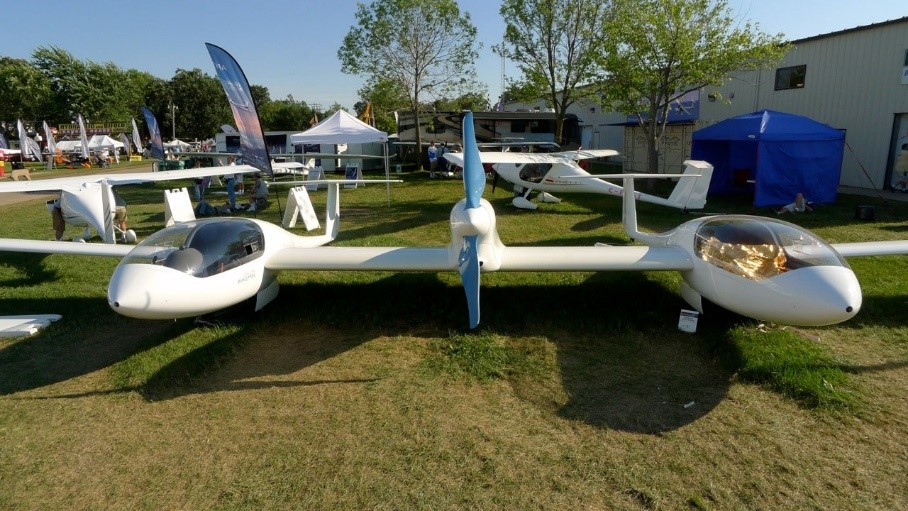
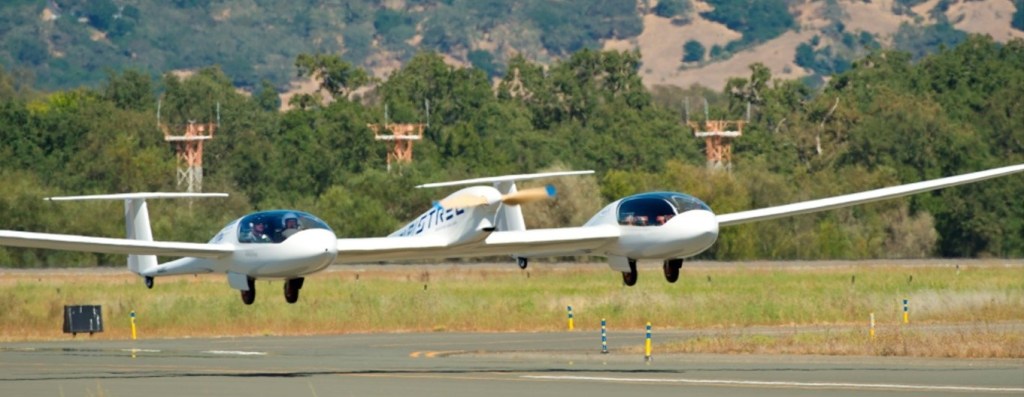
The Taurus G4 is a test bed to develop a high-power electric propulsion system. It features twin fuselages, room for four and an electric motor.
The Taurus G4 was built entirely in house, and mostly of carbon fiber with some Kevlar here and there. It is essentially a pair of Pipistrel’s Taurus self-launch glider fuselages joined by a single wing.
Mounted between the fuselages is a 150 kilowatt (200 horsepower) electric motor. It is the most powerful electric motor seen thus far in an all-electric airplane design. The Taurus G4 carries more than 1,100 pounds of lithium polymer batteries. There is more than 75 kilowatt-hours available via the company’s proprietary management system.
The airframe is very light. Although the aircraft weighs roughly 2,350 pounds empty, nearly half of that is the battery. Maximum takeoff weight is 3,300 pounds.
The right fuselage of the Taurus G4 contains the cockpit with dual controls.
The airplane was designed and built in the course of four months. The G4 was built specifically for the NASA/CAFE Green Flight Challenge. Its sizing and aerodynamic features, as well as the power train and battery capacity were matched to the requirements. The competition is aimed at developing highly fuel-efficient, yet practical, aircraft. Competitors must fly at least 200 miles in less than two hours while averaging at least 200 seat miles per gallon. With its four seats, the Taurus G4 has a distinct advantage if Pipistrel can meet the performance requirements.

The airplane is purely a demonstrator, with no plans for production. Pipistrel is using the G4 to develop the motor, battery and power management system for a more traditional design.
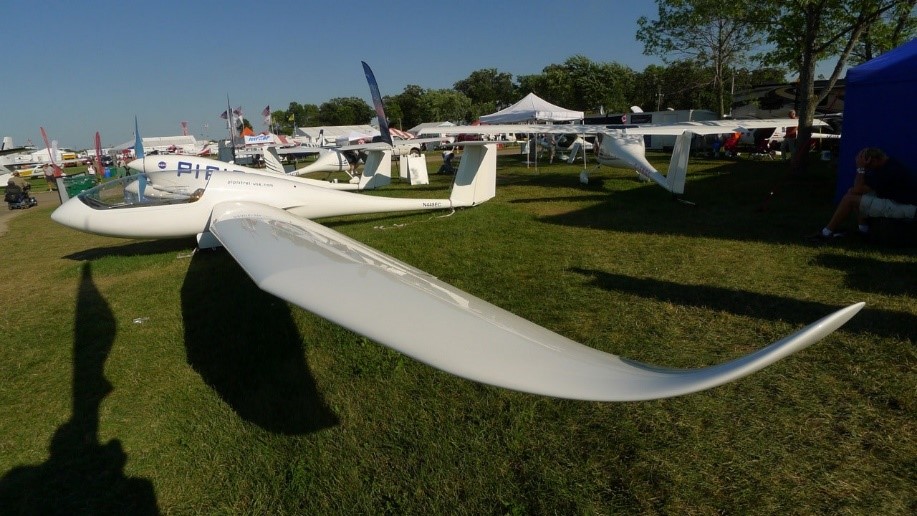
It was designed by DLR Institute of Engineering Thermodynamics of the German Aerospace Center, based on the Pipistrel Taurus G4, the German Aerospace Center / DLR HY-4 is a four-seat hydrogen fuel cell powered aircraft. It made its maiden flight on 29 September 2016 from Stuttgart Airport.
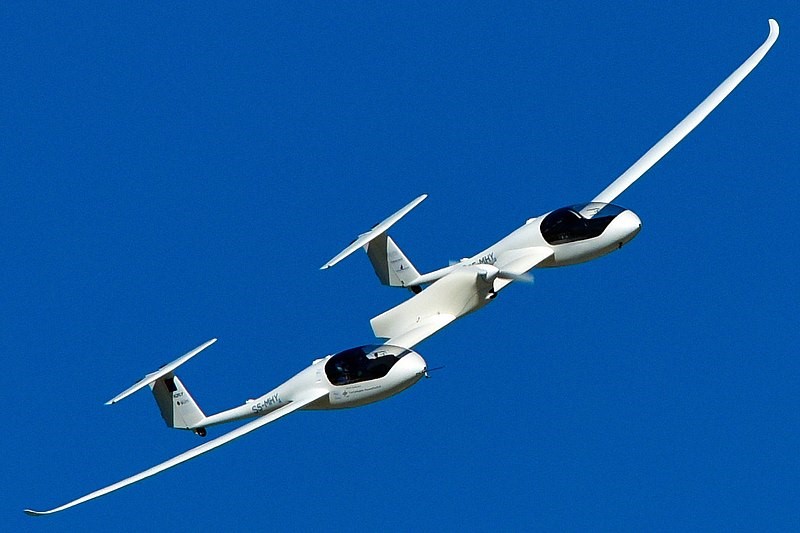
In late September 2011, Google sponsored the CAFE Green Flight Challenge at the Sonoma County Airport in Santa Rosa, California. Three aircraft competed and two met the challenge requirements to fly 200 miles in less than 2 hr and use less than the energy equivalent of one gallon of fuel per passenger. The first place prize of $1.35 M was won by the Pipistrel-USA.com team led by Jack Langelaan of State College, Pennsylvania. Pipistrel’s new, twin-fuselage plane was created by combining two Taurus G2 fuselages, connected by a 5-m-long spar. A 145-kW brushless electric motor, developed for Pipistrel’s new 4-seat Panthera aircraft, is mounted between the passenger pods and drives a 2-m-diameter, two-bladed propeller in a tractor configuration. The Taurus G4’s full wingspan is about 21.36 m (75 feet) and it flew 200 miles nonstop while achieving 403.5 passenger mpg.
Pipistrel has a four-seat GA airplane under development in 2012. The Panthera, that’s already flown and was to be offered with three power packages: traditional gas, hybrid gas/electric…and all electric.
 All Aero