Since 2001, Propeller Ltd. specializes in the designing and manufacturing of engines, frames, complete paramotor units and trikes. All engines and frames are studied to meet the specific needs of Paramotor flying.
2009: Tahise 7, Estonia
2000->
Progressive Aerodyne Sea Rey
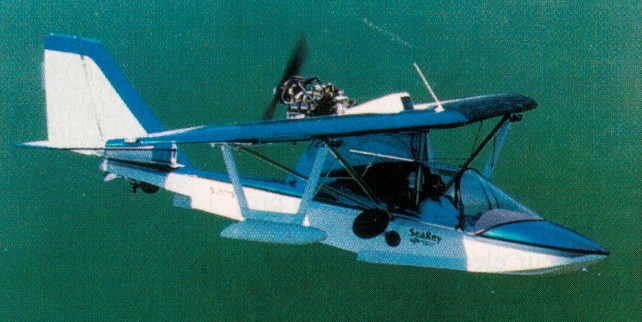
A side-by-side, high wing amphibian, related to the Adventure Air Adventurer 333. It is a high wing, pusher, tail dragger configuration, and a panoramic lexan cockpit. The wings are swept back at the leading edge with a straight trailing edge to form a tapered wing. The engine is mounted on top of the wing, which is supported above the fuselage by a vertical pylon.
The Cabin is designed with side-by-side seating. Entry into the cabin is through a sliding canopy into the 44 in/112cm cockpit. Dual flight controls enable flying from either seat. There is storage space behind the seats (L48 x W44 x H17 in.) for baggage.
The SeaRey is the ability to fly unaffected with the individual dual sliding canopies either opened or closed. The retractable landing gear handles unimproved grass runways. The take off roll on land at gross weight is about 375 feet (115m). Lift off takes place at around 45-50 mph (40 – 45 knots), and 65-70 mph (55-60 knots) is the best rate of climb speed. Rate of climb is 1,000+ ft per min (300m+ per min) Solo and around 800 feet per minute (245m per min) at gross weight.
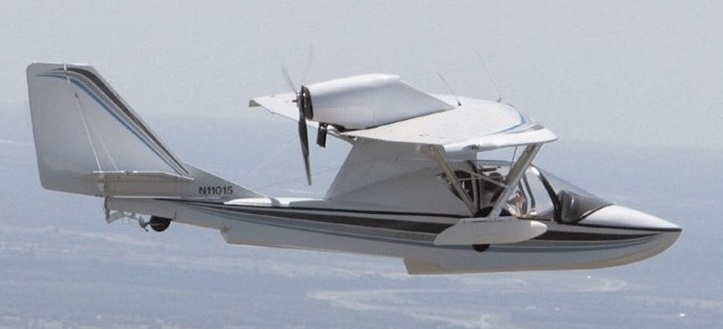
In cruise the SeaRey settles at 90 mph (80 knots). Top speed is 113 mph (98 knots). Due to the installation of special leading edge extensions on the wings, the stall is very docile and the aircraft is spin resistant. Upon throttling back and applying 20 degrees of flaps, the aircraft slows to the stall speed of around 40 mph (34 knots). The stall is gentle and straightforward and recovery is conventional. The retractable undercarriage comes with a simple manual system or alternatively an electric mechanism. An over center lock mechanism is a feature of this simple design.
Best approach speed for a water landing is 65 – 70 mph (55-60 knots) with 10 degrees of flaps. Upon reaching short final, 20 degrees of flaps can be initiated to further slow the aircraft’s touch down speed on the water. Landing flare begins lower than conventional land-only aircraft. A nice touch down speed is 45-50 mph (40-45 knots). This lands the aircraft “on step” and produces very smooth contact with the water.
The SeaRey is capable of handling quite rough water conditions but until such time as the pilot has developed their seaplane water experience, operations in moderate conditions with wave size under 12 inches (30cm), is recommended.
With 20 degrees of flaps for takeoff the SeaRey will come “on plane” in around 4 seconds. A further 6 to 8 seconds to get airborne. The hull produces a very flat spray pattern preventing water from going through the propeller. Accelerating to 45-50 mph (40-45 knots) to rotate and lift off. Established in the climb and at a safe height, reduce the flaps to 10 degrees.
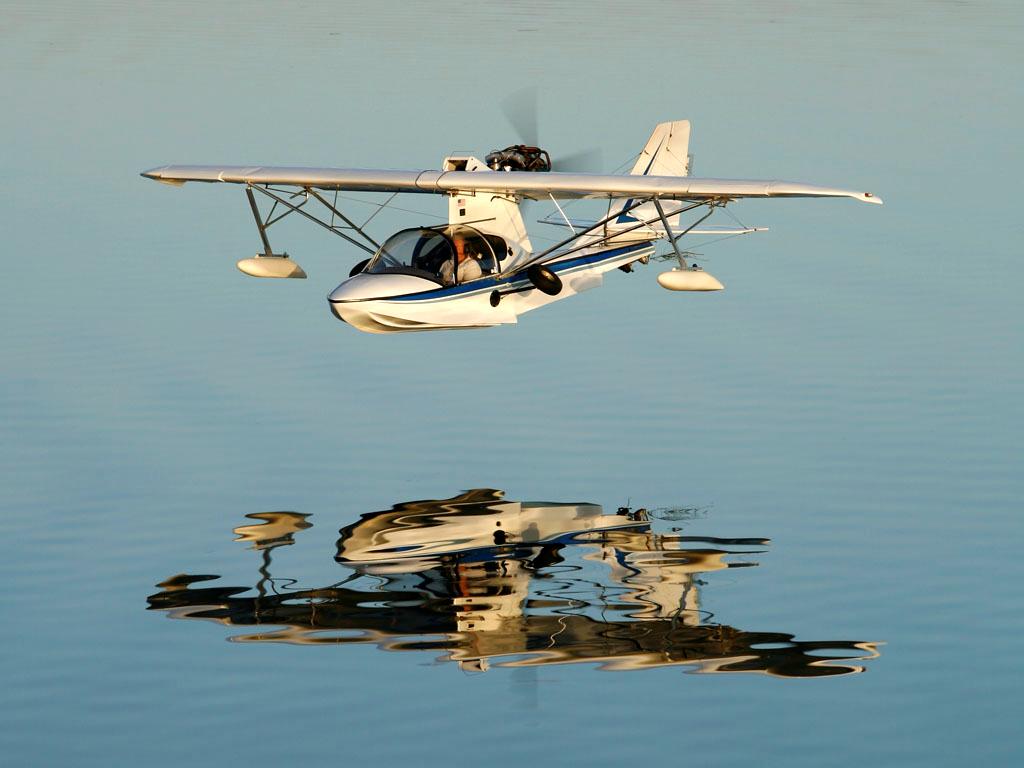
The LSA Searay has dual controls with electric trim, and engine options include 65, 74, 80, and 115 hp Rotaxs.
The basic kit was $21,900 less engine in 2000.
By 2012, the American-made SeaRey has been out in kit form for 21 years (600 kits delivered) and was also an S-LSA. The 2012 models were the Sport and Elite S-LSAs, and the LSX kit (E-LSA or EAB). Prices: US$144,000 (Elite); US$125,000 (Sport) and US$34,900 (LSX airframe-only kit).
SeaRay
Engine: Rotax 912 (80hp)
Cruise Speed: 85 mph
Top Speed: 105 mph
Stall Speed: 40 mph
VNE: 120 mph
Rate of Climb: 650 fpm
Takeoff Land: 400 feet
Takeoff Water: 400 feet
Empty Weight: 820 lbs
Gross Weight: 1370 lbs
Useful Load: 550 lbs
Length: 22′ 5″
Wheel Track: 78 inches
Height: 77 inches
Fuel Capacity: 18 US gallons (optional 26 gal)
Wing Span: 30′ 10″
Endurance: 3.5 to 4 hours
Wing Area: 157 sq. feet
Cabin Width: 44 inches
Root Chord: 76 inches
Cabin Height: 38.5 inches
Tip Chord: 46 inches
Above Seat: 33.5 inches
Aspect Ratio: 6.055
Baggage Area: 13 cubic feet
Taper Ratio: 0.6
Baggage l w h: 48 x 44 x 17 in.
L.E. Sweep: 7.5 degrees
Hull Draft: 10 inches
Stab. Span: 110 inches
Flap Settings: 13, 24, 35 degrees
Engine: Rotax 912s (100hp)
Cruise Speed: 93 mph
Top Speed: 113 mph
Stall Speed: 40 mph
VNE: 120 mph
Rate of Climb: 800 fpm
Takeoff Land: 375 feet
Takeoff Water: 375 feet
Empty Weight: 830 lbs
Gross Weight: 1370 lbs
Useful Load: 540 lbs
Length: 22′ 5″
Wheel Track: 78 inches
Height: 77 inches
Fuel Capacity: 18 US gallons (optional 26 gal)
Wing Span: 30′ 10″
Endurance: 3.5 to 4 hours
Wing Area: 157 sq. feet
Cabin Width: 44 inches
Root Chord: 76 inches
Cabin Height: 38.5 inches
Tip Chord: 46 inches
Above Seat: 33.5 inches
Aspect Ratio: 6.055
Baggage Area: 13 cubic feet
Taper Ratio: 0.6
Baggage l w h: 48 x 44 x 17 in.
L.E. Sweep: 7.5 degrees
Hull Draft: 10 inches
Stab. Span: 110 inches
Flap Settings: 13, 24, 35 degrees
Engine: Rotax 914 (115hp)
Cruise Speed: 100 mph
Top Speed: 120 mph
Stall Speed: 42 mph
VNE: 120 mph
Rate of Climb: 900 fpm
Takeoff Land: 350 feet
Takeoff Water: 350 feet
Empty Weight: 850 lbs
Gross Weight: 1370 lbs
Useful Load: 520 lbs
Length: 22′ 5″
Wheel Track: 78 inches
Height: 77 inches
Fuel Capacity: 18 US gallons (optional 26 gal)
Wing Span: 30′ 10″
Endurance: 3.5 to 4 hours
Wing Area: 157 sq. feet
Cabin Width: 44 inches
Root Chord: 76 inches
Cabin Height: 38.5 inches
Tip Chord: 46 inches
Above Seat: 33.5 inches
Aspect Ratio: 6.055
Baggage Area: 13 cubic feet
Taper Ratio: 0.6
Baggage l w h: 48 x 44 x 17 in.
L.E. Sweep: 7.5 degrees
Hull Draft: 10 inches
Stab. Span: 110 inches
Flap Settings: 13, 24, 35 degrees
Pro.Mecc Sparvieo
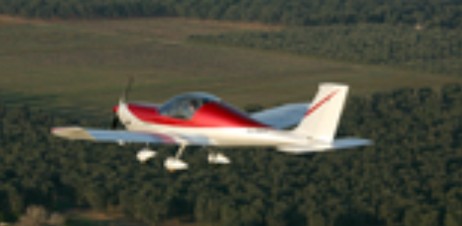
Entirely in composite and carbon-fiber. Engine options include the Rotax 912UL 100Hp.
2009 Price: 49500 EURO. The kit price was 27.000€ (without engine and instruments).
Sparviero
Stall: 31 kt / 36 mph / 58 kmh
Cruise: 103 kt / 118 mph / 190 kmh
VNE: 130 kt / 149 mph / 240 kmh
Empty Weight: 290 kg / 639 lbs
MTOW Weight: 450 kg / 992 lbs
Take-off distance (50ft obstacle): 390 ft / 120 m
Landing distance (50ft obstacle): 490 ft / 150 m
Pro-Fe Banjo
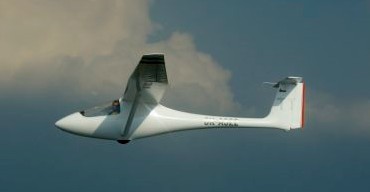
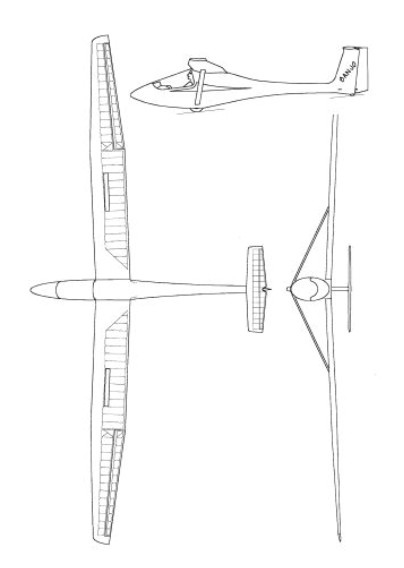
The Banjo sailplane is of mixed construction. Its 13.3 m (43.6 ft) span wing is strut-braced with one lift strut per side and uses a plywood box spar and spruce wing ribs, with the leading edge of the wing covered in plywood and the rear portion covered in aircraft fabric covering. The nose ribs are expanded polystyrene while the ailerons are made of wood and covered in fabric. The wing airfoil is an SM701 at the wing root transitioning to a Wortmann FX-60-126 at the wing tip, while the tailplane uses a Wortmann FX-71-L-150/30 airfoil. The fuselage is of fibreglass monocoque construction, while its one-piece bubble canopy is made from polycarbonate. The aircraft has fixed monowheel landing gear with a wheel brake and upper wing surface air brakes.
Variants:
Banjo
Unpowered single-seat sailplane with a 13.3 m (43.6 ft) span wing. Four were reported completed and flying in 1998. In production in 2011.
Banjo-MH
Powered version of the Banjo, with a retractable tractor configuration Hirth F33 two stroke 21 kW (28 hp) motor powering a two-bladed wooden propeller. Fuel capacity is 14 litres (3.1 imp gal; 3.7 US gal), gross weight is 260 kg (573 lb) and load limits +4 and -2g. The aircraft has a best glide ratio of 28:1. In production in 2011.
DuoBanjo
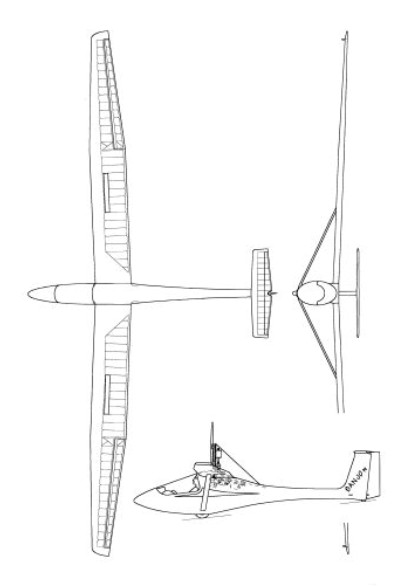
Two seats in tandem version, with two side-by-side main wheels mounted in the fuselage and a retractable tractor configuration Rotax 447 two-stroke 30 kW (40 hp) motor powering a ProFe 1.4 m (4.6 ft) two-bladed wooden propeller. Wing span is 16 m (52.5 ft), fuel capacity is 27 litres (5.9 imp gal; 7.1 US gal), gross weight is 460 kg (1,014 lb) and load limits +4.4 and -2.4g. The aircraft has a best glide ratio of 29:1. In production in 2011.
The Banjo wing is based on the SM701 airfoil, trapezoidal outer part is modified into FX-60-126. Wingtips are equipped with winglets. Basic element of the construction is a plywood, box section beam and ribs made from spruce scantlings. Front part of the ribs is made from expanded polystyrene. Leading edge of the wing is covered by plywood and forms a torsion box. Polyester fabric covers trailing part of the wing. On the upper part of the wing are located hinged aerodynamic brakes. Wooden construction ailerons are also covered by a polyester fabric. They are operated via Dural tube rods. Wings are supported by shaped struts. Wing is fixed to the fuselage by mountings located on the wing beam and on the trailing edge section.
Fuselage, including the tail fin, is formed from a fiberglass monocoque. Monocoque is reinforced by plywood ribs. Ribs are utilized as wings, struts, undercarriage wheel and rescue system mountings.
Cockpit (closed type) is covered by a one-piece canopy made from a splinter-proof polycarbonate (Makrolon). There is a ventilation window on the side of the canopy. Control stick is a classic style type. The cockpit is equipped with aerodynamic brakes lever (left side), rope release control (“T” shaped handle on the instrument panel) and trim handle. The cockpit is ventilated via ventilation outlets, located on the instrument panel. Adjustable pilot’s seat is equipped with 4-point safety belts.
The Banj MH Cockpit has engine throttle (left side), power unit position selector, ignition switch, starter, propeller stop control and main power switch (on the right side of the cockpit).
Fixed undercarriage consists of the main unsprung wheel (outer radius 400mm) and uncontrollable tail wheel (outer radius 140mm). The main wheel is fitted with a disk brake. The brake is operated via a cycle brake lever, mounted on the control stick.
Tail surfaces are “T” shaped. Horizontal tail surfaces have similar construction as the wing and use modified Wortmann FX-71-L-150/30 airfoil.
Controls and instrumentation. The instrument panel of the plane is equipped with the following instruments: airspeed indicator, combined electronic altimeter/variometer, compass and bank indicator. The Banjo MH instrument panel also has RPM gauge, fuel gauge, and engine temperature gauge. Power unit management panel is located on the right side of the cockpit. Instrumentation can be customized according to customer’s requirements.
The DuoBanjo is equipped with one instrument panel, containing following instruments: airspeed indicator, altimeter, variometer, RPM gauge, fuel gauge, engine temperature gauge, compass and bank indicator. Power unit management panel is located on the right side of the cockpit.
System of controls. Ailerons and elevator are operated via rods, equipped with swiveling joint ends. Levers are fitted with ball bearings. Rudder is cable controlled. Aerodynamic brakes are also cable controlled, in combination with springs. The DuoBanjo is equipped with dual set of controls, however lifting/retracting of the power unit can be controlled only from the front seat. Control sticks are classic style type. Seats are equipped with 4-point safety belts.
The powered Banjo power unit is based on the engine HIRTH F33 B, equipped with an electric starter, belt reducer and two-blade propeller. Power unit can be lifted or retracted into the enclosed power unit bay during the flight.
Fuel system. Alu fuel tank is located in the fuselage and it can contain 14 liters of the fuel. It is equipped with fuel float system, measuring quantity of the fuel in the tank. Filler neck is located on the left side of the fuselage, below the wing. The DuoBanjo has 27 liters of the fuel.
Electrical system. The main source of the energy is an on-board accumulator 12V-14Ah, which is recharged by the engine. The accu feeds the lifting/retracting system of the power unit together with the electric starter.
Specifications:
Banjo
Wing span: 13,3 m
Length: 6,3 m
Wing area: 10,5 sq.m
Main undercarriage wheel diameter: 400 mm
Tail wheel diameter: 140 mm
MTOW: 220 kg
Load factor: +4,4/-2,2 G
Max. speed VNE: 140 km/h
Max. speed in turbulence VB: 110 km/h
Stall speed: 50 km/h
Min. sink: 0,68 m/s
L/D: 28
Number of seats: 1
Banjo-MH
Wing span: 13,3 m
Length: 6,3 m
Wing area: 10,5 sq.m
Main undercarriage wheel diameter: 400 mm
Tail wheel diameter: 140 mm
MTOW: 260 kg
Load factor: +4/ -2 G
Max. speed VNE: 135 km/h
Max. speed in turbulence VB: 110 km/h
Stall speed: 60 km/h
Min. sink: 0,86 m/s
L/D: 28
Climb performance with MTOW: + 2m/s
Fuel tank capacity: 14 liters
Number of seats: 1
DuoBanjo
Engine: Rotax 447 UL DCDI 1V, 29 kW (6500 rpm)
Propeller: ProFe 1400mm
Wing span: 16 m
Length: 7,35 m
Height (propeller in retracted position): 1,57 m
Wing area: 13,86 sq.m
Aspect ratio: 18,3
Wing load at 460kg: 33 kg/sq.m
Number of seats: 2
Empty weight: 250 kg
MTOW: 460 kg
Max. weight of the crew: 200 kg
Min. pilot’s weight: 70 kg
Stall speed: 64 km/h
Maneuver speed Va: 130 km/h
Max. speed in turbulence Vb: 130 km/h
Max. speed Vne: 175 km/h
Min. sink (at 90 km/h): 0,9 m/s
Best L/D (at 100 km/h): 29
Cruise speed (5000 rpm): 110 km/h
Max. climb: 3 m/s
Load factor: + 4.4 / – 2.4 G
Fuel consumption, cruise: 9.5 l/h
Fuel tank capacity: 26 liters
Pro-Composites Personal Cruiser
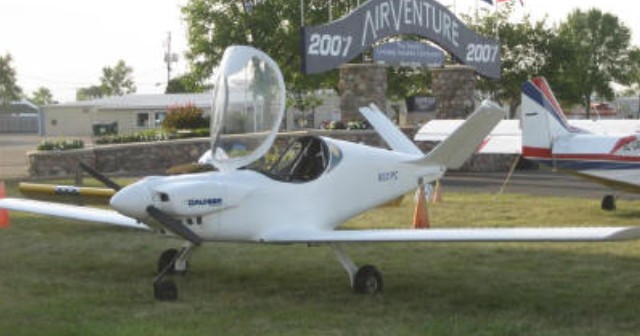
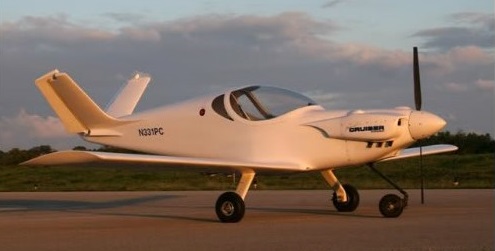
The Personal Cruiser currently uses a Corvair automotive engine converted for aircraft use, and is designed for an installed engine weight of up to 250lbs and from 65-115 hp. The Personal Cruise has a 29″ wide cabin.
The 2009 airframe kit price was $9,710. In the air complete from $18k to $25k.
Engine: Corvair 2700cc, 100 hp
Hp range: 60-120
Wing area: 76.5 sqft
Span: 25.5 ft
M.A.C: 36 in
Airfoil: Eppler
Aspect Ratio: 8
Dihedral: 6 degrees
Length: 17’ 4”
Empty Weight: 650 – 750 lbs
Useful Load: 500 lbs
Gross Weight: 1250 lbs
Fuel Load: 12-18 US Gallons
Vne: 212 mph
Va: 147 mph
Econ. Cruise power: 116 mph @ 2.5 gph
High Cruise: 150 mph @ 4.8 gph
Rate of Climb: 700-1800 feet/min
Stall: 58 mph (Clean)
Load factor: +4.5g/-3.0 at 1250lbs
Take-off / Landing: 400 ft/ 350ft
Cockpit Width: 29” interior dimension
V-tail Area: 16 sqft
V-tail Span: 6.125 ft
V-tail Airfoil: Eppler
Landing Gear: Fixed Tri-gear w/castering nose wheel
Precision Tech Aircraft
Cartersville
Georgia
USA
Light sport aircraft builder circa 1990-2000
Preceptor STOL King
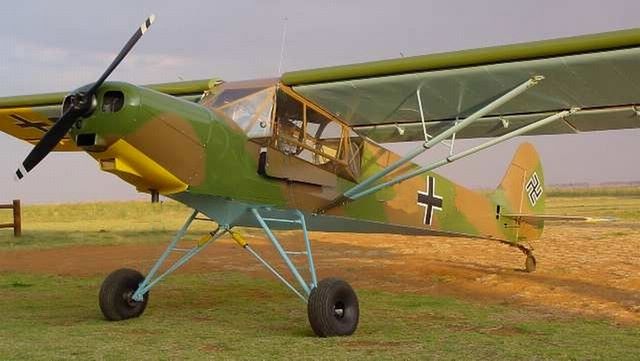
The LSA STOL King is of conventional tube and fabric design, approximately the size of a Cub, with a full glass enclosure and a tall stance for very rough field operation. Slow flights of 16 mph can be achieved and stall speeds of 15 mph let you land in some of the most remote areas of the world.
The construction material are 4130 steel tube & fabric and wing sub-kits come with ailerons, flaps, all hardware, brackets, fittings, fuel tanks, ribs, skins, spars and lift struts. No fabric.
Fuselage sub-kits come with stabilizers, elevators, rudder, landing gear, seat cusions, control systems, all glass, blank instrument panel, wheels and brakes, tailwheel, stringer formers, shock struts, brackets, fittings, firewall and all hardware and necessary accessories. No fabric or instruments.
Firewall forward package comes with engine, exhaust stacks, intake manifolds, carb heat, engine mount, prop, carburetor and hardware Engine prices will vary depending on model, horsepower and electrical option.
In 2009 the complete kit cost US$25,000 less engine, instruments, fabric, prop.
Engine: 75 hp
Horsepower: 75 – 150 hp
Propeller: 72 x 43
Overall length: 23 ft – 8 in
Height: 7 ft – 3 in
Wingspan: 31 ft – 6 in
Wing area: 158 square feet
Wing loading: 7.6 lb/sq.ft
Empty weight: 600 lbs
Gross weight: 1200 lbs
Useful weight: 600 lbs
Fuel capacity: 20 + US gallons
Cabin width: 32.50 inches
Ultimate “g” loading: +6.0 – 3.0
Best speed: 100 mph
Cruise speed: 90 mph
Stall Speed @ Gross w/Full Flaps: 15 mph
Service ceiling: 12,000
Takeoff distance: 50 ft
Landing distance: 50 ft
Rate of Climb (gross): 1200 fpm
Maximun range: up to 700 miles
Landing gear: FG (Tailwheel)
Seats: 2
Engine: 120 hp
Horsepower: 75 – 150 hp
Propeller: 72 x 43
Overall length: 23 ft – 8 in
Height: 7 ft – 3 in
Wingspan: 31 ft – 6 in
Wing area: 158 square feet
Wing loading: 7.6 lb/sq.ft
Empty weight: 600 lbs
Gross weight: 1200 lbs
Useful weight: 600 lbs
Fuel capacity: 20 + US gallons
Cabin width: 32.50 inches
Ultimate “g” loading: +6.0 – 3.0
Best speed: 130 mph
Cruise speed: 100 mph
Stall Speed @ Gross w/Full Flaps: 15 mph
Service ceiling: 12,000
Takeoff distance: 50 ft
Landing distance: 50 ft
Rate of Climb (gross): 1200 fpm
Maximun range: up to 700 miles
Landing gear: FG (Tailwheel)
Seats: 2
Engine: VW 50 hp
HP range: 75-130
Length: 24 ft
Wing span: 31.5 ft
Wing area: 158 sq.ft
Empty weight: 600 lb
Gross weight: 1200 lb
Fuel capacity: 20USG
Cruise: 100 mph
Stall: 15 mph
Range: 520 sm
Rate of climb: 1200 fpm
Takeoff dist: 50 ft
Landing dist: 50 ft
Cockpit width: 33 in
Seats: 2 tandem
Landing gear: tailwheel
Pratt & Whitney Canada PW600 / PW610 / PW615 / PW617 / PW625

The Pratt & Whitney Canada PW600 series is a family of very small turbofan engines developed by Pratt & Whitney Canada for use in very light jets. Designed with scalability in mind, the engines can produce between 900 lbf (4,000 N) and 3,000 lbf (13,000 N) of take-off thrust.
First run of the 2,500 lbf (11,000 N) thrust PW625F demonstrator engine was on 31 October 2001. P&WC began work on the 900 lbf (4 kN) thrust PW610F engine, destined for the Eclipse 500, in 2002. The engine was certified by the Canadian authorities on the 27 July 2006. The first Eclipse 500 aircraft, powered by two PW610Fs, was delivered to a customer on 31 December 2006.
With a 14.5 inch (36.83 cm) diameter fan, the PW610F is one of the smallest turbofans to enter production. Little is known about the engine cycle, although the bypass ratio is believed to be about 1.83. Driven by a single-stage low pressure (LP) turbine, the single stage fan is an advanced snubberless design, with wide chord blades integral with the rotor hub. The newly patented high pressure (HP) compressor comprises a diagonal (i.e. mixed) flow stage, supercharging a conventional centrifugal blower, the whole being driven by a single stage HP turbine. A reverse flow combustor and forced mixer/common exhaust are also featured in the design. Dual lane Full Authority Digital Engine Control (FADEC), for smoother, more reliable, operation, is included in the specification. Hispano-Suiza Canada is currently designing and manufacturing the FADEC for this engine.
The larger, 1,350 lbf (6,000 N) thrust, PW615F has a 16 inch (40.64 cm) diameter fan and is aimed at the Cessna Citation Mustang. This engine was certified in December 2005, with first deliveries in March 2006. The Mustang aircraft was certified on 8 September 2006, and deliveries began in 2007. This engine will also be used in the upcoming Eclipse 400, but it will be limited to 1,200 lbf (5,300 N) thrust. Bypass ratio of PW615F amounts to 2.8.
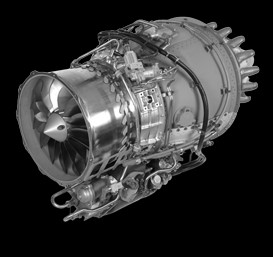
The PW610F achieved its rated takeoff thrust of 900 pounds after only five hours during the test run, which took place May 4, 2004. The first flight of the PW610F engine took place December 16, 2004 (on P&WC’s Boeing 720 flying test bed). During the 6-hour flight, a number of tests were performed, including performance characterization and an altitude re-light. The PW610F had previously completed more than 500 hours of ground testing. PW610Fs also meet Stage 3 noise requirements.
So far, the 1,615 lbf (7,180 N) thrust PW617F, with a 17.6 inch (44.7 cm) diameter fan and bypass ratio of 2.7, is the largest in the family and is designed to power the Embraer Phenom 100. The engine first ran on 29 June 2006, with certification expected in the 4th quarter of 2007. First delivery of a production model is expected in March 2008.
As of October 15, 2006, fifty PW610Fs and PW615Fs had been delivered by P&WC.
Variants:
PW610F
PW615F
PW617F
Applications:
Cessna Citation Mustang
Eclipse 400
Eclipse 500
Embraer Phenom 100
Specifications:
PW610F
Take-off Thrust: 900 lbf (4 kN)
Flat-rated to: >ISA+10C
Dry Weight: 259.3 lb (117.62 kg)
Length: 45.4 in
Fan Diameter: 14.5 in
PW610F-A
Power: 950 lbf
Diameter: 14″
Length: 42″
PW615F
Take-off Thrust: 1,350 lbf (6 kN)
Flat-rated to: >ISA+10C
Dry Weight: 310 lb (140.61 kg)
Length: 49.5 in
Fan Diameter: 16.0 in
PW617F
Take-off Thrust: 1,615 lbf (7.18 kN)
Flat-rated to: >ISA+10C
Dry Weight: 380 lb (176.9 kg)
Length: 52.6 in
Fan Diameter: 17.6 in
PW625F demonstrator
Take-off Thrust: 2,500 lbf (11.1 kN)
Fan Diameter: ~21.8 in
Pratt & Whitney F119
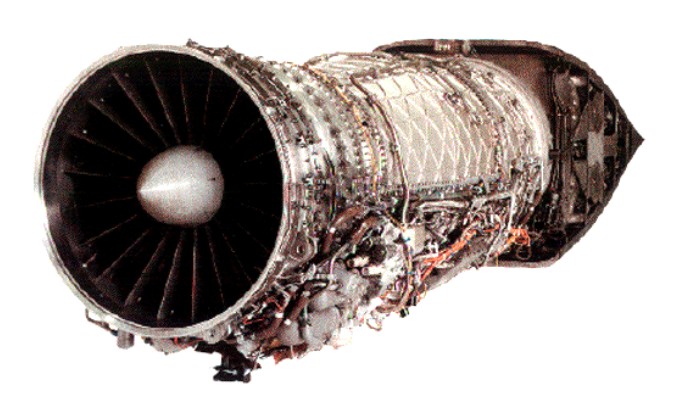
The Pratt & Whitney F119 (company designation PW5000) is an afterburning turbofan engine developed by Pratt & Whitney for the Lockheed Martin F-22 Raptor advanced tactical fighter.
The engine delivers thrust in the 35,000 lbf (160 kN) class, and is designed for supersonic flight without the use of afterburner (supercruise). Delivering almost 22% more thrust with 40% fewer parts than conventional, fourth-generation military aircraft engine models, the F119 allows sustained supercruise speeds of up to Mach 1.72. The F119’s nozzles incorporate thrust vectoring technology. These nozzles direct the engine thrust ±20° in the pitch axis to give the F-22 enhanced maneuverability.
The F119 derivative, the F135, produces 40,000 lbf (180 kN) of thrust for the F-35 Lightning II.

In 2013 Pratt assisted the F119 Heavy Maintenance Center (HMC) at Tinker Air Force Base, Oklahoma in the first depot overhaul of a F119 engine.
Applications:
Lockheed Martin F-22 Raptor
Lockheed YF-22
Northrop YF-23
Specifications:
F119
Type: twin-spool, augmented turbofan
Length: 16 ft 11 in (5.16 m)
Diameter: ~46 in (1.168 m)
Dry weight: 3,900 lb (1770 kg)
Compressor: Twin Spool/Counter Rotating/Axial Flow/Low Aspect Ratio 3 stage low-pressure, 6 stage high-pressure compressor
Combustors: Annular Combustor
Turbine: Axial Flow/Counter-Rotating 2 single-stage turbines
Nozzle: Two Dimensional Vectoring Convergent/Divergent
Maximum thrust: >35,000 lbf (156 kN) (with afterburner)
Thrust-to-weight ratio: 7.95
Pratt & Whitney
In 1925, Frederick Rentschler established the Pratt & Whitney Aircraft Company in Hartford, and Connecticut. Former president of the Wright Aeronautical Corporation of New Jersey, Rentschler was an astute businessman and visionary. Rentschler believed that the future of aviation lay in aircraft capable of carrying a large number of passengers’ great distances at ever-faster speeds. To do so required a more reliable, more powerful aircraft engine than was currently available, and this was where Rentschler focused his energies.
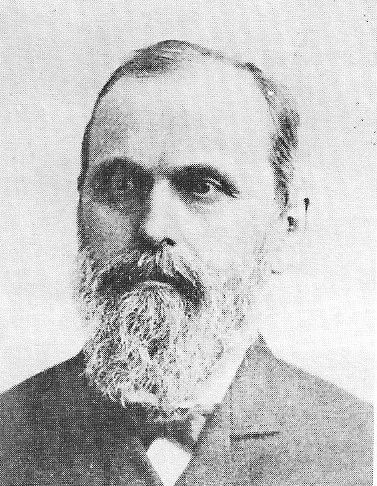
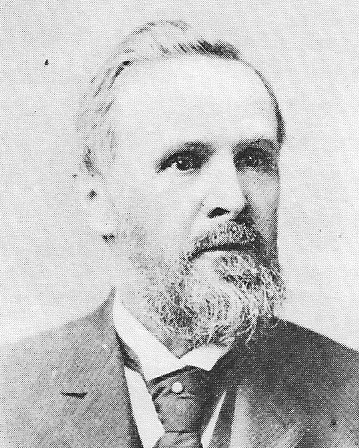
Within a year, Rentschler and his team had designed the air-cooled, radial Wasp engine, which together with its successor, the Hornet, provided increased power and reliability at a low relative weight. Both engines proved extremely successful. By 1929, Pratt & Whitney Aircraft had outgrown its Capitol Avenue plant in Hartford, and Rentschler moved the company to new headquarters on a 1,100-acre site in East Hartford, which included room for further expansion and an airfield to flight test his engines. Pratt & Whitney Aircraft was on its way to becoming one of the state’s largest employers.
Air power played a significant role in the Allied victory during World War II, and Pratt & Whitney Aircraft supplied much of that power. By the end of the war, Pratt & Whitney Aircraft had produced more than 350,000 engines for military use – more in number than any other American manufacturer and, in total horsepower, one half that of America’s combat air forces. In the meantime, Pratt & Whitney Aircraft became a division of the United Aircraft Corporation, which also manufactured the latest in aviation technology, the helicopter, invented by Igor Sikorsky in 1939.
During the post-war decades, Pratt & Whitney Aircraft continued to manufacture aircraft engines for commercial use and was also involved in the development of jet engines. During the 1950s, when government optimism in the peaceful uses of nuclear power was at its peak, Pratt & Whitney even investigated the possibility of using nuclear power in commercial aircraft at its Connecticut Aircraft Nuclear Engine Laboratory in Middletown.
 All Aero