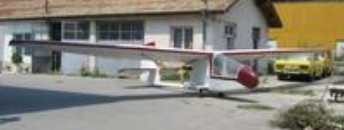
A small ultralight motorglider. This motorglider is available as plans only. It consists of wood and metal construction. The wings are tapered. The landing gear is fixed. Estimated building time is 700 hours. Plans price was $250. 2009 Price: 6000 EURO
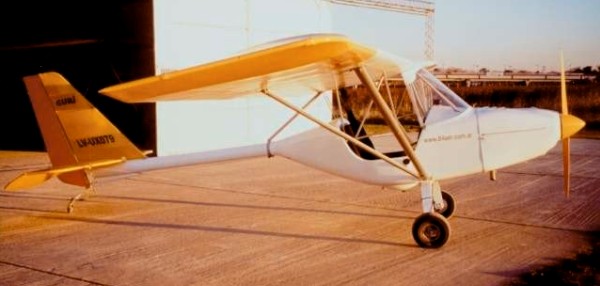
The design goal for the Gurí was for a versatile ultralight and also an airplane kit that is easy to build. The Gurí design uses metalic and composites where it made the most sense from an engineering and a construction standpoint. The Gurí constant-chord wings are aluminum and fabric, with slotted ailerons and flaps. For the compound curves of the cockpit, fiberglass composites are used. Fiberglass fabrics and epoxy-vinylester resin factory molding cockpit, landing gear and several parts insures a smooth finish and a simple assembly project. Rear fuselage is a 6 inch diameter aluminum tail boom with aluminum tube and fabric tail surfaces. The main goal of the kit is the assembly of parts supplied, covering the flight surfaces, install system and engine, ulphostery and painting. It does not include a engine, prop, paint and instruments. Optional equipment includes wheel pants, instruments, floats, and ballistic chute. This aircraft can have 50 HP to 80 HP engine. Price 2009: 18000 USD
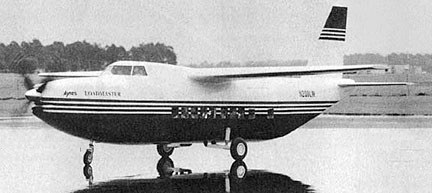
The 1996 LM200 Loadmaster was designed for Federal Express, featuring two turboshafts driving one five-bladed propeller through a combining gearbox. It was design-driven for need to carry four “demi” containers.
Engine: 2 x Allied Signal / Allison TWINPAC CTP 800-4T, 2367 shp Length: 68.996 ft / 21.03 m Height: 22.474 ft / 6.85 m Wingspan: 63.976 ft / 19.5 m Wing area: 453.487 sq.ft / 42.13 sq.m Max take off weight: 19002.7 lb / 8618.0 kg Weight empty: 9000.8 lb / 4082.0 kg Max. speed: 196 kts / 363 km/h Cruising speed: 165 kts / 306 km/h Initial climb rate: 1870.08 ft/min / 9.5 m/s Wing load: 42.03 lb/sq.ft / 205.0 kg/sq.m Maximum range: 1120 nm / 2075 km Range (max. weight): 651 nm / 1205 km Crew: 2 Payload: 19-34pax / max. 3400kg
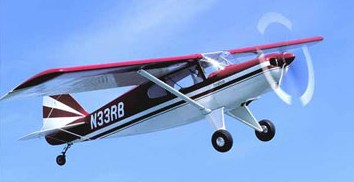
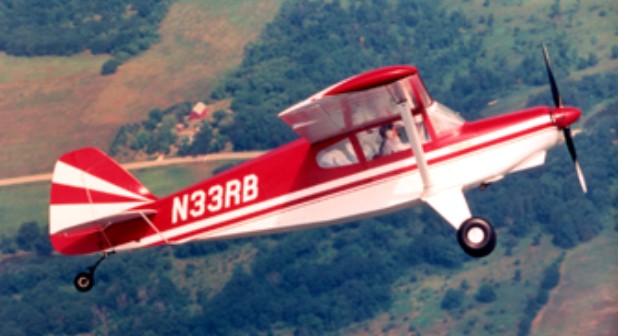
Designed by Robert Barrows of Fincastle, Virginia, the Bearhawk is a 2 or 4-place design. The design parameter were for a heavy hauling BIG airplane with a good cruise speed and economical operation. Short field performance is excellent with the large flaps. The Bearhawk prototype Bearhawk N6890R is powered by a Lycoming 0-360 (170 hp) set up to burn auto fuel.
The Bearhawk was designed as a personal project by Barrows to carry aircraft engines for delivery as freight for his engine rebuilding business in 1995. It features a strut-braced high-wing with an enclosed cabin accessed by doors, fixed conventional landing gear and a single engine in tractor configuration.
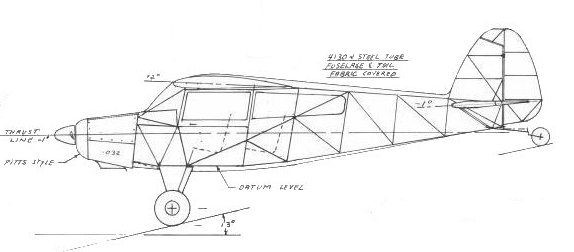
The aircraft fuselage is made from welded steel tubing covered in doped aircraft fabric, while the wings are made from aluminum sheet. Its 33 ft (10.1 m) span wing employs a NACA 4412 mod airfoil, has an area of 180 sq ft (17 m2) and mounts flaps. The aircraft’s recommended engine power range is 150 to 260 hp (112 to 194 kW) and standard engines used include the 180 hp (134 kW) Lycoming O-360 and 250 hp (186 kW) Lycoming O-540 four-stroke powerplants. Construction time from the supplied kit is 1200 hours.
With a 52 inch cargo door, the Bearhawk has a 12 inch C of G envelope. The painted 4130 tube fuselage is ready for covering, giving an actual builders’ time of 850-1200 hours. The all metal wings are 90% factory riveted, with solid rivets. Useful load ranges from 1,000-1,300 pounds and can carry four adults and full fuel. The back seat can be removed resulting in a huge cargo area with unobstructed access. Not only does the back seat have its own door, but also the door combines with the cargo door to allow a six-foot loading area.
The Bearhawk has an all metal wing with a fabric covered steel tube fuselage and tail feathers. The modified 4412 airfoil combined with big flaps and a long, all metal wing offer the best combination for short field take off and landings. A Cessna windshield, modified lift struts, and the fiberglass nose bowl are some airframe components that need not be built by the homebuilder. The builder time is estimated at 1500-2000 hrs. The Bearhawk kit plane is available in a “quick build” kit. Some Bearhawk owners have put the big tundra tires on their airplanes, and operate on the remote landing spots used by bush pilots in Alaska.
The Bearhawk useful load (depending on engine and builder finish out) ranges from 1100-1500 lbs. The 50 USgallon main fuel tanks can be filled and four full sized adults carried with room left over for 250 lbs of baggage or cargo.
The back seat can be removed resulting in a huge cargo area with unobstructed access. Not only does the back seat have its own door, but the back door combines with the cargo door to allow a six foot loading area. In addition, the back seat can be flipped around and mounted with the seat facing aft. This moves the CG of the rear seat passengers 8 or 9 inches forward.
The two prototype Bearhawks (180 hp & 260 hp) have accumulated well over 1000 hours of flight time. There are at least two Bearhawks built by builders with over 700 hours on them.
Introduced in 1995, plans were offered for sale and over 1400 sets of plans have been sold. By November 2012 66 examples had been registered in the United States with the Federal Aviation Administration and seven with Transport Canada. There are over 100 Bearhawks flying in the USA and around the world. The kit only price in 2011 was US$35,295.
The plans are now included at no additional cost with the purchase of a full Quick Build kit for the Bearhawk or Patrol. If less than a full QB kit is purchased, then the plans must be bought from R & B Aircraft (Bob Barrows).
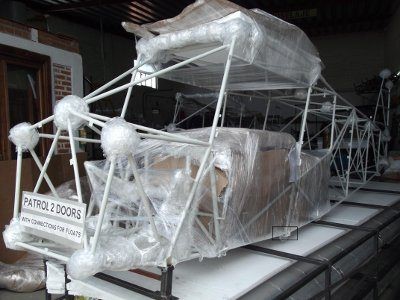
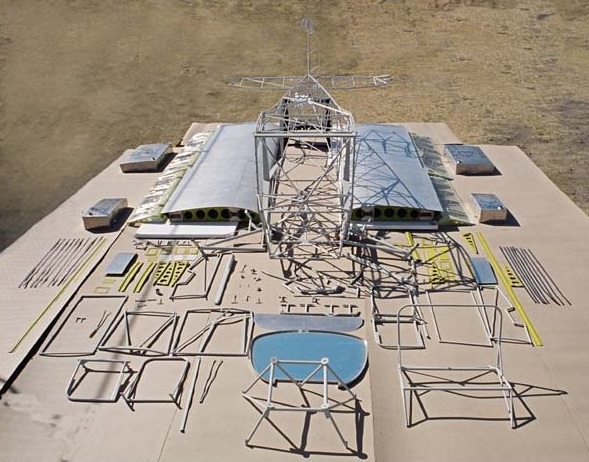
The Bearhawk can be built from plans alone, built from a Quick Build kit made by Bearhawk Aircraft, or some combination of the above. According to Bob Barrows, the QB kit can save up to 70% or more of the time required to build.
The price in 2014 was $295 US for the four place Bearhawk plans. Get a description of the plans or purchase plans online at http://mybearhawk.com/bearhawkplans.html
If less than a full Quick Build kit is purchased, then the plans must be bought from R & B Aircraft (Bob Barrows). The plans are now included at no additional cost with the purchase of a full Quick Build kit for the Bearhawk or Patrol.
The Patrol version can be built from plans alone, built from a Quick Build kit made by Bearhawk Aircraft, or some combination of the above. According to Bob Barrows, the QB kit can save up to 70% or more of the time required to build.
The price is $280 US for the Patrol plans, and can be paid with a money order, US personal check, Canadian Postal Money Order (US $), or international money order (US $).
Float plane flying customers suggested putting doors on both sides of the Patrol instead of just the right hand side door to allow more flexibility while docking in windy conditions,. In addition, they requested the fuselages come from the factory with the rear float attach fittings already welded in place. With these suggestions became the Patrol SP (Sea Plane). This model incorporates those two approved design changes; along with some structural strengthening by using thicker wall tubing above the rear float attach fittings. The price of this full Patrol SP Quick Build kit was US$39,700 in 2014.
Prices and contents of the Full Bearhawk kits and components (2014): Full Bearhawk Quick Build fuselage – $23,025 Includes everything that comes with the Bearhawk Quick Build Kit
BASIC FUSELAGE $11,600 The basic fuselage structure complete, but with only the most important attach fittings finish welded on. These are: Wing attach fittings Wing Strut Fittings landing gear attach fittings wing strut attach fittings and the tail surfaces attach fittings. A straight, true fuselage finish welded. Unpainted because there are many parts that still need to be welded on.
Bearhawk Quick Build Wings – $18,475 Includes everything that comes with the Bearhawk Quick Build Kit
WING COMPONENT KIT $7,250 Ribs formed (includes all wing, flap, aileron ribs) All spars primed, assembled and finished
Patrol kit pricing (2014) Basic QB Kit – $30,825 (Some welding required) Includes: Quick-build Wing Kit – Basic Fuselage Kit Deluxe QB Kit – $39,105 (No welding required) Includes: Quick-build Wing Kit – Deluxe Fuselage Kit Quick-Build Wing Kit – $17,305 These wings are sold in an advanced level of completion. The top skin is completely finish riveted. The forward edge of the bottom skin is finish riveted to the bottom flange of the main spar, and aft of the main spar the bottom skin is drilled and dimpled as are the ribs the bottom skin is riveted to. The bottom skin is pop riveted (with a few pops) for shipment. Spars and all spar parts are alumi-prepped, alodined, and primered with MIL-P-23377E strontium chromate epoxy primer. Wing skin interiors and all ribs are primered with Zinc Chromate. Steel parts in the wings are primered with epoxy primer and top coated with MIL-C-22750D epoxy paint. Quick Build wings come with ailerons and flaps 90% finished, but still requiring fabric covering. Fuel tanks are included,but must be installed.
Basic Fuselage – $15,500 Welding required. Includes finish welded fuselage frame (unpainted) and motor mount, all major fittings are welded in place, tabs, sheet metal and minor fitting to be done by builder, landing gear, control stick assembly, rudder pedals and flap controls are finished. Horizontal stabilizer, elevator and rudder are finish welded. Deluxe Fuselage – $21,800 No welding required by builder. The fuselage and all fittings are completed, sand-blasted and epoxy primed. All steel parts are coated with the epoxy primer and top coated with MIL-C-22750D epoxy paint. Sheet metal is included; cut and ready to be assembled, but may require some trimming. Door and frames, seat frames and the fiberglass nose bowl are included.
Builders of the Bearhawk can purchase the plans and can purchase some sub-kits or components.
The two-place side-by-side Bearhawk Companion aircraft is derived from the tandem Bearhawk Patrol wings and four-place Bearhawk 5 fuselage. The aircraft features flush rivet aluminium wings, a steel tube fuselage, and an Airfoil shaped empennage. The fuselage is slightly shorter than the Model 5.
The first flight of the Bearhawk Companion was announced in early 2021.The first flight was performed by the aircraft builder, Dave Lenart of Vermont, USA. It was built from a manufactured kit.
The Companion handles and performs much like the narrower Patrol.
Bearhawk Four seat model with a cabin 42.5 in (108 cm) wide and a gross weight of 2,700 lb (1,225 kg), with 75 reportedly completed and flown by December 2011.
Patrol Two-seats in tandem model with a cabin 32 in (81 cm) wide and a gross weight of 2,000 lb (907 kg), with three reportedly completed and flown by December 2011.
Specifications:
Engine HP range 150-260 hp Wing span 33 ft. Wing Area 180 sq. ft. Length 23 ft 6 in Empty Weight 1150-1350 pounds Gross weight 2500 pounds (2700 pounds on floats) Useful Load 1350-1150 pounds Fuel Capacity 50 USG (standard) 68 USG (optional, w/aux tanks) Vne 175 mph IAS Cruise Speed (62% 260 hp) 150 mph TAS Cruise Speed (180 hp) 135-140 mph TAS Landing Speed 40 mph IAS Takeoff Roll 200-500 ft Rate of Climb @ gross 1,500-1,700 fpm Range @ 65% est. 650 mi. Range @ 50% est. 900 mi. Cabin Width 42 in. Cabin Length 9 ft 8 in. (firewall to back of back of baggage area)
Engine: Lycoming O-360, 170 hp HP range: 150-260 Wing Span: 33 ft. Wing Area: 180 ft. Length: 23 ft. 6 in. Height: 7 ft Empty Weight: 1190 lbs. Gross Weight: 2500 lbs. Fuel cap: 55 USG Top Speed (VNE): 175 mph Cruise Speed: 120-150 mph Landing Speed: 40 mph Take Off Roll: 250-600 ft. Range (55 gal @ 60%): 800 miles Stall: 40 mph ROC: 1500 fpm Range: 800 sm Service ceiling: 15,000 ft Cabin Width: 42 in. Cabin Length (Firewall to the end of baggage area): 9 ft. 8 in Cockpit width: 30 in Landing gear: tail wheel Seats: 4
Bearhawk 180hp Wing span: 33 ft Wing Area: 180 sq. ft Length: 23 ft. 6 in Empty Weight: 1150-1550 lb Gross weight: 2500 lb Gross weight w/floats: 2700 lb Useful load: 1100 lb Vne: 175 mph, IAS Cruise 60% pwr: 135 mph Cruise 75% pwr: 145 mph Touchdown speed: 40 mph Range std tanks: 650-800 mile Range aux tanks: 850-1000 mile Range @ 65% est: 650 mi. Range @ 50% est: 900 mi. Fuel std: 50 US gals Length: 9 ft 8 in Takeoff Roll: 200-500 ft Rate of Climb @ gross: 1,500-1,700 fpm Cabin Width: 42 in Cabin Length: 9 ft 8 in Cargo door: 52 in CG envelope: 12″ Seats: 4
Engine: Lycoming O-540, 250 hp. Hp range: 150-260 Length: 23.5 ft Wingspan: 33 ft. Wing area: 180 sq.ft. Empty wt: 1400 lbs Mtow: 2500 lbs. Useful load: 1100 lb Seats: 4 Fuel cap: 50 USG Cockpit width: 42.5 in Landing gear: tailwheel Cruise 62% pwr: 150 mph Cruise 75% pwr: 160 mph Stall: 40 mph Std Range: 650-800 sm Opt Range: 850-1000 sm ROC: 1700 fpm TO dist: 400 ft. Ldg dist: 350 ft
Bearhawk Engine: 1 × Lycoming O-540, 250 hp (190 kW) Propeller: 2-bladed constant speed Length: 23.5 ft (7.2 m) Wingspan: 33 ft (10 m) Wing area: 180 sq ft (17 m2) Airfoil: NACA 4412 mod Empty weight: 1,400 lb (635 kg) Gross weight: 2,700 lb (1,225 kg) Fuel capacity: 50 U.S. gallons (190 L; 42 imp gal) Cruise speed: 155 mph (135 kn; 249 km/h) Stall speed: 40 mph (35 kn; 64 km/h) Range: 625 mi (543 nmi; 1,006 km) Rate of climb: 1,700 ft/min (8.6 m/s) Wing loading: 15 lb/sq ft (73 kg/m2) Crew: one Capacity: three passengers
Bearhawk 250 hp Wing span: 33 ft Wing Area: 180 sq. ft Length: 23 ft. 6 in Empty Weight: 1150-1550 lb Gross weight: 2500 lb Gross weight w/floats: 2700 lb Useful load: 1300 lb Vne: 175 mph, IAS Cruise 62% pwr: 150 mph Cruise 75% pwr: 160 mph Touchdown speed: 40 mph Takeoff dist: 400 ft at 2,500 lb Range std tanks: 650-800 mile Range aux tanks: 850-1000 mile Fuel std: 50 US gals Fuel aux: 72 USgals cargo door: 52 in CG envelope: 12″ Takeoff Roll: 200-500 ft Rate of Climb @ gross: 1,500-1,700 fpm Range @ 65% est: 650 mi. Range @ 50% est: 900 mi. Cabin Width: 42 in Cabin Length: 9 ft 8 in Seats: 4
Bearhawk Patrol Engine: 115 hp to 210 hp Top speed: 165 MPH Cruise Speed: 140 MPH Landing Speed: 35 MPH Take-Off Roll (Gross Wt.): 250 ft Range (55 gal. @ 35%): 900 miles Empty Weight: 950+ lb Gross Weight (Utility Stds.): 2,000 lb Wing Span: 33 ft Wing Area: 180 sq. ft Length: 22 ft 8 in Height (3 pt.): 6 ft 4 in Cabin Width: 32 in Cabin Length: 9 ft 5 in
1995: R&B Aircraft, 7590 Breckridge, Fincastle, VA 24090, USA.
The Barrows Bearhawk American amateur-built aircraft, was designed by Bob Barrows and produced by R&B Aircraft of Fincastle, Virginia, AviPro Aircraft and then Bearhawk Aircraft of Austin, Texas.
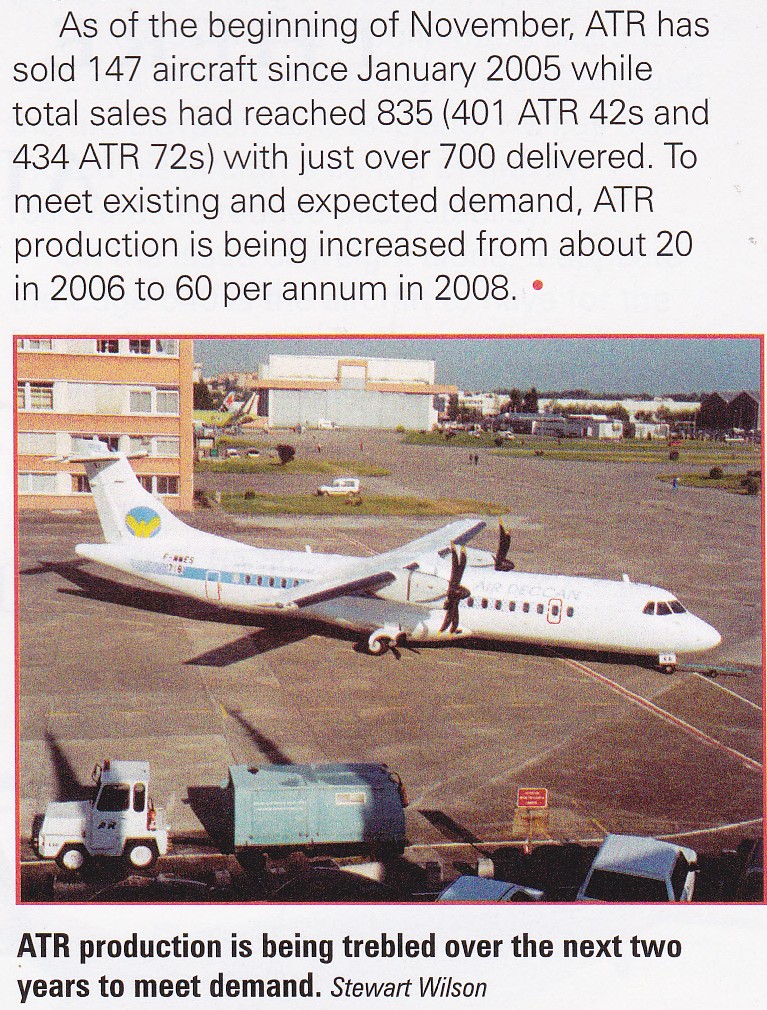
Avions de Transport Regional was founded 1982 by Aerospatiale of France and Alenia of Italy to develop a twin-turboprop regional transport aircraft. The initial ATR 42 42/48-seat airliner or freighter was first flown in August 1984, with production deliveries from 1989. Followed by the larger ATR 72 for 66-74 passengers (first flown October 1988 and also delivered from 1989). Both also available in Maritime Patrol form.
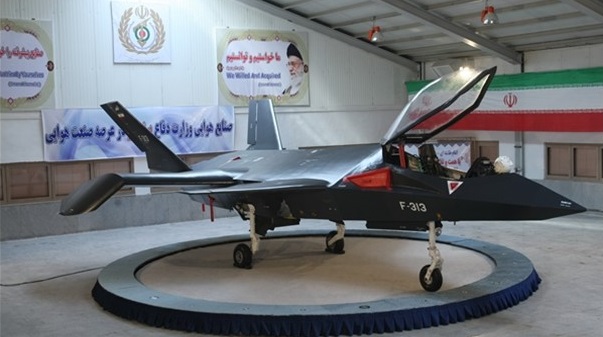
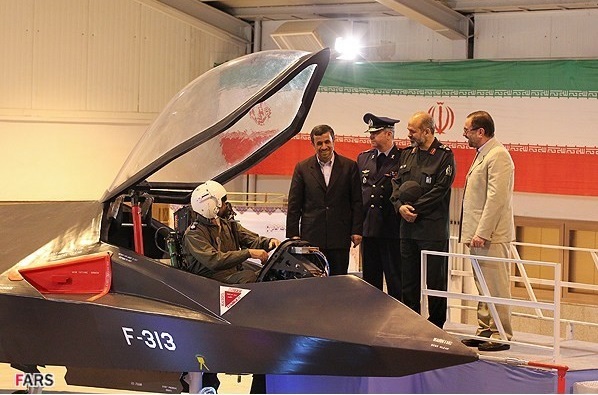
Unveiled on Feb. 2, 2013, the Qaher 313 was no more than a mock-up that will never fly unless it is almost completely redesigned. Iran insists its new home-made stealth fighter aircraft is “not a paper model” but an “aircraft designed by the Islamic Republic for anti-choppers missions.” Furthermore the F-313’s mission would be “protecting security in the Persian Gulf.” This is what a senior Iranian defense ministry official said on Apr. 16.
Addressing a group of Iranian soldiers, Deputy Defense Minister General Majid Bokayee explained that the Qaher 313, designed and developed at a cost of 2 to 3 million USD, has a “unique” structure, will be armed with home-made weapons and equipment and it will feature capabilities that will stun enemies on the battlefield. According to the Iranian Defense Minister Brigadier General Ahmad Vahidi, the Qaher 313 is an advanced aircraft with a very small Radar Cross Section, capable of taking off from short runways and flying at low altitude like no other most advanced western plane.
The prototype of the Q-313 (or F-313 according to the stencils applied to the aircraft), was presented to President Mahmoud Ahmadinejad and publicly displayed as part of the Ten-Day Dawn ceremonies held in Iran to celebrate the 1979’s victory of the Islamic Revolution.
In the previous days, the Iranian Defense Minister Brigadier General Ahmad Vahidi had said, “The aircraft will be different from the other fighter jets Iran has already made.”
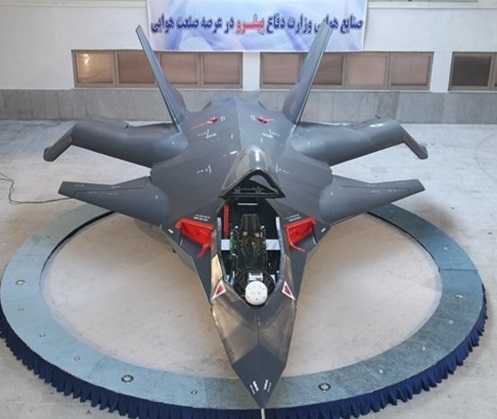
The Q-313 has large, seemingly fixed canards, and little wings whose external section is canted downward. The canopy material looks like plexiglass or something like that. The cockpit seems to be basic (note the lack of wirings behind the front panel and the presence of few instruments, some of those similar to those equipping small private planes…).
The nose section is so small almost no radar could fit in it. The air intakes are extremely small whereas the engine section lacks any kind of nozzle: engine afterburners could melt the entire jet. The aircraft is way too small, look at the image showing an Iranian officer sitting on the ejection seat in the cockpit.
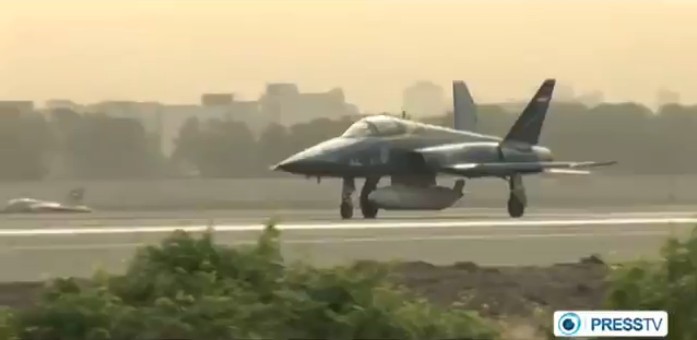
There is a video allegedly showing the Q-313 in the air. Here it is.

 All Aero