The concept of Classic Aviation Designs Limited was conceived in 2004, and the company was incorporated on 31 Janauary 2012. Originally the concept was to reintroduce affordable aviation at grassroot levels to new and experienced builders of aircraft.
Designing and building of the Adventurer CA18 was as a sideline. Part of the inspiration behind the Adventurer CA18 was to attract a new generation to sport flying and aviation related careers.
With the assistance of some key people such as Sid Siddiqi an ex Nasa engineer and retiree, CADL was able to present the concept of the Clubflyer Education Programme (CEP) at the 2011 and 2012 Oshkosh Trade Show. This concept was universally agreed, by all who attended the talks or from those spoken to privately at the event, that the programme had good merit to help revitalise the aging issues of aviation.
From the initial concept it was identified that private builders would also be interested in building the aircraft. CADL revised its initial education project to also incorporate a private builders programme.
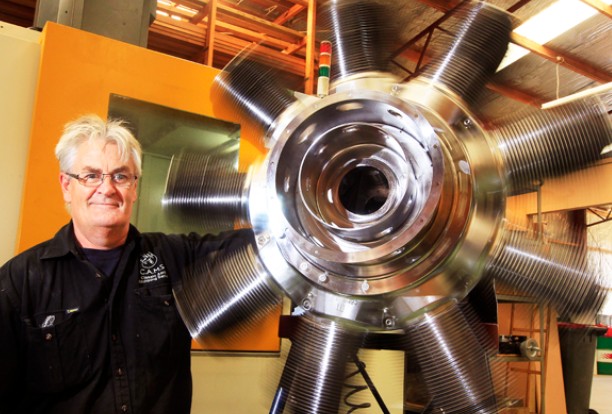
Mr Wytenburg, who started building parts for old warplanes in Blenheim in 2004, has built an international reputation for reverse engineering and remanufacturing aircraft parts, frames and engines.
Building the Gnomes has “been a dream come true” for the aviation engineer, who had been trying to find one of the original engines to use as a template for almost five years. Once he had an engine to copy, he wanted to have five buyers lined up, to ensure it was a viable enterprise, he said.
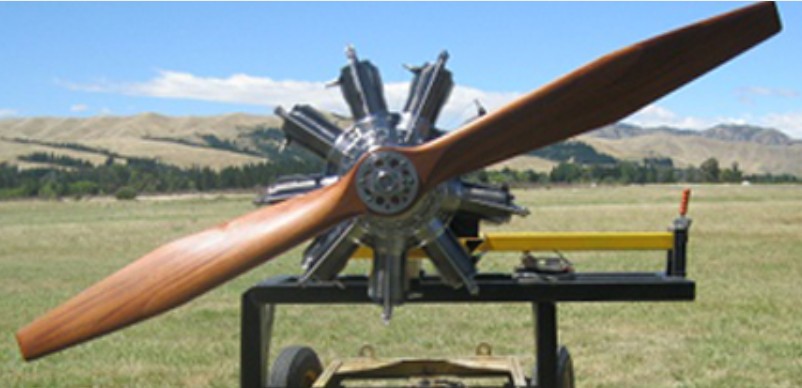
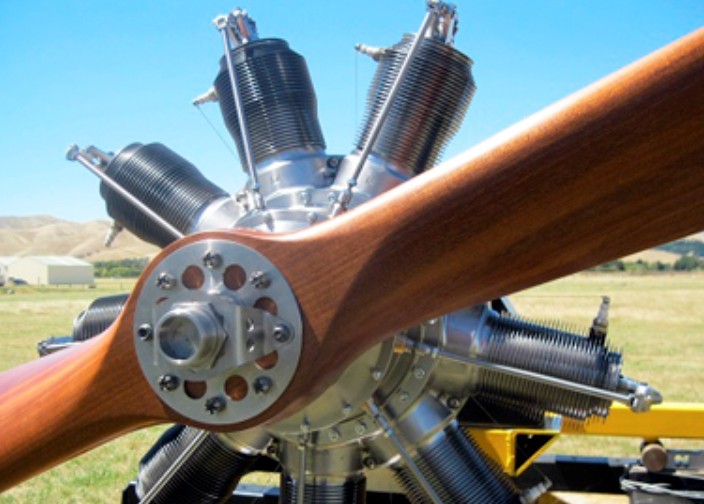
Classic Aero Machinery Service owner Tony Wytenburg had spent the past four months working full-time on building the shell of his first Gnome 100 horsepower Monosoupape rotary engine.
Tony has stripped an original Gnome and generated CAD drawings from that. From those he will manufacture new engines as close as possible to the original. There were some significant engineering challenges associated with this, which Tony has identified and come up with modern day fixes to a 90 plus year old design.
Known issues included the concern that some of the original ball bearing sizes were no longer available. Standard off-the-shelf bearings are used, and modifications made to suit these. Other changes are the use of aluminium pistons and modern ring combinations instead of the cast iron used in the originals.
On Friday the 31st January 2014 at 3.35pm at the Omaka Airfield, Marlborough, New Zealand, CAMS Aero Engines 100 hp Gnome CAMS 001 ran for the first time. The official launch and start-up was scheduled for 18th of February at Omaka Airfield.
It cost about $200,000 to make one engine but the cost reduced considerably when manufacturing to scale. At the end of 2013, Wytenburg had three buyers on board and decided to get started early.
In order to maintain 100% authenticity, The Australian Vintage Aviation Society ordered a 100hp Gnome Rotary engine built to fit to the Fokker E.III Eindekker. The work is being done by Tony Wytenburg of Classic Aero Machining Service (CAMS), in Blenheim NZ.
Tony Wytenburg and his team at CAMS Aero Engines has a track record with the re-manufacture of the first RAF 1a engine, which was in turn, the first WW-I aero engine to be built new to operational condition, anywhere in the world, since the Great War period. This, followed by the 100 hp Gnome rotary.
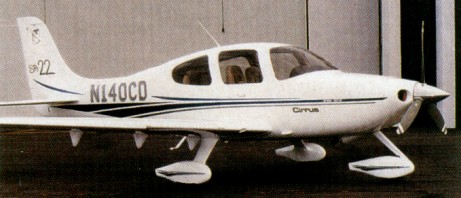
The product line was expanded in 2000 with certification of the SR22, a growth product of the SR20, with a more powerful engine and longer range. A new aircraft, the Cirrus SR22-G2 (Generation 2), replacing the SR22, features all leather seats, feather wrapped side yoke, throttle and grab handles, as well as new large gull wing doors. The type also has a full colour 10.4 inch primary flight display (PFD), and a 10.4¬inch colour display displaying engine monitoring, checklists, weather, terrain, and route flight planning information.
The first Australian-assembled Cirrus SR22 was handed over to its owner at Archerfield, Queensland, in May 2006. The aircraft are assembled from knocked-down kits from Cirrus in the USA.
In April 2007, Cirrus Design introduced its third generation of aircraft – the SR22-G3. The G3 is a continuing evolution to refine the aircraft structure and systems, and reduce unnecessary weight using the best new materials and engineering methods available. Cirrus introduced the SR22-G3 with a lighter wing thanks to a new carbon fibre spar with increased dihedral, increased fuel capacity, improved ice protection, expanded centre of gravity envelope and taller undercarriage for greater prop clearance. Without adding to the aircraft’s weight, Cirrus has increased new equipment options, payload, safety features, and aircraft usefulness. With nearly 700 changes and systems improvements, the SR22-G3 represents the culmination of virtually everything Cirrus has learned about engineering and design.
2001 Cirrus SR22 Base price: $276,000 Engine: TCM IO-550-N, 310 hp@SL TBO: 2000 hrs. Fuel type: 100/100LL Propeller type/diameter: Hartzell CS / 78 in Landing gear type: Tri/Fixed Max ramp weight (lbs.): 3400 Gross weight (lbs.): 3400 Landing weight (lbs.):3400 Empty weight, std. (lbs.): 2250 Useful load, std. (lbs.): 1150 Payload, full std. fuel (lbs.): 664 Usable fuel (USgals.): 81 Oil capacity (qts.): 8 Wingspan: 38 ft. 3 in. Overall length: 26 ft. Height: 8 ft. 9 in. Wing area (sq. ft.): 144.9 Wing loading (lbs./sq. ft.): 23.5 Power loading (lbs./hp.): 11.0 Wheel track (in.): 10 ft. 9 in. Wheel size (in.): 6.00 x 6 Seating capacity: 4 Cabin width (in.): 49 Cabin height (in.): 50 Baggage capacity (lbs.): 130 Cruise speed (kts) 75% power @ 10,000 ft.: 180 Cruise speed (kts) 65% power @ 10,000 ft.: 175 Cruise speed (kts) 55% power @ 12,000 ft.: 171 Max range (w/ reserve) (nm) 75% power at 17.000 ft: 744 Max range (w/ reserve) (nm) 65% power at 17.000 ft: 827 Max range (w/ reserve) (nm) 55% power at 17.000 ft: 939 Fuel consumption (USgph) 75% power: 16.4 Fuel consumption (USgph) 65% power: 15.0 Fuel consumption (USgph) 55% power: 13.9 Stall speed (flaps up) (knots) :69 Stall speed (flaps down) (knots): 59 Best rate of climb (fpm): 1400 Best rate of climb, 8000 ft. (fpm): 843 Service ceiling (ft.): 17,500 Takeoff ground roll (ft.): 1058 Takeoff over 50-ft. obstacle (ft.): 1629 Landing ground roll (ft.): 1161 Landing over 50-ft. obstacle (ft.): 2352
2007 Cirrus SR22 Turbo Base price: $544,295 Engine: TCM IO-550N TBO (hrs.): 2000 Horsepower@altitude: 310@SL Fuel type: 100LL Propeller type: Hartzell ACSII/3-blade Landing gear type: Fixed/Tri. Max ramp weight (lbs): 3400 Gross weight (lbs.): 3400 Landing weight (lbs.): 3400 Empty weight, std. (lbs.): 2418 Useful load, std. (lbs.): 982 Useful fuel (USgals.): 81 Wingspan: 38 ft. 6 in. Cabin doors: 2 Cruise Speed, 75% power (KTAS): 203 Fuel Consumption, 75% power (gph): 17.5 Vso (kts.): 61 Best rate of climb SL (fpm.): 1304 Takeoff ground roll (ft.): 1574 Landing ground roll (ft.): 1141 Landing over 50 ft. obstacle (ft.): 2325
2004 Cirrus SR22-G2 Base price: $334,700 Engine: TCM IO-550-N Horsepower@rpm@altitude: 310@2700@SL Horsepower for takeoff:310 TBO hrs.: 2000 Fuel type:100/100LL Propeller type/diameter (in.): Hartzell CS/78 Landing gear type: Tri./Fixed Max ramp weight (lbs.): 3400 Gross weight (lbs.): 3400 Landing weight (lbs.): 3400 Empty weight, std. (lbs.): 2250 Useful load, std. (lbs.): 1150 Payload, full std. fuel (lbs.): 664 Usable fuel (USgals.): 81 Oil capacity (qts.): 8 Wingspan: 38 ft. 6 in. Overall length: 26 ft. Height: 8 ft. 7 in. Wing area (sq. ft.): 144.9 Wing loading (lbs./sq. ft.): 23.5 Power loading (lbs./hp.): 11 Wheel track: 10 ft. 9 in. Wheel size (in.): 6.00 x 6 Seating capacity: 4 Cabin doors: 2 Cabin width (in.): 49 Cabin height (in.): 50 Baggage capacity (lbs.): 130 Cruise speed, best economy (kts.) 75% power: 180 Cruise speed, best economy (kts.) 65% power: 175 Cruise speed, best economy (kts.) 55% power: 171 Max range (w/ 45-min. reserve) (nm) 75% power: 720 Max range (w/ 45-min. reserve) (nm) 65% power: 770 Max range (w/ 45-min. reserve) (nm) 55% power: 821 Fuel consumption, best economy (USgph) 75% power: 16.4 Fuel consumption, best economy (USgph) 65% power: 15.0 Fuel consumption, best economy (USgph) 55% power: 13.9 Vs (knots) :69 Vso (knots): 59 Best rate of climb (SL fpm): 1400 Best rate of climb,8,000 ft. (fpm): 842 Service ceiling (ft.): 17,500 Takeoff ground roll (ft.): 1020 Takeoff over 50-ft. obstacle (ft.):1575 Landing ground roll (ft.): 1140 Landing over 50-ft. obstacle (ft.): 2325
Cirrus SR22-G3 Engine: Continental IO-550-N, 310 hp@SL Gross weight (lbs.): 3400 Landing weight (lbs.): 3400 Empty weight, std. (lbs.): 2230 Useful load, std. (lbs.): 1170 Useable fuel, std. (gals.): 92 Wingspan: 38 ft. 4 in. Overall length: 26 ft. Height: 8 ft. 9 in. Cabin width (in.): 49 Cabin height (in.): 50 Max cruise speed (kts.): 185 Range, 65% power (nm): 1049 Range, 55% power (nm):1170 Vso (kts.): 60 Best rate of climb, SL (fpm): 1400 Service ceiling (ft.): 17,500 Takeoff ground roll (ft.): 1028 Takeoff over 50-ft. obstacle (ft.): 1594 Landing ground roll (ft.): 1141 Landing over 50 ft. obstacle (ft.): 2344
2009 CIRRUS SR22 X EDITION Engine: Continental IO-550-N Turbonormalizing system: Tornado Alley Horsepower 310@SL Gross weight (lbs.): 3400 Empty weight, std. (lbs.): 2517 Useful load, std. (lbs.): 883 Usable fuel, std. (USgals./lbs.): 92/552 Wingspan: 38 ft. 4 in. Overall length: 26 ft. Overall length: 8 ft. 11 in. Cabin width (in.): 49 Cabin height (in.): 50 Vso (kts.): 60 Best rate of climb (fpm): 1400 Service ceiling (ft.): 25,000 Max cruise speed (KTAS): 219 Cruise range with reserve, 75% power (nm): 925 Max range with reserves, 55% power (nm): 1000 Takeoff ground roll (ft.): 1028 Takeoff over 50 ft. obstacle (ft.): 1594 Landing ground roll (ft.): 1141 Landing over 50 ft. obstacle (ft.): 2344
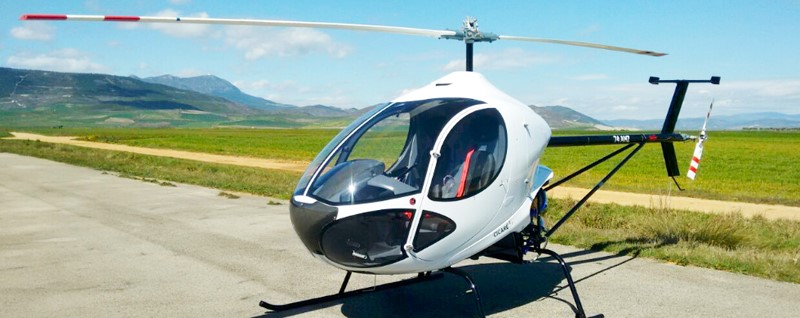
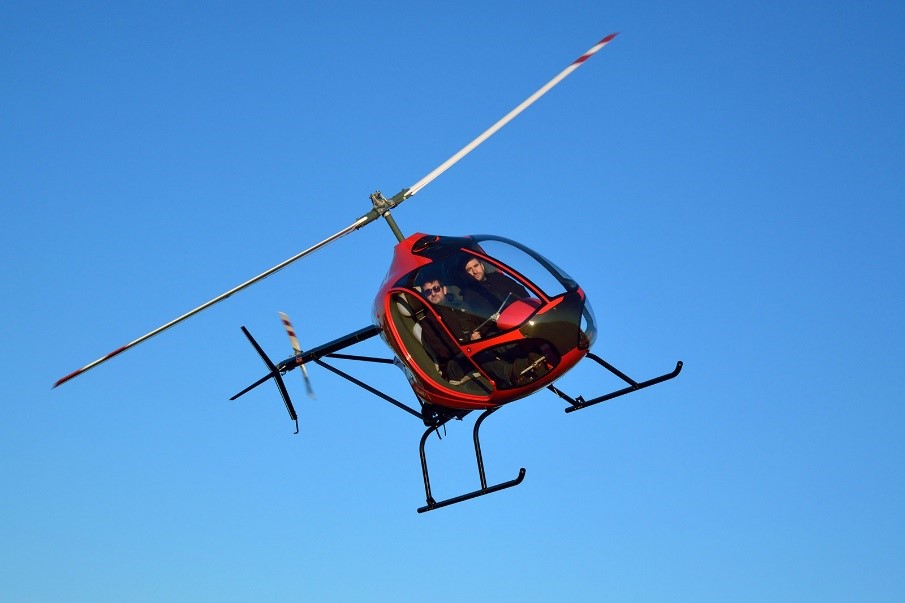
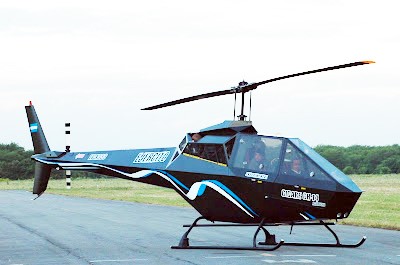
The objective of this project was to develop a two seat helicopter that fitted the ULM category, based on the platform of the Cicaré 7B and 7T, also to be sold as a kit.
The Cicaré 8 is built with aeronautical SAE 4130 chrome molybdenum steel and welded in spatial reticulated configuration and the cabin is a semi-monocoque made of composite carbon fiber and epoxy resin. The T-Shaped stabilizerhas a semi-monocoque type structure, built entirely in AL-2024 T3 and AL6061 T6.
Based on the ROTAX 900 series, with improved performance and features, the EPA POWER 917 is a block of Rotax engine with dual injection and carbon fiber components, which ensure a reliable and safe flight.
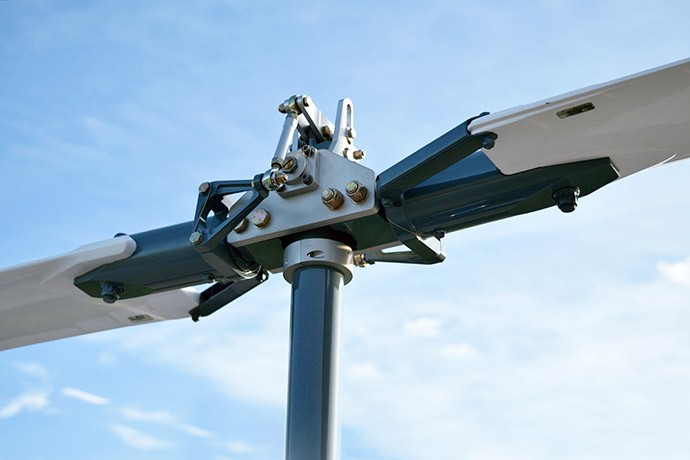
A semi-rigid, simple and optimum rotor, which is reflected in a soft and highly controllable helicopter. One highlight of the Cicare helicopters is the command system that was designed and patented by Augusto Cicaré under US PATENT: 5.165.854
The system ensures a smooth and seamless linkage between the engine and the transmission, allowing a gradual engagement which is almost imperceptible to the passengers in the cabin.
The kit price in 2021 was USD 121.500.
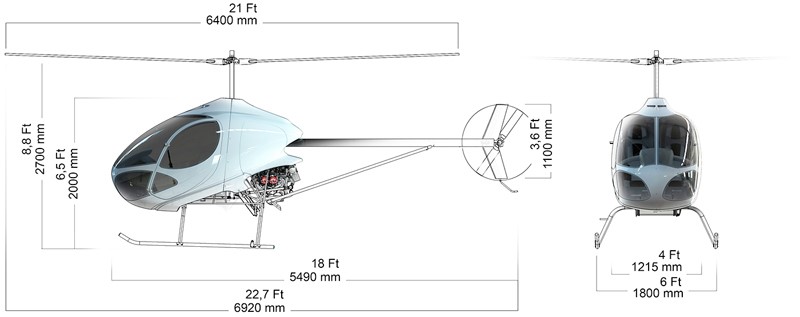
Engine: EPA R917 Ti, 135 hp Empty Weight: 280 Kg (620lb) MTOW: 480 Kg (1060lb) VNE: 194 Km/h Cruise speed: 150 km/h Climb rate: 7 m/s / 1400 ft/min Service Ceiling: 4500 m Fuel: 95 octane Endurance: 2,5 hrs
The Augusto Cicare CH-14 light two-seat tandem helicopter development began in January 2005 under an Argentine Army request in conjunction with CITEFA, La Plata University and Army Aviation Maintenance Batallion.
First revealed Nov 23, 2007 during the Army Aviation Day and is intended to be used in both civilian and military applications.
Powerplant: Rolls Royce Allison 250-C20-B, 420 hp Maximum Continuous Power: 370 hp MTOW: 1450 kg Empty Weight: 750 kg Useable Load: 700 kg Vne: 240 km/h Cruise Speed: 210 km/h Range: 630 km Climb Rate: 8 m/s Service Ceiling: 4500 m
First flew in 1977 Eagle II two-seat unlimited-class aerobatic biplane; hundreds of kits sold for amateur construction. In 1983 acquired former Pitts Aerobatics company and this plant at Afton in Wyoming became company headquarters. Thereafter added Pitts Special aerobatic biplane to product line, plus A-1 Husky two-seat cabin monoplane (first flown 1986) as assembled and certificated aircraft.
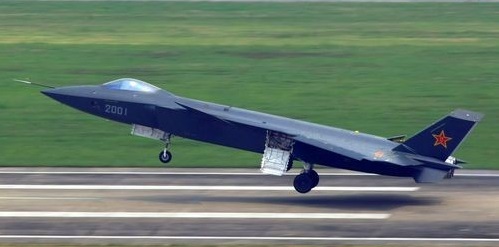
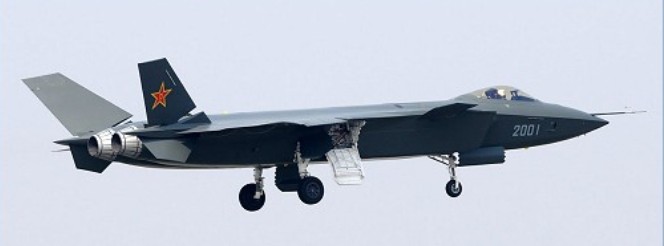
In the late 1990s, China initiated the J-XX program, aimed at developing a fifth-generation fighter. The Chinese revealed the first product of the J-XX program, the J-20, to the world in 2011. It is designed for high-alpha control and supercruise performance.
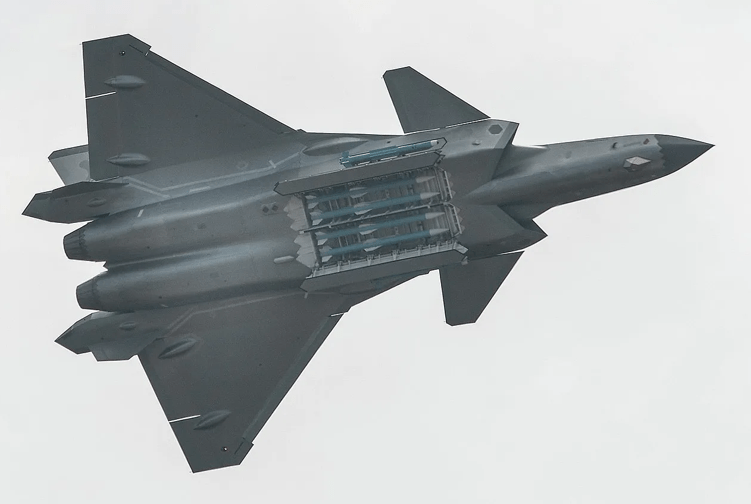
It uses internal weapons bays capable of carrying both short and long-range AAMs, and an advanced HUD and glass cockpit has been mounted on the aircraft. The prototypes were flying with Saturn AL-31F engines, allowing for flight testing to proceed while the planned WS-15 engines were under development.
The Chengdu J-20 is a fifth generation stealth, twin-engine fighter aircraft prototype developed by Chengdu Aircraft Industry Group for the Chinese People’s Liberation Army Air Force. The J-20 made its first flight on 11 January 2011.
Unlike the F-22 and F-35, which prioritise all-aspect stealth, the J-20 employs a more selective approach to low observability, with emphasis on frontal aspect stealth to enable long-range penetration of enemy air defence networks.
Initially powered by Russian AL-31 derivatives, newer J-20s feature indigenous WS-10C engines, with the definitive WS-15 engines under development to enable sustained supercruise capability. These powerplants push the J-20 to speeds of Mach 2 (2,470 km/h).
With over 200 units already operational and continuous evolution through multiple variants, the $100 million J-20 represents China’s commitment to challenging American air superiority in the Western Pacific.

 All Aero