Continental Motors

Founded in 1929, Continental Motors, Inc. is an aircraft engine manufacturer located at the Brookley Aeroplex in Mobile, Alabama. Although Continental is most well known for its engines for light aircraft, it was also contracted to produce the air-cooled V-12 AV-1790-5B gasoline engine for the U.S. Army’s M47 Patton tank and the diesel AVDS-1790-2A and its derivatives for the M48, M60 Patton and Merkava main battle tanks. The company also produced engines for various independent manufacturers of automobiles, tractors, and stationary equipment (pumps, generators and machinery drives) from the 1920s to the 1960s.

In 1929, Continental introduced its first aircraft engine, a seven-cylinder radial designated as the A-70, with a displacement of 543.91 cu in (8.91L) that produced 170 hp (127 kW). In August 1929, the Continental Motors Company formed the Continental Aircraft Engine Company as a subsidiary to develop and produce its aircraft engines.

During the late 1930s, early 1940s the Gray Marine Motor Company adapted Continental engines for maritime use. On 14 June 1944 the company was purchased by Continental for US$2.6 million. John W. Mulford, the son of one of Gray’s founders was appointed general manager of Gray by Continental. Gray’s continued to make marine engines in the post-war period until its closure by Continental in about 1967.

As the Great Depression unwound, 1930 saw the company introduce the 37 hp (28 kW) A-40 four-cylinder engine. A follow-on design, the 50 hp (37 kW) A-50 was introduced in 1938 and was used to power the Taylor Cub and derivative Piper Cub. As the Second World War started in 1939 Continental commenced building aircraft engines for use in British and American tanks. Continental formed Continental Aviation and Engineering (CAE) in 1940 to develop and produce aircraft engines of over 500 hp (373 kW) Continental ranked 38th among United States corporations in the value of wartime production contracts.

During the late 1930s, early 1940s the Gray Marine Motor Company adapted Continental engines for maritime use. On 14 June 1944 the company was purchased by Continental for US$2.6 million. John W. Mulford, the son of one of Gray’s founders was appointed general manager of Gray by Continental. Gray’s continued to make marine engines in the post-war period until its closure by Continental in about 1967.

During the 1950s, the A-65 was developed into the more powerful 90 hp (67 kW) C-90 and eventually into the 100 hp (75 kW) O-200. The O-200 powered a very important airplane design milestone: the Cessna 150. By the 1960s turbocharging and fuel injection arrived in general aviation and the company’s IO-520 series came to dominate the market.

In 1969, Teledyne Incorporated acquired Continental Motors, which became Teledyne Continental Motors (TCM). That same year, the Continental Tiara series of high output engines were introduced, although they were dropped from the line after 1978. The company brought the TSIO-520-BE for the Piper PA-46 to market in 1984 and it set new efficiency standards for light aircraft piston engines. Powered by a liquid-cooled version of the IO-240, the Rutan Voyager was the first piston-powered aircraft to circumnavigate the world without refueling in 1986.

NASA selected Continental to develop and produce GAP in 1997, a new 200 hp (150 kW) piston engine to operate on Jet-A fuel. This was in response to 100-octane aviation gasoline becoming less available as a result of decreased demand, due to smaller turboprop engines becoming more prevalent.

In 2008, Teledyne Continental’s new president, Rhett Ross announced that the company was very concerned about future availability of 100LL avgas and as a result would develop a diesel engine in the 300 hp (220 kW) range for certification in 2009 or 2010. By the fall of 2009 the company was feeling the effects of the economic situation and the resulting reduced demand for aircraft engines. The company announced that it would close its plant for two one-week periods in October 2009 and January 2010. Salaried employees would move to a four-day work week with one week vacations for Thanksgiving and Christmas, with the aim “to protect as much of our valuable employee base as possible”.

On December 14, 2010, Continental’s parent Teledyne announced that Teledyne Continental Motors, Teledyne Mattituck Services and its general aviation piston engine business would be sold to Technify Motor (USA) Ltd, a subsidiary of AVIC International, for US$186 million in cash. AVIC is owned by the Chinese government. In May 2011, the transaction was reported as complete and the company renamed Continental Motors, Inc.

Diesel engines are manufactured in Germany by Continental Motors Group, Ltd., an AVIC International Holding Corporation company. Previously the company was known as Centurion Aircraft Engines before its 2013 acquisition by Continental. Several diesel engines were available from Continental in 2016: the CD-135 and CD-155 four cylinders and V6 CD-300, producing 310 hp.

Diesel engines are manufactured in Germany by Continental Motors Group, Ltd., an AVIC International Holding Corporation company. Previously the company was known as Centurion Aircraft Engines before its 2013 acquisition by Continental. Several diesel engines were available from Continental in 2016: the CD-135 and CD-155 four cylinders and V6 CD-300, producing 310 hp.

A90
A100
C90
C145
C175
E250
GR-9A
Voyager 200
Voyager 370
Voyager 550
O-110
O-200
O-240
O-255
O-315
O-368
O-520
O-526
OL-200
OL-370
Continental-Honda OL-370
OL-1430
V-1650 (Merlin)
XH-2860
R-545
227
300
320
324
325
352
354
356
500
TD-300
TS325
TP-500
R-20
RJ35 Ramjet
RJ45 Ramjet
RJ49 Ramjet
T69
Commander Aircraft Corp

Formed 1988, after acquiring rights to Rockwell Commander 112 and 114 from Gulfstream Aerospace Corporation. First flew in May 1992 new four-seat Commander 114B version, since followed in 1994 by 114TC turbocharged version. Commander 114AT is advanced trainer.
Commander Aircraft Company is the latest aviation business in the US to go belly-up (Dec 2002), with the manufacturer of high-performance single-engine aircraft filing for “Chapter 11” bankruptcy protection. The company planned to restructure and will continue to build aircraft

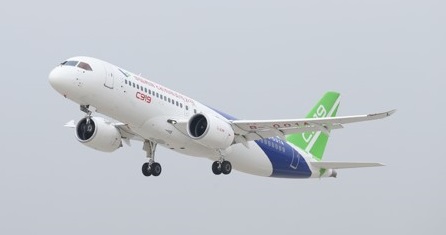
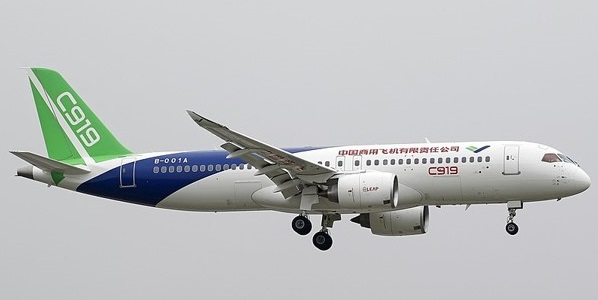
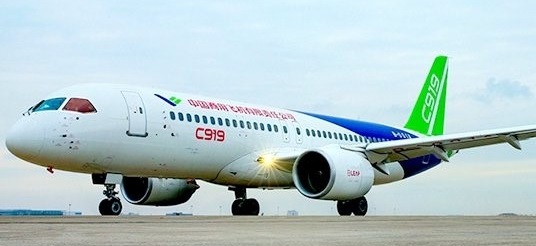
Comac C-919

Designed to compete with the Airbus 320 and Boeing 737, the C-919 aircraft was made by the Commercial Aircraft Corporation of China, Comac; founded in 2008 with the purpose of producing the first commercially functioning aircraft for passengers – something the state-run company had previously failed to succeed in doing in the 1970s. The C stands for “COMAC” and “China”, 9 means “forever” while 19 refers to its capacity of 190 passengers. The C also has the implication that forms an “ABC” parallel situation with Airbus and Boeing. In Mandarin Chinese, 9 (Chinese: 九; pinyin: jiǔ) is a homophone of 久, meaning “forever” as a Chengyu in Chinese: 天长地久; pinyin: tiān cháng dì jiǔ.

Several components from the plane were imported, including the landing gear of German origin, Austrian interior and Franco-American engines. The aircraft, primarily constructed with aluminium alloys, is to be powered by either CFM International LEAP or ACAE CJ-1000A turbofan engines, and can carry 156 to 168 passengers in a normal operating configuration up to 5,555 km (3000 nmi).

The center wing box, outer wing box, wing panels, flaps, and ailerons are planned to be built in Xi’an, China; the center fuselage sections are planned to be built in Hongdu, China. Aluminium-lithium alloys account for 8.8% of the structure and composite materials for 12%. The air frame will be made largely of aluminum alloy. Aircraft design and assembly is performed in Shanghai.

The wing is supercritical, increasing aerodynamic efficiency by 20% and reducing drag by 8% compared to a non-supercritical one. The center wing box was originally intended to use carbon fibre composites. It was changed later to an aluminum design to reduce design complications.

Both Pratt & Whitney and CFM International offered to provide the engines for the aircraft, the former offering the PW1000G and the latter the LEAP-1C; the latter was ultimately selected.

The engine’s nacelle, thrust reverser and exhaust system will be provided by Nexcelle, with such features as an advanced inlet configuration, the extensive use of composites and acoustic treatment and an electrically operated thrust reverser. Michelin will supply Air X radial tyres. Its integrated modular avionics architecture is based on Ethernet.

Comac applied for a type certificate for the aircraft from the Civil Aviation Authority of China on 28 October 2010. In June 2011, COMAC and Irish low-cost airline Ryanair signed an agreement to co-operate on the development of the C919. The production of the prototype began on 9 December 2011.

Canada’s Bombardier Aerospace has been collaborating since March 2012 on supply chain services, electrical systems, human interface and cockpit; and on flight training, flight-test support, and sales and marketing, from June 2013.

In 2012 the C919 order book stood at 380 units worth US$26 billion, and averaging $68.4 million. In June 2015, the China National Radio predicted a $50 million price, cheaper than the B737 or A320 list prices.

It rolled out on 2 November 2015 and first flew on 5 May 2017. The C-919’s maiden voyage lasted 79 minutes, taking off and returning to the Shanghai Pudong International airport. The flight was a particularly symbolic moment for China, as a sign of their entrance and rise into the aviation world, and was broadcast live on state-controlled television.

Comac powered on its second prototype on 28 July 2017. The first has not flown since the maiden flight but no major issues have surfaced while small improvements were being made. On September 28, it made its second flight at 10,000 ft (3,000 m), which lasted 2 hours 46 minutes, although it was supposed to last one more hour. On November 3, it made its third flight in 3h 45min, reaching 3,000 m (9,800 ft). It was then transferred on 10 November from Shanghai to Xian to continue its flight test campaign, a 2h 24min, 1,300 km (700 nmi) flight reaching 7,800 m (25,600 ft) and Mach 0.74 (825 km/h; 445 kn). The second prototype made its first flight on 17 December 2017.

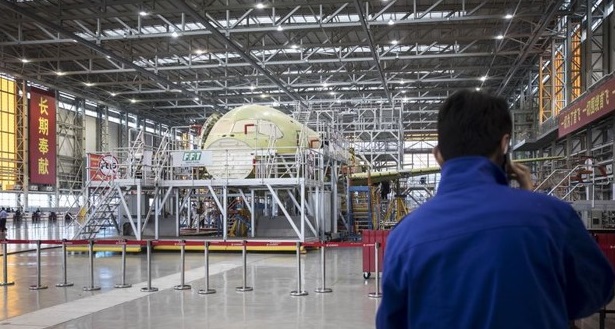
An unfinished C919 at the Comac Shanghai Research and Development Center in Shanghai in May 2017.

The delay between first and subsequent flights underline the program immaturity by maiden flight: flying early at low speed and altitude is possible but faster and higher is limited by aeroelastic flutter needing ground vibration testing and aircraft instrumentation which were not ready in May. Due to flight testing problems, the 2020 introduction previous schedule was delayed to 2021, for China Eastern Airlines. In February 2018, the first prototype was flying more than once a week.

Part of the problem is that Comac’s home base is Shanghai Pudong International Airport, one of the busiest airports in the country. The company decided to transfer its first test aircraft in November to Yanliang in Xi’an, a city in western China. That should make for a better base to conduct tests.

At the November 2010 Zhuhai Airshow, Comac announced orders for 55 C919 aircraft from six airlines, with an additional 45 options. The purchasing airlines or lessors included China Eastern Airlines, Air China, Hainan Airlines, China Southern Airlines, CDB Leasing Company, and GE Capital Aviation Services. On 19 October 2011, Chinese ICBC Leasing ordered 45 C919s and agreed to be the launch customer. On 11 November 2014, Comac announced at the 2014 Zhuhai Airshow that China Merchants Bank’s aircraft leasing division made a firm commitment for 30 C919s, and that total orders were now up to 450 aircraft.

At the June 2015 Paris Air Show, Ping An Leasing signed a letter of intent for 50 C919s, becoming one of Comac’s largest customers, and Puren Group signed a letter of intent for seven C919s and seven ARJ21s, intended for the start-up Puren Airlines. In November 2016 COMAC has received an order for 20 C919s including 5 firm from Shanghai Pudong Development Bank Financial Leasing and for 36 C919s from CITIC Group Financial Leasing including 18 firm. While no down payments were needed before its maiden flight, 500,000 yuan ($76,000) were deposited subsequently for each firm order. The last ICBC Leasing order for 55 on 5 December 2017 brought the order book to 785. In February 2018, its total order book was for 815, before the order for 200 from HNA Group in June 2018, along with 100 ARJ-21s.

In February 2018, Comac had 815 orders mostly from Chinese leasing companies or airlines with the exception of GE, before the order for 200 from HNA group.

In June 2018, Aviation Week reported the flight-test aircraft grounding for modifications, extending the schedule by three months but maintaining a 2020 certification target. The two prototypes were having their flaps and tailplanes modified, due to delamination of the carbon-fiber reinforced plastic elevators. Fuel tanks were also modified. The third test aircraft was also being modified and maximum-rate pressurization was tested.

C919
Engines: 2 x CFM LEAP-1C, 31,000 lbf (137.9 kN)
Wingspan: 35.8 m / 117.5 ft
Length: 38.9 m / 127.6 ft
Height: 95 m / 39.2 ft
Empty weight: 42,100 kg / 92,815 lb
MTOW: 72,500 kg / 159,835 lb
Maximum payload: 20,400 kg / 45,000 lb
Maximum fuel: 19,560 kg / 43,122 lb
Cruise: Mach 0.785 (450 kn; 834 km/h)
Range: 4,075 km / 2,200 nm
Approach speed: 135 kn (250 km/h)
Takeoff dist: 2,000 m (6,600 ft)
Landing dist: 1,600 m (5,200 ft)
Seats: 188-168

C919
Wingspan: 33.6 m / 110 ft
Wingspan with winglets: 35.4 metres / 116 ft
Fuselage width: 3.96 m / 13.0 ft
Fuselage height: 4.166 m / 13.67 ft
Fuselage cross-section: 12.915 sq.m / 139.02 sq ft
Payload capacity: 20.4 tonnes
Cruise: Mach 0.785 / 450 kn / 834 km/h
Operating ceiling: 12,200 m / 39,800 ft
Range std: 4,075 km / 2,200 nmi
Range ER: 5,555 km / 2,999 nmi

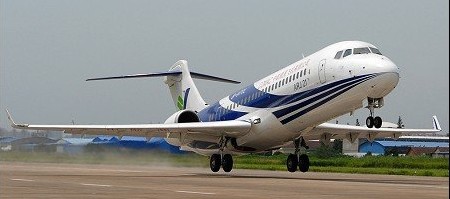
Comac ARJ21

The Comac (formerly ACAC) ARJ21 Xiangfeng (Soaring Phoenix in Chines) is a 2008 twin-engined regional airliner. It is the first passenger jet to be developed and indigenously produced by the People’s Republic of China.

ARJ21-700
Engines: 2 x 6954kg General Electric CF34-10A
Take-off weight: 43500 kg / 95902 lb
Empty weight: 24955 kg / 55017 lb
Wingspan: 27.29 m / 90 ft 6 in
Length: 33.46 m / 110 ft 9 in
Height: 8.44 m / 28 ft 8 in
Wing area: 79.86 sq.m / 859.61 sq ft
Max. speed: 876 km/h / 544 mph
Cruise speed: 724 km/h / 450 mph
Ceiling: 11900 m / 39050 ft
Range: 3700 km / 2299 miles
Crew: 2
Passengers: 90

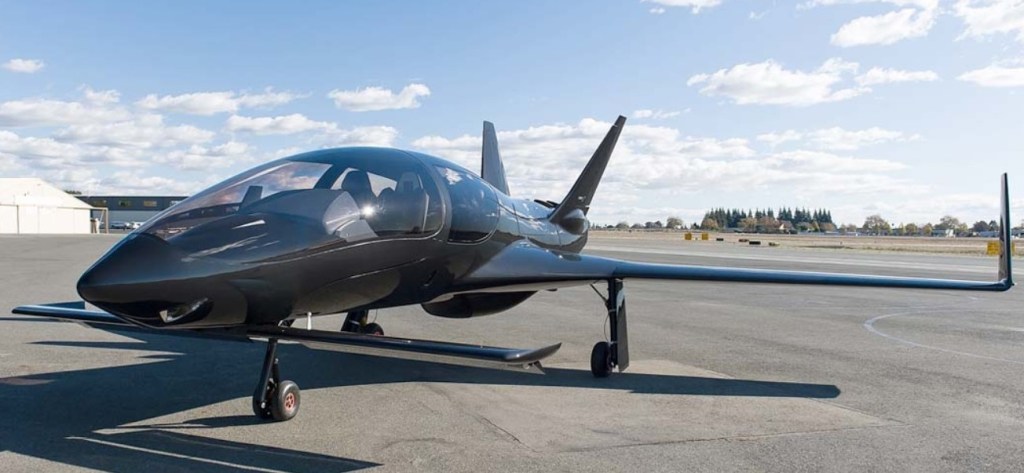
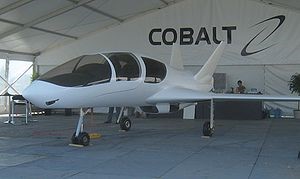
Cobalt Co50 Valkyrie / Centauri Aircraft Co Co50 Valkyrie

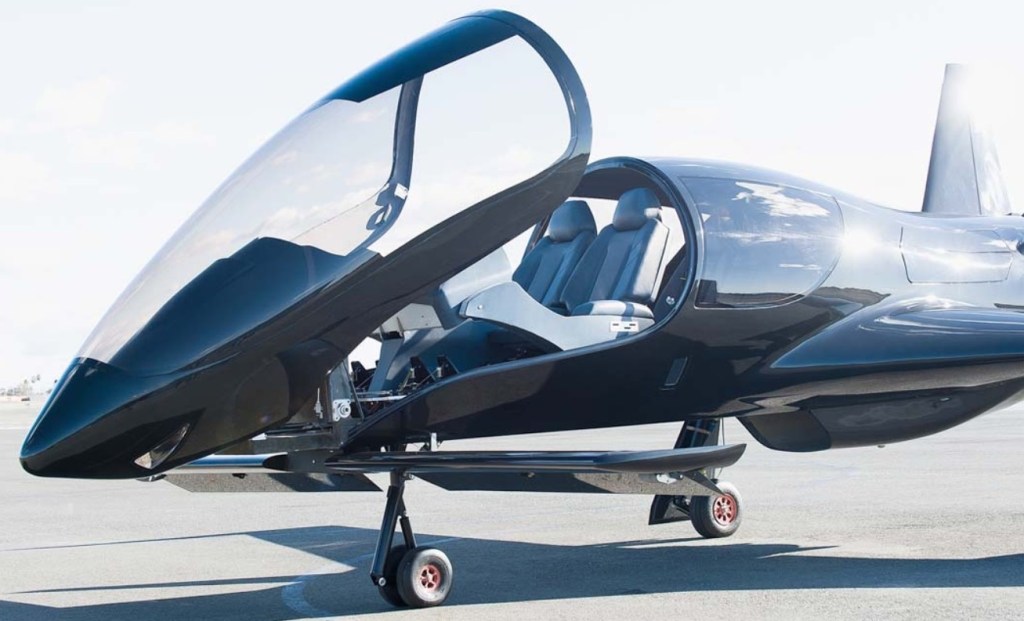
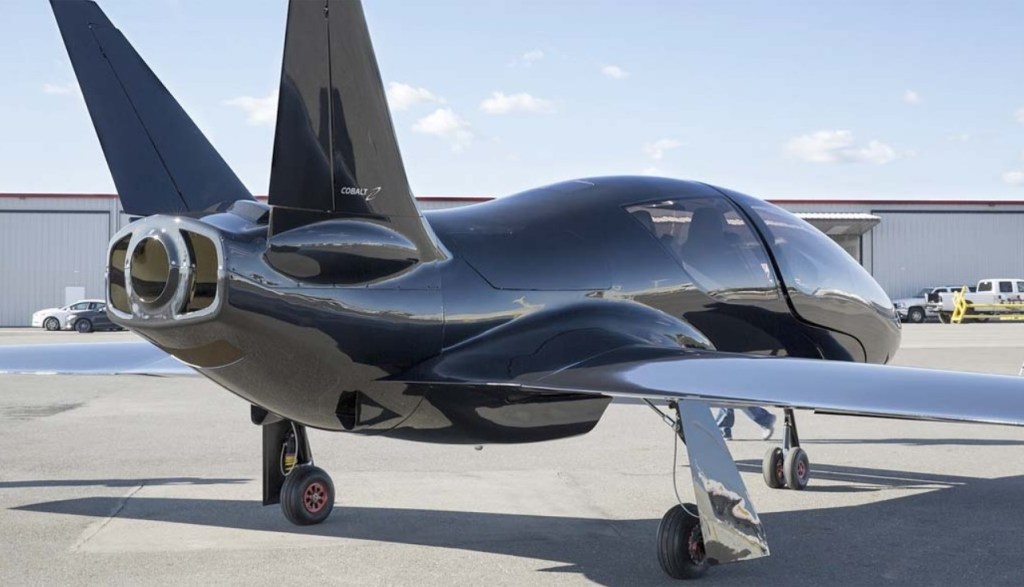
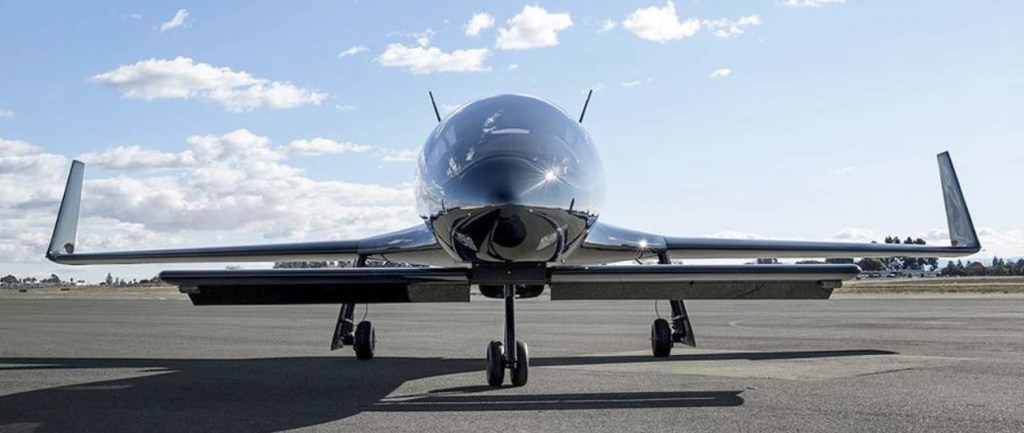
The Cobalt Co50 Valkyrie is a single-engine, four to five-seat homebuilt aircraft, arranged in a canard, pusher configuration.

The composite design incorporates retractable landing gear, a pusher engine configuration, a canard, twin vertical stabilizers and automatic airbrakes. A ballistic parachute is provided as an option. Passenger entry is by a large forward fold down door.

incomplete prototype

The airframe is made of AGATE carbon composites, Carbon-Nomex material is used in the design of rudders and flaps, the design of retractable landing gear is made of aluminum and steel alloys, Hartzell variable pitch propeller blades are aluminum.

First flown in January 2015, the light aircraft was intended for private ownership and was initially being developed by Cobalt Aircraft of San Francisco, California, United States, but the company ceased operations in July 2018 and the design was then being developed by the Centauri Aircraft Company.

The second prototype Co50 was crashed in September 2017 following a loss of aileron effectiveness in flight on a flight test at Castle Airport. The pilot was landing the aircraft using rudder and thrust only when lift was lost at an altitude of about ten feet. The aircraft impacted the ground, the right main landing gear leg separated and the wing was damaged. The pilot was not hurt.

Initially the Co50 was to be sold as a kit for amateur construction, but the manufacturer intended to eventually achieve type certification. Certification was unlikely to occur before 2018, not least due to the electronics Cobalt has chosen being untested for aircraft use.

Reportedly seven were built.

Co50
Engine: 1 × Continental TSIOF-550-D, 350 hp (260 kW)
Wingspan: 30 ft (9.14 m)
Length: 30 ft (9.14 m)
Height: 10 ft (3.05 m)
Max takeoff weight: 3,417 lb (1,550 kg)
Fuel capacity: 109 U.S. gallons (410 L; 91 imp gal)
Cruise speed: 250 kn (290 mph, 460 km/h) maximum cruise at FL250
Range: 1,434 nmi (1,650 mi, 2,656 km) economy cruise at FL220
Service ceiling: 25,000 ft (7,600 m)
Time to altitude: 12 minutes to 10,000 feet
Crew: one
Capacity: three or four passengers

Club ULM Rotor Ptenets-2

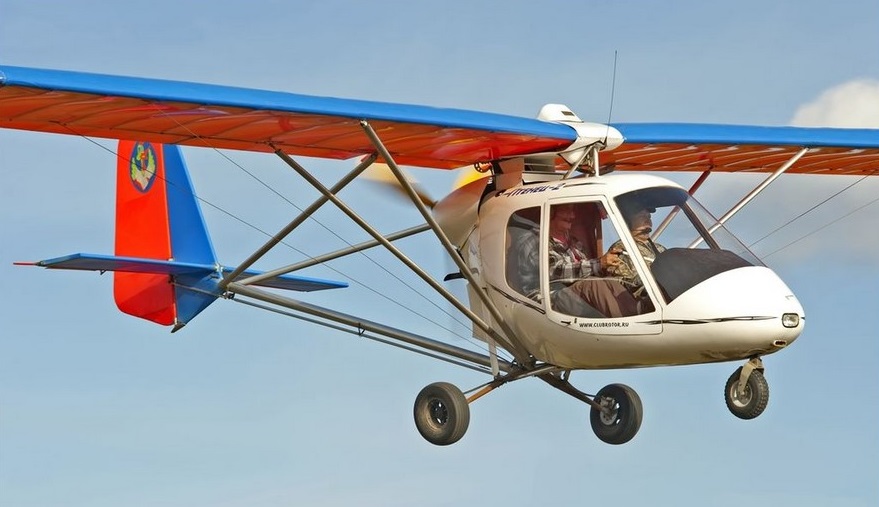
The Club ULM Rotor Ptenets-2 (Russian: Птенец-2, English: Chick or Fledgling) is a Russian ultralight aircraft, designed and produced by Club ULM Rotor of Kumertau, Bashkortostan.

The aircraft was designed to comply with the Fédération Aéronautique Internationale microlight rules. It features a strut-braced high-wing, a two-seats-in-side-by-side configuration enclosed cockpit, fixed tricycle landing gear and a single engine in pusher configuration.

The aircraft is made from aluminum tubing, with its flying surfaces covered in Dacron sailcloth. The fuselage is made from fibreglass. Its 10.2 m (33.5 ft) span wing has an area of 12.7 m2 (137 sq ft). The tail is supported by four tubes that allow space for the pusher propeller. Standard engines available are the 50 hp (37 kW) Rotax 503 and 64 hp (48 kW) Rotax 582 two-strokes and the 60 hp (45 kW) HKS 700E four-stroke powerplant.

The aircraft was supplied as a complete ready-to-fly-aircraft for €21,000 in 2011.

Ptenets-2
Engine: 1 × Rotax 582, 48 kW (64 hp)
Propeller: 4-bladed composite
Wingspan: 10.2 m (33 ft 6 in)
Wing area: 12.7 m2 (137 sq ft)
Empty weight: 220 kg (485 lb)
Gross weight: 450 kg (992 lb)
Fuel capacity: 55 litres (12 imp gal; 15 US gal)
Maximum speed: 160 km/h (99 mph; 86 kn)
Cruise speed: 120 km/h (75 mph; 65 kn)
Stall speed: 65 km/h (40 mph; 35 kn)
Rate of climb: 4 m/s (790 ft/min)
Capacity: one passenger
Crew: one

Classic Aviation Designs CA18

CA18-1320

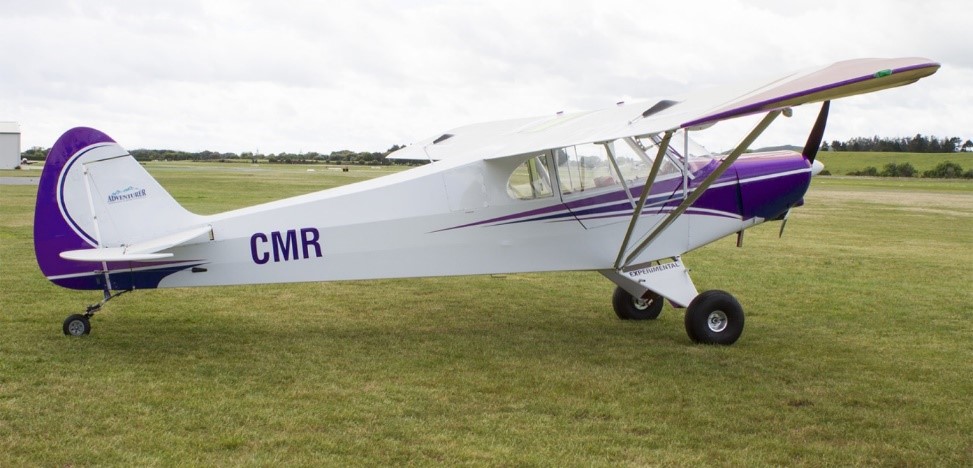
The CA18-1320 is the lightest weight version. It is designed for New Zealand’s CAA Class Two Microlight category with a maximum all up weight of 600Kgs.

The basic aircraft does not come equipped with flaps or large grass all terrain tyres to keep weight to a minimum. Fuel is limited in each wing tank to 35 litres.

For this model you can choose between a full size J3 or PA18 Cub. The added bonus is that solo flight is from the front seat.

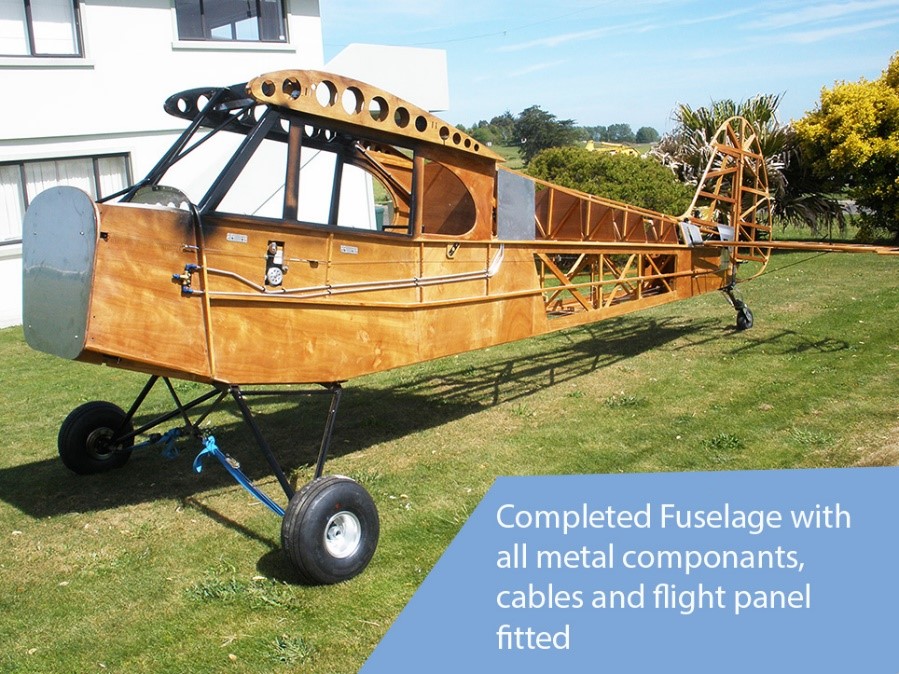
The CA18-1530 model is based on the 100hp Cub. With its 1530 MAUW capacity this model is suited for engines up to 120hp. To accommodate the increased weight capacity from the CA18-1320 model, it has increased size of the timber framework within the fuselage. The wings are the same, however the wing lift struts are larger and 50 litre fuel tanks are fitted.

Extra options available for the CA18-1530 model include:

  • Flaps
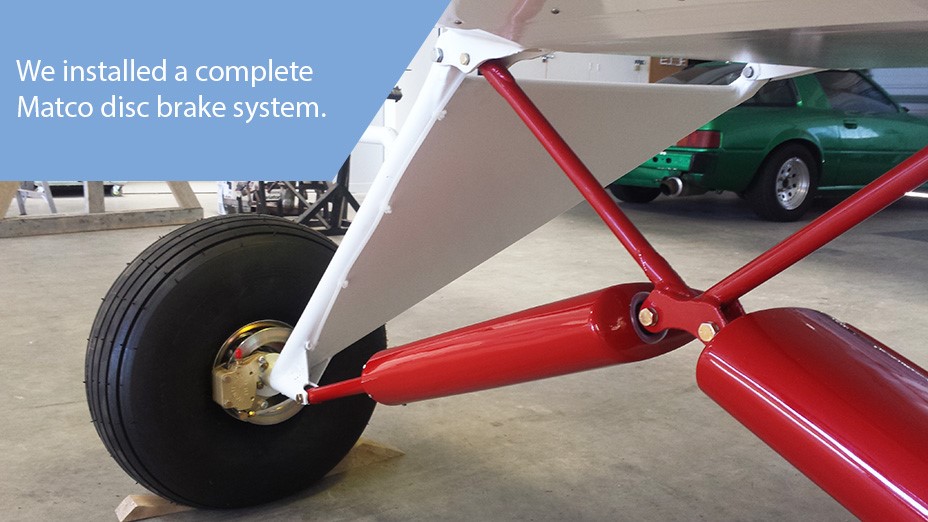
  • Larger main landing gear tries & rim kits for disc brake mounts
  • Large tail wheel assembly
  • Navagation and runway lighting kit

The CA18-1920 model is based on a 180hp retro fitted PA18 Super Cub. The CA18-1920 has a maximum all up weight of 1920lbs. To accommodate the increased load capacity, the timber framework within the fuselage along with the wing spar caps have been increased in size.

This model is an ideal platform to fit a STOL kit for those shorter and rougher landing areas.

CADL was to be offering STOL components for this model by the end of 2016, the components were to include:

  • Fibre glass hoerner style wing tips
  • Carbon fibre leading edge coverings (to replace the plywood)
  • Carbon fibre wing ribs
  • Fowler flaps
  • Modified undercarriage

Gallery

CA18-1320
Engine: Continental 0-200 / Rotax 912, 100 hp
Wing span: 10.668 m / 35.0 ft
Wing Area: 15.80 sq/m / 178.5 ft
MAUW: 1320 lbs
Fuel Capacity: 2 x 35 lt
Total useable fuel: 68 lt
Fuel type: 100 LL Avgas/ MOGAS
Main Landing Gear Tires: 6.00 x 4
Tail Wheel: 2.50 x 4
Axles & Bearings: 1 – ¼ inch
Brakes: Matco MLG
Wing Loading: 43.92 kgs/m / 8.5 lbs/ft
Wheel Base: 5.059 m / 16 ft
Wheel Track: 1.879 m / 74 in
Main Wheels: 21×8.00×6, 18 psi
Tail Wheel: 2.80×4, 20 psi
Elevator Maximum up Deflection: 25⁰
Elevator Maximum Down Deflection: 15⁰
Elevator Trim Maximum up Deflection: 3⁰
Elevator Maximum Down Deflection: 4⁰
Rudder Defection Left & Right: 25⁰
Tail wheel defection before unlocks to 360deg: 22⁰
Aileron deflection: Up 18deg, Down 18deg
Maximum G: +4, -0
Service Ceiling: 13,500ft
Manoeuvring Speed: 85 mph
Maximum Cruise: 100 mph
Never Exceed (Vne): 120 mph
Rate of Climb: 524 fpm at 71 mph
Best Angle of Climb: 64 mph
Best Rate of Climb (Ratio): 1 to 9.4
Stall Speed: 38 mph

CA18-1530
Engine: Continental O-200, 100 hp
Prop: Omega 71 x 41
Wing span: 10.668 m / 35.0 ft
Wing Area: 15.80 sq/m / 178.5 ft
MTOW: 1530 lb
Wing Loading: 43.92 kgs/m / 8.5 lbs/ft
Fuel Capacity: 2 x 50 lt
Total useable fuel: 98 lt
Fuel: 100 LL Avgas
Main Landing Gear Tires: 21/8.00 x 4
Tail Wheel: 2.80 x 4
Axles & Bearings: 1 – ¼ inch
Brakes: Matco MLG
Wheel Base: 5.059 m / 16 ft
Wheel Track: 1.879 m / 74 in
Main Wheels: 21×8.00×6 18 psi
Tail Wheel: 2.80×4, 20 psi
Elevator Deflection: +25⁰ / -15⁰
Elevator Trim Deflection: +3⁰ / -4⁰
Rudder Defection Left & Right: 25⁰
Tail wheel defection before unlocks to 360deg: 22⁰
Aileron deflection: Up 18deg / Down 18deg
Maximum Flap Speed (Vfe): 85 Mph
Flap deflection: 15deg / 25deg / 40deg
TO to 50ft: 332-372m
Landing dist from 50ft: 104-106m
ROC: 505-644 fpm at 71 mph
Stall Speed Angle of Bank 0⁰: 42 mph
Stall Speed Angle of Bank 10⁰: 44 mph
Stall Speed Angle of Bank 20⁰: 45 mph
Stall Speed Angle of Bank 30⁰: 47 mph
Stall Speed Angle of Bank 40⁰: 50 mph
Stall Speed Angle of Bank 60⁰: 55 mph
Stall Speed Angle of Bank 90⁰: 62 mph
Manoeuvring (Va): 90 mph
Max cruise: 110 mph
Never exceed: 138 mph
Flight Load: +4.4 / -0
Max Endurance: 5 hr
Service Ceiling: 13,500 ft
Manoeuvring Speed: 90 Mph
Max Cruise: 110 Mph
Never Exceed (Vne): 138 Mph
MAUW: 1530 lb
Best Rate of Climb: 624 fpm at 71 Mph
Best Angle of Climb: 64 Mph
Rate of Climb Ratio: 1 to 9.4
Stall Speed: 39 Mph

CA18-1920
Engine: Lycoming O-320 / 360, 160 / 180 hp
Wing span: 10.668 m / 35.0 ft
Wing Area: 15.80 sq/m / 178.5 ft
Fuel Capacity: 2 x 50 lt
Total useable fuel: 98 lt
Fuel: 100 LL Avgas
Main Landing Gear Tires: 21/8.00 x 4
Tail Wheel: 2.80 x 4
Axles & Bearings: 1 – ¼ inch
Brakes: Matco MLG
Wheel Base: 5.059 m / 16 ft
Wheel Track: 1.879 m / 74 in
Main Wheels: 21×8.00×6 18 psi
Tail Wheel: 2.80×4, 20 psi
Wing Loading: 43.92 kgs/m / 8.5 lbs/ft
Wheel Base: 5.059 m / 16 ft
Wheel Track: 1.879 m / 74 in
Main Wheels: 21×8.00×6 18 psi
Tail Wheel: 2.80×4, 20 psi
Elevator Deflection: +25⁰ / -15⁰
Elevator Trim Deflection: +3⁰ / -4⁰
Rudder Defection Left & Right: 25⁰
Tail wheel defection before unlocks to 360deg: 22⁰
Aileron deflection: Up 18deg / Down 18deg
Maximum Flap Speed (Vfe): 85 Mph
Flap deflection: 15deg / 25deg / 40deg
Flight Load: +4.4 / -0
Service Ceiling: 13,500 ft
Manoeuvring Speed: 94 Mph
Max cruise: 110 mph
Never exceed: 138 mph
MAUW: 1920 lb
ROC: 980 fpm at 71 mph
Best Angle of Climb: 64 Mph
Rate of Climb Ratio: 1 to 9.4
Stall Speed: 42 Mph