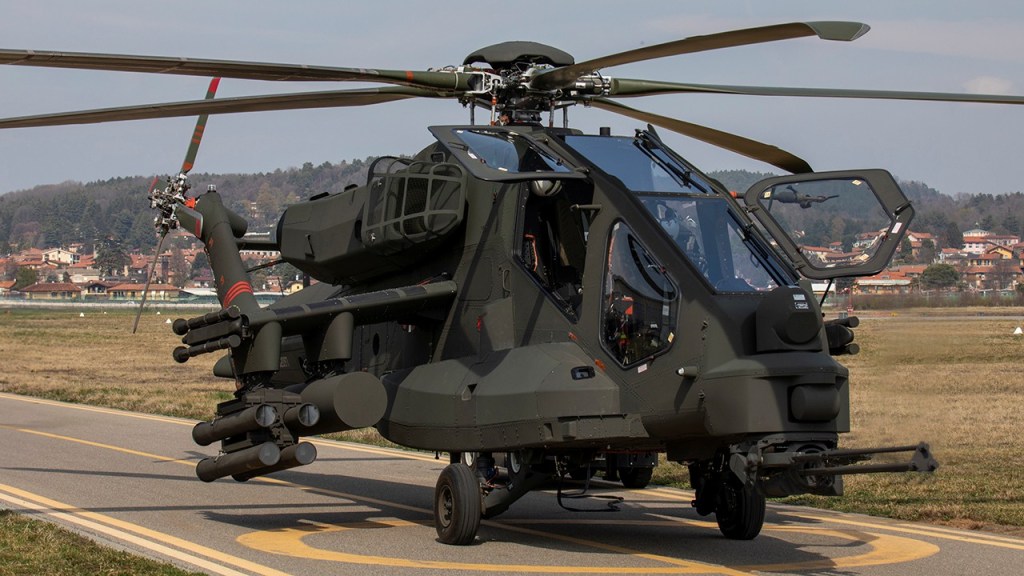
Development of the AW249 formally started upon receipt of a €487 million contract from the Italian Army as a replacement for the Agusta A129 Mangusta. It is to be larger, more survivable, and have greater autonomy than the Mangusta, incorporating stealth technologies and mission systems to control unmanned aerial vehicles (UAV)s. Numerous mature technologies will also be incorporated, such as the OTO Melara TM197B 20 mm chin-mounted cannon, Rafael Advanced Defense Systems Toplite targeting system and Spike missile, it is intended for the AW249 to have lower operating costs than the preceding Mangusta. Leonardo is actively seeking partners to collaborate on the AW249; a letter of intent on this matter was signed with the Polish Armaments Group during July 2018.
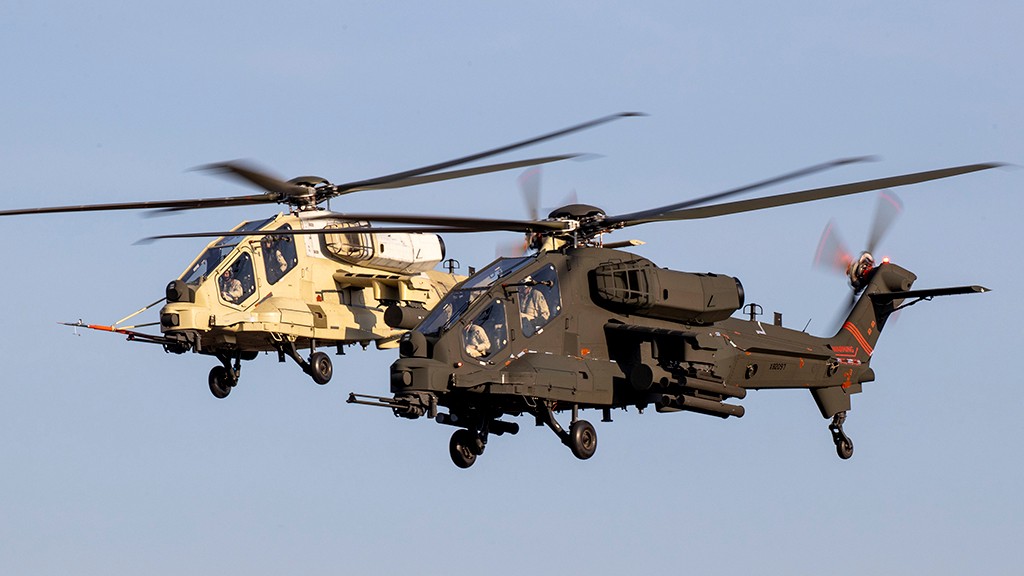
Prototypes of the AW249 attack helicopter
The maiden flight of the AW249 was originally scheduled to take place during 2020, but flew for the first time on 12 August 2022 from the company’s plant in Vergiate. There are to be a single prototype and three pre-serial production rotorcraft built ahead of quantity production AW249s.
Powerplant: 2 × General Electric CT7-8E6 turboshaft Max take-off power: 2,503 shp (1,866 kW) Max continuous power: 2,274 shp (1,696 kW)) Span: 14.60 m (47 ft 11 in) Length: 17.63 m (57 ft 10 in) Width: 4.60 m (15 ft 1 in) Height: 4.26 m (14 ft 0 in) Max takeoff weight: 8,300 kg (18,298 lb) Maximum speed: 287 km/h (178 mph, 155 kn) (at maximum cruise power, with an average mission weight) Cruise speed: 259 km/h (161 mph, 140 kn) Range: 796 km (495 mi, 430 nmi) Endurance: 4 hours 5 minutes (at maximum take-off power, with an average mission weight) Service ceiling: 6,100 m (20,000 ft) Rate of climb: 11.9 m/s (2,350 ft/min) Capacity: 2,800 kg (6,200 lb) (weapons) Crew: two Hardpoints: 6 (2 under each wing, 1 on the wingtip)
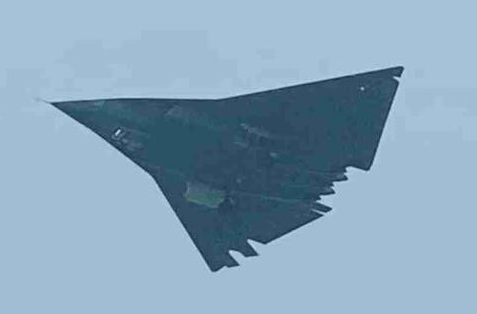
The second J-36 prototype emerged with structural changes and a focus on maneuverability. The aircraft retains its distinctive features, such as large control surfaces at the rear and three engines, but adopts adjustments that suggest the design is advancing toward a model closer to the final product. The images appear just over 10 months after the first prototype was revealed.
In 1999, Dickinson laid out on his hanger floor in Santa Paula, California, the first piece of what would be a brand new Howard. The goal was to build the airplane he believed Benny Howard would have built had he continued to build Howards.
He wanted Mr Mulligan’s speed and performance, as well as the DGA-15’s handling qualities and stability.
Dickinson adapted the original Mr Mulligan wing configuration, which had been replaced in later production models, and up-graded the DGA-15’s 450 hp Pratt & Whitney Wasp engine with a modern version, one that delivers 600 hp. He built every piece of the plane, or modified something from a DGA-15 or another airplane.
First flying in 2008, at 225 mph, it is 50 percent faster than the DGA-15. The designation, DGA-21 is the sum of DGA-6 (Mr Mulligan, and -15.
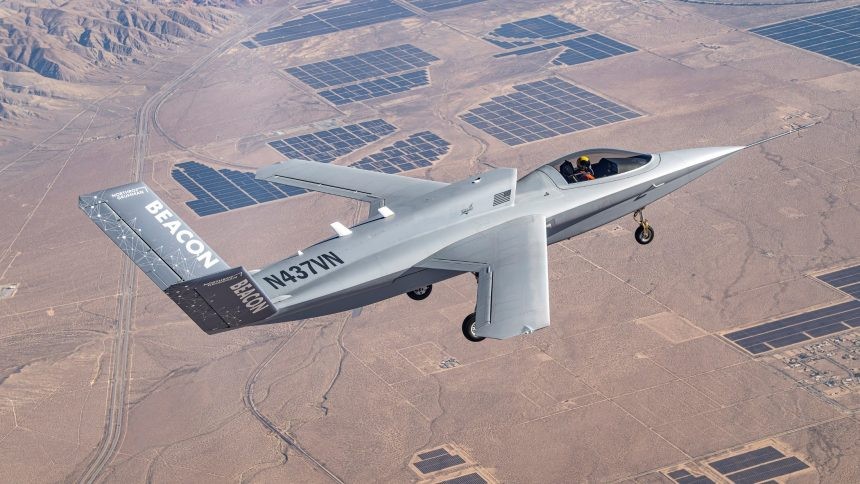
Vanguard during the first flight after the modifications, and its second flight overall.
The Model 437 Vanguard was originally conceived as an unmanned loyal wingman concept in 2021, designed to operate alongside crewed aircraft in attritable roles. Renderings at the time depicted an uncrewed platform with a range of around 3,000 nautical miles, a cruise speed near Mach 0.8, and payload options including AIM-120 AMRAAMs or side-looking radar systems.
Its first flight in August 2024 revealed a cockpit, making the Vanguard an optionally piloted aircraft. As we reported on that occasion, the Vanguard is powered by a single Pratt & Whitney PW535 turbofan engine producing 3,400 pounds of thrust, and features a wingspan of 41 ft (12.5 m), gross takeoff weight of 10,000 lb (4,536 kg), and endurance of six hours.
Northrop Grumman contributed to the program through its Digital Pathfinder initiative, using advanced digital engineering methods to design and build the Model 437’s wings. The process, the company said, reduced rework to less than one percent compared to the 15–20% typical of conventional design programs, drawing directly on lessons from the B-21 Raider stealth bomber program.
The Model 437 Vanguard resumed flight testing at Mojave Air and Space Port, , announced by Scaled Composites on Sep. 20, 2025, comes after extensive modifications to the airframe for its new role since its first flight in August 2024.
The company reported updates to the hydraulic system, cockpit integration of new pilot interfaces, and the incorporation of autonomy subsystems developed by Northrop Grumman for Beacon. These upgrades pave the way for the Model 437 to serve as a versatile airborne platform for experimentation with autonomy and artificial intelligence-driven mission software.
“We had the challenge of taking an airplane that has only flown once and converting it into a versatile autonomous testbed, which demonstrates Scaled’s agility and flexibility in achieving new test objectives,” said project engineer Yuto Shinagawa, highlighting the integration of flight safety protections for autonomous operations. As an example, he mentioned the introduction of protections in the flight control system to assure flight safety when engaging the autonomous system.
As Scaled Composites resumes envelope expansion flights, the focus will be on validating the integration of Beacon’s autonomy ecosystem and ensuring safe transitions between crewed and autonomous modes. The aircraft’s optional manned capability allows safety pilots to supervise tests while gradually handing over control to autonomy software, reducing risks in early phases.
Hurjet is a state-of-the-art jet for the training of sixth-generation aircraft pilots. At a conceptual stage in 2025, sixth-generation jets are expected to become operational in the 2030s. These have extensive use of AI. It’s all indigenous, except for the engine.
Hurjet, which means free jet in English, made its maiden flight in 2023 and is evolving from a purely trainer jet into a multi-role platform capable of providing close air support, air policing, and even limited strike missions in asymmetric conflicts.
The Sharp Nemesis NXT with “NXT” standing for “Neoteric experimental Technology,” is a kit-built sport-class aircraft designed specifically for air racing. It serves as a successor to the previous model, the Sharp Nemesis, and was created by Jon Sharp, the president of Nemesis Air Racing. The Nemesis NXT is a single-engine, low-wing aircraft with retractable gear and seating for two individuals. The original design of the aircraft incorporates a Lycoming TIO-540-NXT Thunderbolt six-cylinder engine for propulsion.
The prototype Nemesis NXT, bearing the race number 3X (N333XT) and piloted by Jon Sharp, achieved a significant victory by winning the 2008 Reno Air Races Sport Class championship. During this competition, the aircraft established a new record speed for the race, reaching an impressive 392 mph (631 km/h). Throughout the ten-day event, Sharp set a heat record of 393 mph (632 km/h) and, during the qualification stage, achieved a record-breaking speed of 409.297 mph (658.700 km/h). This marked the first time a racer in this particular class had surpassed the 400 mph (640 km/h) speed barrier, a feat typically associated with Unlimited Class racing aircraft. Additionally, a second Nemesis NXT, designated as race number 42 and fielded by Relentless Racing, secured a respectable fifth-place finish, achieving an average speed of 336.526 mph (541.586 km/h) during the gold race.
Jon Sharp, having accumulated the highest number of wins in the history of racing, announced his retirement from Pylon Racing in August 2011. In 2015, he received an invitation to donate his prototype Nemesis NXT to the National Air and Space Museum. The aircraft was subsequently delivered in 2018 by Crew Chief Steve Hill and race pilot Justin Phillipson. Initially, museum directors intended to exhibit the aircraft in the Nation of Speed gallery at the museum’s central location. However, due to its size, it was determined that the aircraft could not fit through the access door of that particular building. Consequently, the Nemesis NXT was relocated to the Steven F. Udvar-Hazy Center in Fairfax County, Virginia. It is currently on permanent display (as of 2022) in the Boeing Aviation Hangar, where it stands alongside its older counterpart, the Nemesis. The livery of the aircraft on display at the Smithsonian National Air and Space Museum in Washington, which won the Super Sport category in 2009, was designed by renowned Italian designer Mirco Pecorari.
A Dan Wright build taxis at Mojave
Records On 30 July 2008, Sharp set an FAI class C1b world record for speed over a straight 3 km (1.9 mi) course at 573.46 km/h (356.33 mph). On 20 September 2009, Sharp won the Super Sport Gold race at Reno with a speed of 407.061 mph (655.101 km/h). On 16 September 2009, Sharp qualified first with a speed of 412.554 mph (663.941 km/h) for the top spot in the Super Sport class at Reno. On 17 September 2009, Sharp set a Super Sport race record of 383.292 mph (616.849 km/h). On 18 September 2009, Sharp beat the previous day’s record with a speed of 399.336 mph (642.669 km/h). On 19 September 2009, the aircraft reached 406.051 mph (653.476 km/h), the first homebuilt aircraft to exceed 400 mph (640 km/h) average race speed on the Reno course. On 20 September 2009, Sharp won the Super Sport Gold race at a record speed of 407.061 mph (655.101 km/h). He earned his 15th National Championship (another record) completing the “Record a Day and Two on Sunday” Reno campaign of 2009. In September–October 2015 Sharp set five FAI records for piston aircraft at Moriarty, New Mexico; all are current in 2022: In the under-1000 kg weight class C1b, average 393 miles/hour for four 3-km runs at low altitude; and 406 miles/hour for two 15 km runs at unrestricted altitude In the under-1750 kg weight class C1c, average 415 miles/hr on the 3-km course, 407 miles/hr on the 15 km, and 397 miles/hr for a 100 km circuit.
Jon Sharp’s N333XT at Reno, 2009
Powerplant: 1 × Lycoming TIO-540-NXT, 350 hp (260 kW) Wingspan: 24 ft (7.3 m) Wing area: 70 sq ft (6.5 m2) Airfoil: Modified NASA NLF (Natural Laminar Flow) Length: 23 ft (7.0 m) Empty weight: 1,600 lb (726 kg) Max takeoff weight: 2,600 lb (1,179 kg) Fuel capacity: 90 US gal (340 L; 75 imp gal) Cruise speed: 325 mph (523 km/h, 282 kn) IAS Stall speed: 90 mph (140 km/h, 78 kn) IAS Rate of climb: 3,000 ft/min (15 m/s) Fuel consumption: 0.369 lb/mi (0.104 kg/km) Fuel consumption: 20 US gal (76 L)/h in cruise, 35 US gal (130 L)/h at full power Take Off: 2,500 ft (760 m) @ sea level Landing: 3,500 ft (1,100 m) @ sea level Crew: 1 Capacity: 2
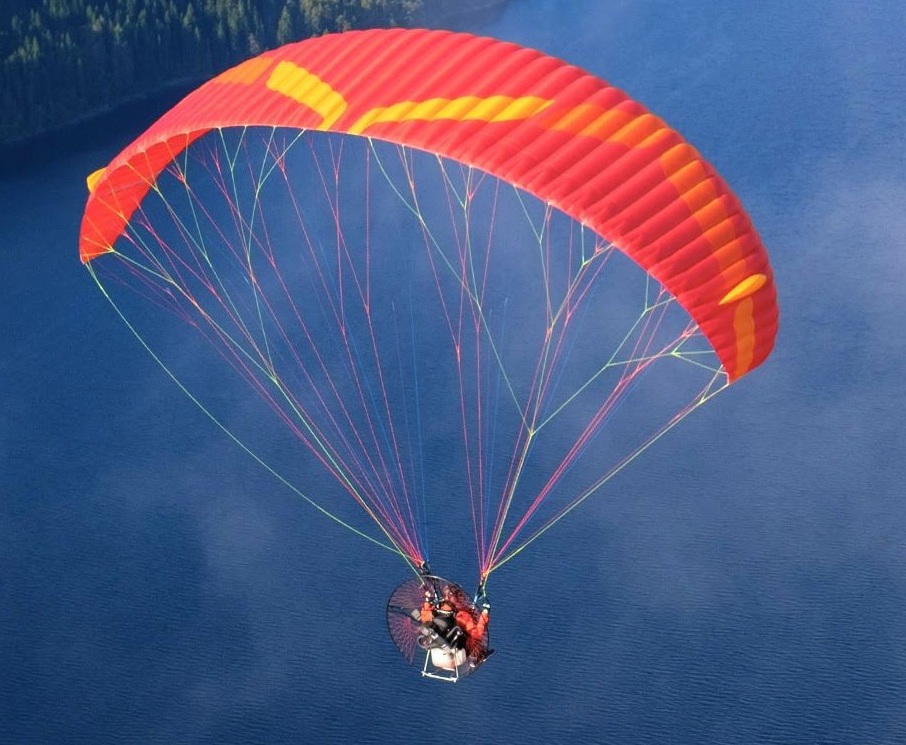
The 2025 Spyder 4 is the lightweight version of the Roadster 4. It uses a carefully selected blend of lightweight fabrics for the main surfaces and ribs, along with an optimised internal construction, reducing both sail weight and packing volume. Using lightweight fabric in a paramotor wing has positive effects all around, the main advantages are faster inflation for easier launches, improved handling, a more agile and responsive feel, as well as enhanced passive safety thanks to reduced sail inertia.
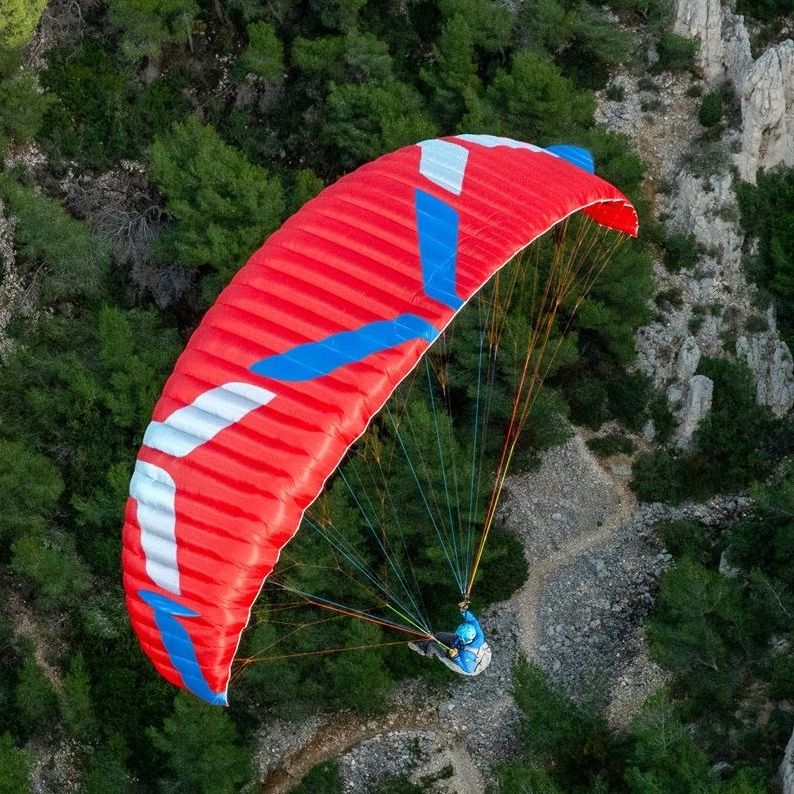
To be released early 2026 is the Vibe GT. The original Vibe was launched back in 2003 and was a huge success among progressing and experienced pilots alike needing the performance glider they trust in all conditions. The Vibe GT with its semi-light construction takes its name from the original, targeting the same pilots, the same pleasure to fly, in the most modern and efficient construction.
The Vibe GT is a 5.4 AR glider, EN-B certified, positioned between the Buzz/Geo and the Rush/Swift, offered in a semi-light GT package.
The 2025 Alta GT is the Alta re-labeled inside the semi-light GT Range. It offers new colours and a new XXS version certified from 50 to 65kg with a 20m² flat area. It packs up the best level of performance achievable in the category while retaining the ease of use found in the EN-A class. It combines the lightness needed for hike and fly or traveling, and the durability expected by novice pilots.





 All Aero