single-seat aircraft
1980->
Stern/Mallick SM-01 Vega
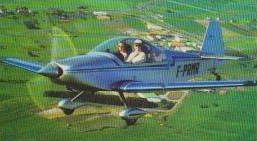
A side by side two-seat monoplane first flown 1992. Construction is of fabric covered wood.
Four sets of plans had been sold by 1998 and two Vega finished.
Engine: Lycoming O-235, 110 hp
Wing span: 7.65 m
Wing area: 10 sq.m
MAUW: 730 kg
Empty weight: 450 kg
Fuel capacity: 120 lt
Max speed: 250 kph
Cruise speed: 220 kph
Minimum speed: 85 kph
Climb rate: 5 m/s
Seats: 2
Fuel consumption: 24 lt/hr
Plan price (1998): $400
Stern, Rene
Markets plans for the Stern/Mallick SM-01 Vega side by side two-seat monoplane (first flown 1992) and ST-87 Europlane side-by-side two-seat monoplane developed from single-seat ST-80 Balade and first flown 1991.
1998:
10, rue du chateau
F-57730 Folschviller
France
Steger Hornet
The Steger Hornet was a 1982 hang glider.
Steger Concord
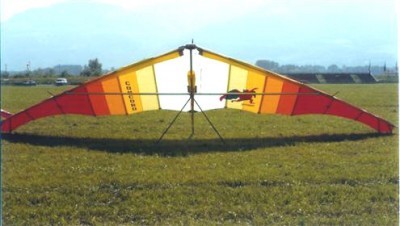
The Concord was followed by the 1981 Concord 2.
St.Croix Sopwith Triplane
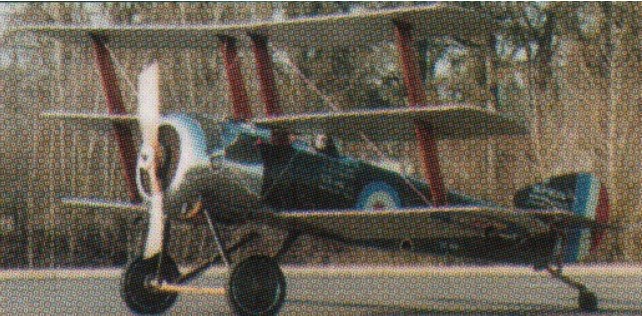
Full scale WW1 fighter.
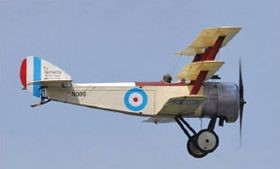
Speed max: 120 mph
Cruise: 100 mph
Stall: 40 mph
ROC: 1000 fpm
Take-off dist: 300 ft
Landing dist: 300 ft
Engine: Lycoming O-435, 190 hp
HP range: 190-250
Fuel cap: 35 USG
Weight empty: 1450 lbs
Gross: 1900 lbs
Height: 10.5 ft
Length: 19.5 ft
Wing span: 26.5 ft
Wing area: 250 sq.ft
Seats: 1-2
Landing gear: tail wheel
St.Croix Excelsior
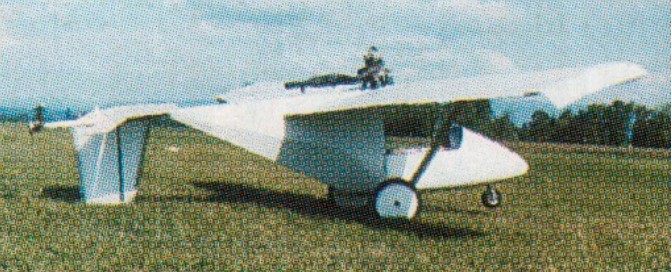
Single seat single engined high wing monoplane with conventional three axis control. Wing has unswept leading edge, swept forward trailing edge and tapering chord; inverted conventional tail. Pitch control by elevator on tail; yaw control by fin mounted rudder; roll control by spoilerons; control inputs through stick for pitch/roll and pedals for yaw. Wing braced from below by struts; wing profile; double surface. Undercarriage has two wheels side by side with tailskid; bungee suspension on both wheels. Push right go right nosewheel steering connected to yaw control. No brakes. Aluminium tube/glassfibre/steel tube framework partially enclosed (totally enclosed optional). Engine mounted above wing driving pusher propeller.
The Excelsior was designed by Chad and Charles Wille with the experience gained from the construction in 1947 of a Pietenpol Aircamper by Charles, who redesigned it in 1977 as a biplane called Aerial.
The Excelsior is immediately recognisable thanks to its unusual tail, with the fin forming a keel under the horizontal tail surfaces. On it is hinged the rudder, itself mounted on the tube which forms a tail skid. Even more unusual, the pusher propeller is placed behind this tail driven by a very long shaft from the motor mounted above the wing, a flexidyne damper being used to eliminate the vibrations implicit in such a long transmission.
A variety of materials are used in the Excelsior’s construction. A welded steel frame acts as the bottom of the fuselage structure and provides a mounting for the undercarriage, while the rest of the fuselage consists of aluminium tubes pop rivetted to the main transmission tube. The wings use a D section leading edge spar with foam ribs, the wings coming jig built from the factory. Covering is aircraft grade Dacron, heat shrunk with an iron and then doped.
The Excelsior was sold as plans for $95 or as a complete kit, in 1983.
Engine: Zenoah G25B, 20 hp at 6500 rpm
Power per unit area 0.15 hp/sq.ft, 16.2 hp/sq.m
Fuel capacity 3.0 US gal, 2.5 Imp gal, 11.4 litre
Length overall 6.1 ft, 1.83 m
Height overall 17.5ft, 5.33m
Wing span 34.6ft, 10.54m
Mean chord 3.8ft, 1.17m
Sweepback 0 deg
Total wing area 133 sq.ft, 12.4 sq.m
Wing aspect ratio 8.9/1
Wheel track 4.8 ft, 1.45 m
Empty weight 200 lb, 91kg
Max take off weight 450 lb, 204kg
Payload 250 lb, 113kg
Max wing loading 3.38 lb/sq.ft, 16.5 kg/sq.m
Max power loading 27.5 lb/hp, 10.2kg/hp
Load factors; +4.0, 4.0 ultimate
Max level speed 75 mph, 121 kph
Max cruising speed 70 mph, 113kph
Stalling speed 20mph, 32kph
Max climb rate at sea level 600 ft/min, 3.1 m/s
Best glide ratio with power off 20/1
Take off distance 200 ft, 60 m
Landing dis¬tance 150 ft, 45 m
St.Croix Aircraft
Offers plans to build Pietenpol Aerial as biplane develpment of Pietenpol Aircamper, plus Excelsior Ultralight and replica of First World War Sopwith Triplane.
1983-96: St Croix Ultralights, 5957 Seville Street, Lake Oswego, Oregon 97034, USA.
St. Andrews Viking / Viking Aircraft Viking
The St Andrews Viking is a family of American powered parachutes that was designed and manufactured by St Andrews Aviation of Panama City, Florida and later produced by Viking Aircraft, also of Panama City.
Introduction in 1998, the two-seat Viking II was designed to comply with the US FAR 103 Ultralight Vehicles two-seat trainer rules. It features a parachute-style high-wing, two-seats-in-side-by-side configuration, tricycle landing gear and a single 50 hp (37 kW) Rotax 503 engine in pusher configuration. The 70 hp (52 kW) 2si 690-L70 engine was a factory option.
The aircraft is built from tubing and includes a partial cockpit fairing. The side-by-side seating configuration is unusual in powered parachutes, but was intended to make dual instruction easier. In flight steering is accomplished via dual foot pedals that actuate the canopy brakes, creating roll and yaw. On the ground the aircraft has a center-mounted bicycle handlebar that controls the nosewheel steering. The main landing gear incorporates steel spring rod suspension. The aircraft was factory supplied in the form of an assembly kit or could be delivered ready-to-fly.
Variants
Viking I
Single seat version introduced in March 2000, that sold for US$10,900 complete and ready-to-fly in 2001.
Viking II
Two-seats-in-side-by-side configuration version introduced in 1998, that sold for US$12,000 (2001) complete and ready-to-fly, US$10,000 complete but unassembled or US$4,300 for the carriage kit only, less engine and canopy, in 2001. Production has since ended.
Viking II
Engine: 1 × Rotax 503 twin cylinder, two-stroke, 50 hp (37 kW)
Propeller: 3-bladed composite propeller
Wing area: 520 sq ft (48 m2)
Empty weight: 270 lb (122 kg)
Fuel capacity: 10 U.S. gallons (38 L; 8.3 imp gal)
Cruise speed: 30 mph (26 kn; 48 km/h)
Rate of climb: 600 ft/min (3.0 m/s)
Crew: one
Capacity: one passenger
Staudacher S-900
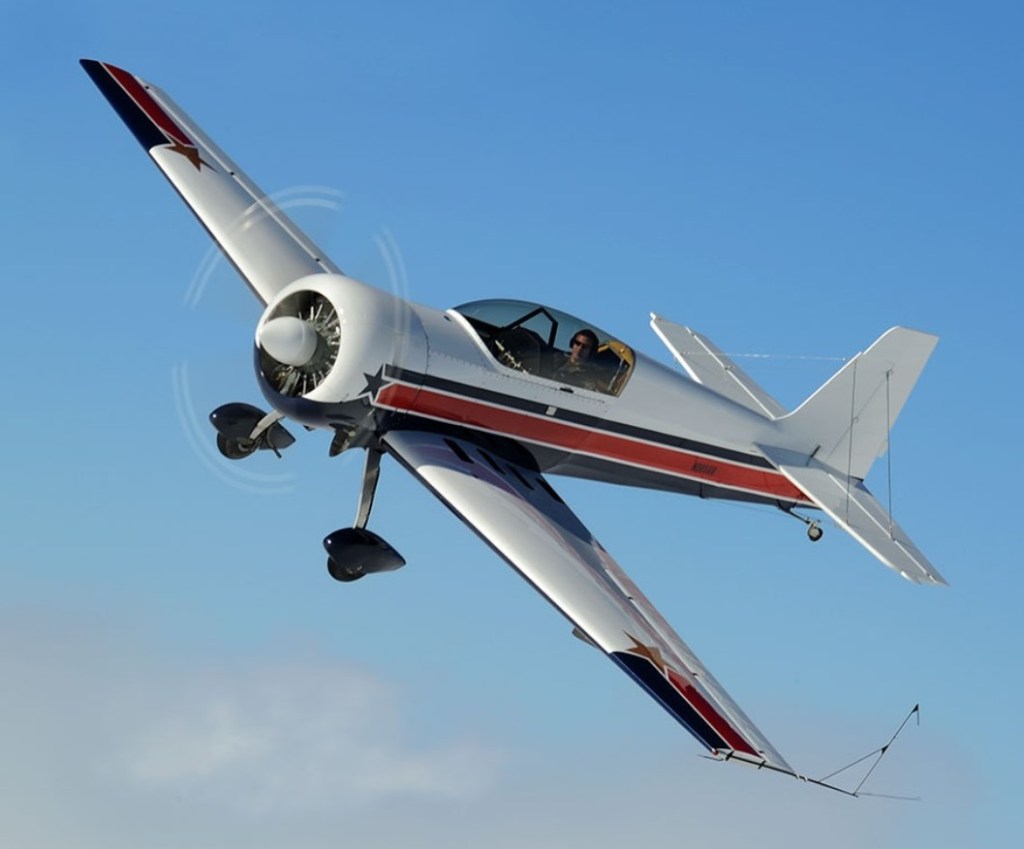
The only Staudacher 985 aircraft in existence, the 1994 built model is powered by a P&W R-985 engine and is an aerobatic experimental aircraft.
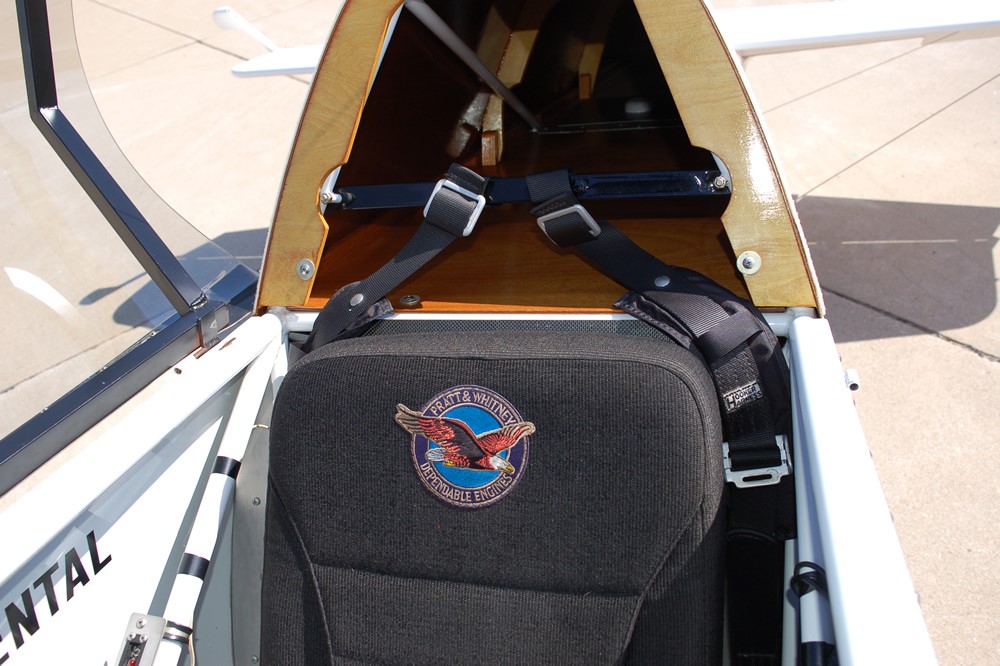
In 1997 it received the Oshkosh Reserve Grand Champion for an experimental “Plans Built” aircraft. This fully aerobatic aircraft has inverted capability, a second seat in front of the main pilot seat (full controls, no brakes).
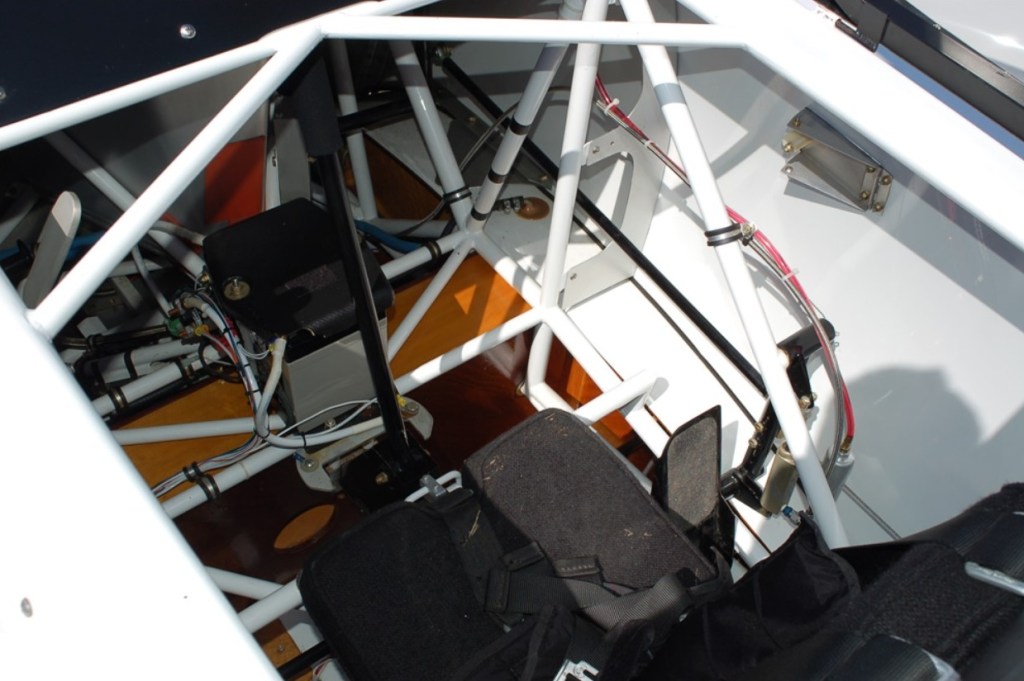
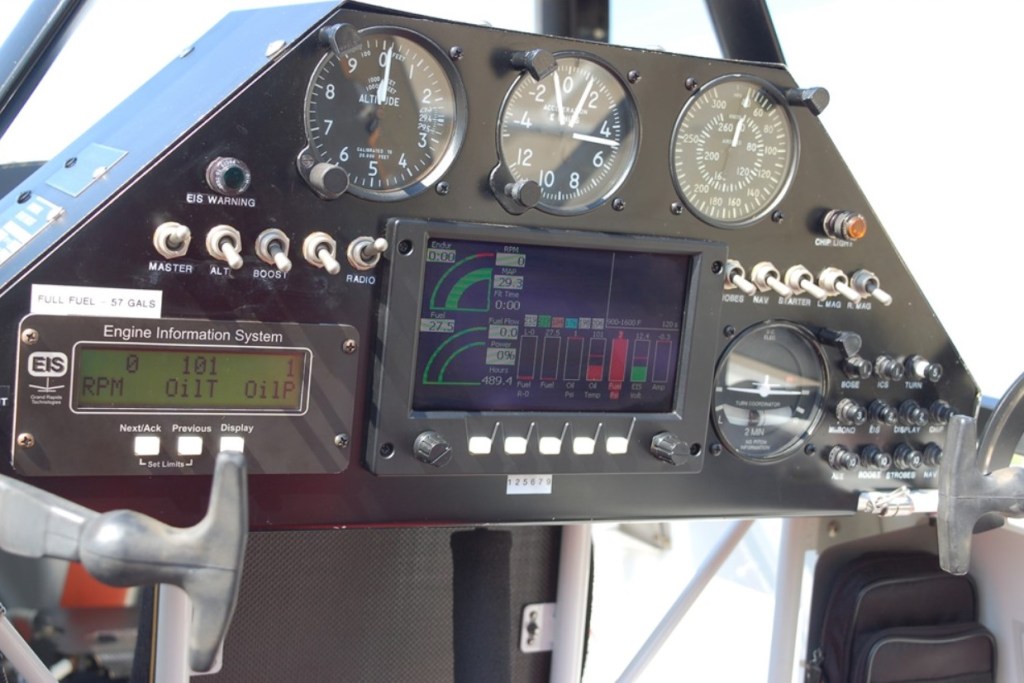
In 2020 N985SB S/N: 17 was for sale for USD$219,000. It was located at Sugar Grove, Illinois, USA, and had 489 hours total time engine & prop.
 All Aero