The Scott brothers and Dan Hanchette created the Viper Aircraft Company in 1995.
Jet aircraft builder
The Scott brothers and Dan Hanchette created the Viper Aircraft Company in 1995.
Jet aircraft builder

The Scott brothers and Dan Hanchette created the Viper Aircraft Company in 1995.
The ViperJet was the first two seater jet on the kit market in the USA. Originally designed to be equipped with a Continental TS10 520 engine with a 5-blade fan, the Mark I has a Turbomeca Marbore II or IV.
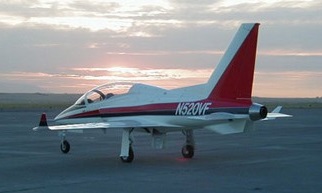
First flight with a Marbore VI was planned for October 1999.

The Marbore was to be eventually replaced by a General Electric J85 (military version of the CJ-610 of the Learjet 23) to give the Viper Mk II.

Prototype
Engine: Marbore VI, 1100 lb
MAUW: 3500 lb
Take-off SL (No flap): 2526 ft
Take-Off SL (10 deg.Flap): 1804 ft
Landing SL (Full Flap): 2624 ft
Max.Speed @ SL TAS: 370 mph
Max.Speed @ 10,000′ TAS: 391 mph
Max.Speed @ 15,000′ TAS: 404 mph
Max.Speed @ 25,000′ TAS: 416 mph
Max.Rate.Climb @ SL/260 mph: 4400 fpm
Seat: 2
Prototype
Engine: Marbore II, 880 lb
MAUW: 3500 lb
Take-off SL (No flap): 3516 ft
Take-Off SL (10 deg.Flap): 2418 ft
Landing SL (Full Flap): 2624 ft
Max.Speed @ SL TAS: 331 mph
Max.Speed @ 10,000′ TAS: 353 mph
Max.Speed @ 15,000′ TAS: 357 mph
Max.Speed @ 25,000′ TAS: 370 mph
Max.Rate.Climb @ SL/260 mph: 3100 fpm
Seat: 2
Engine: GE J-85-17A, 2850 lb
Cruise: 450 mph
Stall: 84 mph
Range: 1380 sm
Rate of climb: 10,000 fpm
Takeoff dist: 1200 ft
Landing dist: 2500 ft
Fuel capacity: 270 USG
Empty weight: 2750 lb
Gross weight: 5500 lb
Length: 25.5 ft
Wing span: 30 ft
Wing area: 130 sq.ft
Seats: 2 tandem
Cockpit width: 30 in
Landing gear: retractable nosewheel
LSA: no

Engine: 2si, 30 hp
HP range: 30-35
Length: 16.5 ft
Wing span: 32 ft
Wing area: 120 sq.ft
Cruise: 45 mph
Stall: 25 mph
Rate of climb: 650 fpm
Takeoff dist: 150 ft
Landing dist: 75 ft
Fuel capacity: 5 USG
Empty weight: 254 lb
Gross weight: 550 lb
Seats: 1
Landing gear: tailwheel
LSA: yes
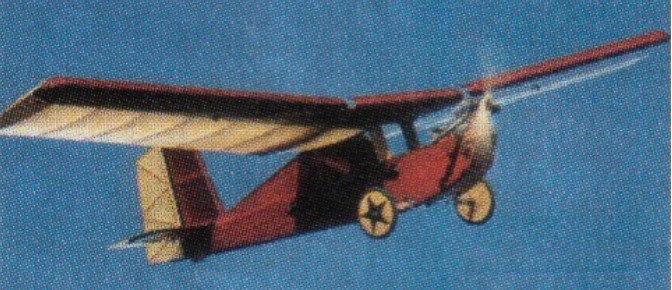
First flown in 1980 and introduced in 1982, the Sky Pup is a single seater designed as an FAR 103 Ultralight Vehicles compliant aircraft with an empty weight within that category’s 254 lb (115 kg) empty weight limit. The aircraft was intended to require the minimum financial investment and the designer intended that the airframe would be able to be completed for US$1000 using locally available materials. In 2001 that Sky Pups had been completed for US$2000, including the engine. A single-seat, high wing, cantilever, single engine, conventional landing gear ultralight aircraft that was designed by Steven K. Wood of Whitewater, Colorado for amateur construction.
The aircraft fuselage and wings are constructed from epoxy-glued Douglas fir, with foam wing ribs all covered in doped fabric or Dacron. The wing is a three-piece design, allowing quick disassembly for transport or storage. The landing gear suspension is made from maple wood. The Sky Pup can be built with an open cockpit or fully enclosed, allowing flying in cooler weather. The Sky Pup is available as plans only (for US$70). The power range specified is 18 to 28 hp (13 to 21 kW), with the largest engine specified the 28 hp (21 kW) Rotax 277. The 20 hp (15 kW) 2si 215, 28 hp (21 kW) Hirth F-33 and 22 hp (16 kW) Zenoah G-25 have also been used. Approxamately 350 were built.
The design was professionally engineered and incorporates a very clean cantilever wing that results in a 12:1 glide ratio. The control system is two-axis, using only elevator and rudder controls, roll being introduced by rudder via a generous dihedral angle. The elevator is stick-controlled, while the rudder is controlled via conventional aircraft pedals. The aircraft is stall and spin proof. Reported construction times are 450-600 hours.
Plans were initially sold direct by the designer and, in the early 2000s, by the Vintage Ultra and Lightplane Association. Later the designer’s son marketed the plans and this is the current source.
Sky Pup
Engine: 1 × Zenoah G-25 , 22 hp (16 kW)
Propeller: 2-bladed wooden
Length: 16 ft 0 in (4.88 m)
Wingspan: 31 ft 0 in (9.45 m)
Height: 4 ft 4 in (1.32 m)
Wing area: 130 sq ft (12 sq.m)
Empty weight: 195 lb (88 kg)
Gross weight: 400 lb (181 kg)
Fuel capacity: 5 US gallons (19 litres)
Maximum speed: 69 mph / 111 km/h / 60 kt
Cruise speed: 55 mph / 48 kt / 89 km/h
Stall speed: 26 mph / 23 kt / 42 km/h
Range: 150 mi / 130 nmi / 241 km
Rate of climb: 450 ft/min / 2.3 m/s
Takeoff dist: 200 ft
Landing dist: 100 ft
Service ceiling: 5000 ft
Lift-to-drag: 12:1
Seats: one
Landing gear: tailwheel
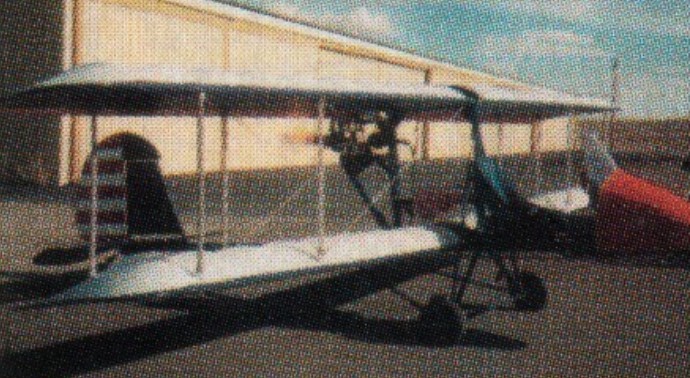
Designed to meet the FAR Part 103 requirements.
Engine: Rotax 447, 40 hp
HP range: 35-40
Top speed: 63 mph
Cruise: 50 mph
Stall: 28 mph
Range: 120 nm
Rate of climb: 800 fpm
Takeoff dist: 175 ft
Landing dist: 175 ft
Service ceiling: 8000 ft
Fuel capacity: 5 USG
Empty weight: 250 lb
Gross weight: 485 lb
Length: 16 ft
Wing span: 24 ft
Wing area: 145 sq.ft
Seats: 1
Undercarriage: tailwheel
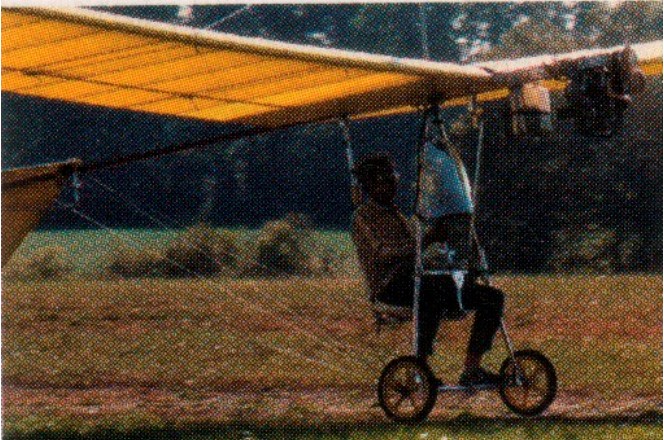
Engine: Zenoah, 22 hp
HP range: 12-22
Cruise: 30 mph
Stall: 18 mph
Rate of climb: 250 fpm
Takeoff dist: 75 ft
Landing dist: 50 ft
Fuel capacity: 3 USG
Empty weight: 145 lb
Gross weight: 345 lb
Length: 17.5 ft
Wing span: 32 ft
Wing area: 157 sq.ft
Seats: 1
Cockpit width: 26 in
Landing gear: tailwheel
LSA: yes
2001: 74 Brookwood Dr, Marietta, GA 30064, USA.
UL plans supplier
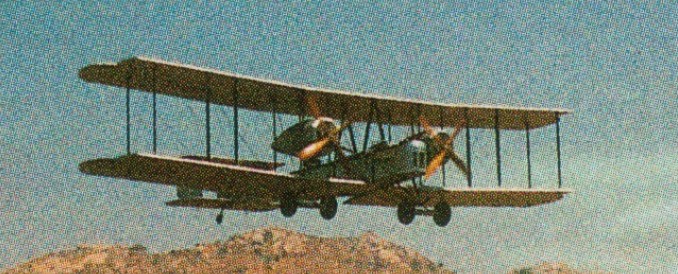
In 1992 Peter H.McMillan and Lang Kirby considered reproducing the Vickers Vimy. A set of almost complete drawings were found in 1993 and Bill Whitney, an Australian aeronautical engineer and designer was hired to do a stress analysis. Whitney also reproduced the great number of missing drawings and designed the numerous new parts that would be required.
The job of building the project was given to a Hollywood set builder, John LaNoue (who had never built an aircraft before). The wingspan was more than 70 ft. There were 112 flying wires, 150 sheets of aircraft plywood, 500 yards of Grade A cotton fabric, over a mile of hand frayed finishing tape, two 11 foot four blade wood propellers, 300 gallons of dope, 10,000 rib stiches, more than 700 feet of control cable, more than 1000 feet of 4130 aircraft tubing and 240 feet of 5/8 in bungee cord. There were 300 nose ribs to be fabricated, 330 feet of box spars to be built, 126 main wing ribs and hundreds of metal fittings.
The finished weight would exceed 12,000 lb. And all this had to be done by the 75th anniversary of the great air race of 1919 – 18 months later. LaNoue put together a team of dedicated experts who were committed to seeing the project through. The project was broken down to the smallest denominator, and a schedule developed.
The team started working 12 hour days five days a week but soon were working 12 hr seven days a week. The parts were built in two locations: Australia, and at the closed Hamilton AFB north of San Francisco.
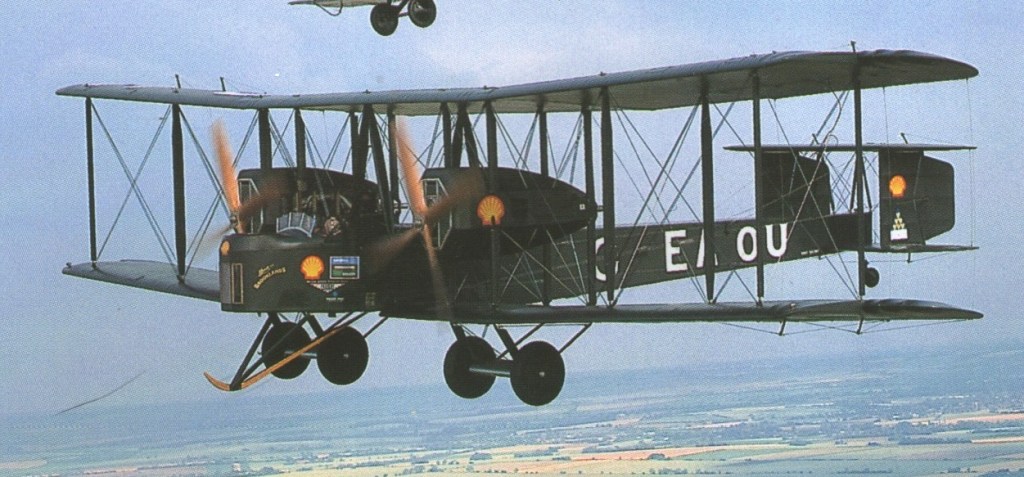
Due to no Rolls Royce Eagles being available it was decided to go with automotive 454 Chevys. The GM motors would fit inside the cowling with their 4:1 reduction gears. The 454s flew the aircraft to Australia with only one mishap, but when BMW became a sponsor, the engines were changed to 5.4 litre BMW V-12 M-73s with 5:1 planetary reduction gears.
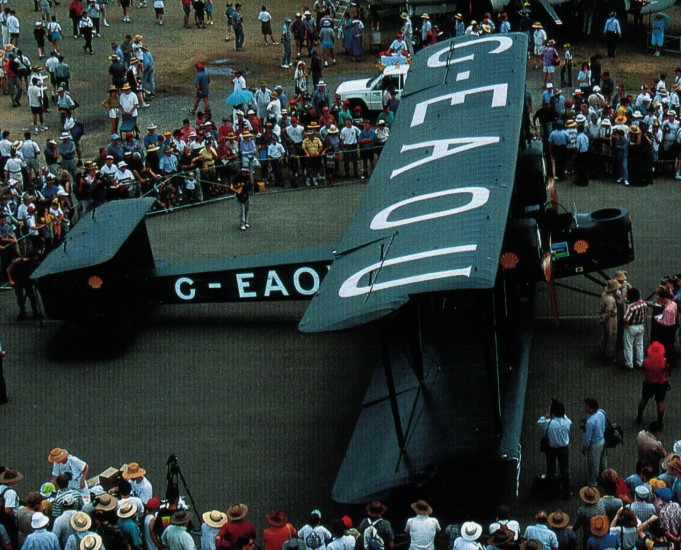
The project was completed in 15 months and 22,000 hours of labour, and flight testing was carried out at Hamilton on the old, closed runways.
The adverse yaw was so great due to the massive size, nothing happened quickly. The original Vimy had only one set of controls on the right side and no brakes or tailwheel. The reproduction is fitted with dual controls along with all the other modern conveniences, but it is still tough to fly.
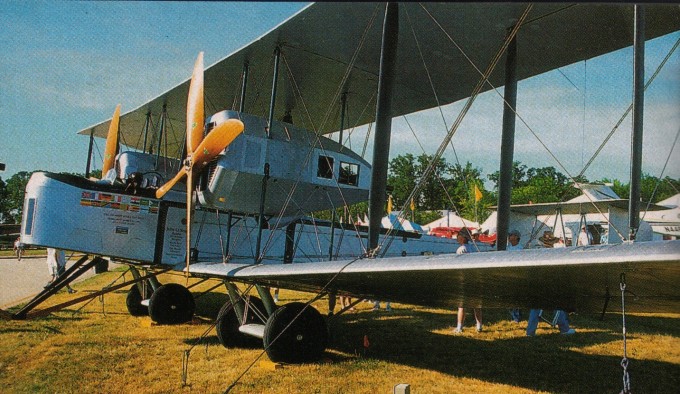
After the obligatory 25 hours of flight testing, the aircraft was disassembled, loaded into a C-5 Galaxy and delivered to Farnborough for the 1994 airshow.

The Skye was taken over by Airwave when the Villiger company closed.
A floater hang glider circa 1998 which could be flown supine or prone. The Skye was manufactured at the Seedwings Europe factory.

Wing area: 18.3 sq.m
Pilot weight: 70-125 kg
Wing span: 5.4 m
Nose Angle: 120 deg
Aspect ratio: 9.95
Price (1998) 6500 DM
Skye 193
Wing area: 18.3 m²
Wing span: 9.95 m
Aspect ratio: 5.4
Hang glider weight: 22 kg
Minimum pilot weight: 70 kg
Maximum pilot weight: 125 kg
Packed length: 6 m
Packed length short: 3.8 m
Nose angle: 120°
1998: PO Box 254, 6010 Innsbruck, AUSTRIA
Hang glider builder
 All Aero