Let L.410 Turbolet / L.420

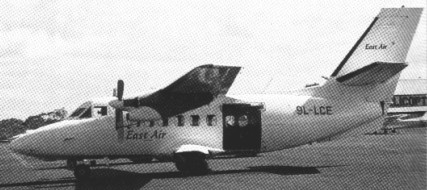
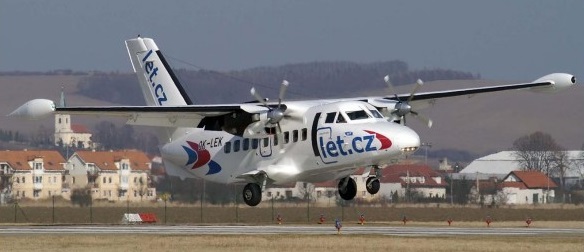
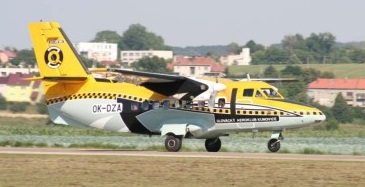
The PT-6A-powered prototype for the L.410 series first flew on April 16, 1969. Production versions include the L.410A, AF, M and UVP, which have Walter M601 turboprops.

Let L.410 Turbolet / L.420 Article

L-410

The L-410UVP-E production version succeeded earlier variants and entered service in 1986. Its main changes included a modified interior to take accommodation to 19 passengers, a reinforced wing for optional streamlined tip tanks (boosting range by 40 per cent) and modifications to the 750 shp (559 kW) Motorlet Walter M601 E turboprops with five-blade propellers.

L.410

The L.410UVP-E version features a strengthened wing, and seating for four more passengers, taking total accommodation to 19. Military utility versions exploiting the L.410’s rough-field capability are available for a range of duties, including transport, medevac, para-dropping, and training.

L-410 UVP-E20

More than 860 L-410s were in civil and military use by 1990.
A higher-powered L 420 variant first flew November 1993.

Gallery

1978 Let 410 Turbolet
Engine : 2 x Walter M 601 A, 537 shp
Length: 44.652 ft / 13.61 m
Wingspan : 57.349 ft / 17.48 m
Wing area : 353.059 sq.ft / 32.8 sq.m
Max take off weight : 12568.5 lb / 5700.0 kg
Weight empty : 8202.6 lb / 3720.0 kg
Max. speed : 205 kt / 380 km/h
Cruising speed : 194 kt / 360 km/h
Initial climb rate : 1476.38 ft/min / 7.5 m/s
Service ceiling : 19685 ft / 6000 m
Wing load : 35.67 lb/sq.ft / 174.0 kg/sq.m
Range : 626 nm / 1160 km
Crew : 2
Payload : 17 Pax

L-410 UVP-E Turbolet
Engine: 2 x Walter M601D.
Installed pwr: 1120 kW.
Span: 20 m.
Length: 14.5 m.
Wing area: 35.2 sq.m.
Empty wt: 3970 kg.
MTOW: 6400 kg.
Payload: 1615 kg.
Cruise speed: 375 kph.
Initial ROC: 430 m / min.
Ceiling: 4200 m.
T/O run: 425 m.
Ldg run: 320 m.
Fuel internal: 1290 lt.
Range/payload: 1380 km with 900 kg.
Capacity: 19 pax.

Learavia Learfan 2100 / Fan Holdings Inc Learfan 2100

LearAvia decided to increase the gross weight of its yet to be built Lear Fan 2100 turboprop from 6,000 to 7,200 pounds. This change will add only 24 extra pounds of structural material. The extra load carry¬ing capacity will cut range, speed and single engine ceiling slightly.

A successful first flight was made on 1 January 1981 by the first prototype. Powered by two pusher Pratt & Whitney PT6B-35F, two more prototypes were under construction at Reno, plus a static test example.
The Lear Fan spent all of 1981 in flight tests after a New Year’s Day first flight. The Lear Fan cabin has been stretched and much design effort has been concentrated on the single pusher propeller; however, Learavia still hoped to have the non-metal airplane certificated by the end of 1982.
Ownership passed 1982 to Fan Holdings Inc. of U.S.A., but with production in Northern Ireland. Production moved to U.S.A. 1983 but program halted 1985.

Engines: 2 x 850 hp P&W
Seats: 7.
Empty Wt: 4100 lbs.
Gross wt: 7400 lbs.
Useful load: 3300 lb
Max Cruise: 400 mph
Max range: 1800 sm

Lancair Sentry

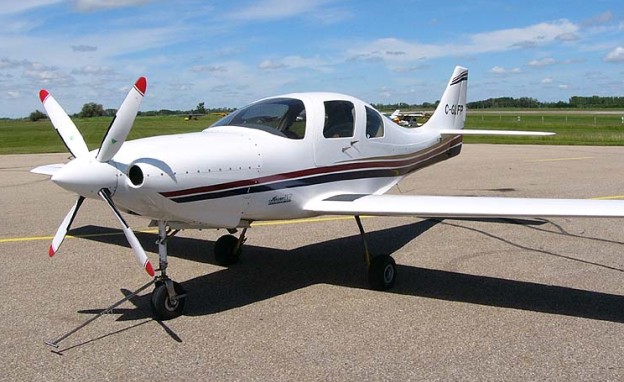
Only the top segment of the Lancair IV fuselage was modified for the Sentry, as well as portions of the vertical tail. Not only does this Lancair kit yield higher speeds similar to the IV-P Propjet model, it also offers increased yaw stability and excellent visibility out of a newly designed rear hinge canopy.

The Lancair Sentry kit was priced at $119,900, and included the converted fuselage top half, the modified turbine firewall, turbine engine mount, fuel tank extension, and carbon fiber cowling.

The concept plane, the Lancair Sentry is an adaptation of the highly successful Lancair IV aircraft. The Lancair IV was developed in 1990 and thus has sold over 500 kits.

The design of the Lancair Sentry was to provide a two-place tandem configuration for centerline seating; revised control systems to accommodate the tandem configuration; improved pilot / co-pilot visibility from military style, full bubble canopy; all graphite carbon fiber airframe; engineered for a 400 lb increase in gross weight; andengineered for turbine power and air conditioning.

Engine: Walter 601D, 708 hp @ sea level
Propeller: 3 Blade, Constant Speed
Length: 26 Ft.
Wingspan: 30.2 Ft.
Wing Area: 98 Sq Ft.
Wing Loading: 36 Lbs/sq Ft.
Aspect Ratio: 9:1
G Loading: +4.4 -2.2 Gs normal
Empty Weight: 2200 Lbs.
Gross Weight: 3550 Lbs
Fuel Capacity: 125 USGal.
Useful Load: 1350 Lbs.
Baggage Capacity: 150 Lbs.
Cabin Width: 46 in (front), 43 in (rear)
Cabin Height: 48 in.
Seats: 2 (tandem)
Cruise: (typical) 380 Mph @ 26,000′
Stall Speed: (dirty) 74 Mph
Takeoff Distance: 1500 Ft.
Landing Roll: 1700 Ft.
Fuel Consumption: 33 USGph (.67 Sfc)
Maximum Range: 1150 Sm (with Reserves)
Rate Of Climb: 4000 Fpm

Lancair Evolution

The Lancair Evolution was developed entirely through Computer Aided Design, created by Computer Numeric Code machining and evaluated by Finite Element Analyses.
The Evolution is designed to FAR part 23 compliancy, the same standard that certified aircraft follow. It’s safety innovations include the BRS Ballistic Recovery Parachutes, AmSafe Aviation airbag seatbelts and energy absorbing seats.
The Fastbuild Kit did cost US$250,000 with a finished piston plane estimate of US$600,000, and turbine cost of US$650,000 – $1,000,000.

Lancair Evolution
Engine: Lycoming Piston
Length: 30 ft
Height: 10 ft
Wingspan: 37 ft
Seating: 4
Cargo Volume: 39 cu ft
Baggage Capacity: 225 lbs
Payload (full fuel): 1,074 lbs
Time to climb (FL 240): 13 min
Rate of climb: 2000 fpm
Mmo: .64
Vne: 255 kt
Vfe: 135 kt
Vfe 10 deg: 160 kt
Vlo: 180 kt
Vs1: 75 kt
Vso: 61 kt
T/O Distance: 1,200 ft
Landing Distance: 1,400 ft
Cruise Speed (max): 270 kt
Range: 1300 nm
Fuel Flow: 22 USgph
Cruise Speed (economy): 240 KTAS
Range: 1700 nm
Fuel Flow: 17.5 gph
Max Operating Altitude: 28,000 ft

Lancair Evolution
Engine: Pratt & Whitney PT6A-135A Turbine, 750 shp
Propeller type: Sensenich
Length: 30 ft
Height: 10 ft
Wingspan: 37 ft
Gross weight: 4300 lb
Seating: 4
Cargo Volume: 39 cu ft
Baggage Capacity: 225 lbs
Payload (full fuel): 957 lbs
Useful Load, Std: 1950 lb
Usable Fuel, Std: 146 US gal
Time to climb (FL 240): 8 min
Rate of climb: 4000 fpm
Mmo: .59
Vne: 255
Vfe: 135
Vfe 10 deg: 160
Vlo: 180 kt
Vs1: 75 kt
Vso: 61 kt
T/O Distance: 1,000 ft
Landing Distance: 1,000 ft
Cruise Speed (max): 330 KTAS
Range, Max Cruise: 886 nm
Max range: 1314 nm
Fuel Flow max cruise: 39 gph
Cruise Speed (economy): 270 KTAS
Fuel Flow econ cruise: 23 US gph
Max Operating Altitude: 28,000 ft

Kestrel K-350 / JP10 / JP100 / Farnborough Aircraft F1

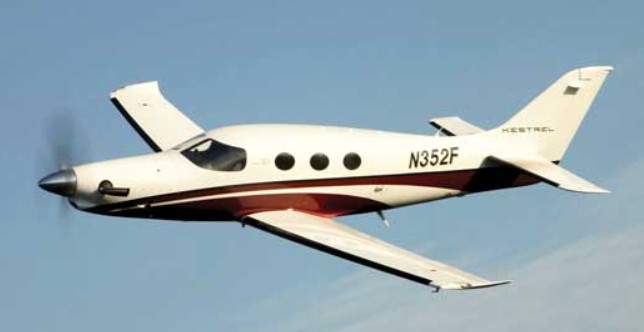
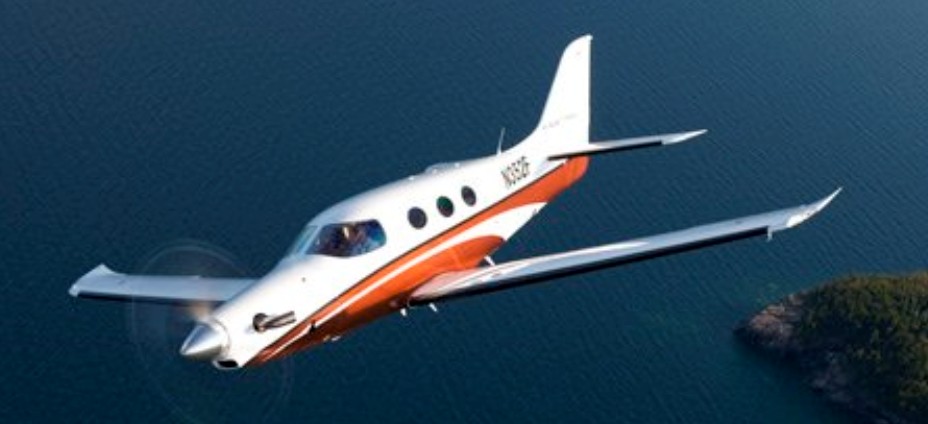
The Kestrel JP10, Kestral K-350, or Kestral is a high-performance single turboprop-engined all-composite six-seat aircraft. Its layout is low-wing with tailplanes mid-set on a single fin. The tricycle undercarriage is fully retractable. Its construction uses composites incorporating carbon fibre. The wing is also of carbon-fibre construction and features a high lift laminar flow design worked out mostly by aerodynamicist Dr. Gordon Robinson.

The cabin features a pressurized area.

Farnborough Aircraft formed a business alliance with Epic Aircraft to develop both companies aircraft and as a result the JP10 appears similar to the Epic LT. The wing is reportedly the same, while the Kestrel’s fuselage is 20 inches longer than the Epic’s.

The company formed in 2002 to build the aircraft was started by Richard Noble who was responsible for the team that first broke the sound barrier on land. Noble envisioned the aircraft’s primary role as being part of the fleet of “air taxis” flying over Europe that provide an alternative to both commercial airlines and chartered corporate jets. Noble named his Farnborough, England based company “Farnborough Aircraft” and the design for the then designated “F1” was detailed.

The name of the company has since been changed to Kestrel Aircraft Company and the aircraft’s designation was changed from “F1” to “JP100” and is now the “JP10”.

A business partnership formed to complete the Kestrel’s development named the Gulf Aircraft Partnership and located in the UAE did not proceed. Alan Klapmeier, co-founder of Cirrus Aircraft Corporation, has joined with Anthony Galley and others in the renamed Kestrel Aircraft Company. A business relationship has been formed with Liberty Aerospace of Melbourne, Florida, United States to provide assistance with Toray carbon fiber components.

Kestrel Aircraft’s Adrian Norris reported that the company was ready to freeze the design and build conformal prototypes in efforts to seek part-23 certification. On 23 July 2010 Kestrel Aircraft announced that they would be relocating to large, relatively newly built hangars at the soon to be closed Brunswick Naval Air Station in Brunswick, Maine. The company was to receive some local financial assistance in exchange for an anticipated eventual creation of some 300 jobs.

The prototype first flew on 29 July 2006. The engine that has been powering the prototype is a Pratt & Whitney PT6-67A turboprop flat rated to 1,000 hp (746 kW). As of April 2010, the prototype, registered N352F, had logged about 260 hours.

In 2011 the company selected the Honeywell TPE331-14GR engine as first choice for the aircraft, also flat rated to 1,000 hp (746 kW).

On January 17, 2012, it was announced that the aircraft will be produced in Wisconsin due to tax incentives totalling US$50 million.

In July 2013 Kestrel CEO Alan Klapmeier stated that funding delays had slowed progress on the aircraft and that a conforming prototype was now expected to be ready in the summer of 2014, with the first customer delivery forecast for the end of 2015 or early 2016. Certification costs were estimated at US$175M, with US$50M already spent.

By September 2013 employees were reporting that the company was short of money and that salaries and insurance payments were missing or late, and that vendors had not been paid. The company indicated that development had been delayed due to lack of investment and that the first flight of a production aircraft would not occur in 2014.

In early 2014 it was reported that Kestrel Aircraft had fallen months behind on loan payments to the Wisconsin Economic Development Corporation due to financing delays. It was also reported that the delay in financing had impacted hiring, causing the company to reduce its staff in Superior. The WEDC and Kestrel have agreed upon new terms that will defer the payments until November 2014.

Kestrel JP10
Engine: Pratt & Whitney PT6-67A turboprop, 1,000 hp (746 kW)
Wingspan: 44 ft 11 in (13.7 m)
Length: 38 ft 5 in (11.7 m)
Height: 13 ft 0 in (3.96 m)
Empty weight: 5,200 lb (2,359 kg)
Max takeoff weight: 8,500 lb (3,856 kg)
Fuel capacity: 319 US gal (1,208 l)
Maximum cabin altitude: 8,000 feet (2,400 m) at FL 310
Pressurization: 7.5 psi (52 kPa)
Cruise speed: 320 kn (368 mph; 593 km/h)
Stall speed: 53 kn (61 mph; 98 km/h)
Range: 1,300 nmi (1,496 mi; 2,408 km)
Service ceiling: 31,000 ft (9,400 m)
Rate of climb: 2,250 ft/min (11.4 m/s)
Capacity: six standard/seven-eight optional
Crew: 1 or 2

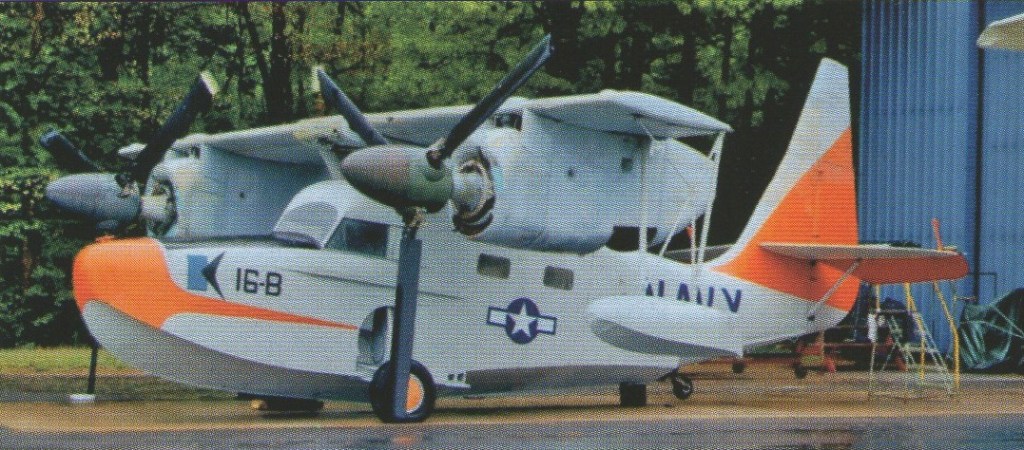
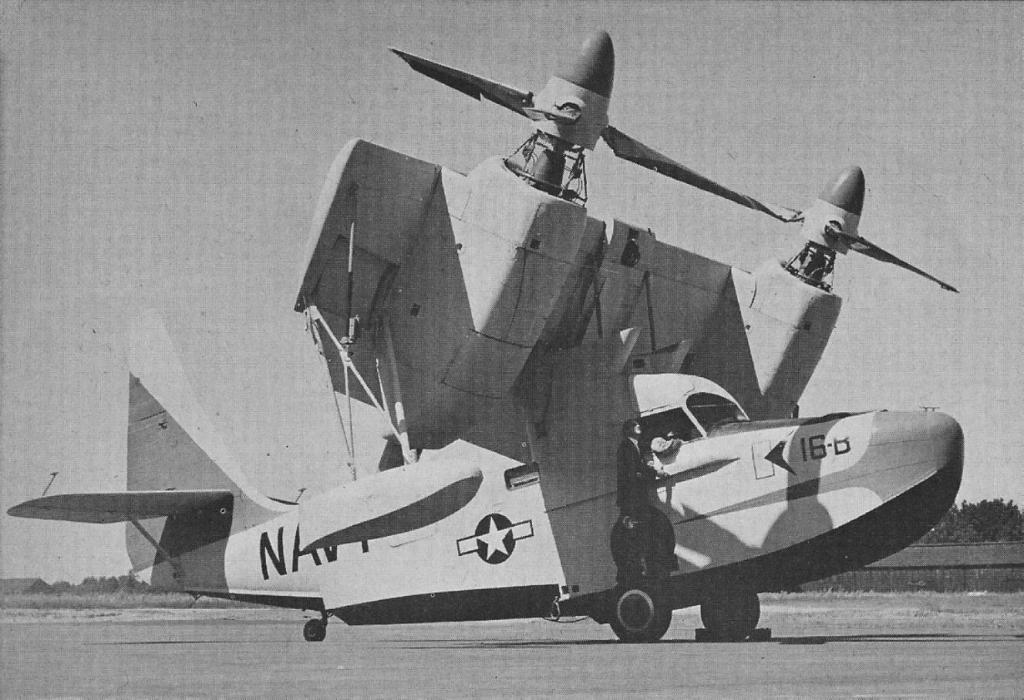
Kaman K-16

K-16B

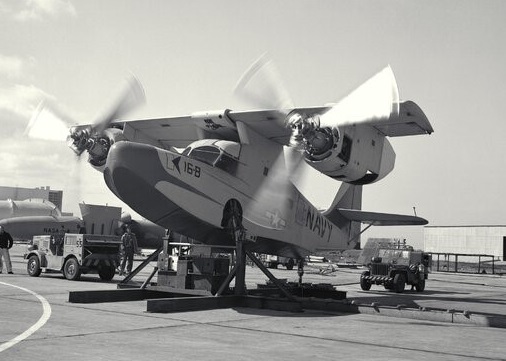
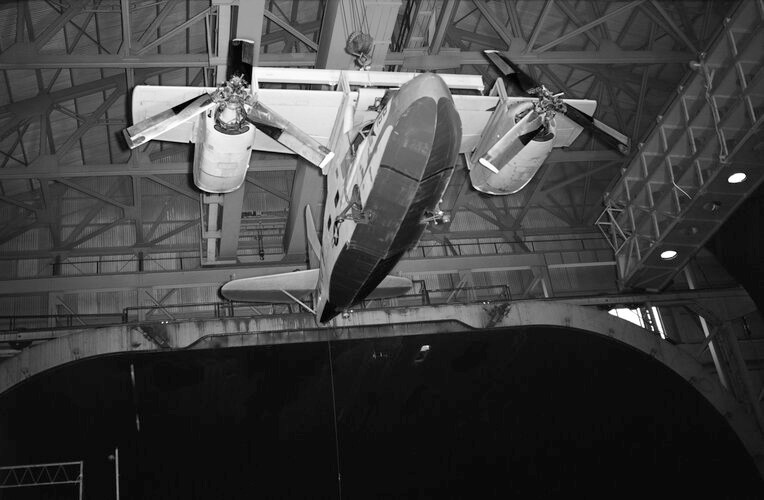
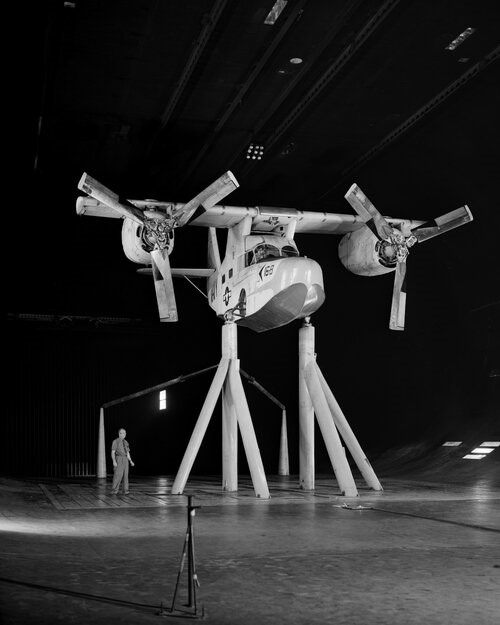
NASA Ames Research Center conducted wind tunnel tests on the K-16B.

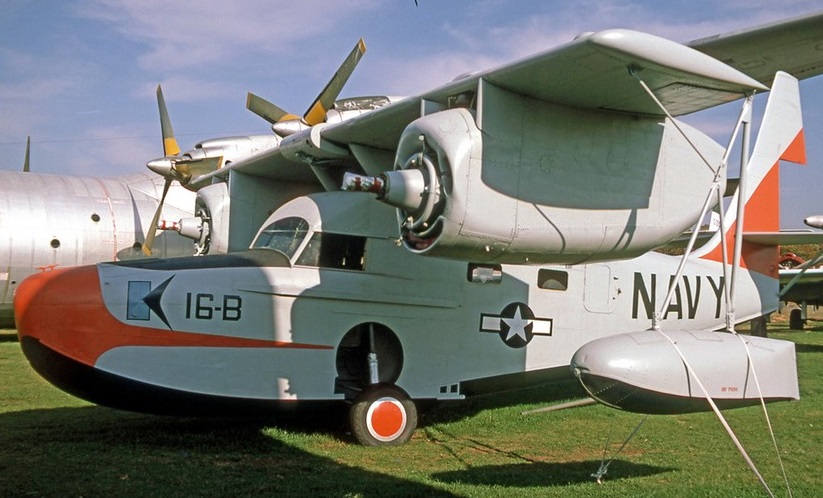
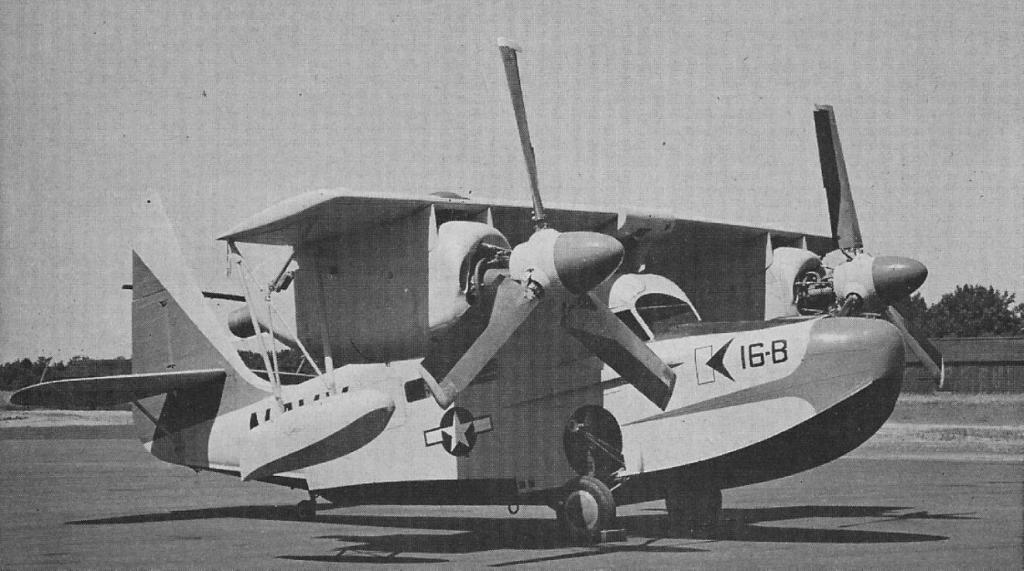
The sole Kaman K-16B is resting in the New England Air Museum, Hartford, Connecticut.

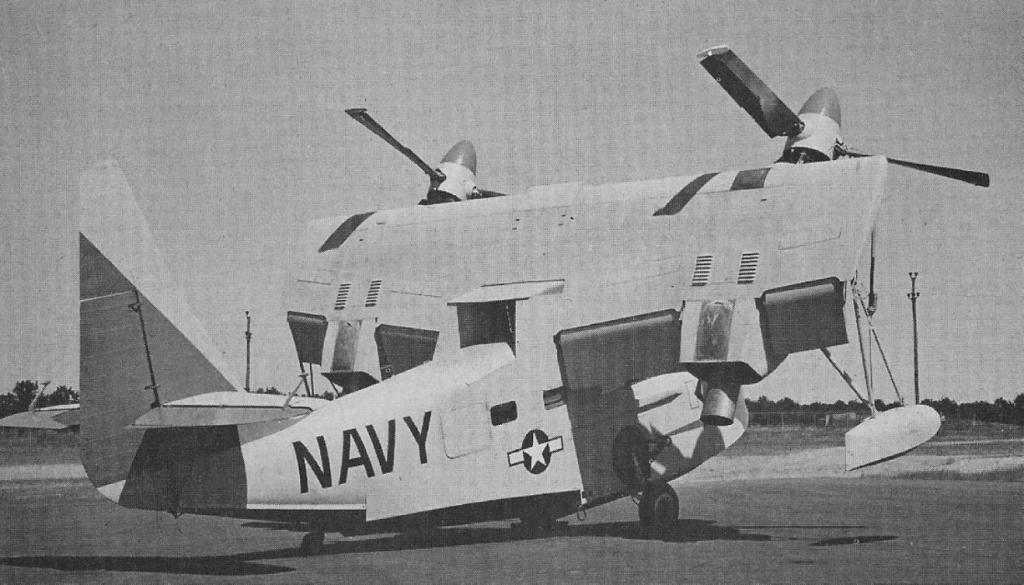
Kaman K-16B tilt-wing STOL research aircraft

Engines: 2 x GE T-58-2A, 1024 hp
Wing span: 34 ft
Length: 38 ft 4 in
Height: 19 ft 3 in
Normal gross: 9295 lb
Design max speed SL: 211 kt
Deign max speed 15,000ft: 215 kt
Max ROC: 6000 fpm
Vertical climb: 400 fpm
Service ceiling: 36,000 ft
Hover ceiling: 2400 ft
Range w/1000lb fuel: 205 nm
Max range speed: 130 kt
TO to 50 ft 12,000 lb: 514 ft
Mean aerodynamic chord flap extended: 112.1 in
Prop Airfoil: NACA 16-500
Prop diameter: 14 ft 10 in
Prop blade chord: 18 in
Flapping hinge radius: 9.2%
Blade pitch range: 15-45 deg
Max wing tilt: 50 deg
Wing flap deflection: 60 deg
Rotor blade flap collective: 13 deg max
Rotor blade flap cyclic: +/- 25 deg

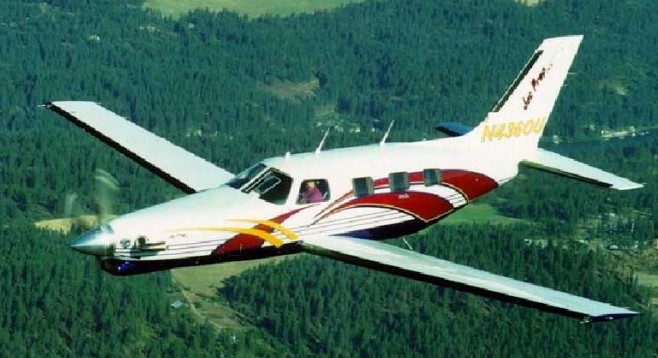
JetPROP DLX

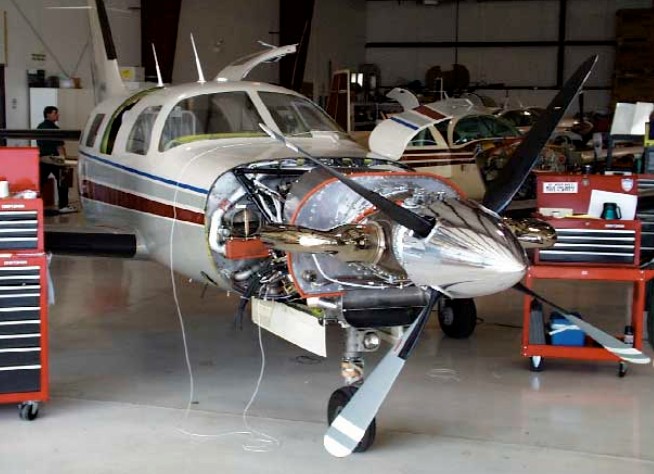
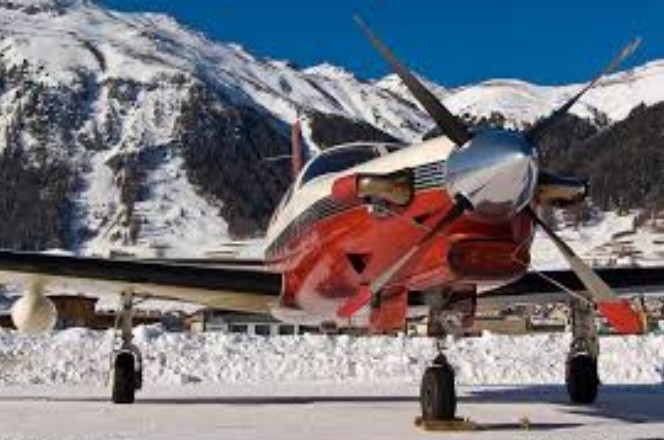
The JetPROP DLX is essentially a firewall forward conversion of the Piper PA-46 Malibu. Prior to mounting the Pratt & Whitney PT6A-35 turbine, the old piston engine is removed and the firewall is rebuilt.

Conversion begins in earnest with the mating of Pratt & Whitney’s 750hp PT6A-35 turbine engine to the Malibu/Mirage airframe. The intake nacelle includes an ice door to prevent damage to the PT6A-35 engine.

JetPROP DLX
Engine: P&W PT6A-35, 560 hp flat rated
Wingspan: 43′
Length: 30′ 1″
Height: 11′ 3″
Cabin Length: 12′ 3″
Empty Weight: 2,950 lb
Ramp Weight: 4,318 lb
Takeoff Gross Weight: 4,300 lb
Useful Load: 1,358 lb
Payload 356 lb
Max. Landing Weight: 4,100 lb
Baggage Capacity: 100 lb
Fuel Capacity: 151.1 USG
Noise Level: 69 dB
Fuel Burn (Idle): 14 USGPH
Climb Rate (Initial): 3,000 FPM
Takeoff – Over 50′: 1,200′
Landing – Over 50′: 1,000′
Service Ceiling: 27,000′
Max. Speed: 265+ knots
Normal Speed: 260 knots
Normal Range: 1,000 NM
Long Range Speed: 235 knots
Long Range: 1,100+ NM
Normal Fuel Burn: 34 USGPH
Stall Speed (Flaps Down): 61 kt