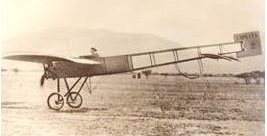
The first four airplanes constructed in Chile, were designed and built by the Copetta brothers. The first of them flew in 1911 and its name was “El Burrito” (young donkey). This airplane followed the lines of the Blériot IX in some way and was built in the necessity to fly after the irreparable destruction of their Voisin biplane, brought originally from France. Regardless of it being the first, “El Burrito” bore on its tail the inscription “Copetta 2”, since in those years it was common to put the name of the pilot and constructor; in this case Copetta and Copetta.
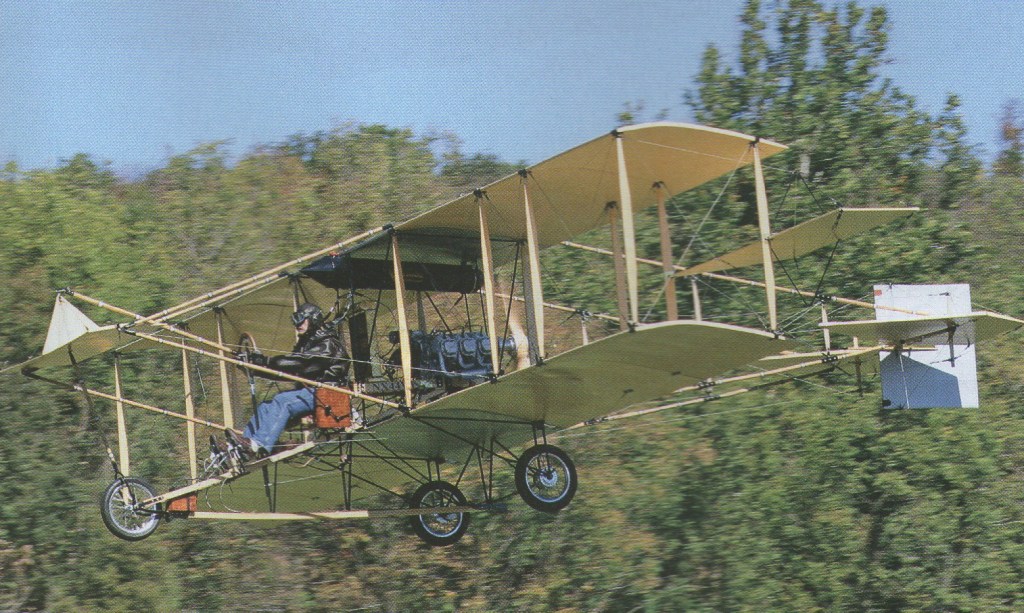
On 8 October 2010 Dave Coolbaugh first flew his replica Curtiss-Ely 1911 Pusher for the first time. The retired Navy/airline pilot spent more than 6000 hs building the craft since beginning in the Summer of 2008.
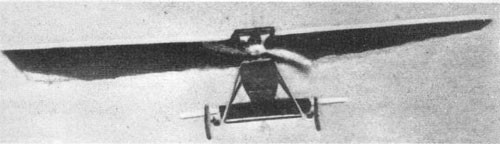
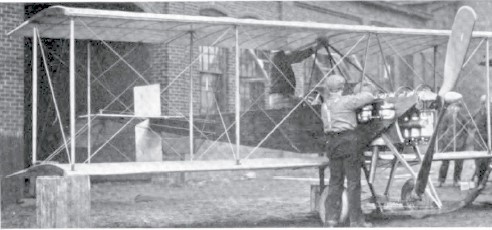
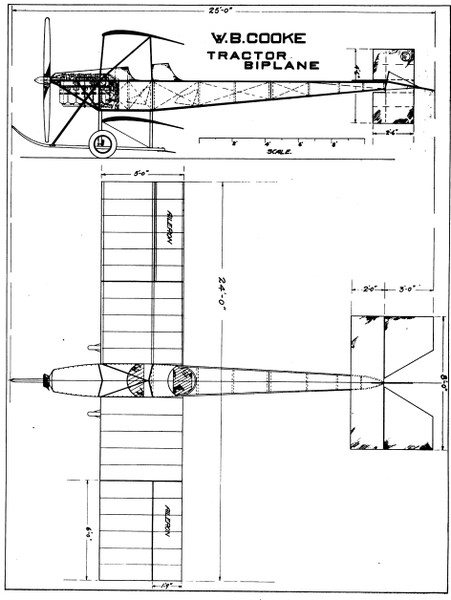
Weldon B. Cooke from Pittsburgh – Sandusky designed and built this tandem biplane aircraft in the winter of 1912-1913. Cooke, who was a well-known exhibition pilot, designed this aircraft with racing and exhibition flying in mind.
Cooke designed the aircraft for a 75 mph (121 km/h) top speed. For the time it was designed, it was a very modern aircraft, incorporating features that wouldn’t become commonplace on aircraft until towards the end of the Great War. The layout of the aircraft itself, a tandem two seat biplane with a tractor motor, was very unusual in 1912. Most of the aircraft being built and flying in North America at the time being some variation of a Curtiss type pusher biplane where the pilot and passengers would sit exposed in front of the leading edge of the lower wing.
Another unusual feature of the aircraft was the inverted installation of the Roberts inline 6 cylinder engine. When the early direct drive inline motors were mounted upright in a tractor installation, the cylinders would be almost completely exposed above fuselage deck. This type of mount would add aerodynamic drag to the aircraft, as well as presenting a substantial visual barrier for the pilot. By inverting the motor, the engine could be contained within the fuselage profile and the pilot had an unobstructed forward view. This may have been the first recorded inverted motor installation in an aircraft. The undercarriage consisted of a central skid with two flexible wheels at right / left with no connection to the fuselage (only to the central skid).
Cooke biplane on a take off run on ice, Sandusky Bay,1913
Because of the inability of period aircraft to be able to fly to and from the exhibition, the logistics of flying in the 1910s involved shipping the aircraft by train from one event to the next. To facilitate this, Cooke designed the aircraft to be quick and easy to take apart and re-assemble. The wings, which have a span of 24 feet, are made up of four detachable six foot sections. The fuselage is built in three detachable sections. The front section contains the engine and the passenger’s seat with all controls and their connections. The second section contains the pilot’s seat and the third, the tail and the square rudder. The skin of the fuselage was made up of a thin ply veneer to give it additional stiffness.
Used for exhibition flying and air racing, this biplane is sometimes identified as the ‘Sandusky Biplane’. Only the one was built.
Engine: 1 × Roberts two-stroke 6 cylinder, 75 hp (56 kW) Propeller: 2-blade Wingspan: 24 ft (7.3 m) Length: 25 ft (7.6 m)
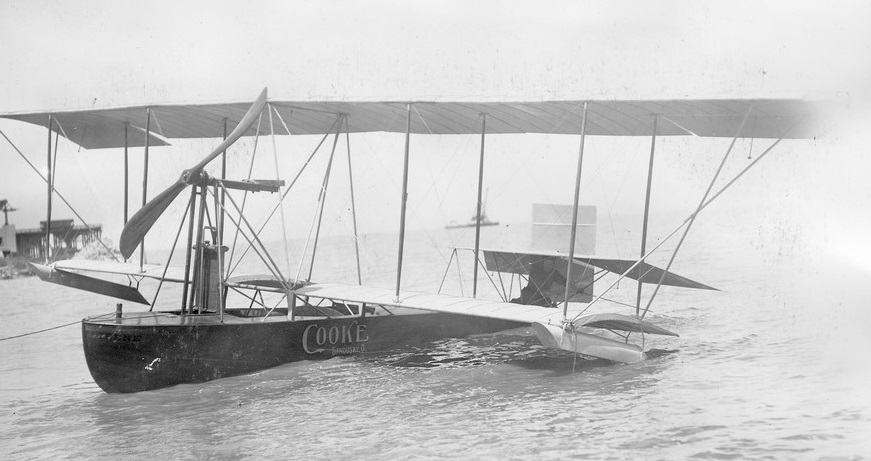
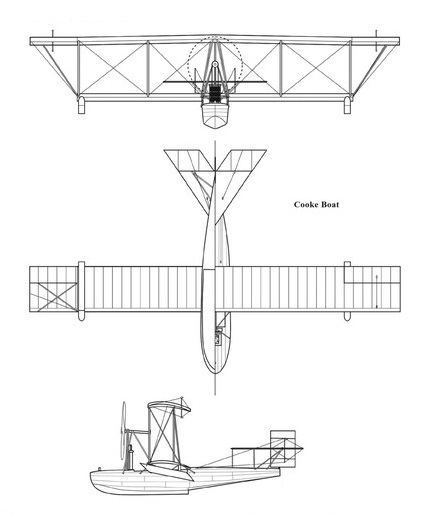
Weldon B. Cooke, an early pioneer who taught himself to fly in a Curtiss pusher, started construction of a flying boat project in California.
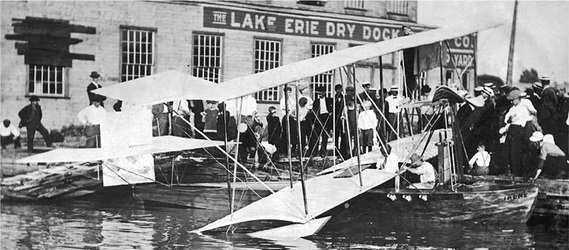
The craft’s biplane wings rested on a full length boat hull that ended in a tail group supported by struts. Its single tractor propeller, mounted forward of the wing, was driven by a belt running from a 75-hp Roberts engine. Sometime in 1913, Cooke shipped the parts by rail to Sandusky, Ohio, where the aircraft was completed and flown.
Although the “Irene,” depicted in this image, suffered from design and construction flaws, she became famous locally when Cooke raced her against C. B. Lockwood’s motorboat “Chinook.” Cooke attained speeds of 35 miles per hour in the water and 50 miles per hour in the air. Lockwood’s fast motor boat reached a speed of 23 miles per hour.
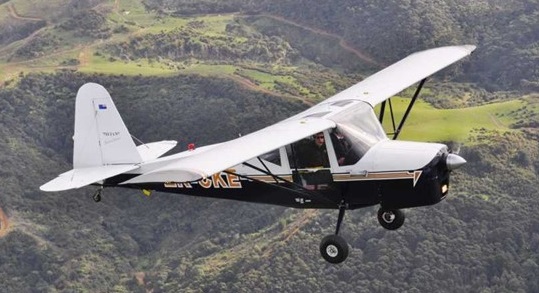
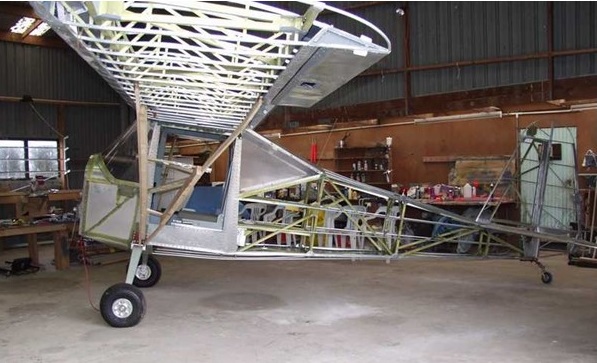
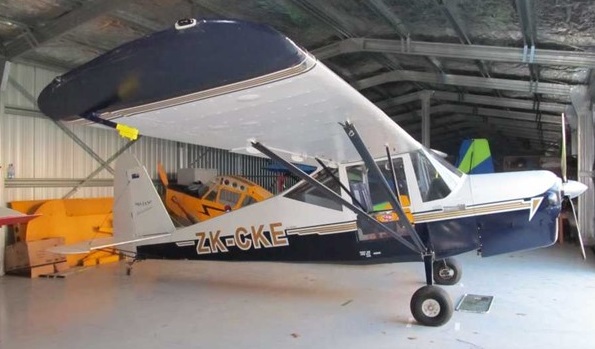
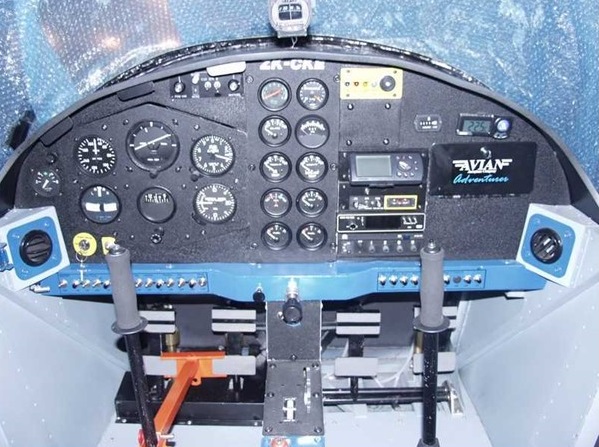
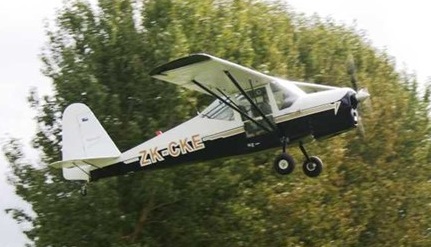
The Cooke Avian Adventurer is a one-off design constructed of riveted alloy extrusions, and fabric covered. Design and built by Bruce Cooke of Cambridge, New Zealand, construction was over 10 years and the approximate cost to build was NZ$10000-$20000. A two seat side by side plus large baggage bay, ultralight, there are full dual controls.
The aircraft is influenced by the classic taildraggers such as the Piper Cub, Cessna Bird Dog and the Auster series. Construction is of rivetted interlocking aluminium extrusions. This construction method results in a high component count but it avoids the necessity for expensive sheetmetal tooling. The outward sloping cabin sides reduce the amount of bending required for the bottom longerons while allowing very generous shoulder room for the two side by side occupants and giving an almost directly down view through the fully glazed upward opening doors. The airframe is covered with Stits Polyfiber fabric.
The engine is Subaru EJ 20 “Matariki” (Subaru and Matariki both refer to the cluster of 6 stars in the Taurus constellation named Pleiades by the ancient Greeks), which produces 140 HP Nominal and drives a 3 bladed electrically variable Ivoprop through a Neil Hintz gearbox.
Bruce Cooke’s Avian Adventurer ZK-CKE c/n AV08-1 was first registered on 19/11/08, although it did not fly until March 2011.
The first flight in March 2011 was at Hamilton with test pilot Bob Monds.
John Cook was trained in England and emigrated to the US to work on aircraft when the UK industry imploded in the 60’s. After stints at several companies including Helio, he went to work for Northrop on the 747 (Northrop designed and built the center and aft fuselage) and after work in the evenings and on weekends, several co-workers went down to Torrance and helped production design this plane in return for stock in the company. They built a prototype and a static test article, intending to obtain an FAA Type Certificate. The aircraft first flew in May 1969 and performed well; it passed static tests with very minor fixes. During a spin test, the FAA pilot kept the power on during the first turn of the spin – we had always closed the throttle as it stalled – and the plane entered an unrecoverable spin mode. John and the FAA pilot parachuted to safety, but the plane N21CA fell into the LA Harbor.
They built a second prototype, N72CA first flying in November 1971, and John Cook and John Parker test flew it to determine a safe aft CG limit. During one of these tests in January 1972 they got into the same situation and bailed out. JP was fine but Cook’s parachute was hit by the spinning plane and he was killed.
The company continued for a while and a third prototype was first flown in 1972 (N123CA) and an attempt was made to market the project as a homebuilt. This was not successful, the company folded and the plane was sold.
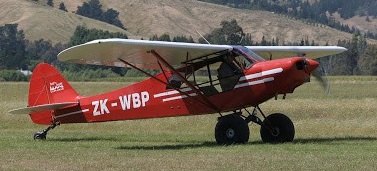
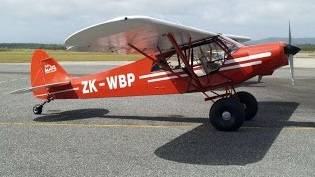
The Westland Bush Plane was built by Russell Cook of Kaihinu, north of Hokitika, New Zealand, around 2008. It may look like a Cub, but the only original bit of a Cub is one wing. The dimensions are all bigger than the standard PA-18, and the whole lot is built from scratch. The tundra tyres are for landing in the West Coast river beds.
Registered ZK-WBP (c/n 0017251) the Westland Bush Plane has an extra side door to the luggage area behind the rear seat.
It received some minor damage on 23 July 2011 whilst landing on a river bed.
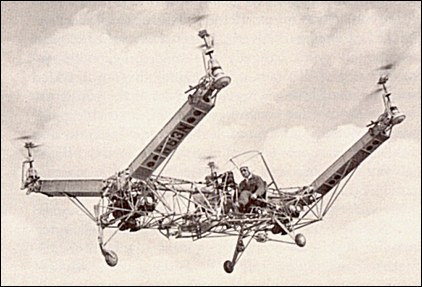
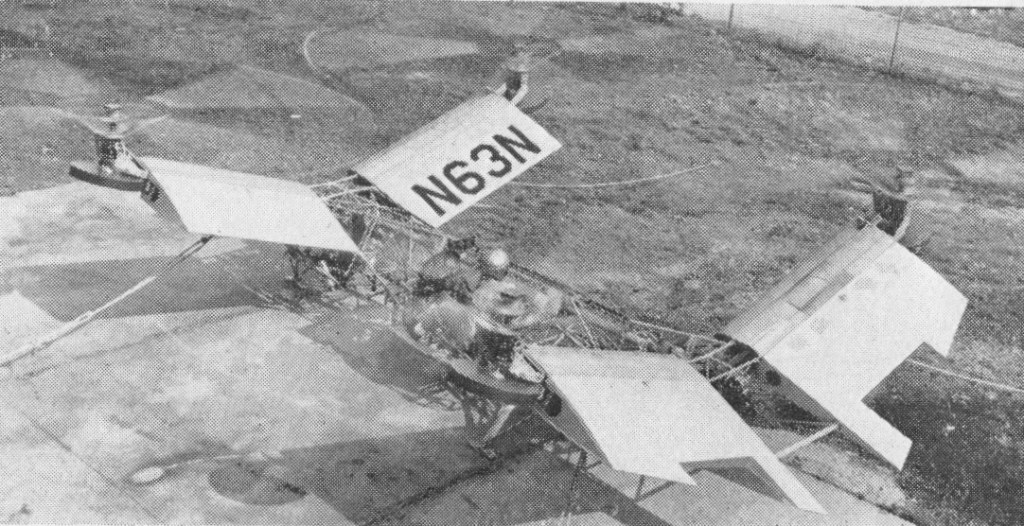
As the result of Convertawings’ further developmental work on this four rotor configuration, a first prototype was completed in 1955 and it has flown successfully.
The four rotors of this helicopter are mounted laterally on outriggers in two tandem pairs. The four rotors were positioned in an “H” configuration, and the design incorporated simplified hubs with strap-mounted blades, a form of “hinge-less” rotor. The control mechanism is extremely simplified and obtained by differential change of thrust between the rotors. There is no cyclic control, but only collective control. In the experimental prototype the fuselage was of tubular steel, the booms supporting the rotors in aluminium alloy. Power is provided by two engines connected to the rotor drive system by multiple vee belts. Shafting and transmission cases ensure inter-connection between the four rotors, so that either engine can drive all of them. There is a tricycle undercarriage with two wheels in the rear section and a nose wheel which can swivel.
The first flights took place in March 1956, flown by its designer and test pilot, D.H.Kaplan. Despite successful testing and development, military support for the Quadrotor ceased after cutbacks in defense spending.
The Quadarotor A was a small test vehicle for the Projecled 60-76 passenger Model E Quadrotor on the same general lines. The Model E is intended to have four R-1820 piston-engines or Dart turboprops, mounted directly under the rotors.
However, the design – particularly its control system – was a precursor of future experimental vertical-rising aircraft.
Model A Engines: 2 x Continental 0-90, 90hp Rotor diameter: 5.92m / 15 ft Gross weight: 998kg / 1,950 lb Number of seats: 1
The Convair Model 106 Skycoach was an experimental four-seat light aircraft, designed and built by the Stinson Division of Convair. The Model 106 was a four seat cabin aircraft with a pusher engine, fixed spatted tricycle undercarriage and twin tail booms flanking the propeller. The three passengers and pilot sat in a cabin in the fuselage nacelle, which also housed the pusher 230 hp (170 kW) Franklin 6A8-225-B8 six-cylinder horizontally-opposed piston engine, driving a cooling fan and pusher propeller.
First flown in April 1946 (pilot: Bill Martin), flight testing was carried out at San Diego, but performance was found to be unexceptional. With a maximum speed of only 142 mph (123 kn; 229 km/h) the Model 106 was outclassed and Convair abandoned development, scrapping the sole prototype, (regn. NX40004, msn. 1), in 1947.
Model 106 Skycoach Engine: 1 × Franklin 6A8-225-B8, 230 hp (170 kW) Maximum speed: 142 mph (229 km/h; 123 kn) Crew: 1 Capacity: 3 passengers
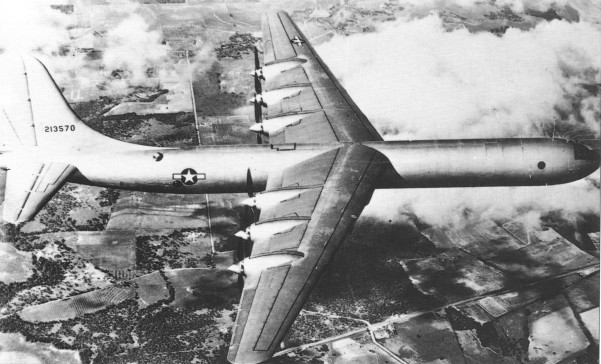
The first intercontinental bomber, the Convair B-36 originated from a US Army Air Force specification issued on 11 April 1941 which called for an aircraft with ability to carry a maximum bombload of 72,000 lb / 32659kg and to deliver 10,000-lb / 4536kg of bombs on European targets from bases in the United States. A radius of 5000 miles / 8047 km. An unrefuelled range of 16093km was a prime requirement, with a maximum speed of 386-483km/h and ceiling of 35000 ft / 10670m.
A number of designs were submitted and the winner was selected in November 1941 the month before the USAs entry into World War II. It was the Consolidated Model 37, which was ordered in prototype term as the XB-36, becoming the developmental YB-36 trials model, finally built by Convair, as Consolidated became known after its merger with Vultee.
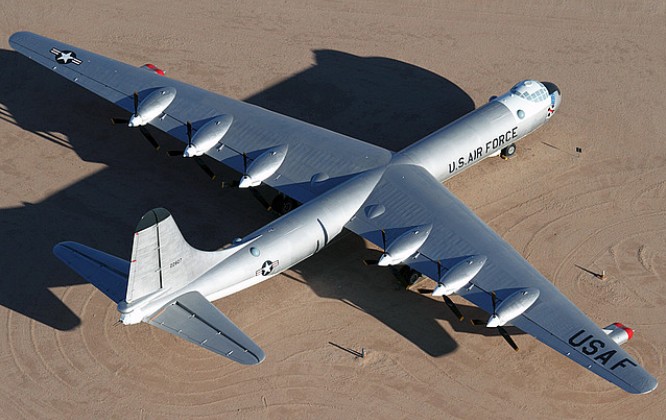
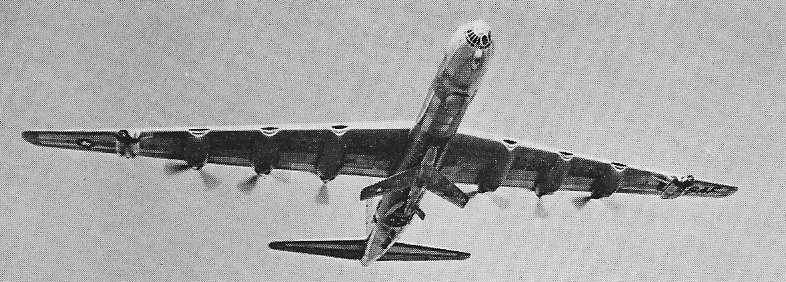
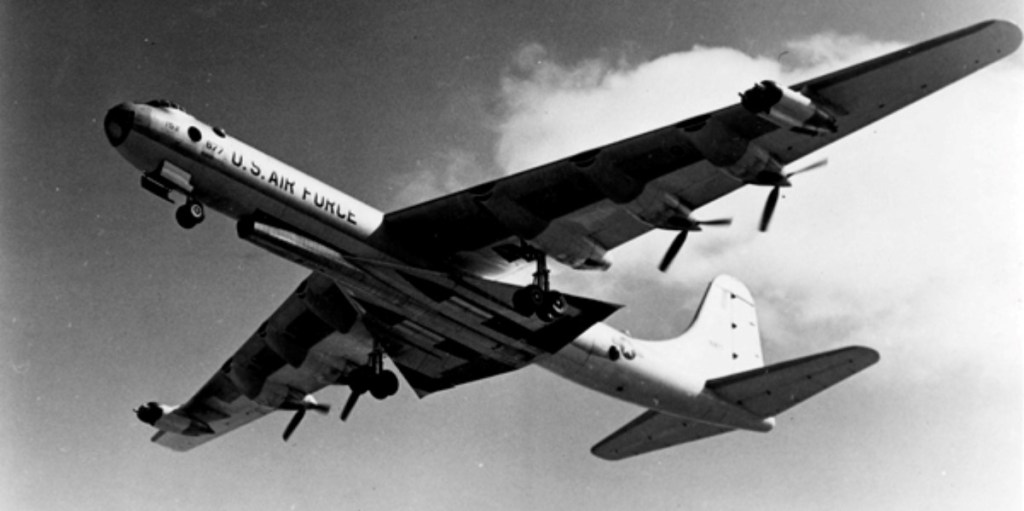
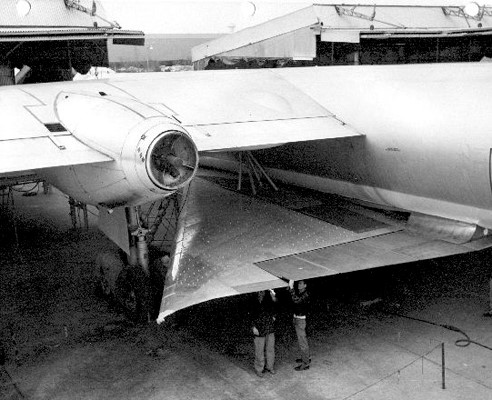
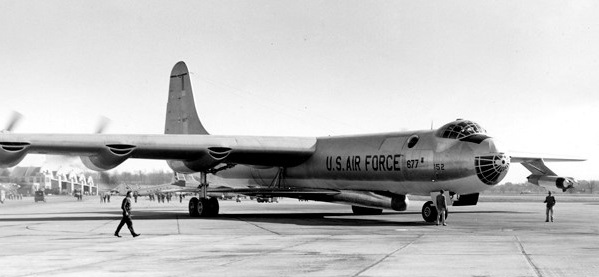
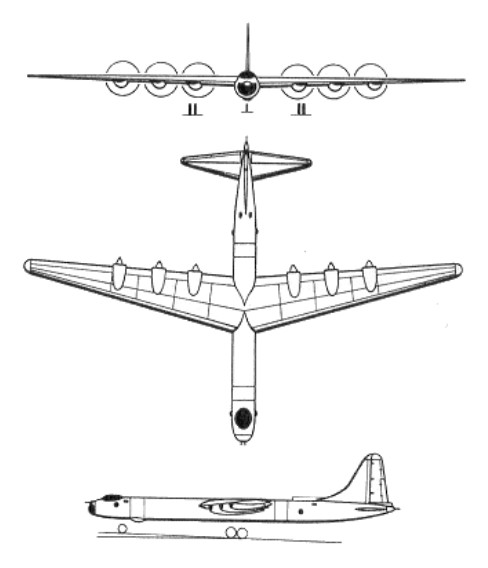
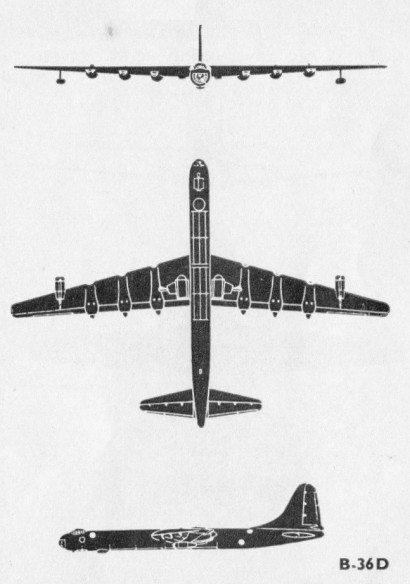
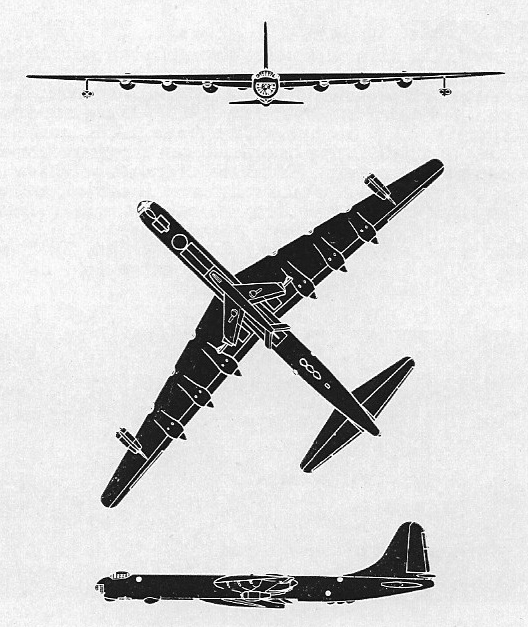
The design was basically conventional by the standards of the time, but with a span of 230 ft (74.10 m) the aeroplane was exceptionally large weighing 102 tonnes (100 tons). The tyres on the prototypes main landing gear were 2.74 m (9 ft) in diameter (they also concentrated too much weight on the run¬ways of the day, and were replaced on production aircraft by four wheel bogie units). The type did introduce some novel features, however, including a slightly swept wing, a fuselage whose two main pressurized compartments were connected by an 80-ft (24.4m) tunnel containing a wheeled cart, and propulsion by six pusher propellers driven by radial engines buried in the thick wings. The wings had a root thickness of 1.83m to permit in-flight access to the six pusher engines. The B 36 used the “wet fuel tankage” pioneered by Consolidated with their B~24 liberator no fuel tanks as such, just big areas of the wing structure sealed and filled with fuel.There were leakage problems. The aircraft was designed originally with twin fins and rudders, but by the time the XB-36 prototype was ready to be rolled out at Fort Worth, on 8 September 1945, single vertical tail surfaces had been substituted. The aircraft’s tailfin was so tall that the nosewheel had to be jacked up to lower the rear and clear the top of the doors.
B-36 Peacemaker required a crew of 11 personnel to maintain all systems and weaponry on the aircraft with 4 ‘relief’ personnel flying along as well. There were high maintenance costs. Every flight up to 40 hours aloft cost thousands of man hours on the ground. For instance, every flight began with a new set of spark-plugs in the engines: 336 of them in 168 cylinder heads on six engines.
Defensive armament consisted of sixteen 20mm cannon emplacements in the nose, tail and throughout the fuselage in barbettes – though this defensive armament was not added till the B-36B models.
The prototype programme was initially slowed by World War II’s demands for current aircraft, but then placed at the highest priority in 1943 when the USA realized that strategic blows against Japan could only be struck by long-range strategic bombers.
First flown on 8 August 1946, the XB-36 had single 2.79m diameter main wheels, also a feature of the YB-36 second prototype on which they were replaced later by the four-wheeled bogies adopted for production aircraft. The original single wheel main undercarriages smashed up run way surfaces. In this form the aircraft was designated YB-36A and also differed from the first aircraft by introducing a raised cockpit roof. On 23 July 1943 100 aircraft were ordered but it was more than four years before the first of the 22 unarmed crew-trainer B-36A models took off on its maiden flight, on 28 August 1947. The Convair B-36 Peacemaker entered service with the United States Air Force’s 7th Bombardment Wing (Heavy) on 2 June 1948.
In 1949 cargo carriers were developed by Convair for carriage in the B-36 bomb-bay. One B-36 could carry six containers, each of about 100 cu.ft and maximum load of 14,000 lb. As a tanker, the B-36 could carry four 3000 USG tanks.
From 1950 the over target height and speed were boosted by adding four 2360 kg (5200 lb) thrust J47 jet engines in under slung pods to boost performance; with the six piston engines also uprated to 3800 hp each. Missions could last up to 50 hours without using the inflight refuelling capability. Complete wings were based in the UK, Morocco, Guam and other areas, as well as in the USA until February 1959. No missions were flown ‘in anger’.
In its final production version the B 36 had a combat overload weight of 208 tonnes (205 tons), more than double that of the prototype, and a maximum flight duration of 42 hours. An arsenal of 16 guns was carried, and crews numbered between 13 and 22 men, depending on the model and type of mission, some of which involved high altitude over-flights of the Soviet Union.
The B 36 was used as an extreme range spy plane (the version carried a photographic work shop instead of the usual bombload). A small number of ‘featherweight’ B-36s – aircraft without their usual armament and other non-essential equipment – with a small crew could fly at extreme altitudes, so keeping out of range of the MiG-15 interceptors. The regular B-36s, equipped with 14 cameras and electronic eavesdropping equipment, could reach 50,000 ft / 15,000 m while the ‘featherweight’ could cruise above the Soviet Union and China at more than 58,000 ft.
The last B-36J was delivered in September 1953 and the ultimate operational B-36 was retired in August 1959.
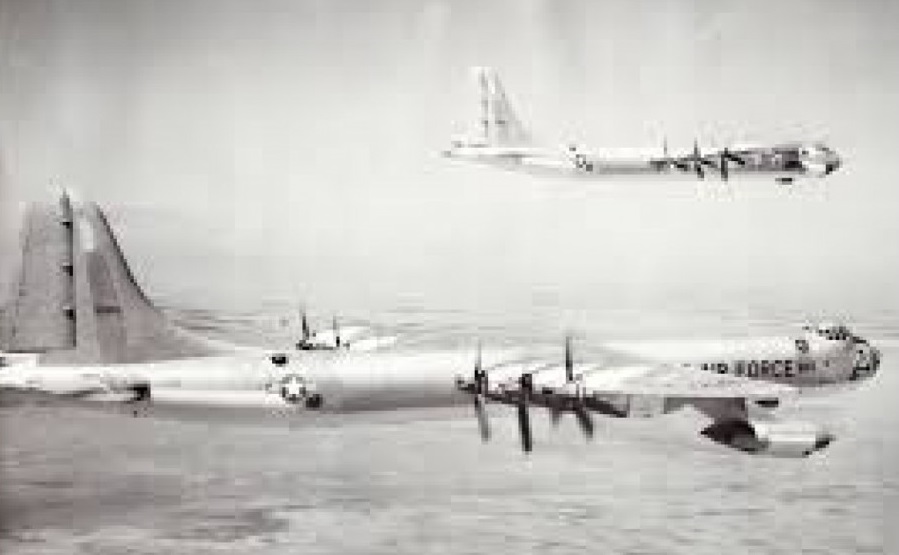
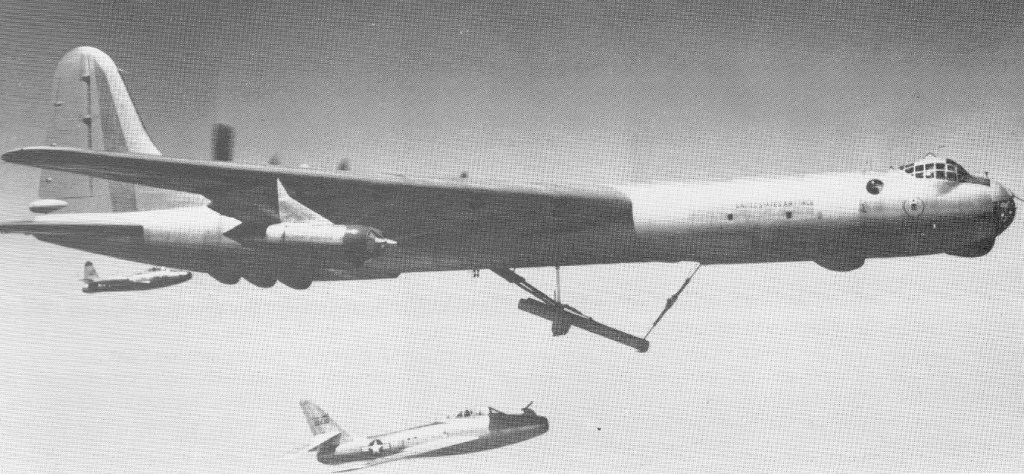
The GRB-36 operated as an airborne aircraft carrier. When the Convair B 36 Peacemaker bomber went into service with the United States Air Force’s Strategic Air Command, plans were laid for two hook on projects. The first of these was a fighter called the McDonnell XF 85 Goblin, which was 4.57 m (15 ft) long. The Goblin was to have been carried in the B 36’s bomb bay ready for launching in the event of fighter attack. Having won the ensuing dogfight it would then rejoin the mother ship for it did not give it any landing gear of its own.
Convair B-36J Peacemaker
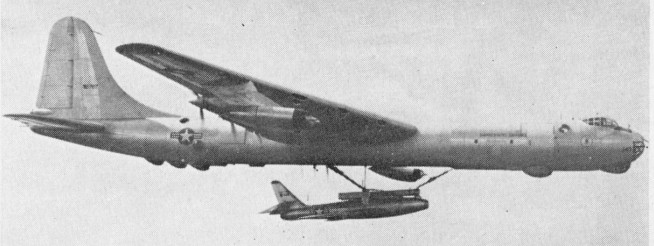
The second attempt to use the B 36 as an aircraft carrier took place in 1955 and 1956. Seeking a reconnaissance aircraft with suffi¬cient range to reach the Soviet Union, the USAF came up with FICON, which stood for Fighter In CONvair.
By hitching a Repub¬lic RF 84 Thunderflash to a B 36, the photo-¬reconnaissance jet’s range could be extended from 3220 km (2000 miles) to 19,310 km (12,000 miles).
The parasite’s pilot could transfer to the bomber’s interior, fly in the pressurised cabin until the area to be photographed was approached (because the B-36 had a range of at least 9300 miles / 15,000 km and this could take many hours), then go down to his own cockpit to be released above enemy territory.
SAC had a number of Peacemakers modified to GRB-36 mother aircraft and ordered 25 Republic RF-84K Thunderflash to hitch a ride. During 1955-56 several operational missions were flown from Fairchild and Larson airbases in Washington State.
Some thought was also given to a nuclear bomb equipped Thunderstreak substituting for the Thunderflash, but the arrival of the U-2 and RB-57D ended the project.
GRB-36J
Twenty five RF 84Fs were modified for parasite duty. On a typical mission the mother ship B 36 would depart from Fairchild Air Force Base, Spokane, Washington to be joined in the air by an RF 84K (as the parasite Thunderflashes were designated) from Moses Lake Air Force Base. The fighter would be hoisted into the B 36’s bomb bay.
GRB-36J
In April 1945 the USAF’s predecessor, the USAAF, had issued its specification for a B-35/B-36 replacement with turbine propulsion, and the USAF pushed this programme with considerable vigour. The failing submission to the 1945 requirement was the Convair YB-36G, which was redesignated YB-60 before two prototypes were ordered in March 1951,
Two Convair X-6s were ordered to evaluate the operational practicality of airborne nuclear propulsion systems prior to committing to building a prototype of a dedicated military design. The specific areas to be tested included crew shielding, propulsion, radiobiology, and the effects of radiation on various aircraft systems. In addition to the X-6s, a single NB-36H was ordered to serve as an early flyable testbed. In the NB-36H, the nuclear reactor was functioning but provided no power to the aircraft itself. The X-6s would have been powered by a prototype airborne nuclear propulsion system installed in the aft bomb bays.
In the end, the X-6 program was cancelled before either of the two aircraft were built. The NB-36H was completed, however, making its first flight in September 1955. After conducting tests for approximately two years, the nuclear reactor was removed and the NB-36H was scrapped at Carswell AFB, Texas.
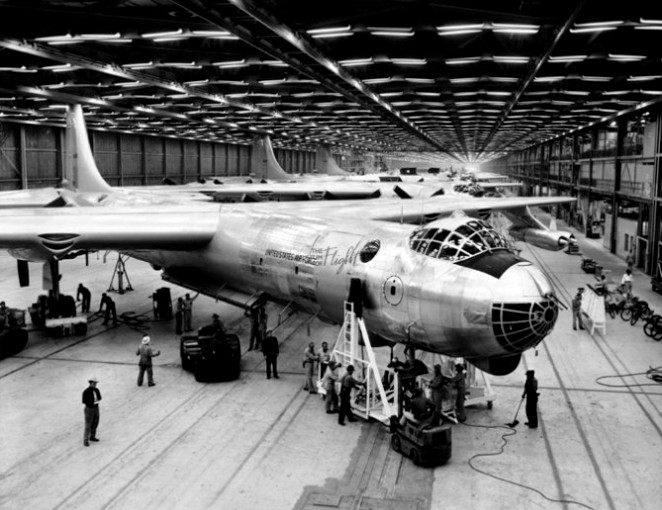
Production of the B-36 continued for almost seven years, the last of 385 examples being delivered to Strategic Air Command on 14 August 1954, and the type was retired finally on 12 February 1959.
B-36 transporting the XB-58 airframe using eight of ten engines (note both of the inboard propellers have been removed for this flight)
Convair easily transported the XB-58 prototype by air from Ft. Worth TX to Wright-Patterson Air Force Base (AFB) in Ohio for testing with the use of a modified Peacemaker bomber.
B-36 and XB-58 airframe mating, note the strut assembly joining the two wings together has been removed from the wing’s inboard engine as well as the prop.
The left and right inboard engines had their propellers removed, along with the bomb bay doors since they did not clear the wings of the XB-58 which was mounted underneath the bomber.
Since the airframe was the subject of testing the XB-58 did not have the engines attached and the vertical fin assembly was left off, as well.
Engines: 6 x P+W R-4360, 2575kW Wingspan: 70.1 m / 229 ft 12 in Length: 49.4 m / 162 ft 1 in Height: 14.3 m / 46 ft 11 in Wing area: 443.3 sq.m / 4771.64 sq ft Max take-off weight: 162162 kg / 357508 lb Empty weight: 72051 kg / 158846 lb Max. speed: 696 km/h / 432 mph Cruise speed: 362 km/h / 225 mph Ceiling: 13700 m / 44950 ft Range w/max.fuel: 16000 km / 9942 miles Armament: 12-16 20mm machine-guns, 32600kg of bombs Crew: 16
Convair B-36D Peacemaker Engines: 6 x 3,500 hp Pratt & Whitney R-4360-41 radials + 4 GE J47-GE-19 turbojet, 5,200 lb. thrust Length: 162.07ft (49.4m) Width: 229.66ft (70.00m) Height: 46.75ft (14.25m) Maximum Speed: 439mph (706kmh; 381kts) Maximum Range: 7,500miles (12,070km) Service Ceiling: 45,197ft (13,776m; 8.6miles) Armament: 12 x 20mm cannons in nose, tail and fuselage barbettes Up to 86,000 lbs of bombs internally. Accommodation: 15 Empty Weight: 171,035lbs (77,580kg) Maximum Take-Off Weight: 418,878lbs (190,000kg)
B 36J Peacemaker Engines: 6 x Pratt & Whitney R 4360 53 Wasp Major 28 cylinder radial, 3,800 hp (2834 kW) and 4 x General Electric J47 GE 19 turbojets, 2359 kg (5.200 lb). Max speed: 661 km/h (411 mph) at 11095 m (36,400 ft). Over target height: up to 12160 m (39,900 ft). Range with 4990 kg (11,000 lb) bombload: 10944 km (6,800 miles). Empty weight: 77581 kg (171,035 lb) Maximum take off weight: 185976 kg (410,000 lb). Wing span 70,10 m (230 ft 0 in). Length 49.40 m (162 ft 1 in). Height 14.23 m (46 ft 8 in). Wing area 443.3 sq.m (4,772.0 sq ft). Armament: 16 x 20 mm cannon in 8 turrets Bombload: up to 39010 kg (86, 000 lb).
GRB-36J Engines: 6 x Pratt & Whitney R-4360-53, 3800 hp & 4 x General Electric J47-GE-19, 5200 lb Wingspan: 230 ft Length: 162 ft 1 in Height: 46 ft 9 in Wing area: 4772 sq.ft Empty weight: 145,000 lb Loaded weight: 408,000 lb Max speed: 436 mph Cruise: P&W eng. Only: 290 mph at 40,000 ft Max range: 10,000 mi