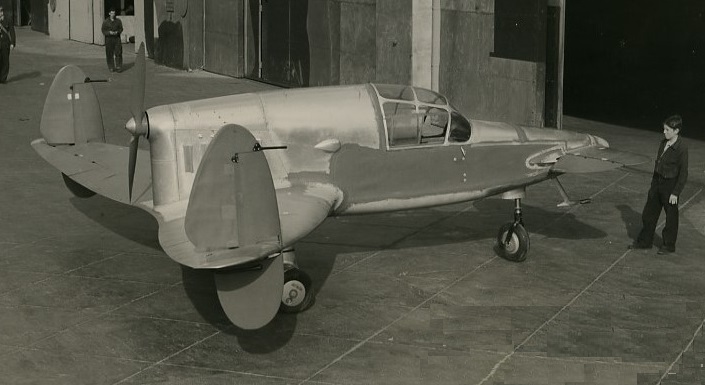
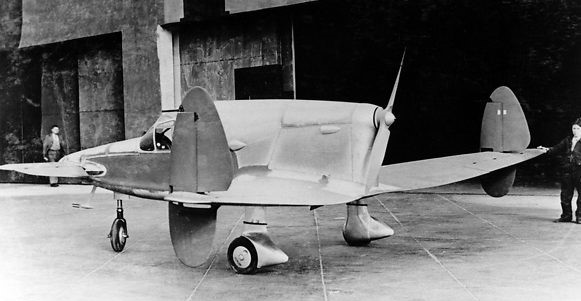
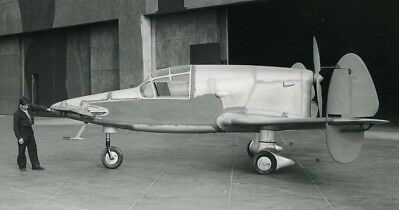
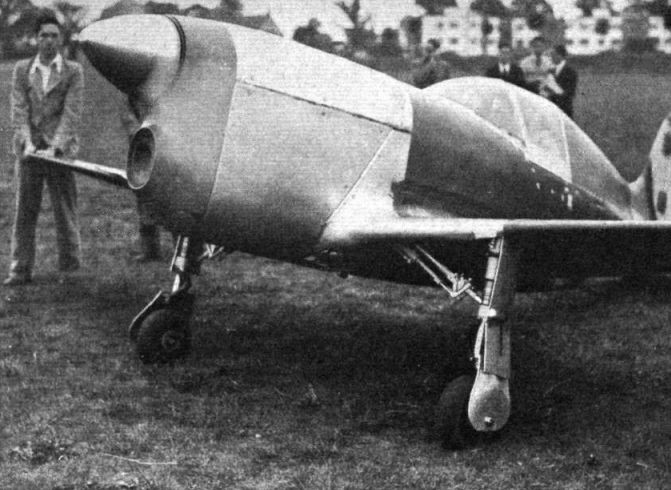
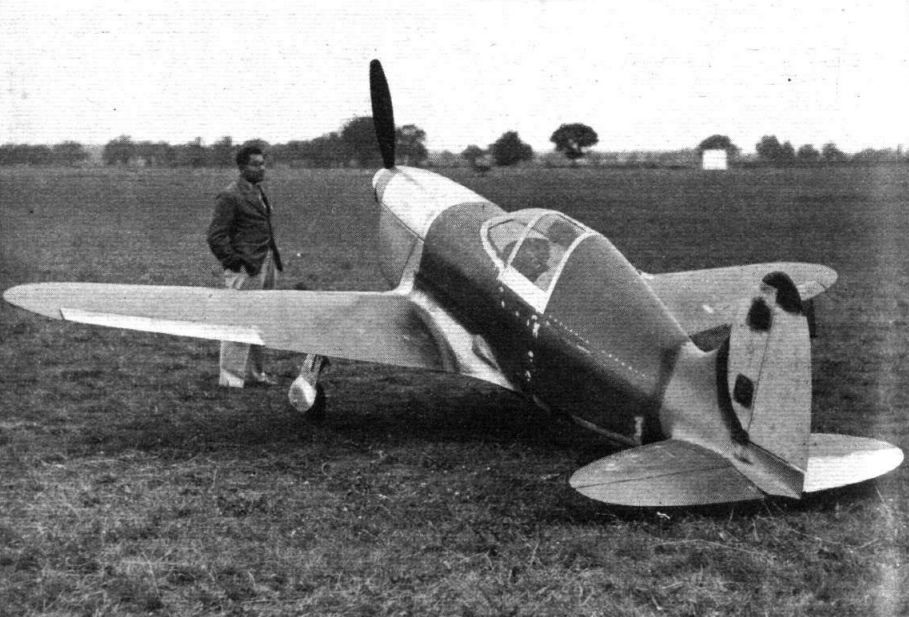
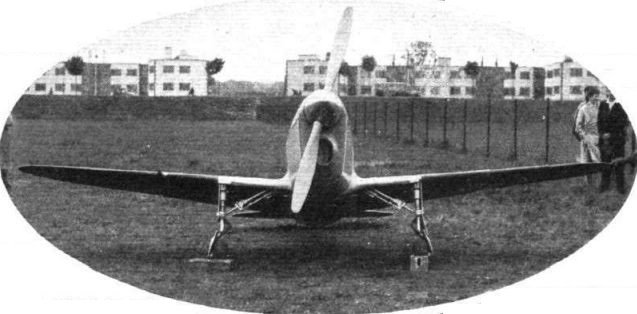
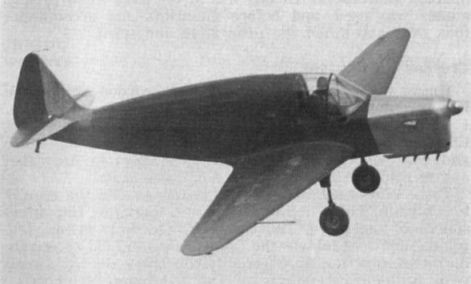
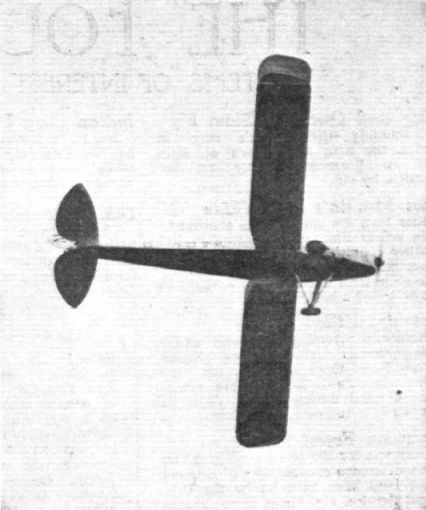
The de Havilland T.K.5 was an unflown British single-seat canard research aircraft designed and built by students of the de Havilland Technical School between 1938 and 1939.
It was a low-wing monoplane with a 140 hp (104 kW) de Havilland Gipsy Major IC piston engine driving a pusher propeller.
The only T.K.5, registered G-AFTK, was tested by Geoffrey de Havilland in 1939 but it refused to leave the ground and was scrapped.
Engine: 1 × de Havilland Gipsy Major IC, 140 hp (104 kW) Wingspan: 19 ft 8 in (7.83 m) Length: 18 ft 3 in (5.56 m) Gross weight: 1366 lb (620 kg) Crew: 1
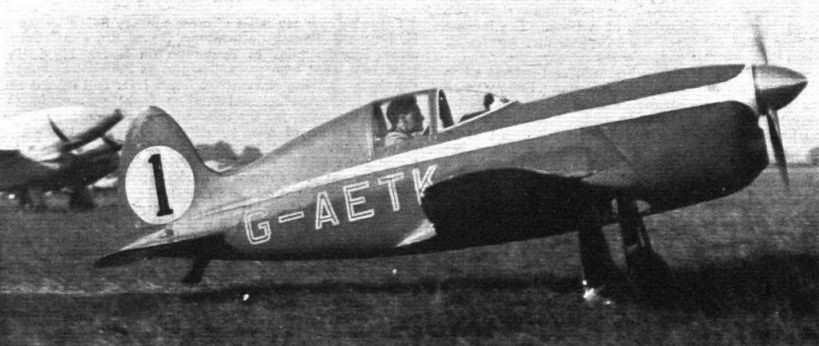
The T.K.4 single-seat racing monoplane was designed and built by students of the de Havilland Technical School at Stag Lane Aerodrome in 1937 with the aim of building the smallest possible aircraft around the 140 hp (104 kW) de Havilland Gipsy Major II.
It was a low-wing monoplane with a conventional retractable landing gear and had a variable-pitch propeller and was fitted with slots and flaps.
The only T.K.4, registered G-AETK, was first flown on 30 July 1937.
It was 9th in the 1937 Kings Cup Race at a speed of 230.5 mph. The aircraft crashed on 1 October 1937 killing the pilot R.J. Waight while he was attempting a 100 km class record.
Engine: 1 × de Havilland Gipsy Major II, 140 hp (104 kW) Wingspan: 19 ft 8 in (6 m) Length: 15 ft 6 in (4.73 m) Empty weight: 928 lb (421 kg) Gross weight: 1450 lb (616 kg) Maximum speed: 230 mph (369 km/h) Range: 500 miles (311 km) Service ceiling: 21,000 ft (6,400 m) Rate of climb: 1,350 ft/min (6.9 m/s) Crew: 1
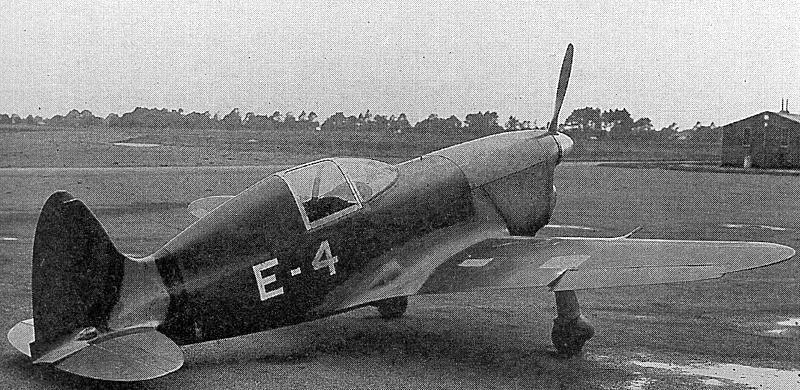
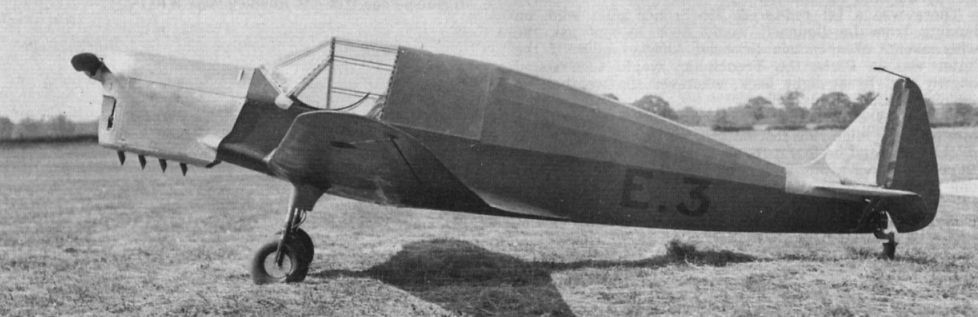
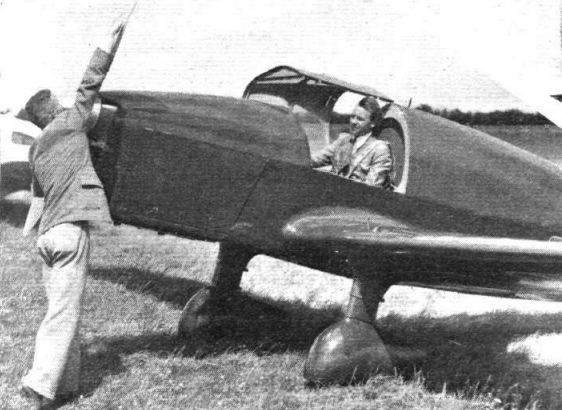
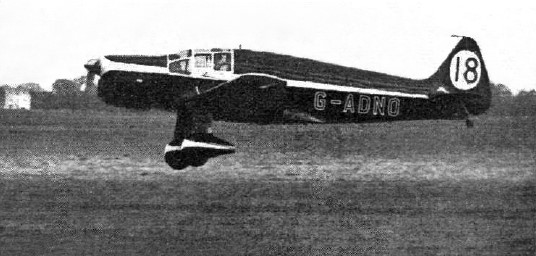
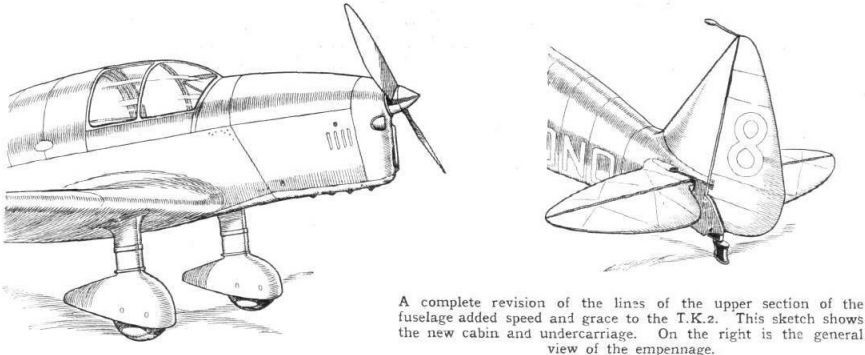
The T.K.2 was designed by students of the de Havilland Aeronautical Technical School as a high speed tourer, under the leadership of Marcus Langley, the school’s instructor in design. It was a single-engined, two-seat low cantilever wing monoplane, with an enclosed cockpit and fixed spatted undercarriage.
It first flew on 16 August 1935 at Hatfield Aerodrome, piloted by Hubert S. Broad, and powered by a 147 hp (110 kW) de Havilland Gipsy Major inverted inline engine. Subsequently, for racing purposes, the passenger seat was usually replaced with an additional fuel tank.
It won two races before World War II, and afterwards set a class closed circuit speed record.
In late 1935 or early 1936, it received a more aerodynamically refined canopy, and spats extended rearwards. In 1938, it flew with wings clipped by 4 ft (1.22 m) to 28 ft 0 in (8.53 m) and re-engined with a 140 hp (104 kW) de Havilland Gipsy Major II. At the same time, the forward canopy section was revised again, its sides extended downwards below the rear cockpit rim. Post-WWII, it flew with a Gipsy Major 10 engine. The aircraft was not intended for production, and only one T.K.2 was built. It was test flown on various occasions under ‘B conditions’ with identities E-3, E-5 and E-0235, but otherwise carried the official registration G-ADNO.
Engine: 1 × de Havilland Gipsy Major, 147 hp (110 kW) Wingspan: 32 ft 0 in (9.75 m) Wing area: 125 sq.ft (11.6 sq.m) Length: 22 ft 5 in (6.83 m) Empty weight: 1,049 lb (476 kg) Gross weight: 1,600 lb (726 kg) Maximum speed: 182 mph (293 km/h) Crew: 2
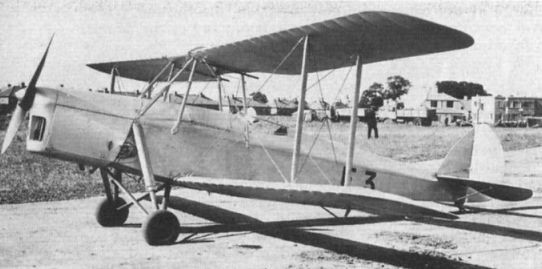
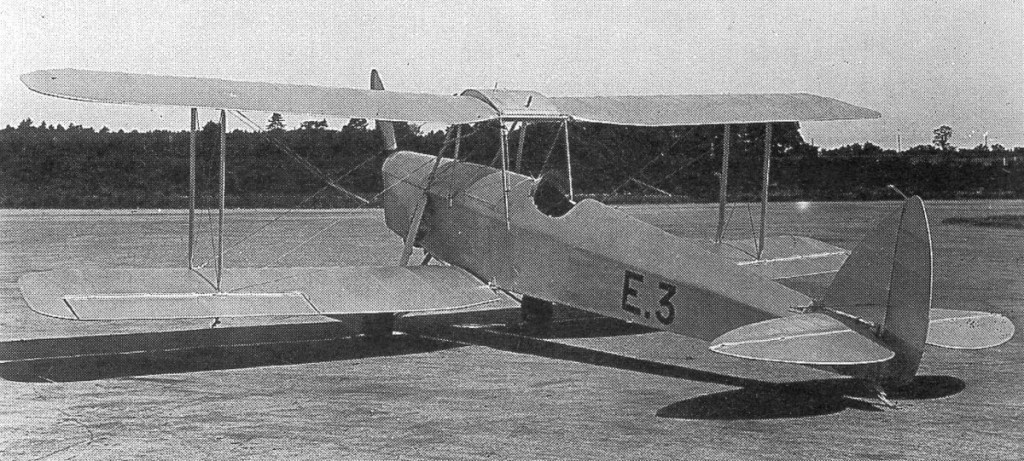
The de Havilland T.K.1 was a two-seat biplane and the first design built by students of the de Havilland Technical School. The T.K.1 was built by students under the direction of Marcus Langley at Stag Lane Aerodrome in 1934.
It was based on converting the de Havilland Swallow Moth monoplane to a biplane. It was a conventional two-seat biplane powered by a 120 hp (90Kw) de Havilland Gipsy III and first flown in June 1934.
It was flown by Geoffrey de Havilland to 5th place in the 1934 Kings Cup Race with a speed of 124.4 mph. It was sold onto a private owner in 1936 who flew it for a short time as a single-seater before it was scrapped.
Engine: 1 × de Havilland Gipsy III, 120 hp (90 kW) Wingspan: 27 ft 0 in (8.23 m) Length: 24 ft 0 in (7.32 m) Empty weight: 950 lb (431 kg) Gross weight: 1450 lb (658 kg) Maximum speed: 118 mph (189 km/h) Cruise speed: 100 mph (160 km/h) Crew: 2
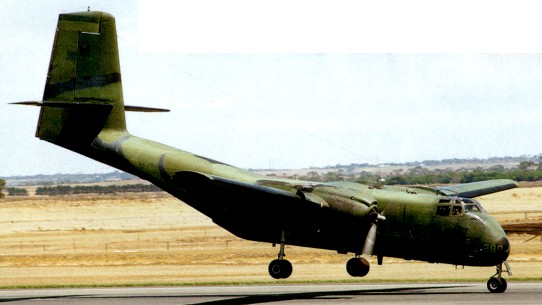
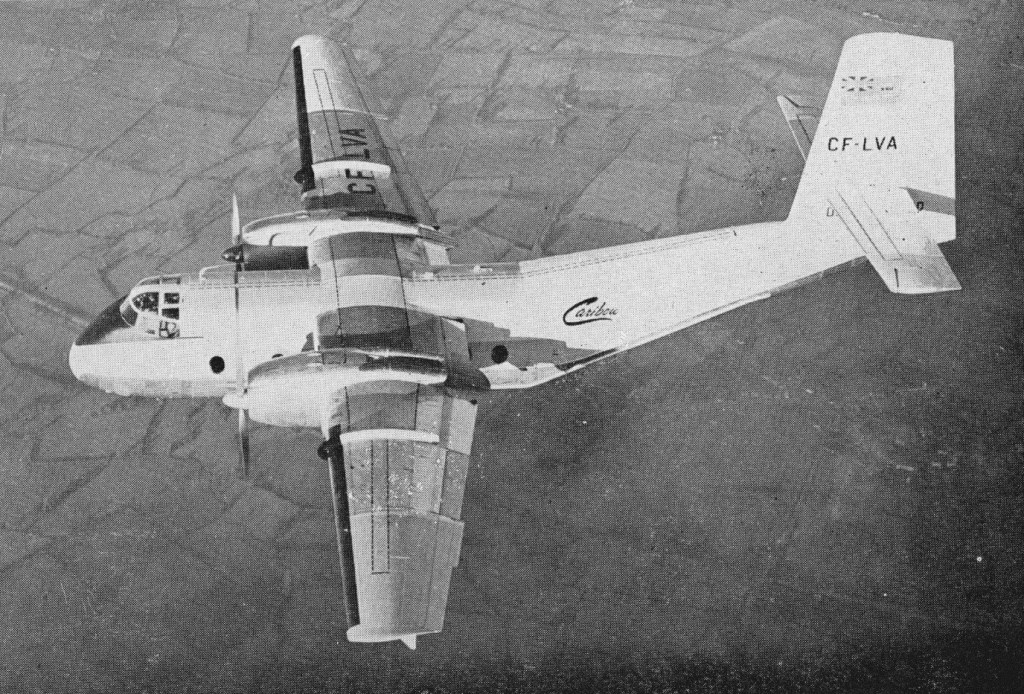
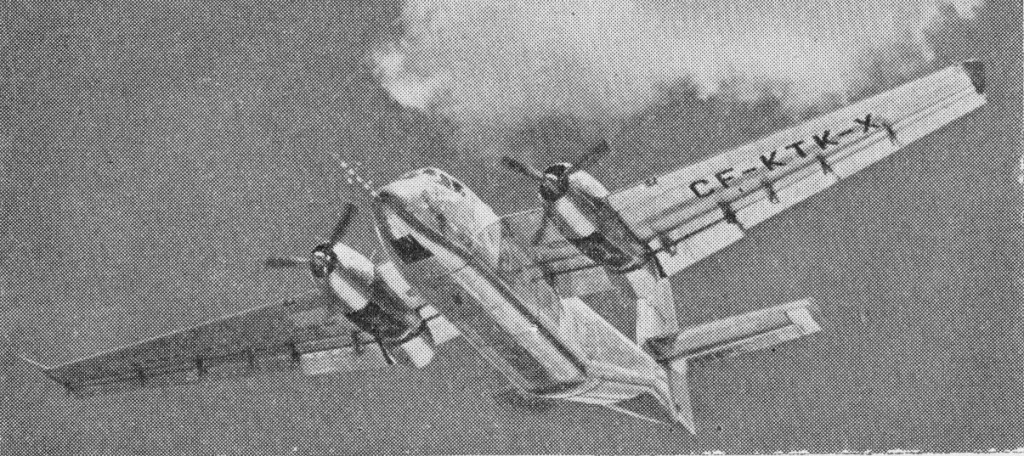
The decision to build the de Havilland Canada DHC-4 Caribou was taken in 1956, the object being to develop an aircraft combining the load-carrying capability of the Douglas DC-3 with the STOL performance of the Beaver and Otter.
First flown on 30 July 1958 the de Havilland Canada DHC 4 Caribou is powered by two 1,450hp Pratt & Whitney R 2000 Twin Wasp radials. It can carry 36 troops, 26 paratroops, 22 stretchers, or freight (including vehicles) up to 8,740 lb (3,965 kg) in weight.
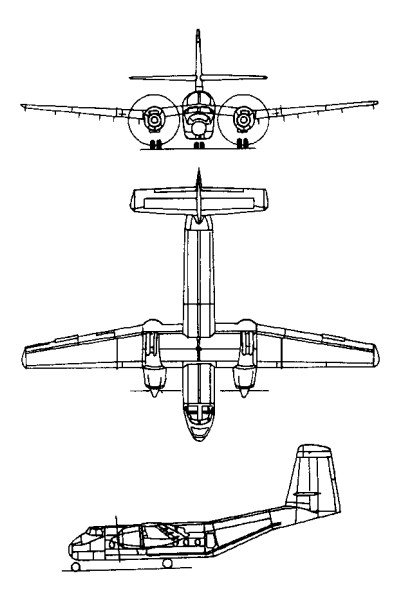
The Caribou is a twin-engined high-wing monoplane with full-span double-slotted Fowler flaps and fully-reversible propellers, which allow it to achieve steep approach and very short take-offs and landings. The high wing centre-section has marked anhedral and distinctive high placement of the tail provide easy access to a large cargo compartment, while the low-pressure tyres permit operation on unprepared runways. The rear door was designed as a ramp for items weighing up to 3048kg. The Caribou is not pressurised and is not fitted with auto-pilot or weather radar.
The Canadian army placed an order for two and the US Army followed with five, the US Secretary of Defense waiving a restriction which limited the US Army to fixed-wing aircraft with an empty weight less than 2268kg. The Caribou served with the RCAF as the CC-108 and with the US Army as the AC-1 (1962 designation CV-2A). As a result of its evaluation of the first five aircraft the US Army adopted the Caribou as standard equipment and placed orders for 159. The second batch of aircraft was designated CV-2B. Following tension on the border between China and India, the US Army handed over two Caribous to the Indian Air Force in early 1963. In January 1967 the 134 Caribous still in service with the US Army were transferred to US Air Force charge as C-7A and C-7B transports.
A YAC 1 Caribou evaluation aircraft, fourth off the Downsview line and redesignated as a CV 2A in 1962, was used by the ‘Golden Knights’ parachute team. Eighteen Caribous were ordered for the RAAF in May 1963 and the first aircraft, A4-134, was handed over at Downsview, Toronto in Februrary 1964. Three aircraft were then ferried by No.38 Sqn crews to Australia via Europe. Three later Caribous on ferry were diverted to form RAAF transport Flight Vietnam.
In total the RAAF received 29 Caribous.
RAAF Caribou A4-210
In 1964 three US Army CV-2 Caribou flew Travis AFB, California, via Hawaii, Wake Island, Guam, the Philippines to Vietnam in elapsed time of just under 65 hours. Manned by crews from 10th Air Transport Brigade from Ft. Benning, Ga. The Caribou flew combat missions in South Vietnam. The Army CV-2s were joined by three from the RAAF.
It was the last piston-engined aircraft in the Royal Australian Air Force. The Caribou was last operated by No 38 Squadron from RAAF Base Townsville.
In Canadian service the Caribou was replaced by the DHC-5 Buffalo and surplus examples were sold to a number of nations including Colombia, Oman and Tanzania. Many of the Canadian aircraft had been loaned to the United Nations, seeing extensive international service. Production ended in 1973. The DHC-4A model supplanted the DHC-4 on the production line from aircraft no. 24: the two models are very similar apart from the later model’s increase in weight, maximum take-off weight of the DHC-4 being 11793kg. Total production was 307.
The newly independent Kenya built a small air force, assisted by British advisors. The first planes to be acquired were DHC Beavers and Caribou. Kenyan pilots were trained by the RAF in Britain.
DHC-4A Caribou Engines: 2 x Pratt & Whitney R-2000-7M Twin Wasp, 1,450 hp / 1081kW Max take-off weight: 12927 kg / 28499 lb Empty weight: 8283 kg / 18261 lb Wingspan: 29.15 m / 96 ft 8 in Length: 22.12 m / 73 ft 7 in Height: 9.68 m / 32 ft 9 in Wing area: 84.72 sq.m / 911.92 sq ft Max. speed: 348 km/h / 216 mph Cruise speed: 293 km/h / 182 mph Service Ceiling: 7560 m / 24800 ft Range w/max.payload: 389 km / 242 miles Crew: 2 Passengers: 32
In the late 1940s de Havilland Canada developed a larger version of the Beaver, with cabin space for some 14 passengers or a freight load of up to 1016kg. The de Havilland Canada DHC-3 Otter, which was essentially a scaled-up Beaver, with an all-metal airframe and a 447kW Pratt & Whitney R.1340 Wasp radial, and which was initially known as the King Beaver.
Pratt & Whitney powered, a high-wing monoplane with a single bracing strut on each side, its parallel-chord wing with double-slotted flaps for good STOL performance.
The prototype first flew on 12 December 1951, and first deliveries were made in 1952.
When production ceased in 1968, 460 had been built, including 66 for the Royal Canadian Air Force and 227 for the US armed forces (223 of the U-1A for the US Army and four of the UC-1 [changed to U-1B in 1962] for the US Navy). An initial order for 84 had been placed for the U.S. Army by 1955 under the designation C-137.
Delivery of a substantial number of DHC Otter to the Indian Air Force was completed in mid-1958.
When released by military operators, many Otters joined those already on the civil market, where again the type had found ready acceptance for its versatility. Like the Beaver, the Otter can operate on wheel, ski, float or amphibious float landing gears.
Despite its already impressive STOL performance, the Otter was selected as the basis for a Canadian experiment in advanced STOL characteristics, a programme undertaken by the company in conjunction with the Defense Research Board. As part of this programme an Otter was fitted with extremely large flaps inboard of the strut/wing junction points; this also necessitated an enlargement of the tail surfaces, and ground stability was ensured by the replacement of the original tailwheel landing gear with a float chassis fitted with quadricycle wheels instead of the floats. The STOL modifications reduced the Otter’s stalling speed by 16km/h. The flaps were then removed, and a 1112kg thrust General Electric J85-GE-7 turbojet installed, in the fuselage aft of the wings, with adjustable nozzles protruding one through each side of the fuselage. This arrangement permitted far greater control of speed, and allowed spot landings. Finally, the single Wasp radial was replaced by a pair of wing-mounted Pratt & Whitney Aircraft of Canada PT6 turboprops, whose slipstream was found beneficial to the controllability of the aircraft.
Under the designation DHC-3-T Turbo-Otter, one aircraft has been modified by Cox Air Resources to turboprop power, a 494kW PT6A-27 replacing the standard Wasp. Empty weight is thus reduced to 1861kg, resulting in a useful payload increment.
Airtech Canada of Peterborough, Ontario, has converted a number of Otters to take either the 800 hp / 447kW PZL-3S or 1000 hp / 746kW Kalisz ASz-621R nine-cylinder air-cooled radial engines manufactured in Poland, each driving a PZL four-bladed constant speed propeller. The re-engined aircraft offer increased climb rates and greater fuel economy at lower power settings. The first PZL-3S conversion flew in August 1983.
Engine: 1 x Pratt & Whitney R-1340-S1H1-G Wasp radial, 600 hp / 447kW Max take-off weight: 3629 kg / 8001 lb Empty weight: 2010 kg / 4431 lb Wingspan: 17.68 m / 58 ft 0 in Length: 12.75 m / 42 ft 10 in Height: 3.84 m / 13 ft 7 in Wing area: 34.84 sq.m / 375.01 sq ft Max. speed: 246 km/h / 153 mph Cruise speed: 195 km/h / 121 mph Ceiling: 5485 m / 18000 ft Range w/max.payload: 1408 km / 875 miles Fuel consumption: 30 Imp.Gal/hr. Accommodation: 2 crew plus 14 troops or 6 stretchers and 4 passengers, or freight.
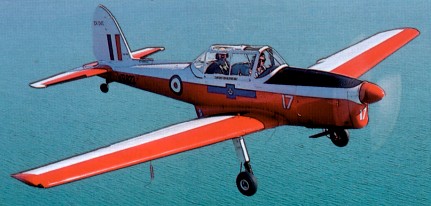
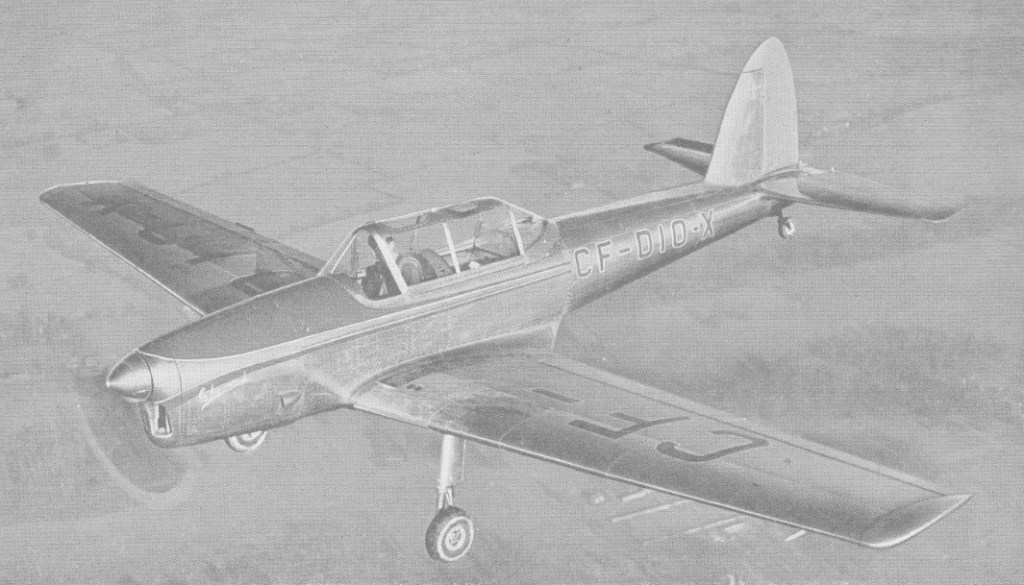
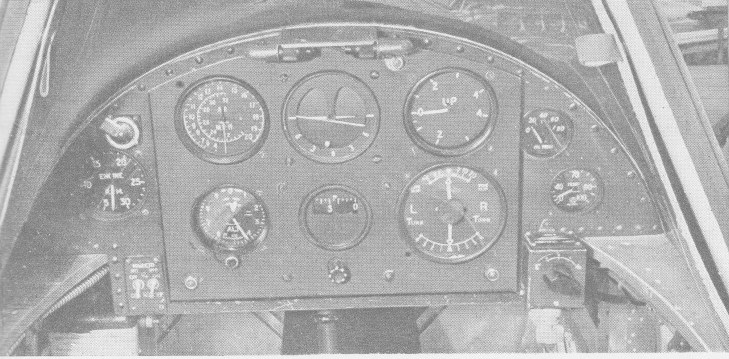
A design exercise team was assembled under the direction of W.J. (“Jackie”) Jakimiuk for a primary trainer in both Canada and the United Kingdom. The team began production in December 1945 of detailed parts of what was to become known as the Chipmunk, culminating in the first flight on 22 May 1946 at Downsview, Toronto. The prototype, flown by Pat Fillingham from the parent company at Hatfield, was powered by a 108kW de Havilland Gipsy Major 1C. Chipmunks built to the prototype’s specification were designated DHC-1B-1, while those with a Gipsy Major 10-3 were designated DHC-1 B-2.
Seating is tandem fashion under a sliding bubble canopy. A 145 hp Gipsy Major four-cylinder engine turns either a fixed-pitch wood propeller or a metal Fairey-Reed airscrew. The fuselage and wings are of all metal construction, but the ailerons, elevators, and rudder are fabric covered.
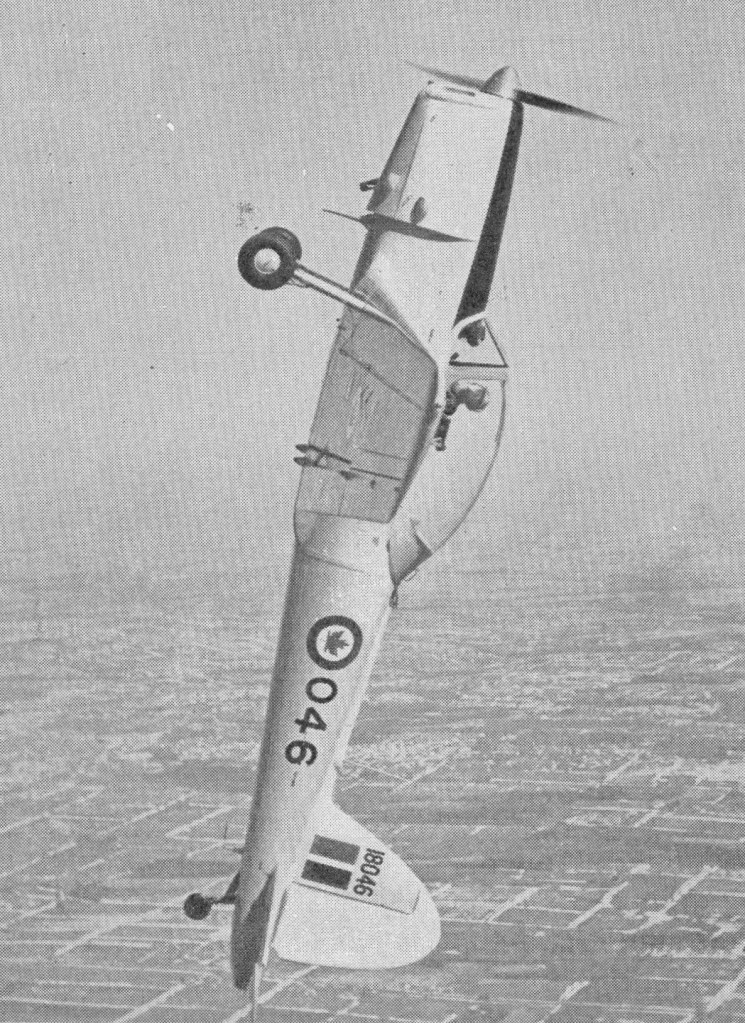
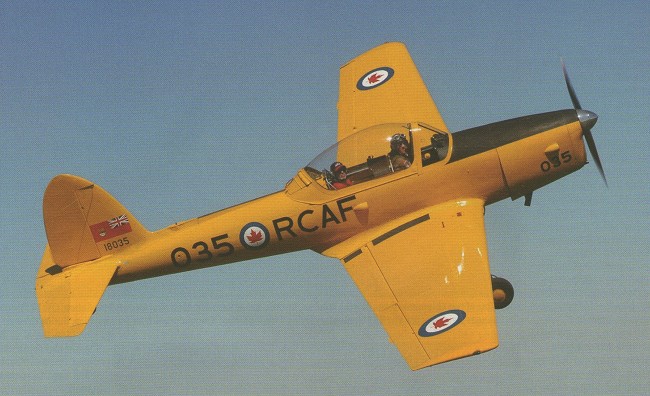
Downsview built 218 Chipmunks, the last in 1951. The first batch being built in Canada, a total of 153 aircraft. Examples from this initial production run were sent as demonstrators to the UK, South Africa, South American and India, as well as the RCAF which accepted 45. These original aircraft went to the 14 flying clubs in Canada which participated in the ab initio air force training and refresher flying scheme. In 1955 a further order of 60 aircraft was placed by the RCAF. In all, the Canadian production totalled 218, the majority of this number sporting the distinctive one piece bubble canopy and designated the Chip¬munk T.30. The main external difference between the British and Canadian aircraft lay in the design of the canopy, the British version having the metal formed pattern. The RCAF accepted its first DHC-1 Chipmunks in 1948 and did not retire the last one until 1972.
Two were evaluated by the Aeroplane and Armament Experimental Establishment at Boscombe Down. As a result, the fully-aerobatic Chipmunk was ordered from Hatfield and Chester to Specification 8/48 as an ab initio trainer for the RAF. The value of the Chipmunk had also been realised by the RAF, which placed large orders, eventually taking on charge 740 examples of a total production run of 1000 aircraft manufactured in Britain.
Beginning in 1950, the University Air Squadrons were the first RAF units to receive Chipmunks, shortly followed by the twenty Reserve Flying Schools. The first to wear RAF roundels were flown by the Oxford University Air Squadron from February 1950; thereafter, the type replaced the Tiger Moth with all 17 university air squadrons. National service pilots underwent their initial training on the Chipmunk, which served intermittently at the RAF College, Cranwell. The selection of the Chipmunk as the RAF’s primary trainer during the early 1950s expansion of its pilot training programme transformed the aircraft’s story. With increased orders to meet these expanded needs, eventually totalling 735 out of 1,014 manufactured in the UK. In 1952, the aircraft received the royal seal of approval when HRH the Duke of Edinburgh took his first flying lessons in Chipmunk (which can be seen at RAF Museum Cosford) operated by a special flight at White Waltham, Berkshire. New trainers such as the Scottish Aviation Bulldog entered service with the RAF but they did not completely replace the Chipmunk. Many Air Experience Flights continued to operate Chipmunks through the 1980s and into the mid-1990s. Although best known as a training aircraft, RAF Chipmunks operating from Berlin were converted for covert reconnaissance missions. A few Chipmunks of No. 114 Squadron were pressed into service in Cyprus on internal security flights during the troubles of 1958. Chipmunk production was also under¬taken by the Portuguese, who purchased an initial batch of 10 UK built aircraft and produced a further 60, built under licence by the state run General Aeronautical Material Workshops (OGMA) aircraft factory. Manufactured from 1955, the Portuguese air force Chipmunks were due for retirement in 1989, but many examples are still in service with the RAF, Sri Lankan air force and the Royal Thai Air Force.
De Havilland Canada Chipmunk 1
Other users included Burma, Ceylon, Chile, Colombia, Denmark, Egypt, Eire, Iraq, Jordan, Lebanon, Malaya, Saudi Arabia, Syria, Thailand and Uruguay. On 27 March 1997, the Army Air Corps flew their last sortie in the Chipmunk T.10. As a civilian replacement trainer, how¬ever, the Chipmunk was never really a great success, due almost entirely to the cost. In 1948 a new Chipmunk cost $C10,500 which, compared with a war surplus Tiger Moth at $NZ500. Only six DHC 1Mk.21s were made in the UK specifically for civilian use, coming off de Havilland’s production line at Chester in 1952. The six were built as Mk.20s the export version of the Chipmunk but were converted to yet another model, the Mk.21. Differences included the replacement of the military cartridge starter with an electric unit and the fitting of two 12 gal fuel tanks in place of the 9 gal tanks of the RAF Chipmunks. A total of 1277 Chipmunks were built in either Canada, the UK or Portugal.
de Havilland Canada DHC 1 Chipmunk Engine : DeHavilland Gipsy Major 8, 143 hp Length : 25.427 ft / 7.75 m Height : 6.988 ft / 2.13 m Wingspan : 34.35 ft / 10.47 m Wing area : 173.3 sqft / 16.1 sq.m Max take off weight : 2015.4 lb / 914.0 kg Max. speed : 120 kts / 222 km/h Service ceiling : 15814 ft / 4820 m Wing load : 11.69 lbs/sq.ft / 57.0 kg/sq.m Range : 244 nm / 451 km Crew : 2
Chipmunk T.Mk 10 Engine: 1 x De Havilland Gipsy 8, 108kW Max take-off weight: 914 kg / 2015 lb Empty weight: 646 kg / 1424 lb Wingspan: 10.46 m / 34 ft 4 in Length: 7.75 m / 25 ft 5 in Height: 2.13 m / 7 ft 0 in Wing area: 15.97 sq.m / 171.90 sq ft Max. speed: 222 km/h / 138 mph Cruise speed: 187 km/h / 116 mph Ceiling: 4815 m / 15800 ft Range: 451 km / 280 miles
DHC1B-2-S5 Chipmunk II Engine : DH Gypsy Major 10 Mk1-3A, 146 hp Wing Span : 34ft 4in (10.5m) Length : 25ft 5in (7.8m) Height : 7ft (2.1m) Range : 485 miles (781 km) Speed : 120 Mph(193 km/h)
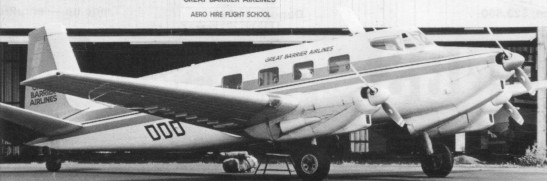
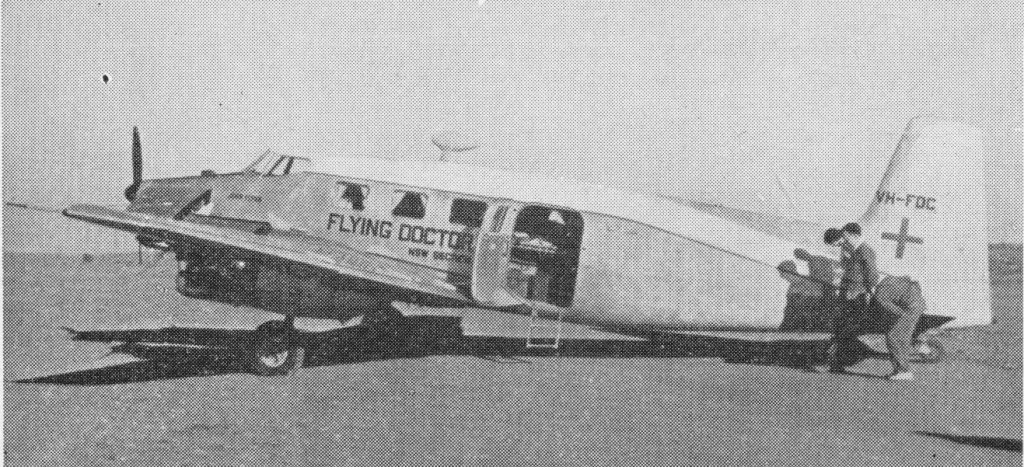
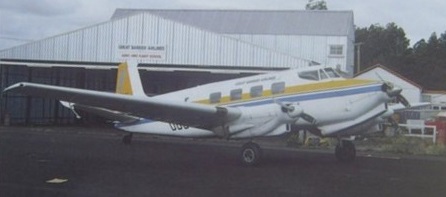
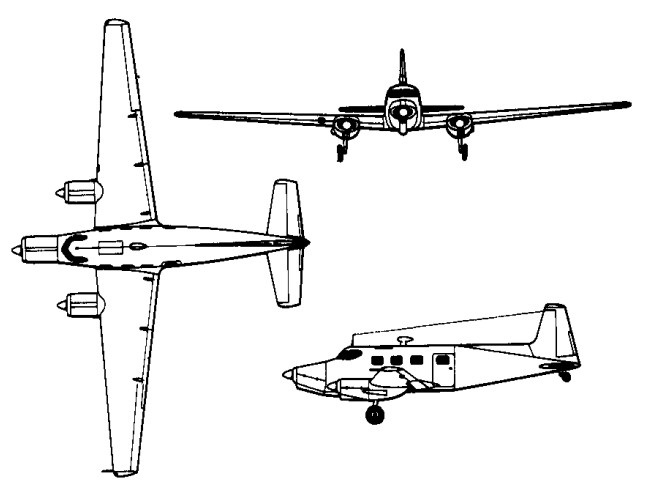
The de Havilland Aircraft DHA-3 Drover was produced to replace the de Havilland DH-84 Dragon then in widespread use in Australia, many by the Royal Flying Doctor Service. The prototype (c/n 5001) first flew on 23 January 1948 under the control of test pilot Brian Walker.
The Drover was based broadly on the D.H.104 Dove, but had three 145 hp / 108kW Gipsy Major 10 Mk 2 engines and tail-wheel landing gear. Built at de Havilland’s Bankstown works, versions were offered with variable- and fixed-pitch propellers as the Drover 1 and Drover 1F respectively; the Drover 2 had double-slotted flaps.
DHA-3 Drover I
Twenty Drovers were built at de Havilland Aircraft Pty Ltd’s Bankstown plant between 1948 and September 1953. VH-DHM c/n 5020, is the 20th and last production model.
Conversion from Mk.2 status to Mk3A involved replacing the three 150hp Gipsy Majors with 180hp Lycomings. Many of the earlier marks were re-engined as Mk.3 Drovers. The DHA-3 Drover 3 flew for the first time in May 1960. The DHA-3 Drover Mk.3A is a STOL aircraft. Lift off is at 62 knots and V2, the one engine out safety speed of 73 knots at maximum gross weight, is soon reached. Flaps are raised by a hand pump to the pilot’s right, necessitating a change of hands on the controls, and the Drover accelerates to an en route climb speed of 85 knots. The approach is carried out at 75 knots, reducing to 65 over the fence. Nine passenger seat positions are available.
Deliveries were made to Qantas, TAA, The Department of Health, the Department of Civil Aviation and a number of operators in New Guinea, Fiji and the islands. Best known operator was the Royal Flying Doctor Service. In Royal Flying Doctor Service the Drover carried two medical staff and two stretcher patients; all six aircraft were converted in 1960 to have Avco Lycoming O-360 engines under the revised designation Drover 3.
Mk.1 Engines: 3 x Gypsy Major 10 Mk.2, 145 hp. Wing span: 57 ft 6 in.
Mk.2 Engines: 3 x Gypsy Major, 150 hp. Wing span: 57 ft 6 in.
Mk.3 Engines: 3 x Lycoming O-360-A1A, 180 hp / 134kW Prop: 2 blade. Wing span: 57 ft (17.37m). Length: 36 ft 6 in (12 m). Height 3.28 metres Wing area: 325 sq.ft (30.19 sq.m). Gross weight: 6,500 lb (2948 kg). Empty weight: 1860 kg / 4101 lb Maximum speed 254 km/h Max cruising speed: 140 mph (225 kph) at 5,000 ft (1,525 m). Max range: 900 miles (1450 km) Ceiling: 6095 m / 20000 ft Crew: 1 / 2 Accommodation: 2 stretchers with 2 medical attendants Passengers: 9 Freight: 1,500 lb (680 kg)
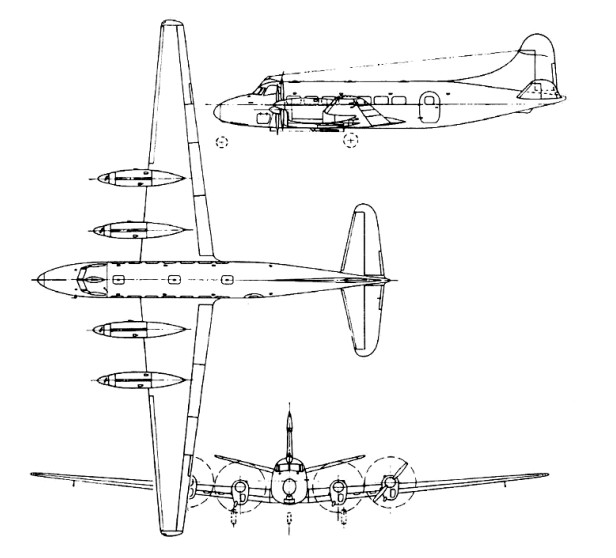
de Havilland continued the success of the Dove by designing a scaled-up version designated de Havilland D.H.114 Heron. The new aircraft provided accommodation for a crew of two and 14 passengers (17 if no toilet was installed). Fixed tricycle landing gear removed the complications of a hydraulic system, Gipsy Queen 30s and variable-pitch propellers. The prototype was flown for the first time on 10 May 1950. The Heron is equipped to seat 14 passengers in single seats on each side of the central aisle. Four 250 hp Gipsy Queen six-cylinder inline direct drive normally aspirated engines are fitted with bracket type constant-speed two-blade airscrews.
The first production Heron 1 was acquired by New Zealand National Airways, this and all subsequent aircraft having a tailplane with considerable dihedral. The seventh production example served as the prototype for the Heron 2, incorporating retractable landing gear. This proved to be the most popular version, representing almost 70 per cent of the 150 Herons built.
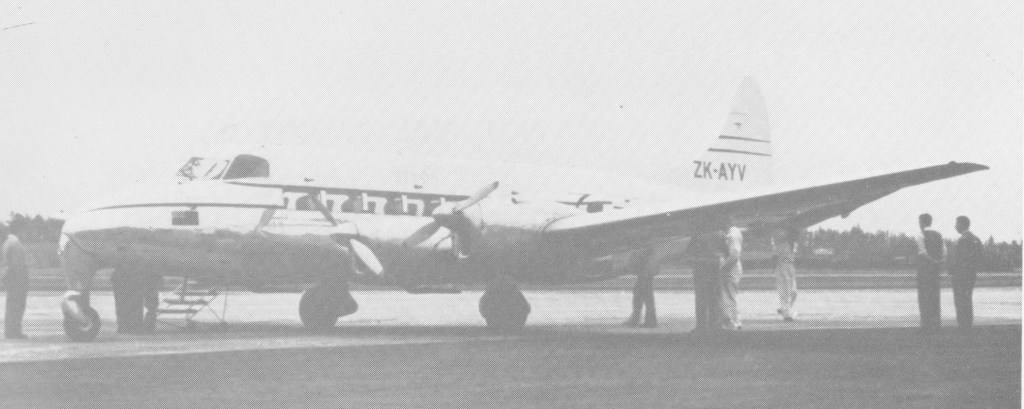
The New Zealand National Airways Corp owned four during 1952-60; ZK-AYV Matuku; ZK-BBN Motuhi; ZK-BEQ Mako; ZK-BBM Matmpouri.
ZK-AYV Matuku
The Heron saw service in 30 countries, some with major airlines, many as luxury transports (including four operated by The Queen’s Flight at RAF Benson), and about 25 of the total were used as communications aircraft by nine military services.
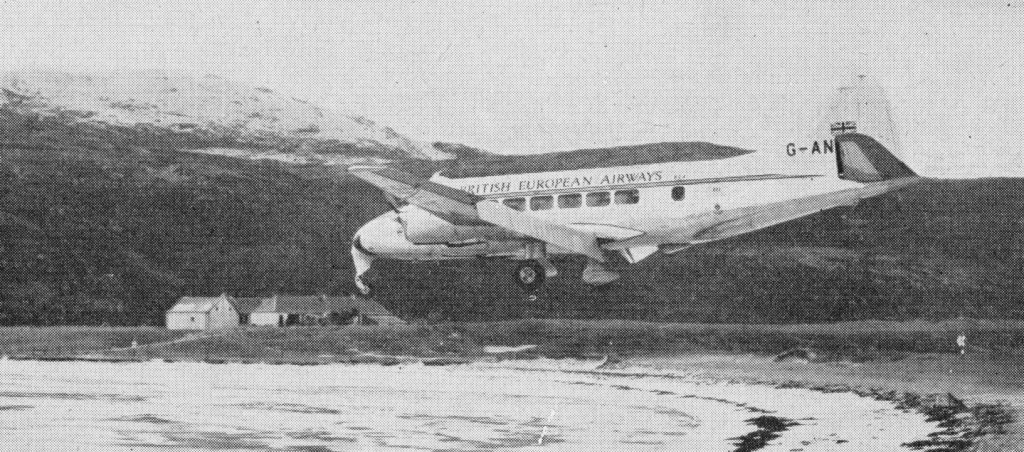
British European Airways Herons were used to maintain the BEA Ambulance Service in Scotland and the islands around the coast.
BEA Heron landing on the beach at Bora, Scotland circa 1955
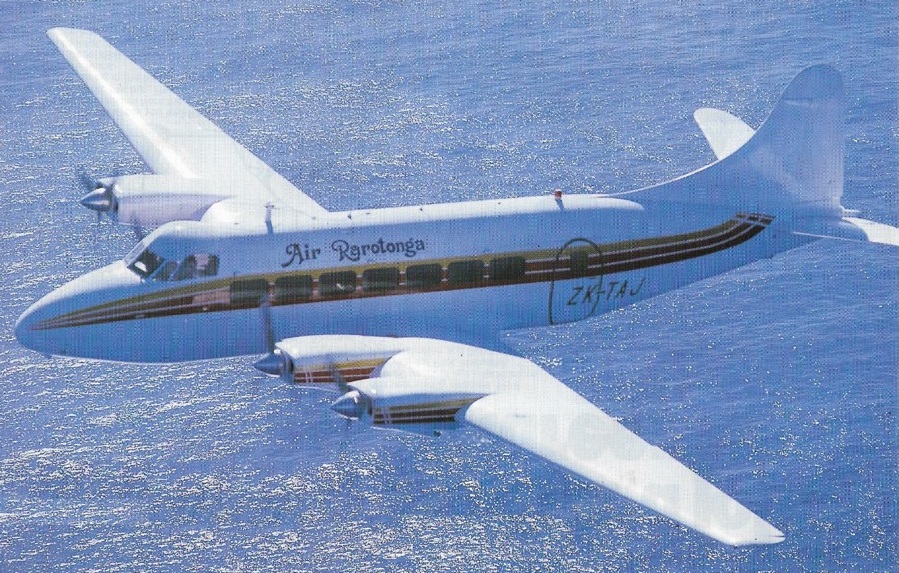
The Riley Turbostream Corporation in the USA produced the Riley Turbo Skyliner. This replaced the standard engines with 290 hp / 216kW Avco Lycoming IO-540-G1A5 engines, with or without turbochargers according to customer requirements.
Riley Heron ZK-TAJ of Air Rarotonga
Far more ambitious was the conversion carried out by Saunders Aircraft Corporation of Gimli, Manitoba. Designated Saunders ST-27, this had a fuselage lengthened by 2.59m to provide accommodation for a maximum of 23 passengers, the wing rebuilt to incorporate a redesigned main spar and the four Gipsy engines replaced by two 559kW Pratt & Whitney Aircraft of Canada PT6A-34 turboprop engines. A total of 12 ST-27 conversions was completed and the prototype of an improved ST-28 was built before Saunders went into receivership.
Franciso J. Waltz, Mexico City, produced in 1959 a high-altitude conversion of de Havilland Heron with 340 hp Lycoming engine for Mexican use under name Waltz Super Heron.
DH 114-1B Heron Engines: 4 x Gipsy Queen 39, 250 hp Wingspan: 71 ft 6 in / 21.8 m Length: 48 ft 6 in / 14.78 m Max speed: 190 mph / 306 kph Cruise Speed: 183 mph / 295 kph Range: 915 miles / 1473 km Service Ceiling: 18,500 ft / 5,600 m Crew: 2 Passenger capacity: 14
DH 114 Heron 2D Engines: 4 x de Havilland Gipsy Queen 30-2 inline, 186kW, 247 hp Max take-off weight: 6123 kg / 13499 lb Empty weight: 3697 kg / 8151 lb Wingspan: 21.79 m / 71 ft 6 in Length: 14.78 m / 48 ft 6 in Height: 4.75 m / 15 ft 7 in Wing area: 46.36 sq.m / 499.01 sq ft Max. speed: 165 kts / 306 kph Cruise speed: 295 km/h / 183 mph Ceiling: 5640 m / 18500 ft Initial climb rate 1,075 fpm Takeoff distance (50′) 2,424 ft. Landing distance (50′) 2,065 ft. Range w/max.fuel: 1813 km / 1127 miles Range w/max.payload: 645 km / 401 miles Crew: 2 Passengers: 14-17 / 1385Kg
Riley Heron Engines: 4 x Lycoming IO 540-G1A5, 290 hp. Cruise: 170 175 kt. Endurance: 7.5 hr. Pax cap: 15.
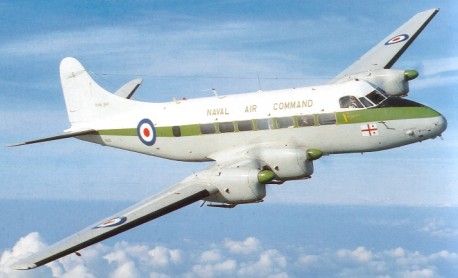
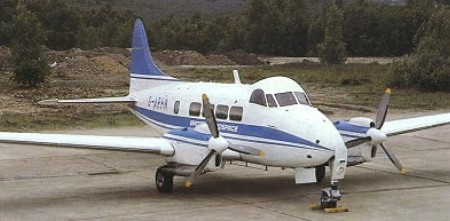
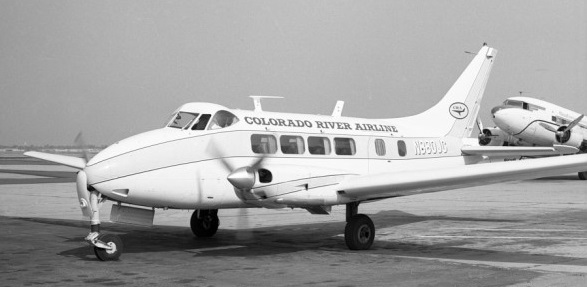
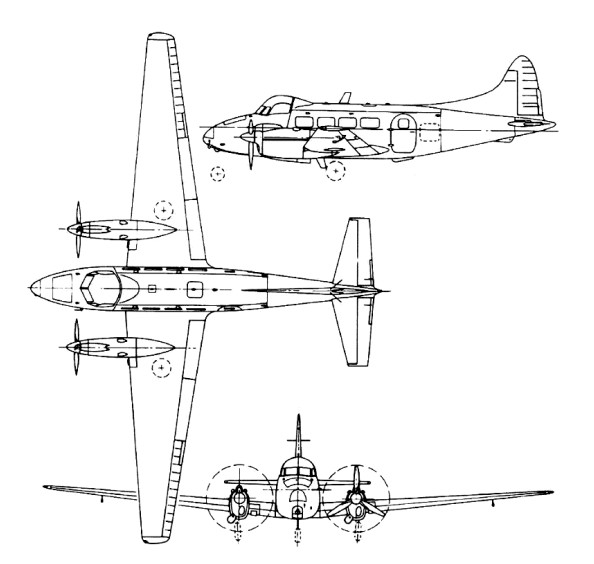
In 1944 R E Bishop and his team envisaged the DH104 as a successor to the Dtagon, Express and Rapide, and incorporated new construction techniques such as Redux bonding in the airframe and a tricycle undercarriage. A new low-wing monoplane which, with the exception of fabric-covered elevators and rudder, was of all-metal construction, and powered by two de Havilland Gipsy Queen engines, with constant-speed, fully-feathering, and reversible-pitch propellers. Standard accommodation as a transport was for 8 to 11 passengers.
The prototype flew on 25 September1945, initially with an angular dorsal fin before it was replaced by a new dorsal fin and, much later of a redesigned elevator, and of a domed roof to give a little more headroom on the flight deck. Production aircraft were generally similar to the original prototype.
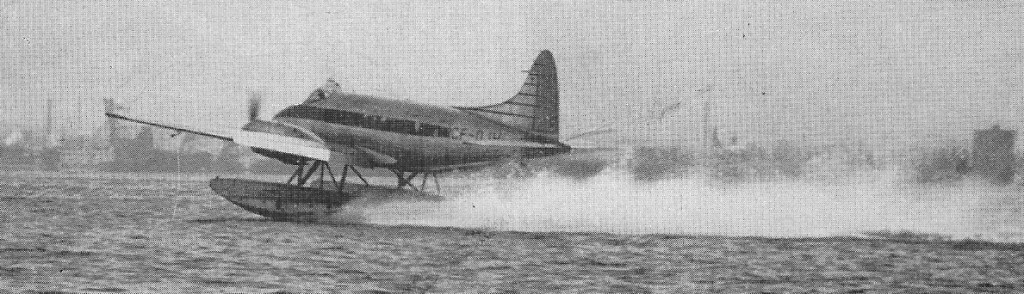
The 15th production DH.104 Dove, CF-DJH, was the only Dove to be flown with twin float undercarriage.
CF-DJH at Toronto, Canada, 1947
The Dove production variants resulted from differing Gipsy Queen powerplants, these including the 246kW Gipsy Queens 71 and 70-3 powering the prototype and the Dove 1/2 respectively; 254kW Gipsy Queen 70-4 in the Dove 1B/2B; 283kW Gipsy Queen 70-2 in the Dove 5/6, and 298kW Gipsy Queen 70-3 in the Dove 7/8.
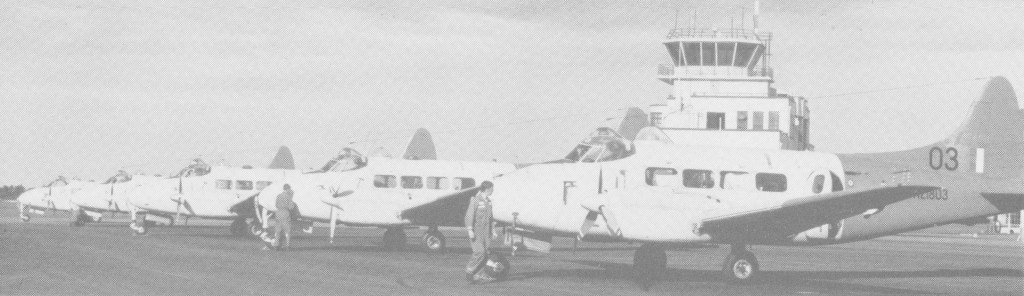
The Dove 1B powered by 305 hp DH Gipsy Queen 70 was the most prolific model, followed by 128 Dove 4/5, built as the Devon/Sea Devon. The Mk.4 was a military variant of the Dove, with two crew and 8 passengers.
Up to 30 were in Service with the RNZAF during 1946-80.
RNZAF DH 104
In the course of its long life, the type underwent significant improvements with the final production version, the Dove 7/8 having an enlarged cockpit, Heron-style canopy and 400HP Gipsy Queen Mk 3 engines.
Doves in the United States were marketed as the Custom 800.
DH 104 production ran to 542 aircraft before production ended in 1968, mak¬ing it Britain’s best selling commercial air¬liner.
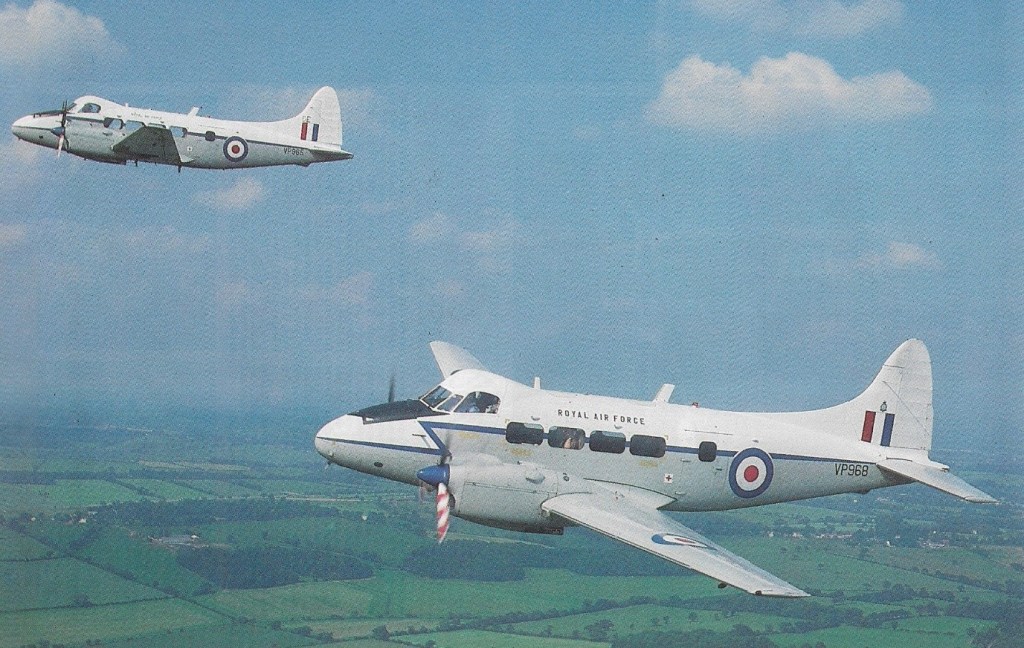
Just over 100 were supplied under the name Devon to many air forces, including the RAF, and a small number went to the Royal Navy with the name Sea Devon.
A number of Dove conversions carried out subsequently by Riley Aircraft in the USA as the Riley Turbo Executive 400 introduced 298kW Avco Lycoming IO-720-A1A flat-eight piston engines.
Riley Turbo-Exec 400 N880JG (04491)
Carstedt went even further with the Carstedt CJ-600A Jet Liner with a fuselage stretch by 7 ft 5 in (2.21 m) to seat up to 18 passengers and two 575 SHP / 451kW Garrett TPE-331 turboprops. The type was supplied primarily to Apache Airlines. Another version of the Dove was produced by Texas Airplane Manufacturing Co. that employed 705-eshp turboprops and a stretched fuselage.
DH104 Mk.1 Engines 2 x D.H. Gipsy Queen 70-2, 330 hp Length 39 ft 2 in (11.96 m.) Wing span 57 ft. (17.37 m.) Weight empty 6,325 lb. (2,870 kg). Max wt: 8800 lb (3992kg). Seats 2 crew and up to 11 passengers Maximum speed: 230 mph (370 kph) Cruise speed 200 mph (320 kph) Ceiling 21,700 ft. (6,600 m) full loaded Maximum range: 880 miles (1415 km)
Dove 7 Engine: 2 x Havilland Gipsy Queen 70-3 inline, 298kW, 400 hp Max take-off weight: 4060 kg / 8951 lb Empty weight: 2985 kg / 6581 lb Wingspan: 17.37 m / 56 ft 12 in Length: 11.99 m / 39 ft 4 in Height: 4.06 m / 13 ft 4 in Wing area: 31.12 sq.m / 334.97 sq ft Max. speed: 378 km/h / 235 mph Cruise speed: 261 km/h / 162 mph Service Ceiling: 6615 m / 21700 ft Range: 1891 km / 1175 miles Crew: 2 Payload: 11 pax
Dove 8 Engines: 2 x Gipsy Queen Mk 3, 400 hp.
Riley Dove Engines: 2 x Lycoming IO-720, 400 hp.
Carstedt CJ-600A Engines: two x Garrett TPE-33 1 turboprops, 575 shp