Fairchild II

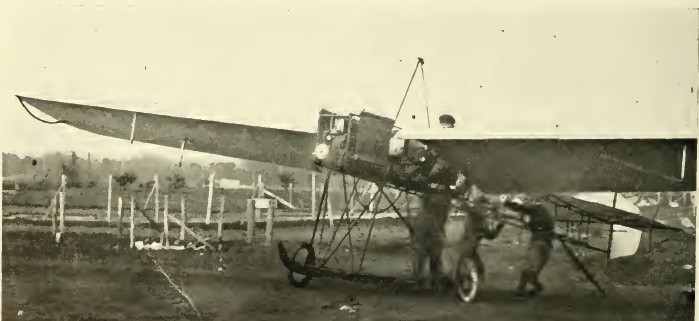
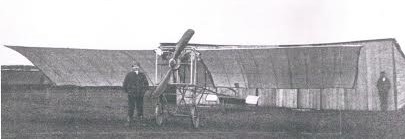
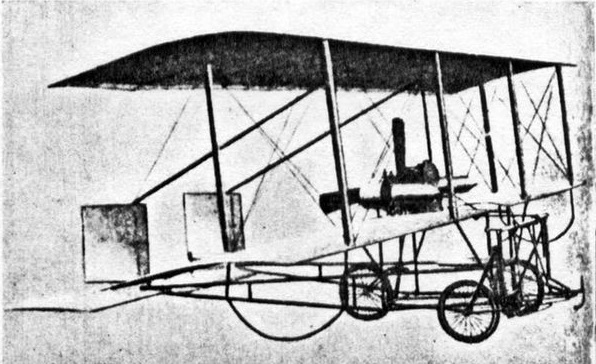
A mid-wing monoplane of mainly conventional configuration, entirely of steel construction and characterized by the vertical radiators on each side of the 100 hp six-cylinder two-stroke Emerson engine. It was the design of Walter L. Fairchild of Mineola and flew for the first time on May 11, 1911 with Auguste Denis as pilot.

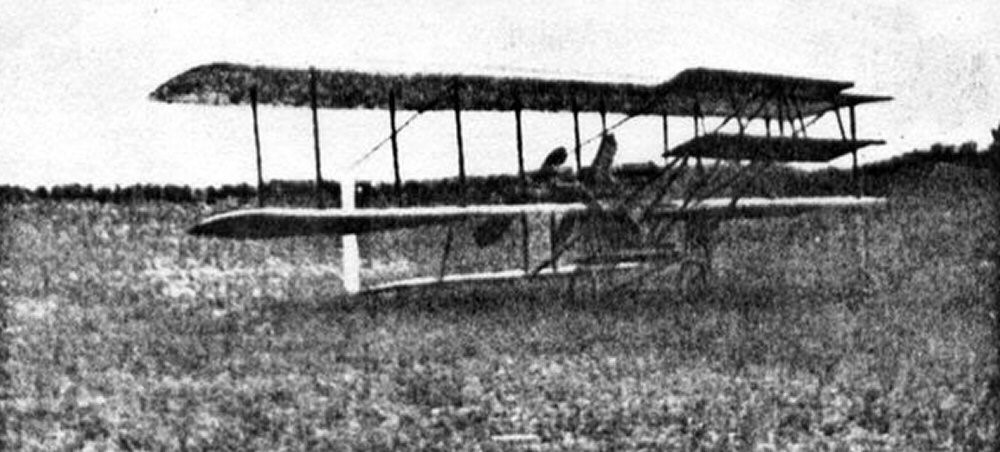
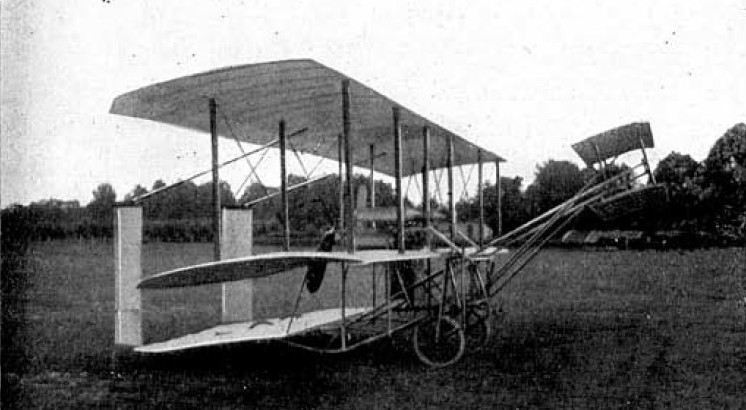
Fairchild 1910 monoplane

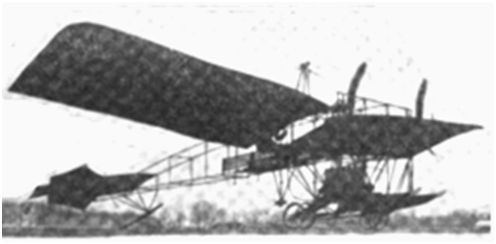
A monoplane built by Walter L. Fairchild with twin tractor propellers chain-driven by a six-cylinder 100-125 hp, two-cycle Emerson engine set on platform on undercarriage. The fuselage was built of steel tubing, lightness and strength achieved by careful use of different sizes and thicknesses of tubes, the strength of each part and portion calculated in detail. All the tubes of the frame where especial strength was thought advisable were stuffed with elm, giving them great strength. It was flown frequently, but crashed in February 1911.

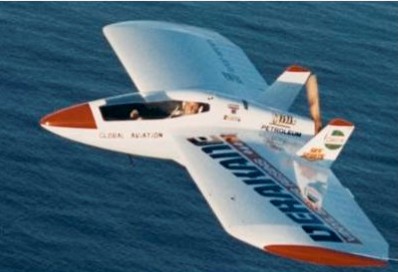
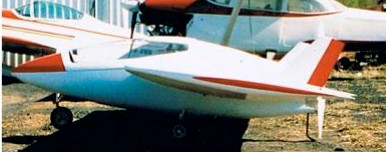
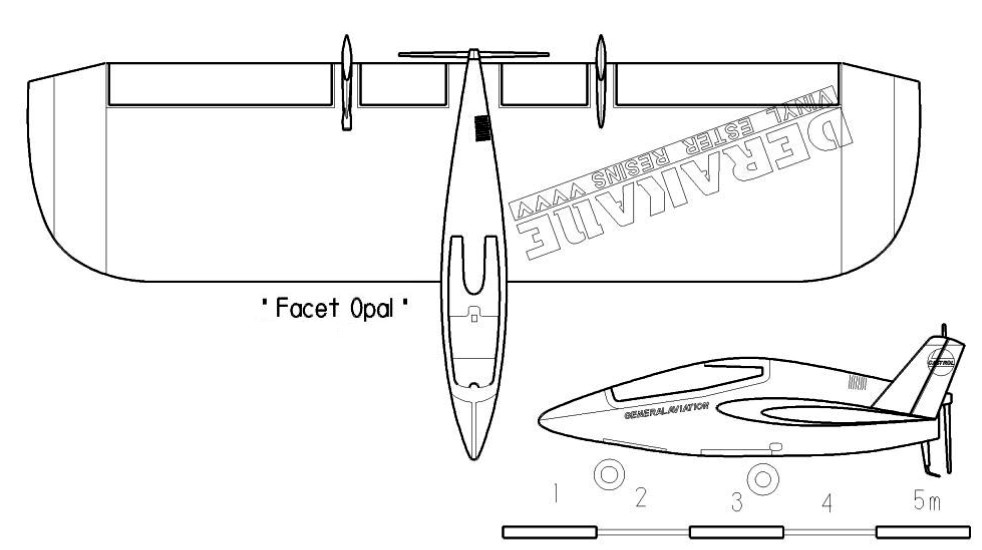
Facet Aircraft Sapphire / Sapphire Aircraft Sapphire

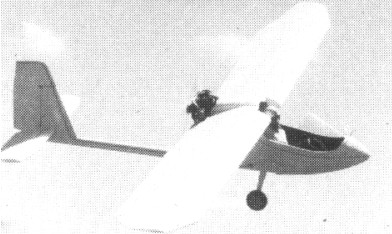
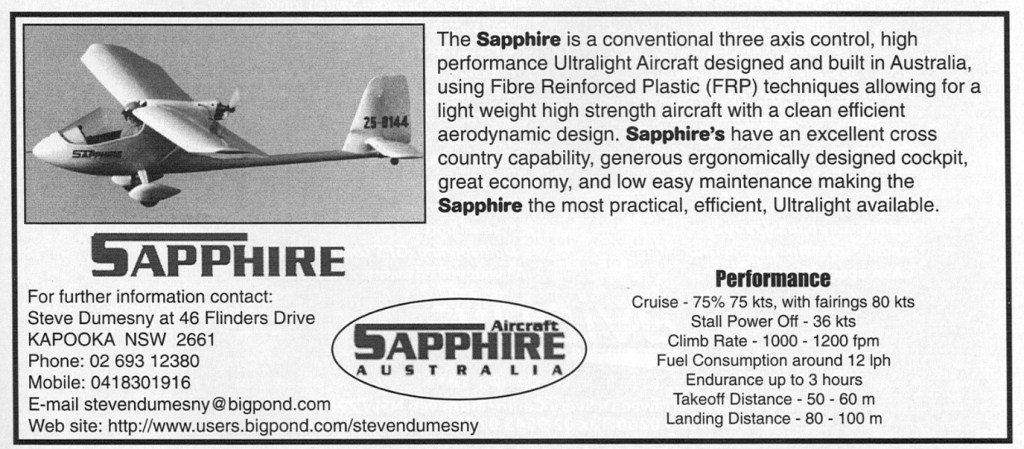
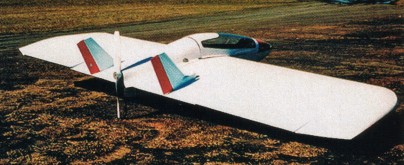
The Sapphire is designed as an efficient ultralight for use in a wide range of strip and weather conditions. Extensive testing over the last 2 years has resulted in only minor modifications having to be effected. The sleek glider like aircraft is constructed of fibreglass foam, aluminium and fabric wing and tail coverings. Cockpit is open but glider type fuselage and windscreen gives protection from the elements. Undercarriage is con¬ventional tail-dragger.
Designed in Australia by Scott Winton, of fibreglass and aluminium construction, the 95/10 has wing tanks, rather than previous fuselage tank, and fabric covered wings in place of fibreglass on the earlier, heavier models. All are three axis control.

March 1999

Gallery

Sapphire
Engine: Rotax 377, 35hp.
Wing span: 8.84m.
Length: 4.88m.
Empty wt: 141 kg.
MAUW: 249 kg.
Range: 306 km.
Fuel capacity: 24 ltr.
Econ cruise speed: 73 kts.
Stall: 29kts.

Sapphire 95/10
Engine: Rotax 447, 40 hp.
Stall: 32 mph.
Cruise: 80 mph.
Vne: 110 mph.
ROC: 1400 fpm.
Take-off dist: 120 ft.
Ldg dist: 300 ft.

Faccioli No. 2

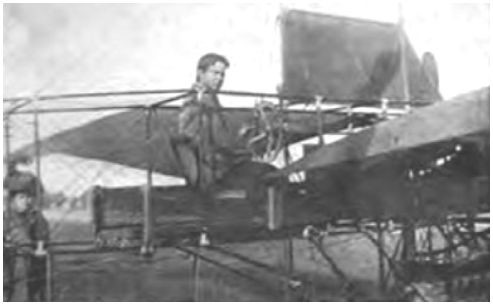
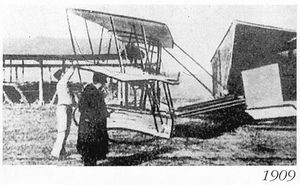
On the 13th of January 1909, the first all-Italian aircraft, a triplane designed and built by Aristide Faccioli, took off from a field near the Mirafiori horse racing track. It was powered by a 4-cylinder water-cooled 75 hp engine, designed by Faccioli and built by S.P.A. (Società Piemontese Automobili), driving two offset contra-rotating propellers. It crashed when the tail hit the ground. The machine was rebuilt in May 1909 with the same engine, a biplane wing cellule and a very short tail with a low-mounted horizontal stabilizer. It made a few hops on the parade gound at Venaria Reale, but crashed before the Brescia air show and thus could not be presented there.

Faccioli No.3

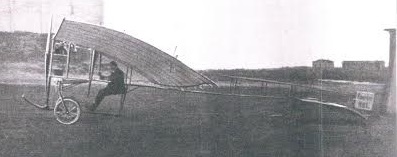
1909 SPA-Faccioli biplane, powered by a 20 hp Faccioli motor. Piloted by its designer Aristide Faccioli, in December 1909 at Turin, Italy, this machine became the world’s 15th aeroplane to make a successful controllable flight.

Designed and built by Aristide Faccioli, he was the first Italian to design and built an aircraft and its engine.

Span: 22′
Length: 11’6″
Weight: 400 lb

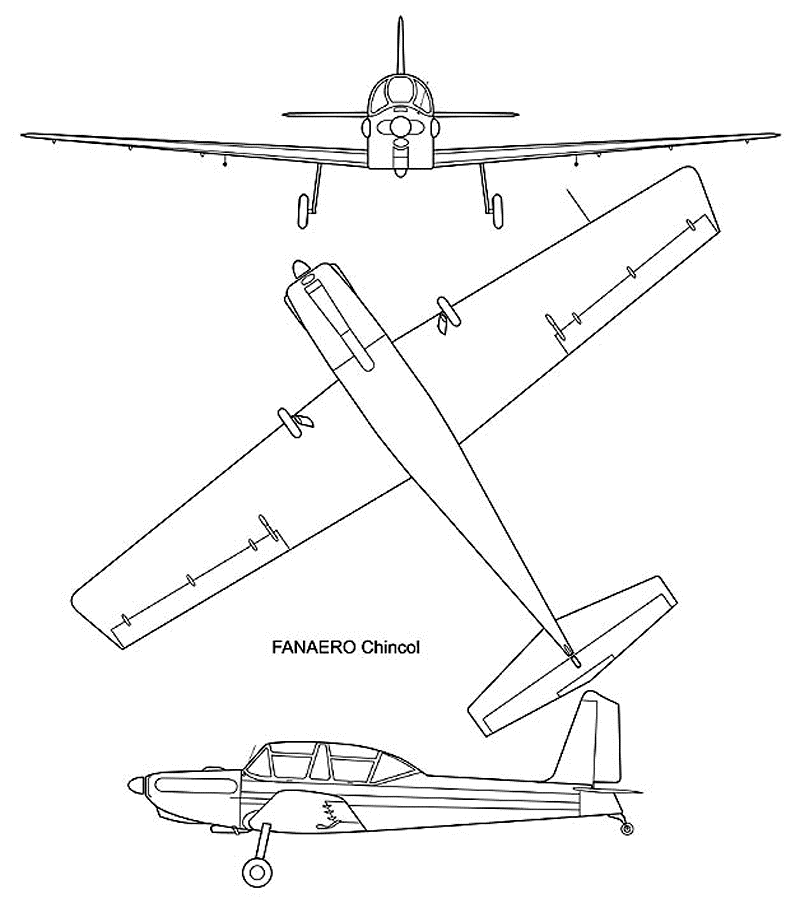
Fabrica Nacional de Aeronaves Chincol

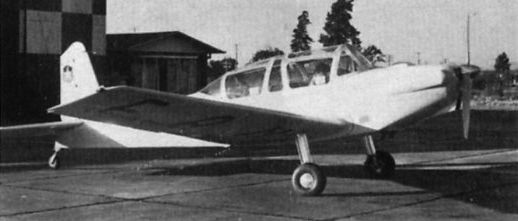
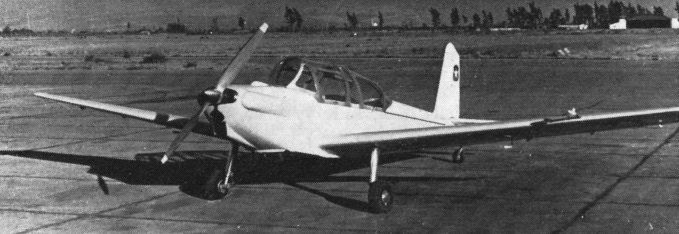
Chincol is a two-seat aircraft for initial training, designed and built at the Fabrica Nacional de Aeronaves plant at the “El Bosque” military base in Santiago, Chile.

The tandem-seat, fully aerobatic, primary trainer Chincol has mixed wood and metal construction and has a 215-h.p. Continental O-470-11 air-cooled flat-six engine. A Chilean wood called Manio is used for the cantilever wing and parts of the welded-steel fuselage. Although not so equipped on the prototype, the production Chincol was to have split flaps. The undercarriage is fixed.

On December 14, 1955, the “Chincol” first flew.

The Chilean Air Force became interested in the aircraft and preparations began for its serial production of 50 copies, but they refused on financial problems.

Engine: Continental 0-470-11, 215 hp
Wing span: 10.40 m
Wing area: 15.70 sq.m
Length: 7.22 m
Height: 2.10 m
Empty weight: 740 kg
Maximum take-off weight: 1050 kg
Maximum speed: 210 km / h
Cruising speed: 183 km / h
Service ceiling: 17,716 ft
Range: 650 km / 404 mi
Rate of climb: 246 m / min
Seats: 2