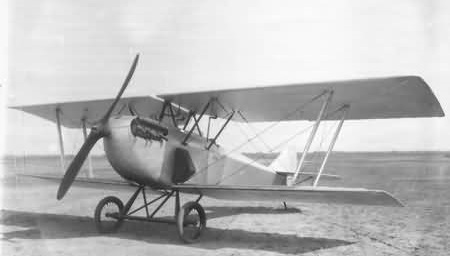
Gage 1912 / Fowler-Gage 1912 / Gage-McClay Co 1912

A single place, open cockpit biplane Curtiss-type pusher.

One was built for exhibition use by Roy Francis and later, reportedly, one tractor version for Francis and Frank Bryant to share.
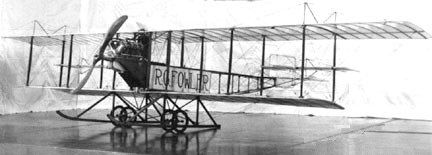
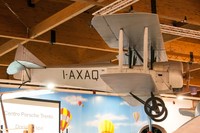
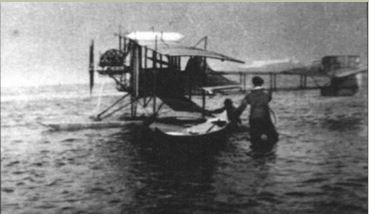
Gage-Fowler 1912

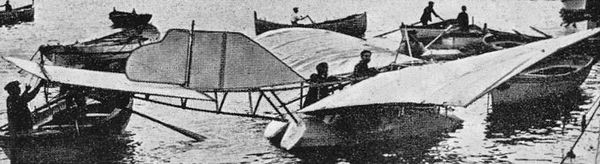
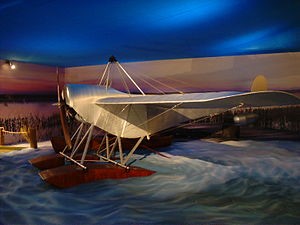
This tractor biplane is more familiar as a land plane, as it is displayed in the Smithsonian, now with a Curtiss engine in place of its original Hall-Scott. It is often referred to as the Fowler-Gage, in recognition of its owner and pilot, Robert G. Fowler. Beginning in October 1912, Fowler made numerous exhibition and passenger flights in California. He made his most famous flight in the airplane in 1913, flying ocean-to-ocean across Panama. With the Gage now on floats, Fowler started his Isthmus of Panama crossing with a takeoff from the Pacific side at 9:45 a.m. on April 27. He completed the 83 km (52 mi) flight in one hour and 45 minutes, landing with his passenger/cameraman, R.E. Duhem, at Cristobal at 11:30 a.m.
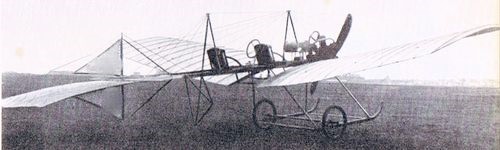
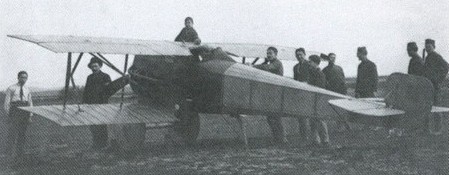
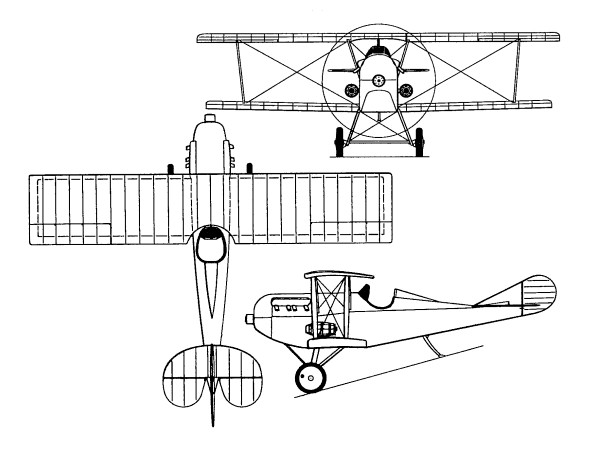
Gabriel Eindecker

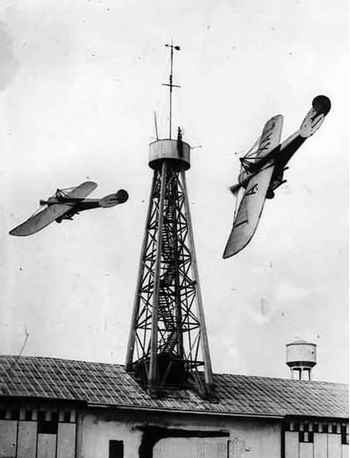
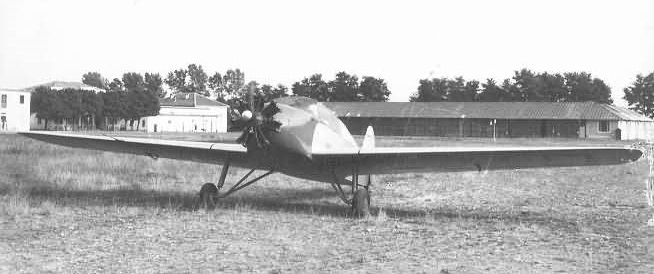
The Gabriel Eindecker of 1912 was a copy of the Fokker Spinne built by twin brothers Willi and Walter Gabriel of Bromberg, Germany, just 18 years old at the time. It was the third flying machine that the brothers had built – aptly a two-seater – on which Willi earned his pilot’s brevet on August 12, 1912. Both Willi and Walter went on to become fighter pilots during World War One – Willi, an ace.

G6 100 Paramotor

The G6 100 paramotor unit with high hang point frame has a certified Japanese made paramotor harness.
The Swedish PPG association has certified the paramotor equipment.
Propeller diameter options are 115cm (49kg thrust), 120cm (52kg thrust), and 125cm (55kg thrust).

Engine: G6-POWER, 1-cylinder, 2-stroke, 19 hp
Engine cylinder capacity: 100cc
Engine size L×W×H(cm):50x50x30
Max rpm: 9400rpm
Cruise rpm: 6500-7000
Prop: 125cm
Belt reduction: 1:3.7
Dry weight: 23kg
Ignition: CDI
Start method: hand pull start
Thrust: 55kg
oil mix: 30-1
Fuel capacity: 7.5lt
Endurance: 3 hours
Ceiling:1500m