This was J Lester Garbrick’s 90-lb mini-biplane, built in 1941 for and flown by his teen-age son, according to the Oct 1949 Flying.
Engine: Indian Chief motorcycle engine
Cruise speed: 50 mph
Stall: 30 mph
Seats: 1
This was J Lester Garbrick’s 90-lb mini-biplane, built in 1941 for and flown by his teen-age son, according to the Oct 1949 Flying.
Engine: Indian Chief motorcycle engine
Cruise speed: 50 mph
Stall: 30 mph
Seats: 1
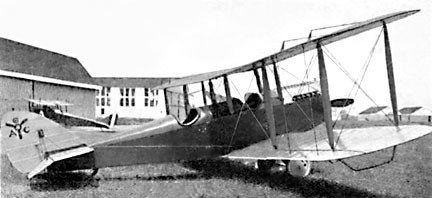
The 1929 Garbrick Lark was a single place, open cockpit biplane registered N529.
Repowered in 1930 with an 80hp LeRhône rotary, it continued flying well into the 1960s, with its original fabric.
Stored after Garbrick’s death in 1971, it was finally sold in 1977.
Engine: 60hp Roberts
Wingspan: 28’4″
Length: 23’0″
Seats: 1
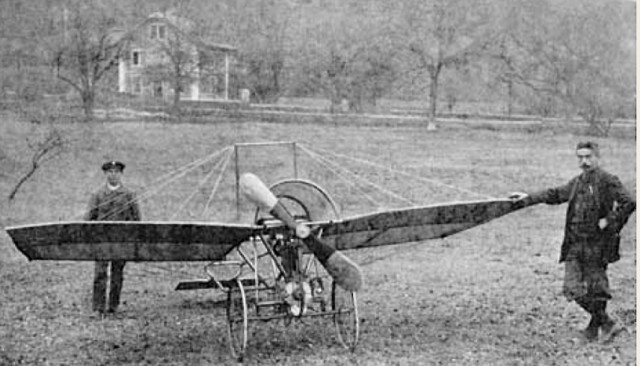
In 1911 François Garbaccio and Pierre Triverio built the first flying machine in the canton of Valais, Switzerland. It was powered by a Mag engine and was apparently never able to fly further than 20 metres.
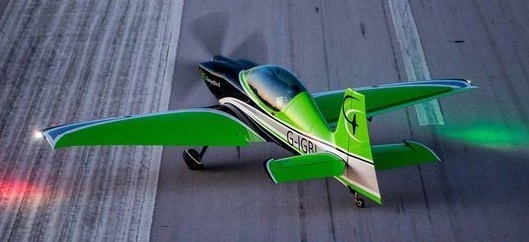
The GameBird was begun in 2013, when aerobatic pilot and designer Philipp Steinbach and a small team started drawing the initial shape of the airplane. The design was created using CAD software in England, where all of the initial development was done.
The GameBird is a versatile aerobatic airplane, with quick handling characteristics, capable of unlimited aerobatics at plus and minus 10 G with a roll rate of 400 degrees per second at 200 kias. However, with the ability to quickly shift its CG with a removable 25-pound weight in the tail section, the airplane can go from an unlimited aerobatic performer to a stable cross-country platform with an impressive 1,000 nm range. There is also a 30-pound baggage compartment for added versatility.
Even with the international move to Bentonville last year, the small team was able to get the airplane certified in 4 years. In August 2017 the team at Bentonville, Arkansas-based Game Composites saw their GB1 GameBird receive its certification. The FAA signed the Part 23 paperwork about four months after the European Aviation Safety Agency gave its approval.
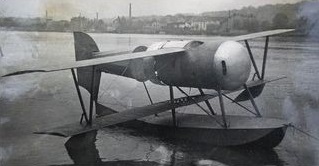
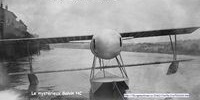
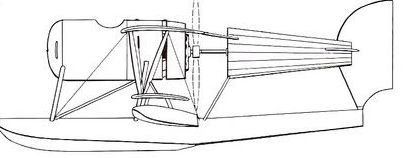
The Galvin HC, where HC stands for Hydravion de Chasse (Seaplane Fighter) is from France with a mid-fuselage propeller. The Gnome rotary engine of 160 hp was mounted in the fuselage.
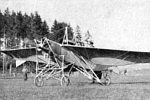
The 1910 Gallone-Lampert monoplane was designed and built by C. Gallone and M. Lampert in Switzerland.
Span: 35’8″
Length: 37.5″
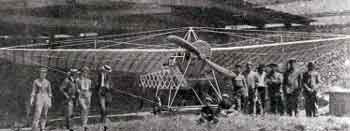
A design of Count Muzio Gallo, construction of the machine was started in spring 1911 but work was still not finished in October of 1912 for some reason. Unfortunately the monoplane – christened Gabbiano (Seagull) – was completely destroyed by fire on October 24, 1912. The engine fitted developed 40 hp.
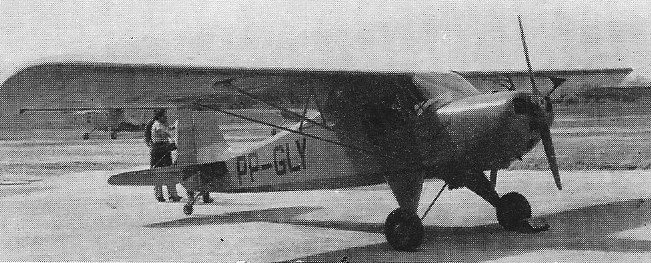
Built in quantity by Fabrica do Galleao at Rio de Janeiro, Brasil, the Niess Maranho side-by-side two seat cabin monoplane was used by several Brazilian flying clubs.
Powered by a Continental C85. The Maranho has dual controls and is of mixed construction with plywood and fabric covering.
Engine: Continental C85, 85 hp
Wingspan: 34 ft 6 in
Length: 22 ft
Height: 6 ft 6 in
Empty weight: 886 lb
Loaded weight: 1270 lb
Max speed: 110 mph
Cruise: 97 mph
ROC: 770 fpm
Range: 280 mi
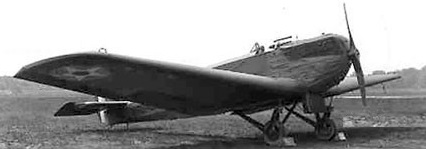
The Gallaudet DB-1 Army Day Bomber AS64238 of 1923 was so overweight it was used for ground tests only. It was an open cockpit, low wing monoplane.
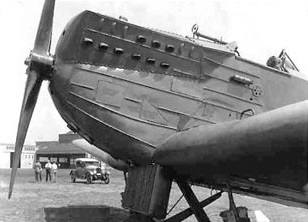
The DB-1B AS64239 was a new and modified biplane design. It flew on 1 August 1923, but displayed enough bad habits to warrant rejection by the military.
DB-1
Engine: 700hp Engineering Division W-1A-18
Wingspan: 67’0″
Length: 44’0″
Useful load: 1953 lb
Max speed: 144 mph
Cruise: 128 mph
Range (est): 900 mi
Seats: 2
DB-1B
Wingspan: 66’7″
Length: 42’0″
Useful load: 5340 lb
Seats: 2