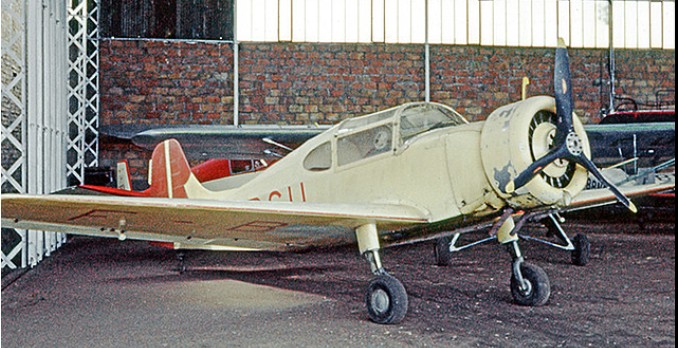
Guerchais-Roche T-39/2
A light cabin monoplane with 120 hp Renault engine of 1930
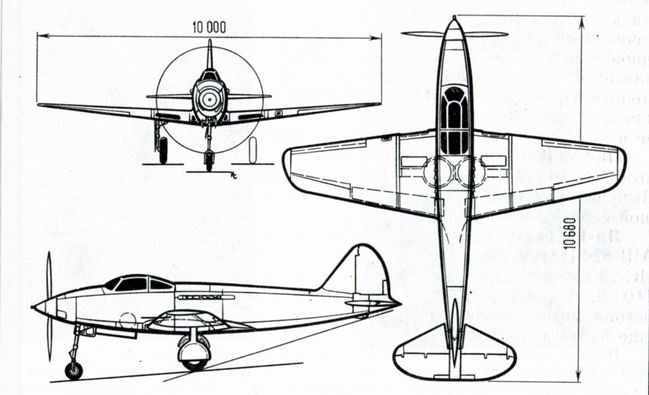
The Gu-1 single-seat fighter designed by Mikhail Gudkov had a liquid-cooled engine installed aft of the pilot’s cockpit, close to the CG, and driving the propeller via an extension shaft and reduction gear. Design of the Gu-1 was commenced in 1940, and the fighter was of mixed construction, with welded steel-tube forward and centre fuselage covered by duralumin skinning and metal wing mainspars, the remainder of the airframe being of wood. Power was provided by a Mikulin AM-41 12-cylinder liquid-cooled engine, the main coolant radiators for which were buried in the wings. The Mikulin bureau experienced difficulties with the extension shaft and reduction gear which were not ready for testing until 1942. Armament comprised a single 37-mm Taubin cannon firing through the propeller shaft. In the event, the Gu-1 proved to be seriously overweight.
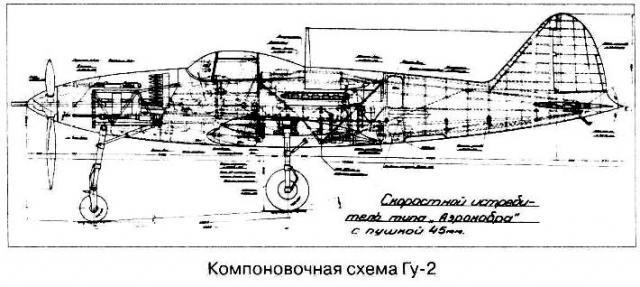
The initial flight test was performed by A I Nikashin on 12 July 1943, but after reaching some 650 ft (200 m), the fighter dived into the ground, killing the pilot, and further development of the Gu-1 was abandoned. No illustrations of the Gu-1 appear to have survived and the only available data are the weights.
Engine: Mikulin AM-41 12-cylinder liquid-cooled
Empty weight, 8,249 lb (3 742 kg).
Loaded weight, 10, 163 lb (4610 kg).
Armament: 1 x 37-mm Taubin cannon
Charles Lindbergh’s New York to Paris solo in 1927 generated enthusiasm for aviation around the world.
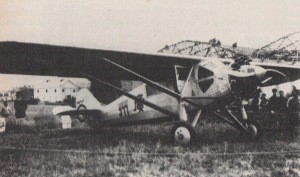
The Chu Kiang, was patterned after a four-seat Ryan Brougham, in 1929.
The Chronicle of Aviation datelined this item January 14, 1929, Peking: “China has acquired one of its first aircraft, an exact copy of the Ryan Brougham, and thus resembling Charles Lindbergh’s Spirit of St. Louis. Piloted by Chang Wai-chung, the 250-hp Chu Kiang recently completed a 2500-mile flight across China.”
Sen Yet Young assisted in unifying China by heeding Sun’s call to “save China through aviation”. He enrolled in the Curtiss Aviation School in Buffalo, New York and soloed as a pilot on October 2, 1916. Sen Yet Young became the first Hawaiian American to be licensed, with sea plane and land plane ratings, receiving the Aero Club of America certificates 600 and 62 respectively. He won second place in marksmanship from an airplane and stayed months longer studying aviation engineering.
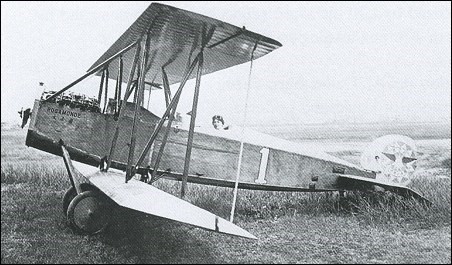
Young was named head of the Chinese Aviation Bureau and is credited with producing the first flourishing of aviation experts in Guangdong. He spearheaded the first Chinese factory to manufacture airplanes, and commanded the design and building of the Rosamonde, named after Sun’s wife, Soong Ching-ling.
Designed May 1923, the ‘Rosamonde I’ biplane trainer was made in Guangzhou in 1923. Madame Song attended the ceremony of the plane’s first flight, in July 1923.
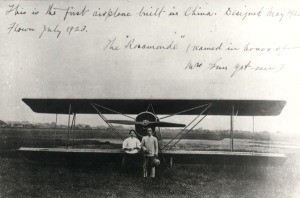
Soong would fly as a passenger in the plane with pilot Huang Guangrui at the controls.
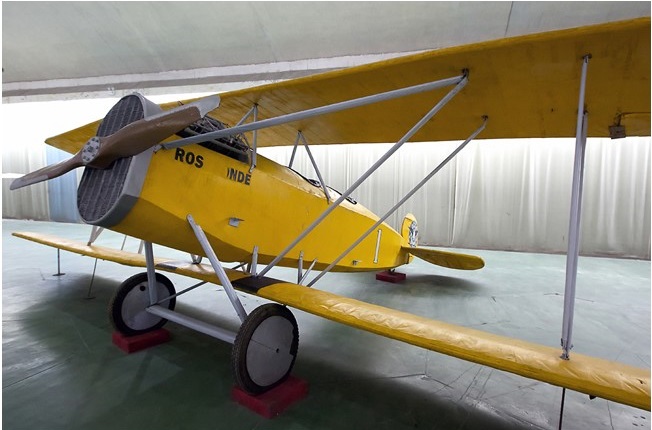
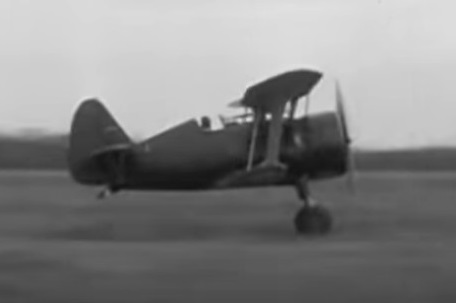
Thirty of the Chung 28B fighter were built, looking like the Polikarpov I-152.
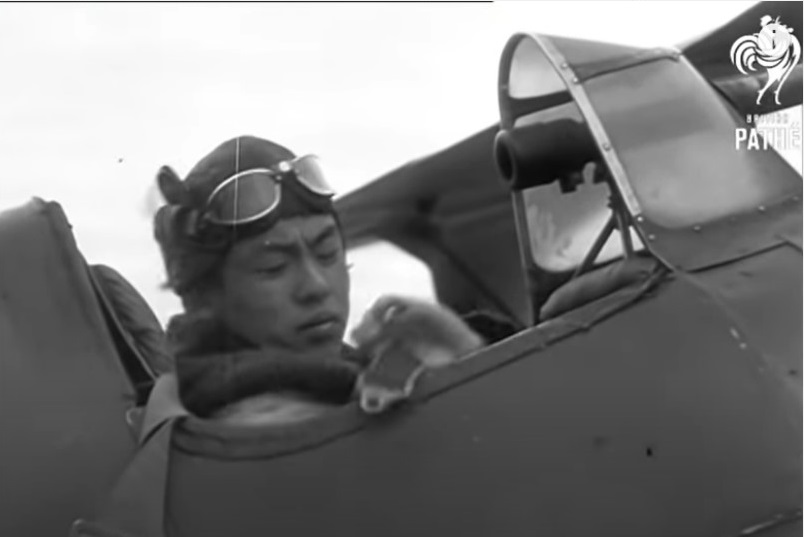
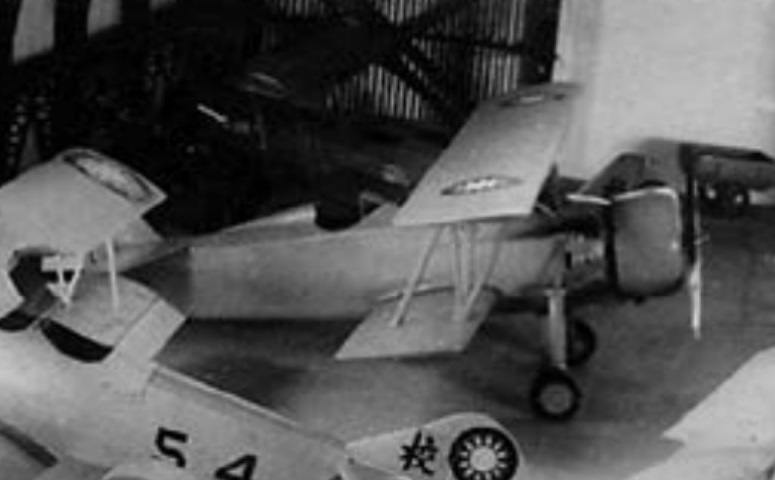
The AP-1 Fu-shing was a trainer built be Guangzhou/Kunming 1st Aircraft Manufacturer before August 1937. Five were built.
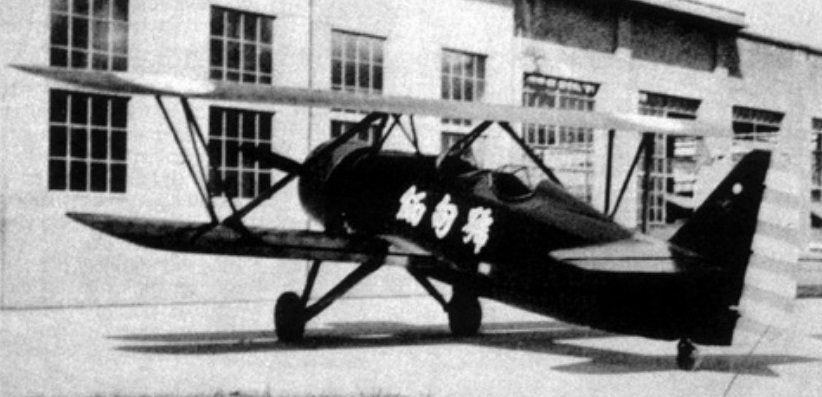
The AP-1 Type-Jia Fu-shing was a reconnaissance/attacker version. Twenty-two were built.
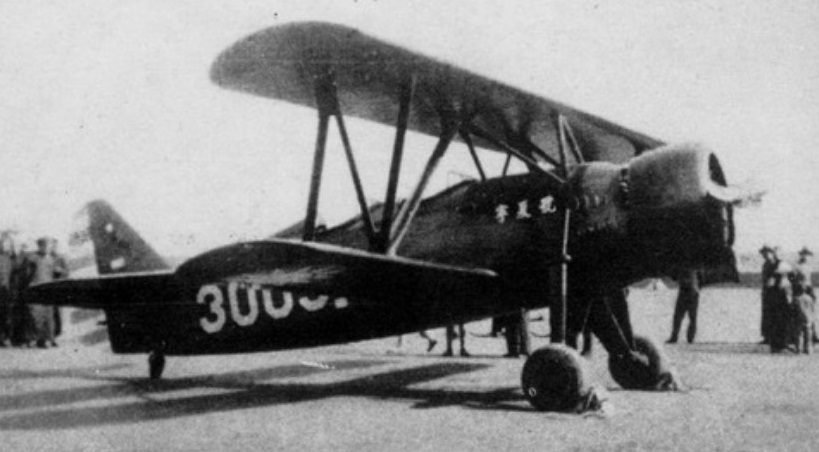
Four of the AP-2 Type-Bing-shing were built using Birch laminate.
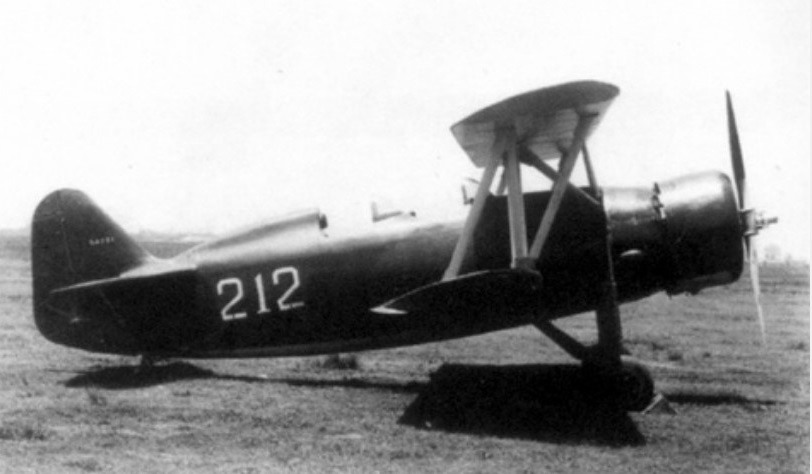
One AP-1 Fu-shing was modified to take a 220 hp R-675 engine.
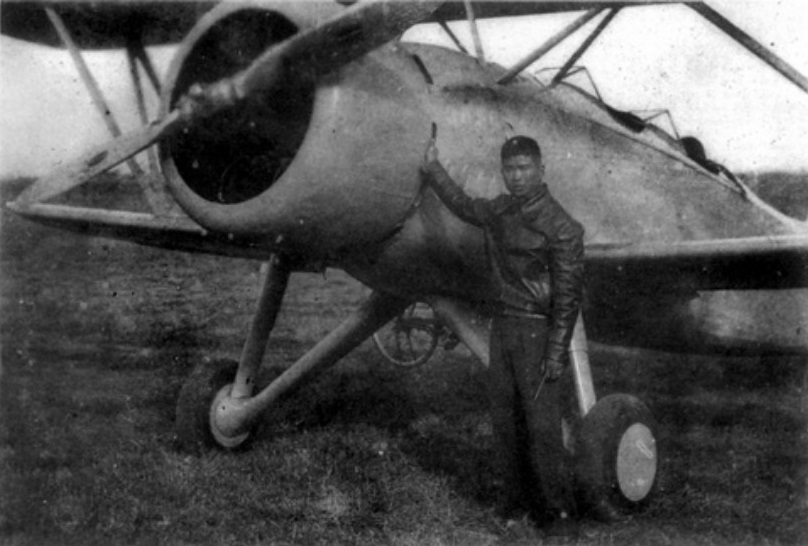
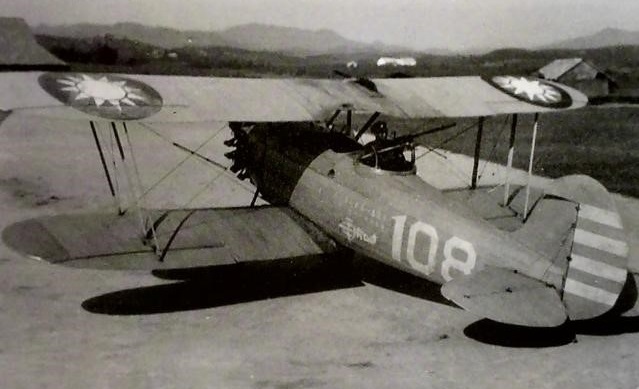
In 1934 the Yangcheng Kesai was built. Six were built at the same time with the same parts.
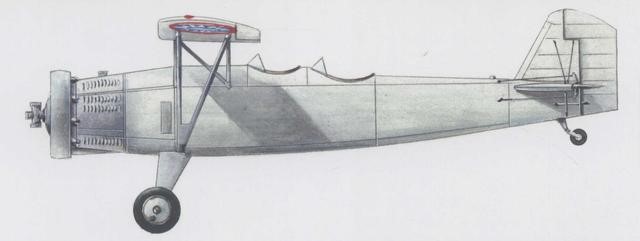
The Yangcheng Kesai was based on the O2U-1D who’s parts were in hand but not all of them to allow assembly of an identical plane. The planes have the same engine, but the fuselage, the stabilizer fin and the wings were locally made by the Chinese. The feature is that the O-2MC double-wing layout is changed to an upper-high single-wing layout. The fuselage structure is made of wood, and the cross-section is changed from rectangular to elliptical. The vertical tail and the shape of the rudder had also been modified. Initially supposed to be a monoplane, and took the air in the hand of Guo Hanting, deputy captain of the 3rd Squadron of the Air Force in 1933. He did a test flight near Tianhe Airport and, during a dive, the wing broke off due to the excessive speed and the pilot had to parachute. Later, Guangdong Aircraft Repair Factory repaired the aircraft to use as a ground testing machine.
It was after the failed test flight that the planes were converted into biplanes.
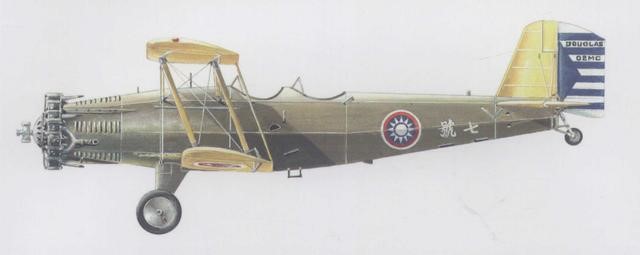
A single fix machine-gun was installed on the upper wing and the bomb rack was added making it a light bomber. The second test flight was successful, they made a trip of 480 km radius making it nearly reach his maximum range with a cruise speed of 161 km/h. The planes were not very manoeuvrable, a lot less flexible that the foreign planes. They were a bit out-dated for a 1934 plane but still showed performance as good as the average planes in services in China at that time.
The Guangdong Revolutionary Government did use them in service, as bomber and reconnaissance planes.
The fate of the six planes is unknown.
Monoplane
Powerplant: 1 × Pratt Whitney R-1340 Wasp, 425 hp
Wingspan: 10.52 m
Length: 7.46 m
Height: 3.08 m
Empty weight: 1062 kg
Max takeoff weight: 1649 kg
Power/mass: 0.13lb/hp (0.21 kW/kg)
Maximum speed: 241 km/h
Range: 978 km
Service ceiling: 5,700 m
Crew: Two
Armament: 2x .30 cal (7.62 mm) Browning machine guns
Bombload: 4x 116 lb (53 kg) or 10 30 lb (14 kg) bombs under lower wings
Engine: Pratt Whitney R-690-3 Hornet, 525 hp
Wingspan: 12.2 m
Height: 3.3 m
Length: 9.4 m
Empty weight: 1500 kg
Maximum take-off weight: 1776 kg
Max speed: 240 kph
Maximum range: 1126 km
Service ceiling: 5700 m
Weapons: Two 7.62mm Browning fixed machine guns
Bombload: four x 45kg
Crew: 2
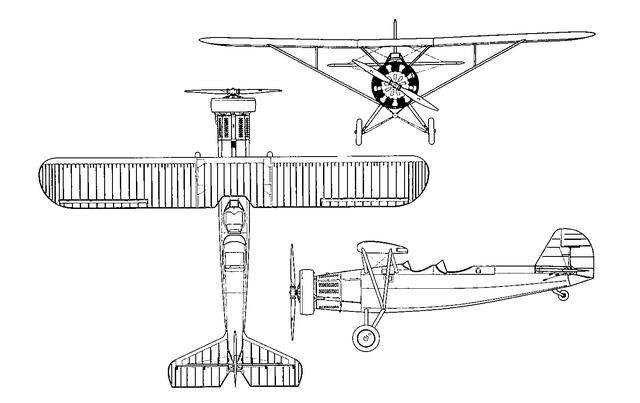
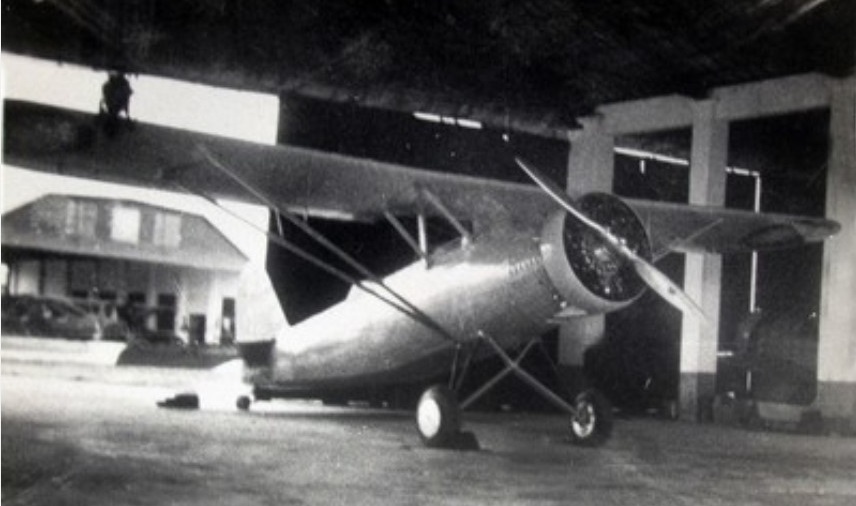
The Guangzhou/Kunming 1st Aircraft Manufacturer built one example of the Yang Ch’eng 78.
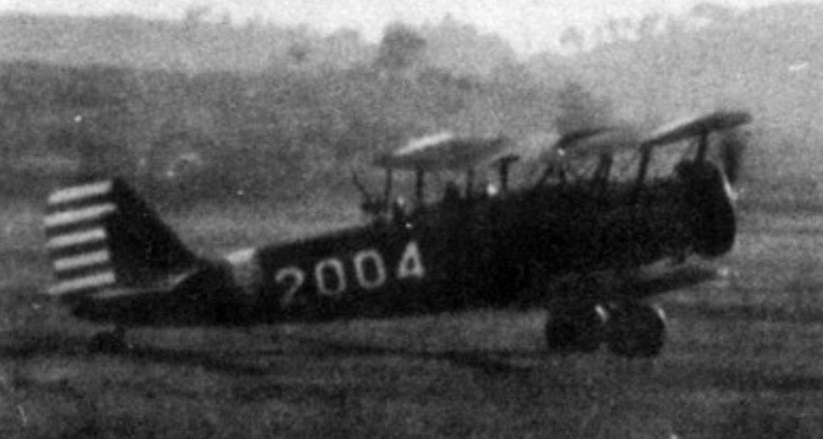
The Guangzhou/Kunming 1st Aircraft Manufacturer Yang Ch’eng 74, 75, 76 and 77 were a modified copy of the Douglas O-2MC-3. The fuselage is shorter than the O-2MC.
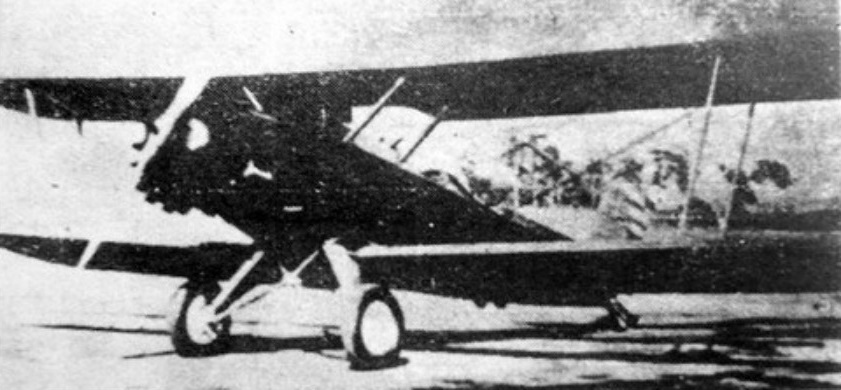
Based on the “Douglas O-2MC” reconnaissance/bomber, the fuselage structure is made of wood, and the cross section is changed from rectangular to oval. The two-wing layout, the shape of the vertical tail and rudder have also been modified.
The first Yangcheng 74 was manufactured on March 16, 1934, and more than 10 were built.
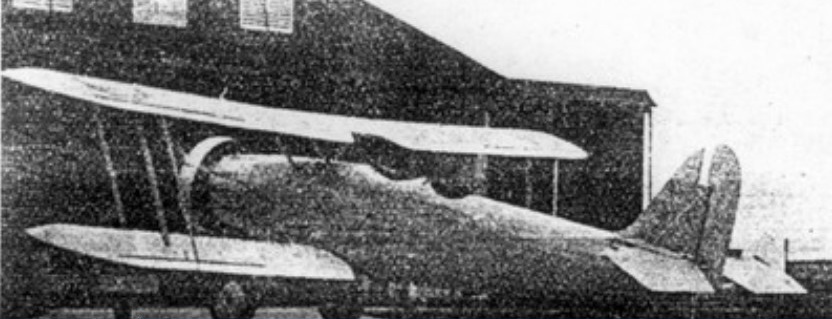
Ten of these aircraft were incorporated into the third and fifth squadrons of the Guangdong Air Force, and they participated in the Red Army operations that encircled southwestern Jiangxi. After the outbreak of the Anti-Japanese War, the performance of the aircraft was completely behind the Japanese aircraft, so it retreated to the second line, used as Yichang shooting training class and parachuting training class, and then transferred to Chengdu Flying Non-commissioned Officer School as a trainer.
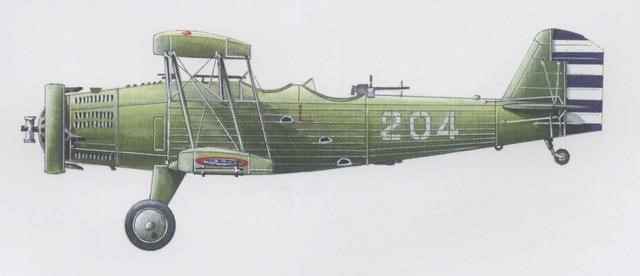
Engine: Pratt Whitney R-690-3 Hornet, 525 hp
Wingspan: 12.19 m
Length: 9.75 m
Height: 3.25 m
Empty weight: 940 kg
Maximum take-off weight: 2022kg
Maximum flight speed: 240 kph
Maximum range: 1126 km
Service limit: 6309 m
Weapons: 2 x 7.62 mm Browning fixed machine gun
Bombload: four x 45kg
Crew: 2 people

