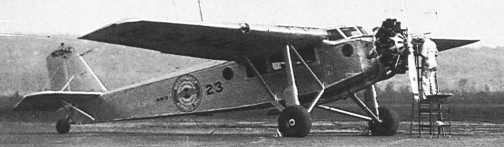
Designed by James S. McDonnell, circa 1927, the H-47 boasted the first passenger cabin heaters and toilet facilities.


Engine: Pratt & Whitney R-1690 Hornet, 550 hp.
Pax cap: 7.
Range: 675 miles.
Max speed: 138 mph.
Designed by James S. McDonnell, circa 1927, the H-47 boasted the first passenger cabin heaters and toilet facilities.
Engine: Pratt & Whitney R-1690 Hornet, 550 hp.
Pax cap: 7.
Range: 675 miles.
Max speed: 138 mph.
Hamilton manufactured propellers and metal flying-boat hulls under subcontract in 1920s, before developing the all-metal, cantilever-winged Hamilton Metalplane in 1926.
Engine: Pratt & Whitney R-1340 Wasp.
Pax cap: 8.
Range: 600 miles.
Cruise: 115 mph.
The Hamiltonian-Christie aero engine built circa 1910 was a 110 hp V-8 water cooled. It was likely a Curtiss motor modified by Charles K Hamilton.
The 1909 Hamiltonian 60hp was a 4-cylinder inline water-cooled aero engine.
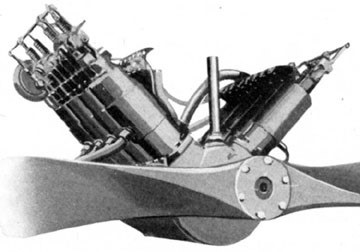
The circa 1920 Hamilton Vee was a water-cooled Vee configuration eight cylinder. The valves in cylinder heads with superimposed camshaft and operating mechanism.
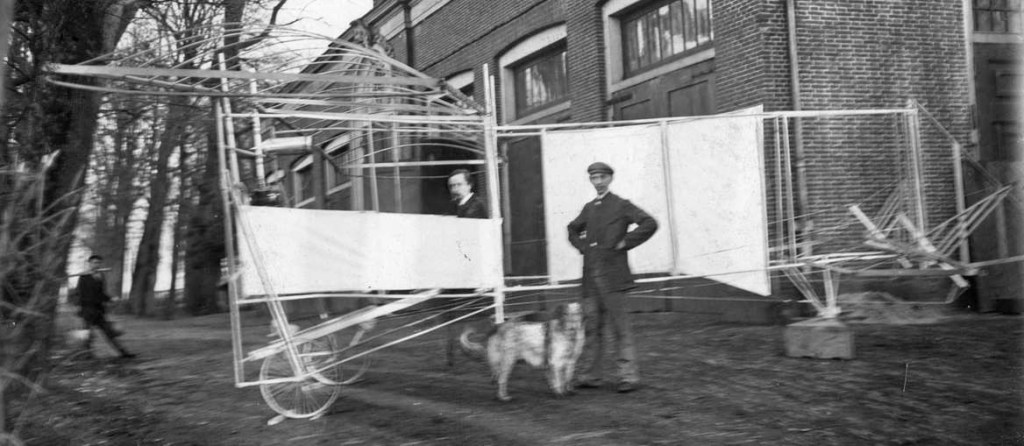
An aeroplane designed and built in 1909 by the Dutch brothers Ph. J. Hamers (architect) and J. Hamers (mechanic) together with the mechanic P. de Roos. They decided to build this plane after experimenting with gliders. The machine was finished in the beginning of 1910 and was ready to fly in February 1910. Flying tests were not successful because of the unreliable and/or underpowered engine, a two-cylinder 20 hp Humber motorcycle unit. As ever money was the problem… The machine was a monoplane, but they saw it as a biplane with one wing in front and one low at the back. Lots of the construction was of steel tubing. The plane was modified in the middle of 1910 and shown on an exposition in Haarlem in August 1910, the heavily modified machine more similar to a Blériot monoplane. After that exposition the work of the Hamers brothers faded into history.

By 1928 the Halton Aero Club HAC.1 Mayfly had been converted from a biplane to a parasol monoplane and was renamed the Halton HAC.2 Minus. The lower wings were donated to the Clark Cheetah G-AAJK. There were other minor changes.
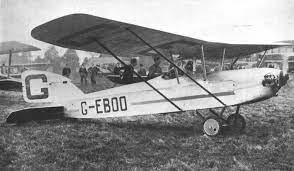
It was used again for air racing, being entered in the 1928 and 1928 King’s Cup Races.
The aircraft was dismantled at Halton in 1930.
Powerplant: 1 × Bristol Cherub III, 32 hp (24 kW)
Wingspan: 28 ft 6 in (8.69 m)
Lower wingspan: 22 ft 0 in (6.71 m)
Length: 22 ft 0 in (6.71 m)
Crew: one
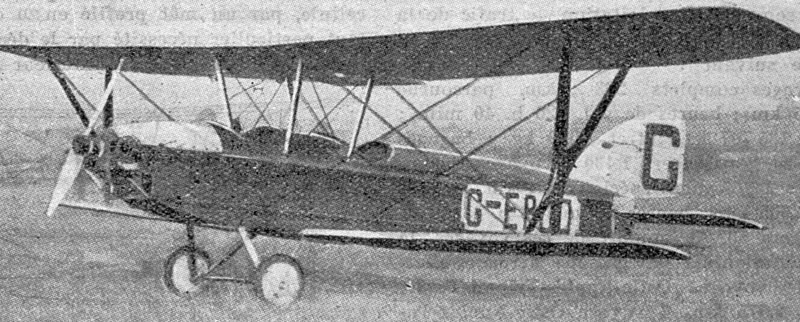
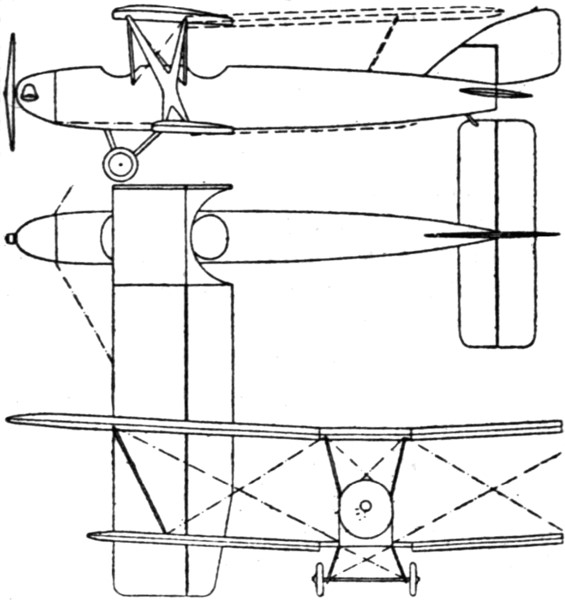
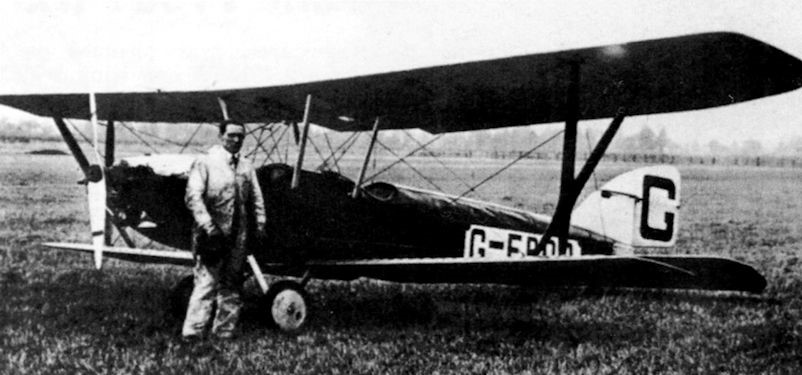
The Halton Mayfly was a British two-seat biplane designed by C.H. Latimer-Needham and built by the Halton Aero Club between 1926 and 1927.
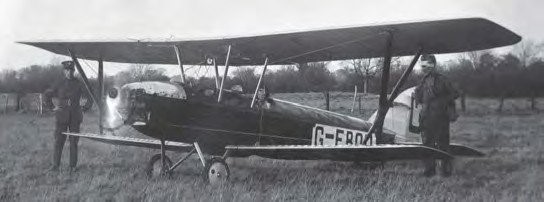
Registered G-EBOO and named the HAC.1 Mayfly it first flew on 31 January 1927.
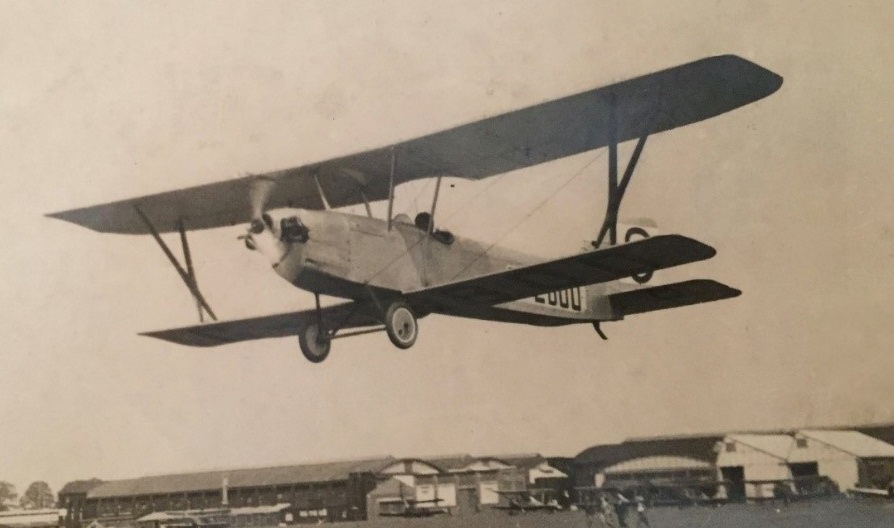
It was converted to a single-seater and was flown in a number of air races including the King’s Cup Race. It was entered in the 1926 Lympne light aircraft trials as No. 8 but failed to arrive in time for the elimination trials.
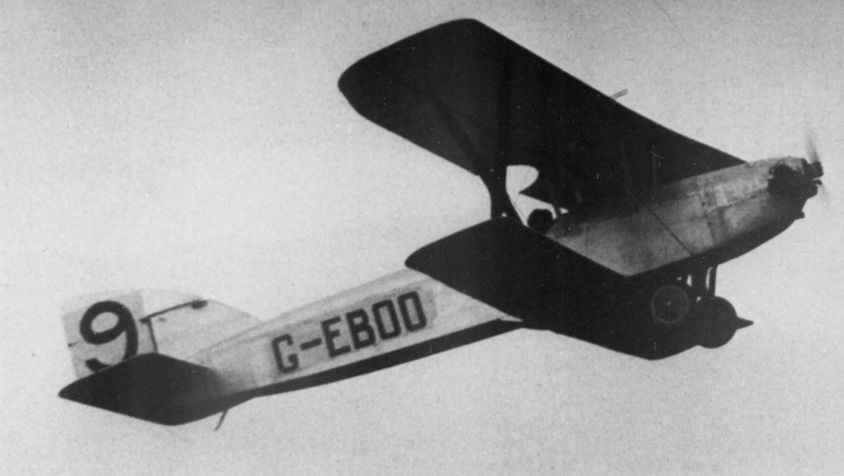
By 1928 the aircraft had been converted from a biplane to a parasol monoplane and was renamed the Halton HAC.2 Minus. The lower wings were donated to the Clark Cheetah G-AAJK.
Powerplant: 1 × Bristol Cherub III, 32 hp (24 kW)
Upper wingspan: 28 ft 6 in (8.69 m)
Lower wingspan: 22 ft 0 in (6.71 m)
Wing area: 195 sq ft (18.1 m2)
Length: 22 ft 0 in (6.71 m)
Empty weight: 480 lb (218 kg)
Gross weight: 920 lb (417 kg)
Maximum speed: 83.5 mph (134.4 km/h, 72.6 kn)
Cruise speed: 75 mph (121 km/h, 65 kn)
Crew: one / two

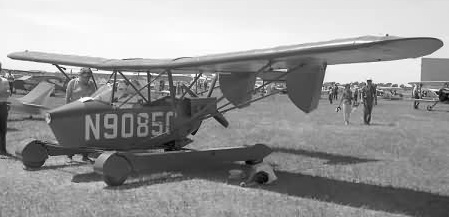
The Aero Car N9085C was built in 1959 by Joseph L. Halsmer of Lafayette, Indiana was one of the numerous attempts at building a roadable aircraft.
Airline captain Helsmer built this machine over a two-year period for $2,300. N9085C was later converted into single-engine Aero Car 3. Halsmer also built a high-wing two-seater with a uni-twin arrangement of two 65hp engines driving two counter-rotating props, registered N12043.

The Aero Car was a high-wing monoplane with two engines in a tractor-pusher configuration, a tri-cycle gear and tail booms. Helsmer built this machine over a two-year period, and later converted into the single-engine pusher Aero Car 3 presented in 1963 powered by a Continental C-85-12 engine.
The 1919 Hall-Scott L-4 (Group 2) was a 4-cylinder inline, water cooled aero engine. The L-4 used Liberty cylinders and valve gear.
L-4
125-130hp@1675rpm
549.78ci
dry wt: 380 lb

