By 1954, Howard had decided that the next step for corporate aircraft (which were mostly Twin Beeches and DC 3s at the time) was faster, farther ranging machines like his modification of the Lockheed PV 1 Ventura.
Howard introduced the Super Ventura, which led to development of the Howard 250, the 350, and culminated in the Howard 500.
Piston
Howard 250
By 1954, Howard had decided that the next step for corporate aircraft (which were mostly Twin Beeches and DC 3s at the time) was faster, farther ranging machines like his modification of the Lockheed PV 1 Ventura.
Howard introduced the Super Ventura, which led to development of the Howard 250, the 350, and culminated in the Howard 500.
Howard Super Ventura
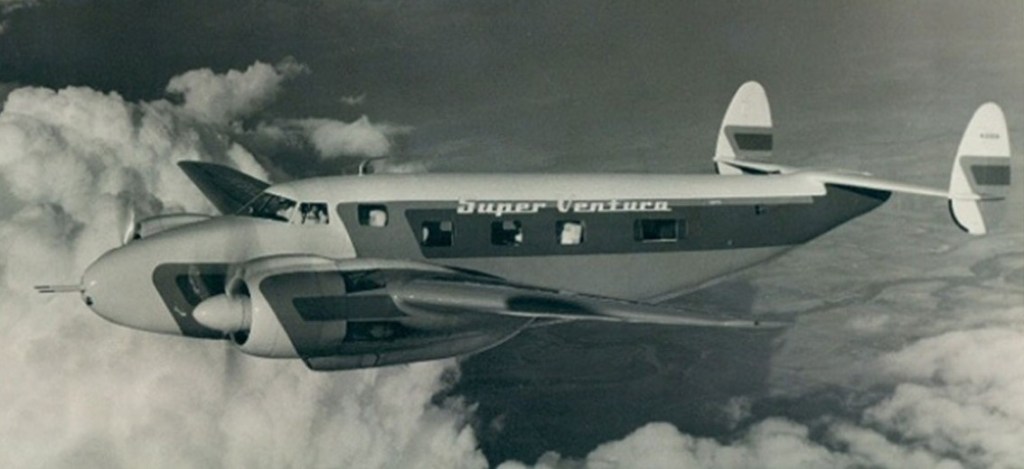
By 1954, Howard had decided that the next step for corporate aircraft (which were mostly Twin Beeches and DC 3s at the time) was faster, farther ranging machines like his modification of the Lockheed PV 1 Ventura.
Howard introduced the Super Ventura, which led to development of the Howard 250, the 350, and culminated in the Howard 500.
In 1964 Business AirCraft Corp (successor to Howard Areo) announced sale of the first BA 400 pressurised Super Ventura. It cruised at 350 mph at 21,000 ft with a useful load of 10,100 lb. It was the only pressurised plane in production available for $550,000.
Howard NH-1
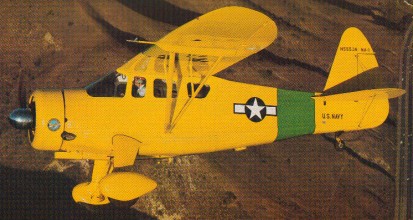
US Navy instrument trainer.
Howard DGA-15
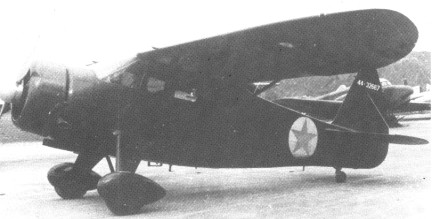
The DGA-6 Mister Mulligan design was developed through several models into the Howard DGA-15 five-seat cabin monoplane which served with the U.S. Navy in transport, instrument trainer and ambulance roles during the Second World War.
The last DGA-15 came off the Howard assembly line in 1943.
Howard DGA-8
Howard was planning the DGA 8 five place cabin airplane, one of the first truly classy personal transportation airplanes. By now, Israel was not only designing and building them but flight testing them as well. He says that to this day, there has never been an AD issued for his DGA 8.
Howard DGA-6 Mister Mulligan
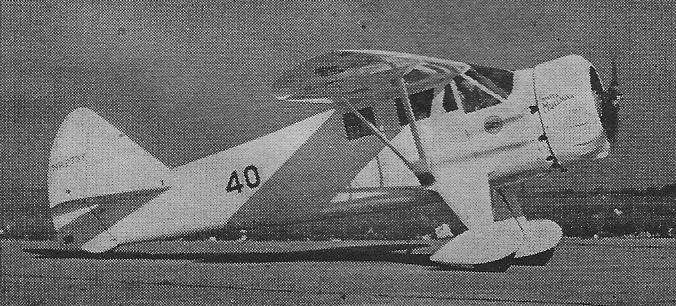
In 1933, Benjamin Odell Howard, a pilot for United Air Lines, decided that he wanted to get into the corporate airplane business. To do it, he chose to design and build a fast four place machine to win the Bendix Trophy cross country race. This would both bring the plane instant notoriety and give him prize money to help defray the cost of development. He enlisted the help of a promising young engineer named Gordon Israel in designing Mister Mulligan, a high wing, strut braced cabin monoplane. Benny Howard had discovered the magic of supercharging and high altitude flight. In 1935, he and Israel flew Mister Mulligan at 20,000 feet and above from Los Angeles to Cleveland and won the Bendix race at an average speed of 238.7 mph.
With DGA-6 Mister Mulligan Howard won all three major American racing titles in 1935, and this design was developed through several models into the Howard DGA-15.
Howard DGA-5 Mike
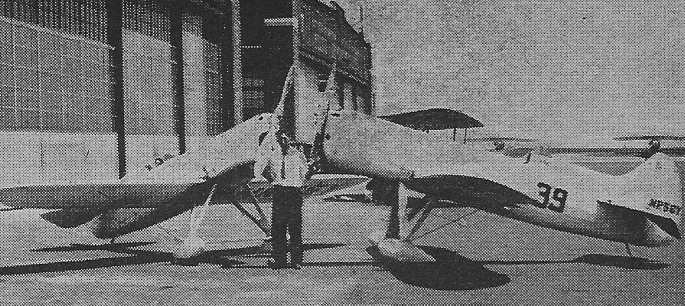
1938
Howard DGA-4 Ike

1938
Howard DGA-3 Pete
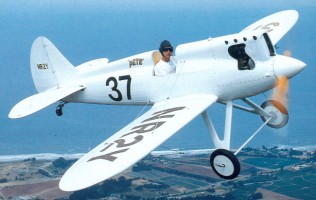
An original 1930 race aircraft, built for the U.S. National Air Races.
Pete, a closed course racer with a compar¬atively small 318 cubic inch 90 horsepower Wright Gypsy. Gordon Israel handled the structural design of the airframe and assembled it as well. Its success can be measured by its win¬ning five firsts and two thirds at its first out¬ing, in 1930. And the two third place finishes came in the 1,000 inch and unlimited dis¬placement classes.
The DGA-3 Pete racer, was succeeded by DGA-4 Ike and DGA-5 Mike.
Engine: Curtiss Wright Gipsy, 90 hp.
Max speed: 168 mph.

