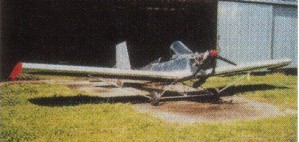
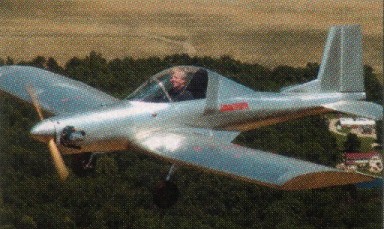
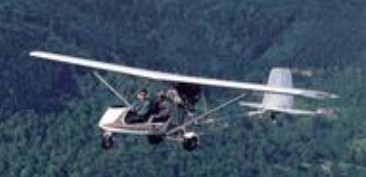
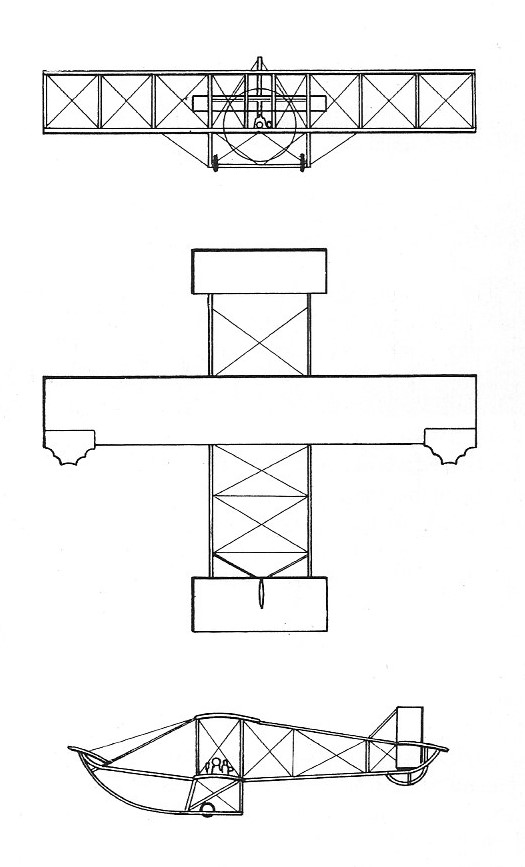
The UltraCruiser is an LSA legal all metal ultralight with economical, reliable, four stroke power and cruise of 60 mph. Canopy and heater for year round flying, and the canopy can be removed quickly. Detachable wings for easy storage. Full size parts shown on the plans. A wide 6.5 ft. landing gear track is standard for improved ground handling.
Ultra Cruiser Cruise: 85 mph Stall: 28 mph VNE: 83 kt / 95 mph / 153 kmh Range: 290 sm Rate of climb: 1000 fpm / 5 m/s Engine: ½ VW, 37 hp HP range: 28-45 Fuel capacity: 5 USG Empty Weight: 115 kg / 254 lbs MTOW Weight: 227 kg / 500 lbs Length: 16 ft Wing span: 25 ft Wing area: 112 sq.ft Cockpit width: 24 in Takeoff dist: 150 ft Landing dist: 250 ft Take-off distance (50ft obstacle): 300 ft / 91 m Landing distance (50ft obstacle): 250 ft / 76 m Seats: 1 Landing gear: tailwheel
Ultra Cruiser Plus Cruise: 100 mph Stall: 36 mph Range: 350 sm Rate of climb: 900 fpm Takeoff dist: 250 ft Landing dist: 500 ft Engine: VW 1835cc, 60 hp HP range: 50-80 Fuel capacity: 10 USG Empty weight: 420 lb Gross weight: 750 lb Length: 17 ft Wing span: 25 ft Wing area: 112 sq.ft Seats: 1 Cockpit width: 26 in Landing gear: nose or tail
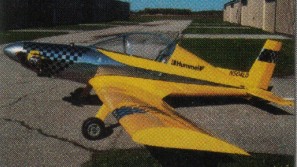
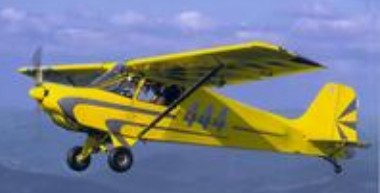
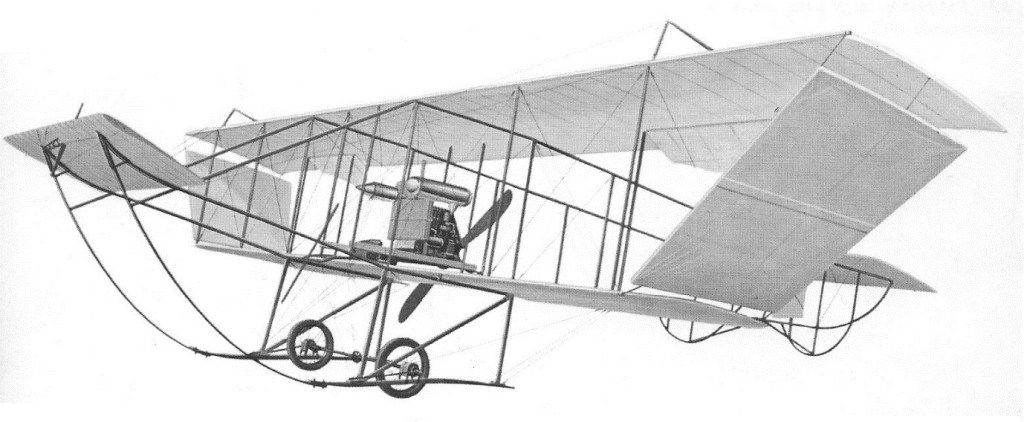
Hummel Bird began as a modified Watson Windwagon, but the designer/builder, Morry Hummel, of Bryan, Ohio, highly modified it and called it Hummel Bird, using the Revmaster R-800 rather than the half-VW. The LSA airframe has been modified and strengthened, tail area increased, and a locking tailwheel added for better ground control. A high L/D Schreder #3 airfoil and flaps also were used.
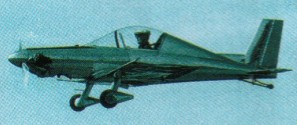
Excellent single place aircraft. Features all aluminum construction. Fast and inexpensive to build, many were flying.
Engine: Revmaster R-800. Gross weight 520 lbs. Empty weight 275 lbs. Wingspan 18 ft Length 13 ft 4 in Vmax 115 mph. Cruise speed 105 mph. Stall 45 mph. Climb rate 700 fpm. Takeoff run 350 ft Range 420 sm.
Engine: half VW, 37 hp HP range: 30-40. Span: 18 ft Length: 13 ft 4 in Height: 4 ft. Wing area: 63 sq.ft. Gross: 550 lbs. Empty Weight: 270 lb Useful Load: 250 lb Fuel cap: 7 USG. Speed max: 135 mph. Cruise: 105 mph Stall: 45 mph Rate Of Climb: 800 fpm Range: 250 sm. Service ceiling: 13,000 ft. Take-off dist: 300 ft. Landing dist: 600 ft. Landing gear: nose or tail wheel. Cockpit width; 22 in Seats: 1
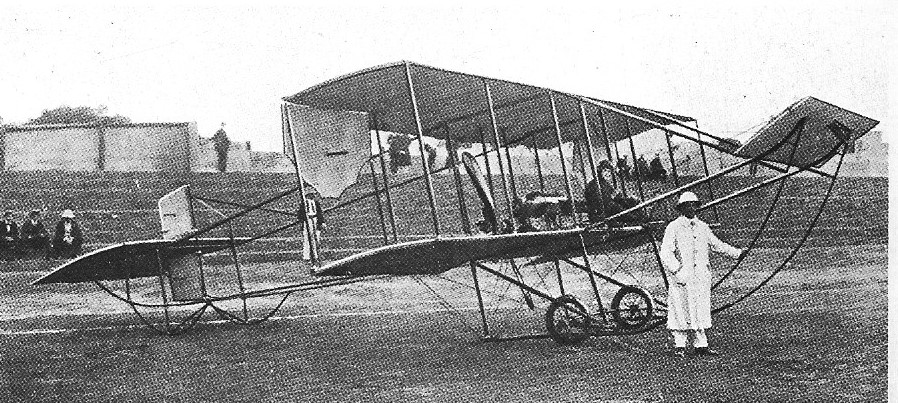
The fifth aircraft produced by Humber was a British version of a biplane designed by Frenchman Roger Sommer, and derived essentially from the Farman III of 1909.
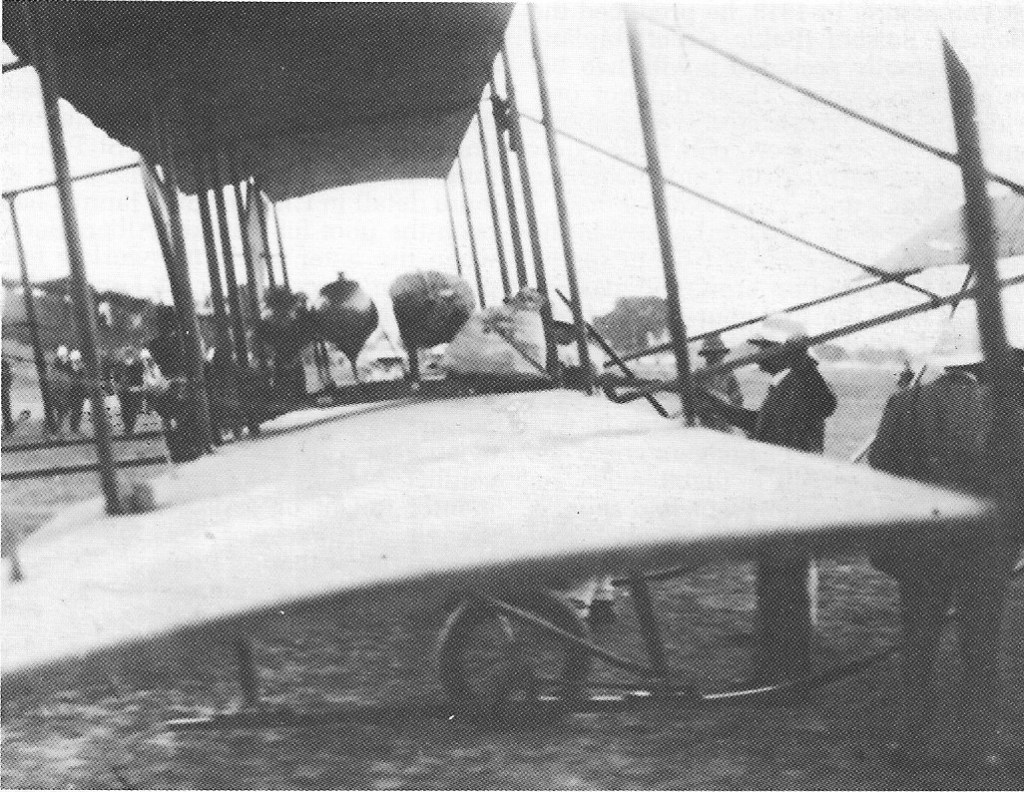
Two Roger Sommer biplanes were completed towards the end of 1910. One of the latter carried the first official air mail in India. This event was part of the Universal Postal Exhibition held in Allahabad in India during February 1911. During the exposition, the French pilot Henri Pecquet, on February 18, flew across the Jumna river from Allahabad to Naini Junction, in all some 8km / 5 mi with 6500 letters. Four days later, a ‘regular’ service for the duration of the exhibition was opened by Pecquet and Captain Walter G Windham, the aircraft that they used again being the Humber-Sommer biplane.
Airmail flight
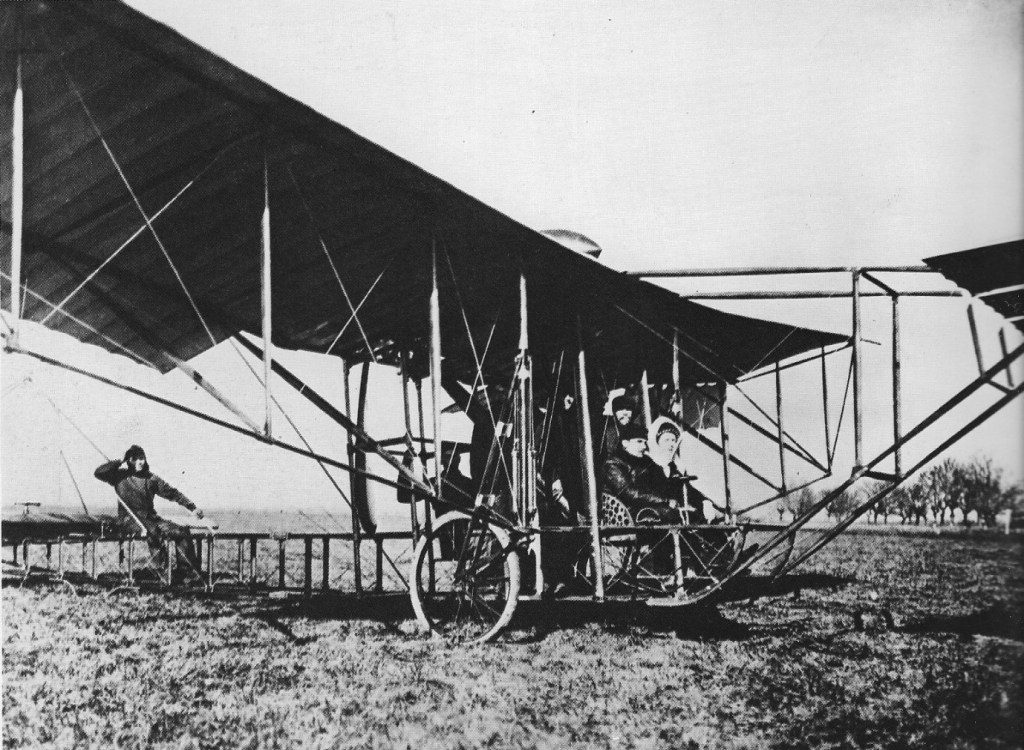
24 March 1911 Roger Sommer with 12 passengers to beat Louis Breguet record of 11 on the previous day
Engine: Humber 4-cyl, 50 hp Wingspan: 13.92 m / 45 ft 8 in Wing area: 47 sq.m / 505 sq.ft Length: 12.19 m / 40 ft Payload: 91 kg / 200 lb Max speed: 56 kph / 35 mph Seats: 2
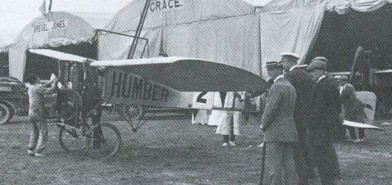
At the 1910 Olympia Aero Show Humber exhibited a single-seat monoplane designed by aviator Hubert Le Blon. Powered by a three-cylinder Humber engine, it had variable-camber wings and a small diameter tapering wooden boom served as the fuselage.
The Humber Motor Company Ltd. manufactured a British version of the Bleriot XI in 1910, known as the Humber- Bleriot Monoplane. Two further Bleriot modifications were built to the design of Captain T. T. Lovelace.