A single-seat, high-wing aerobatic or sporting monoplane.
Piston
Nieuport-Delage 82-C1
The 82-C1 was an all-metal version of the 62-C1.
Nieuport-Delage 62-C1
A single-seat sesquiplane fighter of partial wood construction, with monocoque fuselage, powered by a Lorraine or Hispano-Suiza engine.
Nieuport-Delage NiD 29 / Mitsubishi Ko-4
Built under license by Mitsubishi as the Ko-4
29C-1
Engine: Hispano-Suiza, 300 hp
Nieuport 31
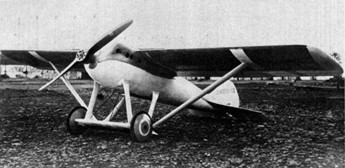
In Sept of 1921, the French Nieuport 31 held the World’s Speed Record of 205 mph.
Nieuport 29
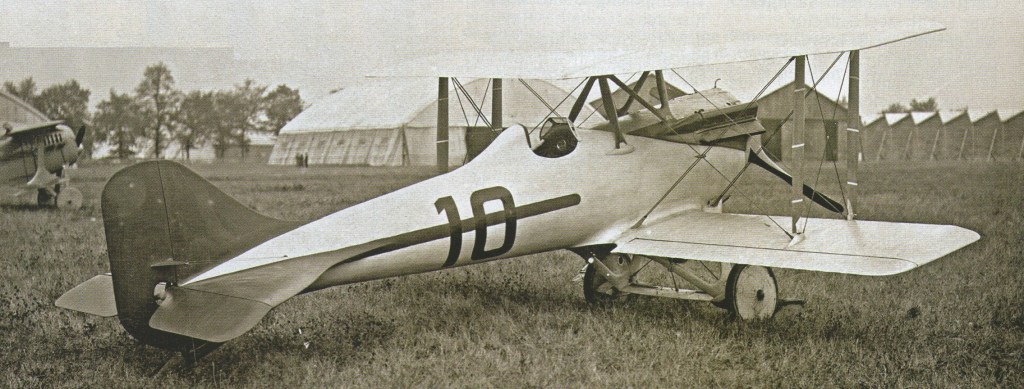
The 1924 Beaumont Cup race was won by Sadi Lecointe on the Nieuport 29, equipped with Hispano’s 450-horsepower V-engine. The Sadi-Lekuanta aircraft covered a distance of 300 kilometers in 57 minutes 50 seconds with an average speed of 312.39 km / h. Thus, a prize of 75,000 francs was awarded by Société Nieuport-Astra.
The Nieuport 29V set two world records in 1929.
Nieuport 28
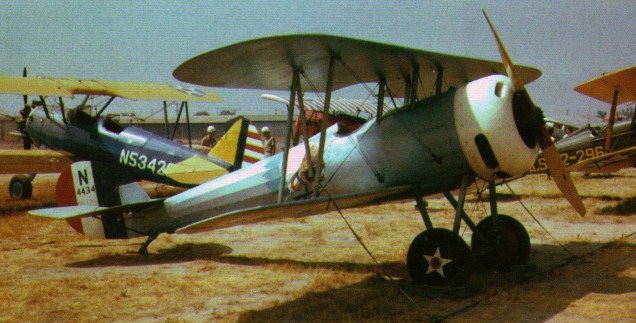
By 1917 the single-spar wing had reached the limit of development so Nieuport designed to two-spar Nieuport 28 around the new 160 hp Gnome engine.
Flying the Nieuport 28C-1 – Frank Tallman
A single bay biplane, the two-spar wooden wings have plywood on the leading edges and fabric covering aft of the front spar. The wooden fuselage has plywood covering as far as the cockpit and fabric on the rear fuselage. Conventional controls were fitted, with ailerons on the lower wings only.
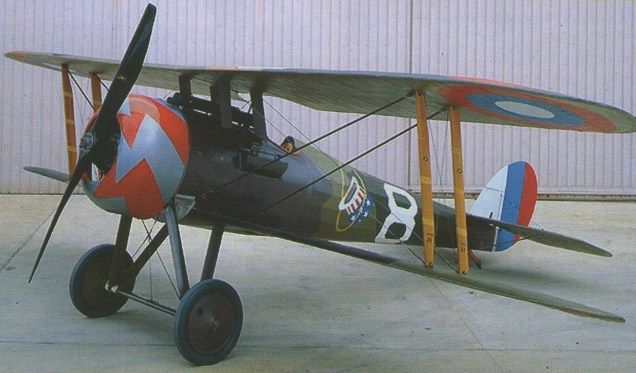
Only a few were used by the French Air Force but the Americans bought 297 to equip their Expeditionary Force.
They did have a habit of shedding fabric from its wings in a dive. Before this was fixed, the Nieuport 28 had been replaced in the US squadrons by Spad 13’s.
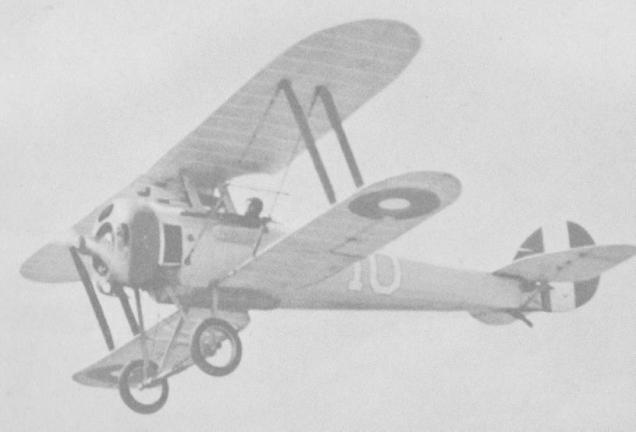
Ultralight replica:
Airdrome Airplanes Nieuport 28
28C
Engine: Gnome, 160 hp or Clerget, 160 hp
Wingspan: 26 ft 9 in
Length: 20 ft 3 in
Height: 7 ft
Max speed: 140 mph at SL
Endurance: 2 hr
Armament: 1 or 2 Vickers mg
Crew: 1
Nieuport N 28 C 1 Bébé
Engine: Gnôme-et-Rhône 9 N Monosoupape, 160 hp
Length: 21 ft 9 in / 6.4 m
Height: 8 ft 1 in / 2.5 m
Wingspan: 26 ft 9 in / 8.16 m
Wing area: 172.224 sqft / 16.0 sq.m
Max take-off weight: 1540 lb
Weight empty: 960 lb / 435.0 kg
Max. weight carried: 507.2 lb / 230.0 kg
Fuel capacity: 33 Imp.Gal
Max. speed: 128 mph / 111 kts / 206 km/h at SL
Initial climb rate: 1181.10 ft/min / 6.00 m/s
Service ceiling: 20,000 ft / 6100 m
Wing load: 8.61 lb/sq.ft / 42.00 kg/sq.m
Range: 130 nm / 240 km
Endurance: 2 h
Crew: 1
Armament: 2 x Vickers mg
Nieuport 27
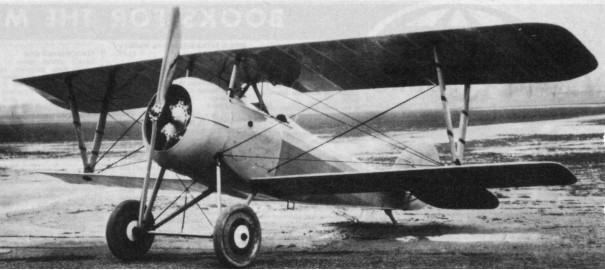
The Nieuport 27 saw comparatively little com¬bat and the AEF appear to have made the greatest use of it. Over 180 are thought to have been purchased, most being used as ‘pursuit trainers’.
The genuine Nieuport 27.Cl had the plain tailskid. The central, vertical, bracing wire to the mid point of the spreader bar where the two half axles were pivoted, and the simplified skid, distinguished the Nie 27 from the Nie 24.
Ultralight replica: Airdrome Airplanes Nieuport 27
Nieuport 25
Ultralight replica: Airdrome Airplanes Nieuport 25
Nieuport 24
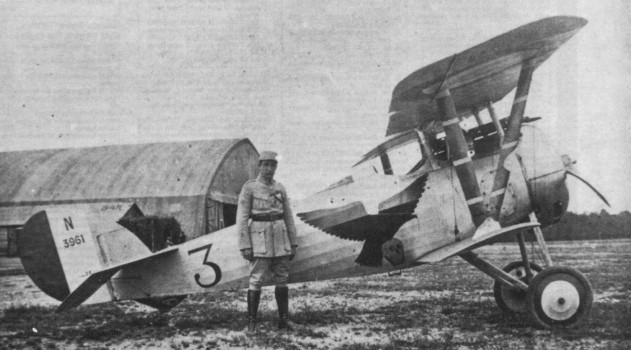
The Nieuport 24bis strongly resembled previous Nieuport designs but was lighter and had more power than the 17. It was aerodynamically cleaner through the use of fuselage side stringers.
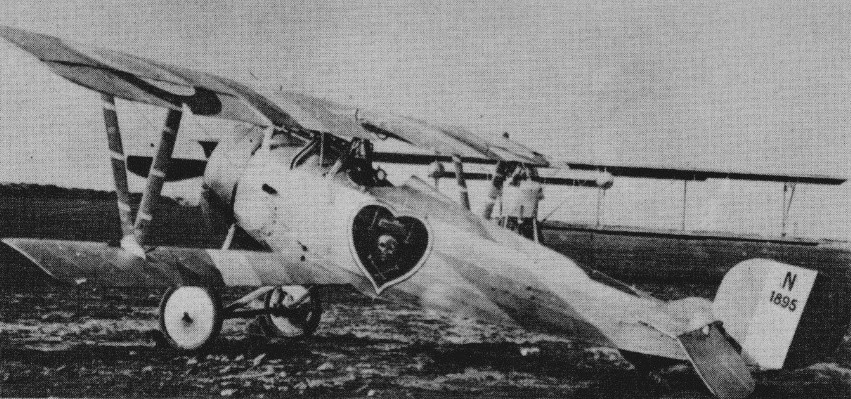
The Nieuport 24 and 27 were fitted with a round tail similar to the later type 28, whereas the type 24bis used the angular type 17 empennage.
As with all “Vee” strut Nieuport designs the 24bis possessed an inherent weakness of the lower wing. The sesquiplane configuration caused the wing to twist during prolonged high speed dives or abnormally violent maneuvers.
Shortly after its inception the 24bis was cancelled out as a first line fighter and many found their way to the rear as advanced trainers.
Replica: Redfern Nieuport 24
Ultralight replica:
Airdrome Airplanes Nieuport 24
Circa Reproductions Nieuport 24
24bis
Engine: Bentley, 130 hp
Weight: 782 lb
Max speed: 116 mph

