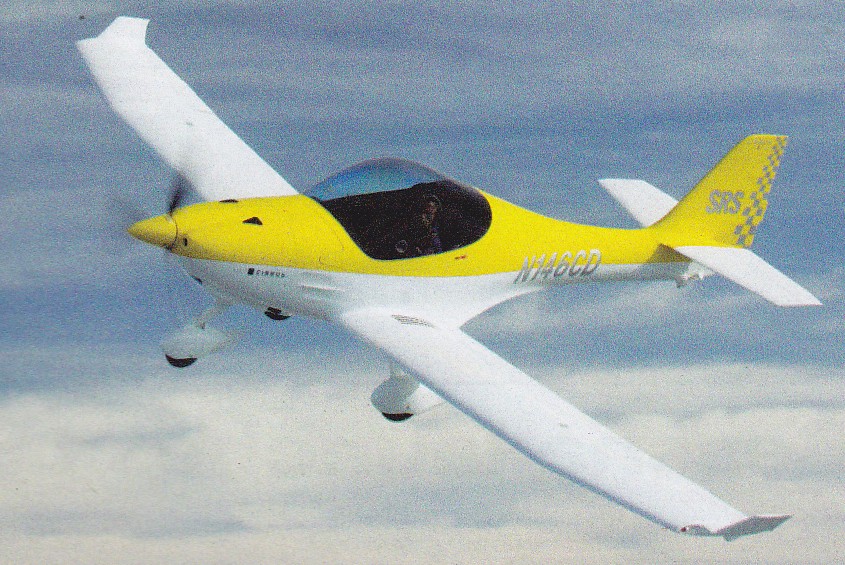
The Cirrus SRS (SR Sport) is the German B&F Fk 14 Polaris all-composites two-seat ultralight modified for US LSA regulations. First flowing in 1999, it was selected by Cirrus after a four-year evaluation of various designs. Powered by a 100 hp / 75 kW Rotax 912S, Cirrus will have to slow the aircraft down to meet the LSA’s 120 kt / 222 kph maximum cruise speed rules.
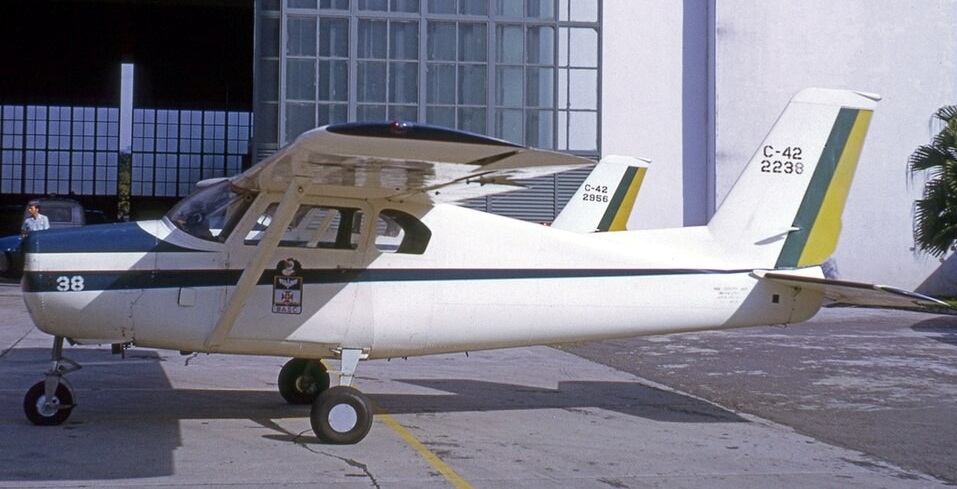
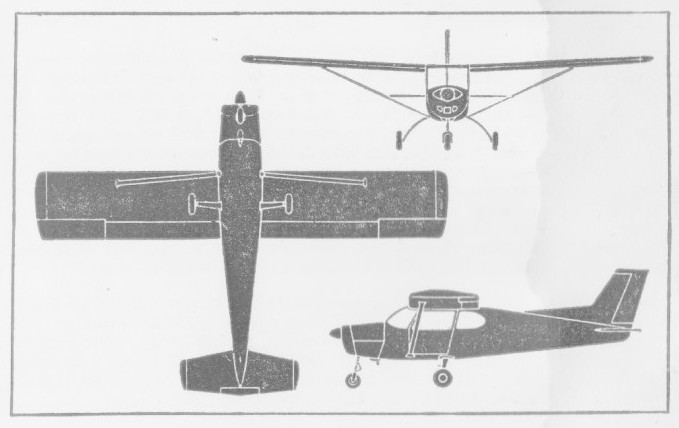
Neiva Regente is a Brazilian propeller-driven four-seat light utility aircraft manufactured by Indústria Aeronáutica Neiva.
The design was started in 1959 for a four-seat cabin monoplane aircraft with a high wing and fixed undercarriage. The prototype, designated the Neiva Regente 360C, was first flown on 7 September 1961 with a 145 hp (108 kW) Continental O-300 piston engine, and received its certificate of airworthiness on 19 November 1963.
The type was ordered into production by the Brazilian Air Force with a more powerful 180 hp (134 kW) Lycoming O-360-A1D engine. Eighty aircraft were built originally designated the U-42 (later changed to C-42) for the utility role. Twenty for the Brazilian Army’s Air Observation Squadron. First delivery occurred late in 1963. Neiva developed a three-seat air observation post version for the Air Force, designated the Regente 420L. Its tailcone was lowered in order to improve visibility, and it used a more powerful Continental IO-360D 210 hp engine. The aircraft was first flown in January 1967 as the YL-42. Forty were built for the Brazilian Air Force as the L-42. It had provision to carry light bombs or rockets on underwing hardpoints.
Two commercial versions were to be manufactured by Neiva, one being powered by a 180 hp Lycoming O-360-A1A and the other by a 145 hp Continental O-300-A.
Neiva also developed a four-seat civil version designated the Lanceiro. The prototype (Registered PP-ZAH) first flew in 1970, followed by production aircraft in 1973. The company’s subsequent involvement with Embraer resulted in the Lanceiro’s program termination.
Variants
Regente 360C – utility version (80 built) U-42 – military designation of the Regente 360C C-42 – military designation changed from U-42
Regente 420L – air observation post version (40 built) L-42 – military designation of the Regente 420L. Originally designated L-8 and L-20.
Lanciero – civil version (2 built)
C-42 Powerplant: 1 × Lycoming O-360-A1D air-cooled flat-four engine, 130 kW (180 hp) Propeller: 2-bladed Hartzell HC-C2YK-1A/A7666 constant-speed propeller Length: 7.04 m (23 ft 1 in) Wingspan: 9.13 m (29 ft 11 in) Height: 2.93 m (9 ft 7 in) Wing area: 13.45 sq.m (144.8 sq ft) Aspect ratio: 6:1 Airfoil: NACA 4410 Empty weight: 640 kg (1,411 lb) Max takeoff weight: 1,040 kg (2,293 lb) Fuel capacity: 172 L (45 US gal; 38 imp gal) Maximum speed: 220 km/h (140 mph, 120 kn) at sea level Cruise speed: 212 km/h (132 mph, 114 kn) (max cruise) Stall speed: 90 km/h (56 mph, 49 kn) (flaps down) Range: 928 km (577 mi, 501 nmi) at 1,500 m (4,900 ft) (econ. cruise) Service ceiling: 3,600 m (11,800 ft) Rate of climb: 3.5 m/s (690 ft/min) Takeoff run to 15 m (50 ft): 350 m (1,150 ft) Landing run from 15 m (50 ft): 460 m (1,510 ft) Crew: 1 Capacity: 3 passengers
Engine: 145 hp Continental O-300-A Length: 7.04 m (23 ft 1 in) Wingspan: 9.13 m (29 ft 11 in) Height: 2.93 m (9 ft 7 in) Wing area: 13.45 sq.m (144.8 sq ft) Empty weight: 1190 lb Max speed: 152 mph Cruise 75%: 141 mph at 6560 ft ROC: 866 fpm Service ceiling: 15,420 ft Range: 755 mi
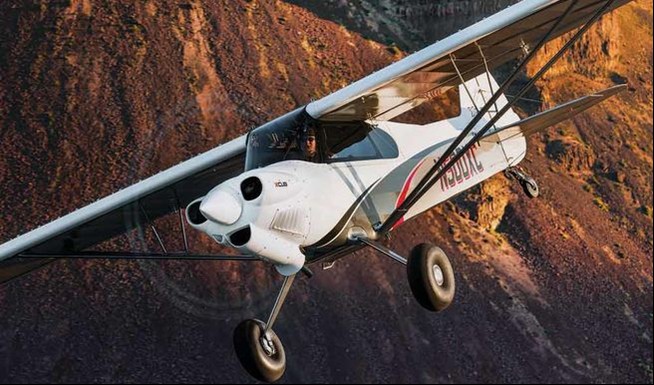
Developed in secret over a six-year period, the CubCrafters XCub emerged on the scene June 2017 as a fully certified product ready for delivery to buyer’s who sought the ideal backcountry machine. Though it’s a clone of the Piper Super Cub introduced to the market decades ago, the XCub is a thoroughly modern aircraft, featuring Lycoming’s 180 hp O-360 engine spinning a composite Hartzel Trailblazer constant speed prop, a combination that allows the the XCub to cruise at 145 mph at 75 percent power and offer up a useful load of 1,084 pounds while almost levitating like a helicopter on the extremely short takeoff run.
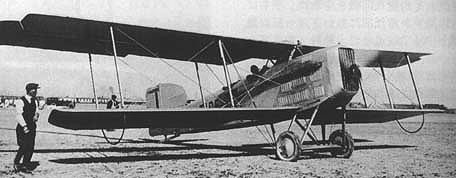
In 1922, the first all-metal airplane, Nakajima Type B-6 was completed. It was modeled after the Breguet 14. The Type B-6 and named “Kei-Gin Go (light silver)” since the revolutionary light weight metal at that time, duralumin, was used. It was revealed at the “Peace Memorial Tokyo Exposition” and got high reviews.
After the trials and tribulations in the foundation period, the sixth Nakajima Type 4 was finally completed, and flew over Ojima Town proudly.
In 1919, the first mail plane contest was held between Tokyo and Osaka. Nakajima Type 4 cleared the distance in 3 hours and 18 minutes, and defeated the imported planes. Together with the prize money of 9,500 yen, it provided a good opportunity to demonstrate their engineering superiority to the public.
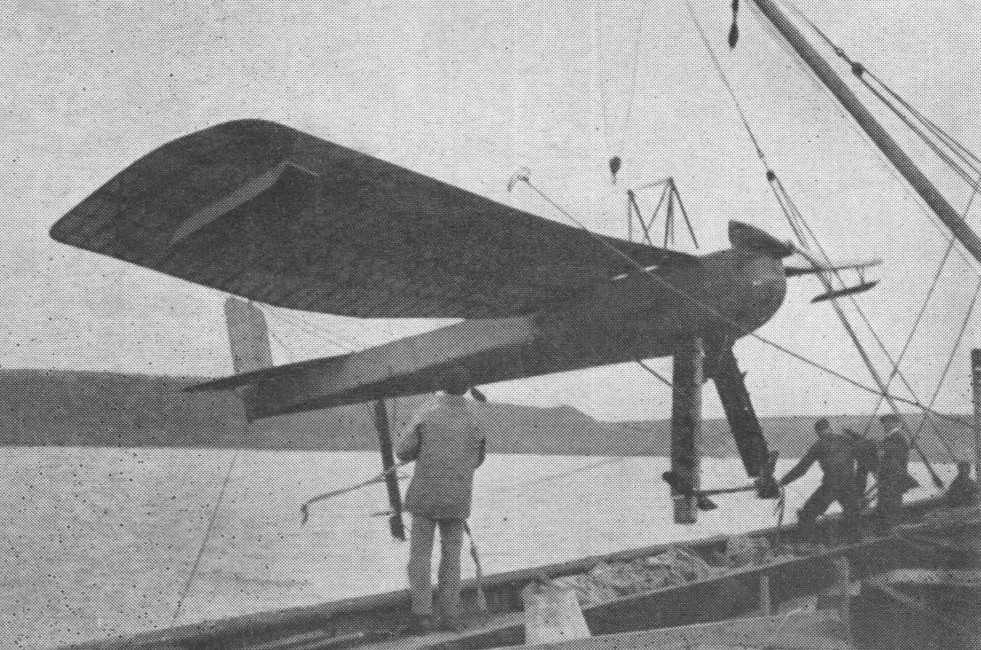
The Bristol X.2 project of 1912 featured a hydroped undercarriage designed by Sir Dennistoun Burney. This consisted of three legs carrying a series of hydrofoils and a water propeller.
At rest, the X.2 floated on its boat-shaped hull. For take-off its engine first drove the water propellor. As it gathered speed, the hydroped undercarriage was supposed to raise te hull clear of the water, until the pilot could switch to the flying propeller and take-off.
When towed behind a destroyer, the X.2 became airborne like a kite, before crashing.



 All Aero