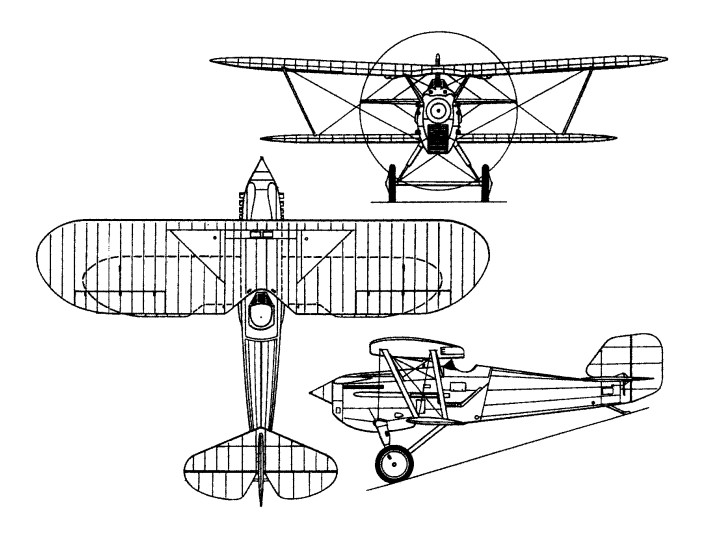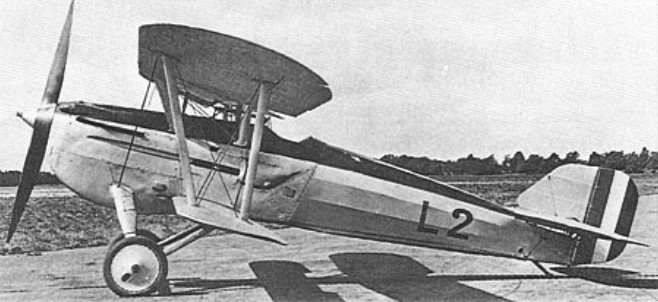
Having specialised in flying boats for a decade, in 1926 S E Saunders Limited began the design of a land-based single-seat all-metal fighter sesquiplane. This, the A.10 proposal, featured what was, for its time, the unusually heavy armament of four 7.7mm machine guns, power being provided by a 480hp Rolls-Royce F.XI 12-cylinder Vee-type engine. After revising the design in 1927 to comply with Specification F.20/27, Saunders built a prototype which flew on 27 January 1929.
Possessing an all-metal structure with fabric covering and all four guns located in the fuselage, the A.10 suffered handling and performance shortcomings which led to numerous modifications, including fuselage lengthening. It was assessed at the A&AEE against other F.20/27 contenders and also for F.10/27 (which called for six-gun armament), but it aroused little enthusiasm and was struck off Air Ministry charge in November 1933 – by which time its manufacturer had become Saunders-Roe Limited.
Max take-off weight: 1633 kg / 3600 lb
Empty weight: 1213 kg / 2674 lb
Wingspan: 9.75 m / 32 ft 0 in
Length: 7.44 m / 24 ft 5 in
Height: 2.97 m / 10 ft 9 in
Wing area: 25.36 sq.m / 272.97 sq ft
Max. speed: 322 km/h / 200 mph