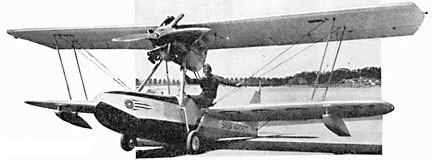
American Aeronautical Corp built the Savoia S-31 open cockpit amphibian biplane in 1926.
Engine: Kinner R-440, 125hp
Wingspan: 34’2″
Length: 25’0″
Useful load: 738 lb
Max speed: 98 mph
Cruise speed: 80 mph
Stall: 38 mph
Range: 320 mph
Seats: 3
American Aeronautical Corp built the Savoia S-31 open cockpit amphibian biplane in 1926.
Engine: Kinner R-440, 125hp
Wingspan: 34’2″
Length: 25’0″
Useful load: 738 lb
Max speed: 98 mph
Cruise speed: 80 mph
Stall: 38 mph
Range: 320 mph
Seats: 3
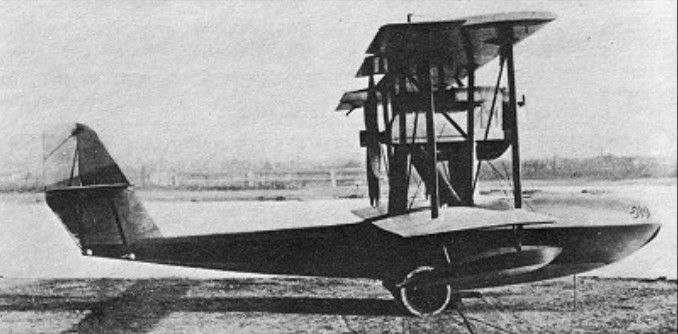
The aircraft was built for a 1920 Schneider Trophy races but failed to participate as the engine was not ready.
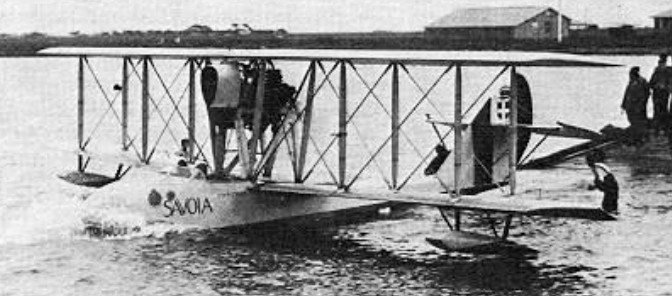
A 1916 five-seat biplane flying-boat powered by a single Fiat A.12bis or Lorraine engine. Several were operated commercially.
S.16ter
Max take-off weight: 2652 kg / 5847 lb
Empty weight: 1852 kg / 4083 lb
Wingspan: 15.5 m / 51 ft 10 in
Length: 9.89 m / 32 ft 5 in
Height: 3.67 m / 12 ft 0 in
Wing area: 52 sq.m / 559.72 sq ft
Max. speed: 194 km/h / 121 mph
Ceiling: 4000 m / 13100 ft
Range: 1000 km / 621 miles
Armament: 1 x 7.7mm machine-gun, 220kg of bombs
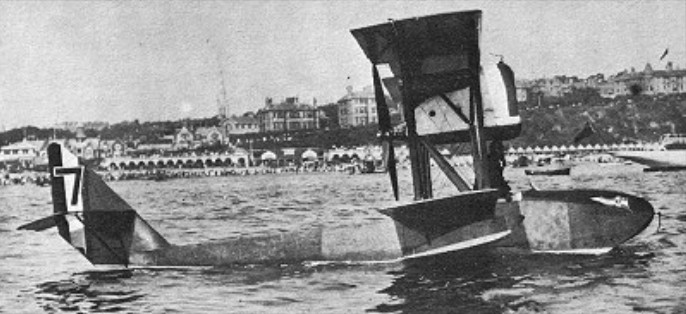
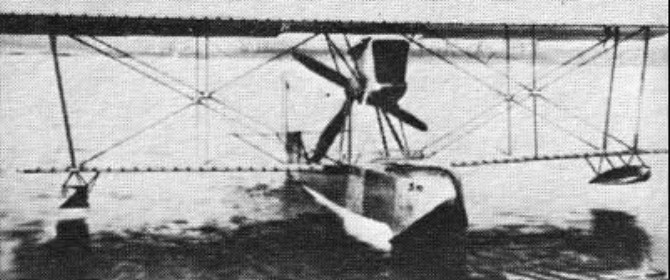
1919 Biplane flying-boat used for the Schneider Trophy races.
Max. speed: 197 km/h / 122 mph
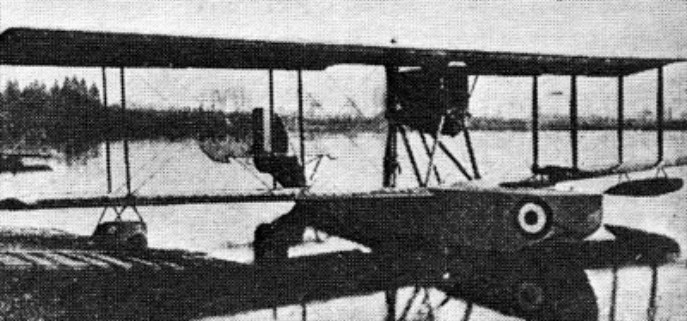
1918 Biplane flying-boat used for the Schneider Trophy races.
Max. speed: 222 km/h / 138 mph
The S.8 was a reconnaissance and anti-submarine two-seat biplane flying-boat of 1917, powered by a 126kW Isotta-Fraschini I.F.V-4B or 89kW Colombo F-150 engine mounted in pusher configuration. A total of 172 was produced for the Italian Navy.
Max take-off weight: 1375 kg / 3031 lb
Empty weight: 900 kg / 1984 lb
Wingspan: 12.77 m / 42 ft 11 in
Length: 9.84 m / 32 ft 3 in
Height: 3.3 m / 11 ft 10 in
Wing area: 46 sq.m / 495.14 sq ft
Max. speed: 144 km/h / 89 mph
Ceiling: 6000 m / 19700 ft
Range: 700 km / 435 miles
Armament: 1 x 7.7mm machine-gun, 120kg of bombs
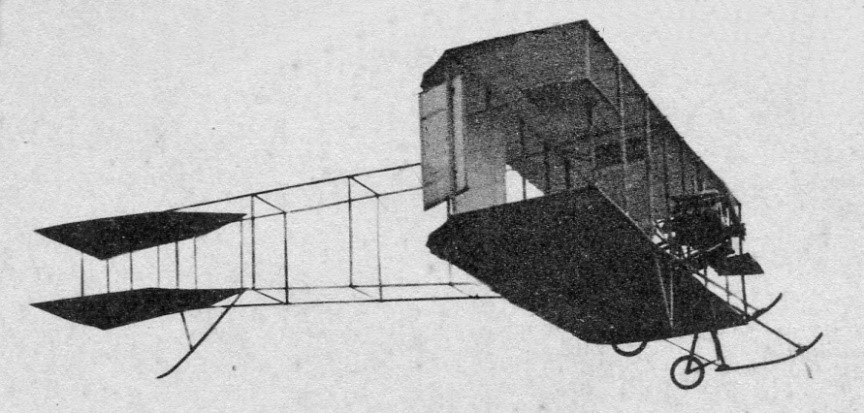
The Savary biplane, built by Leon Boller, was characterized by the biplane horizontal tail surfaces, without any rudder. The rudders were instead placed at the wingtips. This single-propeller version was flown by Pierre Picard (Brevet No. 164) at the 25 August – 6 September 1910 Baie de Seine Meeting.
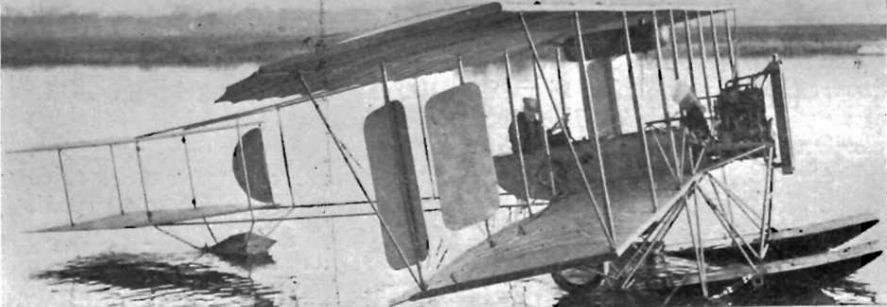
A seaplane version of Savary’s unique two-propeller biplanes with wing-tip rudders, powered by first by a 75 hp Renault engine and later by a 70 hp Labor. The machine was wheel-tested at Juvisy on 2 January 1913.
In February 1913 Joseph Frantz established time-to-height record on Savary biplane with Salmson engine, carrying five passengers, but prewar output was ten machines only.
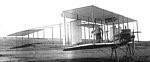
2-seater
Span: upper 47’7″ lower 32’10”
Length: 32’10”
Weight: 1800 lb
Speed: 56mph
3-seater
Span: upper 64′ lower 46′
Length: 39’4″
Weight: 2460 lb
Speed: 56 mph
The 1907 Sautereau biplane was designed and built by Sautereau in France
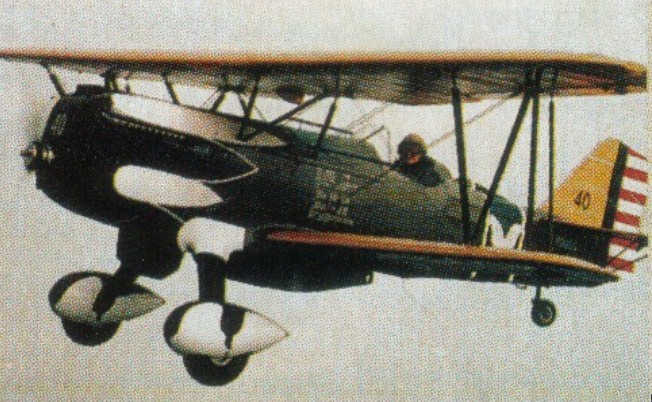
When Don Sauser saw Curtiss P6E Hawks as an 11 year old at the 1933 Chicago World’s Fair, he wanted one.
Sixty odd years later, having inspected the P6E on display at the Air Force Museum in Dayton Ohio, he elected to design and build an 82% scale replica. Sauer’s P6E replica has been designed either as a single seater or a two place tandem configuration where the front windshield can be removed and a cover put over the front cockpit when the pilot wants a single seat look. The two place P6E-QC (Quick Change) model as developed in Sauser’s prototype is 5 in longer than the single seat version. The forward seat is nearer the C of G.
Construction if a steel tube fuselage, wood wings with plywood covered leading edges, and fabric covered.
On the original P6E the wings are far forward with a stagger to compensate for the V-12 engine, three blade metal prop, liquid cooling system and guns. The pilot was located further aft than typical. Sauser’s is powered by a Chevrolet HO 350 crate engine, off the shelf automotive with direct drive to the prop.
The engine uses a 600 cfm electronic leaning four barrel carb. Aluminium heads and intake manifold result in a crate engine weight of 398 lb. The unique exhaust system is designed to replicate the original V-12 look.
Sauser calcaluates that only 180-200 hp is needed with two people on board. The HO 350 should produce 190 hp at 2800 rpm. Testing was to be carried out with a two blade 76 x 60 in prop.
It took over a year to design the 25 different ribs for the tapered wings that range from five foot long at the root to two foot at the tip. The 26 ft span wing has two 13 ft soars with a 12:1 splice in the centre. Sauser supplies a component package of precut components including ribs, tapered spars, and wingtip bows.
The original Clark Y airfoil is used with a wing loading of 11.5 lb/sq.ft. Stall is around 50 mph. The airframe is stressed for positive G only, just like the original.
The original Curtiss Hawks flew with a droppable belly fuel tank. The replica has a tank that can be used for fuel or baggage. Standard fuel is 30 USG carried in the fuselage just aft of the firewall. The drop tank is 20 in x 10 in x 62 in with a 150 lb carrying capacity. Three cables from the cockpit raise or lower the pod.
Engine: Chev HO 350 V-8
HP range: 180-275
Height: 7.3 ft
Length: 19.2 ft
Wing span: 26 ft
Wing area: 170 sq.ft
Fuel capacity: 25 USG
Empty weight: 1360 lb
Gross weight: 2040 lb
Vne: 185 mph
Top speed: 145 mph
Cruise: 130 mph
Stall: 55 mph
Range: 450 sm
Rate of climb: 1500 fpm
Seats: 2
Landing gear: tail wheel
A twin piston-engined six seat light amphibian (first six were to be built by Dubna)

