The 1912 Thomas Biplane was a single place open cockpit tractor version of the TA. Only one was built and further development was abandoned in favour of pusher versions.
Engine: 65hp Kirkham
The 1912 Thomas Biplane was a single place open cockpit tractor version of the TA. Only one was built and further development was abandoned in favour of pusher versions.
Engine: 65hp Kirkham
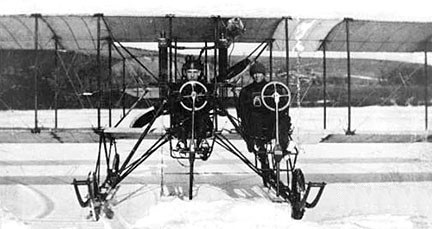
The Thomas Biplane first appeared in 1911 and was possibly the first dual-control trainer. Early versions had a four wheel undercarriage, which was changed during the time to a two double wheel and skid undercarriage.
This Thomas Biplane with 65 hp Kirkham C6 engine was used in this configuration for record flying of which the most famous one is the US Endurance record flown on October 31, 1912.
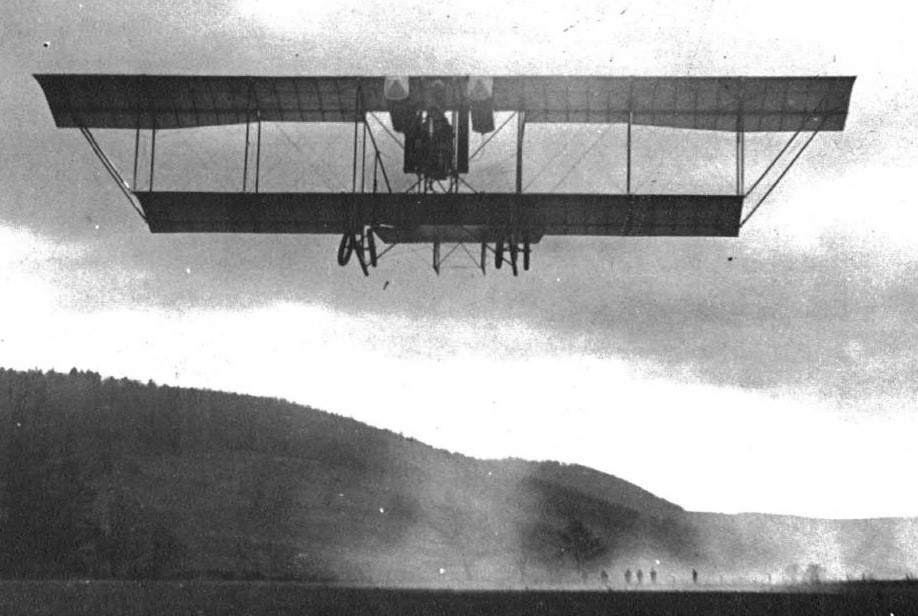
Referred to in contemporary literature as Thomas Headless biplane and Thomas 65.
Engine: Kirkham I-6, 65hp pusher
Wingspan: 31’6″
Length: 20’0″
Seats: 2
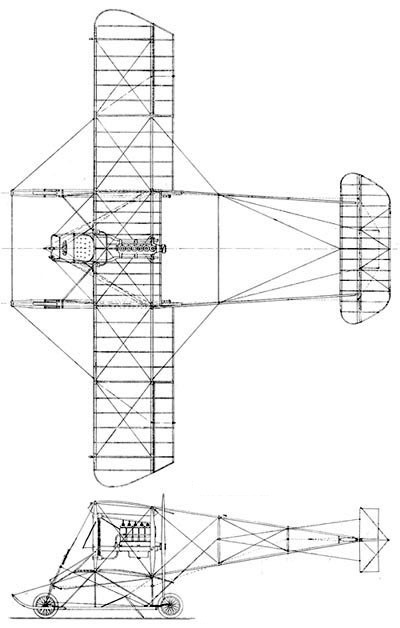
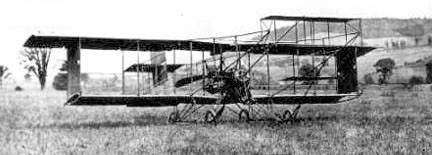
Designed by William T Thomas, the 1910 Thomas biplane was originally powered by a chain-driven 22hp Kirkham V-8 pusher engine. First flown on 25 June 1910, piloted by Bert Chambers, it was equipped with a quad landing gear with bamboo skids. It was later modified with twin rudders and direct-drive motor.
Wingspan: 27’0″
Length: 25’0″
Seats: 2
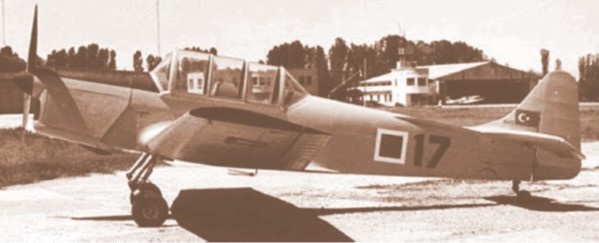
A tandem two-seat primary trainer, the THK-15 was an updated Magister, made of metal, and with a cockpit canopy.
Of 100 ordered for the Turkish Air Force, 60 had been delivered and production ceased in 1956.
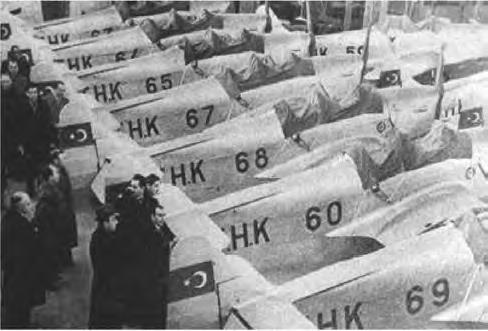
54 were used by the Turkish Air Force 1955-1963 and the remaining THK-15 were donated to the Jordan Royal Air Force.
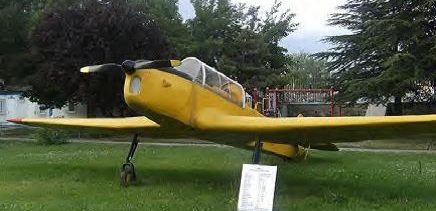
After the change to MKEK the MKEK-4 designation was used.
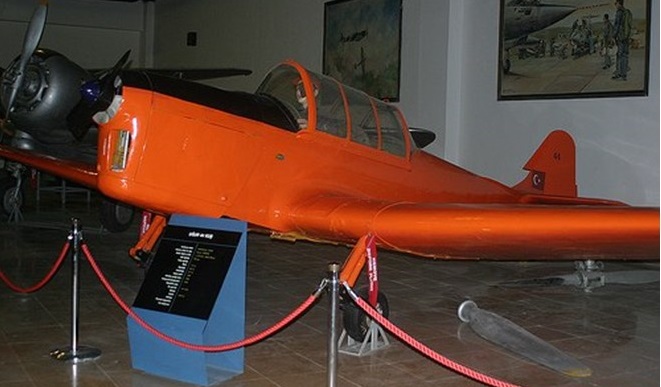
MKEK 4 Ugur
Engine: DH Gipsy Major 10 Mk.I, 145 hp
Wing span: 31 ft 2.5 in / 9.50 m
Wing area: 171 sq.ft
Length: 24 ft 7.25 in
Empty weight: 1465 lb
Loaded weight: 2045 lb
Max speed: 135 mph
Cruise: 110 mph
ROC: 800 fpm
Service ceiling: 16,000 ft
Range: 300 mi
Seats: 2 tandem
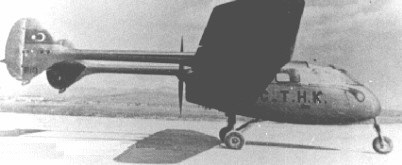
The THK-11 was a high-wing twin-boom three-seat cantilever cabin monoplane with a 135 hp (101 kW) de Havilland Gipsy Major piston engine driving a pusher propeller. It has a fixed nose-wheel landing gear and was first flown in 1947.
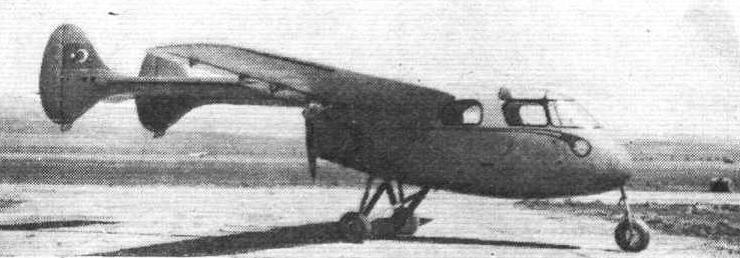
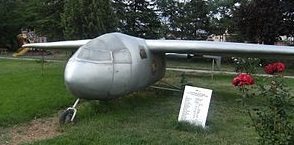
The sole THK-11 is on display at the Ankara Türk Hava Kurumu Müzesi – (Ankara Turkish Aeronautical Museum).
Engine: 1 × de Havilland Gipsy Major, 101 kW (135 hp)
Propeller: 2-bladed fixed-pitch pusher
Wingspan: 11.80 m (38 ft 9 in)
Wing area: 18.7 sq.m (201 sq ft)
Length: 8.44 m (27 ft 8 in)
Height: 2.59 m (8 ft 6 in)
Empty weight: 828 kg (1,825 lb)
Gross weight: 1,150 kg (2,535 lb)
Maximum speed: 201 km/h (125 mph; 109 kn)
Cruise speed: 164 km/h (102 mph; 89 kn)
Landing speed: 80 km/h (50 mph; 43 kn)
Range: 800 km (497 mi; 432 nmi) in still air
Service ceiling: 3,500 m (11,500 ft)
Rate of climb: 3.5 m/s (690 ft/min)
Wing loading: 61.5 kg/sq.m (12.6 lb/sq ft)
Power/mass: 11.4 kg/kW (18.7 lb/hp)
Crew: 2
Capacity: 1 passenger
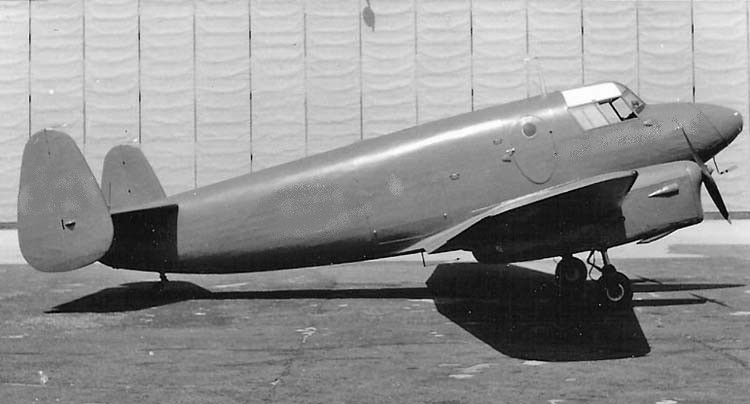
The THK-5 was a twin-engine aircraft developed in Turkey as an air ambulance. First flying in 1945, it was a conventional, low-wing cantilever monoplane of wooden construction throughout. The main units of the tailwheel undercarriage retracted into the wing-mounted engine nacelles and the THK-5 could carry two stretcher cases plus a medical attendant.
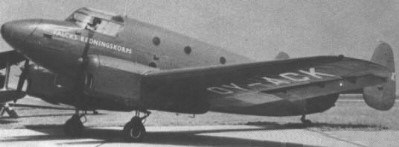
This was followed in production by a six-seat utility transport version designated THK-5A and three examples of an improved version of the 5A designated THK-10. A single example of the type was exported, sold to Denmark.
On September 6, 1951 THK-5A serial number 503 sold to Denmark was put into service with registration OY-ACK. The aircraft, which was used as air ambulance under the name TYRKEN (TURK) until logging 961 hours and 20 minutes. In 1960 it was resold and used by air taxi companies. On 18 November 1961 the airplane suffered a landing accident and was withdrawn to a children’s park in Lagunen. The wreck was eventually scrapped.
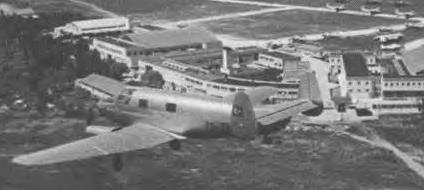
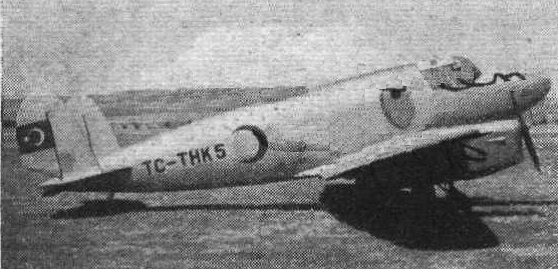
In total 13 were built.
When THK was taken over by MKEK, this was one of the designs selected for further work. However, although the designation MKEK-5 was allocated, nothing further came of this.
THK-5
Engine: 2 × de Havilland Gipsy Major, 123 kW (165 hp) each
Wingspan: 14.63 m (48 ft 0 in)
Length: 9.98 m (32 ft 9 in)
Height: 2.87 m (9 ft 5 in)
Empty weight: 883 kg (1,943 lb)
Gross weight: 1,920 kg (4,255 lb)
Maximum speed: 220 km/h (137 mph)
Cruise speed: 124 mph
Landing speed: 74.5 mph
Range: 646 km (404 miles)
Service ceiling: 4,000 m (13,100 ft)
Crew: Two pilots
Capacity: Two stretcher cases plus one medical attendant
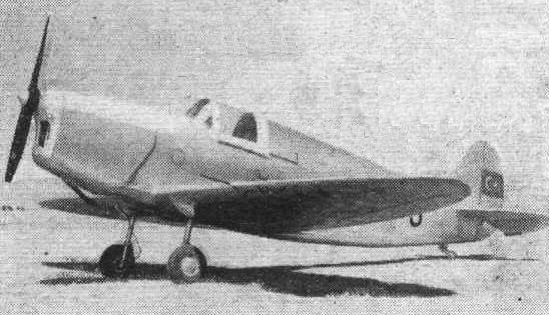
In 1936, Turkey bought 36 Polish R.24E fighter, simultaneously launching construction of an aircraft factory in Etimesgut near Ankara. The director of the factory became a Pole Jeri Vedrichovsky. The first aircraft built with the help of Polish engineers was the TNK-2 training monoplane. Stanislav Rogalsky, Jeri Telsiye and Leszek Duleba took part in its development. The design team took the RWD-10 as a basis, with several modifications. Preserving the same wooden construction of the Polish prototype. The single cockpit made completely closed. The English DH “Gipsy Major” motor, was also installed on Miles M.14 training aircraft built under licence.
The design and construction of the aircraft took place in 1943-1944 at the Turkish Aviation League (Turk Hava Kurumu).
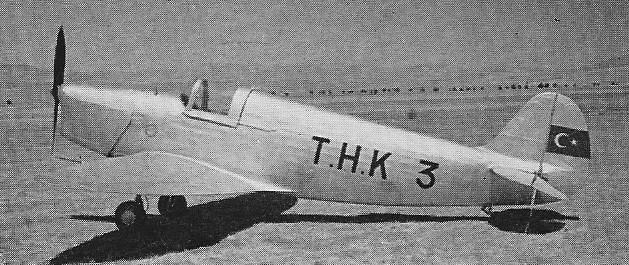
Designed for aerobatic training, the first prototype of the TNK-2 was airborne in mid-1944. The second prototype took to the air in 1945, showing better performance than the first and the British Miles M.14.
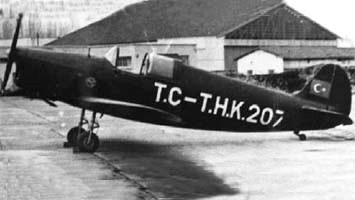
Serial production amounted to only four aircraft that served in the Turkish Air Force until the mid-1950s. In 1952, after changing the name of the company, these aircraft were renamed MKEK-2.
Engine: de Havilland Gipsy Major, 135hp
Wingspan: 8.00m / 26 ft 2 in
Wing area: 10.20sq.m
Length: 7.00m / 23 ft
Height: 2.10m / 7 ft 1 in
Empty weight: 490kg / 1078 lb
Normal takeoff weight: 660kg / 1452 lb
Maximum speed: 265km / h / 164 mph
Cruising speed: 235km / h / 136 mph
Landing speed: 59 mph
Initial ROC: 1710 fpm
Practical range: 700km / 435 mi
Service ceiling: 6000m / 19,685 ft
Crew: 1
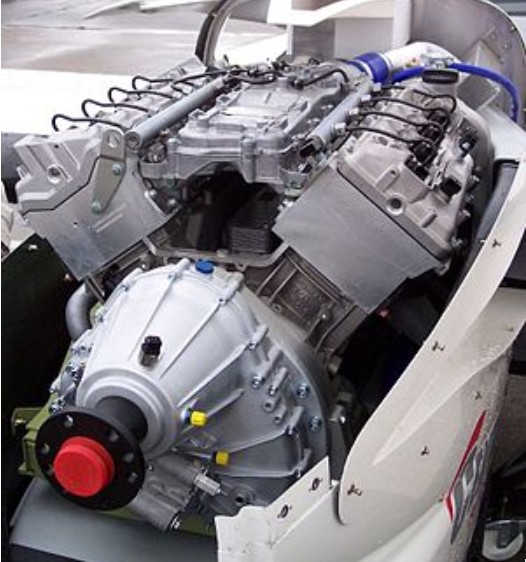
The Thielert Centurion is a series of Diesel cycle aircraft engines for general aviation built by Thielert. They are based on heavily modified Mercedes-Benz automotive engines.
All Centurion engines are water-cooled, turbocharged and employ a single-lever digital engine management system (FADEC). This simplifies engine management for the pilot, as well as improving reliability, as it prevents the engine being operated improperly. The series utilizes either jet fuel or diesel fuel. The high compression ratio of the engine combined with the digitally controlled fuel injection system mirrors similar advances in automotive technology.
Centurion series engines are always fitted with constant speed propellers driven through a reduction gearbox. The constant speed propeller and reduction gear result in a propeller tip speed that is 10-15% lower than comparable conventional avgas engines, reducing propeller noise.
The Diesel engine’s high compression results in better fuel efficiency and the higher operating rpm of the Centurion allows higher power to be developed from a smaller displacement, in comparison to conventional aircraft piston engines.
A Centurion engine complete with CSU, reduction gearbox, turbocharger and FADEC engine management system is considerably heavier than the more conventional Continental and Lycoming engines with which it competes, but this weight disadvantage is compensated for by the Centurion’s lower fuel consumption. Even though it lacks the magnetos and spark plugs of the conventional piston engines, the Centurion engines are considerably more complex.
The Centurion 4.0 was designed as a larger engine to replace the 300 hp (224 kW) gasoline engines, this new V8 design produces 350 hp (261 kW) and was developed from the Mercedes-Benz OM629 automobile engine. Initially equipped with two turbochargers, later changed to a larger single turbocharger. Certified only for Jet A & A1. After the insolvency of Thielert in April 2008 all work on the Centurion 4.0 was frozen.
Applications:
Cirrus SR-22 (STC)
Cessna 206 (STC)
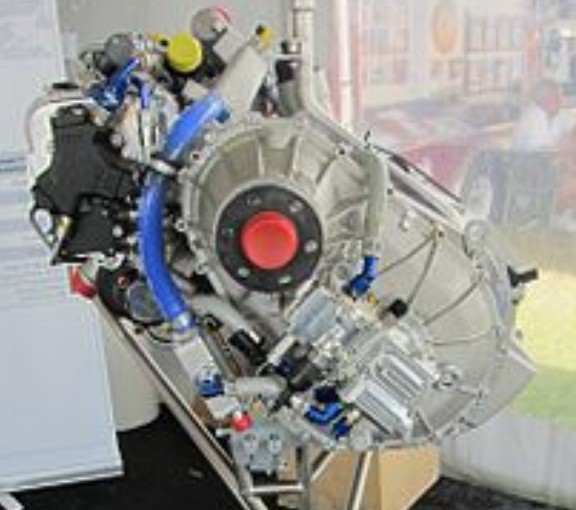
The Thielert Centurion is a series of Diesel cycle aircraft engines for general aviation built by Thielert. They are based on heavily modified Mercedes-Benz automotive engines.
All Centurion engines are water-cooled, turbocharged and employ a single-lever digital engine management system (FADEC). This simplifies engine management for the pilot, as well as improving reliability, as it prevents the engine being operated improperly. The series utilizes either jet fuel or diesel fuel. The high compression ratio of the engine combined with the digitally controlled fuel injection system mirrors similar advances in automotive technology.
Centurion series engines are always fitted with constant speed propellers driven through a reduction gearbox. The constant speed propeller and reduction gear result in a propeller tip speed that is 10-15% lower than comparable conventional avgas engines, reducing propeller noise.
The Diesel engine’s high compression results in better fuel efficiency and the higher operating rpm of the Centurion allows higher power to be developed from a smaller displacement, in comparison to conventional aircraft piston engines.
A Centurion engine complete with CSU, reduction gearbox, turbocharger and FADEC engine management system is considerably heavier than the more conventional Continental and Lycoming engines with which it competes, but this weight disadvantage is compensated for by the Centurion’s lower fuel consumption. Even though it lacks the magnetos and spark plugs of the conventional piston engines, the Centurion engines are considerably more complex.
The Centurion 2.0 introduced in late 2006. The main difference is a new Mercedes-Benz OM640 engine cylinder block from the Mercedes-Benz A 200 CDI (W169) with a displacement of 1991 cc (83 x 92 mm). Other improvements include a more compact FADEC, a lighter cast gearbox housing, interfaces for glass cockpits and a new service tool that allows the FADEC to be programmed in the field. Dimensions of the Centurion 2.0 and 1.7 are nearly identical and the install kits are compatible, so a 1.7 at the end of its life can be replaced with a 2.0. The Centurion 2.0 is rated for a power output of 135 hp (101 kW), the same as the 1.7, but is EASA and FAA certified for 155 hp (116 kW). It has accumulated more than 1,000,000 flight hours without mechanical failures as of April 2008.
The Centurion 2.0 S 4-cylinder turbodiesel with common rail direct injection and redundant FADEC control offers 155 hp (116 kW), thus providing a clearly perceptible increase in performance compared with the 135 hp (101 kW) Centurion 2.0. Despite of improved performance Centurion 2.0s weighs as much as the Centurion 2.0
Applications:
Diamond DA42 Twin Star
Diamond DA40
Cessna 172 (“F” and later models, modified under a Supplemental Type Certificate)
Robin DR400 Ecoflyer
Piper PA-28 Cherokee
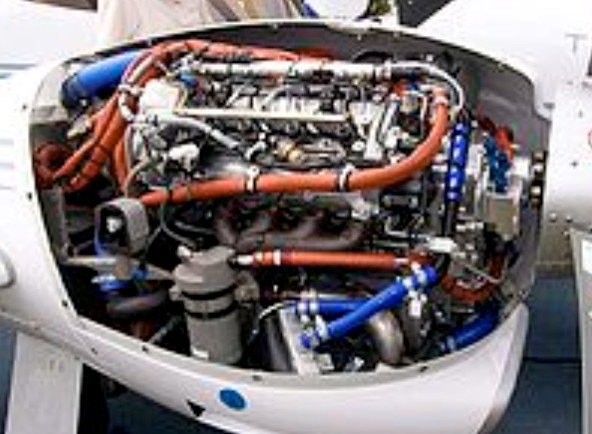
The Thielert Centurion is a series of Diesel cycle aircraft engines for general aviation built by Thielert. They are based on heavily modified Mercedes-Benz automotive engines.
All Centurion engines are water-cooled, turbocharged and employ a single-lever digital engine management system (FADEC). This simplifies engine management for the pilot, as well as improving reliability, as it prevents the engine being operated improperly. The series utilizes either jet fuel or diesel fuel. The high compression ratio of the engine combined with the digitally controlled fuel injection system mirrors similar advances in automotive technology.
Centurion series engines are always fitted with constant speed propellers driven through a reduction gearbox. The constant speed propeller and reduction gear result in a propeller tip speed that is 10-15% lower than comparable conventional avgas engines, reducing propeller noise.
The Diesel engine’s high compression results in better fuel efficiency and the higher operating rpm of the Centurion allows higher power to be developed from a smaller displacement, in comparison to conventional aircraft piston engines.
A Centurion engine complete with CSU, reduction gearbox, turbocharger and FADEC engine management system is considerably heavier than the more conventional Continental and Lycoming engines with which it competes, but this weight disadvantage is compensated for by the Centurion’s lower fuel consumption. Even though it lacks the magnetos and spark plugs of the conventional piston engines, the Centurion engines are considerably more complex.
The first product introduced by Thielert, the Centurion 1.7 is a 1689 cc (103 cu.in) engine producing 135 hp (101 kW) is based on the Mercedes-Benz OM668 engine from Mercedes-Benz A-Class A 170 CDI (W168) with 80 mm bore and 84 mm stroke. Until the end of 2006, when production ceased in favor of the Centurion 2.0, more than 1,500 Centurion 1.7 had been built. The in-service record of the 1.7 has been poor, with a combination of design, service and support issues causing widespread customer dissatisfaction, and resulting in Diamond designing its own engines to compete with Thielert.
Applications:
Diamond DA40-TDI Star
Diamond DA42 Twin Star
Apex Aircraft Robin DR400 135 CDI Ecoflyer
Cessna 172 (“F” and later models, modified under a Supplemental Type Certificate)
General Atomics MQ-1C Grey Eagle
 All Aero