In 1923 Claire Vance built a single place, open cockpit biplane, of chesty, mail-type plane used by Vance for transcontinental speed attempt.
Engine: 270hp Salmson Z-9
Speed: 122 mph
In 1923 Claire Vance built a single place, open cockpit biplane, of chesty, mail-type plane used by Vance for transcontinental speed attempt.
Engine: 270hp Salmson Z-9
Speed: 122 mph
Built circa 1930, the open cockpit biplane Van Camp-Murray Sport was built as a high school project by Murray-Yarton under the guidance of Van Camp, a wood shop teacher and cousin of designer Murray.
Reportedly three were built but only N406W c/n 103 found in registers, but Van Camp’s daughter says one went to Alaska.
Engine: LeRhône rotary

The 1919 Van Berkel seaplane is a twin-float seaplane, shown at the E.L.T.A. exhibition without engine, but intended for a Mercedes. The fuselage is built up of a light framework covered with three-ply wood. The ply-wood covering of the rear portion of the fuselage is continued outwards over the tail plane, which latter is built integral with the body. The fuselage is very deep at the rear, where it performs the function of a fin, no other vertical fin being fitted. The tail plane is at the top of the fuselage and the rudder has its balanced portion projecting below the stern.
The two floats, which are single step, are flat-bottomed as regards their front portion, but to the rear of the step the bottom gradually changes from flat to Vee bottom, finally corning to a point at the heel of the float. The construction is very similar to that of the fuselage, brass screws and nails being used throughout. The floats are fitted with water-tight bulkheads, detachable inspection doors being provided in the deck for examining the interior.
The wing bracing is only one pair of struts on each side. The upper plane is of slightly greater span than the bottom, and the inter-plane struts slope outwards. The lift and landing loads are taken by tubes sloping from the floats outward to the lower surface of the bottom plane at the points where occur the inter-plane struts. A speed of 155 km. per hour is estimated.
In 1911 Frank Van Anden built a single place, open cockpit biplane, powered by a 50hp Harriman pusher engine.
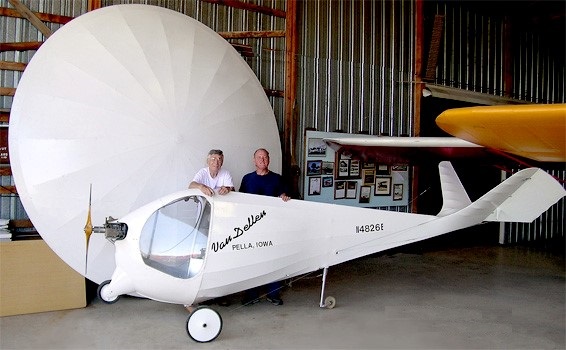
Built by Lubert VanDellen in 1959, the LH-2 was two=place powered by an unknown reciprocating engine. The register classified it as a “rotocraft”—instead of a wing, it had a circular saucer-like disk which was said to rotate. A small engine with a tractor prop was located in the front end, and the opposite end sported a butterfly tail.
Registered N4826E, it was taxi-tested but never flown, donated to AAA’s Airpower Museum.
Gross wt: 900 lb
Seats: 2
The 1931 VAMP CV was a single place open cockpit biplane with a 70hp VAMP-designed and -built motor. It was registered N579Y.
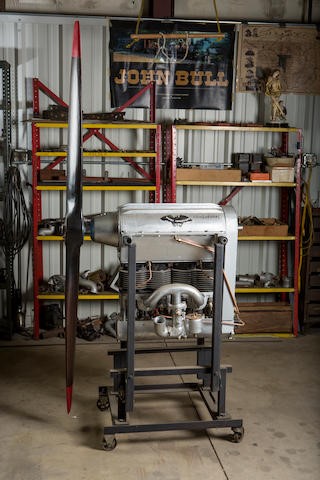
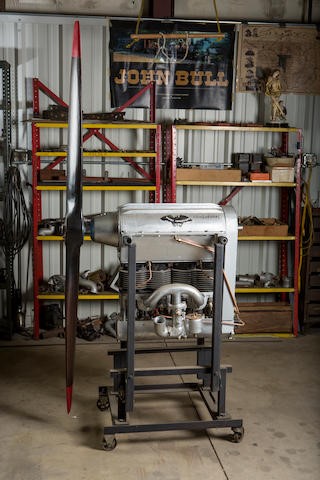
A 4 cylinder in-line engine, fitted with Zenith carburetor and manifold, mounted on wheeled display base, the engine fitted with 1860mm diameter two bladed wooden propeller.
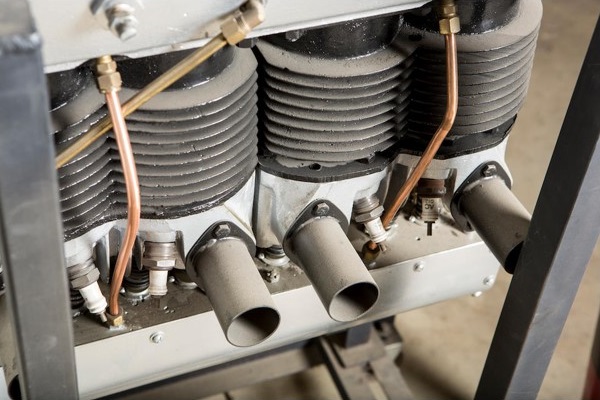
With the original engine the VanDersarls left good data on the cylinders, the copper cooling fins—all the specifications we needed to build the engine from scratch. The engine was used to power the VAMP Bleriot.
Frank Van Dersarl was born August 13, 1895 in Denver. He flew a Bleriot airplane on August 10, 1911 at Sable Airstrip located in Aurora at the junction of Sable Blvd. and the Union Pacific railroad tracks. It was a favored location for early flyers and auto racers. This aircraft was assembled by Frank and his brothers, John and Jules, using plans purchased in France from Bleriot. They were 10 and 12 years old at the time. He also flew a glider, which was built at the age of 12 from a booklet ordered from a London company. It crashed on its first flight.
Pioneer aviator Harry Combs (1913-2003), with only 30 hours of flying under his belt, at the age of 16, decided to build his own aeroplane. With the help of Frank Van Dersarl they completed the construction of a sport bi-plane called the VAMP Bat in 1929. The VAMP Bat had a short life, after flying to Pueblo, Combs lost control of the aircraft on the runway, there were no brakes and only a tailskid, caught in high winds the aircraft flipped on its back. Combs said ‘I was hanging upside down inches from the ground. It busted up. I should have known that when you don’t have brakes you have to stay on the grass’.

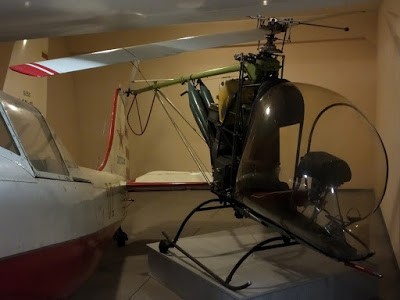
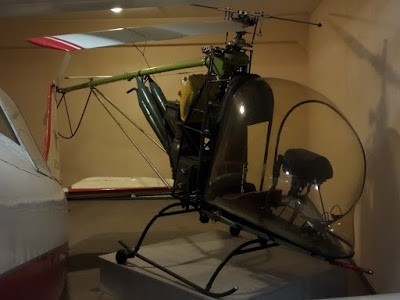
Single-seat helicopter built by Y.Valunas in 1984, Prenai, Lithuania. Reportedly never flew.

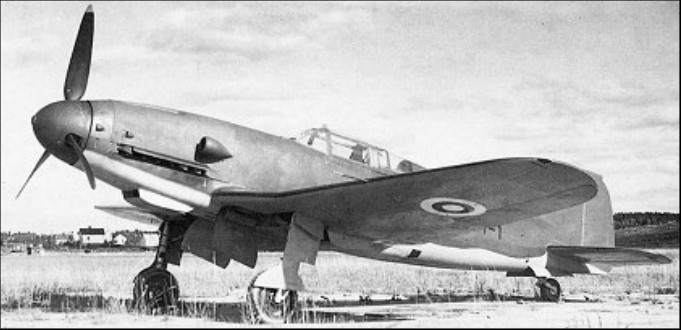
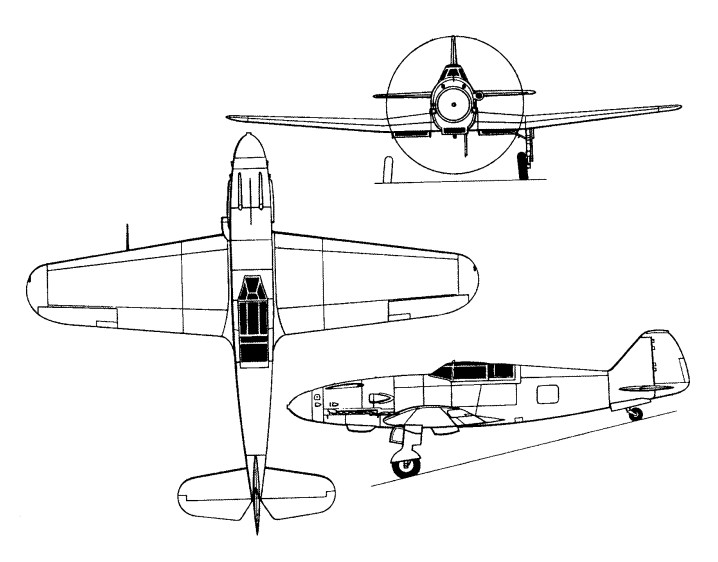
Conceived to make maximum use of indigenous materials with emphasis on suitability for operation from small Finnish front-line airfields under the most severe climatic conditions, the Pybrremyrsky (Whirlwind) was designed by Dipl-Ing Torsti R Verkkola. Powered by a 12-cylinder inverted-Vee Daimler-Benz DB 605AC engine rated at 1475hp, the Pyorremyrsky had a single-spar wooden wing with plywood skinning and a fuselage of steel-tube construction with detachable metal panels forward and a wooden ply-covered mono-coque aft. Armament comprised one engine-mounted 20mm MG 151 cannon and two 12.7mm LKK/42 machine guns, provision being made for two 200kg bombs underwing. Prototype construction was slowed by the preoccupation of the VL with higher priority programmes, and work on the Pyorremyrsky, which had languished for several months, came to a halt with the Finnish-Soviet Armistice of 4 September 1944. Somewhat surprisingly, construction of the fighter was resumed later, in January 1945. A DB 605AC engine was removed from a Bf 109G and installed in the prototype, which flew for the first time on 21 November 1945. The Pyorremyrsky could outclimb the Bf 109G-6 and was more manoeuvrable, but, as no funds were available for the purchase of new aircraft for Ilmavoimat and sufficient Bf 109Gs remained to equip the Ilmavoimien fighter force that was permitted under the Armistice terms, the prototype was grounded after 30 hours flying and the programme terminated.
Max take-off weight: 3310 kg / 7297 lb
Empty weight: 2619 kg / 5774 lb
Wingspan: 10.38 m / 34 ft 1 in
Length: 9.85 m / 32 ft 4 in
Height: 3.89 m / 13 ft 9 in
Wing area: 19.00 sq.m / 204.51 sq ft
Max. speed: 620 km/h / 385 mph