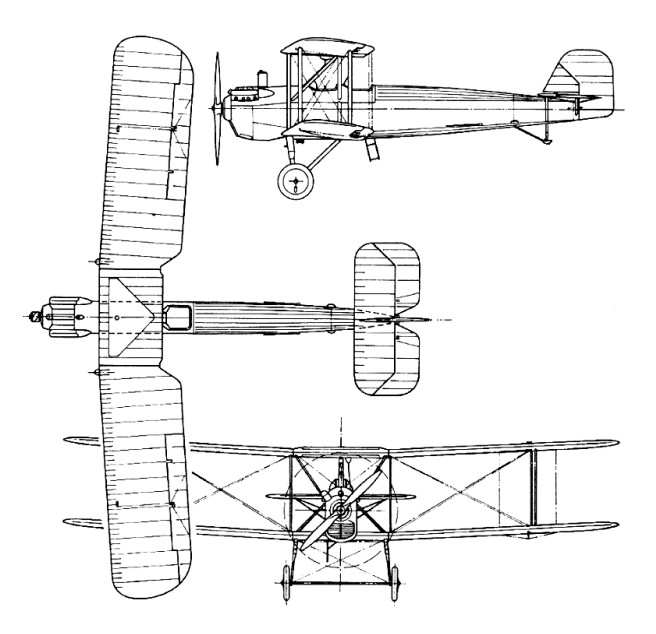
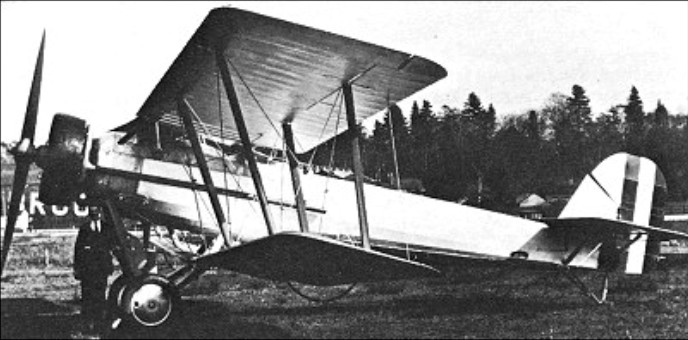
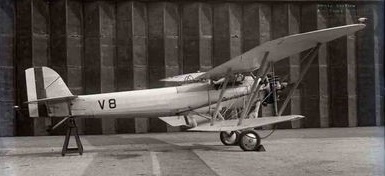
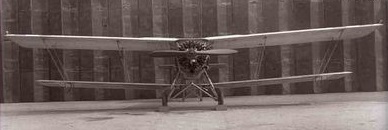
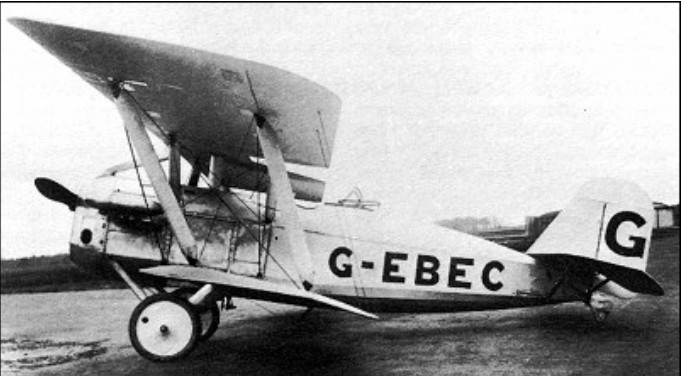
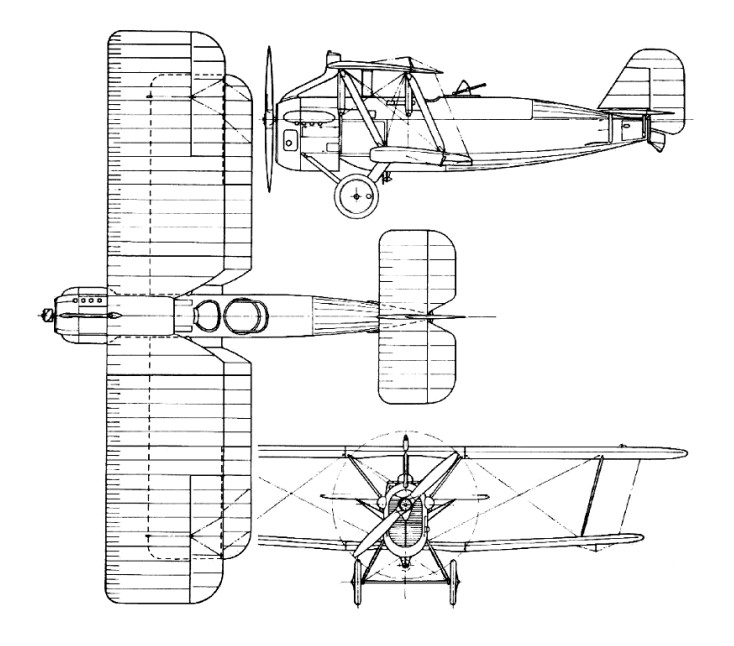
Vickers 142 Vivid

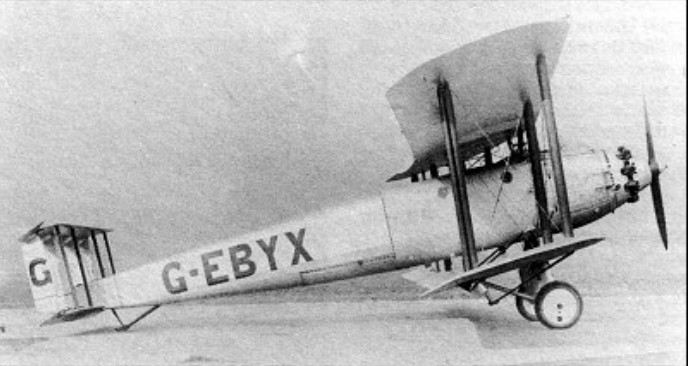
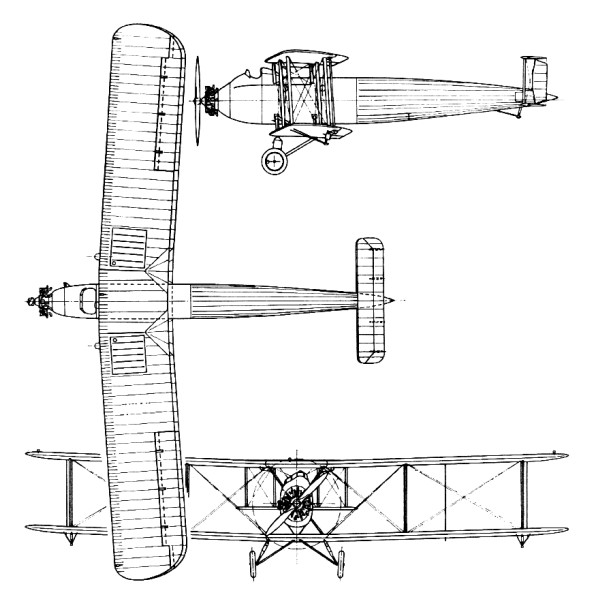
The record-breaking Vickers 142 Vivid general purpose biplane sea plane was later converted to a land plane.

Flown by Capt. Neville Stack and John R. Clifton during 1931 from Heston, West London, it made a series of record-breaking flights to Berlin, Copenhagen, and Warsaw.

The Vivid was later destroyed in a hanger fire at Broomfield Aerodrome, Chelmsford, Essex.

Engine: 590 hp
Seats: 2

Vickers 141

The Specification 21/26, issued by the Air Ministry’s Directorate of Technical Development (DTD) on September 30, 1926, called for a “Single Seater Fighter Ship¬-plane for use from HM ships,” fitted with a land undercarriage which could be replaced by floats, and vice versa, within half an hour. The aircraft, which was to have an all metal structure but could be fabric covered, was to be suitable for launch from a catapult and for taking off from and alighting on the deck of an aircraft carrier. It was to have a good degree of positive stability about all axes in both configurations, and tail incidence had to be adjustable in flight to enable the aircraft to fly horizontally at all speeds without attention from the pilot.

It was to be “highly controllable” at all speeds, and especially close to stalling speed, with no tendency to ‘hunt’ in a steep dive. Control had to be adequate to stop an incipient spin when the machine was stalled. A high degree of manoeuvrability in the air and on the ground or water was desired, and it had to respond quickly to the controls while not being tiring to fly. The ailerons were to have the minimum of yawing effect.

As a seaplane, the machine was to have good static stability in the water, and when under tow or running under its own power it was to be stable about all axes at all speeds.

Engines specified were the air cooled Bristol Mercury radial giving 550hp at 2,000rpm or the water cooled Rolls Royce Falcon X giving 480hp at 2,300rpm. The installation had to allow for rapid and easy removal of the engine. The cowling, which also had to be easily removable, had to be finished “to prevent the reflection of light which might betray the presence of the aircraft to the enemy or dazzle the pilot”. A metal propeller was specified.

There was to be tankage for 74 gallons of fuel, plus an easily removed 20 gallon auxiliary tank and a gravity tank of sufficient capacity to allow half an hour’s flight at full power at ground level. An 11 gallon oil tank was to be provided if the Mercury engine was used, or an 81/2 gallon oil tank and a 2.5 gallon reserve water tank for the Falcon.

Alternative exhaust systems for day or night flying were required, and were to be easily changed. The night flying system had to provide adequate silencing and flame damping, while the daytime system was to be “of minimum weight”. Additional equipment to be carried during the acceptance flights weighed 5581b and included a Vickers 0.5in gun and 300 rounds, a Vickers 0.303in gun and 600 rounds, a rocket launching (R/L) tube and six bombs, and flotation gear. A second 0.303in gun with 600 rounds was to be provided for if the 0.5in gun was not available in time.

Minimum performance requirements with this load, using the Mercury, called for a horizontal speed of 132kt (152mph) at 10,000ft and a service ceiling of 23,000ft. With the Falcon X the figures were 127kt (146mph) at 10,000ft and 22,000ft. The length of run to take¬off was not to exceed 47ft in a relative wind of 28kt (32mph), and the aircraft was to become airborne at a speed of 55mph when catapulted in still air. The suitability for launching from a catapult or alighting on the deck of an aircraft carrier was “of first importance”, and the aircraft had to be capable of taking off from a turret or cruiser platform.

For fighting, the pilot was to have the best possible view in all directions, and a good view forward and downwards was required for carrier landings. A clear, unobstructed view forward over the machine’s centreline was needed to enable him to sight the fixed guns, the installation of which was to dispense with blast tubes. There was also to be provision for the fitting of a G.3 aerial camera as near to the sights as practicable, and standard clips were to be fitted to allow the new “light carrier” to be installed to carry four 20 lb bombs, sufficient clearance being provided to enable the bombs to be released in a very steep dive.

Despite the emphasis placed on the machine’s naval use, it was stressed that: “The aircraft is to be designed primarily as a landplane fighter and qualities required for this work are not to be sacrificed in order to improve its characteristics when equipped with the float alighting gear”. A padded head support was to be provided to prevent injury to the pilot during catapult launch acceleration.

A limit of 35ft was put on the wing span, the overall length was restricted to 23ft, the height was not to exceed 14ft 9in. Quick and easy removal and erection of the wings was specified, with the ability to remove the wing structure completely in ten minutes and replace it in fifteen minutes.

The contractor was required to provide a full size mock up of his proposed aircraft before constructional work was begun, to enable the Director of Technical Development to examine and approve the layout. This mock up had to include “all parts and components which are likely to interfere with the all round view of the pilot”, and was to show the internal arrangement of the cockpit. Scale model floats for official water tank tests were also to be provided, along with specimens of ribs, a section of wing, and a length of spar.

Tendering for this demanding specification were Armstrong Whitworth, which offered the AW XVI; Fairey, with the Flycatcher II; Gloster, which tendered the Gnatsnapper; Hawker, which offered the Hoopoe; Vickers, with a modified version of its Type 141 Scout; and George Pamall & Co.

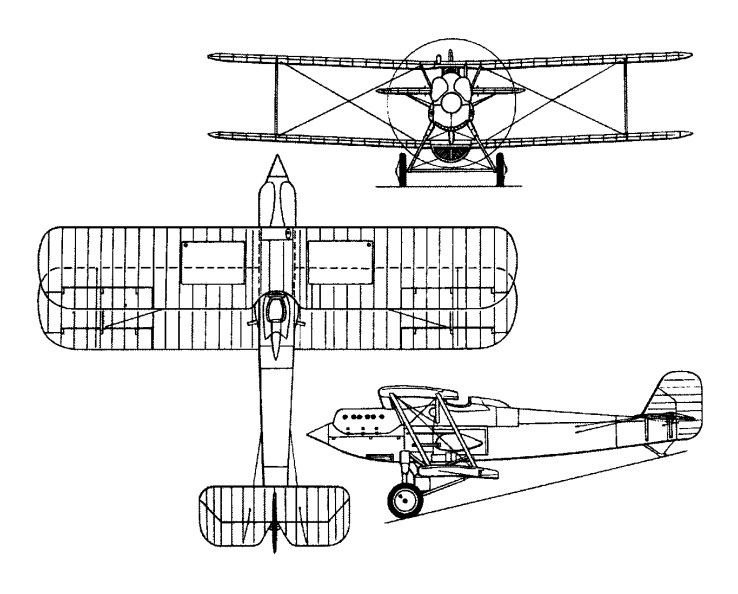
After re-engining of the Type 123 with the 510hp Rolls-Royce F.XI 12-cylinder Vee-type water-cooled engine as the Type 141, this fighter became a contender in January 1928 in a competition held at Martlesham Heath to select for the RAF a single-seat fighter meeting the requirements of Specification F.9/26. The Type 141 carried single 7.7mm machine guns in bulged housings on each side of the fuselage beneath the cockpit, and, apart from its engine, it differed from the Type 123 in having a retractable radiator in the forward fuselage in place of the fixed radiator beneath the wing centre section. Although possessing light and responsive controls, and a good performance, the Type 141 was bested by the Bristol Type 105 Bulldog and the Hawker Hawfinch. After its return from Martlesham Heath, the Type 141 was fitted with a revised vertical tail, a chin radiator and shortened rear undercarriage legs (enabling them to be anchored to the front wing spar), and was submitted for deck trials as a shipboard fighter to Specification 21/26. Other modifications included provision of an arrester hook, wheel brakes, interconnected elevators, detachable wing spar joints and hoist attachments. After initial trials, the dihedral of the lower wings was increased from three to five deg in an attempt to improve lateral stability. Sea trials took place aboard HMS Furious in June 1929, but these were not entirely satisfactory, and, after its return to Vickers, the Type 141 was flown in the 1929 King’s Cup Air Race (5-6 July), but was forced to retire, the aircraft subsequently being scrapped.

Although none of the aircraft tendered to Specification 21/26 won a production contract, Hawker went on to develop a Kestrel engined fleet fighter which first flew as the Norn in 1930 and went into production as the Nimrod.

Max take-off weight: 1678 kg / 3699 lb
Empty weight: 1202 kg / 2650 lb
Wingspan: 10.36 m / 34 ft 0 in
Length: 8.23 m / 27 ft 0 in
Height: 2.72 m / 9 ft 11 in
Wing area: 35.12 sq.m / 378.03 sq ft
Max. speed: 285 km/h / 177 mph
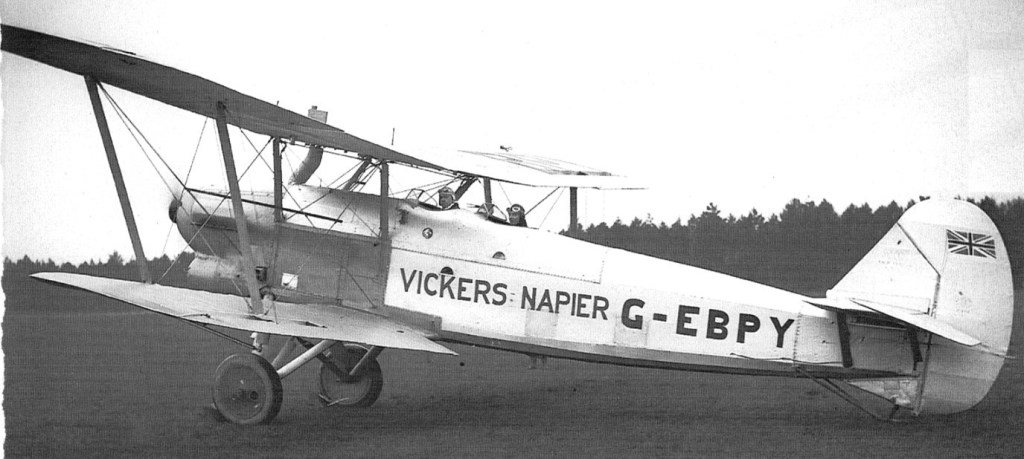
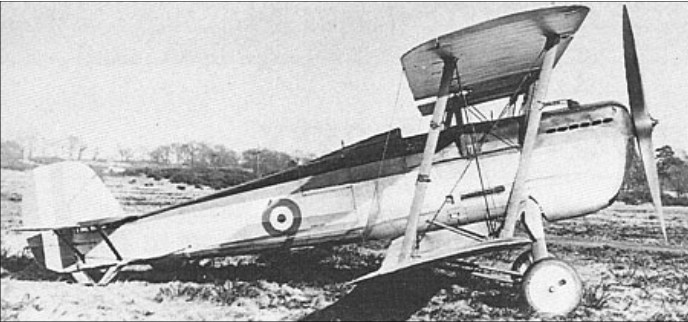
Vickers 134 Vellore / 172 Vellore / 173 Vellore

The Vickers Type 134 Vellore Mk I was a large equal-span biplane intended as a freight carrier. Powered by a 391kW Bristol Jupiter IX radial engine, it had an open cockpit forward of the wings seating two side-by-side, with behind and below them a large cargo hold. It was then re-engined with the Armstrong Siddeley Jaguar VI in an England-Australia flight in 1929 that terminated in the aircraft being written off in a crash landing. The designation Vellore Mk II was not used, but two twin-engined versions were built as the Type 172 Vellore Mk III and Type 173 Vellore Mk IV with 391kW Bristol Jupiter XIF radials.
Final derivation of the design was the single Type 212 Vellox intended as a civil transport with cabin accommodation for a steward and 10 passengers. Powered by two 447kW Bristol Pegasus IM3 radial engines and first flown on 23 January 1934, it was acquired by Imperial Airways but used only as a freighter.

Vellore I
Max take-off weight: 4309 kg / 9500 lb
Wingspan: 23.16 m / 76 ft 0 in
Max. speed: 183 km/h / 114 mph

Vickers Vellore

Vickers 125 Vireo

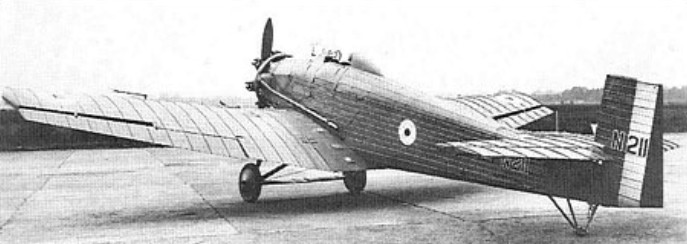
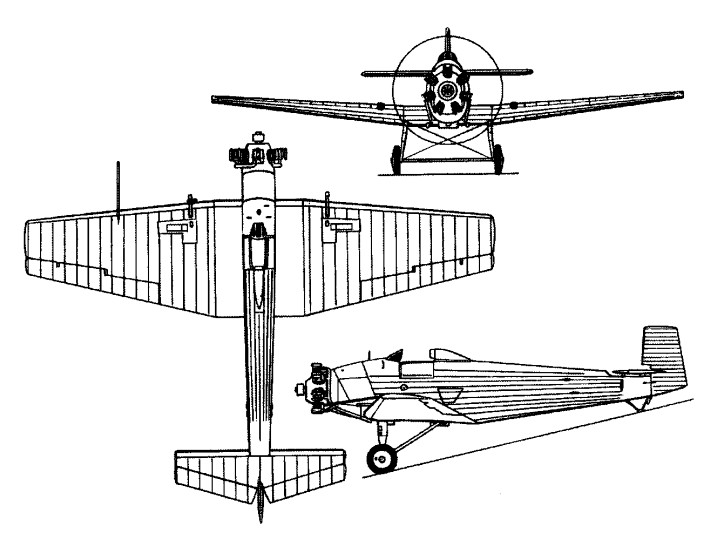
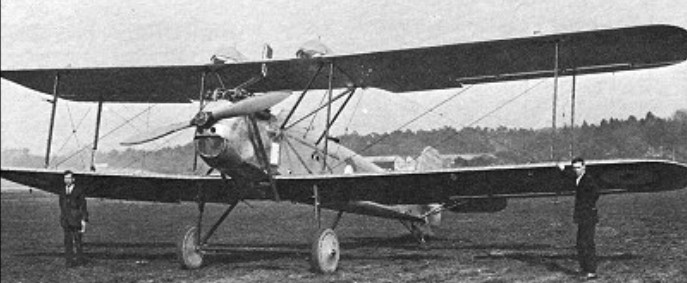
The Wibault system of metal airframe construction, with which Vickers had gained experience in building the Type 121 Wibault Scout, was utilised for a low-powered shipboard fighter to Specification 17/25. Submitted to the Air Ministry on 15 December 1925, this type, to be named Vireo, was awarded a one-aircraft contract. Intended to use either wheel or float undercarriage, and suitable for launching from a catapult, the Vireo was powered by a 230hp supercharged Armstrong Siddeley Lynx IV seven-cylinder radial air-cooled engine and had provision for two wing-mounted 7.7mm machine guns firing outside the propeller disc. The structural design of the Vireo followed closely that of the Type 121, with the airframe virtually entirely covered by corrugated metal skinning. Flown early in March 1928 – flight testing having been delayed by extensive aerodynamic and structural tests undertaken at the Royal Aircraft Establishment – the Vireo was evaluated at Martlesham Heath in April and deck trials then took place aboard HMS Furious on 12 July. The Vireo was fitted with a twin-float undercarriage, but, in the event, seaplane trials that were to have taken place at the MAEE, Felixstowe, were not proceeded with. The speed performance of the Vireo was inevitably poor owing to the combination of low engine power and high drag resulting from the corrugated surfaces, and it suffered extremely unpleasant stalling characteristics. In consequence, development was terminated.

Max take-off weight: 1157 kg / 2551 lb
Empty weight: 885 kg / 1951 lb
Wingspan: 10.67 m / 35 ft 0 in
Length: 8.43 m / 28 ft 8 in
Height: 3.48 m / 11 ft 5 in
Wing area: 19.88 sq.m / 213.99 sq ft
Max. speed: 193 km/h / 120 mph
Ceiling: 4495 m / 14750 ft

Vickers 125 Vireo

Vickers 123

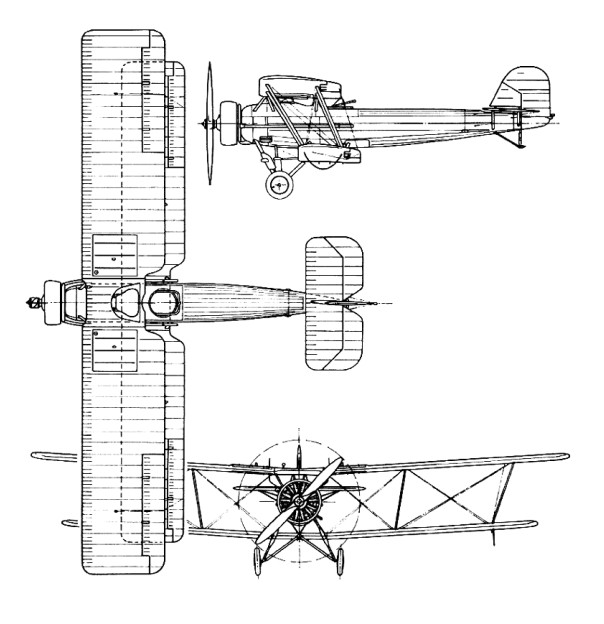
Believing, at the end of 1925, that the time was right for the development of a new British fighter with a liquid-cooled engine and Rolls-Royce having a potentially suitable power plant under development, Vickers began work on the Type 123. Pending the availability of the Rolls-Royce engine, an Hispano-Suiza 12Jb 12-cylinder Vee-type engine of 465hp was acquired from France and installed in the private-venture fighter which first flew on 9 November 1926. Of all-metal construction with fabric skinning, the Type 123 had the standard armament of twin synchronised 7.7mm Vickers machine guns and was a heavily-staggered equi-span biplane with the fuselage carried within the gap, but with an abbreviated cabane. A semi-circular radiator was carried beneath the centre section of the lower wing. The availability in May 1927 of the Rolls-Royce F.XI engine made possible the original intention of the design team to be revived insofar as power plant was concerned, and the prototype was then rebuilt as the Type 141.

Max take-off weight: 1497 kg / 3300 lb
Empty weight: 1033 kg / 2277 lb
Wingspan: 10.36 m / 34 ft 0 in
Length: 8.69 m / 29 ft 6 in
Height: 2.84 m / 9 ft 4 in
Wing area: 35.12 sq.m / 378.03 sq ft
Max. speed: 240 km/h / 149 mph

Vickers 123

Vickers 121 Wibault Scout / WIB 7 / Wibault WIB 7 Scout

In 1924 Wibault flew the prototype of a monoplane fighter, the Wibault 7, produced from 1925 and built under license by PZL and Vickers.

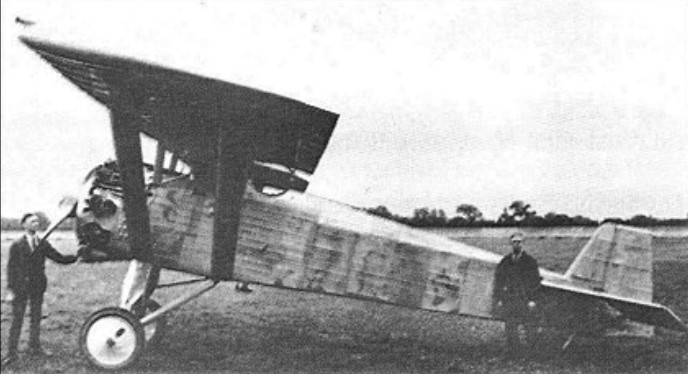
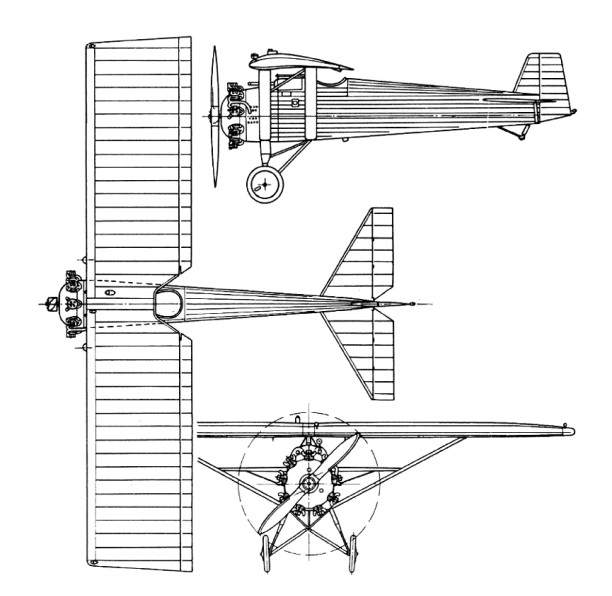
Following the establishment in the UK on 8 June 1925 of Wibault Patents Limited as a subsidiary of Vickers and controlling Michel Wibault’s light alloy aircraft manufacturing patents, Vickers began, in November 1925, to manufacture a series of WIB fighters against a contract obtained from Chile. The Vickers-built WIB 7 all-metal single-seat fighter, assigned the designation Type 121 and referred to as the Wibault Scout, differed from the standard French model in a number of respects. As a prototype of the Type 121, Wibault re-engined a standard aircraft with a 455hp Bristol Jupiter VI nine-cylinder radial and fitted a Vickers oleo-pneumatic undercarriage, this aircraft being ferried to the UK in February 1926. Further modifications were introduced by Vickers, including the provision of stronger wing bracing struts, and the first Vickers-built Wibault Scout was flown at the end of June 1926, this being provided with an armament of two synchronised 7.7mm Vickers machine guns. This, the first fighter to be built against a Chilean contract for 26 aircraft, was lost when its pilot was unable to extricate it from a spin, a replacement subsequently being produced. Deliveries to the air component of the Chilean Army began in November 1926, Wibault Scouts equipping escuadrillas within the Grupo Mixto de Aviacion 1 at El Bosque. The fighters were freighted to Valparaiso in small batches as and when Chilean payments were forthcoming, the last of the batch being dispatched in October 1927. The Wibault Scouts proved somewhat unsatisfactory in Chilean service, several being lost in accidents – one, at least, as a result of shedding a wing in the air – but the type remained at least nominally in service with the Fuerza Aerea de Chile from that service’s establishment in March 1930 until late-1934. The original Jupiter-engined WIB 7 was returned to its manufacturer in France for use as a demonstrator and no further examples were built by Vickers.

Max take-off weight: 1347 kg / 2970 lb
Empty weight: 871 kg / 1920 lb
Wingspan: 11.00 m / 36 ft 1 in
Length: 7.21 m / 24 ft 8 in
Height: 3.50 m / 12 ft 6 in
Wing area: 22.00 sq.m / 236.81 sq ft
Max. speed: 232 km/h / 144 mph
Ceiling: 7010 m / 23000 ft
Range: 483 km / 300 miles

Vickers 121 Wibault Scout

Vickers 120 Vendace

Built to the requirements of Air Ministry Specification 5A/24 for a floatplane trainer, the single Vickers Type 120 Vendace Mk I was a fairly conventional folding wing equal-span biplane with tandem open cockpits, and was powered by a 205kW Rolls-Royce Falcon III engine. Tested officially in both landplane and floatplane form, it was retained for experimental purposes but no production order followed. One Type 133 Vendace Mk II with a 224kW ADC Nimbus engine was built in 1928 as a private venture and sold for aerial survey use in South America. The unusual landing gear layout of the Vickers Vendace I was the result of the ultimate objective of using the type on floats. The entire fuel supply was contained in the two streamlined tanks above the upper-wing centre-section.

Vendace I (land version)
Max take-off weight: 1576 kg / 3475 lb
Wingspan: 13.59 m / 45 ft 7 in
Max. speed: 188 km/h / 117 mph

Vickers Vendace

Vickers 113 Vespa

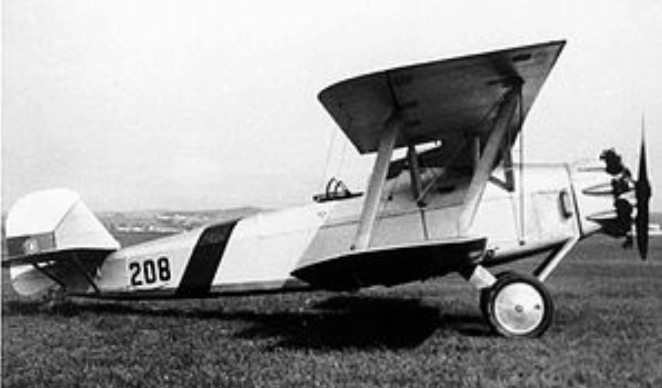
The Vickers Type 113 Vespa Mk I first flown in September 1925 was built as a private venture to the requirements of Air Ministry Specification 30/24 for an army cooperation aircraft. An unequal-span well-staggered biplane with tandem open cockpits, it was powered as first flown by a Bristol Jupiter IV radial; the Vespa was underpowered with this engine, which was then replaced by a 339kW Jupiter VI. After being damaged in an accident during June 1926 it was rebuilt with wings of metal basic structure and redesignated Type 119 Vespa Mk II but, although tested successfully, it was not ordered for the RAF. However, six Type 149 Vespa Mk III aircraft with a number of airframe refinements were supplied to Bolivia during 1929, in which year four aircraft with 365kW Armstrong Siddeley Jaguar VIC engines were ordered for the Irish Army Air Corps and designated Type 193 Vespa Mk IV, four more aircraft with some improvements subsequently being built for Ireland as the Type 208 Vespa Mk V.

Vickers Type 208 Vespa V, serial V8, delivered to Baldonnel 5 April 1931 and written-off 12 June 1940.

During 1930 the Vespa Mk II was modified to a standard similar to the Irish Vespa Mk IVs and, powered by a 395kW Bristol Jupiter VIIF engine, became designated Type 210 Vespa Mk VI. It was used for demonstrations in China, but on return to the UK was modified yet again, and with a Bristol Pegasus ‘S’ supercharged engine installed was redesignated Type 250 Vespa Mk VII, being used on 16 September 1932 to establish a new world altitude record of 13404m. Following that it was acquired by the Air Ministry and used by the RAE for high-altitude research.

Vickers Type 208 Vespa V, serial V8, delivered to Baldonnel 5 April 1931 and written-off 12 June 1940.

Gallery

Engine: 1 x 400hp Bristol Jupiter IV
Empty weight: 1120 kg / 2469 lb
Wingspan: 15.24 m /50 ft 0 in
Length: 9.53 m / 31 ft 3 in
Height: 3.12 m / 10 ft 3 in
Wing area: 52.12 sq.m / 561.01 sq ft
Max. speed: 203 km/h / 126 mph
Ceiling: 6187 m / 20300 ft
Crew: 2
Armament: 2 x 7.7mm machine-guns

Vickers Vespa

Vickers Type 93 Valparaiso I / Type 92 Valparaiso II / Type 168 Valparaiso III

Valparaiso I

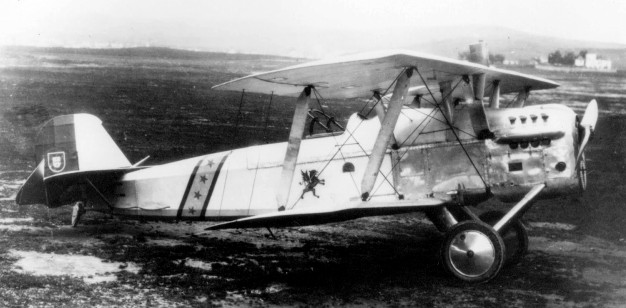
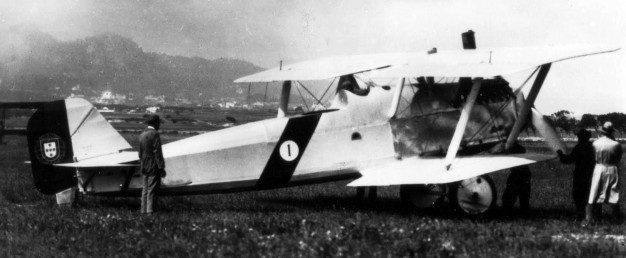
The Vickers Valparaiso was a British light bomber biplane of the 1920s. It was designed by Vickers as a development of its Vixen for export. It was renamed Valparaiso to distinguish it from the Vixen, which as it used classified government equipment, was unavailable for export. Two versions were available, one powered by the same Napier Lion as the Vixen, known as the Type 93 Valparaiso I, while the Type 92 Valparaiso II was powered by the Rolls-Royce Eagle engine. Other than their engines, the Valparaisos were very similar to the Vixen I, both being single-bay biplanes with wooden wings and steel tube fuselages. Both versions were purchased by Portugal, who ordered 10 Valparaiso Is and four Valparaiso IIs, with the Lion-powered aircraft to serve as reconnaissance bombers and the lower powered Valpariso IIs to serve as advanced trainers. In 1928, Portugal decided to license produce a modified Valparaiso powered by a Gnome et Rhône Jupiter radial engine, and a single Valparaiso was modified by Vickers to use the Jupiter, followed by the production of 13 aircraft, designated Type 168 Valparaiso III by OGMA (Oficinas Gerais de Material Aeronáutico).

Valparaiso II

The Portuguese aircraft proved to be successful in service, with two carrying out a long distance tour from Portugal to its African colonies of Angola and Mozambique and back in 1928, with the success of the aircraft resulting in the decision to license produce the Valparaiso III. The radial-powered Valparaisos also proved successful in Portuguese service, remaining operational until 1943, finally being replaced by Westland Lysanders.

A single Valparaiso I (actually the prototype), was sold by Vickers to Chile in 1924. It was successful in Chilean service, resulting in an order for a further 18 modified aircraft, which reverted to the original name of Vixen, as the Vixen V.

Valparaiso III

Variants:

Type 93 Valparaiso I
Napier Lion-powered export version of Vickers Vixen. 11 built.

Type 92 Valparaiso II
Rolls-Royce Eagle-powered version. Four built.

Type 168 Valparaiso III
Version powered by Jupiter radial for Portugal. 13 licensed built by OGMA.

Operators:
Chilean Air Force
Aeronáutica Militar (Portuguese Army Aviation)

Valparaiso I
Engine: 1 × Napier Lion IA 12-cylinder water-cooled W-block, 468 hp (349 kW)
Length: 29 ft 0 in (8.84 m)
Wingspan: 40 ft 0 in (12.20 m)
Height: 11 ft 8 in (3.56 m)
Wing area: 526 sq.ft (48.9 sq.m)
Empty weight: 3,128 lb (1,422 kg)
Loaded weight: 4,720 lb (2,145 kg)
Maximum speed: 118 kn (136 mph, 219 km/h) at 10,000 ft (3,050 m)
Cruise speed: 96 kn (110 mph, 177 km/h)
Range: 478 nmi (550 mi, 886 km)
Service ceiling: 19,500 ft (5,950 m)
Rate of climb: 951 ft/min [8] (4.8 m/s)
Wing loading: 8.97 lb/sq.ft (43.9 kg/sq.m)
Power/mass: 0.099 hp/lb (0.16 kW/kg)
Climb to 10,000 ft (3,050 m): 10 min 15 sec
Armament:
2 × forward-firing .303 in (7.7 mm) Vickers machine gun
1 × .303 in (7.7 mm) Lewis Gun in observers cockpit
Crew: Two

Vickers 71 Vixen

A single Valparaiso I (actually the prototype), was sold by Vickers to Chile in 1924. It was successful in Chilean service, resulting in an order for a further 18 modified aircraft, which reverted to the original name of Vixen, as the Vixen V.

71 Vixen I
Engine: 1 x 450hp Napier Lion I
Max take-off weight: 2143 kg / 4725 lb
Empty weight: 1406 kg / 3100 lb
Wingspan: 12.19 m / 40 ft 0 in
Length: 8.84 m / 29 ft 0 in
Height: 3.96 m / 13 ft 0 in
Wing area: 48.87 sq.m / 526.03 sq ft
Max. speed: 221 km/h / 137 mph
Ceiling: 5913 m / 19400 ft
Crew: 2
Armament: 2-3 x 7.7mm machine-guns
Bombload: 227kg

Type 71 Vixen I