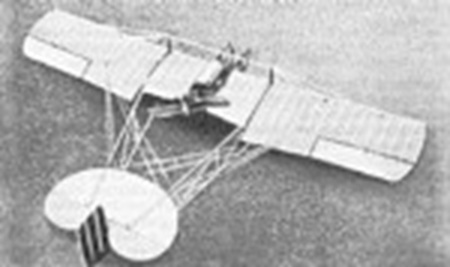
The 1913 Kovanko pusher monoplane was designed and built by A. A. Kovanko in Russia
The 1913 Kovanko pusher monoplane was designed and built by A. A. Kovanko in Russia
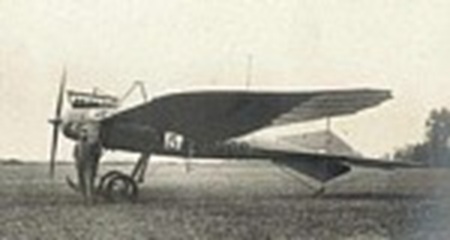
The circa 1913 Kondor monoplane was designed and built by Kondor Flugzeug-werke in Germany

The 1913 Knabel monoplane featured transparent cellon covering. It was designed and built by A.Knabel Works in Germany
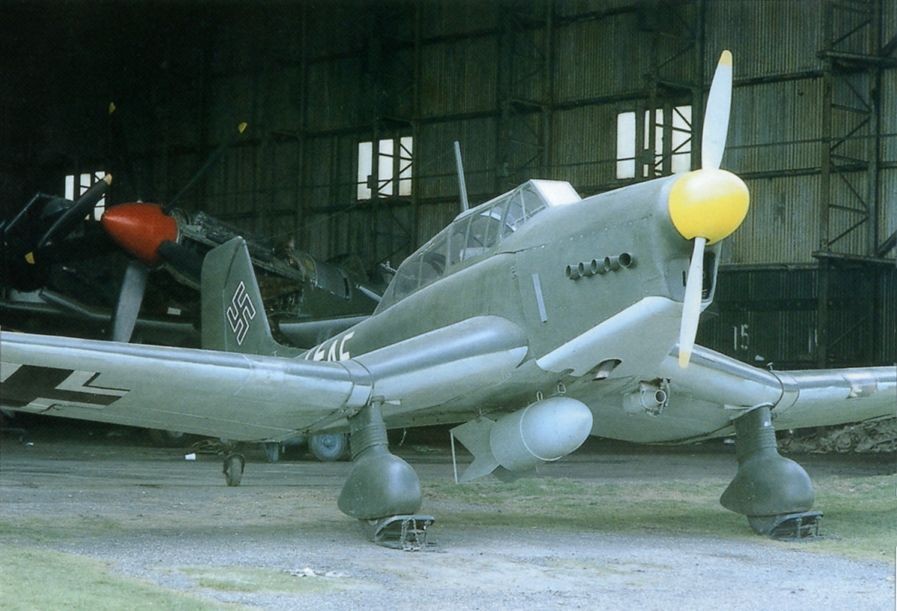
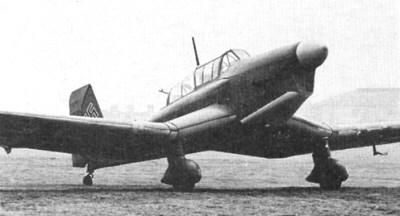
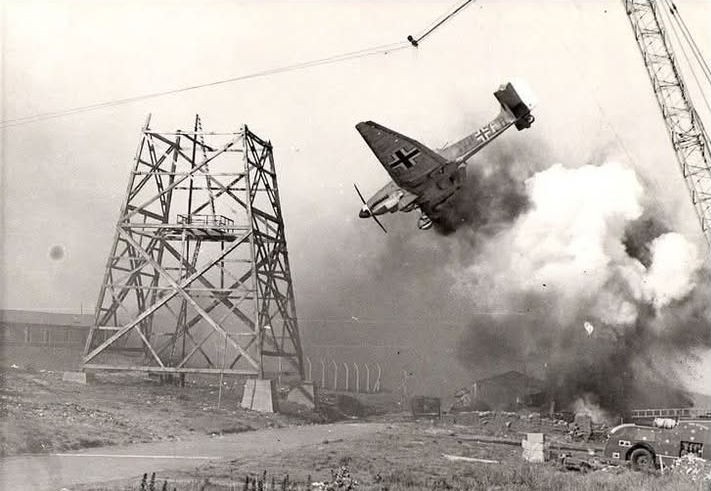
Vivian Bellamy’s Percival Proctor/Junkers Ju 87 Stuka conversion was built for the ‘Battle of Britain’ movie.
This aircraft was known as a “Proctuka”, and was a Percival Proctor trainer that had been heavily modified in order to make it look like a German Stuka dive bomber, including the addition of the cranked wings. Flight characteristics of the Proctukas were not good, though, and their flying footage was not used in the film (models were used for the Stukas instead).
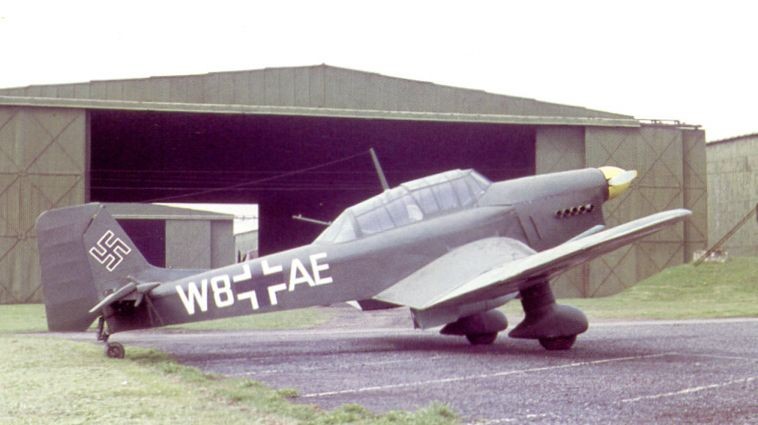
It was considered by one pilot as “too dangerous to fly”

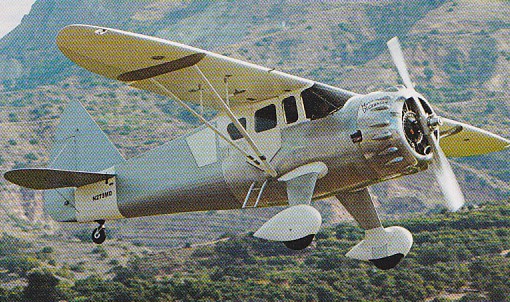
In 1999, Dickinson laid out on his hanger floor in Santa Paula, California, the first piece of what would be a brand new Howard. The goal was to build the airplane he believed Benny Howard would have built had he continued to build Howards.
He wanted Mr Mulligan’s speed and performance, as well as the DGA-15’s handling qualities and stability.
Dickinson adapted the original Mr Mulligan wing configuration, which had been replaced in later production models, and up-graded the DGA-15’s 450 hp Pratt & Whitney Wasp engine with a modern version, one that delivers 600 hp. He built every piece of the plane, or modified something from a DGA-15 or another airplane.
First flying in 2008, at 225 mph, it is 50 percent faster than the DGA-15. The designation, DGA-21 is the sum of DGA-6 (Mr Mulligan, and -15.
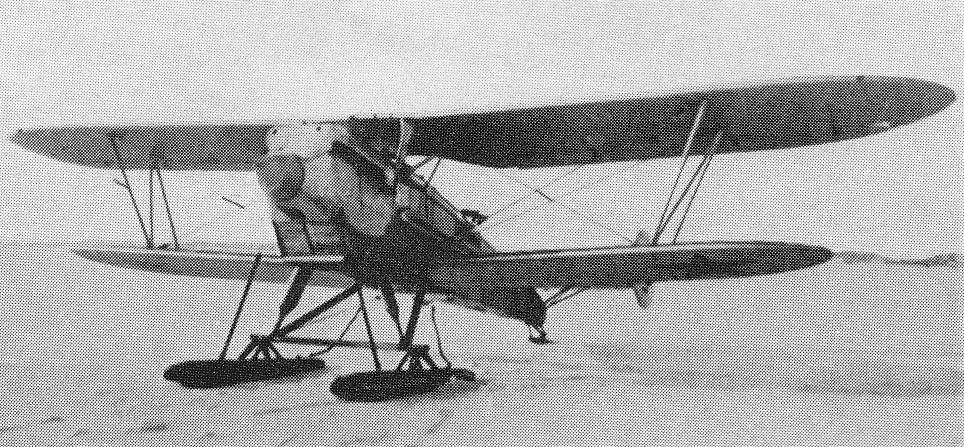
The Grigorovich DI-3 was a two-seat escort fighter of 1931.
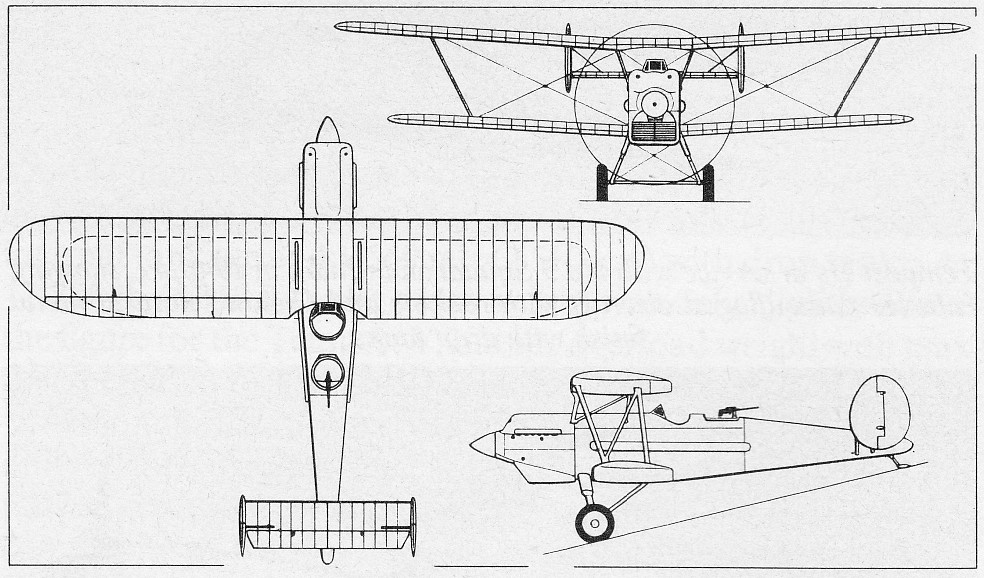
The Arocoupe 1924 open cockpit biplane was designed by F R Anderson.
There is strong suspicion that this is really the Aero-Craft Aero-Coupe, suffering from a case of misspelling and a slight date disparity.
A 1916 open cockpit biplane does appear, designated as an Andermat Biplane, flying in a photo that also shows part of the company’s large bomber.
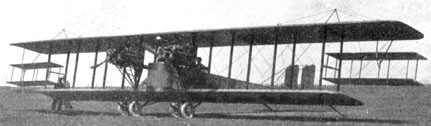
The 1916 Andermat project funding was by Gray Taxicab Co of San Francisco. First flown on 16 April 1916, piloted by Roy Francis, it featured double interplane ailerons, twin tails. One prototype constructed for Army bomber evaluation was shipped to San Diego after this test flight, then reportedly ended up at Kelly Field TX, at which point its track vanished, and the military contract for 21 planes went unfilled.
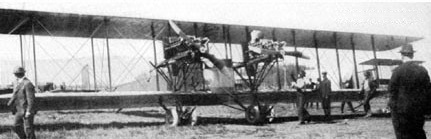
Engines: two 120hp Andermat (modified Hall-Scott V-8)
Wingspan: 72’0″
Length: c.38’0″
Gross wt: 5000 lb
Seats: 3
The 1913 Kasyanenko 4 monoplane was designed and built by Kasyanenka brothers in Russia
Span: 31’2″
Length: 23′
Loaded Weight: 595 lb
Speed: 37 mph
 All Aero