Based at Garden City, NY. Built Privateer light civil amphibian flying-boats, with braced monoplane wing and pusher engine, from 1932, with progressive improvements. Tail was carried on streamlined structure attached to hull.
Piston
Amiot 1913 Monoplane
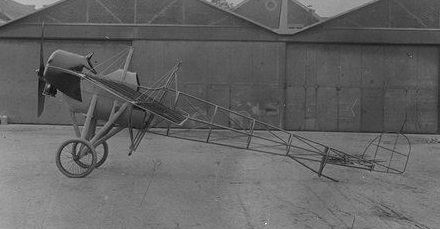
Two-seater designed by Félix Amiot, a famous designer of the 1920s and 30s, this first Amiot machine was built in a garage in the Quartier des Ternes, Paris during 1913. Test flown in 1913 at Issy-les-Moulinaeux but crashed on the field. Of all-metal construction, whereas Amiot had devised a unique method for fitting hollow metal pipes together; a system of construction that was patented in many countries. Félix Amiot started his firm Amiot–S.E.C.M in 1916, building Bréguet and Morane-Saulnier machines under licence.
Amoit 370

The Amiot 370 set up five speed-with-load-over-distance records in early 1938.
Amiot 350 / 351 / 354
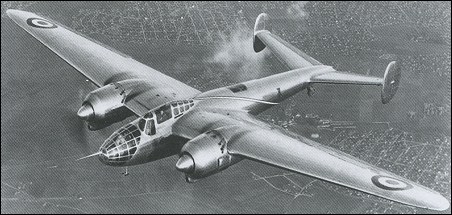
Developed from the Amiot 370 and the Amiot 340, converted to the Amiot 351.01 Gnome-Rhone 14N -20/21 761-kW (1,020-hp) engined prototype bomber, it was followed by production Amiot 351s and 354s. Each version had a streamlined all-metal fuselage, a tapered mid-wing with considerable dihedral and twin Gnome-Rhone 14N radial engines. They differed by the 351 having twin oval fins and rudders and the 354 a large single vertical tailplane. The Amiot 351 had shorter span and greater length than the Amiot 351.01, and was powered by two 708-kW (950-hp) 14N-38/39 radials, while the Amiot 354 was higher powered and reverted to the original tail unit.
Armament was a 20 mm HS 404 cannon on a flexible mounting at the rear of the crew canopy plus single 7.5 mm MAC machine-guns in nose and ventral positions. The bomb load was up to 1,200kg.
Eighty-six Amiot 350 series aircraft had been completed including 17 351s and 45 354s, before the Germans occupied the Le Bourget factory in June 1940.

After a number of bombing and reconnaissance missions, the Amiots were converted by the Vichy French for long-range liaison flights.
Amiot 354
Engines: 2 x Gnome-Rhone 14N-48/49, 790kW (1,060 hp)
Span: 22.83m (74ft 10.75 in)
Length: 14.5m (47ft 6.75 in)
Height: 13.39ft / 4.08m
Empty Weight: 10,417lbs (4,725kg)
Max T/O weight: 11300 kg (24,912 lb)
Max speed: 298 mph (480kmh; 259kts) at 13,125 ft
Operational range: 1,553 miles with max bombload.
Maximum Range: 2,175miles (3,500km)
Service Ceiling: 32,808ft (10,000m)
Crew: 4
Armament: 1 x 20-mm HispanoSuiza cannon and 2 x 7.5-mm (0.295-in) MAC mg plus
Internal bombload: 1200 kg (2,646 lb)

Amiot 340 / 341
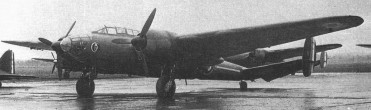
After its Amiot 143, the company produced the Amiot 340.01, modified from the long-range postal Amiot 341. First flown in December 1937 with two 686-kW (920-hp) Gnome-Rhone 14N-0/1 radials. Trials revealed the need for a fourth crew member, 761-kW (1,020-hp) 14N-20/21 engines, and a dihedralled tailplane with endplate vertical surfaces. This resulted in the Amiot 351.01.
Amiot 150
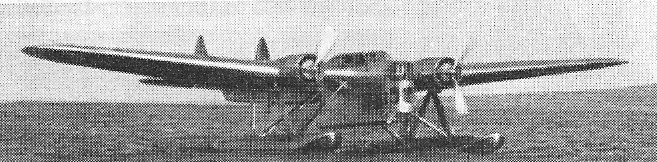
The Amiot 150 BE was used as a torpedo bomber / reconnaissance seaplane, constructed in 1937/38.
150 BE
Engines: 2 x Gnome-Rhone 14 Kdrs, 780 hp
Amiot 143
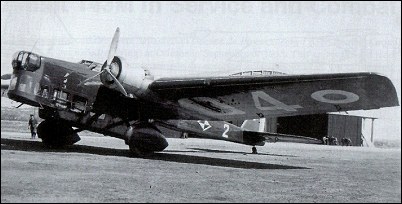
First flown in August 1934, the Amoit 143 was an all-metal cantilever high-wing monoplane with an enclosed pilot’s cockpit, manually operated nose and dorsal gun turrets and a glazed ventral ‘balcony’ housing the bomb-aimer’s position forward and the ventral gunner’s position at the rear. The fixed undercarriage had wheel spats.
Meeting a requirement for a Multiplace de Combat (Multi-seat combat aircraft) for the French Air Ministry, the first 50 aircraft was delivered in the winter of 1935-6 to Escadres GB 1/22 and GB 11/22 at Chartres and from aircraft number 31 the fuselage was slightly lengthened.
Normal bomb load was 900kg, with 1,600kg as the overload weight, the internal capacity 800kg and the rest carried underwing. Equipped with a nose turret with a single 7.7mm Lewis gun, a dorsal turret with twin 7.7 mm Lewis guns and twin Lewis mounting in the ventral location, from 1941 onwards these were replaced by single MAC 7.5mm machine-guns in each position.
In August 1939 91 Amiot 143s were still in service with first-line Escadres, 29 with training units and six in storage.
The Amiots carried out a number of daylight reconnaissance sorties during September 1939, and also carried out a number of night reconnaissance and leaflet-dropping missions up to the end of the year, reaching into Germany as far as Neustadt.
Until the French surrender, Amiot 143s dropped a total of 528 tonnes of bombs in night raids. From May 1940 Amiot 143s were used for transport and training duties by the Vichy French, except for a few impressed by the Germans.
The Total production was 138 aircraft.
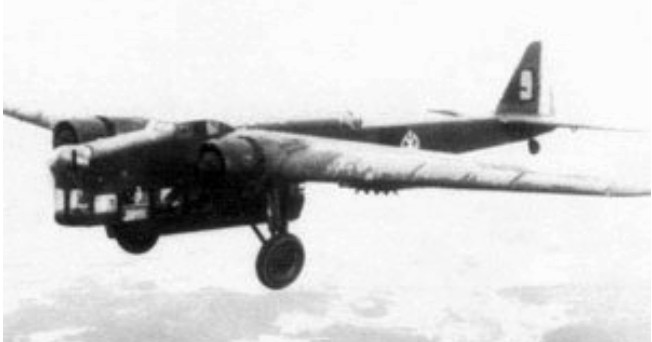
Amiot 143
Engines: 2 x Gnome-Rhone Kirs 14-cylinder radial, 870hp
Length: 59.91ft (18.26m)
Wingspan: 80.48ft (24.53m)
Height: 18.64ft (5.68m)
Empty Weight: 13,448lbs (6,100kg)
Maximum Take-Off Weight: 21,385lbs (9,700kg)
Maximum Speed: 193mph (310kmh; 167kts)
Maximum Range: 1,243miles (2,000km)
Service Ceiling: 25,919ft (7,900m)
Accommodation: 4 – 6
Armament:
4 x 7.5mm MAC 1934 machine gun
Maximum bombload: 3,527lbs
Amiot 140
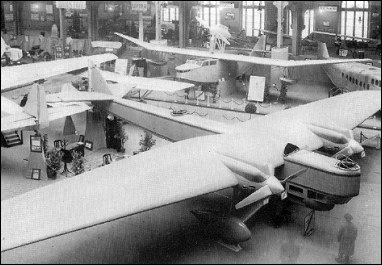
A day and night bomber, reconnaissance and attack aircraft, the Amoit 140 was selected for service by the Armee del’Air in 1933 as the 140M. Forty production aircraft were built.
Amiot 122
The Amoit 122 was three-seat single-engined bomber, of which about 20 built by 1934. The type served with the French Air Force and in Brazil. Widely used by French Air Force in 1930s, but attained less than 320km/h.
Amiot 101
Of the late 1920s, the Amoit 101 was a monoplane fighter.

