Walter Scolar

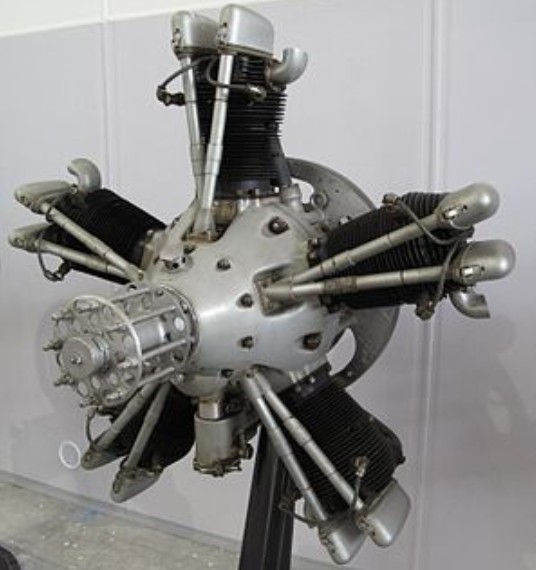
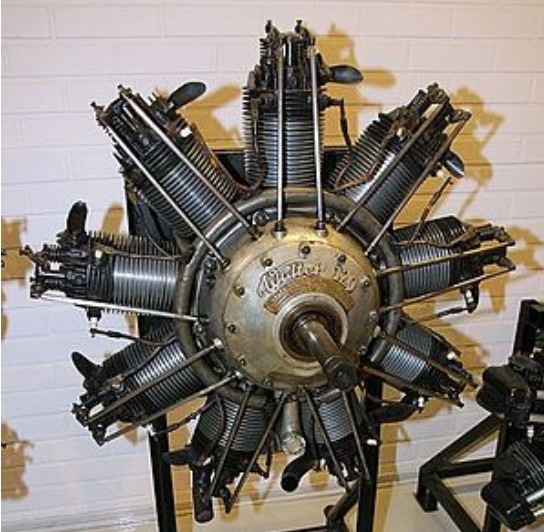
The Walter Scolar was a Czechoslovakian nine-cylinder, aircooled, radial engine for powering light aircraft that first ran in 1936. With a displacement of 8 litres (490 cu in), it produced 132 kW (180 hp) at 2,500 rpm.

Applications:
Beneš-Mráz Beta-Scolar

Specifications:
Scolar
Type: 9-cylinder radial piston engine
Bore: 105 mm (4.13 in)
Stroke: 100 mm (3.94 in)
Displacement: 7.8 L (488 cu in)
Dry weight: 155 kg (342 lb)
Valvetrain: One intake and one exhaust valve per cylinder
Fuel system: Carburettor
Fuel type: Petrol
Cooling system: Air-cooled
Power output: 132 kW (180 hp) at 2,500 rpm
Compression ratio: 5.4:1
Power-to-weight ratio: 0.85 kW/kg (0.52 hp/lb)

Walter Venus

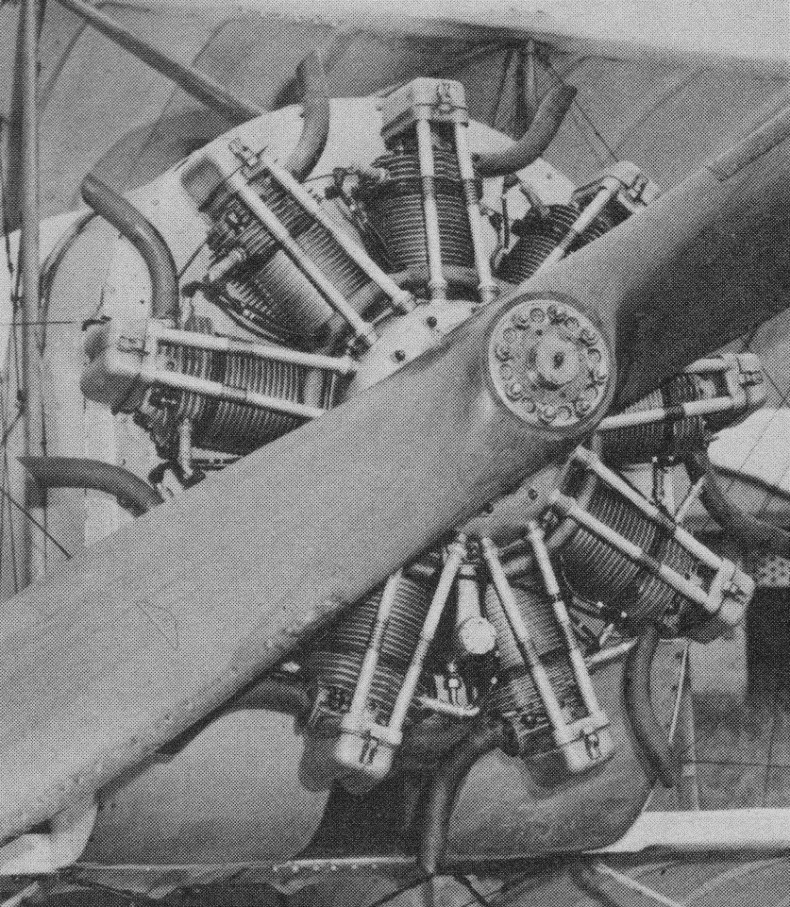
The Walter Venus was a seven-cylinder, air-cooled, radial engine for aircraft use built in Czechoslovakia and first run in 1929.

Applications:
Aero A.34
ANBO V
Savoia-Marchetti S.56A

Specifications:
Type: 7-cylinder radial engine
Bore: 105 mm (4.1 in)
Stroke: 120 mm (4.7 in)
Dry weight: 178 kg (393 lb)
Valvetrain: Overhead valve, one inlet and one exhaust valve per cylinder
Fuel system: Zenith Type 50J carburettor
Fuel type: Petrol
Oil system: Pressure and scavenge pump
Cooling system: Air-cooled
Reduction gear: Direct-drive
Power output: 82 kW (110 hp) at 1,750 rpm
Compression ratio: 5.15:1
Power-to-weight ratio: 0.46 kW/kg (0.28 hp/lb)

Walter Castor / Super Castor

Walter Castor III

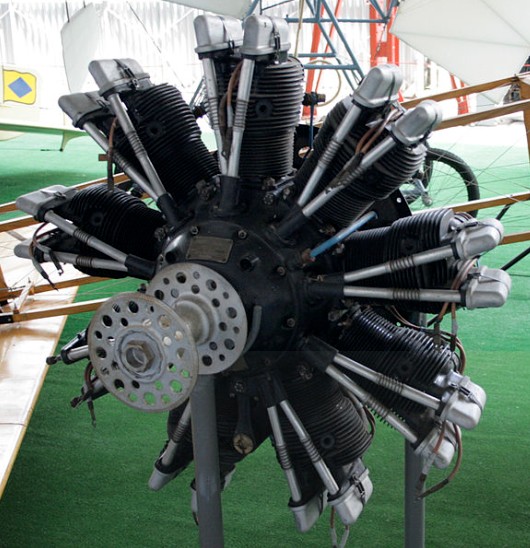
The Walter Castor was a Czechoslovakian seven-cylinder, aircooled, radial engine for powering aircraft that was first run in 1929. The Super Castor was a nine-cylinder development.

Applications:
Aero A.35
Aero A.304 (Super Castor)
Airspeed Envoy
Breda Ba.25
Dornier Do K
Fizir F1V
Hopfner HV-6/28
Letov Š-28
Rogozarski AZR
Savoia-Marchetti S.71

Specifications:
Castor
Type: 7-cylinder radial piston engine
Bore: 135 mm (5.3 in)
Stroke: 170 mm (6.7 in)
Dry weight: 248 kg (547 lb)
Valvetrain: One intake and one exhaust valve per cylinder
Fuel system: Zenith carburettor
Fuel type: Petrol
Cooling system: Air-cooled
Power output: 194 kW (260 hp) at 1,850 rpm (maximum power)
Compression ratio: 6:1
Power-to-weight ratio: 0.78 kW/kg (0.48 hp/lb)

Walter Sagitta

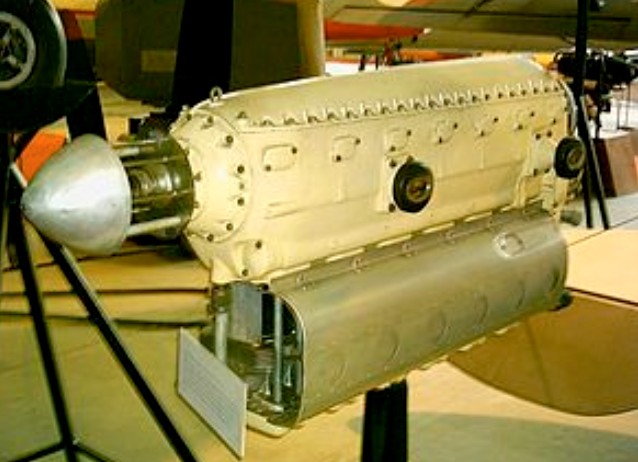
The Walter Sagitta was a Czechoslovakian, air-cooled, inverted V-12 engine that first ran in 1937. With a displacement of 18.4 litres (1,123 cu in), it produced up to 373 kW (550 hp) at 2,500 rpm.

Variants:
Sagitta I-MR
550 hp (410 kW) at 2,500rpm at 2,500 m (8,202 ft) – rated height

Sagitta I-SR
535 hp (399 kW) at 2,500rpm at 3,800 m (12,467 ft) – rated height

Sagitta II R.C.
Fully supercharged, 388 kW (520 hp).

Applications:
Fokker D.XXIII
Rogožarski R-313
Savoia-Marchetti SM.86
VEF I-16

Specifications:
Sagitta I-SR
Type: 12-cylinder inverted vee piston engine
Bore: 118 mm (4.65 in)
Stroke: 140 mm (5.51 in)
Displacement: 18.4 l (1,122.84 cu in)
Length: 19,140 mm (753.54 in)
Width: 725 mm (28.54 in)
Height: 796 mm (31.34 in)
Dry weight: 372 kg (820 lb) – Direct drive, 385 kg (849 lb) – Geared 2:3
Valvetrain: enclosed push-rod operated rockers, two valves per cylinder closed by triple springs
Supercharger: 8.7 times crankshaft speed
Fuel system: Automatic boost and mixture control by a horizontal carburrettor
Fuel type: 85 Octane Aviation Gasoline
Oil system: Dry sump, one pressure pump and two scavenge pumps
Cooling system: Air-cooled
Power output:
Take-off: 460 hp (343 kW) at 2,500rpm
Rated power: 535 hp (399 kW) at 2,500rpm at 3,800 m (12,467 ft)
Maximum Power: 540 hp (403 kW) at 2,600rpm at 4,000 m (13,123 ft)
Specific power: 24.29 kW/l (0.534 hp/cu.in)
Compression ratio: 6.25:1
Specific fuel consumption: 0.315 – 0.328 kg/kW/hr (0.525 – 0.548 lb/hp/hr)
Oil consumption: 0.004 – 0.0067 kg/kW hr (0.0067 – 0.11 lb/hp hour)
Power-to-weight ratio: 1.046 kW/kg (0.636 hp/lb)
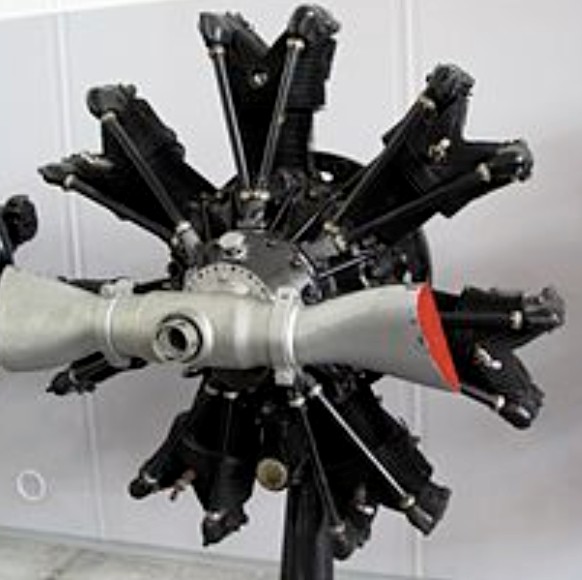
Sagitta I-MR
Type: 12-cylinder inverted vee piston engine
Bore: 118 mm (4.65 in)
Stroke: 140 mm (5.51 in)
Displacement: 18.4 l (1,122.84 cu in)
Length: 19,140 mm (753.54 in)
Width: 725 mm (28.54 in)
Height: 796 mm (31.34 in)
Dry weight: 372 kg (820 lb) – Direct drive, 385 kg (849 lb) – Geared 2:3
Valvetrain: enclosed push-rod operated rockers, two valves per cylinder closed by triple springs
Supercharger: 10.2 times crankshaft speed
Fuel system: Automatic boost and mixture control by a horizontal carburrettor
Fuel type: 85 Octane Aviation Gasoline
Oil system: Dry sump, one pressure pump and two scavenge pumps
Cooling system: Air-cooled
Power output:
Take-off: 560 hp (418 kW) at 2,500rpm
Rated power: 550 hp (410 kW) at 2,500rpm at 2,300 m (7,546 ft)
Maximum Power: 600 hp (447 kW) at 2,500rpm at 1,750 m (5,741 ft)
Specific power: 24.29 kW/l (0.534 hp/cu.in)
Compression ratio: 6.25:1
Specific fuel consumption: 0.315 – 0.328 kg/kW/hr (0.525 – 0.548 lb/hp/hr)
Oil consumption: 0.004 – 0.0067 kg/kW hr (0.0067 – 0.11 lb/hp hour)
Power-to-weight ratio: 1.046 kW/kg (0.636 hp/lb)
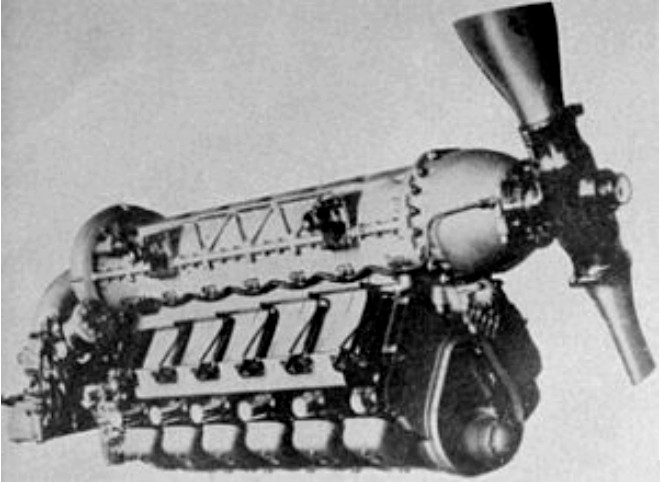
Walter Regulus

Walter Regulus II

The Walter Regulus was a Czechoslovakian five-cylinder, aircooled, radial engine for powering light aircraft that first ran in 1934. The engine produced 186 kW (250 hp).

Regulus
Type: 5-cylinder radial piston engine
Valvetrain: One intake and one exhaust valve per cylinder
Fuel system: Carburettor
Fuel type: Petrol
Cooling system: Air-cooled
Power output: 186 kW (250 hp)

Walter Polaris

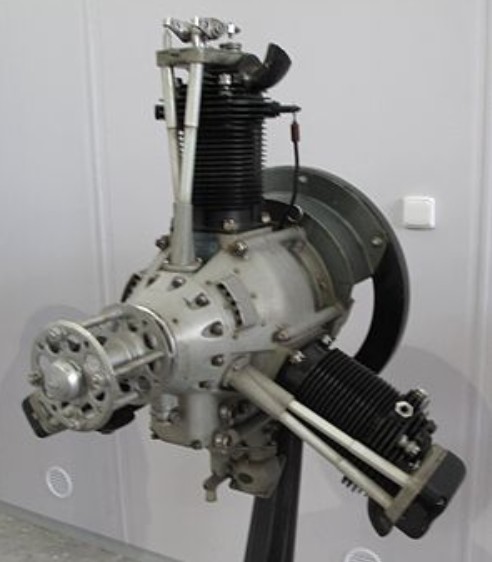
The Walter Polaris was a Czechoslovakian three-cylinder, aircooled, radial engine for powering light aircraft that was developed in the 1930s.

Applications:
Letov Š-39

Specifications
Polaris
Type: 3-cylinder radial piston engine
Valvetrain: One intake and one exhaust valve per cylinder
Fuel system: Carburettor
Fuel type: Petrol
Cooling system: Air-cooled

Walter Vega

The Walter Vega was a five-cylinder, air-cooled, radial engine for aircraft first run in 1929.

Applications:
Aero A.34
ANBO V
Avia BH-11

Specifications:
Type: 5-cylinder radial engine
Bore: 105 mm (4.1 in)
Stroke: 120 mm (4.7 in)
Dry weight: 102.5 kg (226 lb)
Valvetrain: Overhead valve, one inlet and one exhaust valve per cylinder
Fuel system: Zenith Type 50J carburettor
Fuel type: Petrol
Oil system: Pressure and scavenge pump
Cooling system: Air-cooled
Reduction gear: Direct-drive
Power output: 63 kW (85 hp) at 1,750 rpm
Compression ratio: 5.15:1
Power-to-weight ratio: 0.61 kW/kg (0.37 hp/lb)

Walter Pollux

Walter Pollux IIR

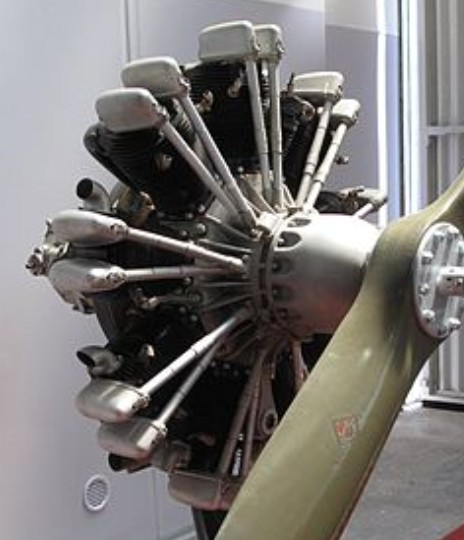
The Walter Pollux was a Czechoslovakian nine-cylinder, aircooled, radial engine for powering light aircraft that first ran in 1936. The engine produced 335 kW (450 hp) at 1,800 rpm.

The first known use was on the Fieseler F 2 Tiger in 1934.

Variants:
Pollux II
Direct drive engine

Pollux II-R
Geared engine, reduction ratio 0.666:1

Applications:
Aero A.204
Avia B.122
Fieseler F2 Tiger
Praga BH-41

Specifications:
Pollux IIR
Type: 9-cylinder radial piston engine
Bore: 135 mm (5.3 in)
Stroke: 170 mm (6.7 in)
Dry weight: 340.6 kg (751 lb)
Valvetrain: One intake and one exhaust valve per cylinder
Fuel system: Carburettor
Fuel type: Petrol
Cooling system: Air-cooled
Power output: 358 kW (480 hp) at 2,070 rpm
Compression ratio: 6:1
Power-to-weight ratio: 1 kW/kg (0.64 hp/lb)

Walter NZ 120

The Walter NZ 120 was a nine-cylinder, air-cooled, radial engine for aircraft use built in Czechoslovakia by Walter Aircraft Engines in the 1920s. Using common cylinders and parts from the NZ (Novák-Zeithammer) range of engines the NZ 120 produced up to 135 horsepower (99 kW).

Walter 120 engine

Applications:
Avia B.122
Breda Ba.26
Fizir FN
Junkers K 16
Letov Š-218
Praga BH-39NZ
RWD 8

Specifications:
Type: Nine-cylinder radial piston engine
Bore: 105 mm (4.1 in)
Stroke: 120 mm (4.7 in)
Displacement: 9.36 L (571.2 cu in)
Dry weight: 148 kg (326 lb)
Valvetrain: Overhead valve, two poppet valves per cylinder
Cooling system: Air-cooled
Reduction gear: Direct drive
Power output: 99.3 kW (135 hp) at 1,750 rpm (take-off power)
Compression ratio: 4.48:1

Walter Minor

Walter Minor 6-III

The Walter Minor is a family of four, six and twelve-cylinder inverted inline air-cooled engine used on light aircraft. First produced in 1929, the Minor engines have steel cylinders, aluminum heads and overhead valves, with identical bore and stroke of 105 mm (4.1 in) and 115 mm (4.5 in), respectively. Typical power ratings varied from 105 hp to 160 hp. In 2012 Avia continued to produce the Minor.

Variants:
Minor Sc.
Minor M 337
Minor 4-I
Minor 4-II
Minor 4-III
Minor 6-I
Minor 6-II
Minor 6-III
Minor 12 1-MR

Applications:
Aero Ae 45
Aero Ae 50
Aviator Shershen’
Beneš-Mráz Beta-Minor
Fry Esprit VFII
Let L-200 Morava
LIBIS KB-6
LWD Zuch
Manzolini Libellula II
Nord NC.856
Nord NC.859
Nord NC-860
Oeffag O.K.15
Orličan L-40 Meta Sokol
Pasotti Airone
Praga E-210
Praga E-211
Starck AS-57
Zlin 22
Zlin Trener

Specifications:
Minor 4-cylinder
Type: 4-cylinder inverted inline air-cooled
Bore: 105mm (4.14 in)
Stroke: 115mm (4.53 in)
Displacement: 4 Liter (244 cu in)
Length: 1,119mm (44.09 in)
Width: 440mm (17.32 in)
Height: 630mm (24.80 in)
Dry weight: 93kg (205 lb)
Valvetrain: 1 inlet and 1 exhaust valve per cyclinder
Fuel system: 1 claudel carburetor
Fuel type: 68 octane
Cooling system: air-cooled
Power output: 95 hp at 2,550 rpm
Compression ratio: 5.3:1
Power-to-weight ratio: 2.41lb/hp at cruise power