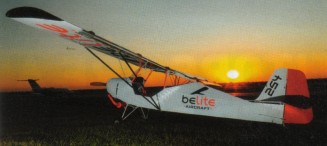
The single seat Belite light sport aircraft first flew on 4 July 2009. The 135 kg aircraft utilises carbon fibre materials in the fabrication of struts, ribs and wing spar.
The prototype was powered by a 28 hp / 29 kW MZ-34 engine
The single seat Belite light sport aircraft first flew on 4 July 2009. The 135 kg aircraft utilises carbon fibre materials in the fabrication of struts, ribs and wing spar.
The prototype was powered by a 28 hp / 29 kW MZ-34 engine

Circa 1998, the Bel-Air 2 was offered in four versions: ultralight, homebuilt two seat tandem, homebuilt two seat side by side, homebuilt four seater.
Bel-Air 2
Engine: Lycoming O-320, 150 hp
Wing span: 10 m
Wing area: 17.6 sq.m
MAUW: 907 kg
Empty weight: 474 kg
Fuel capacity: 136 lt
Max speed: 210 kph
Cruise speed: 170 kph
Minimum speed: 64 kph
Climb rate: 4.5 m/s
Seats: 4
Fuel consumption: 32 lt/hr
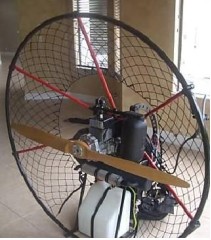
High points have adjustable J-bars, for easier take-off as well as for more comfortable long distance flights.
They are attached to the frame by two silent blocks, which contributes to reduce the engine’s vibrations transmitted to the pilot.
Fitted with cruise control and foot rests.

Brothers Aimé and Joseph Behaeghe completed their monoplane, which probably appeared in 1912. This last machine of the Behaeghe brothers was built for the Belgian pilot Duyck. It was fitted with a 50 hp Anzani 5-cylinder and a propeller made by the Behaeghe brothers. Wing span was 7,50 meter, length 4,75 meter and wing surface 12 sq.m.
Brothers Aimé and Joseph Behaeghe completed their first aeroplane, a biplane of their own design powered by a 25hp engine, in 1910, after 12 months work. Evidently this aircraft had a limited performance but, undeterred, the brothers went on to build other aircraft.

Designed by Glen Beets, the G/B is a single-seat, open-cockpit sporting plane featuring a high parasol-braced wing and conventional tailwheel type landing gear. While the fuselage is a fabric-covered steel tube structure, the wing is built with spruce spars and ribs, also fabric covered. All plans, kits, and components are sold through the Stolp Starduster Corp.

The engine uses a 2.5:1 gear reduction unit designed and built by Beets and Fred Nelson.
Engine 70-hp Volkswagen, 1641cc.
Gross Wt. 925 lbs.
Empty Wt. 603 lbs.
Wingspan 25 ft
Length 16 ft 4in
Top speed 156 mph.
Cruise 120 mph.
Stall 35 mph.
Climb rate 2000 fpm.
Takeoff run 200 ft.
Landing roll 300 ft.
Range: 600 sm.
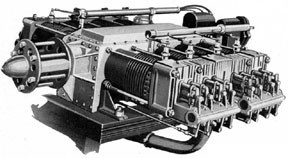
In 1918 the (B L) Beecher Co of New Haven CT., USA, built a horizontally opposed, air cooled 8 cylinder aero engine.
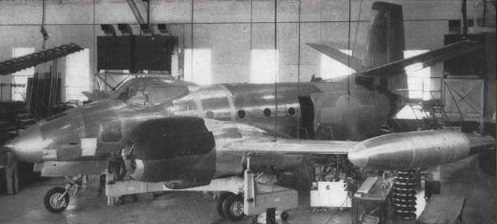
A 4-12 place low wing monoplane with retractable undercarriage, the T-26 was intended to replace C-45s in Air Training Command. A batch of 195 aircraft was ordered, but canceled June 1953 when the first flight of the prototype was a matter of only hours away.
Two were built, as T-36A, but neither was flown.
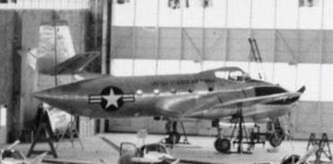
Engines: two 2300hp P&W R-2800
Wingspan: 70’0″
Length: 52’2″
Est speed: 300+ mph
Gross wt: 25,000 lb approx.
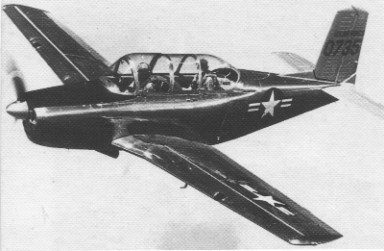
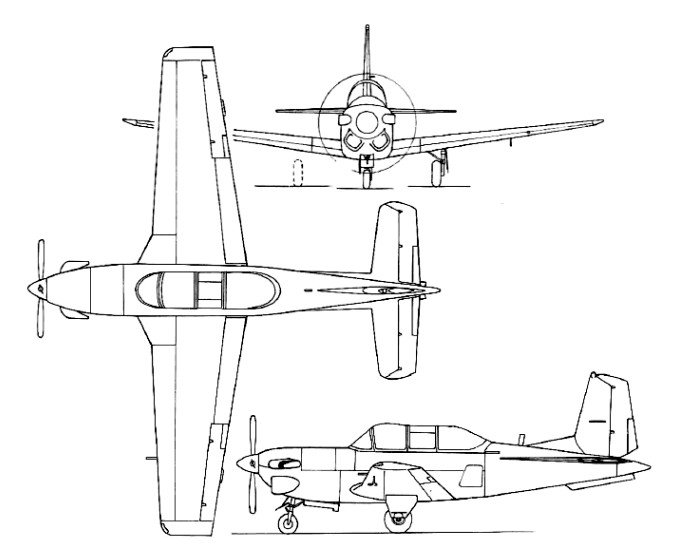
In 1948 Beech built as a private venture a two-seat trainer developed from the V-tail civil Bonanza. Having tandem seating for pupil and instructor and a conventional tail unit, the aircraft was designated Beech Model 45 Mentor, and flew for the first time on 2 December 1948.
Beechcraft 45 / T-34 Mentor Article
USAF evaluated three examples of the Beech Model 45, two powered by the 153kW Continental E-185-8 engine and one by the 168kW Continental E-225-8; all three were designated YT-34 by the USAF. These three aircraft made their first flights in May, June and July 1950, and were tested extensively during a competition period, being flown not only by evaluation pilots, but also in the primary training role with pupils and instructors. On 4 March 1953, the USAF selected the Model 45 as its new primary trainer, under the designation T-34A Mentor, and ultimately 450 were built for that service, 350 by Beech and 100 by the Canadian Car & Foundry Company in Montreal, Canada. An initial order from the USAF for 34 aircraft was followed by one for 25 from the RCAF and yet another from the USAF for 66. RCAF plans were changed after only one training course and in 1955, 23 of its Mentors were donated to the Turkish Air Force. The last complete airframe to be built by Car Car was the T 34A Mentor.
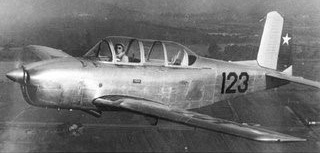
US Navy evaluation of the Model 45 began soon after the USAF had placed its initial contract with Beech, and on 17 June 1954 the Navy ordered 290 under the designation T-34B. A total of 423 were acquired eventually. In July 1951 one of the original prototypes was modified to mount two 7.62mm machine-guns in the wings, with provision additionally for underwing racks capable of accepting six rockets or two 68kg bombs; this was evaluated by the USAF as a potential light close-support aircraft, but no orders materialised.
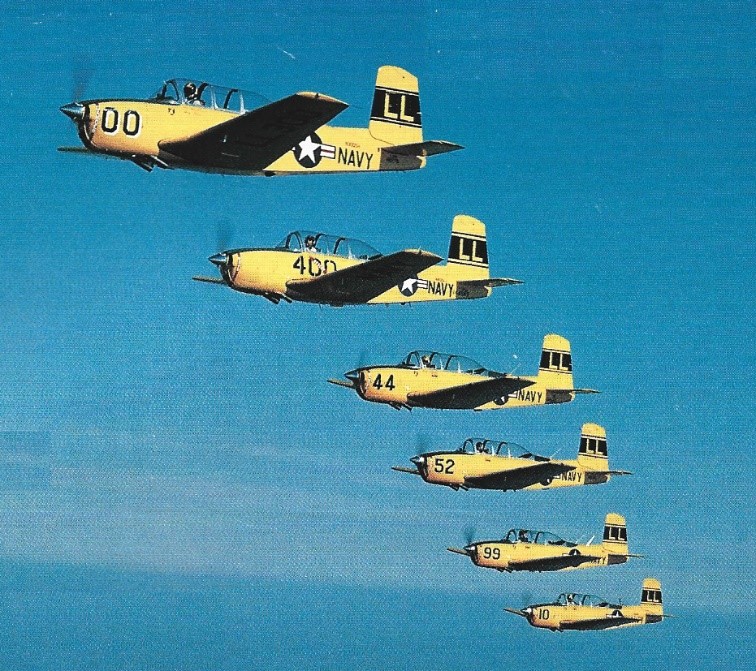
The US Navy decided in 1973 to investigate the possibility of retaining the Mentor in service, with its piston engine replaced by turbine powerplant. To evaluate this proposal, the USN instructed Beech to convert two T-34Bs to turbine power, under the designation YT-34C.
The powerplant chosen by Beech for the conversion was a Pratt & Whitney Aircraft of Canada PT6A-25. In this particular application it is provided with a torque limiter that restricts power output to some 56 per cent of maximum, ensuring constant performance over a wide range of altitude/temperature conditions, and also offering long engine life. The first YT-34C was flown on 21 September 1973, and following satisfactory evaluation of the two aircraft, Beech received contracts valued at approximately $72 million for the construction of 184 new aircraft. In addition to the installation of the new engine, the production aircraft were also given structural strengthening to ensure an airframe fatigue life of some 16,000 hours. The first T-34C Turbo-Mentor entered service with the USN’s Naval Air Training Command in November 1977, and student training with the type began during the following January. Since then production has reached 353, with six being transferred to the US Army.
The landing gear was designed to survive the hard simulated carrier landings practiced by student pilots and angle of attack indicators, a necessity for carrier approaches, are standard on the T-34C. Even though the Beeches are not operated on carriers, new Navy pilots become aware of the importance of angle of attack right from the beginning. Power off stall speed with gear and flaps down is 56 knots; the stall warning is a rudder shaker felt as a shudder in the pedals when approaching the stall.
On 24 June 1976, the US Navy replaced both its North American T 28 Trojan and Beech T 34B Mentor trainers by the improved Beech T 34C turboprop¬-powered version of the Mentor.
In 1981 the US Navy ordered an additional batch of 41 T-34C Turbo Mentors with FY81 funds. Previously a total of 155 T-34Cs had been delivered to the USN, and 81 had been exported to seven nations.
Beech developed a T-34C-1 version for armaments system training, equipped with four underwing hardpoints with a total weapons capacity of 544kg. Examples of this version have been supplied to the navies of Argentina, Ecuador, Peru and Uruguay, and to the air forces of Ecuador, Indonesia and Morocco. An export civil version, known as the Turbine Mentor 34C, has also been delivered for use in Algeria’s national pilot training school.
In Japan, the Fuji company built 176 T-34s for their own and the Philippine military forces. The Canadian Car and Foundry produced 125 Mentors, and an additional 75 were assembled in Argentina.
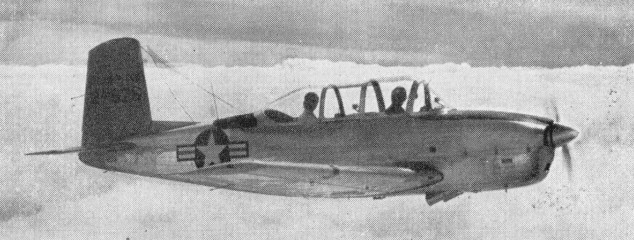
T-34
Engine 225-hp Continental.
Gross Wt. 2950 lbs.
Empty Wt. 2156 lbs.
Fuel capacity 50 USG.
Top speed 189 mph.
Cruise 173 mph.
Stall 53 mph.
Initial climb rate 1120 fpm.
Range 975 sm.
Ceiling 20,000 ft.
Takeoff distance (50ft) 1200 ft.
Landing distance (50ft) 960 ft.
Seats 2.
T-34A
Engine: Continental O 470 13, 225 hp.
Max speed, 189 mph (304 kph)
Cruise, 173 mph (227 kph)
Initial climb, 1,230 fpm (6.24 m/sec)
Service ceiling, 20,000 ft (6096 m)
Range, 737 mls (1186 km)
Empty weight: 2,156 lb (978 kg)
Loaded weight: 2,950 lb (1338 kg)
Span, 32 ft 10 in (10 m)
Length, 25 ft 11 in (7.9 m)
Wing area, 177.6 sq.ft (16.49 sq.m)
T-34B
Engine 225-hp Continental O-470-13
Wingspan: 32 ft 10 in
Wing area: 177.6 sq.ft
Length: 25 ft 10 in
Height: 9 ft 7 in
Empty weight: 2055 lb
Loaded weight: 2750 lb
Fuel capacity 50 USG.
Max speed: 188 mph
Cruise: 167 mph
Vne: 280 mph IAS
Stall 53 mph.
ROC: 1210 fpm
Service ceiling: 21.200 ft
Max range: 975 mi
Takeoff distance (50ft) 1200 ft.
Landing distance (50ft) 960 ft.
Seats 2.
T-34C Turbo Mentor
Engine: Pratt & Whitney PT6A 25, 400 shp.
Prop: 3 blade, constant speed, reversible.
Length: 28 ft 8 in.
Height: 9 ft 11 in.
Wingspan: 33 ft 5 in.
Wing area: 179 sq.ft.
Max ramp weight: 4,325 lbs.
Max takeoff weight: 4,300 lbs.
Standard empty weight: 3,003 lbs.
Max useful load: 1,297 lbs.
Max landing weight: 4,300 lbs.
Wing loading: 23.9 lb/sq.ft.
Power loading: 10.8 lb/hp.
Max usable fuel: 130 USG/845 lbs.
Max rate of climb, sea level: 1,440 fpm.
Max rate of climb, 8,000 ft: 1,350 fpm.
Max operating attitude: 20,000 ft.
Max speed (17,500 ft): 214 kts.
Cruise, max power at 17,500 ft: 214 kts.
Cruise, max range at 20,000 ft: 186 kts.
Fuel flow at max cruise: 39 USGph.
Endurance at max cruise, no res: 3.3 hrs.
Stalling speed, clean: 74 kts.
Stalling speed, flaps down: 56 kts.
Range: 683 nm / 1265 km
Turbulent air penetration speed: 195 kts.
Crew: 2
T-34C-1
Engine: 1 x P&WAC PT6A, 300 kW.
Span: 10.2 m.
Length: 8.7 m.
Wing area: 16.7 sq.m
Empty wt: 1360 kg.
MTOW: 1950 kg.
Warload: 620 kg.
Max speed: 425 kph.
Initial ROC: 660 m / min.
Ceiling: 9150+ m.
T/O run (to 15m): 595 m.
Ldg run (from 15m): 470 m.
Fuel internal: 490 lt.
Range: 1390 km.
Combat radius: 555 km.
Allison AT-34 Mentor
Average conversion price: US$430,000
Engine: Allison 250B17F, 450 hp
TBO: 3500 hr
Fuel type: Jet A, Jet A1, JP 5, JP 8, limited AvGas
Propeller make/type: 90-inch CS three-blade full-feather reversing
Landing Gear type: Tri./Retr.
Gross weight: 3400 lb
Max landing weight: 3400 lb
Empty weight, std: 2020 lb
Useful load, std: 1380 lb
Fuel capacity, std: 114 USgal
Wingspan: 32 ft. 10 in.
Overall length: 27 ft. 8 in.
Height: 10 ft
Wing area: 177.6 sq. ft
Wing loading: 16.8 lbs./sq. ft
Power loading: 7.6 lbs./hp
Wheel track: 9 ft. 7 in.
Wheel size: 6.00 x 6 in main; 5.00 x 5 in nose
Seating capacity: 2
Cabin doors: 2
Cabin width: 25 in
Cabin height: 42 in
Baggage capacity: 220lb
Cruise speed @12,000 ft.: 200 kt
Cruise speed @17,500 ft.: 212 kt
Cruise speed @23,000 ft.: 195 kt
Fuel consumption @12,000 ft.: 28 USgph
Fuel consumption @17,500 ft.: 25 USgph
Fuel consumption @23,000 ft.: 21 USgph
Stall speed (gear, flaps up) (kts.): 60
Stall speed (gear, flaps down): 55 kt
Best rate of climb (sea level): 2500 fpm
Service ceiling: 25,000 ft
Takeoff ground roll: 600 ft
Landing ground roll: 600 ft
Landing over 50 ft. obstacle: 670 ft
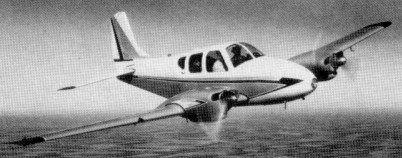
When the Model 95 Travel Air was in its prototype stage in 1956, it was known as the Badger. It entered production in 1958, with a factory list price of $49,500.
The first Beech Travel Air on the British register (1960) was G-APUB.
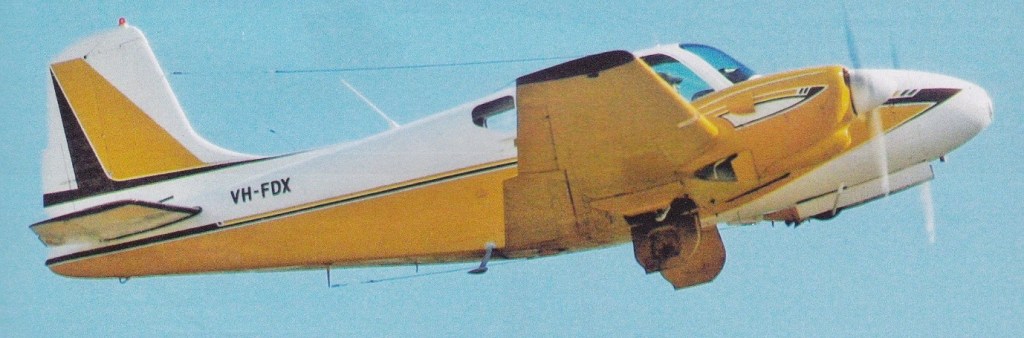
In the 10 following years, the Travel Air was subject to a few major changes. Engine power output remained at 180 on all models, with carburetors being replaced by fuel injectors in 1964. In that same year, the cabin was stretched an additional 20 inches. The factory price rose, in 1968, to $153,500 list, including avionics. Only 14 1968 E95 model were built. In all these years and changes, the basic performance figures of the Travel Air differed only slightly. Top speed varied only by a mile per hour or so, cruise rose from 195 to 200, and range and altitude held constant. A limitation of the Travel Air to some pilots was the low single-engine ceiling of 4400 feet.
1958 Beechcraft Travel Air
Engines: Lycoming O-360-A1A, 180 hp
TBO: 2000 hrs
Fuel type: 80/87
Propeller type/diameter: Hartzell/72 in
Landing gear type: Tri/Retr.
Max ramp weight: 4000 lb
Gross weight: 4000 lb
Landing weight: 4000 lb
Empty weight, std: 2500 lb
Useful load: 1172 lb
Payload, full std. fuel: 548 lb
Usable fuel, std: 112 US gal
Wingspan: 37 ft. 10 in.
Overall length: 25 ft. 4 in.
Height: 9 ft. 6 in.
Wing area:193.8 sq. ft
Wing loading: 20.6 lbs./sq. ft
Power loading: 11.1 lbs./hp
Wheel base: 7 ft.
Wheel track: 9 ft. 7 in.
Wheel size: 6.5 x 8 in (mains), 5 x 5 in (nose)
Seating capacity: 4
Cabin doors: 1
Cabin width: 42 in
Cabin height: 50 in
Baggage capacity: 270 lb front, 270 lb rear
Cruise speed 75% power @ 7,500 ft.: 200 kt
Cruise speed 65% power @ 10,500 ft.: 195 kt
Cruise speed 55% power @ 14,000 ft.: 181 kt
Fuel consumption 75% power: 21.0 USgph
Fuel consumption 65% power: 17.5 USgph
Fuel consumption 55% power: 15.0 USgph
Max range (w/reserve): 1360 nm
Vs: 84 mph
Vso: 70 mph
Best rate of climb @ gross: 1360 fpm
Best rate of climb, 8000 ft. @ gross: 800 fpm
Service ceiling (ft.): 18,100
Takeoff ground roll: 1700 ft (no wind, standard day, sea level)
Takeoff over 50-ft. obstacle: 2000 ft
Landing ground roll: 1100 ft
Landing over 50-ft. obstacle: 2200 ft
Beechcraft 1960 B95 Travel Air
Engine: Lyc. O-360-A1A, 180 hp
TBO: 2000 hr
Propeller: Const. spd.
Landing Gear type: Tri./Retr.
Gross weight: 4100 lb
Empty weight, std: 2860 lb
Useful load, std: 1240 lb
Fuel: 84 US gal
Wingspan: 37 ft. 10 in.
Overall length: 25 ft. 4 in.
Height: 9 ft. 8 in.
Wing area: 199 sq. ft
Seating capacity: 6
Cabin width: 42.5 in
Cabin height: 50 in
Baggage capacity: 270 lb (front.) /400 lb (rear)
Cruise speed, 8,000 ft 75% power: 170 kt
Cruise speed, 8,000 ft 65% power: 167 kt
Max range (w/ reserve) 75% power: 887 nm
Max range (w/ reserve) 65% power: 1008 nm
Fuel consumption 70% power: 21.0 US gph
Fuel consumption 65% power: 17.2 US gph
Stall speed (gear, flaps down): 60 kt
Best rate of climb: 1300 fpm
Service ceiling: 18,100 ft
Takeoff ground roll: 1740 ft
Landing ground roll: 1015 ft
D95A
Engines: 2 x IO 360 B1B.
E95
Engines: 2 x Lycoming O 360-AlA, 180-hp.
Seats 4-5.
Gross Wt. 4200 lbs.
Empty Wt. 2650 lbs.
Fuel capacity 112 USG.
Top speed 240 mph.
Cruise 200 mph.
Stall 75 mph.
Initial climb rate 1250 fpm.
Range 1035 sm.
Ceiling 18,100 ft.
Takeoff distance (50’) 1280 ft.
Landing distance (50’) 1590 ft.
E95 Travel Air
Engines: 2 x 180¬hp Lycoming IO 360 B1B.

