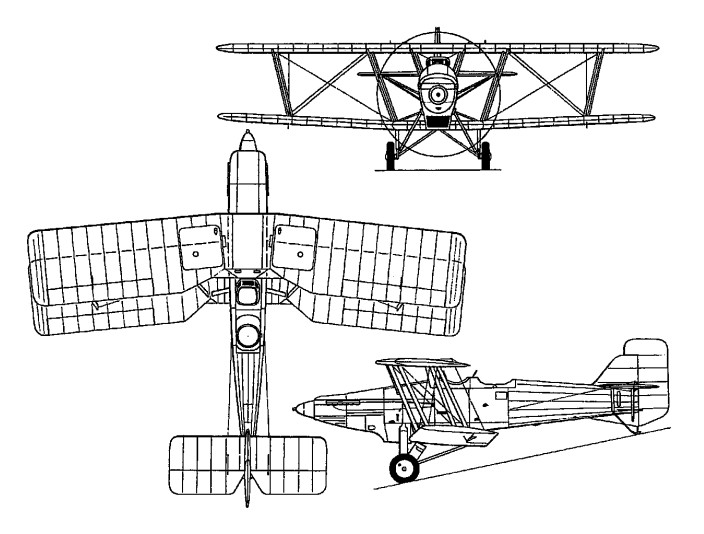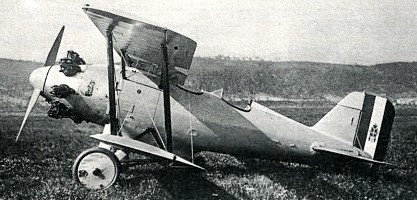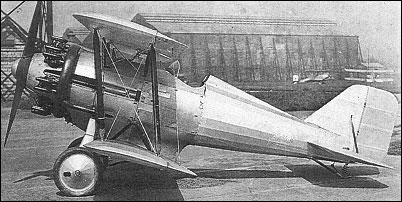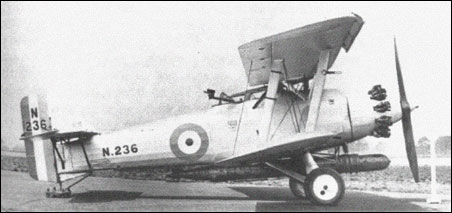
Blackburn B-1 Seagrave / Piaggio P.12

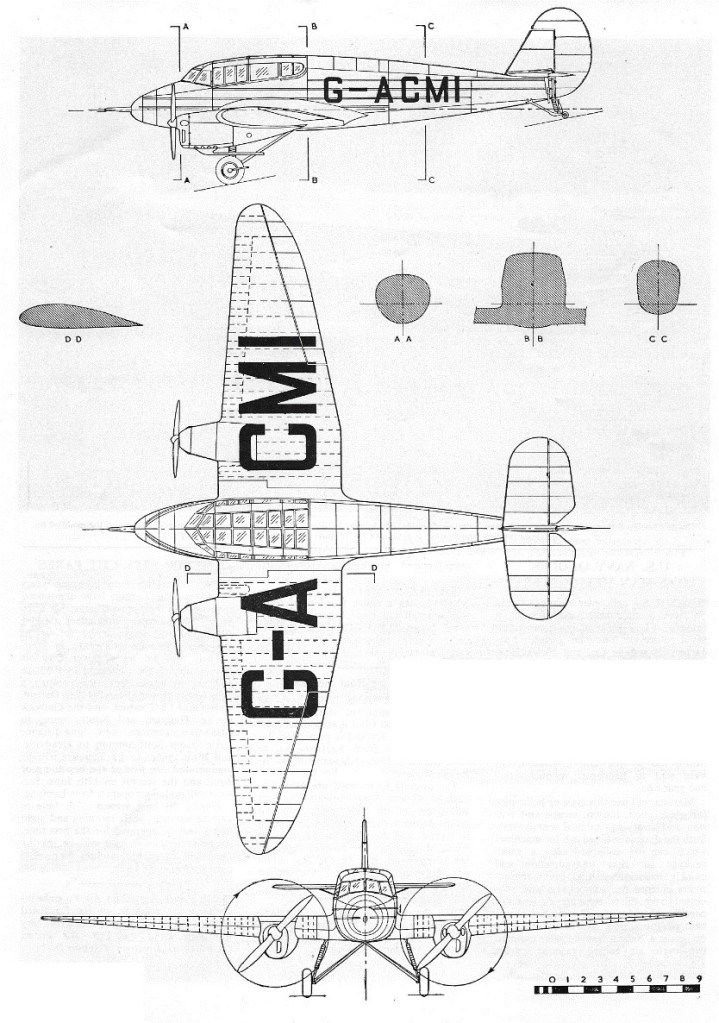
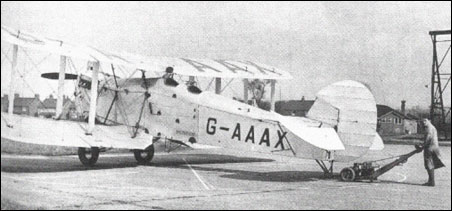
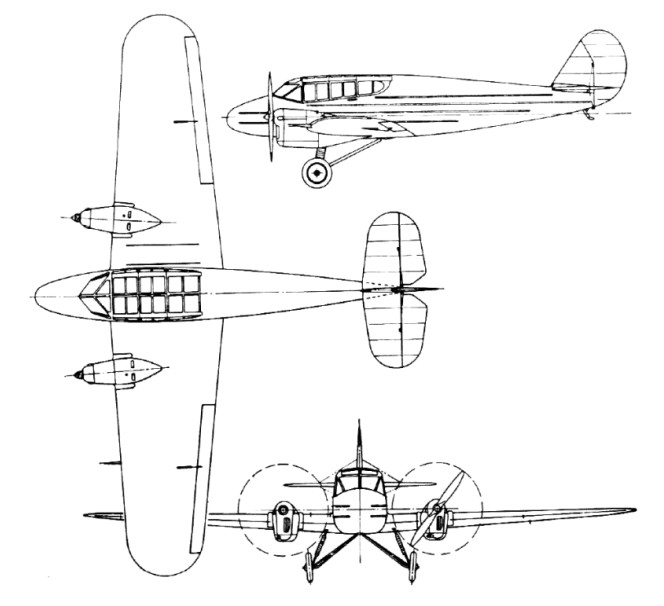
The Blackburn Segrave Meteor was designed in 1929 by Sir Henry Segrave, Technical Director of the Aircraft Investment Corporation. This corporation had substantial interests in the Blackburn Airplane & Motor Co and Saunders Roe. The prototype, G-AAXP, was built by Saunders-Roe and flown on 28 May 1930 at Cowes.

A four-seat cabin monoplane powered by two 89kW de Havilland Gipsy Ills or similar engine. It had an all-wooden fuselage. It was flown in the 1930 King’s Cup Race, and registration finally cancelled in September 1938.

The production of an all-metal machine was given to Blackburn, a number of parts being made by Saunders-Roe. Two production machines, known as Blackburn Segraves were built; G-ABFP and G-ABFP. G-ABFP registration was cancelled in December 1934.

G-ABFR was used on the Hull-Grimsby ferry in 1932. Its last owner was British Air Transport Ltd of Redhill. It was withdrawn in August 1939.
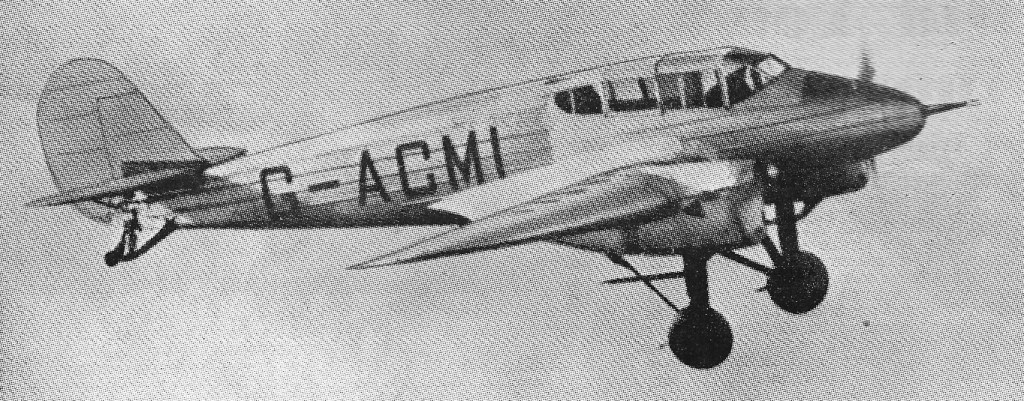
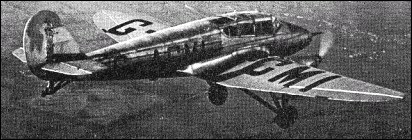
A fourth, G-ACMI, had an experimental Duncanson single-spar wing. This spar was hollow and carried fuel.

G-ACMI was powered by Gipsy Majors, the others having Gipsy III’s. G-ACMI was originally registered G-ABZJ for a time at the end of 1932 but never carried these letters.

Two were built by Piaggio as P.12s.
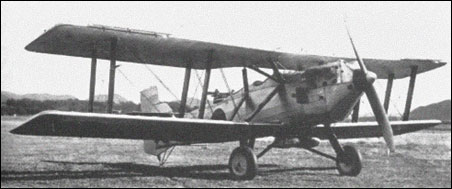
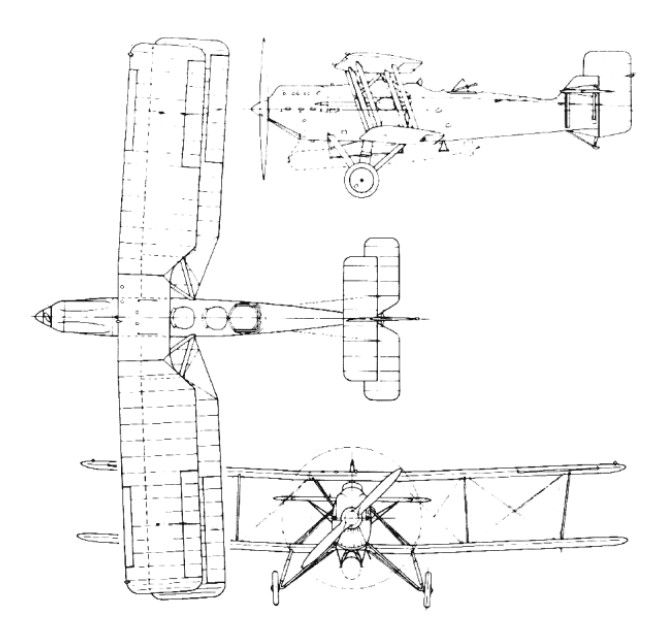
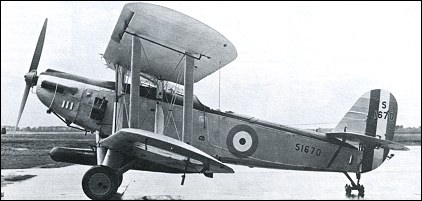
Blackburn T.7B / 3MR4

Designed for production in Japan. The first prototype flown on 28 December 1929.

Engine: 1 x 625hp Hispano-Suiza Type 51-12Lbr
Take-off weight: 3617 kg / 7974 lb
Empty weight: 1769 kg / 3900 lb
Wingspan: 15.01 m / 49 ft 3 in
Length: 10.13 m / 33 ft 3 in
Height: 3.78 m / 12 ft 5 in
Wing area: 55.00 sq.m / 592.01 sq ft
Max. speed: 213 km/h / 132 mph
Ceiling: 3505 m / 11500 ft
Range: 628 km / 390 miles
Crew: 3
Armament: 3 x 7.7mm machine-guns, 2 x 110kg bombs or a torpedo

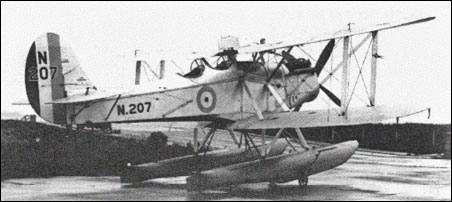
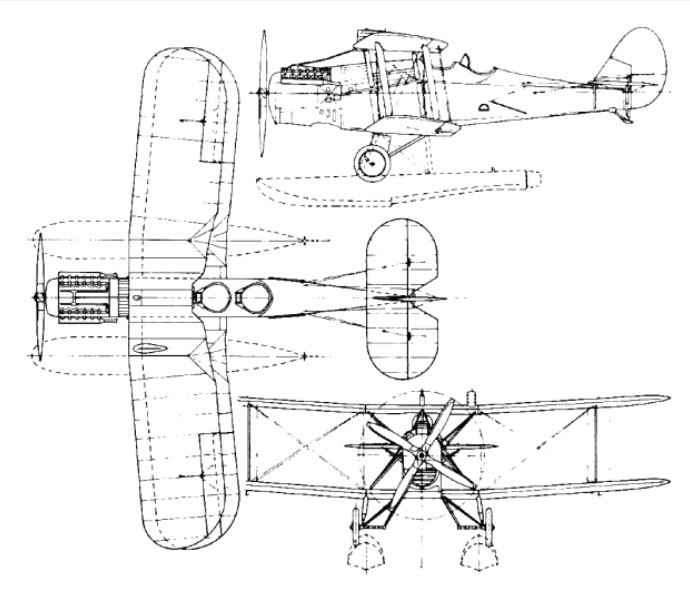
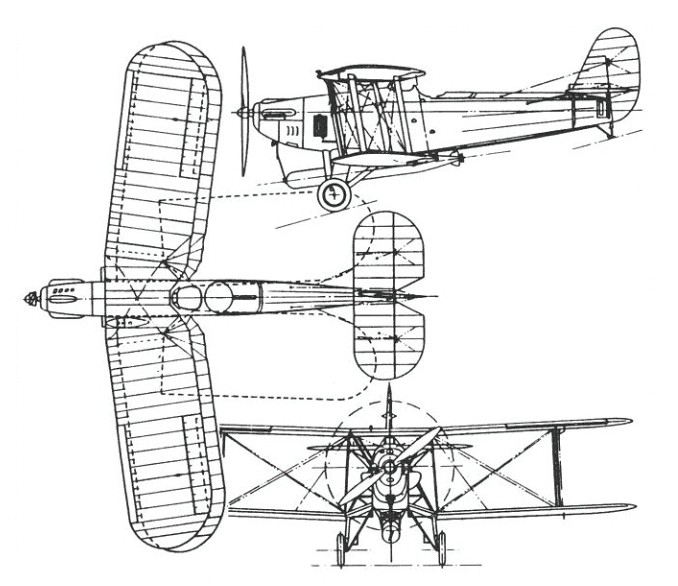
Blackburn 2F.1 Nautilus

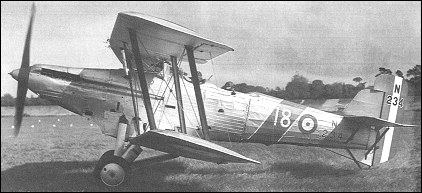
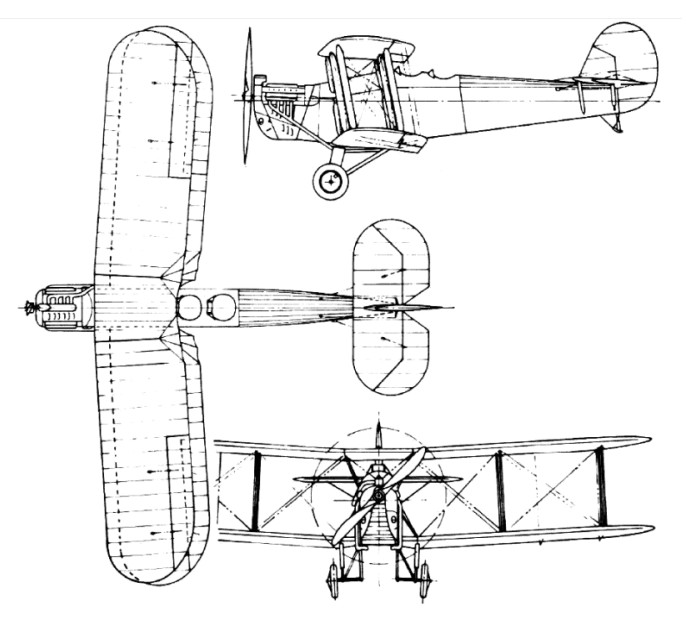
A two-seat shipboard fighter-reconnaissance aircraft designed by F A Bumpus to Specification 0.22/26, the Nautilus was of all-metal construction with duralumin and fabric skinning, and was flown for the first time in May 1929 with a 525hp Rolls-Royce F.XIIMS 12- cylinder liquid-cooled engine. Armament comprised one forward-firing 7.7mm Vickers gun and a Lewis gun of similar calibre on a ring mounting in the rear cockpit. Other contenders for the contract were the Short Gurnard, the Fairey Fleetwing and a navalized version of the Hawker Hart. After competitive trials during the autumn of 1929, the Hart was selected for production as the Osprey. Only one Nautilus prototype was completed.

Engine: 525hp Rolls-Royce F.XIIMS 12- cylinder
Take-off weight: 2155 kg / 4751 lb
Empty weight: 1462 kg / 3223 lb
Wingspan: 11.28 m / 37 ft 0 in
Length: 9.65 m / 31 ft 8 in
Height: 3.30 m / 10 ft 10 in
Wing area: 42.55 sq.m / 458.00 sq ft
Max. speed: 248 km/h / 154 mph
Range: 603 km / 375 miles
Armament: one 7.7mm Vickers gun and one 7.7mm Lewis gun

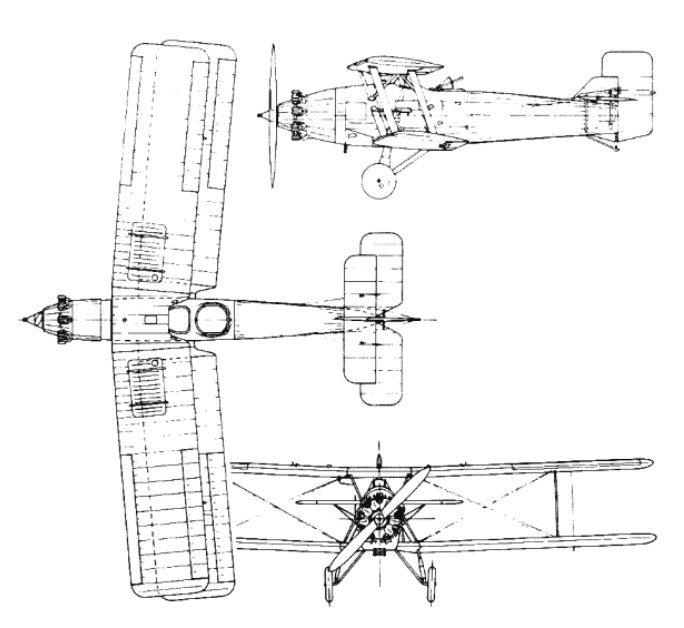
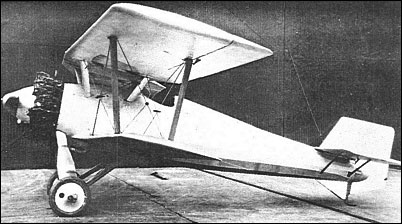
Blackburn F.1 Turcock

A single-seat biplane designed by F A Bumpus and B A Duncan as a private venture to meet the requirements of Specifications F.9/26 and N.21/26, the F.1 could accept a variety of air-cooled and water-cooled engines in the 450-600hp range. The design was assigned the name Blackcock but it was intended to allocate individual names to variants as and when built.
The F.1 was of all-metal construction and primarily fabric covered, and armament was intended to comprise two 7.7mm Vickers guns in the fuselage.
The prototype, powered by a 446hp Armstrong Siddeley Jaguar VI 14-cylinder two-row radial, carried no armament and was flown for the first time on 14 November 1927. Built to a Turkish government contract, the prototype was allocated the name Turcock but was destroyed in an accident on 23 January 1928, no further development being undertaken.

Engine: 446hp Armstrong Siddeley Jaguar VI 14-cylinder two-row radial
Take-off weight: 1236 kg / 2725 lb
Empty weight: 1035 kg / 2282 lb
Wingspan: 9.45 m / 31 ft 0 in
Length: 7.41 m / 24 ft 4 in
Height: 2.72 m / 8 ft 11 in
Max. speed: 283 km/h / 176 mph

Blackburn T.5 Ripon

The Ripon was a torpedo-bomber with a steel-tube fuselage and wooden wings, first flown as the Ripon I in 1926. The first of 20 aerodynamically cleaner Ripon IIs replaced the Blackburn Darts of Nos 460, 461 and 462 Flights, FAA, on board HMS Glorious and Furious in 1929.

Forty Ripon IIAs with shorter-span duralumin wing-ribs and smaller rudders were built during 1930-31. Five of these belonging to No 460 Flight went to Buenos Aires on board HMS Eagle in 1931 and were used for formation flying over the British Empire Exhibition during March and April. Thirty-one Ripon IICs with additional sweep-back and steel wing-spars were delivered during 1931-32. Earlier marks were thereafter returned to Blackburn for modification to this standard. Ripon IICs formed the equipment of Nos 465 and 466 Flights on board Furious in 1931, but in 1933 all the Flights were regrouped. The IICs remained in service until 1934.

One Ripon IIF, with a Bristol Jupiter radial engine, was delivered to Finland in September 1929, where 25 others were constructed with plywood-covered fuselages and wheel/float/ski landing gears. These saw service against the Russians during the 1939 ‘Winter War’.

Gallery

Ripon IIA
Engine: 1 x Napier Lion XIA, 425kW
Take-Off Weight: 3359 kg / 7405 lb
Wingspan: 13.67 m / 44 ft 10 in
Length: 11.2 m / 36 ft 9 in
Height: 3.91 m / 12 ft 10 in
Wing Area: 63.45 sq.m / 682.97 sq ft
Max. Speed: 203 km/h / 126 mph
Cruise Speed: 175 km/h / 109 mph
Ceiling: 3000 m / 9850 ft
Range W/Max.Fuel: 1705 km / 1059 miles
Armament: 2 x 7.7mm machine-guns, one torpedo or 680kg of bombs

Blackburn RB.1 Iris

Iris III

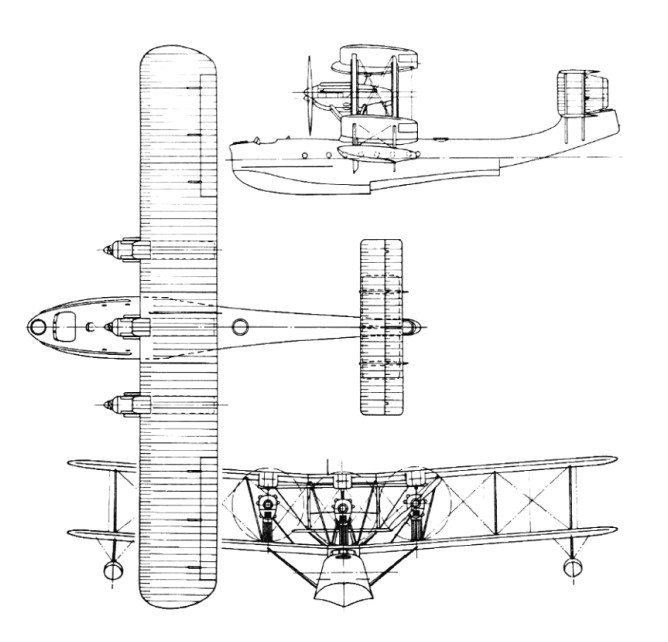
The Blackbrn Iris was designed as a long range, ocean going aircraft to augment the coastal patrol services Supermarine Southamptons. Only one squadron was equipped with Iris aircraft, first with the Mk.III which later, by modification, became the Mk.V, and ultimately with what might have been a later mark, but was designated “Perth”.
The Armament of the Iris consisted of Lewis guns in bow and midship positions with a third one at the tail end of the hull which had only a limited arc of fire. In the bow position, a one pounder gun, made by the Coventry Ordnance Works and consequently known as the Cow gun, could be mounted, and was once every year for demonstration purposes.
The five-seat Iris was a biplane flying-boat. The first of only eight built flew on 19 June 1926. The single Iris I, powered by three 484.4kW Rolls-Royce Condor III engines, was converted into the II with 503kW Condor IIIA. It was followed by four Iris III with 503kW Condor IIIB engines (entering service with the RAF in 1930); a single Mk IV (the first prototype with 596kW Armstrong Siddeley Leopard Ill, mounted as two tractors and one pusher); and three V with 615kW (825 hp) Rolls-Royce Buzzard IIMS engines. A III was also brought up to V standard and the luxury of a roof over the pilot’s positions. No heating.

Iris I
Engines: three 484.4kW Rolls-Royce Condor III

Iris II
Engines: 3 x 503kW Condor IIIA

R.B.1B “Iris” III
Engine: 3 x Rolls-Royce “Condor” IIIB, 503kW, 675 hp
Take-Off Weight: 13376 kg / 29489 lb
Empty Weight: 8640 kg / 19048 lb
Wingspan: 29.57 m / 97 ft 0 in
Length: 20.54 m / 67 ft 5 in
Height: 7.77 m / 25 ft 6 in
Wing Area: 207.07 sq.m / 2228.88 sq ft
Max. Speed: 190 km/h / 118 mph
Cruise Speed: 156 km/h / 97 mph
Ceiling: 3230 m / 10600 ft
Range W/Max.Fuel: 1287 km / 800 miles
Crew: 5
Armament: 3 x 7.7mm machine-guns, 900kg bombs

Iris V
Engines: 3 x Rolls-Royce Buzzard, 825 hp.

Blackburn T.3 Velos

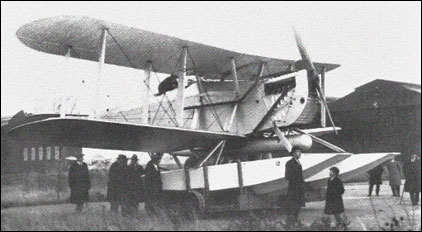
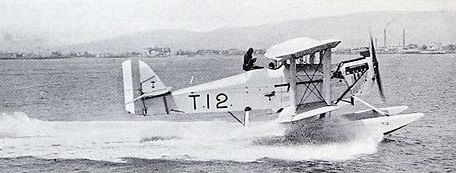
In 1925 the Blackburn Aeroplane & Motor Co concluded an arrangement with the Greek Government to organise an aircraft factory at Phaleron, near Athens, Greece. The EAF / State Aircraft Factory constructed a series of Velos two seat torpedo planes, designed by Blackburn; a series of Armstrong Whitworth Atlas two seat fighters; and a series of Avro 504O and 504N trainers.

Greek built Velos taking off in Phaleron Bay

Engine: 1 x 450hp Napier Lion V
Take-Off Weight: 2815 kg / 6206 lb
Empty Weight: 1766 kg / 3893 lb
Wingspan: 14.78 m / 48 ft 6 in
Length: 10.82 m / 35 ft 6 in
Height: 3.73 m / 12 ft 3 in
Wing Area: 60.76 sq.m / 654.01 sq ft
Max. Speed: 172 km/h / 107 mph
Ceiling: 4298 m / 14100 ft
Range: 580 km / 360 miles
Crew: 2
Armament: 1 x 7.7mm machine-gun, 4 x 100kg bombs or a torpedo