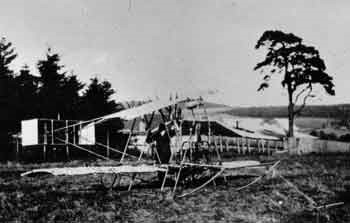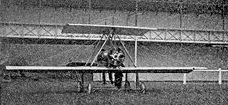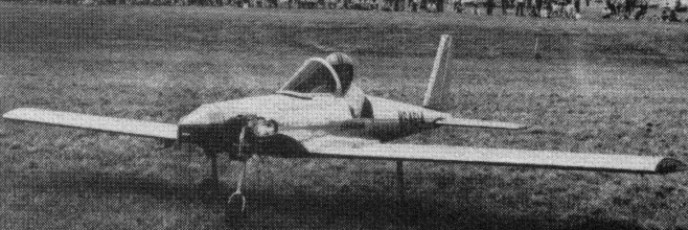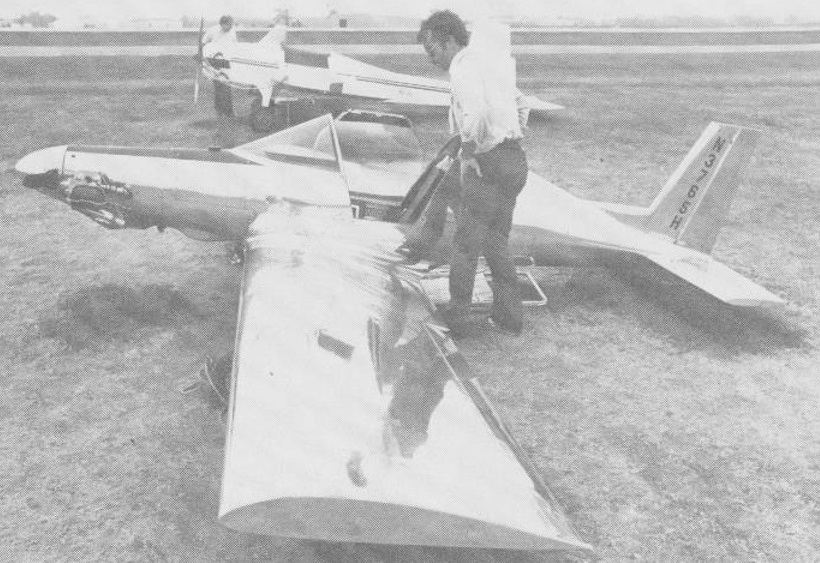
Weatherly W201

When the supply of Fairchild aircraft ran out, John Weatherly started to build the complete aircraft. Two model W201s were built in 1966/67, N86686 and M86687. Powered by a 450-hp R-985 Pratt & Whitney, these aircraft had an improved wing design with the span increased to 39 ft.

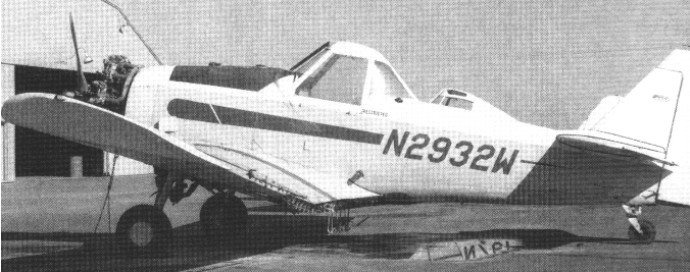
The 1970 production aircraft, the W201A, were built between 1968 and 1971. These can be identified by a triangular shaped fin and rudder. More than 100 were built at $22,800.
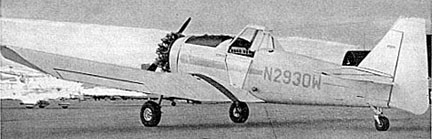
Weatherly 201A N2930W

The W201B model commenced production in 1971 and 45 aircraft were built at $31,500 in 1974.

Another version followed in 1975, the W201C, and this was the Weatherly that introduced the wingtip vanes which diffuse the normal formation of the wingtip vortex. The 201, 201A, and 201C models were under TC A10WE.

201 / 201A / 201C
Engines: P&W R-985, 450 hp
Wingspan: 39’6″
Length: 26’7″
Max TO wt: 4800 lb
Empty wt: 2580 lb
Equipped useful load: 2169 lb
Payload max fuel: 1769 lb
Hopper cap: 270 USG
Wing loading: 19.2 lb/sq.ft
Pwr loading: 10.6 lb/hp
Max speed: 128 mph
Cruise speed: 105 mph
Stall: 58 mph / 60 kt
Working speed: 95 kt
Working endurance: 3 hr
ROC: 980 fpm
Min field length: 1500 ft
Fuel cap: 400 lb
Seats: 1

210B
Engine: P&W R-1340, 450hp
Wing span: 39’0″
Length: 26’7″
Useful load: 2260 lb
Max speed: 130 mph
Cruise speed: 108 mph
Stall: 53 mph
Seats: 1
Weatherly WM62C

WM62C

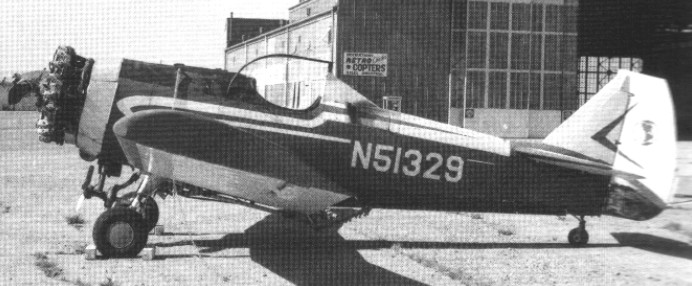
Weatherly Aviation’s first aircraft was the WM-62C, N3775G. This was followed by at least 18 aircraft 1961-1965 which were conversions of the PT-19/-23 aircraft. They can be identified by their rounded Fairchild fin and rudders. The first were open cockpit with a roll-over frame but later versions were fitted with an enclosed cockpit.

Weatherly WM-62C N51239

Single place aircraft, power was from a Continental W-670 or P&W R-985.

Watt D.W.2

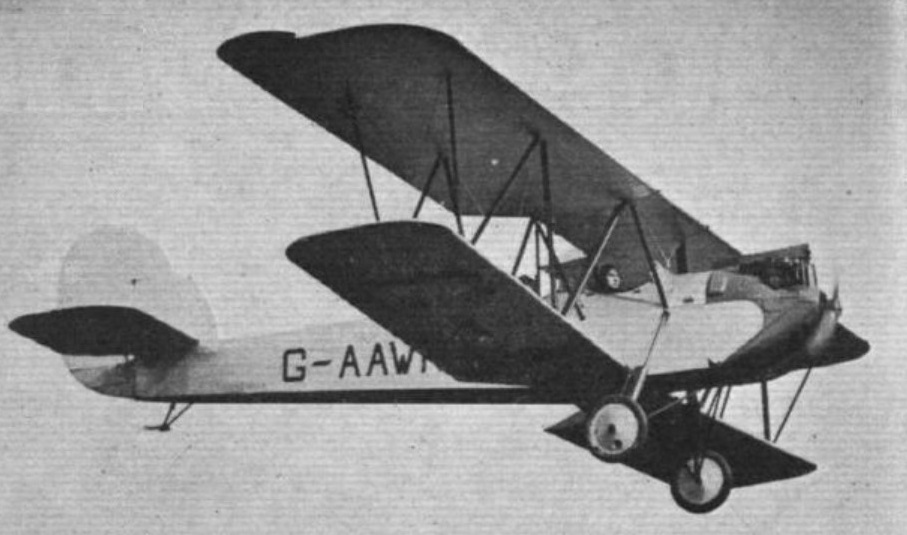
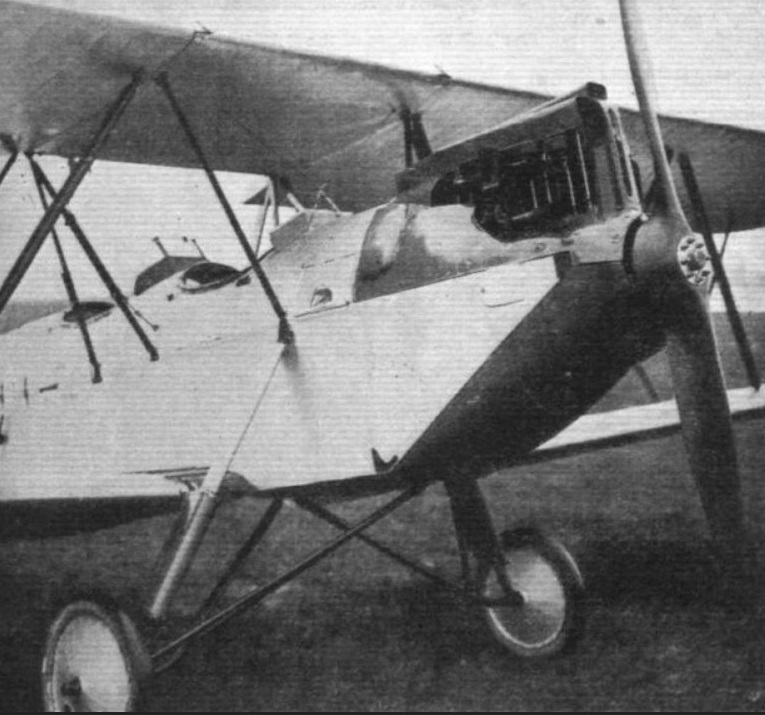
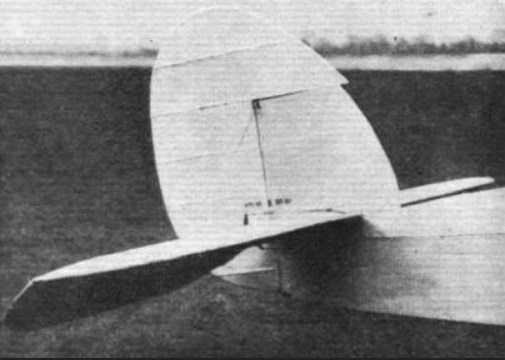
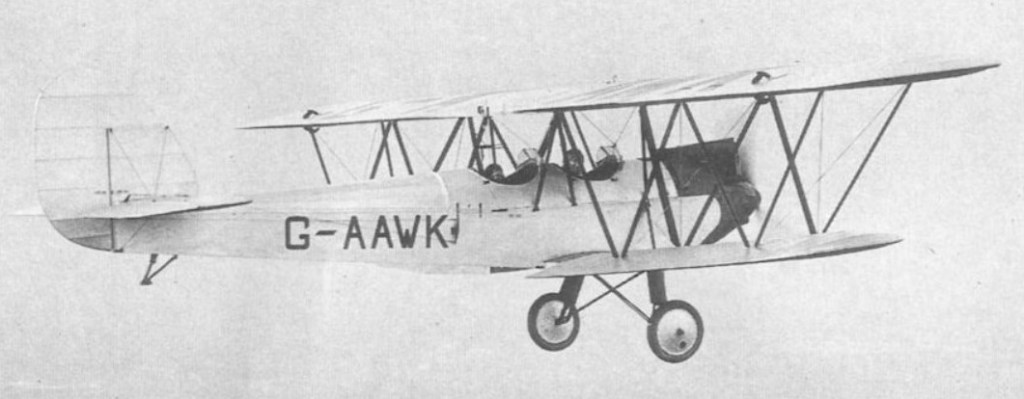
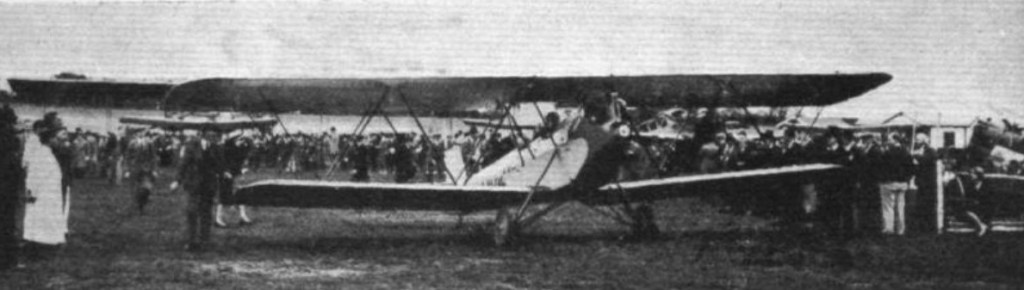
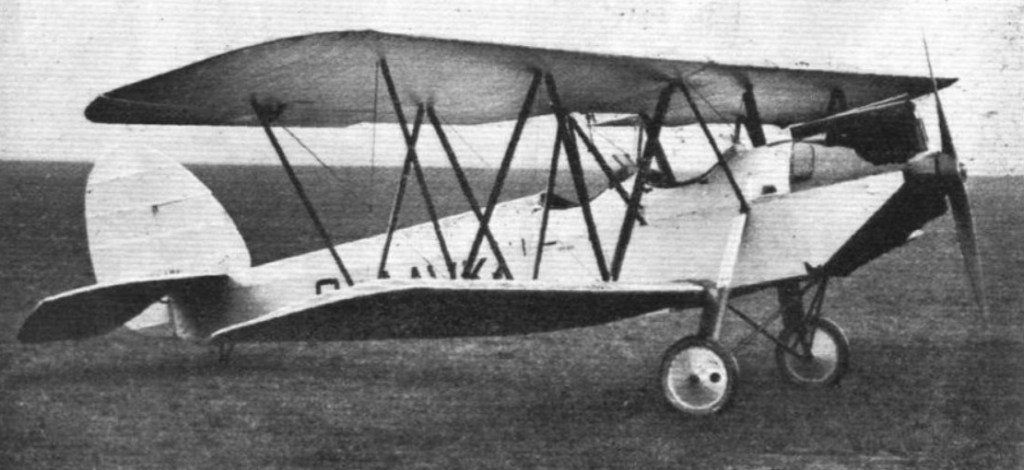
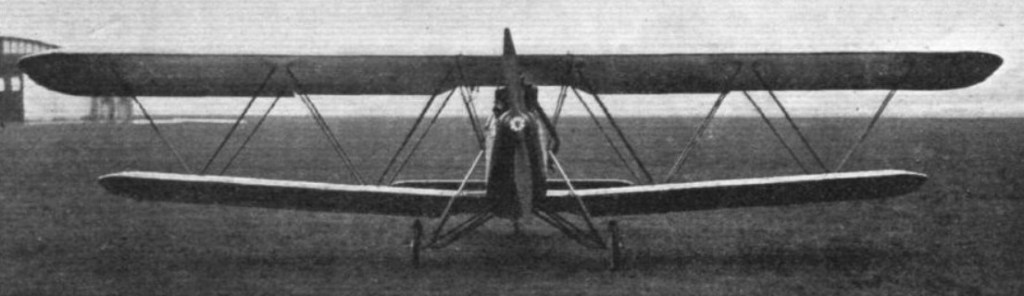
The Dudley Watt D.W.2 was a 1930s British two-seat light biplane designed by K.N. Pearson for Dudley Watt. The D.W.2 was built at Brooklands and was a wood and fabric biplane with a tailskid landing gear. It had two open cockpits and was powered by a 90 hp (67 kW) ADC Cirrus III piston engine.

The D.W.2 was designed to be offer exceptional handling at low speeds and to be a competitor for the de Havilland Moth family.

Construction was started in 1929 and it was built by K.N. Pearson at Brooklands, first flying on 17 May 1930.

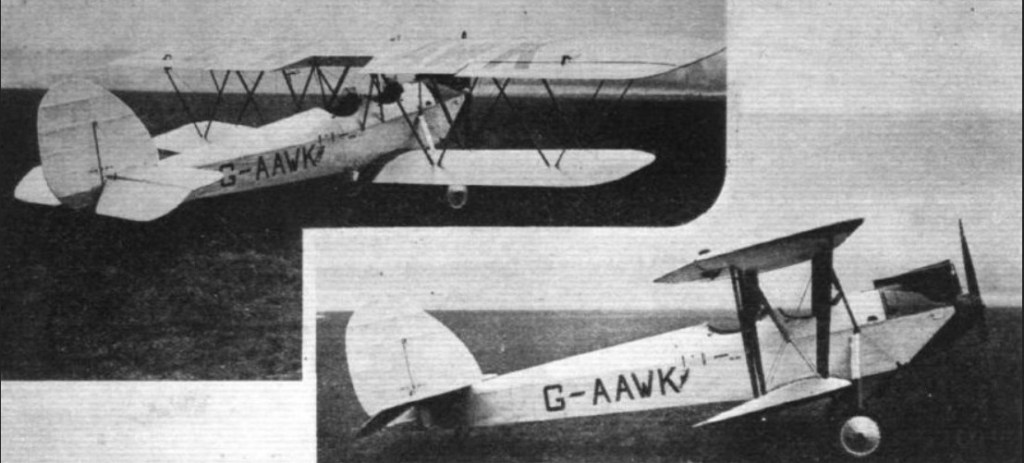
Only one D.W.2 (registered G-AAWK cn.1) was built and this was sold by Dudley Watt in February 1934, it had been dismantled at Selsey by the end of year.

Powerplant: 1 × ADC Cirrus III, 67 hp (90 kW)
Wingspan: 39 ft 8 in (12.09 m)
Wing area: 350 ft2 (32.5 m2)
Length: 25 ft 10 in (7.87 m)
Empty weight: 1050 lb (476 kg)
Gross weight: 1224 lb (555 kg)
Maximum speed: 90 mph (145 km/h)
Crew: 2

Watson Windwagon

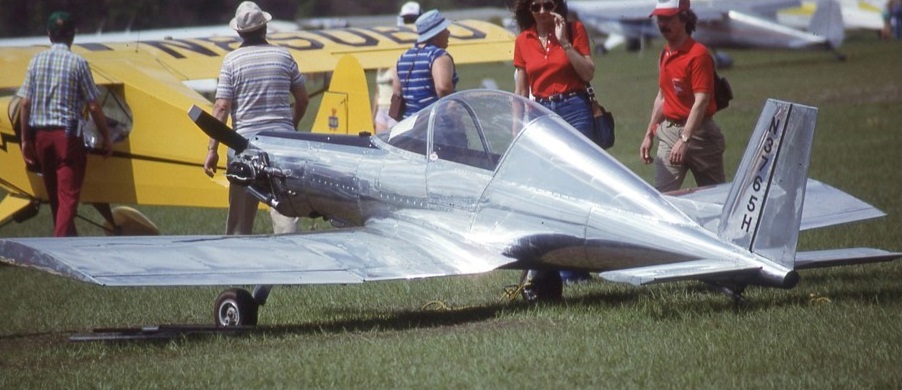
The original Wind Wagon was built in Texas by Gary Wilson and was based on the Teenie Two and used the similar wing ribs that slipped onto the “C” spar. The fuselage was a tapered tube from the seat backward and from the seat to the firewall. The aircraft was equipped with tricycle undercarriage and a ½ VW.

1981 Watson Windwagon N3765H C/N 147

First flown on 19 April 1977 (N64614), the Windwagon measures 18 feet from wingtip to wingtip and it features all-aluminum construction with pop rivets. The tricycle gear are nonretractable, but the wings are removable for storage or transportation. The powerplant is a 900 cc half-Volkswagen modified engine and drives a four-blade propeller. On just two cylinders tip speed is 110 mph, and climb rate is 450 to 500 fpm. The wing features a Clark Y wing section with constant chord. There are conventional ailerons and no flaps. The fuselage is a conventional semimonocoque structure made from pop-riveted aluminum. Morry Hummel introduced a few changes.

1981 Watson Windwagon N3765H C/N 147

In 1980 full size plans were available for US$50.

Gallery

Engine: ½ VW, 30 hp
Speed max: 140 mph
Cruise: 100 mph
Range: 200 sm
Stall: 40 mph
ROC: 400 fpm
Take-off dist: 250 ft
Landing dist: 250 ft
Service ceiling: 12,000 ft
Fuel cap: 4 USG
Weight empty: 273 lbs
Gross: 486 lbs
Height: 4 ft
Length: 13 ft
Wing span: 18 ft
Seats: 1
Landing gear: nose

Engine: VW, 35hp
Wing span: 18’0″
Length: 12’5″
Useful load: 210 lb
Cruise speed: 100 mph
Stall: 40 mph
Seats: 1
Watkinson Dingbat

The Watkinson Dingbat was a 1930s British ultralight monoplane designed by E.T. Watkinson and C.W. Taylor.

Watkinson Dingbat Article

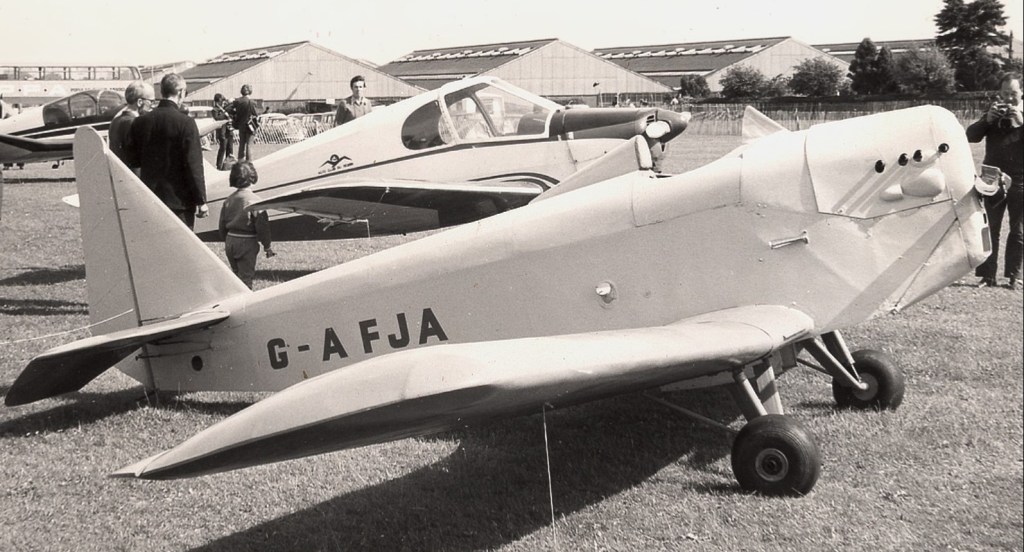
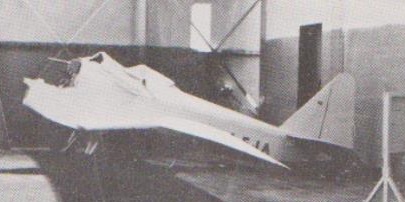
The Dingbat, otherwise known as the Taylor Watkinson Ding-Bat, was a low-wing monoplane powered by a 30 hp (22 kW) Carden-Ford engine. It had a single-seat open cockpit and a fixed conventional landing gear. It was built at Teddington in Middlesex and registered G-AFJA snDB.100 it was first flown at Heston Aerodrome in June 1938.

It was stored during the Second World War, but rebuilt to flying condition by J.H.Pickrell and D.O.Wallis in 1959.

Taylor-Watkinson Dingbat G-AFJA 22 May 1961

It lapsed again into disuse and was stored at Overton Strip, Hannington, until restored by A.J.Christian, First flying again in early 1974.

After a crash at Headcorn on 19 May 1975, it was rebuilt, and was still registered in 2010.

Powerplant: 1 × Carden Ford water-cooled 4-cylinder piston engine, 32 hp (24 kW)
Wingspan: 28 ft 0 in (8.53 m)
Wing area: 125 sq ft (11.6 m2)
Length: 16 ft 0 in (4.88 m)
Height: 6 ft 3 in (1.91 m)
Empty weight: 460 lb (209 kg)
Gross weight: 700 lb (318 kg)
Maximum speed: 90 mph (140 km/h, 78 kn)
Cruise speed: 80 mph (130 km/h, 70 kn)
Stall speed: 39 mph (63 km/h, 34 kn)
Range: 200 mi (320 km, 170 nmi)
Crew: 1

Watkins Monoplane

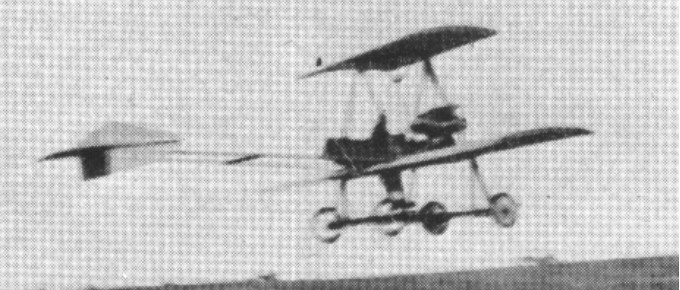
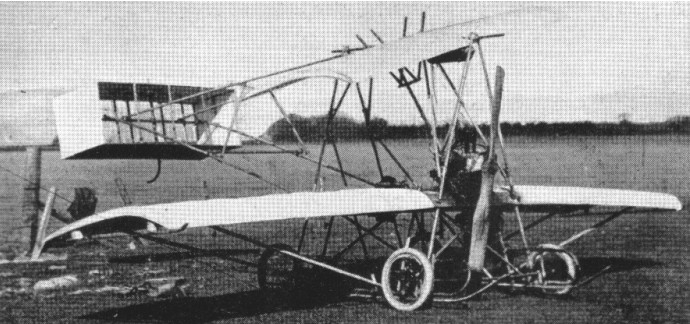
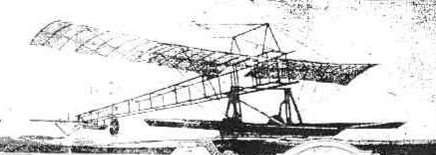
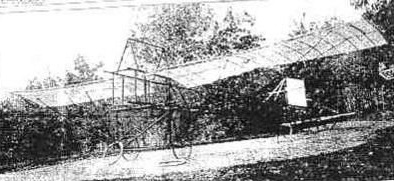
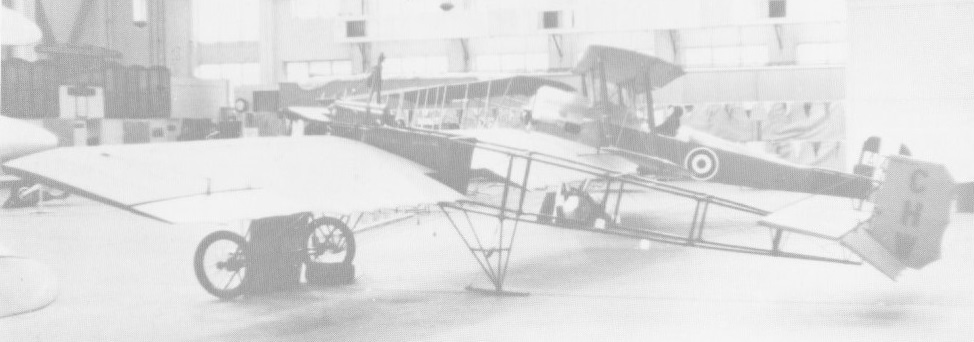
Designed by Charles Horace Watkins in 1907 the Monoplane was built at Mynachdy Farm, Maendy, Cardiff, Wales, over the following couple of years. Although it made ts first hops from the farm probably early in 1910 its first real flights came later in the year when it is reported to have flown over Whitchurch, Glam, and in the same year its first cross-country was made to a ridge on the Caerphilly Mountain and back. It was powered by a 40 hp three cylinder engine modified from an Anzani and cast in the Cardiff Railway Works. It is claimed that this aircraft, named the ‘Robin Goch’, made the first night flight over Wales in 1910.

It was flown until about 1918 when it was grounded by a cracked cylinder head. It was stored at Mr Watkins garage until 1959 when it was moved to St.Athan for display where it has since remained.

Mr Watkins died in December 1976 aged 92.

In November 2025 the Watkins monoplane is displayed at the Waterside Museum Swansea.

Engine: modified Anzani, 40 hp
Wingspan: 32 ft
Length: 21 ft 6 in
All up weight: 600 lb
Max speed: 60 mph
Range: 180 miles