Boulton Paul P31 Bittern

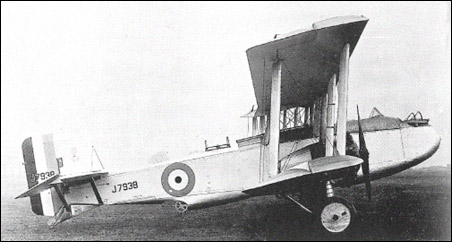
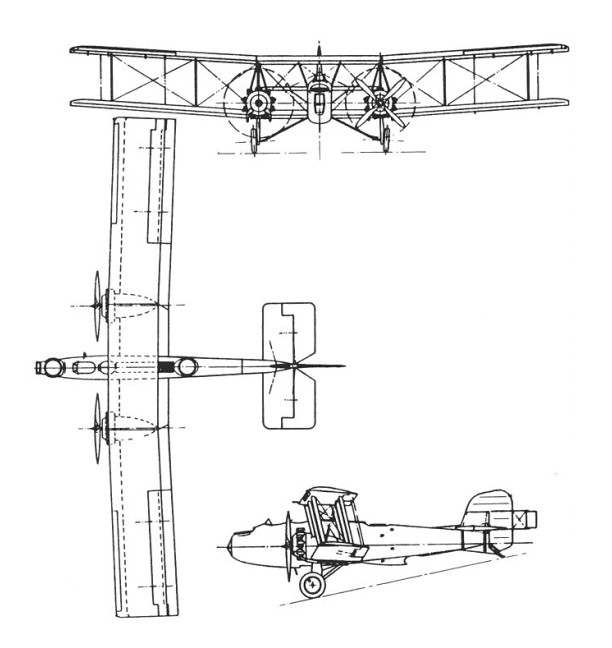
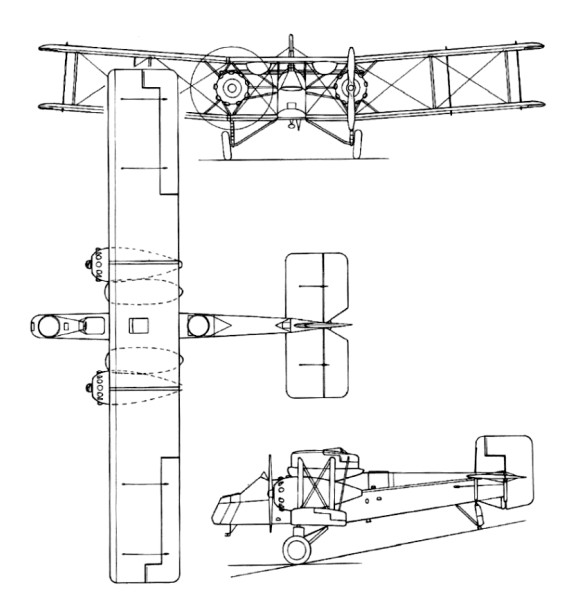
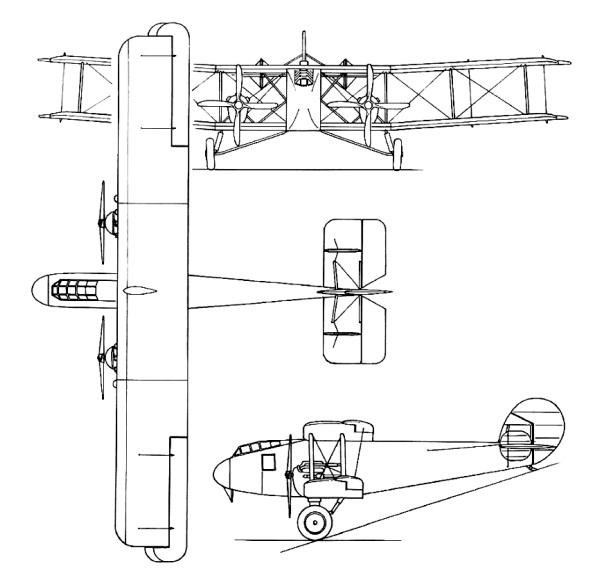
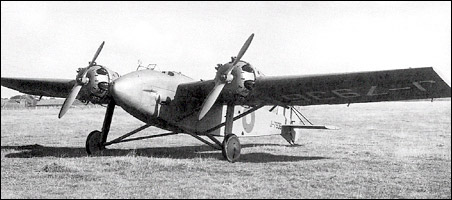
The Bittern, designed to meet the requirements of Specification 27/24 for a night fighter, was one of the earliest single-seat twin-engined fighter monoplanes and was intended as a bomber formation interceptor. Powered by two 230hp Armstrong Siddeley Lynx seven-cylinder radials, the first of two Bittern prototypes was flown in 1927, with shoulder-mounted wings carrying mid-set uncowled engines. Armament was two fixed forward-firing 7.7mm Vickers guns in the sides of the forward fuselage.
The second prototype differed with a redesigned wing of constant chord and thickness, overall span being increased by approximately 1.52m and the leading edge carrying Handley Page slots. Six pairs of V-type struts braced the outer wings to the engine nacelles and fuselage. Townend cowling rings were fitted to the engines which were lowered on the wings. In place of the fixed Vickers, two Lewis guns of similar calibre were mounted in barbettes on the fuselage sides forward and below the wing leading edge. These enabled the weapons to be elevated between 0° and 45°. Interconnected with a ring sight attached to an elevating hoop pivoted at the cockpit sides, the guns had no traverse, but their arrangement enabled bombers to be attacked from below. Although advanced in concept, the Bittern was seriously underpowered, with inadequate performance and its development was abandoned.

Engines: 2 x 230hp Armstrong Siddeley Lynx
Take-off weight: 2041 kg / 4500 lb
Wingspan: 12.5 m / 41 ft 0 in
Length: 9.75 m / 31 ft 12 in
Max. speed: 233 km/h / 145 mph
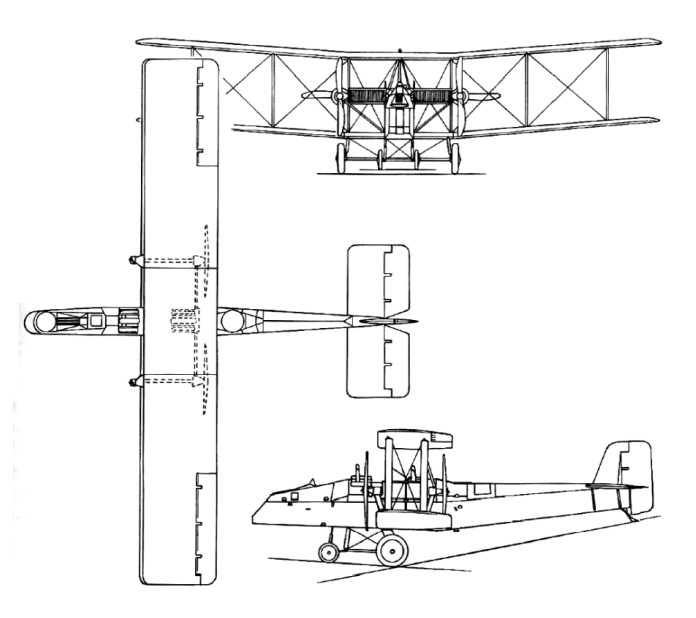
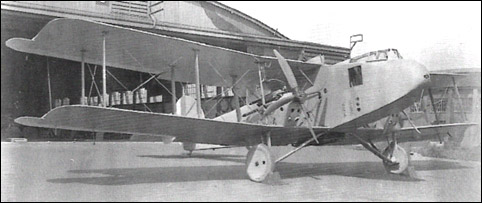
Boulton Paul P29 Sidestrand

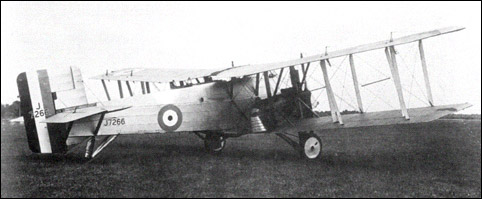
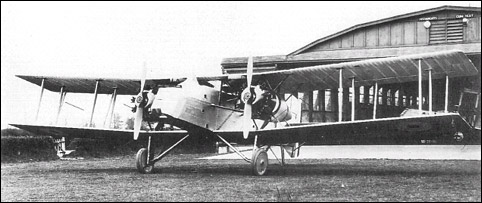
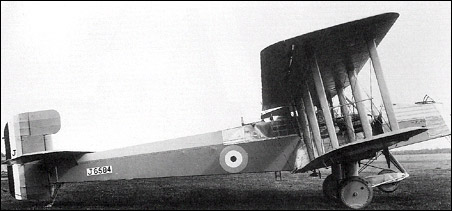
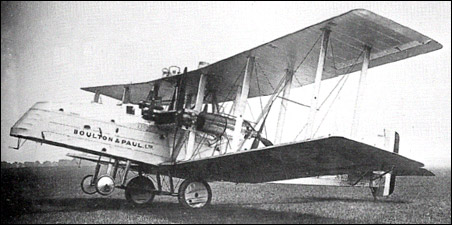
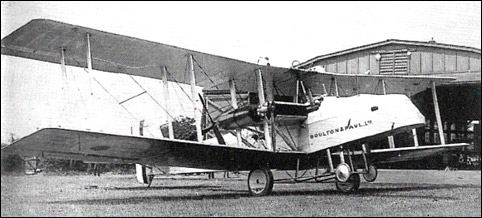
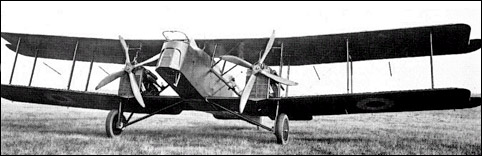
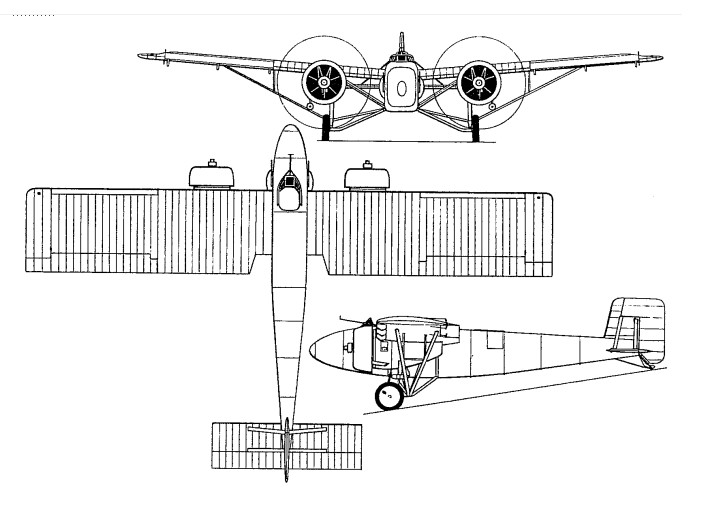
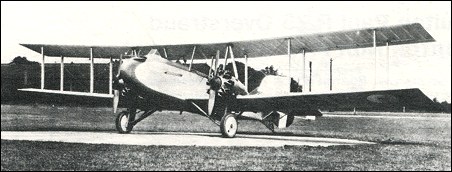
Boulton Paul developed the Sidestrand to meet Specification 9/24 for a three/four-seat medium day bomber.
The first of two Boulton & Paul P.29 Sidestrand Mk I prototypes flew in 1926, and the company received an order for 18 production aircraft.
Deliveries to the newly re-formed No. 101 Squadron at Bircham Newton began during April 1928, the first batch of six aircraft being of the Sidestrand Mk II version with ungeared Bristol Jupiter VI engines. These were followed by nine of the Sidestrand Mk III versions with geared Jupiter VIIIFs, and the final three production aircraft were replacement Mk IIs.

With well-balanced, powerful controls including a servo-actuated rudder, the aeroplane was designed for Napier Lion inline engines, but always flew with Jupiter radials.
Three Sidestrand Mk IIIs were converted to Sidestrand Mk V configuration but were then renamed Overstrand.
The first RAF twin-engined bomber to enter service since World War I, the Sidestrand was replaced by the Overstrand in December 1934.

Sidestrand Mk III
Engine: 2 x Bristol Jupiter VIIIF, 343kW (460 hp)
Span: 21.92m (71 ft 11 in)
Length: 14.02m (46ft)
Height: 4.52 m / 14 ft 10 in
Wing area: 91.04 sqm / 979.95 sq ft
Max T/O weight: 4627kg (10,200 lb)
Empty weight: 2726 kg / 6010 lb
Max speed: 225 km/h / 140 mph at 10,000ft
Ceiling: 7315 m / 24000 ft
Operational range: 500 miles / 432 nm / 800 km
Armament: 3 x 7.7-mm (0.303-in) machine-guns, 476 kg (1,050 lb) bombs
Crew: 4

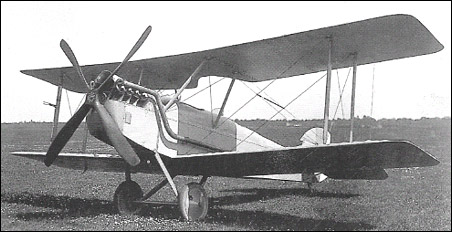
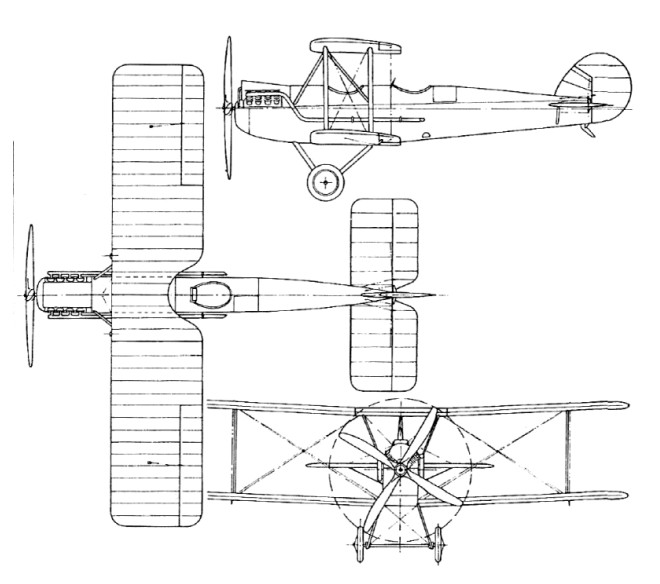
Boulton Paul P3 Bobolink

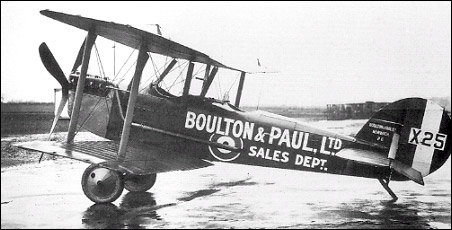
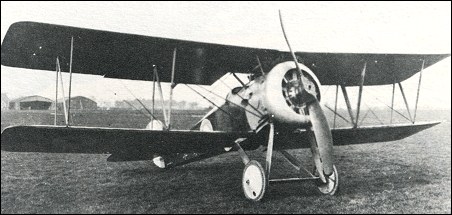
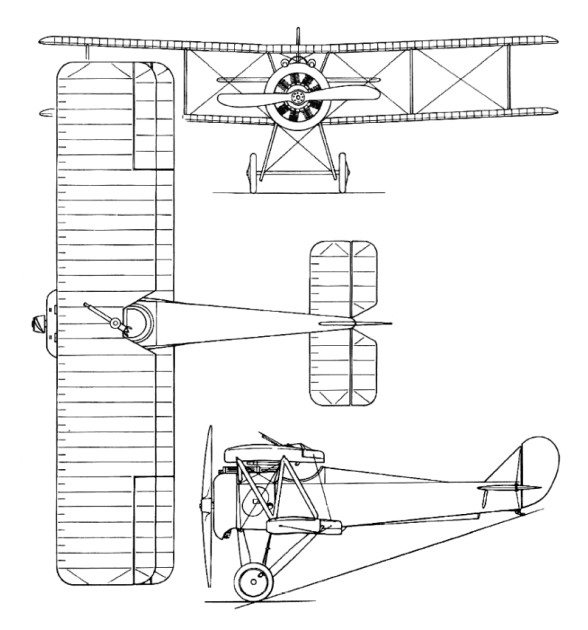
Boulton & Paul had manufactured wooden buildings at its Norwich factory, and during World War I built aircraft under sub-contract. Among the types produced were the FE.2b and Camel, and the Bobolink was the result of a design competition to find a Camel replacement. Boulton & Paul’s first aeroplane, the P.3 Bobolink designed by John D. North, was built only in prototype form.
The winner of the competition was the Sopwith Snipe, and the Boulton & Paul aircraft did not enter production. Three serial numbers were allocated for the prototypes, but records suggest that only one was built.
A Bobolink feature made it possible for the pilot to jettison its main fuel tanks in the event of an in-flight fire.

Engine: 1 x Bentley B.R.2 rotary piston engine, 172kW
Take-off weight: 904 kg / 1993 lb
Empty weight: 556 kg / 1226 lb
Wingspan: 8.84 m / 29 ft 0 in
Length: 6.10 m / 20 ft 0 in
Height: 2.54 m / 8 ft 4 in
Wing area: 24.71 sqm / 265.98 sq ft
Max. speed: 201 km/h / 125 mph