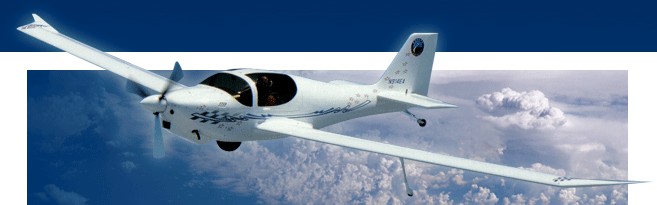
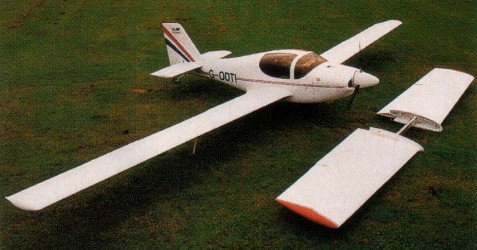
Europa Aircraft, maker of the Europa XS homebuilt kit, has come out with the Europa Motor Glider. The development aircraft first flew in February 1992. The key is a new 42 foot span wing that can be mated with the existing Europa kitplane fuselage or built as part of an all new airplane. Designed by Airbus Industrie aerodynamicist Don Dykins. The 43 foot span wings give a glide ratio of 26:1 and a stall of 45 kts at mauw. The aerobatic Europa features an easily removable wing, so one for cruising and one for soaring. The 13:1 aspect ratio wing has trailing edge airbrakes to steepen descents. The Europa XS Motorglider is available both as a Monowheel or Trigear with comparable performance and specifications.
The advantage of the Motorglider is that in most countries it can be flown without the need for a full aviation Class II medical. The Motorglider can be supplied with a number of different engines, although recommended are those from Rotax. The Rotax engines currently range from 80HP through to 115HP. The latter unit being turbocharged.
Europa Classic XS Motorglider Wing span: 47.25 ft / 14.401 m Wing area: 141.14 sq.ft / 13.111 sq.m Aspect ratio: 15.818 Overall length: 19.17 ft / 5.843 m Overall height (Monowheel): 4.33 ft / 1.320 m Overall height (Trigear): 7.00 ft / 2.133 m Baggage space: 22.50 cu.ft / 0.637 cu.m Maximum take-off weight: 1370 lb / 621.4 kg Empty weight (Monowheel – Rotax 912 UL): 883.0 lb / 400.5 kg Useful load (Monowheel – Rotax 912 UL): 487.0 lb / 220.9 kg Empty weight (Trigear – Rotax 912 UL): 921.9 lb / 418.2 kg Useful load (Trigear – Rotax 912 UL): 448.1 lb / 203.2 kg Maximum baggage capacity: 80.0 lb / 36.3 kgs Wing loading at max take-off weight: 9.71 lb/sq.ft / 47.40 kg/sq.m Design Load: +5.30g / -2.65g Ultimate Load: +7.95g / -3.98g Stall speed clean: 42 kts: 48 mph / 78 kph / Cruise speed 8000 ft 75% pwr (Rotax 912 ULS) (TAS): 110 kts / 126 mph / 203 kph Max cruise speed 10000 ft (Rotax 914 UL Turbo) (TAS): 151 kts / 174 mph / 280 kph Rate of climb 1370lb gross weight (Rotax 912 ULS): 1000 fpm / 5.08 m/s Rate of climb 1370lb gross weight (Rotax 914 UL Turbo): 1300 fpm / 6.60 m/s Minimum sink rate at minimum sink speed: 200 fpm / 1.02 m/s Maximum Fuel (Standard Tank): 15 Imp gal / 18 US gal / 68 Litres Fuel burn 55% power 95-100 kts @ SL (Rotax 912 UL): 2.20 Imp Gal/hr / 2.65 US Gal/hr / 10.02 Litres/hr Fuel burn 55% power 103-108 kts @ SL (Rotax 912 ULS): 3.14 Imp Gal/hr / 3.77 US Gal/hr / 14.28 Litres/hr Take off roll: 600 ft / 183 m Landing roll: 600 ft / 183 m Glide Ratio (with propeller feathered): 27:1 @ 53 knots Minimum sink speed: 47 kts / 54 mph / 87 kph
Europa Aircraft began in the 1990s to build a small aeroplane capable of quiet, comfortable, high speed, low cost touring. The basic concept was to produce an aircraft that be easily transported on its own trailer, operate on car fuel, be rigged and ready for flight in under ten minutes, carry two people in comfort, and take off and land on unprepared grass fields The original model, the Europa Classic designed by Ivan Shaw, was easily capable of being rigged and de-rigged by a crew of two, road transportable on a purpose-built trailer, simple to construct, and easy to maintain. The Europa Classic sold in hundreds, and in 1995, the first Europa built by a home constructor was airborne. It was exhibited outside the Department of Trade and Industry who had invested money into the fledgling Europa Aircraft company.
The Monowheel was the first model of the Europa Classic in 1995. With a single retractable wheel in the centre of the fuselage and retractable outriggers on each wing the overall drag of the aircraft is minimised with advantages in speed and economy. At launch, the Europa XS was available in two versions – the Europa XS Monowheel and the Europa XS Trigear. It had preformed hollow wings, more streamlined cowling, extended tailwheel, enlarged baggage bay and a better balanced spinner. These developments meant extra speed, extra range, extra baggage space and extra comfort. It was also designed to reduce the build time. The Europa XS was named one of the UK’s Millennium Products. The XS Monowheel can be supplied with a number of different engines, although recommended are those from Rotax. The Rotax engines range from 80 HP through to 115 HP. The Europa XS tricycle undercarriage was developed although the fixed undercarriage imposes a slight drag penalty, fitting the optional speed kit minimises this effect resulting in only a very slight reduction in top speed compared to the Europa XS Monowheel. The nose gear is a castoring fork type with the same size wheel as the main gear. Steering is by differential braking on the main wheels. The nose wheel suspension is a dual system, the secondary safety cable limiting the total movement of the leg should the primary system fail thus minimising the risk of prop strike. The XS Trigear can be supplied with a number of different engines, although recommended are those from Rotax. The Rotax engines range from 80 HP through to 115 HP. The construction of the Europa XS is greatly simplified using high-strength, pre-molded sections with pre-structured, panelized wings incorporating special “constructor’s gel-coat finish” ready for final finish; a feature significantly reducing the complexity and building time associated with many composite airplanes.
May 2000
Europa LSA (Light Sport Aircraft) The Europa XS is a two seater side-by-side composite monoplane. It has a range and carrying capacity that makes it ideally suited to touring, and has acquired the reputation of being an extremely enjoyable aircraft to fly. The Europa LSA doesn’t lose any of the handling characteristics of the Europa XS. Compared to other available LSA planes, it is faster, quicker in the climb, and comparatively economical to run. It is designed to be quickly de-rigged and stored on a trailer in a garage – features that many builders take full advantage of. In order to keep all of the style and functionality of the Europa XS, the Europa LSA’s main difference lies in the wing. The LSA wing will be manufactured from carbon fibre and incorporate a leading edge slot. The inclusion of the slot and the use of carbon gives a weight reduction of 30% whilst maintaining the same wing area. This design reduces the empty weight to below 600 kgs (1320 lbs) MTOW and slightly increases the payload. Europa launched the Europa Motor Glider and the glider wings can be interchanged with the wings on the Europa XS Monowheel and Trigear, providing a choice. Over 500 kits have been sold worldwide with over 100 kits under construction in the U.S. In certain countries the MTOW can be increased to 1450 lb (657.7 kg) and the useful load can be increased accordingly.
On 7 October 2013 the first Europa (G-BWUP) to be fitted with a UL Power UL260iS 107 Hp engine flew for the first time from a Private strip in Wiltshire, UK. With the test pilot going up for a 30 min first flight and no real probs reported apart from the Constant speed prop needed adjusting. The second flight was a little shorter but the Prop was working well no and the take off roll with one up and half fuel and nil wind was only 220 meters.
Europa Engine: Rotax Wing span: 7.93 m Wing area: 9.18 sq.m MAUW: 591 kg Empty weight: 331 kg Fuel capacity: 70 lt Max speed: 259 kph Cruise speed: 241 kph Minimum speed: 81 kph Climb rate: 4.5 m/s Seats: 2 Fuel consumption: 16.2 lt/hr Kit price (1998): £15,245
Europa XS Monowheel Wing span (tip to tip) 27.133 ft / 8.270 m Wing span (inc tip influence) 26.917 ft / 8.204 m Wing area (inc tip influence) 102.11 sq.ft / 9.485 sq.m Aspect ratio (inc tip influence) 7.096 Overall length 19.17 ft / 5.843 m Overall height 4.33 ft / 1.320 m Baggage space 22.50 cu.ft / 0.637 cu.m Maximum take-off weight 1370-1450 lb / 621.4-657.7 kg Empty weight / Useful load (Rotax 912 UL) 793 / 577 lb / 360 / 261 kg Empty weight / Useful load (Rotax 912 ULS) 835 / 535 lb / 379 / 242 kg Empty weight / Useful load (Rotax 914 UL) 878 / 492 lb / 398 / 223 kg Maximum baggage capacity 80 lb / 36 kg Wing loading at max take-off weight 13.42 lb/sq.ft / 65.52 kg/sq.m Design +3.80g / -1.90g Ultimate +8.55g / -4.28g Stall speed flaps extended: 44 kts / 51 mph / 81 kph Stall speed clean: 52 kts / 60 mph / 96 kph Cruise speed 8,000 ft 75 % pwr (Rotax 912 ULS) (TAS): 140 kts / 161 mph / 259 kph Max cruise speed 10,000 ft (Rotax 914 UL Turbo)(TAS): 174 kts / 200 mph / 322 kph Rate of climb at 1370 lb gross weight (Rotax 912 ULS): 1000 fpm / 5.08 m/s Rate of climb at 1370 lb gross weight (Rotax 914 UL Turbo): 1300 fpm / 6.60 m/s Maximum Fuel (Standard Tank): 15 Imp gal / 18 US gal / 68 Litres Maximum Fuel (Long Range Tank): 23 Imp gal / 28 US gal / 105 Litres Fuel burn 55% power / 95–100 kts @ SL (Rotax 912 UL): 2.20 Imp Gal/hr / 2.65 Us Gal/hr / 10.02 Litres/hr Fuel burn 55% power /103-108 kts @ SL (Rotax 912 ULS): 3.14 Imp Gal/hr / 3.77 Us Gal/hr / 14.28 Litres/hr Standard Tank Range 55% power (912 UL): 576.2 nm / 663.1 sm / 1067.2 km With Long Range Tank: 930.1 nm / 1070.4 sm / 1722.6 km Standard Tank Range 55% power (912 ULS): 416.3 nm / 479.1 sm / 771.0 km With Long Range Tank: 684.0 nm / 787.2 sm / 1266.8 km
Europa XS Trigear Wing Span (tip to tip): 27.133 ft / 8.270m Wing Span (inc tip influence): 26.917 ft / 8.204 m Wing area (inc tip influence): 102.11 sq.ft / 9.485 sq.m Aspect Ratio: 7.096 Overall length: 19.17 ft / 5.843 m Overall height: 7.00 ft / 2.133 m Baggage space: 22.50 cu.ft / 0.637 cu.m Maximum take-off weight: 1370 lb / 621.4 kg Empty weight (Rotax 912 UL): 832 lb / 377 kg Useful load (Rotax 912 UL): 538 lb / 244 kg Empty weight (Rotax 912 ULS): 853 lb /387 kg Useful load (Rotax 912 ULS): 517 lb / 234 kg Empty weight (Rotax 914 UL): 897 lb / 407 kg Useful load (Rotax 914 UL): 473 lb / 214 kg Maximum baggage capacity: 80 lb / 36 kg Wing loading at max take-off weight: 13.42 lb/sq.ft / 65.52 kg/sq.m Design Load: +3.80g / -1.90g Ultimate Load: +8.55g / -4.28g Stall speed flaps extended: 44 kts / 51 mph / 81 kph Stall speed clean: 52 kts / 60 mph / 96 kph Cruise 8,000 ft 75 % pwr (Rotax 912 ULS) (TAS): 135 kts / 155 mph / 250 kph Max cruise speed 10,000 ft (Rotax 914 UL Turbo)(TAS): 166 kts / 191 mph / 307 kph Take-off ground roll gross weight (Rotax 912 ULS): 590 Feet / 180 Metres Take-off ground roll at gross weight (Rotax 914 UL Turbo): 500 Feet / 152 Metres Landing roll: 600 Feet / 183 Metres Rate of climb at 1370 lb gross weight (Rotax 912 ULS): 1000 fpm / 5.08 m/s Rate of climb at 1370 lb gross weight (Rotax 914 UL Turbo): 1300 fpm / 6.60 m/s Maximum Fuel (Standard Tank): 15 Imp gal / 18 US gal / 68 Litres Fuel burn 55% power 95-100 kts @ SL (Rotax 912 UL): 2.20 Imp Gal/hr / 2.65 Us Gal/hr / 10.02 Litres/hr Fuel burn 55% power 103 – 108 kts @ SL (Rotax 912 ULS): 3.14 Imp Gal/hr / 3.77 Us Gal/hr / 14.28 Litres/hr Standard Tank Range 55% power (Rotax 912 UL): 576.2 nm / 663.1 sm / 1067.2 km Standard Tank Range 55% power (Rotax 912 ULS): 416.3 nm / 479.1 sm / 771.0 km
The Euronef ATTL-1 light aircraft made its first flight from Gosselies Airfield, Belgium, in 1990. The aircraft, powered by a Rotax engine has a top speed of 65 knots and is of all composite construction. Its main purpose is as a crop spraying aircraft and general agricultural aviation. The construction of the aircraft is mainly of carbon fibre, glass fibre and Kevlar. It has seating for a pilot and one passenger. It has a high wing and fixed undercarriage with a single fin and rudder. Construction of a second prototype was under way in 1990.
The Eurofly Fire Cat is an Italian ultralight aircraft that was designed and produced by Eurofly srl of Galliera Veneta.
The Fire Cat was designed to comply with the Fédération Aéronautique Internationale microlight category, including the category’s maximum gross weight of 450 kg (992 lb). The Fire Cat features a strut-braced high-wing, a two-seats-in-side-by-side configuration enclosed cockpit, fixed tricycle landing gear with wheel pants and a single engine in pusher configuration.
The aircraft is made from aluminum tubing, with its flying surfaces covered in Dacron sailcloth envelopes. Its 31.50 ft (9.6 m) span wing lacks flaps and has a wing area of 172.1 sq ft (15.99 m2). Each wing is supported by two parallel struts with jury struts. The standard engine used is the 50 hp (37 kW) Rotax 503 two-stroke powerplant with standard electric start.
The Fire Cat has a typical empty weight of 217 kg (478 lb) and a gross weight of 450 kg (990 lb), giving a useful load of 233 kg (514 lb). With full fuel of 49 litres (11 imp gal; 13 US gal) the payload for pilot, passengers and baggage is 203 kg (448 lb).
Now out of production, when it was available the aircraft was supplied as a complete ready-to-fly-aircraft or as a kit for amateur construction.
Powerplant: 1 × Rotax 503, 37 kW (50 hp) Propeller: 2-bladed composite Wingspan: 9.60 m (31.50 ft) Wing area: 15.99 m2 (172.1 sq ft) Length: 6.20 m (20.33 ft) Empty weight: 218 kg (480 lb) Gross weight: 450 kg (992 lb) Fuel capacity: 49 litres (11 imp gal; 13 US gal) Maximum speed: 130 km/h (81 mph, 70 kn) Cruise speed: 90 km/h (56 mph, 49 kn) Stall speed: 45 km/h (28 mph, 24 kn) Rate of climb: 5.00 m/s (984 ft/min) Wing loading: 28.1 kg/m2 (5.75 lb/sq ft) Crew: one Capacity: one passenger
The Eurofly Fire Fox (sometimes Firefox) is an Italian ultralight aircraft designed and produced by Eurofly srl of Galliera Veneta.
The aircraft was designed to comply with the Fédération Aéronautique Internationale microlight category, including the category’s maximum gross weight of 450 kg (992 lb). The Fire Fox features a strut-braced high-wing, a two-seats-in-tandem enclosed cockpit, fixed tricycle landing gear with wheel pants and a single engine in pusher configuration.
The aircraft is made from a combination of ALS 500 steel tubing and 6082 aluminium alloy tubing, with its flying surfaces covered in Dacron sailcloth. Its 9.60 m (31.5 ft) span wing lacks flaps and has a wing area of 16.09 m2 (173.2 sq ft). Each wing is supported by two parallel struts with jury struts. The standard engine used is the 50 hp (37 kW) Rotax 503 two-stroke powerplant.
The aircraft was supplied as a complete ready-to-fly-aircraft or as a kit for amateur construction.
Firefox 2000
The Fire Fox 2000 was a fully equipped variant including electric flaps and still in production in 2013.
Firefox 2000
The Firefox 2000 is a development of the earlier Firefox which was usually powered by a 52hp(38kW) Rotax 503 giving a cruising speed of 60mph(90kmh). The Firefox 2000 is available in tandem or side-by-side versions. It has a composite fuselage and fabric covered wings. 2009 Price: 8900 EURO
Firefox 2000
Firefox Engine: 1 × Rotax 503, 37 kW (50 hp) Propeller: 2-bladed composite Length: 6.20 m (20.33 ft) Wingspan: 9.60 m (31.48 ft) Wing area: 16.09 m2 (173.2 sq ft) Height: 1.85 m (6 ft 1 in) Empty weight: 220 kg (484 lb) Gross weight: 450 kg (992 lb) Fuel capacity: 50 litres (11 imp gal; 13 US gal) Wing loading: 28 kg/m2 (5.7 lb/sq ft) VNE: 92 kt / 106 mph / 170 kmh Maximum speed: 130 km/h (81 mph, 70 kn) Cruise speed: 90 km/h (56 mph, 49 kn) Stall speed: 45 km/h (28 mph, 24 kn) Rate of climb: 5.00 m/s (984 ft/min) Rate of sink: 2.0 m/s (390 ft/min) at 90 km/h (55 mph) Maximum glide ratio: 8:1 at 100 km/h (62 mph) Take-off distance (50ft obstacle): 260 ft / 80 m Landing distance (50ft obstacle): 260 ft / 80 m g limits: +6/-4 Crew: one Capacity: one passenger
Firefox 2000 Engine: Rotax 582, 64 hp Wing span: 8.6 m Wing area: 13.2 sq.m Length: 6,60 m Height: 1,85 m MAUW: 450 kg Empty weight: 245 kg Fuel capacity: 50 lt Max speed: 170 kph Cruise speed: 140 kph Stall (With Flaps): 55 kph Climb rate: 6 m/s at 100 Km/H Glide at 90 kph: 2 m/s – 9/1 Take-Off Run: 50-80 m Landing Space: 50-80m Load Factor: +6G/-4G Seats: 2 Fuel consumption: 13 lt/hr Price (1998): 38 000 000 Lire
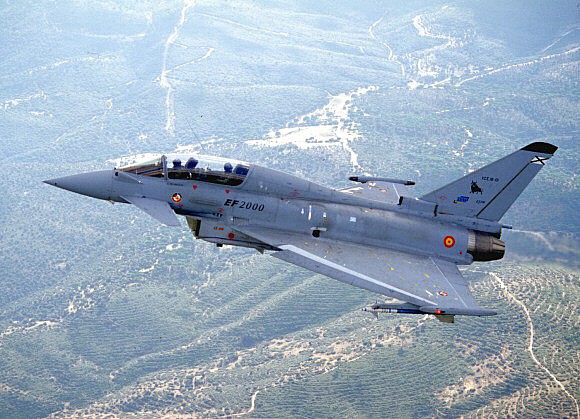
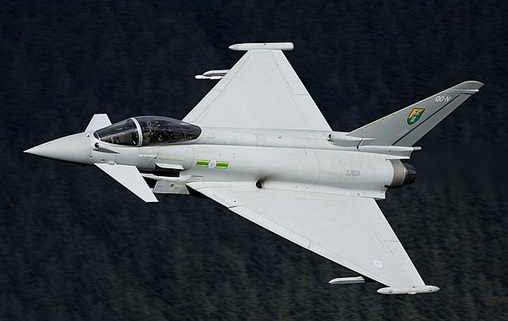
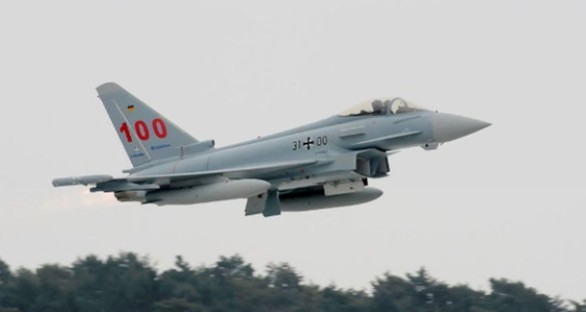
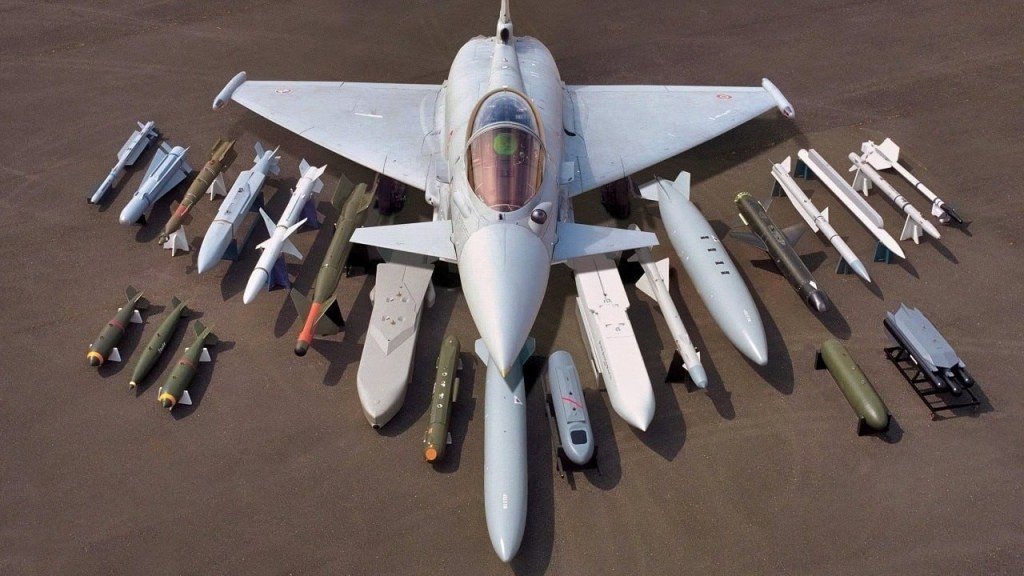
The Eurofighter program started in 1992. The aircraft is a canard delta with a maximum take-off weight of 17,000kg, a wing area of 50sq.m, and two turbofans giving a total thrust of l80kN. The prototypes was to have either Turbo-Union RB.199 or General Electric F404 engines, but production aircraft were to be powered by Eurojet EJ.200s, which was being developed by a consortium consisting of Rolls-Royce, Fiat, MTU, and SENER. A multimode pulse-Doppler radar fitted, and armament was to include an internal gun plus AIM-120 Amraam and AIM-132 Asraam. The Eurofighter will be optimised for air-to-air roles but will have a secondary air-to-surface capability.
The design features a delta wing design with canards set well forward of the wing. These features combined with two powerful EJ200 engines and digital flight control systems produce a highly agile fighter. The Eurofighter design has been named Typhoon by the Royal Air Force, dropping the EF2000 project name. Spain and Italy and the industry have taken on the name Typhoon as well. The first prototype DA.1 flew in Germany on 27 March 1994. Seven development aircraft (DA) were built, as well as several Instrumented Production Aircraft for evaluation, weapons and systems testing. Tranche 1 production aircraft are used primarily for evaluation, instructor and pilot conversion training, but have also entered operation attending large-scale exercises and taking on the air defense role.
Eurofighter EF-2000 Typhoon FGR4
A total of 620 aircraft have been ordered by the participating countries. Delivered aircraft were being upgraded to the latest Tranche 1 production standard, Block 5, to bring all Tranche 1 aircraft to a near-common standard, including limited air-to-ground capability with a selection of precision guided weapons. The RAF is primarily replacing the Tornano F.3 air defence fighters, but has also retired its remaining Jaguar fighter-bombers. The Eurofighters for the Luftwaffe will replace its fleet of F-4F Phantom IIs (and fill the gap left by the retirement of the MiG-29 Fulcrum-C). Italy has retired its last F-104ASA Starfighters and returned the leased RAF Tornado F.3s. However because of the delays in the program, it had to lease ex-USAF F-16 ADF to fill the gap. It has equipped its third wing with the Typhoon. Spain has equipped its first squadron with the Eurofighter, but the Mirage F1 aircraft have been put through a modernisation program to keep them in service for some years.
Although Greece was the first to sign a contract for delivery of a first batch of Eurofighters, having initially ordered 60 aircraft with an option for 30 more. However the contract was cancelled and any order would be postponed until after the Olympic Games. It remains to be seen if Greece would renew the Eurofighter contract. Austria ordered 18 Eurofighter Typhoons, with an option for six more, the contract was revised in 2007 and the number was reduced to 15 aircraft of Tranche 1 standard. . Saudi Arabia signed a declaration of understanding with regards to the purchase of 24 Typhoons in Trache 2 standard to replace its Tornado ADV fleet. Follow-on is expected as it is reported Saudi Arabia has a requirement for at least 72 Typhoons.
The Eurofighter Typhoon was once the epitome of European airpower. Fast, agile, and lethal, it was a Cold War-era air superiority fighter optimized for an age when speed, maneuverability, and firepower conferred dominance in the skies. But as air superiority and supremacy is increasingly a function of stealth, sensor fusion, and network-centric operations, the Typhoon is beginning to show its age by 2025. It is not yet entirely obsolete, but it is fighting an increasingly desperate rearguard action against the steadily advancing forces of future aerial warfare. The uncomfortable reality is that fourth-generation platforms like the Eurofighter Typhoon, no matter how upgraded, are becoming increasingly less able to hold their own in high-intensity conflicts. With a powerful twin-engine design, excellent thrust-to-weight ratio, and canard-delta aerodynamics, it outmaneuvers most of its contemporaries. Its supercruise capability gives it an edge over other fourth-generation jets, allowing it to maintain supersonic speeds without afterburners. Armed with the Meteor missile, one of the most advanced air-to-air weapons out there, it poses a serious threat to any enemy aircraft that enters its engagement range. Recent upgrades, such as the integration of the CAPTOR-E AESA radar and enhanced electronic warfare suites, have further extended its lifespan and improved its lethality and survivability.
Yet, despite all of these upgrades, the Typhoon remains fundamentally disadvantaged against fifth-generation stealth aircraft. The transformation of air combat over the past two decades has been revolutionary. It is no longer about raw flight performance or even missile range – rather, it is about situational awareness, sensor fusion, and the ability to strike pre-emptively without being seen. A stealth fighter like the F-35 or China’s J-20 does not simply enjoy reduced radar visibility; it enjoys advantages derived from the fact that it is a node within an information network, receiving data from satellites, drones, and other assets that radically enhance its survivability and lethality. The simple fact is that in a contested environment, a Typhoon will be detected, targeted and shot down long before it can locate its stealthy adversary. Even with AESA radar and electronic countermeasures, it cannot change the fundamental physics of radar cross-section reduction and detection timelines. Air combat has always favored the pilot who sees first, shoots first, and eliminates the enemy before they can react. In that equation, the Typhoon is on the losing end against modern stealth fighters.
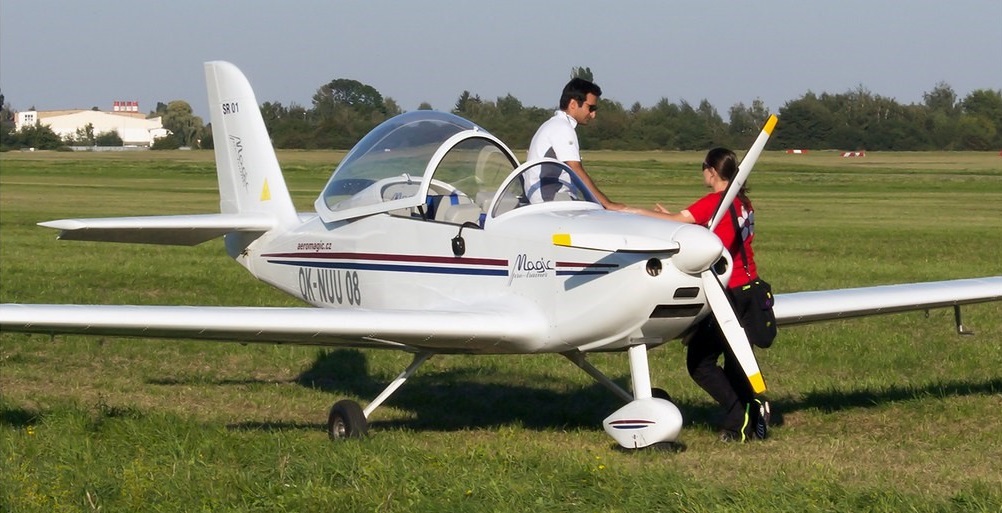
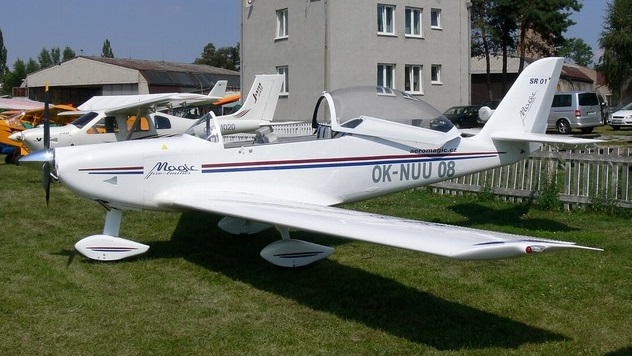
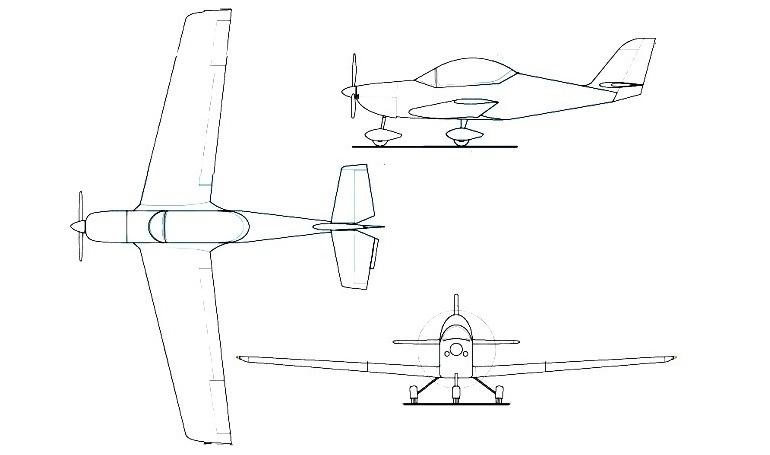
The Eurodisplay SR-01 Magic was designed to comply with the Fédération Aéronautique Internationale microlight rules and US light-sport aircraft rules. Designed and produced by Eurodisplay of Kozomín It features a swept cantilever low-wing, a two-seats-in-tandem enclosed cockpit under a bubble canopy, fixed, or optionally retractable, tricycle landing gear and a single engine in tractor configuration. The tandem arrangement was chosen to provide military trainer-like seating.
The aircraft is made from sheet aluminum. Its wing has single-slotted flaps. Standard engines available were the 80 hp (60 kW) Rotax 912UL, the 100 hp (75 kW) Rotax 912ULS and the 115 hp (86 kW) Rotax 914 four-stroke powerplants.
Rate of climb: 5 m/s (980 ft/min) Crew: one Capacity: one passenger
SR-01 Magic LSA ProTrainer Version for the US light-sport market Gross weight: 600 kg (1,323 lb)
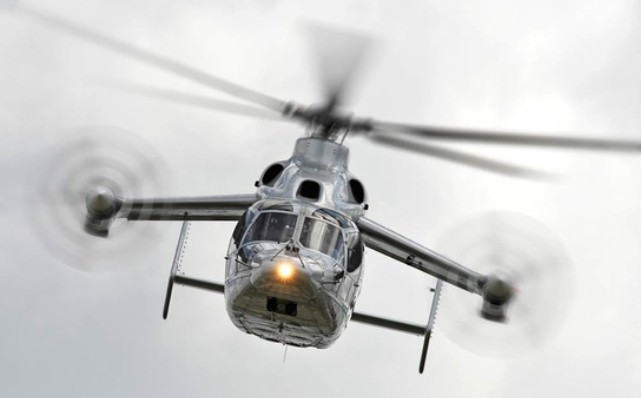
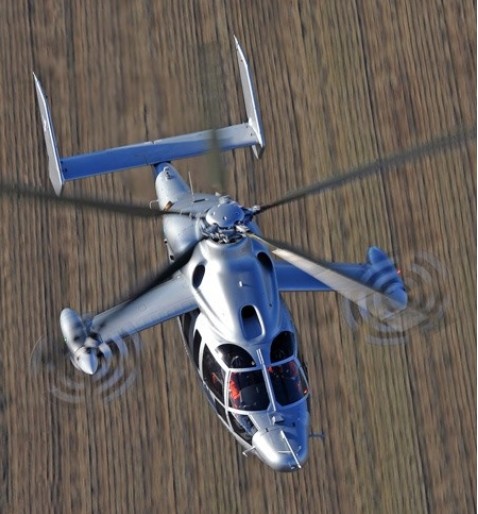
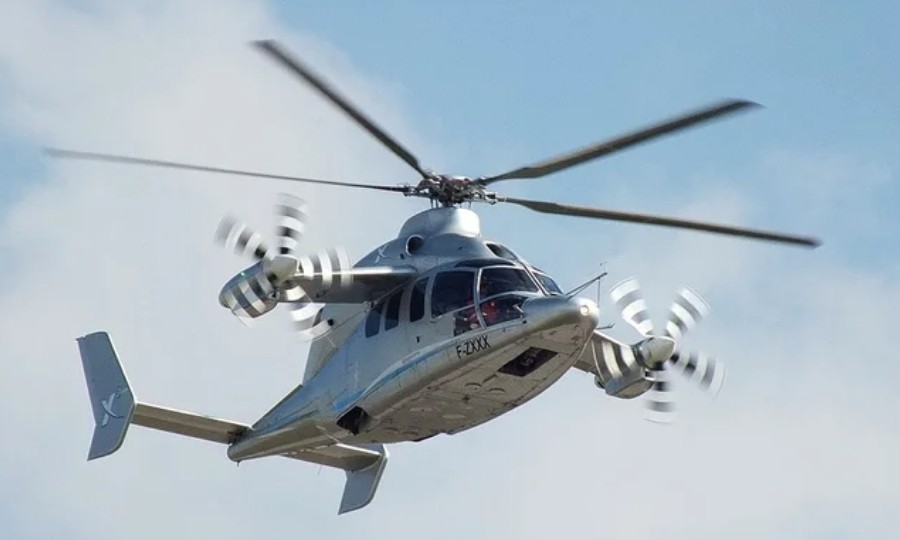
Eurocopter began a X3 flight testing programme in September 2010 that combines the vertical takeoff and landing capabilities of a helicopter with an aircraft’s fast cruise speeds of more than 220 kts. After achieving the initial true airspeed goal of 180 kt (333 km/hr) in November 2010 at a reduced level of engine power, the X3 underwent its planned gearbox upgrade and safety inspection. Since returning to flight, the X3 quickly demonstrated its performance at full engine power, including impressive climb and descent rates as well as manoeuvrability while also confirming the hybrid propulsion system’s capabilities for acceleration and deceleration. The hybrid aircraft has low vibration levels without the use of passive or active anti-vibration systems, providing flight characteristics comparable to those of the best traditional design helicopters currently in service. Eurocopter’s X3 hybrid helicopter demonstrator had an original speed target of 220 kts, The X3’s speed milestone was reached on 12 May 2011 during stable level flight; the hybrid demonstrator maintaining a true airspeed of 232 kts (430 km/hr) for several minutes. This occurred during only the third mission after a scheduled upgrade that integrated the X3’s definitive gearboxes, enabling it to operate at full power.
The X3 uses a primary rotor like a helicopter for vertical operation and a pair of outrigger engines for forward motion. A pair of turboprop engines push it up to speed. It could only accommodate two people.
In 2011, the X3 broke records by achieving a cruising speed of 267 mph using only 80% of its power. Three years later, in June 2013, it reached a top speed of 300 mph before the pilot reined it down to a cruise of 293 mph.
After 199 test flights from which engineers gleaned reams of data, the airframe was retired and now lives a as an exhibit at the Bourget National Air and Space Museum outside of Paris.
The MRH 90 is the first true fly-by-wire helicopter and is equipped with a Forward Looking Infra Red system for flight in low light and has the same pilot helmet-mounted sight and display as used in the Tiger Armed Reconnaissance Helicopter.
The Australian Defence Force ordered an additional 34 MRH 90 to bring the total to 46. Eurocopter subsidiary Australian Aerospace was to assemble 42 at its Brisbane facility.
Length 16.09m Width 3.63m Height 4.16m Range (combat load) 290nm Max passengers 18 Max Payload 8800lbs Armament 7.62mm Machine Gun