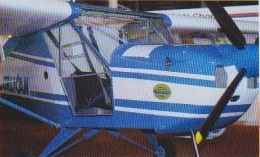
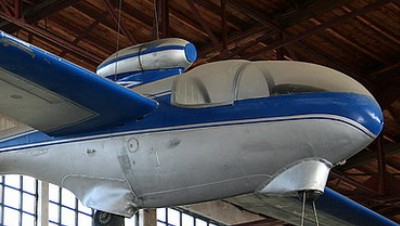
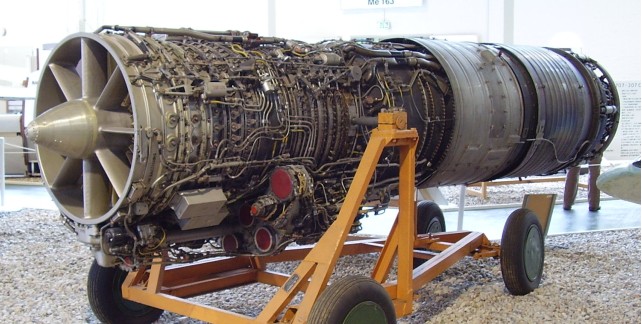
MacDonald S-20

The S-20 utilizes all-metal construction but keeps it simple by the extensive use of pop rivets. It features open-cockpit seating for one, low wings and conventional tail-wheel landing gear. The fuselage is of steel-tube truss construction with a light alloy skin. The constant-chord wings are also covered with the same light alloy skin.

First flight was made on March 9, 1972 by N106AB. S-21 was the designation for plan-built aircraft by home-builders.

Engine Volkswagen 1500cc, 53-hp
Wingspan 25 ft 0 in
Length 18 ft 6 in
Gross Wt. 720 lb
Empty Wt. 456 lb
Fuel capacity 10 USG
Top speed 162 mph
Cruise 90 mph.
Stall 38 mph.
Climb rate 850 fpm
Takeoff run 300 ft
Landing roll 300 ft
Range 250 miles
Seats: 1
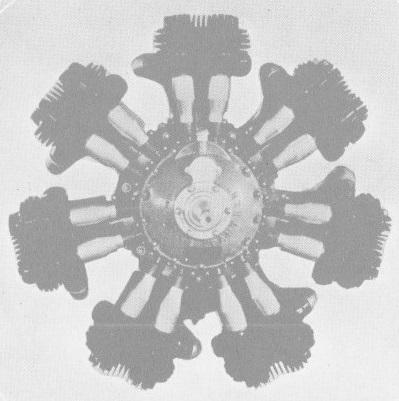
MacClatchie Panther

The cylinder heads are L-shaped combustion chambers allowing the valves to be actuated by direct contact with the cams eliminating rockers and rods.

The valves can be reground without removing the cylinders. The port pluga are unscrewed, and the valves can be removed through the ports.

Type: 7 cylinder radial, L-head, air cooled 4 stroke
Rating: 150 hp at 1900 rpm
Displacement: 612.15 cu.in
Compression ratio: 5-1
Bore: 4 1/2 in
Stroke: 5 1/2 in
Length: 35 in
Diameter: 36 in
Weight: 400 lb
Fuel consumption: not more than .56 lb/hp/hr
Oil consumption: not more than .023 lb/hp/hr
Lubrication: pressure system
Ignition: dual Scintlla
Carburation: Stromberg NAR-5A
Spark plugs: 2 per cylinder

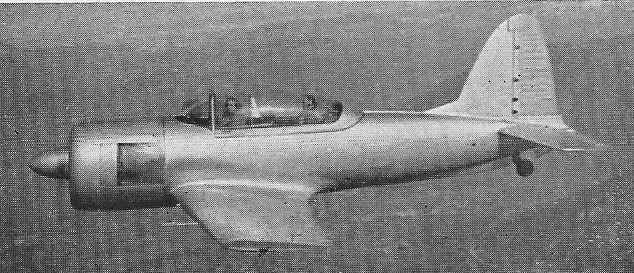
Macchi M.B.323

The 1952 Macchi MB.323 was designed to meet an Italian Air Force specification for a two-seat basic trainer. The first prototype was powered by a 610 hp Pratt & Whitney Wasp, and the second had an Alvis Leonides 502/5 Mk.24.

Engine: 610 hp Pratt & Whitney Wasp
Max speed: 242 mph at 5905 ft
Cruise: 199 mph at 9842 ft
ROC: 1436 fpm
Service ceiling: 21,325 ft
Range: 808 mi
Empty weight: 4409 lb
Loaded weight: 5575 lb
Wingspan: 39 ft 4.5 in
Length: 29 ft 11.5 in
Height: 13 ft 1.5 in
Wing area: 217u sq.ft

Macchi M.B.320

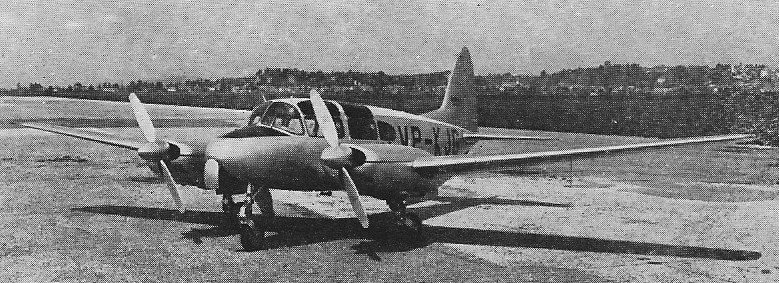
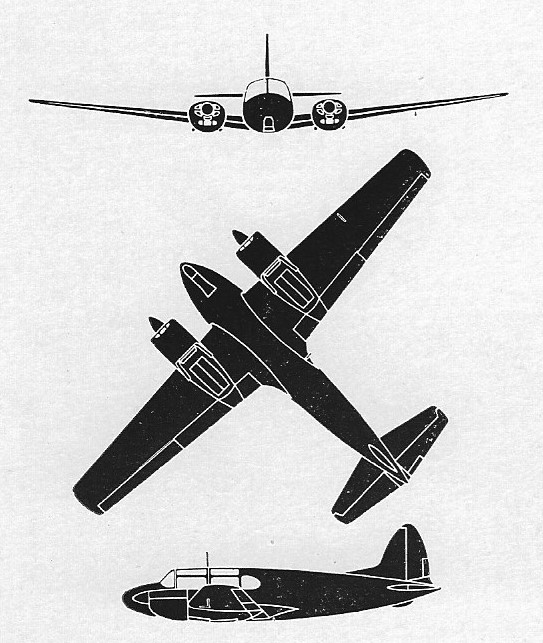
The MB.320 is a development of the post-war MB.314. Powered by two Continental E.185 engines of 185 hp driving Piaggio mechanical variable pitch or Aeromatic automatic constant speed propellers.
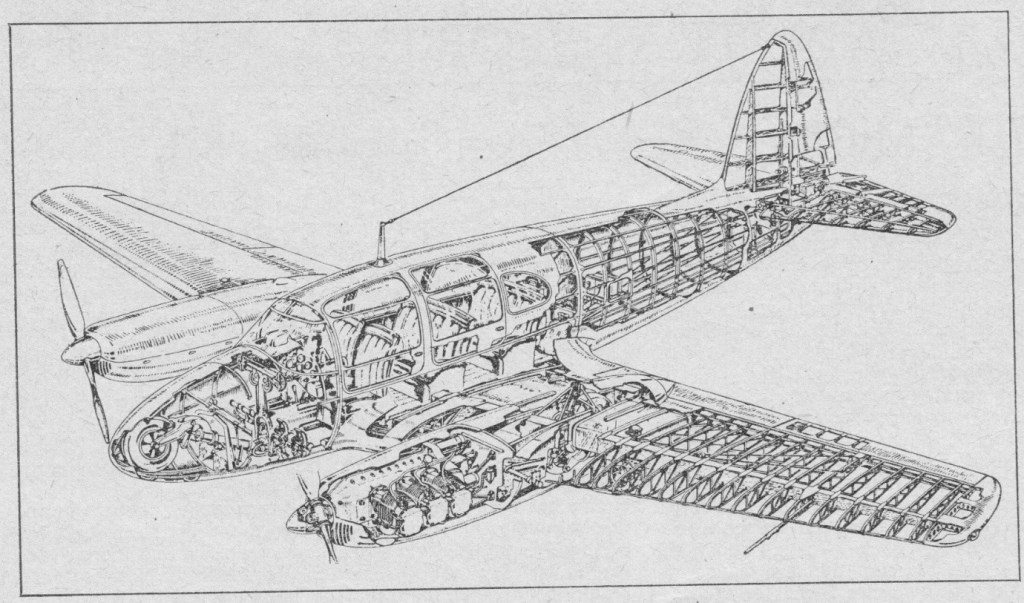
The cantilever low-wing has a NACA 2300 section and wooden single-spar covered by plywood, fitted with differential slotted ailerons and flaps. The fuselage is built in three sections with a detachable metal e cone and woo centre and rear with plywood skins. The centre section contains the cabin and baggage compartments. The wood tail section has trim tabs in the starboard elevator and rudder. The undercarriage is retractable with the fully swivelling nose wheel retracting backwards into the nacelles.
Sound proofed and air conditioned, the cabin seats six, two pilots side-by-side, and four passengers. A baggage compartment is aft of the rear seats.

Introduced in 1949, the MB.320 was produced in limited numbers.

A manufacturing licence was acquired by Societe Francaise de Constructions Aeronautiques Lignel, which planned manufacture as the VEMA-51. This licence was not taken up.

In addition to various Italian commercial concerns, three were sold to East African Airways.

One of three supplied to East African Airways.

Engines: 2 x Continental E-185, 185 hp
Wingspan: 42 ft 7 in
Wing area: 226 sq.ft
Length: 28 ft 4 in
Height: 10 ft 6 in
Empty weight: 3670 lb
Loaded weight: 5511 lb
Max speed: 186 mph at SL
Cruise: 156.6 mph
Min speed: 65 mph
ROC: 925 mph
Climb to 6500 ft: 5 min 5 sec
Service ceiling: 24,930 ft
Range: 665 mph
Seats: 6

MB.320

Macchi M.16

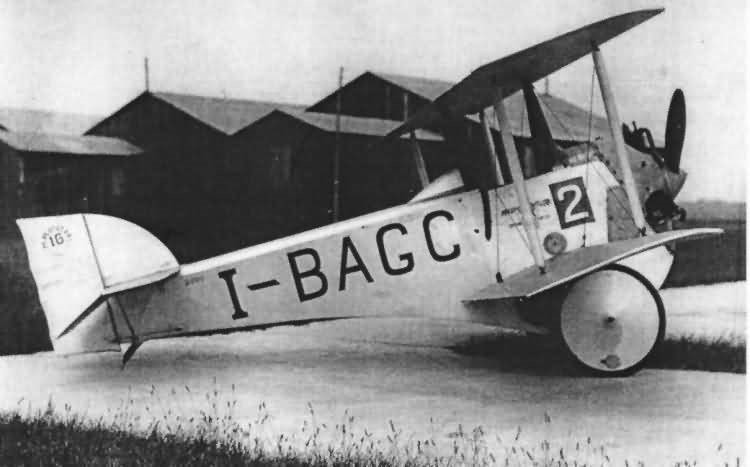
The Macchi M.16 was a light, single-seat aircraft designed by Alessandro Tonini and produced by Macchi in Italy in 1919.

It was a single-bay biplane with unstaggered wings and a largely conventional design except for an unusually deep fuselage that extended in a bulge below the lower wing. The landing gear axle being sprung directly on the bottom longerons with shock cord. The plane could also be fitted with pontoons.

The M.16 was developed in parallel with the Macchi M.20, a two-seat civil trainer aircraft which it resembled and with which it shared many common features.

The M.16 proved a successful sporting type, setting an altitude record of 3,770 m (12,370 ft) in 1920 while competing for the Coppa Mappelli (“Mapelli Cup”), and winning first prize in the competition in 1921.

The United States Navy purchased three float-equipped examples for evaluation as communication floatplanes.

Powerplant: 1 × Anzani, 22 kW (30 hp)
Wingspan: 6.00 m (19 ft 8 in)
Wing area: 11.3 m2 (122 sq ft)
Length: 4.43 m (14 ft 6 in)
Height: 2.12 m (7 ft 0 in)
Empty weight: 160 kg (350 lb)
Gross weight: 260 kg (570 lb)
Maximum speed: 165 km/h (103 mph, 90 kn)
Landing speed: 25 mph
Range: 420 km (260 mi, 230 nmi)
Crew: 1, pilot

M7 Orlikan

The Orlikan has a welded spaceframe fuselage with Dacron covered wooden wings.

Engine: Walter M-202, 65 hp
Wing span: 10.42 m
Wing area: 13.55 sq.m
MAUW: 450 kg
Empty weight: 250 kg
Max speed: 160 kph
Cruise speed: 135 kph
Minimum speed: 55 kph
Climb rate: 3.5 m/s
Seats: 2
Fuel consumption: 13.25 lt/hr
Price (1998): 50 000 DM