The 1909 Zipfel triplane was designed by Armand Zipfel and built by Voisins in France.
The 1909 Zipfel triplane was designed by Armand Zipfel and built by Voisins in France.
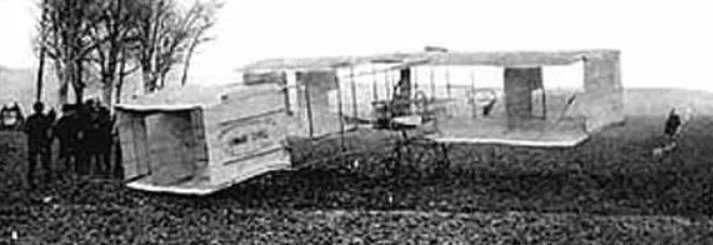
Armand Zipfel was a neighbour and youth friend of the Voisin brothers. After witnessing the flights of Henry Farman he decided in early 1908 to build a motorized airplane. He started the “Ateliers d’Aviation de Sud Est” and was allowed to use the drawings of the Voisin plane. He made his first flights at Villeurbaine, east of Lyon, in November 1908, becoming the sixth Frenchman to fly. He then toured Europe displaying the machine during 1909, visiting Berlin, Constantinople and Lisbon, also making an unsuccessful appearance at the Vichy Aviation meeting. After another visit to Germany in early 1910 he appears to have stopped flying in public.
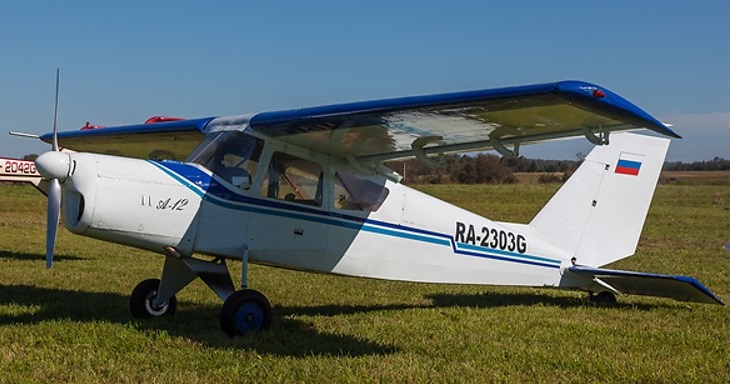
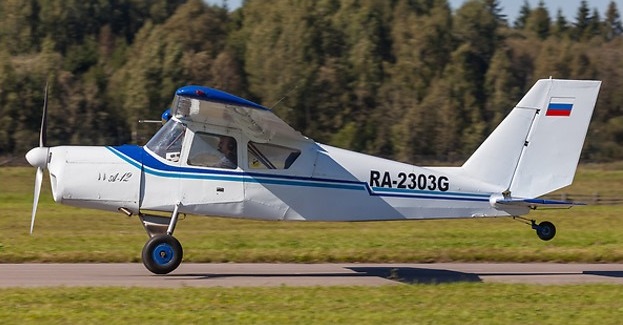
Homebuilt in 1990
In 1931 Hugh E Zimmerman of Omega OK., USA, built a single place, open cockpit biplane registered N995N. Power was originally a Ford engine, and later a 90hp Wright-Gypsy.

The 1935 single place low-aspect-ratio “flying pancake” developed in off-times by C H Zimmerman, John McKellar, and Richard Noyes, then with NACA, for design competition with Ercoupe and Stearman- Hammond. US patent #2,108,093 was issued to Zimmerman in 1938. Although rejected by NACA at too radical, despite its potential as a stall-proof airplane, elements of the design surfaced later in Vought V-173 and Vought-Sikorsky XF5U-1.
Unable to synchronize the motors, rather than risk an accident the project was abandoned and it never flew.
Engines: 2 x 25hp Cleone
Wingspan: 7’0″
Seats: 1
Built by Edward Zielenski in 1930, three place monoplane N10400 was powered by a 120hp Quick engine.
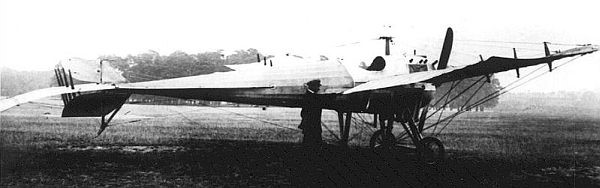
In 1912 Albert Ziegler acquired a used 50-55 hp Argus engine and a shed at the Bornstedter Feld near Potsdam from the Siemens-Schuckert company, where at least a year was needed to realise his “Pfeil-Eindecker”. Flown during the summer of 1913, it was said to have been very stable and well steerable.
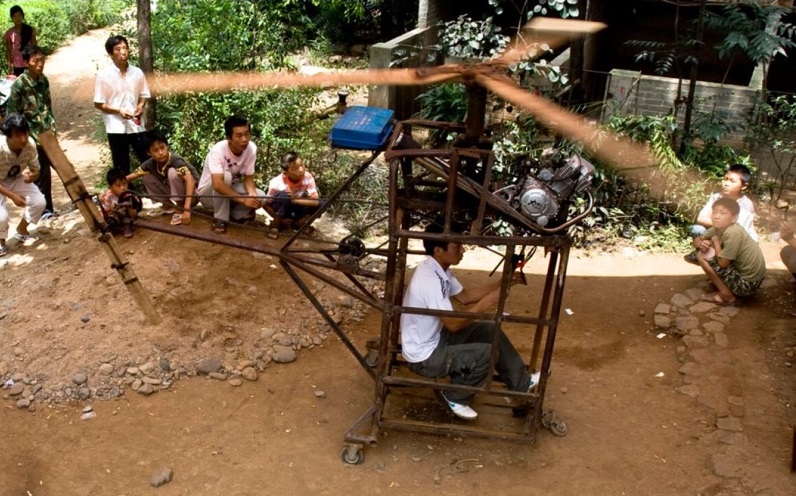
20-year-old Wu Zhongyuan, a farmer from Henan province. He has since childhood dreamed of flying and spent three months and $1,600 building a shanzai helicopter. The airframe is fabricated from a steel scaffold. Power comes from an old 150cc motorcycle engine driving Elm wood blades. Zhongyuan claims the chopper will fly to 800 meters (2,600 feet), but so far hasn’t been able to prove it.

Provincial authorities have forbidden him from flying on safety grounds.
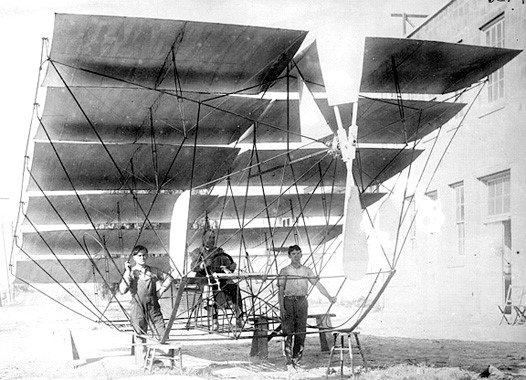
Californian Professor Jerome S. Zerbe produced a sextuplane with six 15′ wings forward-staggered over a framework bearing two tractor props, but there are no records of its success, if any.

In 1909 Californian Professor Jerome S. Zerbe built the four place cabin quadruplane Air Sedan. There were four short-span, double-cambered, forward-staggered wings, apparently with a ganged variable angle of attack. The cabin was plywood-clad.
Powered by a 100hp Gnôme or 90hp LeRhône rotary, it was flown by Tom Flannery from a field on the Washington County fairgrounds for a distance of about 1,000′ before being damaged on landing. No other flights were recorded.
 All Aero