
Hirth 2704

Willy Andiel designed and built two Andiel Special biplanes
One was built for Gareth Busby and one for Andiel, which he later sold to Tom Cooper.

A Messerschmitt 109 ‘look a like’ built in Australia by Willy Andiel circa 1985.
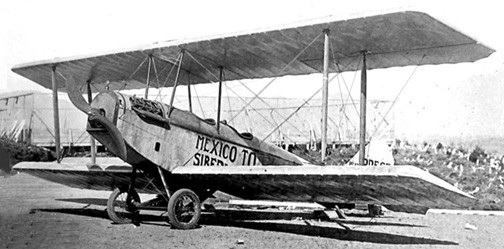
The 1921 Bach Polar Bear two-place was built Built by Morton Bach in his backyard with design help from Clarence Prest. Used for an attempted flight from Mexico to Siberia, which ended short in northwest Canada.
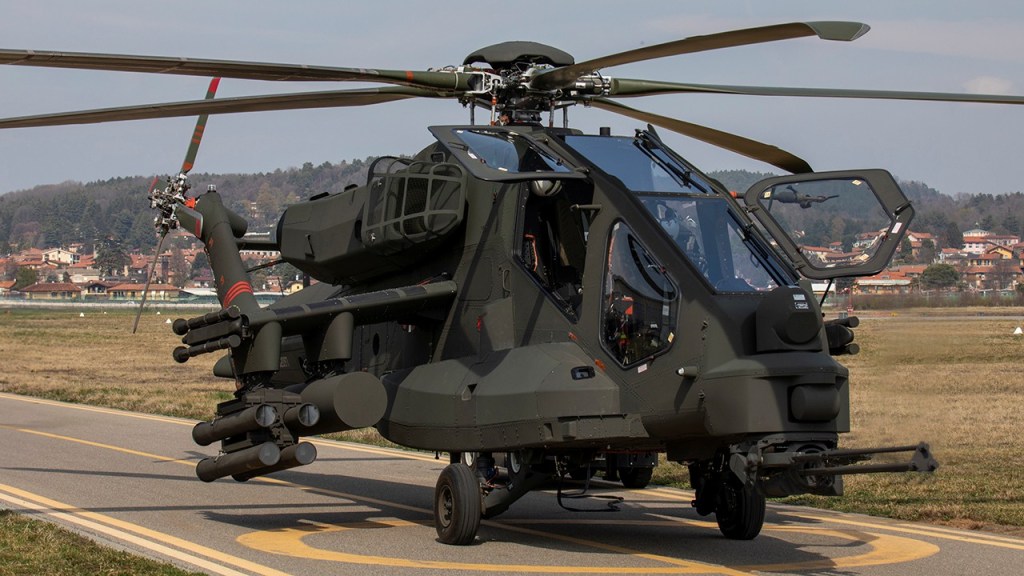
Development of the AW249 formally started upon receipt of a €487 million contract from the Italian Army as a replacement for the Agusta A129 Mangusta. It is to be larger, more survivable, and have greater autonomy than the Mangusta, incorporating stealth technologies and mission systems to control unmanned aerial vehicles (UAV)s. Numerous mature technologies will also be incorporated, such as the OTO Melara TM197B 20 mm chin-mounted cannon, Rafael Advanced Defense Systems Toplite targeting system and Spike missile, it is intended for the AW249 to have lower operating costs than the preceding Mangusta. Leonardo is actively seeking partners to collaborate on the AW249; a letter of intent on this matter was signed with the Polish Armaments Group during July 2018.
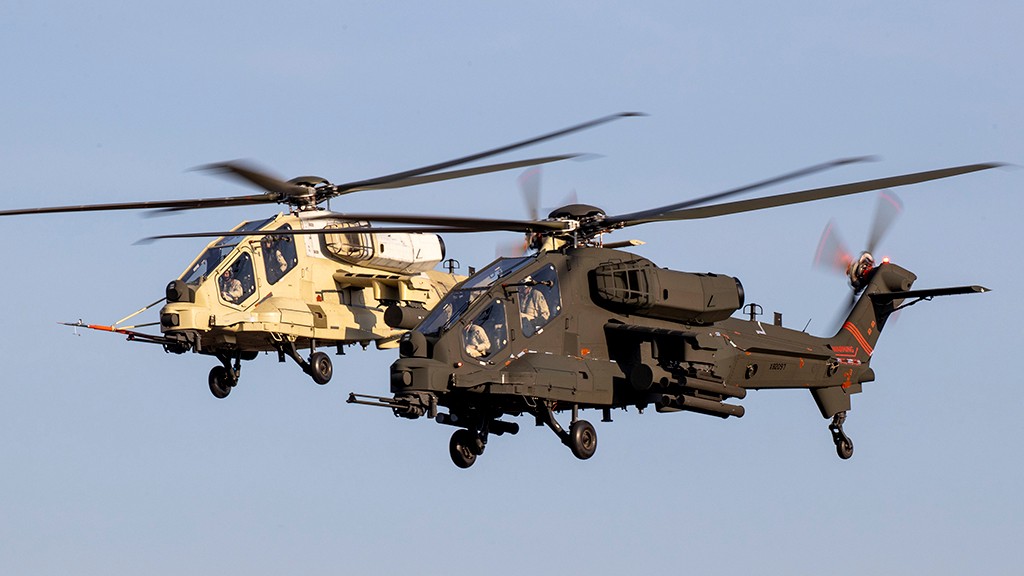
The maiden flight of the AW249 was originally scheduled to take place during 2020, but flew for the first time on 12 August 2022 from the company’s plant in Vergiate. There are to be a single prototype and three pre-serial production rotorcraft built ahead of quantity production AW249s.

Powerplant: 2 × General Electric CT7-8E6 turboshaft
Max take-off power: 2,503 shp (1,866 kW)
Max continuous power: 2,274 shp (1,696 kW))
Span: 14.60 m (47 ft 11 in)
Length: 17.63 m (57 ft 10 in)
Width: 4.60 m (15 ft 1 in)
Height: 4.26 m (14 ft 0 in)
Max takeoff weight: 8,300 kg (18,298 lb)
Maximum speed: 287 km/h (178 mph, 155 kn) (at maximum cruise power, with an average mission weight)
Cruise speed: 259 km/h (161 mph, 140 kn)
Range: 796 km (495 mi, 430 nmi)
Endurance: 4 hours 5 minutes (at maximum take-off power, with an average mission weight)
Service ceiling: 6,100 m (20,000 ft)
Rate of climb: 11.9 m/s (2,350 ft/min)
Capacity: 2,800 kg (6,200 lb) (weapons)
Crew: two
Hardpoints: 6 (2 under each wing, 1 on the wingtip)
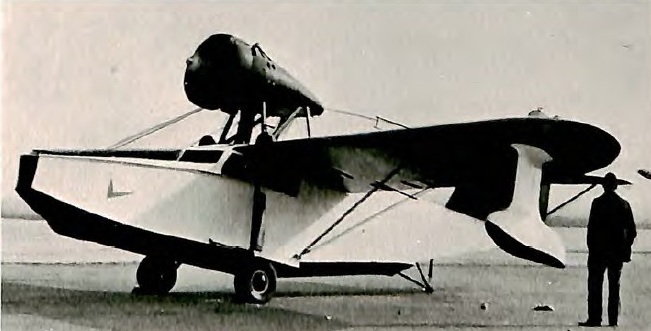
Brought out by Grover Leoning during 1933
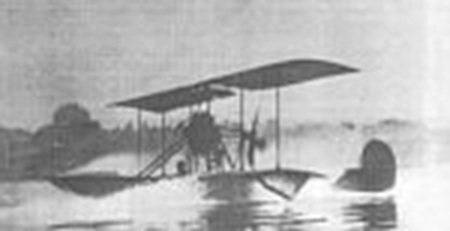
The 1913 Burgess-Collier biplane flying boat was designed and built by W.Burgess in the USA. It was commissioned by R. J. Collier, editor of Collier’s Weekly
An improved, largest and fastest version was powered by a 220hp 20 cylinder-radial engine.
Circa 1970, Dick Bailey built the Bailey Model B “Bitty Bipe” two-place open cockpit biplane N55E.
Engine: 125hp Lycoming O-290G
Wingspan: 16’0″
Useful load 300 lb
Cruise: 120 mph
Stall: 55 mph
Seats: 2
In 1931 Roy Raymond Bagg of Mooreton ND., USA, built the Bagg Model 1 single-place open cockpit monoplane N12086, powered by a 65hp Velie engine.

The 1927 Bach CS-4 N3431 c/n 2 was a four-place cabin biplane.
Engine: 150hp Hisso A
Max speed: 130 mph
Stall: 30 mph
Seats: 4
 All Aero