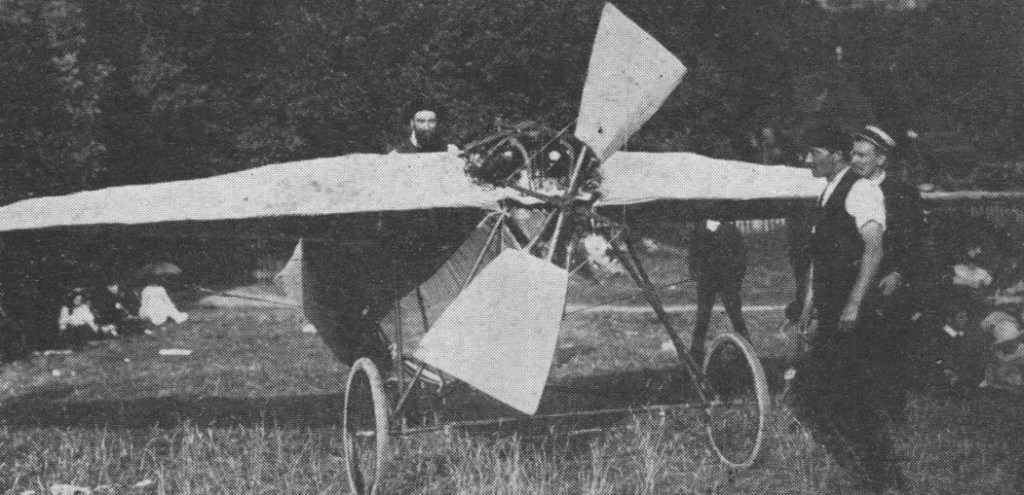
Bellamy’s later tailless monoplane, tested at Petersham Meadows in August 1908 did not fly, but taxied quite quickly along the ground.
Bellamy’s later tailless monoplane, tested at Petersham Meadows in August 1908 did not fly, but taxied quite quickly along the ground.
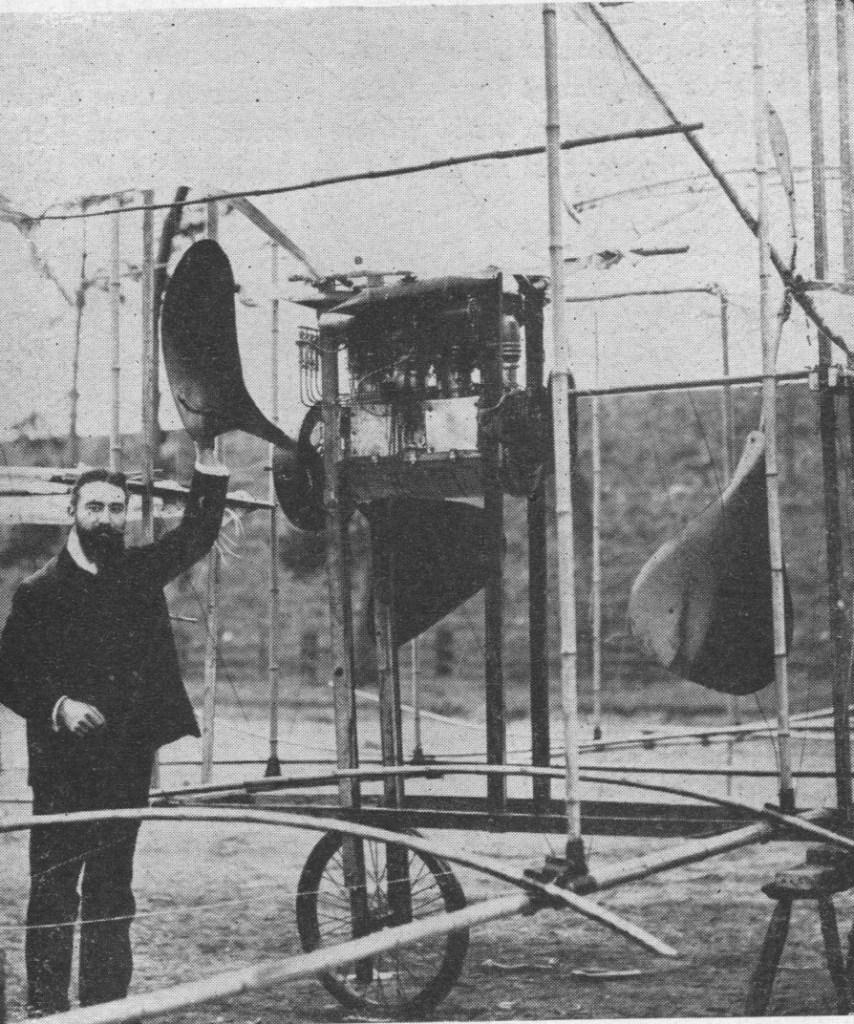
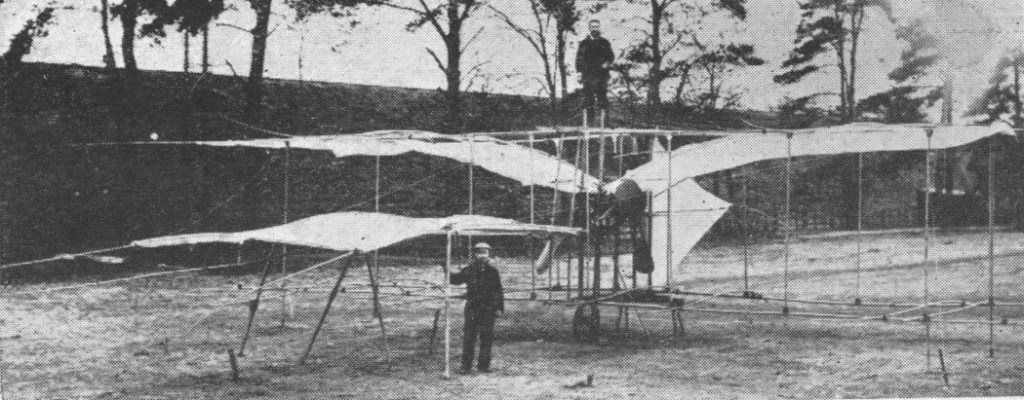
An early enthusiast at Weybridge, UK, Mr Bellamy built the bamboo and canvas-covered biplane.

In the late 1930s, Belgian aircraft maker Constructions Aéronautiques G. Renard developed the R.35, a sleek, pressurised airliner built for long-distance travel. Designed to serve SABENA’s route to the Belgian Congo, the R.35 featured a low-wing monoplane layout with three engines and retractable landing gear.

Alfred Renard initiated the design in 1935. SABENA requested a three-engine configuration, prompting a metal monoplane that could seat 20 passengers in a pressurised cabin. On April 3, 1936, an order for a single prototype was confirmed. Though compatible with more powerful engines, the prototype used less powerful Gnome-Rhône 9Ks.
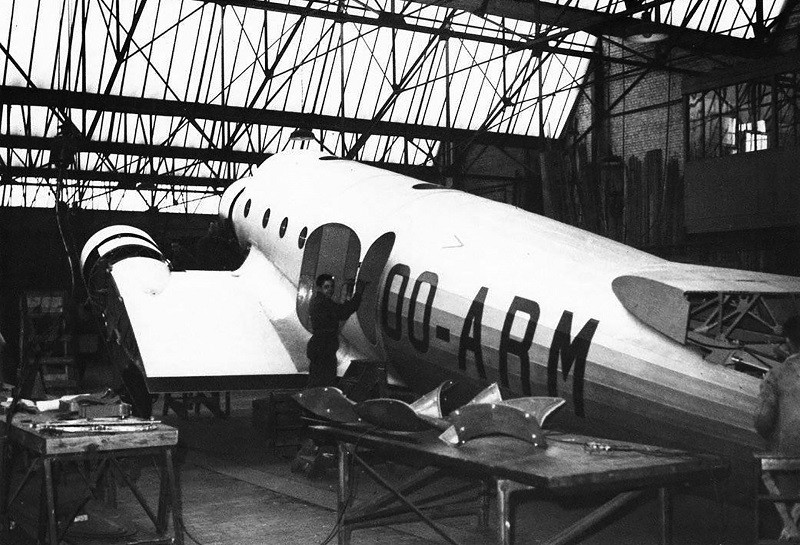
By early 1938, the R.35 was ready for testing. On April 1, it stood on Evere airfield, poised for high-speed taxi trials before a crowd of VIPs and journalists. After one ground run, it unexpectedly lifted off during the second. The pilot, Georges Van Damme, tried to complete a circuit, but the aircraft dove suddenly and crashed, killing Van Damme.
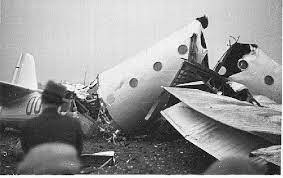
With the cause undetermined, SABENA withdrew its support, and the R.35 project was abandoned.

Powerplant: 3 × Gnome-Rhône 9K, 560 kW (750 hp) each
Wingspan: 25.50 m (83 ft 8 in)
Length: 17.50 m (57 ft 5 in)
Wing area: 87 m2 (940 sq ft)
Height: 5.50 m (18 ft 1 in)
Empty weight: 6,100 kg (13,448 lb)
Max takeoff weight: 10,500 kg (23,149 lb)
Capacity: 20 passengers or 2,000 kg (4,400 lb)
Crew: 3 (2 pilots and radio operator)
Maximum speed: 435 km/h (270 mph, 235 kn) at 5,000 ft (1,500 m)
Cruise speed: 350 km/h (220 mph, 190 kn)
Range: 1,800 km (1,100 mi, 970 nmi)
Service ceiling: 9,000 m (30,000 ft)


Alef Aeronautics offers its own eVTOL A flying car, a concept flying car that would have a driving range of 200 miles and a flight range of 110 miles.
The design has a car-like exterior, and does not have any exposed propellers for added safety and to drown the loud whirring sounds and also save space. The Alef flying car is all-electric and anchor key components such as Distributed Electric Propulsion (DEP) – which helps the airflow be evenly distributed – triple to octuple redundancy of all key components, real-time and pre-flight diagnostics to always keep the drivers informed of their drive or flight, glide landing, and even a full-vehicle parachute in case of emergencies.

Alef Aeronautics shares in the release that the 300,000 USD (2025) Alef flying car would be developed using the latest hardware and software technology and end up being lightweight packs with long-lasting components, software simulators and analysis, and rigorous flight testing. The team is planning to begin production and deliver the first batch in 2025.

Alef Aeronautics’ drivable flying car takes its maiden flight in a city field. On February 19th, 2025, its test model takes off, even flying over another vehicle. In a LinkedIn post, Alef Aeronautics CEO Jim Dukhovny writes that the video showcasing the flight is ‘the first documented, verifiable flight of a flying car (an actual car, with vertical takeoff, non-tethered).’
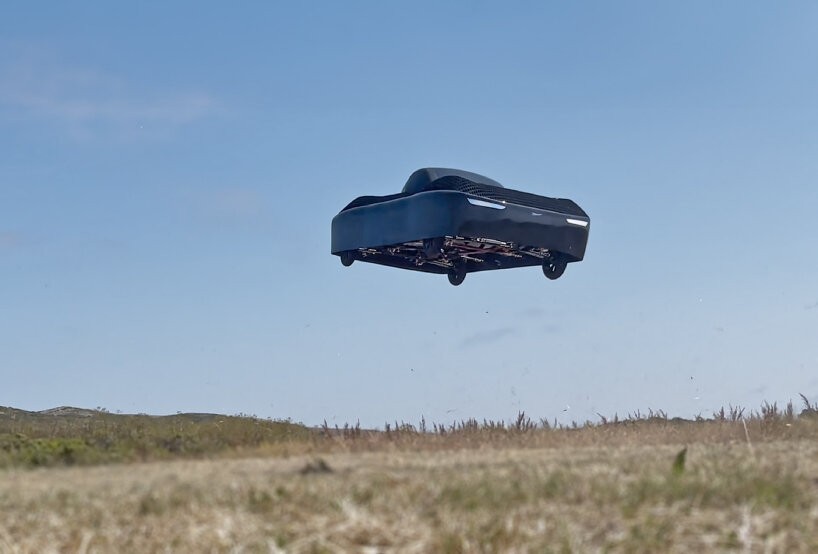
The vehicle comes with a gimbaled cabin design to keep it stable as it moves through the air as well as an elevon system to control the vertical and horizontal movement of the Alef Aeronautics flying car and its tilting.
Presently, the Alef Aeronautics flying car is the first vehicle with vertical takeoff to receive FAA permission to fly in the US (FAA Special Airworthiness Certificate).
While the Alef Model A is the commercial version, the test model is the Alef Model Zero. It is solely used for research and development in the hopes of becoming the actual Alef Model A.
The 1921 V.B.L.-1, built by Aerial Transport Corp, was an open cockpit biplane described as an “express transport of three-ply construction.” 1922 Eaton Chronicles reported that Rogers Construction Co “… takes over the building of a Sport Biplane designed by C H Day of the defunct Aerial Transportation [sic] Corp.” Then in 1925, “Charles ‘Pop’ Dickinson buys the C D Air Express from Rogers,” which is described as a C H Day design. This would be conclusive proof that VBL-1 and CD Express are one and the same.
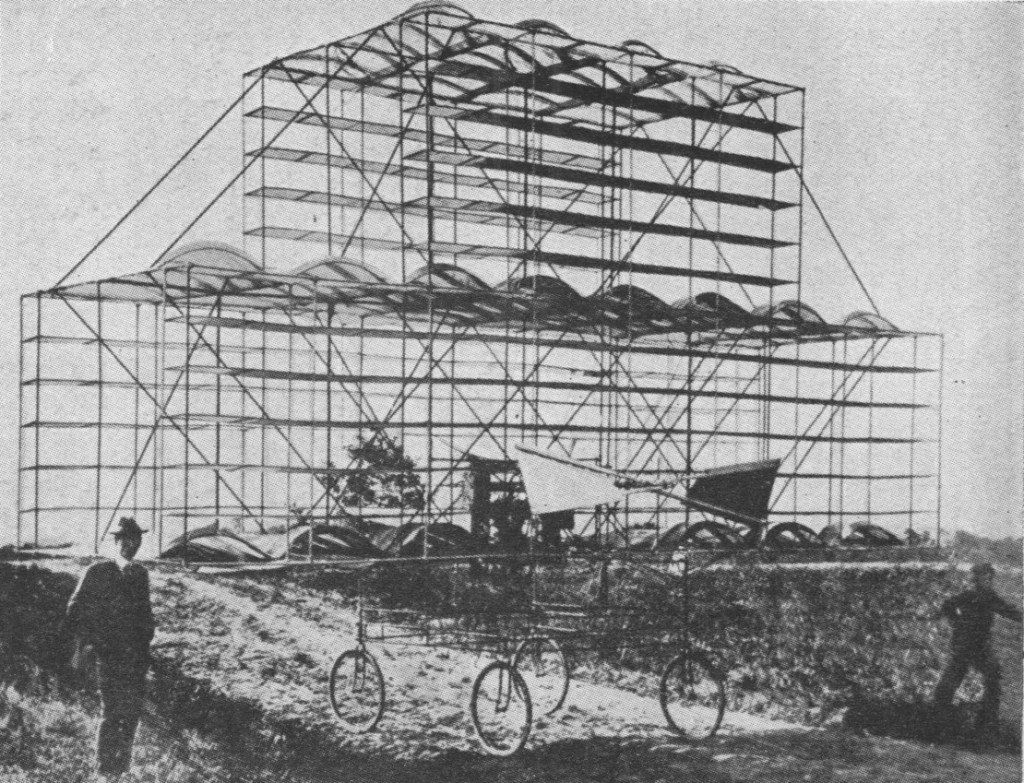

A red, white and blue built by Schmutz in 1904.
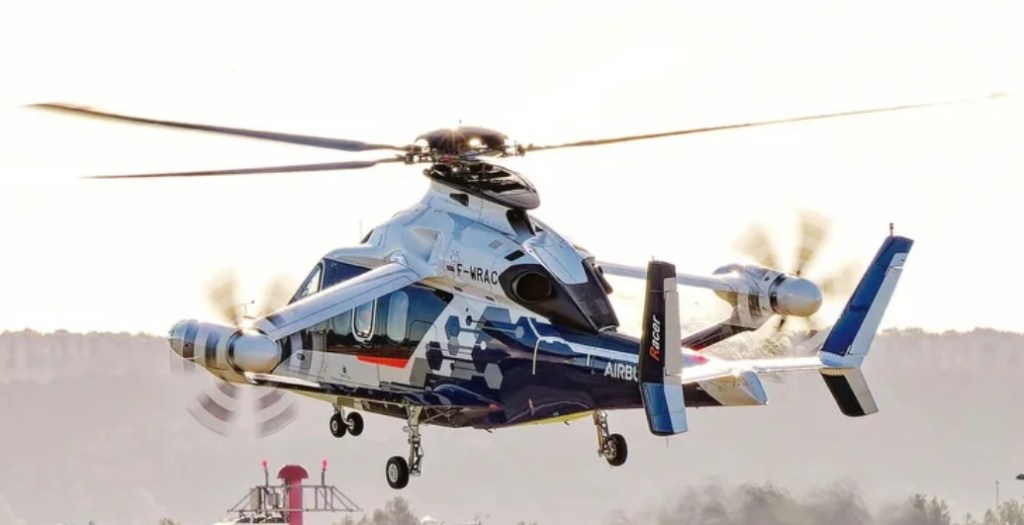
The Airbus Racer is an experimental airframe.
Airbus uses the Racer as a testbed for technology, one of its main focuses is developing an aerodynamic airframe. Aside from a sleek design, it features a pair of box-wing outriggers equipped with additional rotors and a twin-boom tail that forgoes the typical rear rotor setup.
The Airbus team set a goal of reaching a fast cruise speed of 253 mph, which it achieved within two months of the Racer’s first flight. Test pilot Hervé Jammayrac later pushed it up to 260 mph. It achieved its speed in part due to a design that produces a drag coefficient in the same range as Airbus’s smallest models despite its larger size.
A pair of Safran Aneto-1X engines each make 2,500 shp.

The company’s Midnight flagship air taxi broke cover in November 2022, sporting 12 rotors mounted along its wings – six dual-blade types at the rear locked in upward configuration plus six five-blade versions to the front capable of tilting for forward flight. Archer was aiming for top speeds of 150 mph (241 km/h) and a per-charge range of 100 miles (161 km).
By early 2023, a Midnight prototype was built and ready start test flights, which began in October. Its first transition from vertical hover to forward flight followed in July of last year, but May 2025 the pilot seat has been empty.
Archer’s five-seat Midnight air taxi rose vertically from the tarmac in the latter half of 2023, following years of testing and tweaking of prototypes like the two-seat Maker demonstrator.
In May 2025 Archer was testing the piloted conventional take-off and landing (CTOL) capabilities of its Midnight aircraft. Archer has released video footage of the first flight of its Midnight eVTOL with a pilot at the controls, though the aircraft rolled down a runway to take off rather than using its rotors to lift it vertically.
With chief test pilot Jeff Greenwood in the cockpit taking the aircraft prototype down a runway and up into the air to “demonstrate the robustness of Midnight’s landing gear” during conventional take-off and landing operations.

The pilot managed to get the eVTOL in CTOL testing mode up to 125 mph (over 200 km/h) and reached a maximum altitude of more than 1,500 ft (~460 m) above ground level.


 All Aero